Tokyo Private Tours
Golden Gai and Shibuya's nightclubs exist, but Tokyo's actual nightlife is standing bars near train stations, yakitori alleys where you order by the skewer, and the specific drinking rituals that help 14 million people tolerate the work culture.
September 21, 2025
9 min read
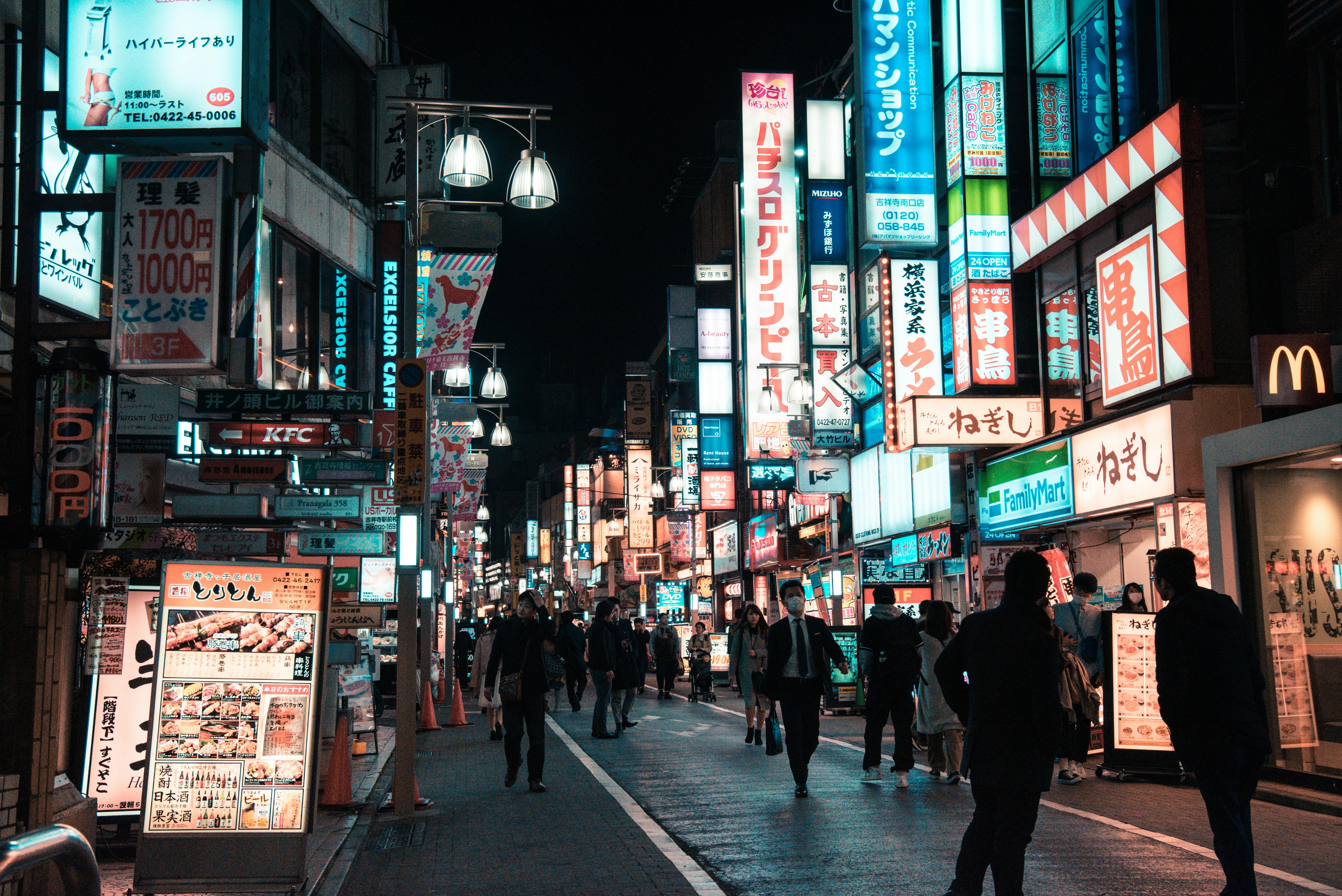

Most Tokyo nightlife guides emphasize Shibuya clubs, Roppongi's international bars, and Golden Gai's photogenic alleys. These places are real, but they serve tourists and young crowds. Tokyo's actual nightlife—the drinking culture that serves the city's 14 million residents—happens at standing bars next to train stations, yakitori shops where you order 2-3 skewers at a time, and the izakayas that fill with salary workers between 6pm and last train.
Standing Room Only: West Tokyo's Drinking Infrastructure
Standing Room Only takes you through west Tokyo's drinking neighborhoods—Nakano → Nishi-Ogikubo → Kichijoji—where locals unwind at standing bars, hidden izakayas, and the kind of spots that don't have English menus because they don't need them. 4 hours, $314 for two people, starts 6:15pm.
This isn't a bar crawl where you're rushing through drinks to hit as many places as possible. It's understanding drinking as social infrastructure—why these neighborhoods developed bar concentrations, how standing bars operate differently from seated izakayas, and what social protocols govern after-work drinking in Tokyo.
You'll experience Showa-era atmosphere (the postwar drinking culture that persists), meet locals who are regulars at these spots, and understand why Tokyo's salary workers choose these specific neighborhoods one train stop west of Shinjuku rather than drinking in the famous tourist districts.
Kushiyaki Confidential: Yakitori as Drinking Ritual
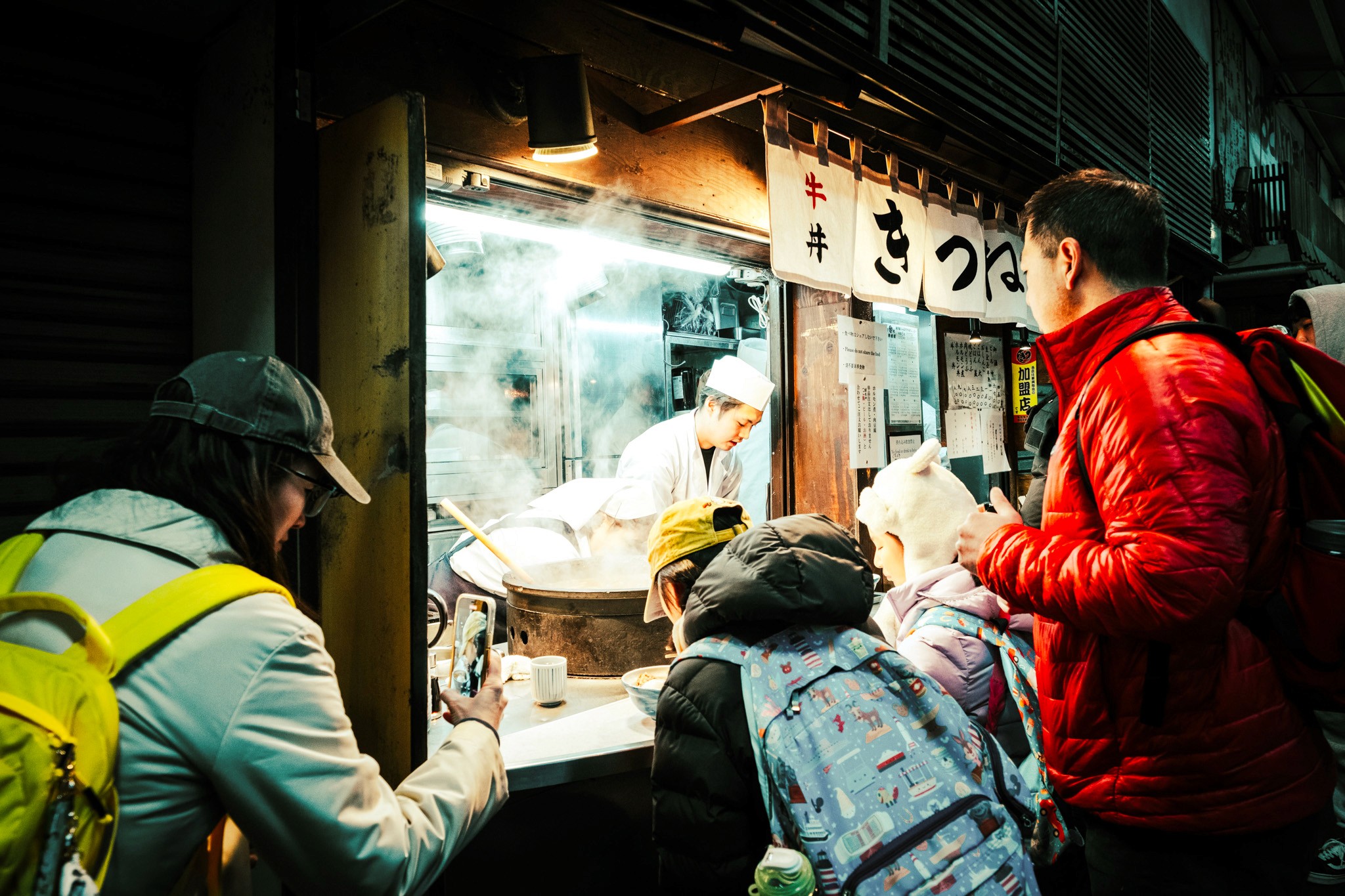
Kushiyaki Confidential focuses specifically on yakitori culture—the grilled chicken skewers that serve as Tokyo's default after-work food, ordered piece by piece while drinking beer or sake at small counters. This is how Tokyo's salary workers actually unwind.
The tour explains the ritual: you order 2-3 skewers, they cook while you drink, you eat, you order more—cycling throughout the evening. The progression follows patterns (light to rich flavors, salt to tare sauce, finishing with carbohydrates), and the pacing is designed for drinking, not efficient eating.
This is nightlife as working-class culture, not entertainment district spectacle. You're drinking where people drink after work, following the protocols they follow, and understanding why this specific ritual matters to Tokyo's social fabric.
Last Train Dictates Everything
Tokyo's trains stop running around midnight on weeknights (1am weekends). This creates the rhythm that governs nightlife: people leave work at 6-7pm, drink until 11-11:30pm, then rush to catch final trains. Miss your train, and you're paying ¥8,000-15,000 for a taxi home or waiting in a manga cafe until first trains at 5am.
This constraint shapes Tokyo's drinking culture. It's not about getting maximally drunk—it's about drinking exactly enough to decompress from work while maintaining train-catching capacity. The drinking is social lubricant and stress relief, not party culture.
Understanding this helps you recognize what you're seeing. When bars start emptying around 11pm, it's not because the night is ending—it's because everyone needs to catch trains. The people who stay past midnight are either wealthy enough to afford taxis, drunk enough to not care, or live close enough to walk home.
Standing Bars as Economic Solution
Standing bars (tachinomi) charge less than seated establishments because they move customers faster, use space more efficiently, and reduce service requirements. You stand at a counter, order from a limited menu, drink quickly, and leave when you're done. The turnover rate keeps prices down—you're paying ¥300-500 per drink instead of ¥800-1,000 at seated bars.
This model serves Tokyo's salary workers who want to drink daily without spending ¥5,000+ per session. The standing format isn't about hipster aesthetics—it's economics that makes regular drinking affordable for people earning ¥4-6 million annually (Tokyo's median income).
The bars concentrate near train stations because that's where commuters pass through. The chains (Tachinomi Kadoya, Gin no Sara) succeed because they provide consistent quality at consistent prices. And the independent standing bars survive by specializing in specific styles—sake-focused, beer-only, wine bars—serving niches large enough to sustain them.
Drinking Districts Follow Commuter Patterns
Tokyo's major drinking districts (Shinjuku, Shibuya, Ikebukuro) are also major train transfer stations. This isn't coincidental—they're where commuters can drink before their final train home without backtracking. The geography follows infrastructure.
Smaller drinking concentrations exist near residential train stations—Kichijoji, Nakano, Nishi-Ogikubo—serving people who live nearby and don't want to drink in central Tokyo. These neighborhoods offer the same drinking culture without tourist crowds or central Tokyo prices.
Understanding this geography helps you recognize patterns. Yakitori shops cluster at station exits. Chains occupy high-visibility corners. Independent bars locate on second floors or in alleyways where rent is cheaper. The physical distribution reflects economic logic, not randomness.
Social Protocols That Govern Drinking
Japanese drinking culture includes specific protocols: don't pour your own drinks (wait for others to pour for you), say "kanpai" (cheers) before the first drink, participate in rounds rather than drinking at your own pace, and understand that the drinking is facilitating work relationships, not purely social.
These protocols aren't about politeness—they're social technology that makes drinking in hierarchical work culture function. The junior employee pours for the senior. The senior pays for rounds. Everyone gets drunk enough to speak honestly without tomorrow's consequences because "drunk talk doesn't count."
A guide navigates these protocols for you—explaining when to pour, how to refuse drinks politely (say you're still working on your current one), and understanding that some drinking is performative (you don't actually need to get drunk, but you need to participate in the ritual).
The Gap Between Tourist Nightlife and Local Nightlife
Golden Gai, Shibuya's clubs, and Roppongi's international bars serve tourists, foreigners, and young Japanese who want Western-style nightlife. They're real—Tokyo has these scenes—but they're not where the city's 14 million residents drink after work.
Local nightlife happens at standing bars near stations, yakitori shops with handwritten menus, and izakayas that have served the same neighborhood for decades. These places don't have English signs because they don't need foreign customers. They survive on regulars who live or work nearby.
The distinction matters if you want to understand Tokyo rather than just drink in Tokyo. Both nightlife scenes exist, but they serve different populations and represent different aspects of the city. Tourist nightlife is accessible and English-friendly. Local nightlife requires language skills or a guide but shows you how Tokyo actually functions.
Which Bars Welcome Foreigners vs. Which Don't
Many Tokyo bars are regulars-only—not from xenophobia, but because the business model depends on repeat customers, the space is limited (6-10 seats), and serving first-timers who don't understand protocols disrupts the atmosphere. These bars will politely indicate they're full even when seats are clearly available.
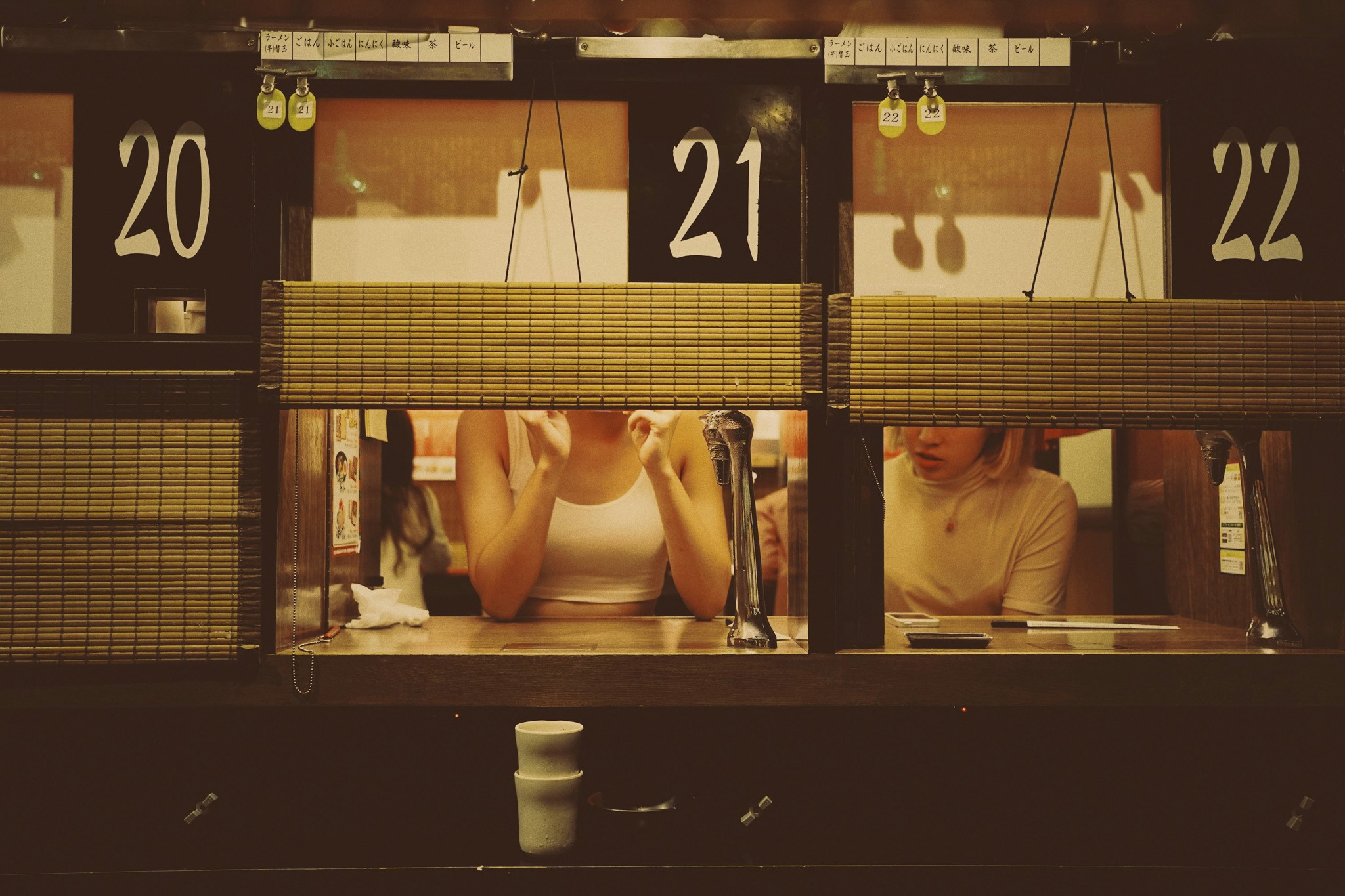
Other bars welcome anyone but have barriers: no English menus, staff who can't communicate in English, ticket machine ordering systems in Japanese, or entrances hidden behind curtains that tourists walk past without realizing a bar exists.
A guide provides access to both types—either navigating language barriers at places that accept foreigners, or bringing you to regulars-only establishments that accommodate guided groups because the guide handles all communication and ensures guests understand protocols.
The Drinking Progression That Isn't Written Anywhere
Japanese drinking follows an unwritten progression: start with beer (everyone orders beer first, regardless of preference), move to sake or shochu if you're staying longer, order food that pairs with drinks (not full meals), and time your departure to catch trains.
The food ordering also follows patterns: start with lighter items (edamame, cold tofu, tsukemono pickles), progress to grilled items (yakitori, fish), include something fried if you're drinking heavily, and maybe end with rice or noodles if you need carbohydrates before heading home.
These patterns aren't rules, but following them marks you as someone who understands the culture. A guide explains the rhythm so you're participating appropriately rather than accidentally ordering a full dinner when everyone else is drinking with light snacks.
Why Some Neighborhoods Feel More Authentic
Nakano, Nishi-Ogikubo, and Kichijoji have the same Showa-era drinking culture as Golden Gai or Omoide Yokocho but without tourist crowds because they're one train stop further from central Tokyo. The bars operate for locals, prices are lower, and the atmosphere feels working-class rather than performed.
These neighborhoods work the same way central Tokyo's drinking districts worked before tourism discovered them. The difference is economic—Golden Gai can charge ¥1,500 cover charges because tourists pay them. Nakano's bars charge ¥0-500 because they serve locals who'll go elsewhere if prices increase.
A guide shows you these neighborhoods before gentrification reaches them. You're seeing Tokyo's drinking culture as it operates for residents, not as it's been adapted for tourists willing to pay premium prices for "authentic" experiences.
The Language of Ordering and Paying
Many izakayas and yakitori shops use Japanese-only menus with minimal pictures. Ordering requires knowing food vocabulary (chicken parts, cooking styles, side dishes) and understanding the protocols (you order gradually, not all at once; you call staff by saying "sumimasen," not waving; you pay at the end, not per drink).
Standing bars often use ticket machines where you pay upfront, receive a ticket, and exchange it for drinks and food. The machines display prices and items in Japanese, and choosing wrong means you've paid for something you don't want.
A guide handles all ordering and payment logistics—you're drinking and eating without worrying about translation apps, pointing at random menu items, or miscommunicating what you want. The experience becomes about understanding the culture, not struggling with language barriers.
Best Time to Start
6:15-7pm departures capture the after-work transition—the moment when Tokyo's corporate districts empty and drinking districts fill. You'll see the ritual as it actually happens: salary workers changing from work mode to drinking mode, the first rush into yakitori shops, and the gradual filling of standing bars.
Starting earlier (5pm) means you're drinking before the locals arrive—you'll see empty bars that feel dead. Starting later (8-9pm) means you miss the transition and arrive when everything is already full and chaotic.
The tour duration (4 hours) is calibrated to the train schedule—starting at 6:15pm means ending around 10:15pm, giving you time to reach your hotel before midnight trains. If you're staying in central Tokyo or taking taxis, later start times work, but most visitors follow the train schedule.
How Much to Budget for Drinks and Food
Tour prices cover guide time, not drinks or food. Expect to spend:
Standing bars: ¥2,000-3,000 per person (4-5 drinks + light snacks)
Yakitori shops: ¥3,000-5,000 per person (10-15 skewers + 3-4 drinks)
Izakayas: ¥3,500-6,000 per person (shared dishes + drinks)
A 4-hour nightlife tour might involve ¥4,000-7,000 in food and drink costs per person beyond the tour price. This is normal Tokyo pricing—not tourist markup, not cheap, but reflecting the actual cost of drinking in the city.
Drinking Pace and Alcohol Tolerance
Tokyo's drinking culture assumes moderate tolerance—you're expected to keep pace with your group for 2-3 hours. This means consuming 4-6 drinks over the evening, not getting maximally drunk but staying buzzed enough to participate in the social ritual.
If you don't drink alcohol, alternatives exist (oolong tea, soft drinks), but you'll be participating in drinking culture without drinking. The social dynamics still operate—you're still pouring for others, receiving pours, saying cheers—but you're not consuming alcohol.
If you have low tolerance, communicate this to your guide. They'll pace the tour differently—fewer stops, smaller drinks, more food, and strategic water breaks. Japanese culture understands that not everyone drinks heavily, but you need to participate in the ritual.
What to Combine with Nightlife
Nightlife tours work well after daytime sightseeing—spend the day exploring neighborhoods (Asakusa, Ueno, Akihabara), return to your hotel to rest, then meet your guide at 6pm for evening drinking. This splits your day into cultural exploration and social experience.
Full-day tours that end with nightlife exist (Tokyo Trifecta can be scheduled for daytime → evening progression) but require stamina—8+ hours of walking and sightseeing, then 3-4 hours of drinking. Most people find this exhausting unless they're accustomed to Tokyo's pace.
Nightlife-only tours let you focus on the drinking culture without decision fatigue from a full day of sightseeing. You're fresh, you can drink properly, and you're learning about Tokyo's social infrastructure when you're alert enough to understand the context.
Golden Gai exists, but so do the standing bars where salary workers drink every Tuesday. Shibuya's clubs are real, but so are the yakitori alleys that serve 14 million residents. Understanding Tokyo nightlife means experiencing both the tourist version and the working-class infrastructure that makes the city function.
Ready to drink where Tokyo residents actually drink? Standing Room Only shows you west Tokyo's bar neighborhoods where locals unwind. Kushiyaki Confidential focuses on yakitori culture and the after-work ritual. Or Tokyo Trifecta includes Shinjuku's drinking districts as the culmination of west Tokyo's development.
Questions about drinking pace, dietary restrictions, or which neighborhoods to visit? Contact us and we'll help you plan the right approach for your Tokyo nightlife experience.