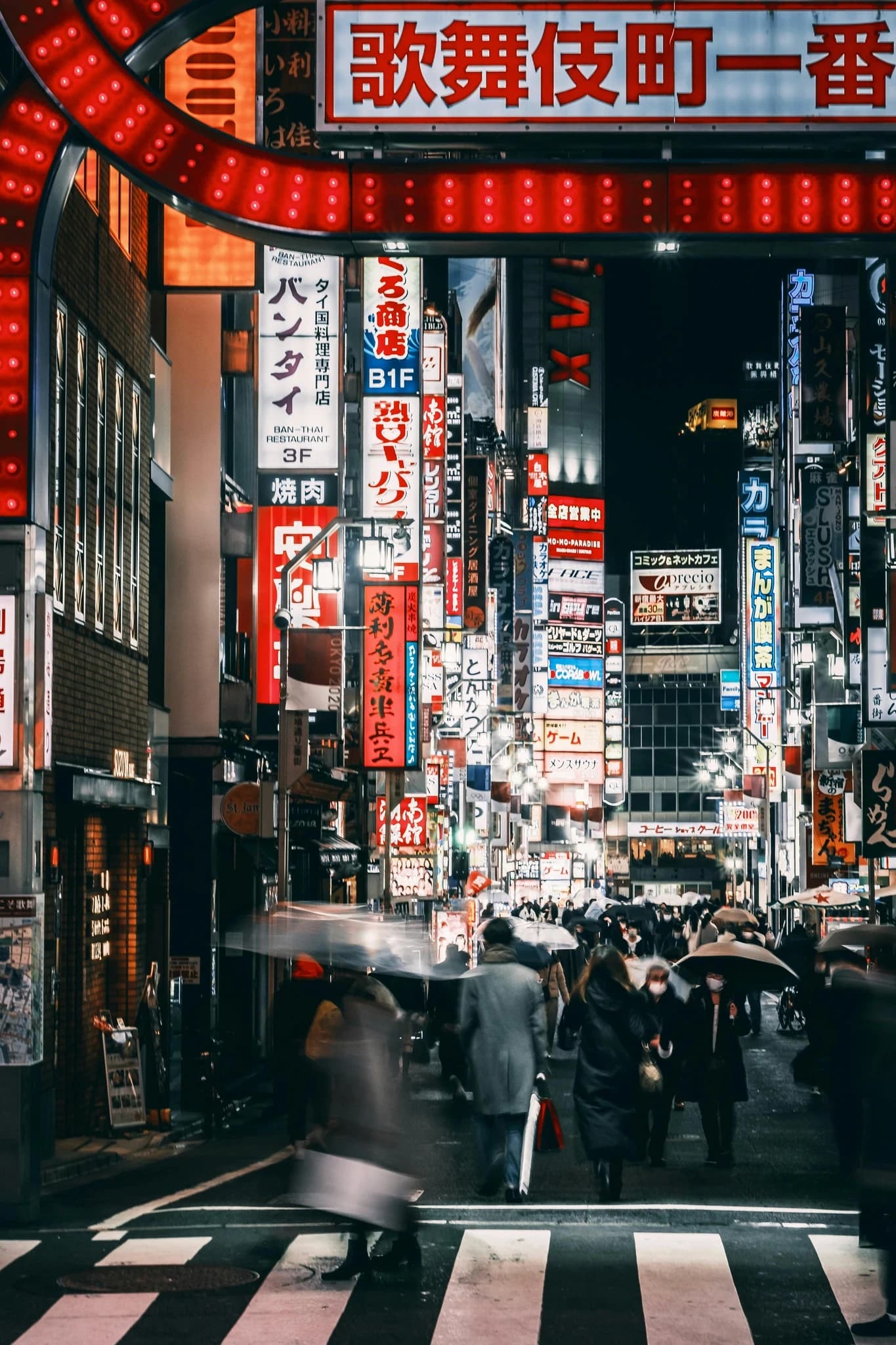

Shinjuku Morning Tour
A private morning Shinjuku tour through the neighborhood that only exists before 1pm. At $175 per person, your guide takes you through Showa-era kissaten, free panoramic views, residential backstreets behind the skyscrapers, and postwar alley architecture — all in morning light, all without crowds. This is not the Shinjuku you'll see on any evening bar crawl.
Why Choose This Experience
The Morning Version Nobody Else Offers
Every Shinjuku tour sells the evening — Golden Gai bar crawls, Kabukicho neon, yakitori smoke under the train tracks. This tour starts at 9am and shows you the version that vanishes by afternoon. At $175 per person, you start in a kissaten where siphon coffee has been brewed the same way since the 1960s, ride an elevator 202 meters for free views rivaling Tokyo Tower, walk residential backstreets where a centuries-old shrine sits between glass towers, explore Omoide Yokocho's postwar architecture in silence, and end at either a world-class art museum or one of Tokyo's finest gardens — both at their emptiest.
Kissaten Ritual
Start in a Showa-era coffee shop unchanged since the 1960s — siphon-brewed coffee, velvet seats, jazz on vinyl. The morning coffee ritual that disappears by noon
Morning-Only Access
Free 202m views at their clearest, Omoide Yokocho architecture without crowds, residential backstreets before office workers arrive — experiences that literally don't exist after lunch
Hidden Neighborhood Life
Nishi-Shinjuku 8-chome: produce shops, udon counters, a centuries-old shrine between glass towers — the residential pocket tourists never find behind the skyscrapers
Art or Gardens — Your Choice
End with Van Gogh's Sunflowers at SOMPO Museum or a morning walk through Shinjuku Gyoen's 58 hectares — either option at its quietest
Shinjuku Morning Tour Highlights
What Our Guests Say
"Our first day in Tokyo and what a perfect way to get started! He helped us understand the subway system, took us through markets, and kept us laughing."
"Fish market and Senso-ji were very interesting. Satoshi highlighted lots of interesting facts. Showed us where to get free samples and good photos."
"It gave us a great orientation to Tokyo. He helped us figure out the transportation system, which made the rest of our trip so much better!"
"He made adjustments to the schedule as needed, stayed overtime to see the Skytree, and accommodated picky eaters through his expertise of local food."
"My family wanted anime stuff and everything else jam packed into the day. Satoshi did not disappoint. My family is still raving about this tour days later!"
"I'd been to Tokyo many times before and still had never seen or heard of most everything he included in our tour. We liked it so much, we immediately booked a second day!"
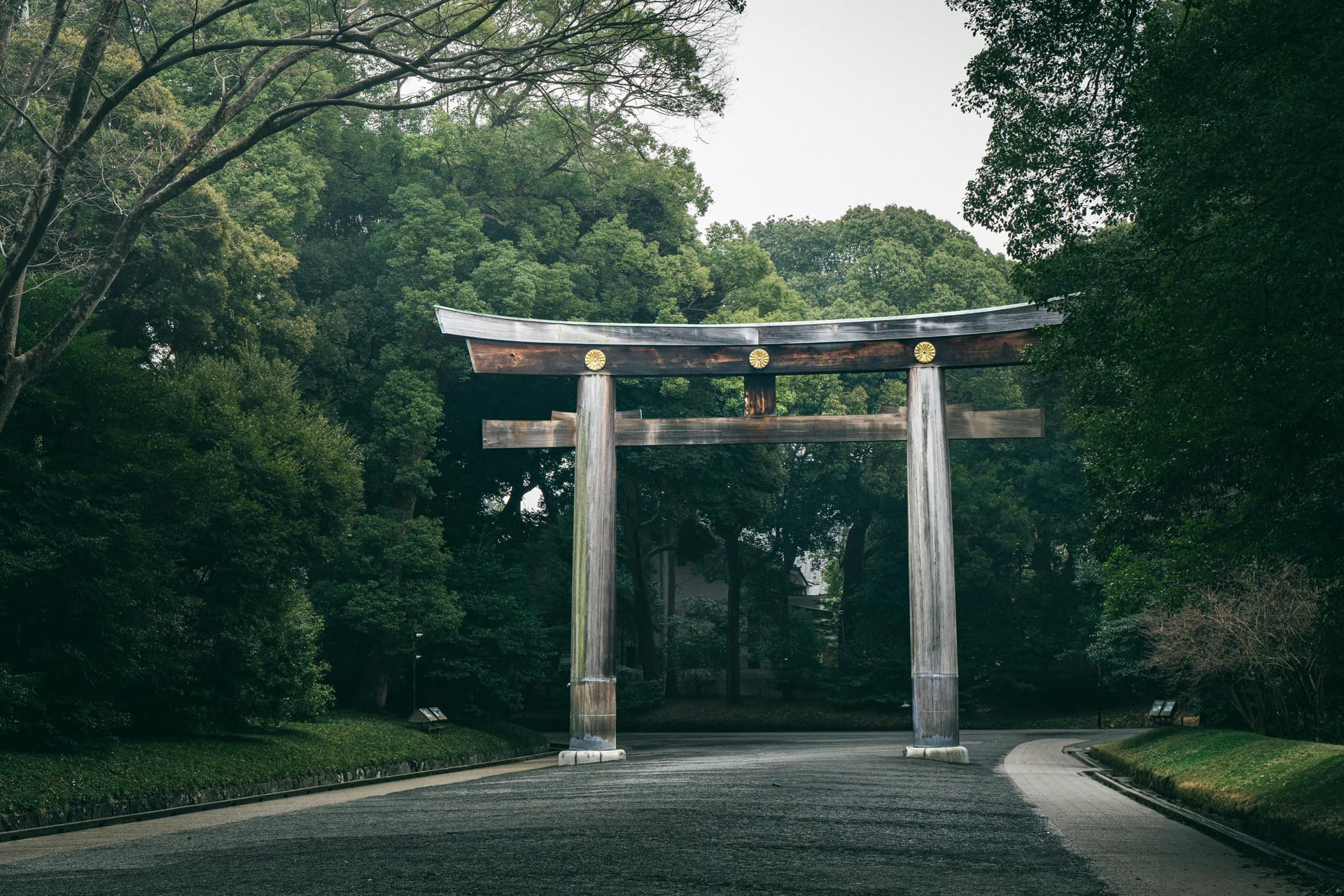
FREE 202M VIEWS
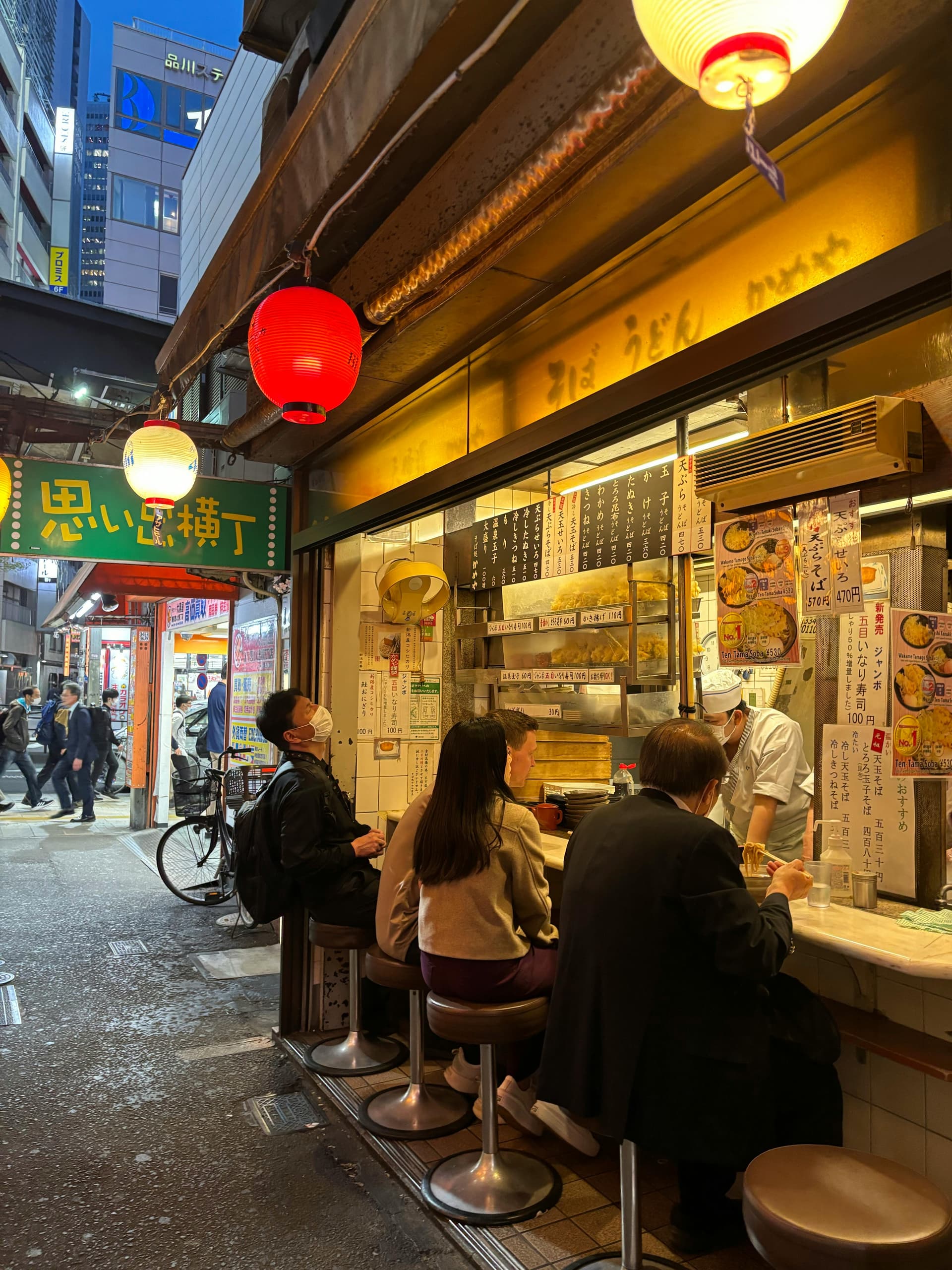
OMOIDE YOKOCHO — QUIET
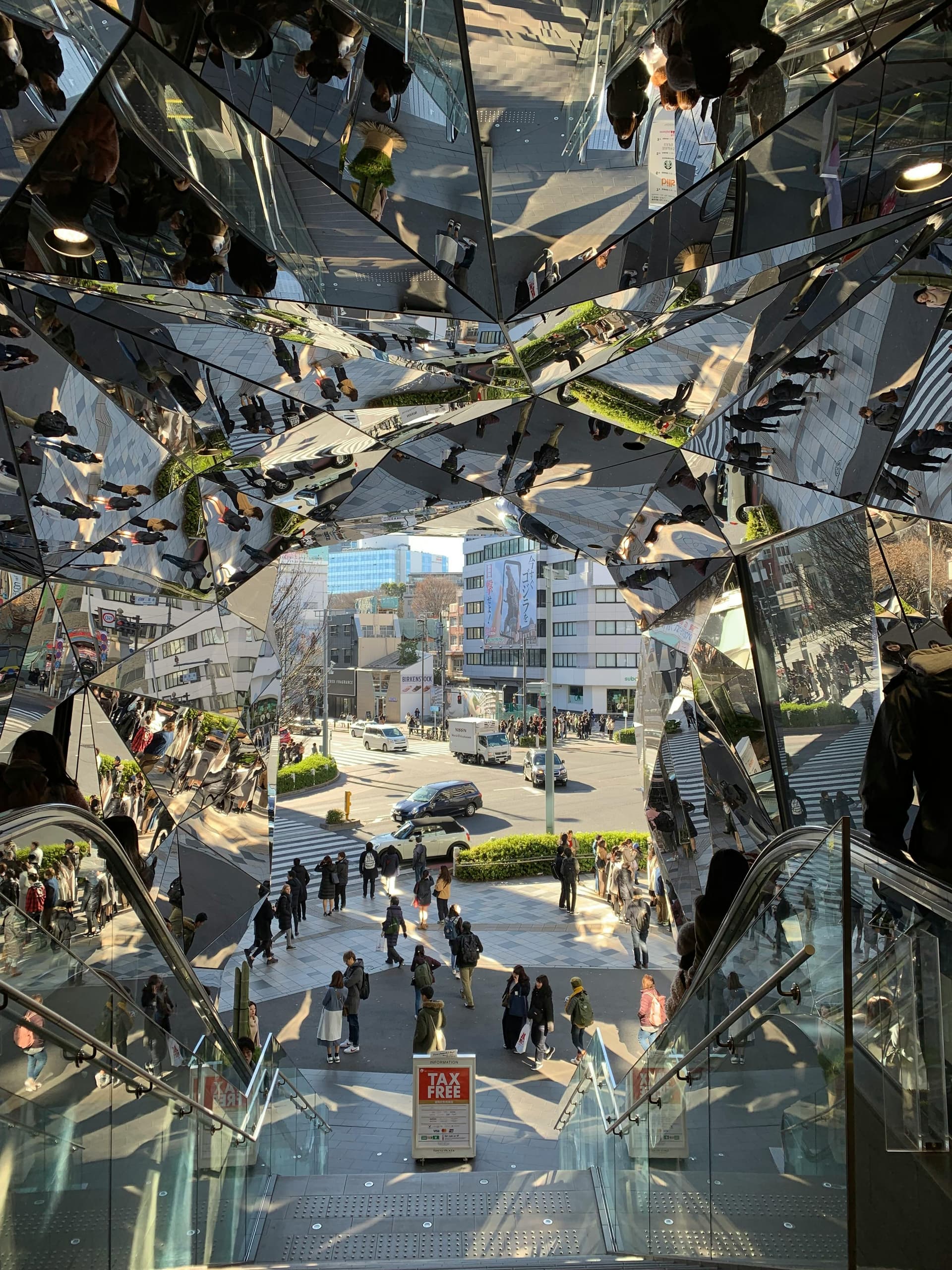
SHINJUKU GYOEN
Your Journey
Kissaten — Morning Coffee Ritual
Meet near Shinjuku Station. Your guide takes you to a Showa-era kissaten — Tajimaya at the entrance to Omoide Yokocho or Kissa Edinburgh for 24-hour jazz ambiance. Siphon coffee, velvet booths, no Wi-Fi, no rush. This is how Tokyoites started their mornings for decades before Starbucks arrived.
- Tajimaya: cash only, smoking allowed, no flash photography — unchanged since opening
- Kissa Edinburgh: 24-hour operation, siphon coffee, jazz vinyl, retro phone booths
- Your guide explains kissaten culture — why these shops survived when 90% closed
202-Meter Views — Metropolitan Government Building
Walk to Nishi-Shinjuku's skyscraper district. Free observation deck at 202 meters opens at 9:30 — morning light gives the clearest visibility and shortest queues of the day. On clear days, Mount Fuji appears to the west. Your guide explains how a waterworks reservoir became Tokyo's second skyline.
- Free views rivaling ¥2,300 Tokyo Tower and ¥2,100 Skytree
- Mount Fuji visibility best on clear mornings, especially November-February
- West Shinjuku context: corporate tower district built on former waterworks
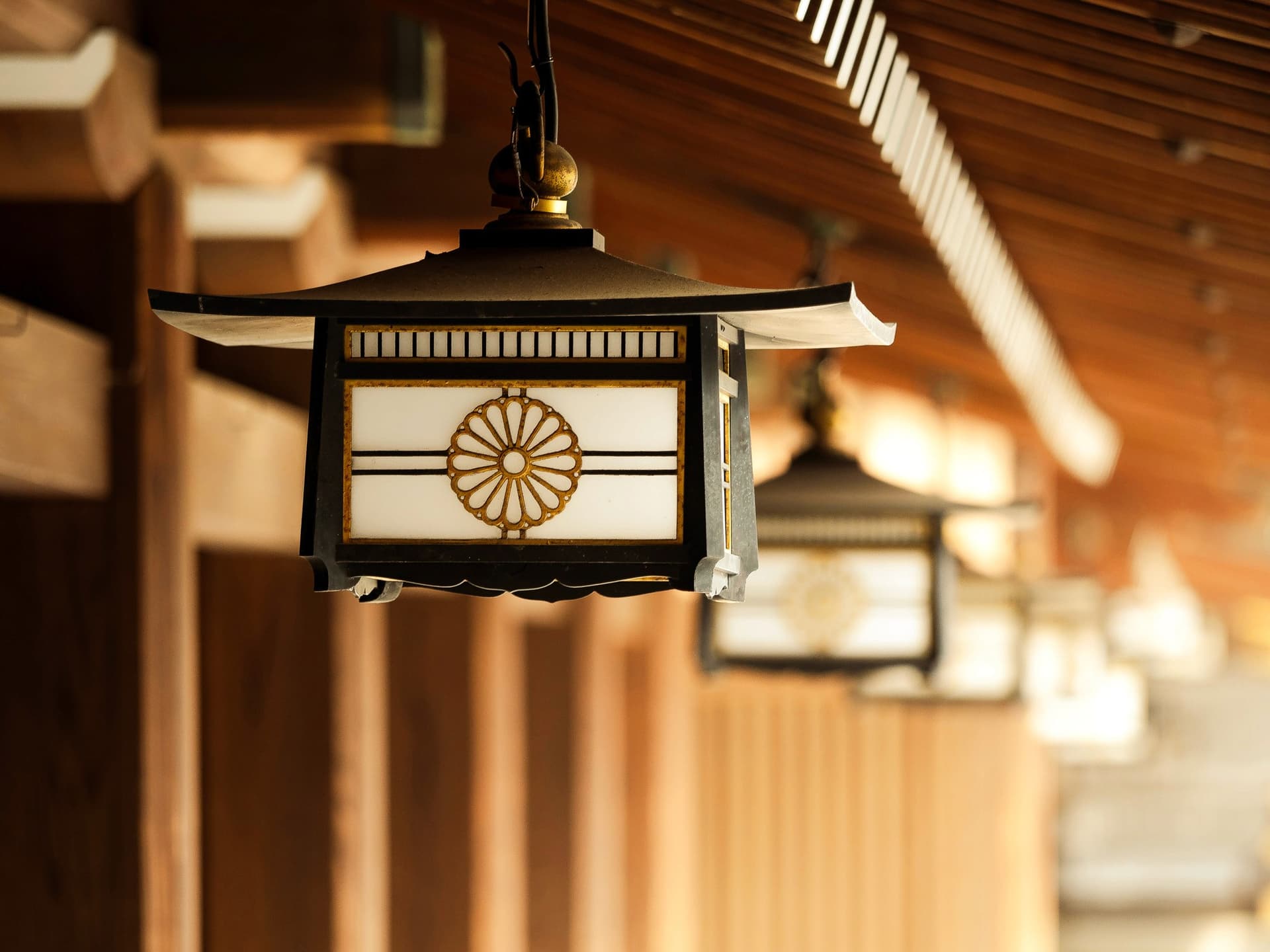
Backstreets & Hidden Shrine — Nishi-Shinjuku 8-Chome
Walk from the skyscraper district into the residential backstreets most tourists never find. Nishi-Shinjuku 8-chome is a pocket of old neighborhood life — produce shops, decades-old udon counters, apartment buildings with laundry lines — surrounded by glass towers. Visit Naruko Tenjinsha, a centuries-old shrine hidden between corporate buildings where morning quiet and incense smoke coexist with the urban grid.
- The contrast between corporate canyon and residential pocket is jarring — that's the point
- Long-running udon joints where neighborhood regulars eat standing — ¥400 breakfast
- Naruko Tenjinsha: morning shrine visit with no tourists, stone lanterns, centuries of history
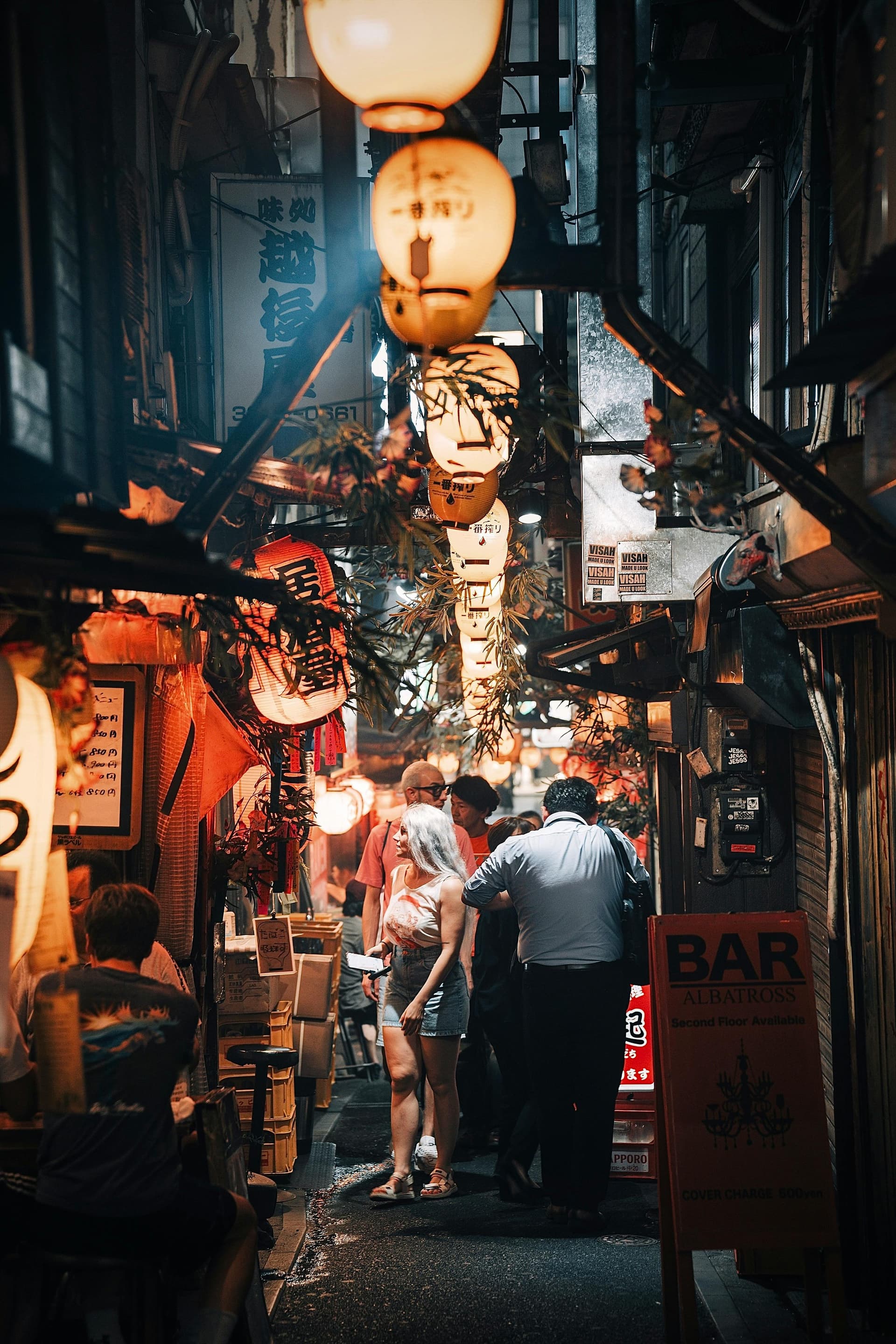
Omoide Yokocho — Postwar Architecture Walk
Walk Omoide Yokocho's narrow alleys while they're empty. Eighty tiny stalls crammed beneath the train tracks since the postwar black-market era. At this hour, the grills are cold and the crowds are gone — the construction details are visible for the first time. Your guide explains how this strip survived three fires and repeated demolition attempts, and recommends the best stalls for an independent evening return.
- Postwar black-market origins visible in the improvised rooflines and narrow construction
- Morning quiet lets you photograph details invisible during busy evening hours
- Guide recommends the best yakitori and tsukune stalls for your own evening return
Art, Gardens, or Lunch — Your Choice
Final stop tailored to your energy. Option A: SOMPO Museum of Art in Nishi-Shinjuku — five minutes from the Government Building, housing Van Gogh's Sunflowers among Japanese art collections. Option B: Shinjuku Gyoen National Garden — 58 hectares combining Japanese, French, and English garden styles, empty on weekday mornings. Option C: skip to lunch — your guide recommends restaurants based on your preferences, from Isetan's depachika to a local ramen counter.
- SOMPO Museum: ¥700 admission, Van Gogh's Sunflowers, compact and unhurried
- Shinjuku Gyoen: ¥500 admission, where Makoto Shinkai filmed The Garden of Words
- Lunch options: Isetan depachika grazing, standing soba ritual, local ramen, or neighborhood udon
This is merely a suggestion. Your itinerary is fully bespoke.
Your Private Experience Includes
KISSATEN CULTURE
SHRINE BETWEEN TOWERS
HIDDEN BACKSTREETS