Tokyo Private Tours

Tokyo Private Tour Planning Guide

Tokyo Private Tour Planning Guide

The best private tours don't require much planning from you—but knowing what's possible helps you communicate what you actually want.

September 12, 2025

10 mins read

Planning a Private Tour in Tokyo but Not Sure Where to Start?

Planning a Private Tour in Tokyo but Not Sure Where to Start?

Planning a Private Tour in Tokyo but Not Sure Where to Start?

Planning a private tour in Tokyo involves more decisions than you'd expect. Which neighborhoods? How long? What transportation? Licensed or unlicensed guide? Half day or full day? The options feel overwhelming when you're planning from 6,000 miles away. This guide consolidates everything you need to know—drawn from the most common questions travelers ask before booking—so you can plan with actual confidence instead of guessing.

Should You Book a Private Tour?

Should You Book a Private Tour?

Should You Book a Private Tour?

Should You Book a Private Tour?

Short answer: Yes, if you value efficiency, flexibility, and local insight.

Private tours cost more than group tours, but you get a personalized experience that adapts to your interests and pace. You'll skip tourist traps, navigate efficiently, and access insider spots most visitors never find.

Best for: First-time visitors wanting orientation, families with specific needs, food enthusiasts, travelers with limited time, anyone seeking authentic local experiences.

Is a private tour worth the cost? The honest answer involves trade-offs between cost, convenience, and the kind of experience you value.
Read: Are Private Tours in Tokyo Worth It?

Should you explore alone or hire a guide? Both have merits. Your decision depends on your confidence level, interests, and how much time you're willing to spend researching.
Read: Private Tour vs. Exploring Alone

Why reviews matter: Not all tour companies are created equal. Guest reviews reveal the real experience—from guide knowledge to flexibility and value delivery.
Read: Private Tour Reviews: Why What Guests Say Matters

Planning Your Tour

Planning Your Tour

Planning Your Tour

Planning Your Tour

What to Expect: A Typical Private Tour Day

Half Day (4 hours): 3-4 major sites, focused theme (traditional Tokyo or modern culture), includes local transport guidance, light food stop

Full Day (8 hours): 6-8 locations, mix of major attractions and hidden gems, multiple neighborhoods, meals with cultural context, spontaneous detours based on your interests

The booking process: Submit inquiry → discuss interests and customize → receive confirmation → meet your guide → explore

Tour Length and Format

Which tour length is right for you?

Choose Half Day / 6 Hours If…

Choose Full Day If…

First day in Tokyo (orientation)

You want comprehensive coverage

Limited budget

You want to explore multiple neighborhoods

Traveling with young children

You're a foodie (meals matter)

Just want highlights

You have specific niche interests

Read: Full Day vs. Half Day Private Tours: Which One?

Private car vs. walking tours: Tokyo's train system is efficient, but not always comfortable with luggage or small children. Deciding between car-based comfort and walking-based immersion depends on your group's needs and interests.
Read: Private Car vs. Walking Tour in Tokyo

Tokyo layover tours: Got 8-12 hours between flights? A layover tour can give you a genuine taste of Tokyo—from Asakusa's temples to Shibuya's energy—without the stress of missing your connection.
Read: Tokyo Layover Tours: Make the Most with a Guide

Practical Logistics

What you'll be doing: Most Tokyo tours involve 10,000-15,000 steps. Understanding the physical reality helps you plan footwear and pacing.
Read: How Much Walking on a Tokyo Private Tour

What to wear and bring: From comfortable shoes to portable chargers, small preparation details prevent bigger frustrations.
Read: What to Wear and Bring on Tokyo Private Tours

Weather contingencies: Rain is common, especially during rainy season. Your guide adjusts plans to indoor alternatives without losing momentum.
Read: What Happens If It Rains on Your Tokyo Tour

Timing Your Tour Right

When should you book? Tokyo's best guides fill up quickly, especially during peak seasons like cherry blossom and autumn foliage. Timing your booking right ensures you get your preferred guide and dates.
Read: How Far in Advance to Book a Private Tour

Best time of year: Cherry blossoms, autumn foliage, and weather patterns affect both crowds and experience quality. Seasonal considerations change what you'll see and how you'll experience it.
Read: Best Time to Visit Tokyo with Private Guide

Best time of day: Morning tours avoid crowds, evening tours capture neon-lit energy. Your choice changes what you'll experience and photograph.
Read: Best Time of Day for Tokyo Private Tours

Cost and Budget

How much does a Tokyo tour guide cost? Private tour pricing varies based on duration, group size, and customization level. Understanding what influences cost helps you budget appropriately and recognize value when you see it.
Read: How Much Is a Tour Guide in Tokyo?

Should I tip my guide? Japan has different tipping customs than Western countries. Understanding local etiquette avoids awkwardness for both you and your guide.
Read: Tipping Tour Guides in Japan

Customizing Your Experience

Customizing Your Experience

Customizing Your Experience

Customizing Your Experience

The best private tours adapt to your interests—whether that's street food, architecture, anime culture, or hidden neighborhoods. Knowing how to communicate your preferences ensures you get the tour you actually want.
Read: How to Customize Your Tokyo Private Tour

Group size considerations: More people means lower per-person cost but less flexibility. There's a sweet spot for different group types.
Read: Group Size for Private Tokyo Tours: How Many Is Too Many

Language barriers: English-speaking guides do more than translate—they bridge cultural context you'd miss reading signs or navigating alone.
Read: Language Barriers in Tokyo: How a Private Guide Helps

Accessibility in Tokyo: Tokyo is improving but still challenging for wheelchair users and those with mobility limitations. The right guide makes all the difference in navigating accessible routes and attractions.
Read: Accessibility in Tokyo with Private Tour

Choosing the Right Guide

Choosing the Right Guide

Choosing the Right Guide

Choosing the Right Guide

Licensed vs. unlicensed guides: Japan has specific licensing requirements for tour guides. Understanding the difference helps you evaluate what actually matters versus credentials that sound official but don't guarantee quality.
Read: Licensed vs. Unlicensed Tour Guides: What Matters

Avoiding common tourist mistakes: From shoes-off etiquette to rush hour navigation, a knowledgeable guide helps you avoid the frustrations that can derail a DIY Tokyo trip.
Read: Common Tourist Mistakes and How a Private Guide Can Help

Essential questions to ask before booking: Not sure what to ask potential tour companies? These questions reveal professionalism, flexibility, and whether a guide is right for your travel style.
Read: 10 Questions to Ask Before Booking a Tokyo Private Tour

Neighborhoods We Cover on Private Tours

Neighborhoods We Cover on Private Tours

Neighborhoods We Cover on Private Tours

Neighborhoods We Cover on Private Tours

Tokyo has 23 wards and hundreds of distinct neighborhoods. We focus our tours on the areas where a guide's context makes the biggest difference—places where what you're seeing isn't obvious, where the history matters to understanding the present, or where navigating efficiently saves you hours of confusion.

These aren't just "top attractions." They're neighborhoods where the gap between what tourists photograph and what's actually happening is wide enough that local knowledge changes the experience completely.

Traditional Tokyo: Where History Survived or Got Rebuilt

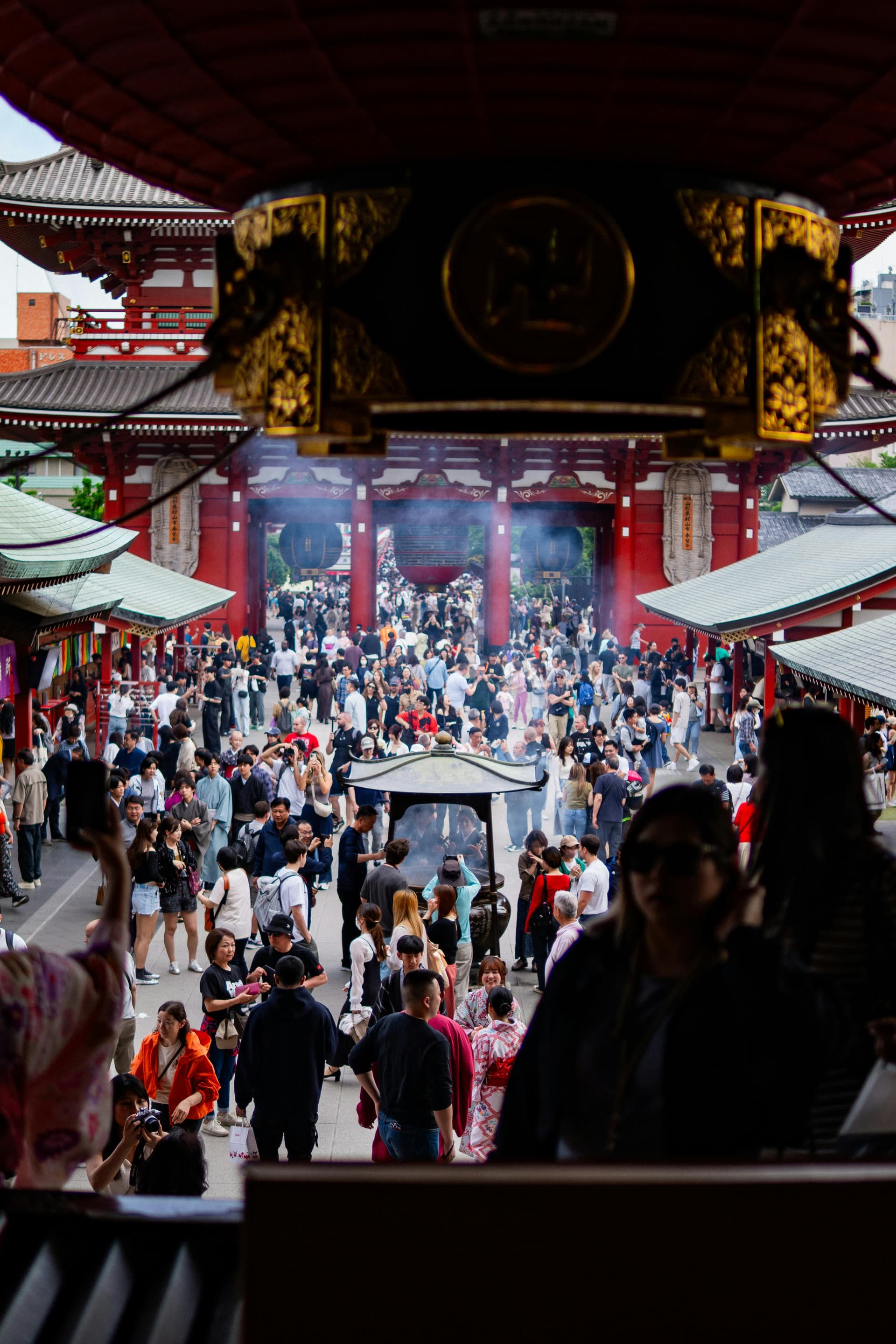
Asakusa draws 30 million visitors annually to Sensoji Temple, but most miss the shitamachi backstreets where working-class Edo culture still operates. The temple rituals have specific meanings. Nakamise Street's 400-year-old commerce continues because families still run the same stalls their ancestors opened in the 1700s. A guide explains what survived, what got reconstructed, and why the distinction matters.

Tours: Tokyo Essentials, Tokyo Together, Timeless Tokyo

Tsukiji lost its wholesale market in 2018, but the Outer Market that survived tells you more about Tokyo's food culture than the tuna auctions ever did. The 400+ shops serve restaurant professionals who need daily supplies—fresh wasabi, specialty knives, dashi ingredients. Understanding which shops maintained their original customers versus which ones pivoted to tourism shows you how Tokyo's supply chains actually work.

Tours: Tokyo Essentials, Tokyo Together, Ordinary Tokyo

Yanaka survived both the 1923 earthquake and 1945 firebombing, making it one of the few neighborhoods where wooden buildings and street patterns reflect pre-war Tokyo rather than postwar reconstruction. The 70+ temples aren't tourist sites—they're functioning institutions whose cemetery holds Tokyo's elite families. This is what Tokyo looked like before it burned.

Tours: Timeless Tokyo, Infinite Tokyo

Ueno combines Tokyo National Museum's high culture with Ameyoko street market's discount commerce—both serving working-class Tokyo in different ways. The park democratized culture by making museums accessible to everyone, not just elites. The market adapted from post-war black market to legitimate retail. Both represent how Tokyo serves its 14 million residents beyond tourist attractions.

Tours: Tokyo Together, Infinite Tokyo

Modern Tokyo: Youth Culture, Corporate Competition, and Urban Chaos

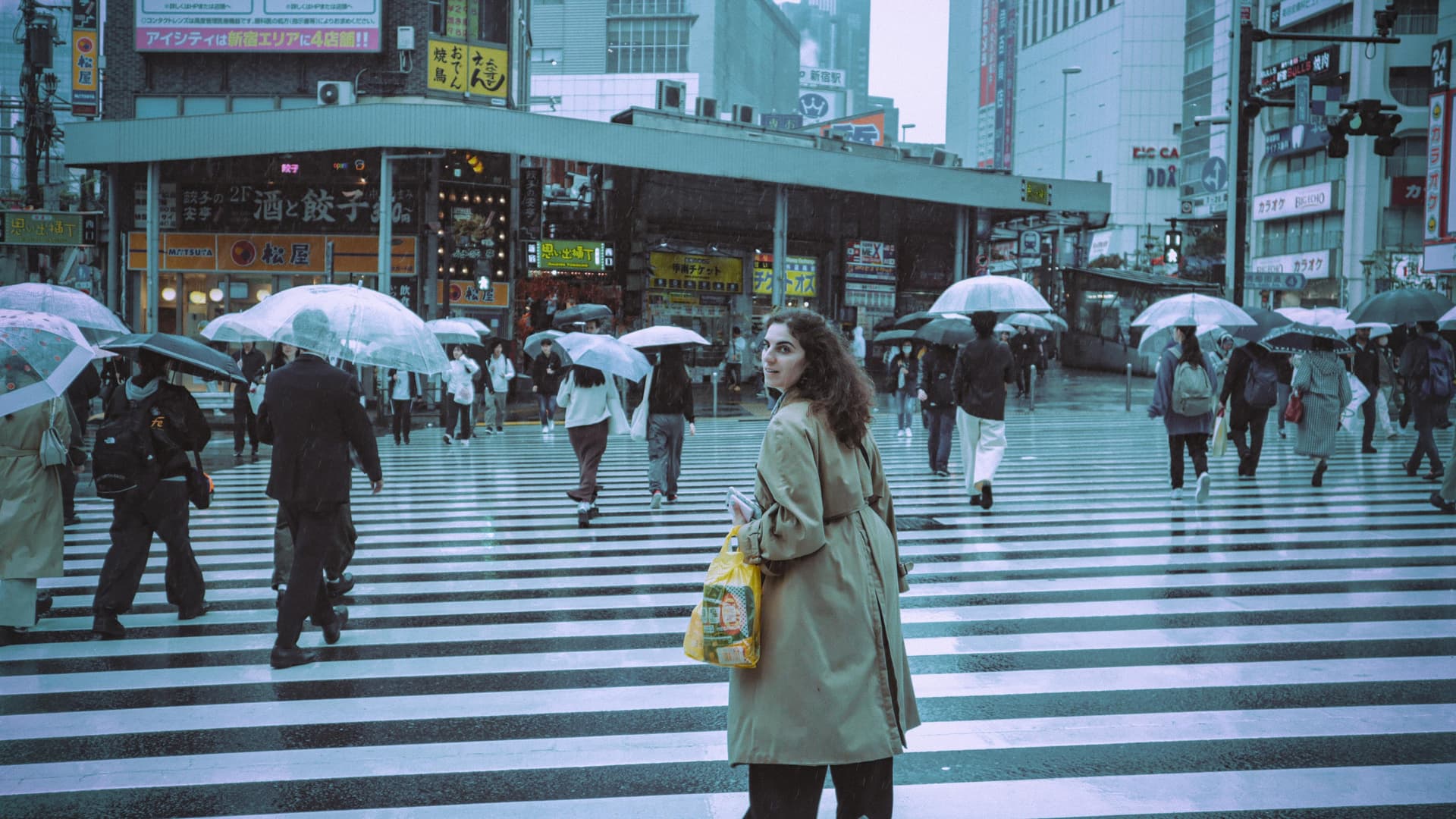
Shibuya is famous for the Crossing where 3,000 people pass every cycle, but that's infrastructure solving a transportation problem, not a show. The real story is 1970s corporate competition between Seibu and Tokyu that created youth culture concentration, and the Tomigaya residential area 10 minutes northwest where third-wave coffee culture started. Most visitors never leave the station area.

Tours: Tokyo Trifecta, Infinite Tokyo

Harajuku tourists photograph Takeshita Street, but actual fashion development happens in the backstreets where 1970s-80s boutiques created the feedback loop that launched Japanese youth subcultures globally. The neighborhood is geographically segmented—Takeshita serves teens, Cat Street serves mid-20s, Omotesando serves luxury customers who wanted proximity to youth energy without the chaos.

Tours: Tokyo Trifecta, Infinite Tokyo

Shinjuku Station moves 3.6 million people daily through 200+ exits. The station isn't confusing because of bad signage—it's five separate stations that merged without coordination. Which exit you use determines which Shinjuku you reach: corporate West, entertainment East, or family-oriented South. Omoide Yokocho and Golden Gai survived not because they were protected, but because fragmented ownership made redevelopment impossible.

Tours: Tokyo Trifecta, Infinite Tokyo, Standing Room Only (drinking focus)

Akihabara transformed from post-war radio parts black market to electronics wholesale district to otaku culture capital as technology changed what people needed. The vertical retail (8-story buildings where each floor serves different niches) reflects wholesale thinking, not consumer retail. Understanding which shops are actual secondhand versus vintage-styled, and which floors require age verification, requires either Japanese literacy or a guide.

Tours: Tokyo Together, Infinite Tokyo

Residential Tokyo: Where Locals Actually Live and Drink

Kichijoji consistently ranks #1 in Tokyo's "most desirable neighborhood" surveys because it optimizes the specific trade-offs Tokyo residents make: Inokashira Park provides green space that makes small apartments tolerable, shopping arcades eliminate trips to department stores, and 15-minute trains to Shinjuku mean you access corporate Tokyo without paying corporate Tokyo rents. This is what Tokyo residents choose when they're choosing quality of life.

Tours: Ordinary Tokyo, Standing Room Only (drinking focus)

Shimokitazawa built its reputation as Tokyo's countercultural center in the 1970s-80s when cheap rent enabled theater companies and vintage clothing culture. That economic reality no longer exists (rents increased as the area became desirable), but the neighborhood still sells that aesthetic to tourists who think they're discovering something. Both the historical authenticity and current commercialization are worth understanding.

Tours: Ordinary Tokyo, Infinite Tokyo

How These Guides Help You Plan

Each neighborhood page explains:

  • What you're actually seeing (not just what guidebooks say)

  • What you'll miss without local context

  • Which tours include that area and why

  • Best times to visit and how long you need

  • What to combine with geographically

Use these to identify which neighborhoods match your interests, then we'll recommend which tour covers them efficiently—or build a custom itinerary if your interests span multiple routes.

Tours by Interest & Style

Tours by Interest & Style

Tours by Interest & Style

Tours by Interest & Style

Beyond choosing neighborhoods, many travelers know what kind of Tokyo experience they want—food culture, nightlife, residential life, or thematic focuses that cross multiple areas.

Food & Drinking Culture

Tokyo Nightlife Tours - Understanding where Tokyo's 14 million residents actually drink after work. Standing bars near train stations, yakitori rituals, and the midnight train deadline that shapes everything. Tours: Standing Room Only, Kushiyaki Confidential, Tokyo Trifecta (evening).

Tokyo's Authentic Drinking Culture - Golden Gai vs. west Tokyo's local bars—same Showa-era atmosphere, different economics. Why locals moved one station west when tourist crowds arrived. Tours: Standing Room Only, Kushiyaki Confidential.

Residential & Daily Life

Tokyo's Most Livable Neighborhoods - Kichijoji (#1 livability ranking), Yanaka (pre-war survival), Shimokitazawa (counterculture-turned-commercial). Where residents choose to live versus where tourists visit. Tours: Ordinary Tokyo, Timeless Tokyo, Infinite Tokyo.

These thematic guides help you identify what interests you beyond specific neighborhoods, then connect to tours that deliver those experiences efficiently.

Authentic Niche Interest Tours

Authentic Niche Interest Tours

Authentic Niche Interest Tours

Tokyo Private JDM Tour

Experience Tokyo's legendary car culture—from Daikoku PA meets to midnight Wangan runs—with proper timing, private car access, and cultural expertise. For JDM enthusiasts who understand what HKS, Spoon, and NISMO mean.

Read: How to Book a Tokyo Private JDM Tour

Frequently Asked Questions

Frequently Asked Questions

Frequently Asked Questions

Do I need to speak Japanese? No. Your guide handles all communication, from ordering food to asking directions.
Read: Language Barriers in Tokyo: How a Private Guide Helps

What if it rains? Tours proceed rain or shine. Your guide adjusts the itinerary to indoor options if needed.
Read: What Happens If It Rains on Your Tokyo Tour

Can we change plans during the tour? Yes. Flexibility is the main advantage of private tours. See something interesting? Just ask.

Are entrance fees and meals included? Typically not in the base price. Your guide will clarify what's covered when you book.

What's your cancellation policy? We offer 24-hour cancellation for full refund, no questions asked.

Why Book with Hinomaru One?

Why Book with Hinomaru One?

Why Book with Hinomaru One?

Why Book with Hinomaru One?

After years of seeing travelers frustrated by post-payment guide matching, generic itineraries, and guides juggling multiple commitments, we built Hinomaru One to solve these exact problems.

You know your guide before booking. We employ guides directly—no post-payment matching. When you book Satoshi or Rina, you get them.

Our guides are full-time professionals. Satoshi has 20+ years of American experience. Rina has watched 2,200+ filmsy. They're not juggling multiple tours or working side hustles.

Centralized concierge support. Our guides focus on delivering tours; our concierge team handles all planning and communication separately. Dietary restrictions, mobility needs, special requests—tracked centrally, never forgotten.

Planning is collaborative and documented. Before your tour, we discuss interests, create a customized itinerary, and share it in advance. Changes welcome.

Transparent per-person pricing. Rates decrease as group size increases. No hidden fees.

24-hour cancellation policy. Full refund, no questions asked.

Satisfaction guarantee. Not satisfied? We refund or offer your next tour free.

We're not competing on volume or aggressive pricing. We're focused on delivering the experience we'd want visiting Tokyo—first time or tenth.

Select Tours for First Time Visitors to Tokyo

Select Tours for First Time Visitors to Tokyo

Select Tours for First Time Visitors to Tokyo

Select Tours for First Time Visitors to Tokyo

Tokyo Trifecta (4 Hours)

Perfect for layovers or travelers wanting concentrated modern Tokyo. Meiji Shrine → Harajuku → Shibuya → Shinjuku nightlife. Three distinct Tokyo dimensions in one efficient cluster.

Learn more about Tokyo Trifecta

Tokyo Essentials (6 Hours)

Ideal for first-time visitors wanting both traditional and modern Tokyo in one day. Asakusa temples → Tsukiji food culture → Modern districts. Proper overview with comfortable pacing and meal time.

Learn more about Tokyo Essentials

Tokyo Together (6 Hours)

Multi-generational family tour where kids, teens, parents, and grandparents discover Tokyo together. Includes playful detours, stamp collecting for young ones, anime/gaming culture, street food, and thoughtfully paced respites. No separate agendas—shared memories at every stop.

Learn more about Tokyo Together

Infinite Tokyo (8 Hours)

Maximum customization. You choose the stops—from quiet gardens and design museums to bustling markets and animal cafés. Fully flexible itinerary built around your interests.

Learn more about Infinite Tokyo

TOKYO PRIVATE TOURS

Discover the hidden layers of Tokyo most never see.

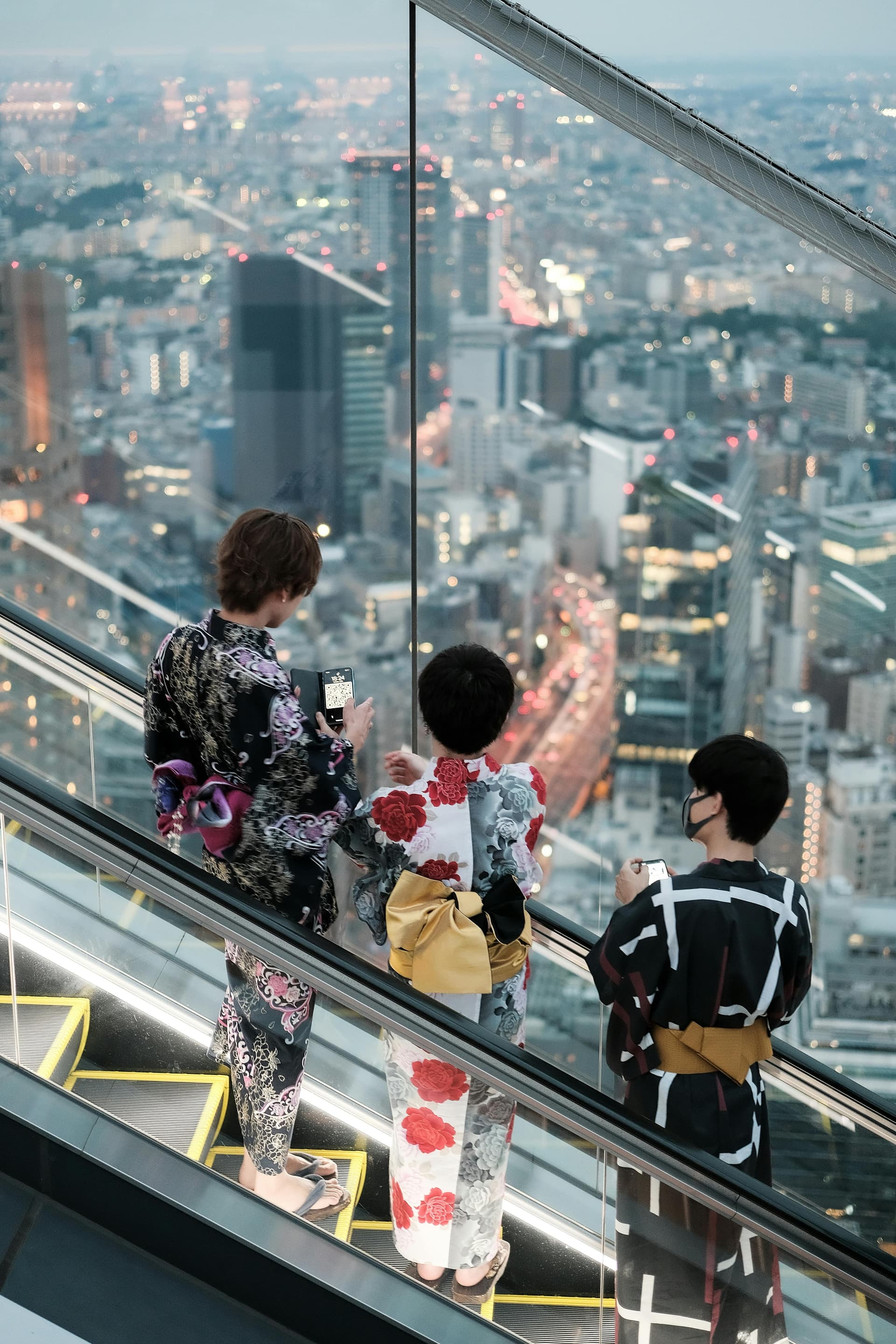
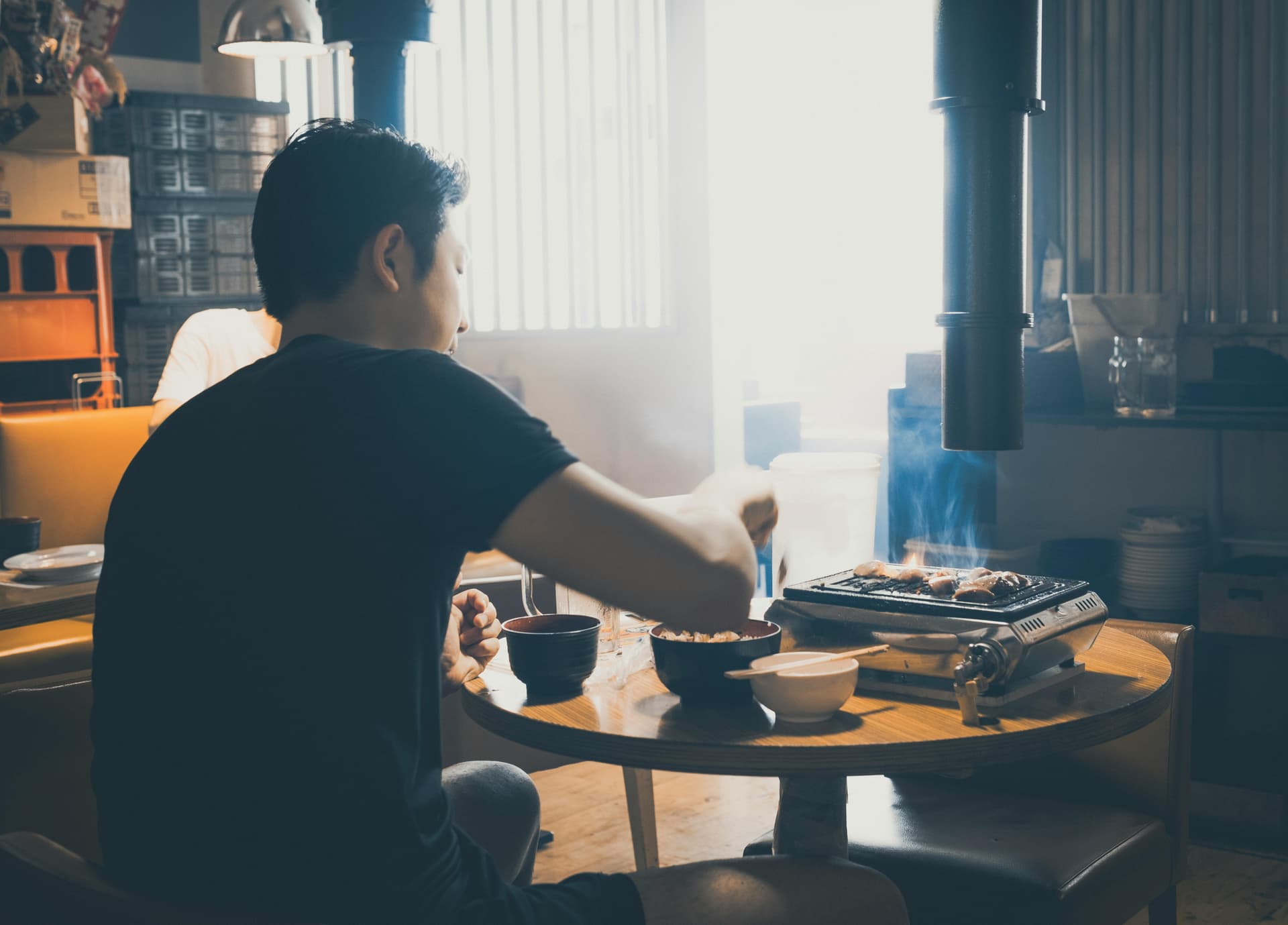
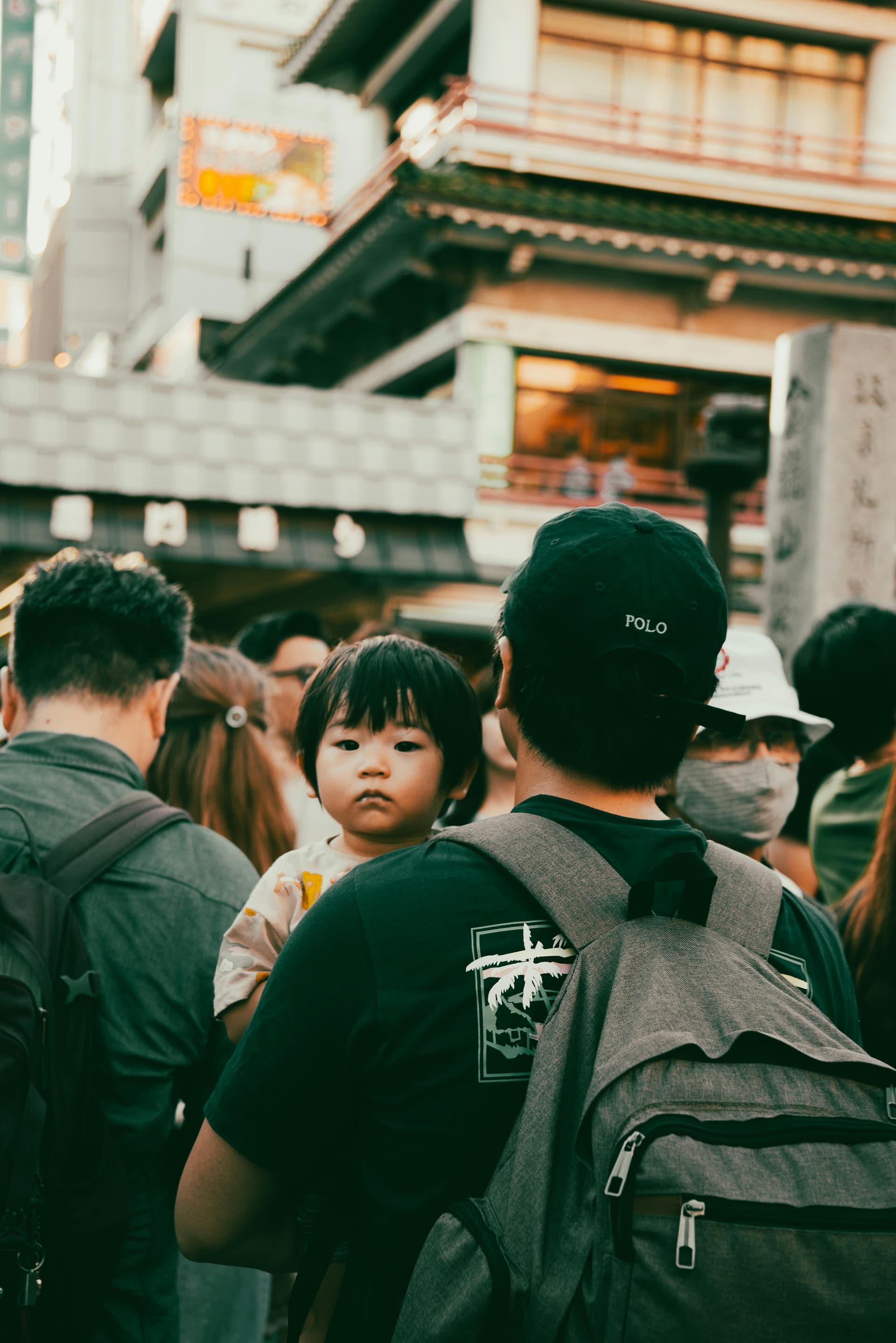
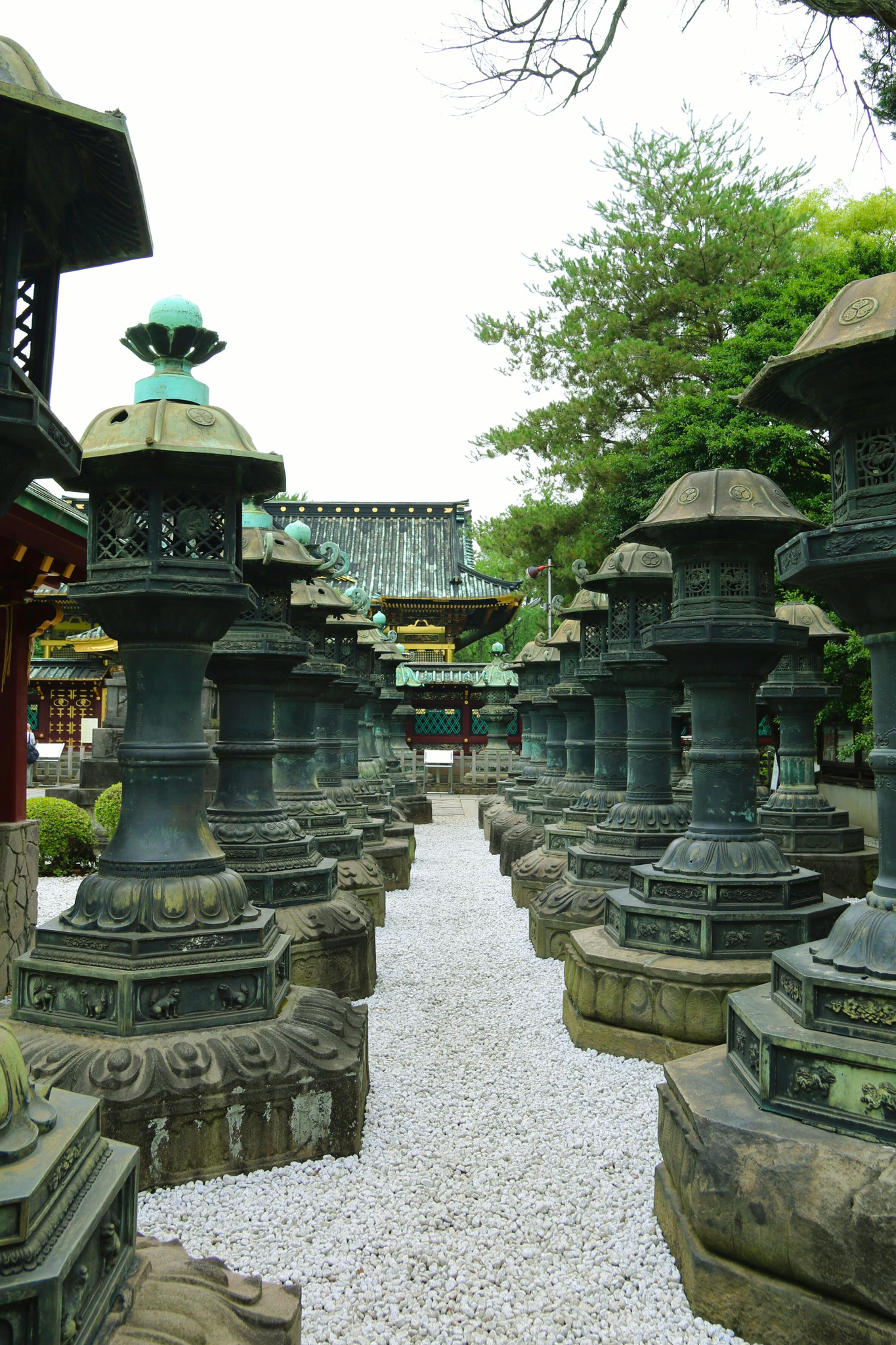
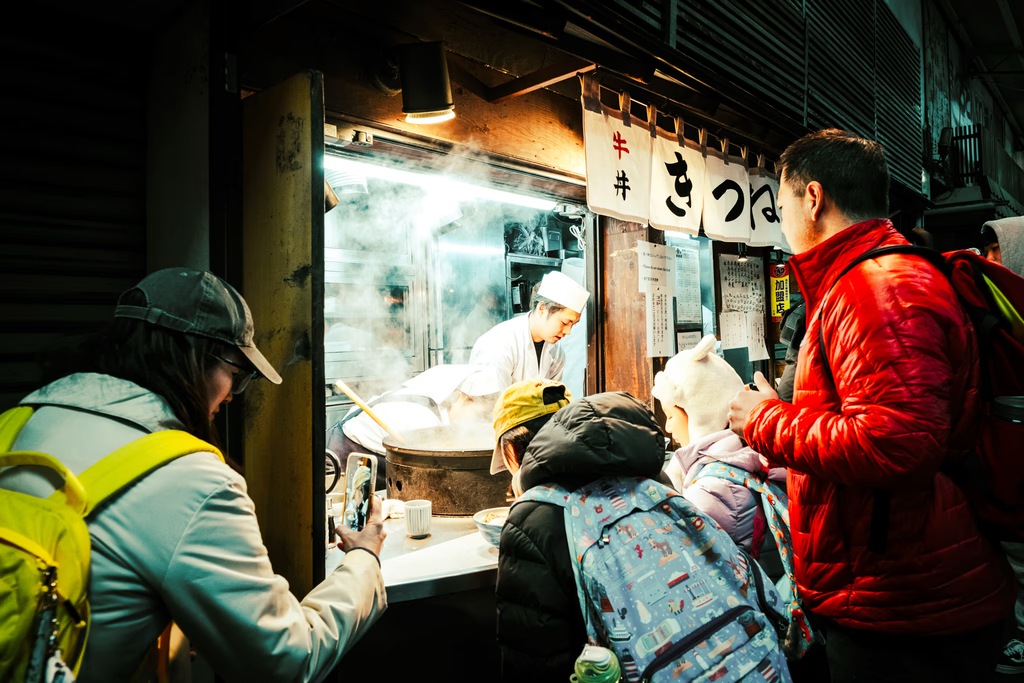
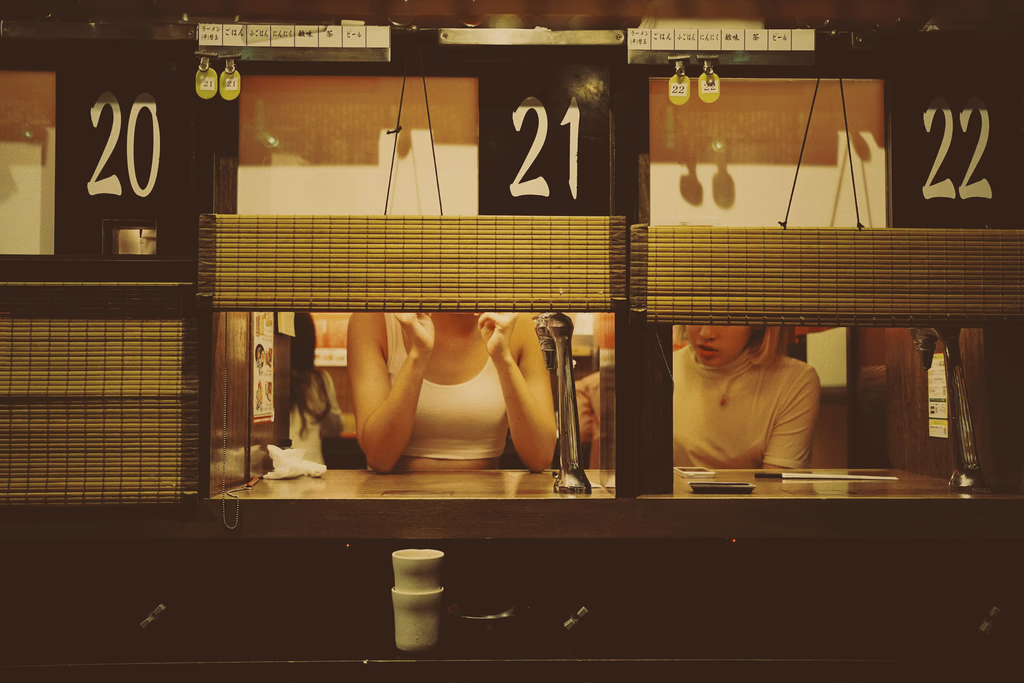
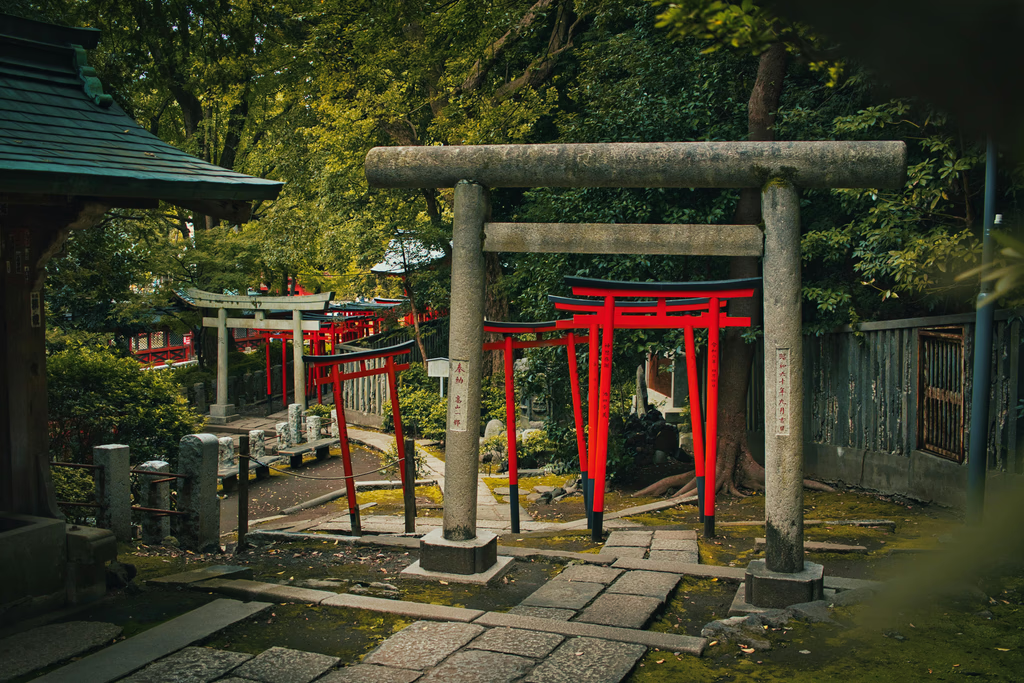
Our private Tokyo tours are designed for travelers who want to connect — not just check boxes. With a local guide by your side, you’ll experience the city’s contrasts at your own pace: tranquil shrines, vibrant street food, hidden backstreets, and bold modern culture.

TOKYO PRIVATE TOURS

Discover the hidden layers of Tokyo most never see.

Our private Tokyo tours are designed for travelers who want to connect — not just check boxes. With a local guide by your side, you’ll experience the city’s contrasts at your own pace: tranquil shrines, vibrant street food, hidden backstreets, and bold modern culture.

TOKYO PRIVATE TOURS

Discover the hidden layers of Tokyo most never see.

Our private Tokyo tours are designed for travelers who want to connect — not just check boxes. With a local guide by your side, you’ll experience the city’s contrasts at your own pace: tranquil shrines, vibrant street food, hidden backstreets, and bold modern culture.

TOKYO PRIVATE TOURS

Discover the hidden layers of Tokyo most never see.

Our private Tokyo tours are designed for travelers who want to connect — not just check boxes. With a local guide by your side, you’ll experience the city’s contrasts at your own pace: tranquil shrines, vibrant street food, hidden backstreets, and bold modern culture.

Newsletter

Unlock the secrets of Japan with Hinomaru One delivered straight to your inbox.

Hinomaru One Logo

PRIVACY

TERMS

Newsletter

Unlock the secrets of Japan with Hinomaru One delivered straight to your inbox.

Hinomaru One Logo

PRIVACY

TERMS

Newsletter

Unlock the secrets of Japan with Hinomaru One delivered straight to your inbox.

Hinomaru One Logo

PRIVACY

TERMS

Newsletter

Unlock the secrets of Japan with Hinomaru One delivered straight to your inbox.

Hinomaru One Logo

PRIVACY

TERMS