Tokyo Neighborhoods Explained
Neighborhoods in Tokyo aren't interchangeable — each one has a distinct character, pace, and purpose. Understanding which fits your travel style changes the whole trip.
Major Hubs
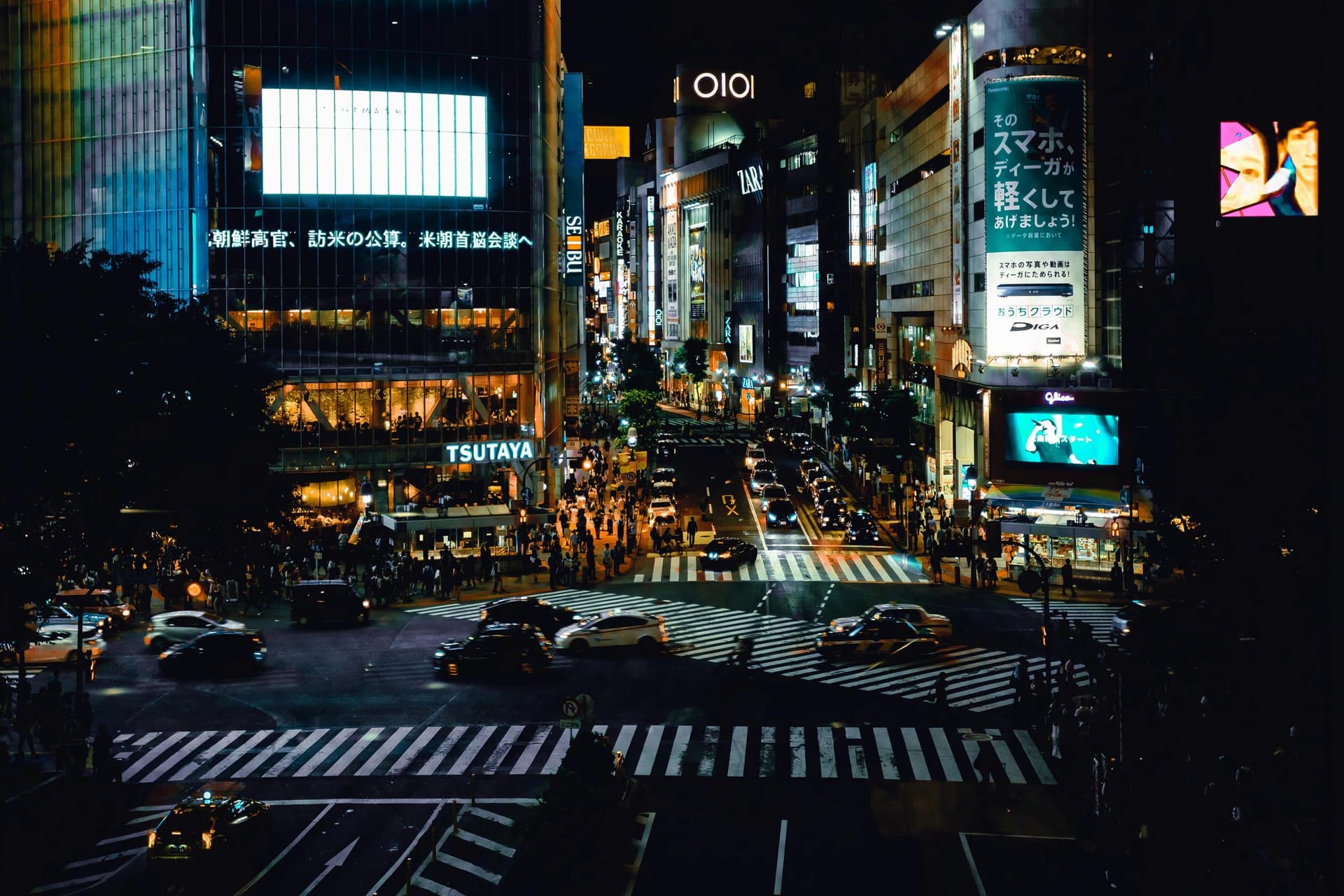
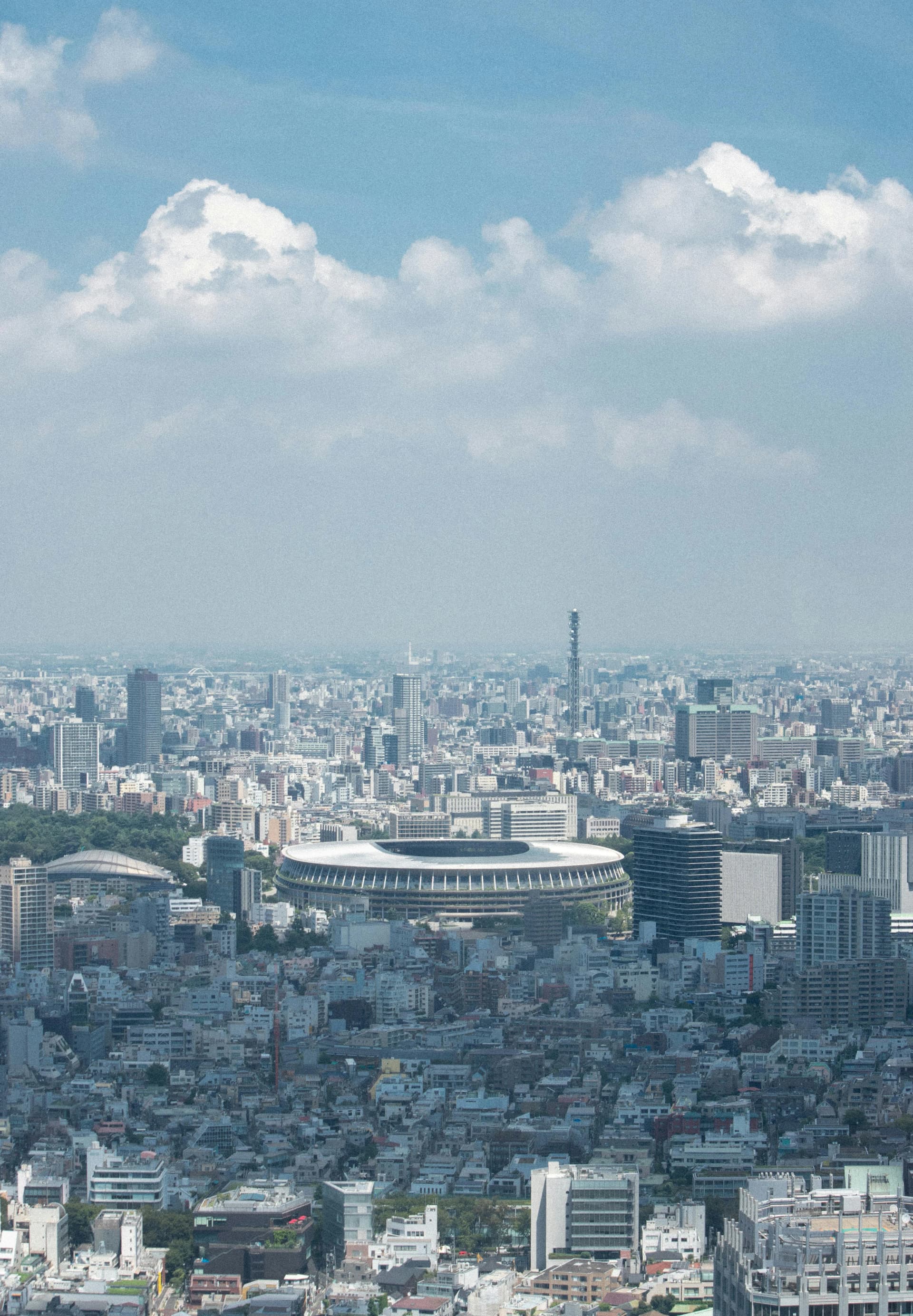
The districts most visitors build days around - high-energy, well-connected, and unmissable on a first visit. Each has a distinct character that shapes what kind of day you'll have.
Traditional & Residential
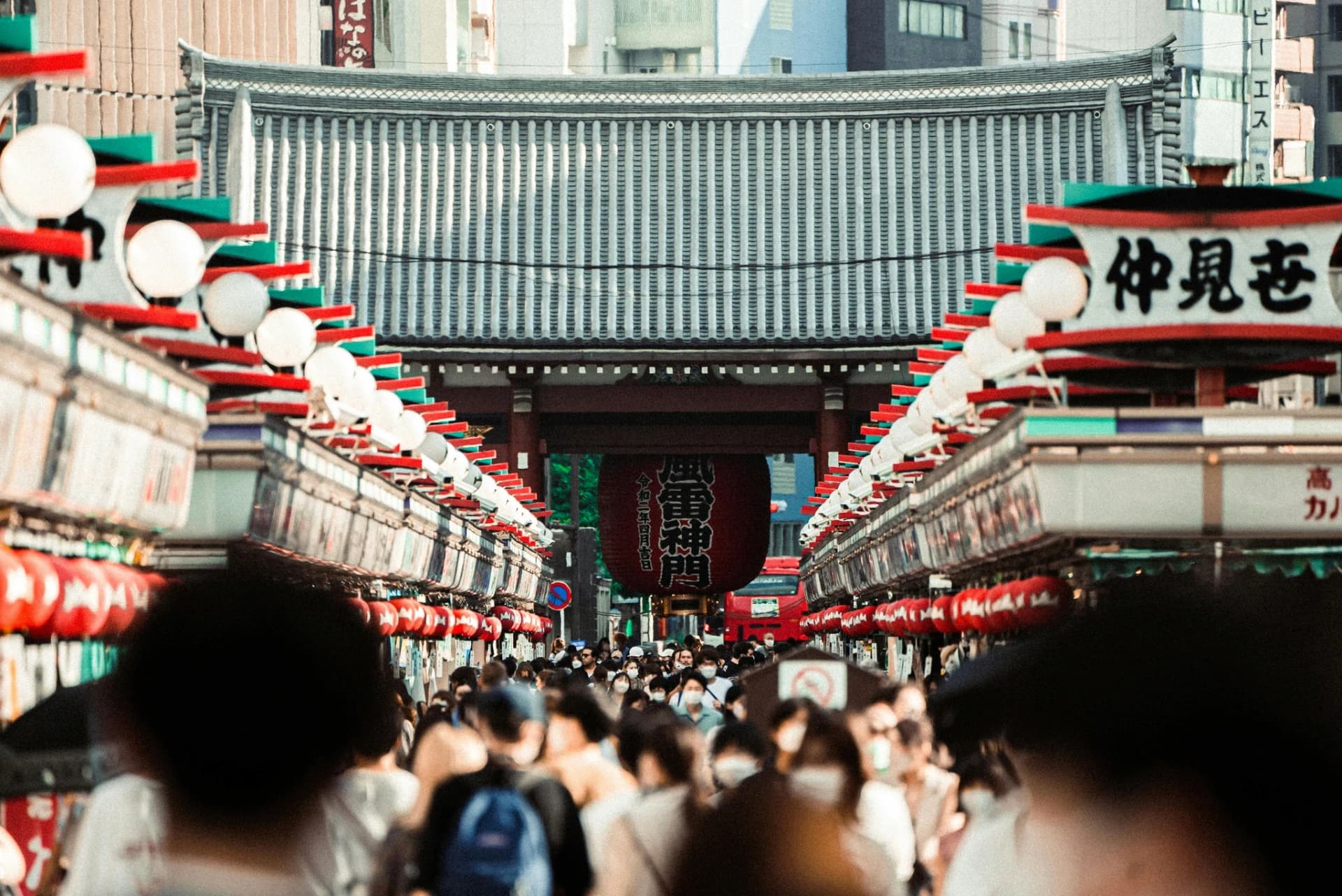
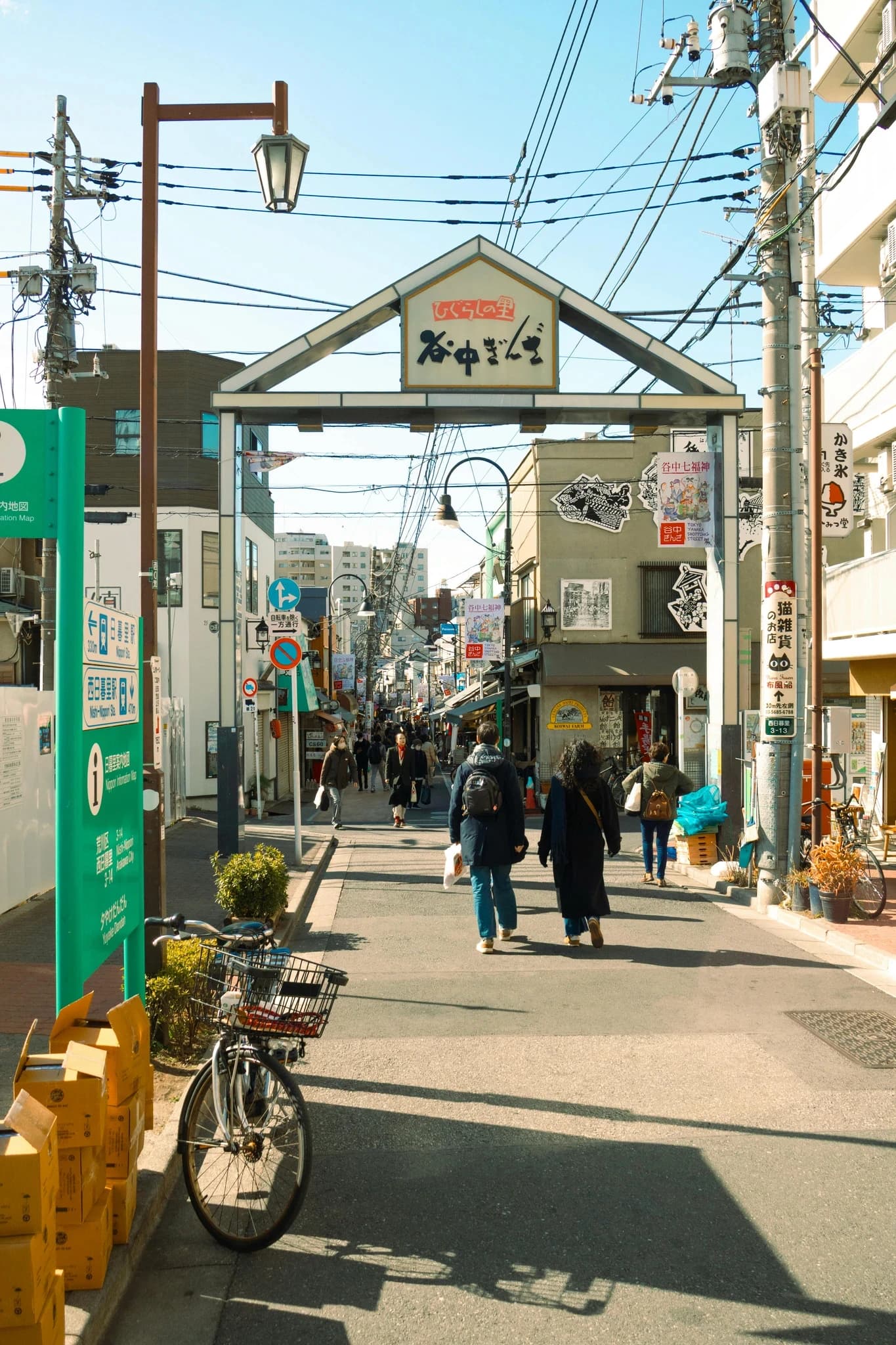
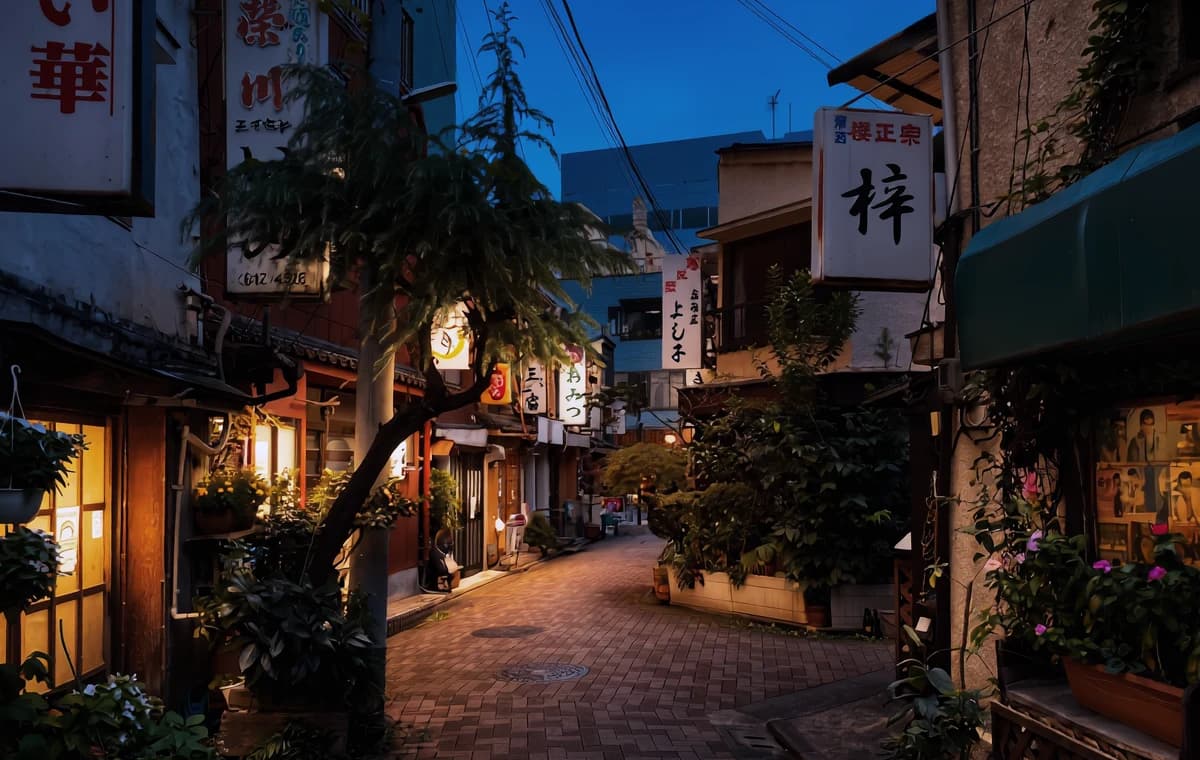
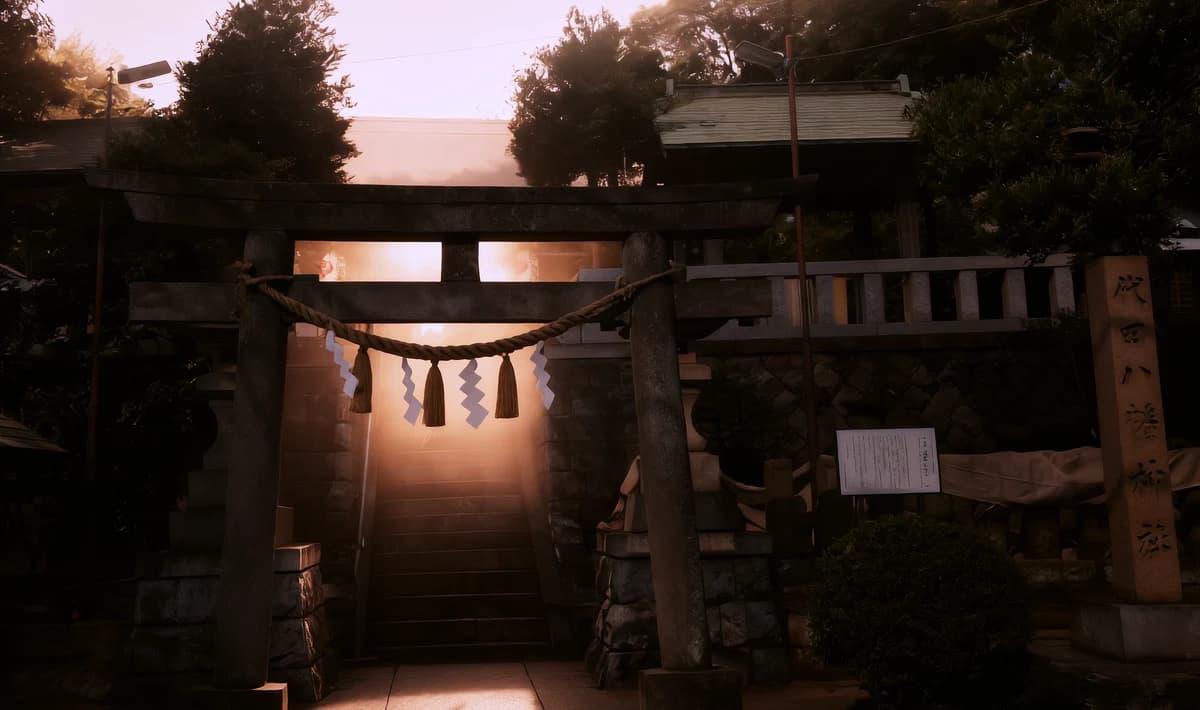
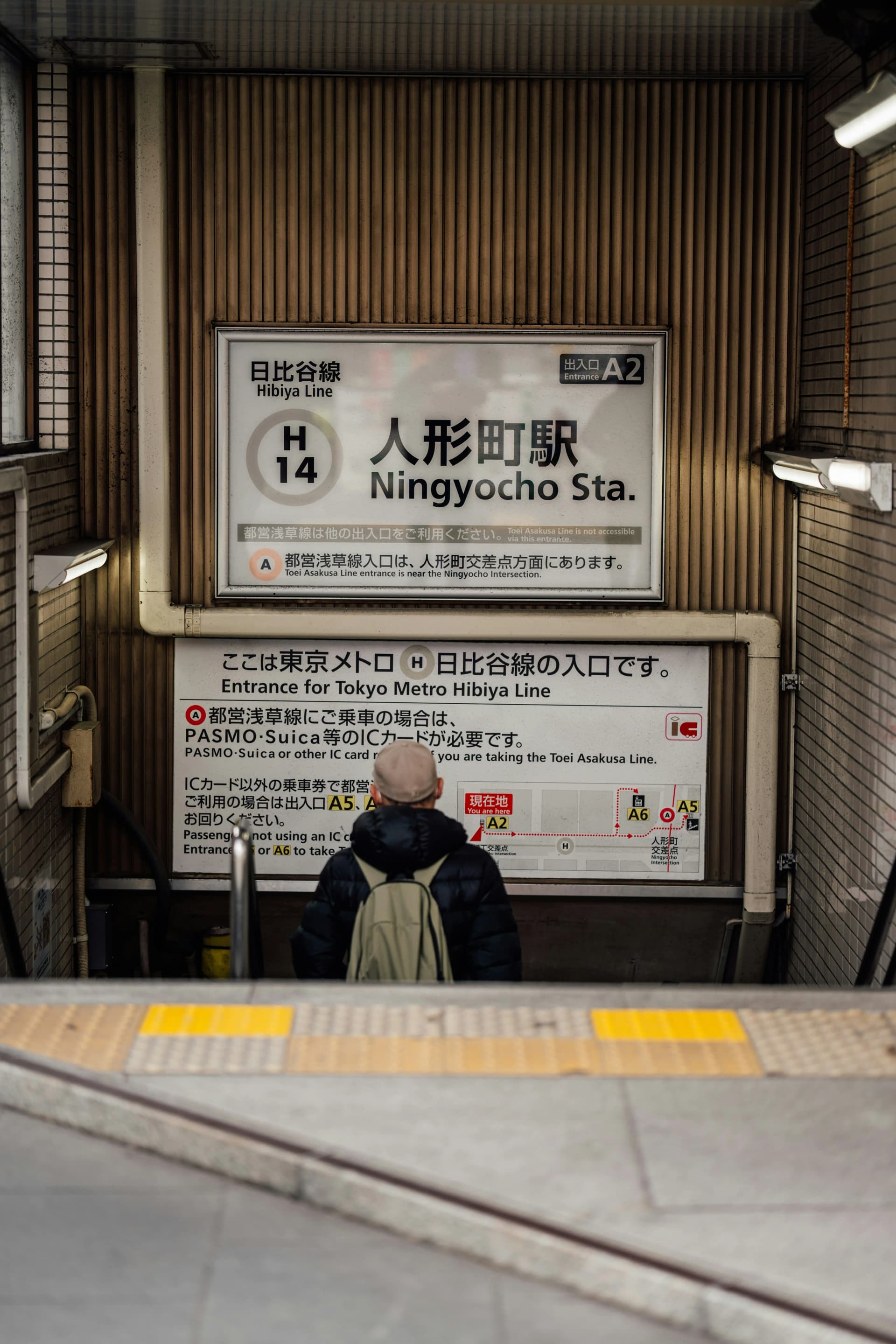
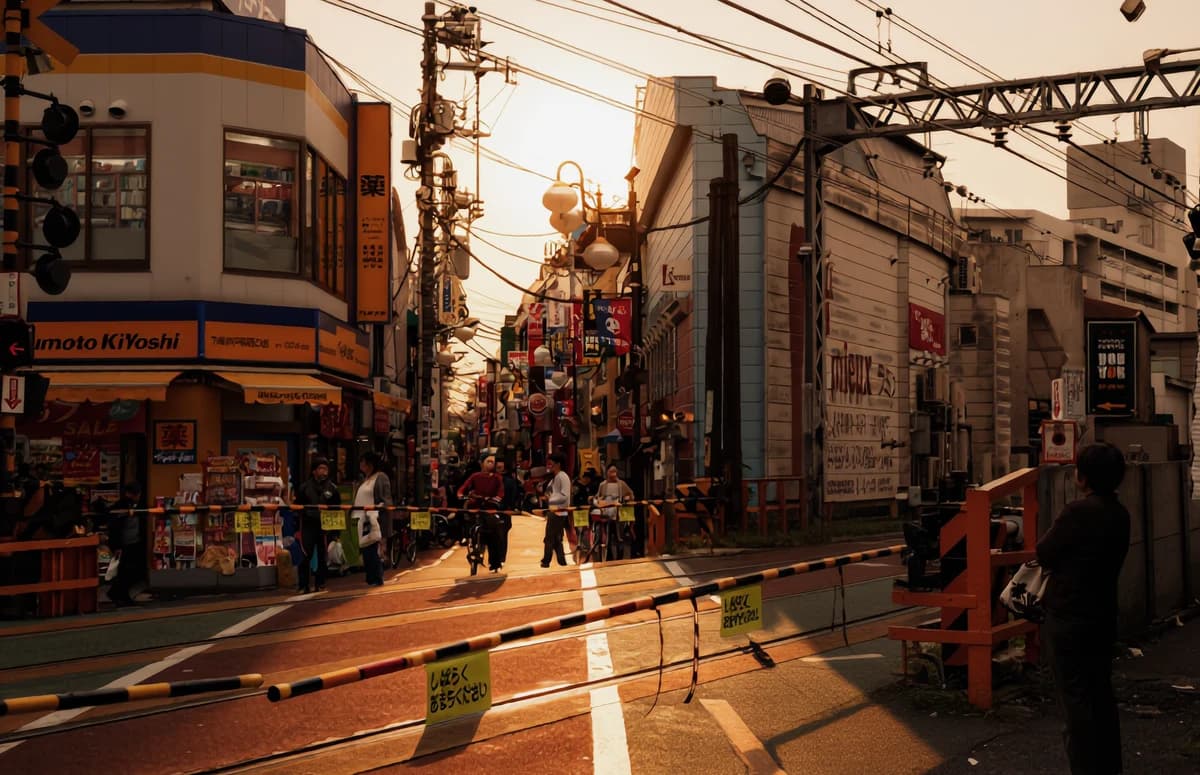
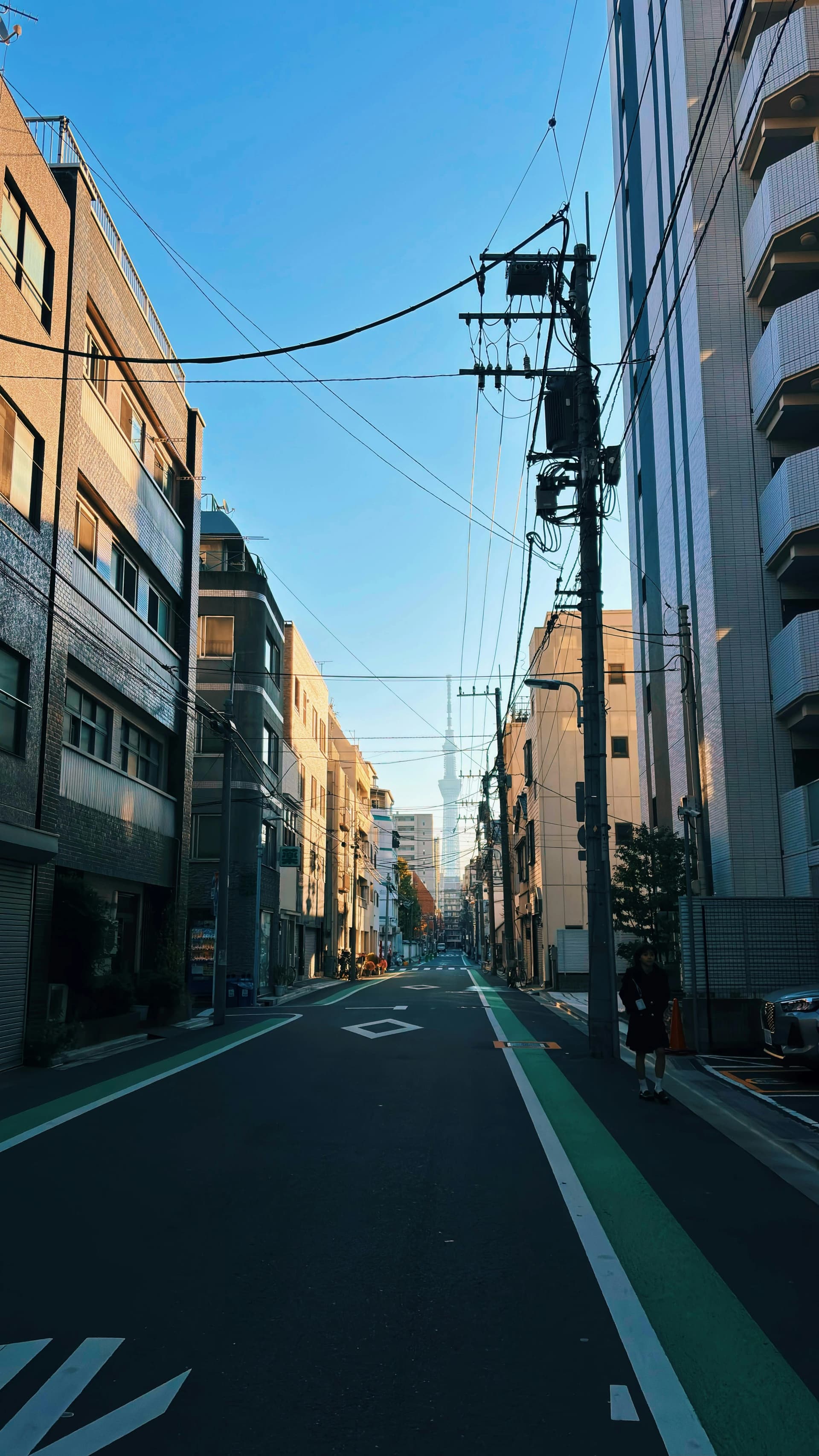
Slower pace, deeper roots. These neighborhoods reveal how Tokyo actually lives - temple precincts, shotengai shopping streets, and morning markets that haven't changed their rhythm in decades.
Central Business & Upscale
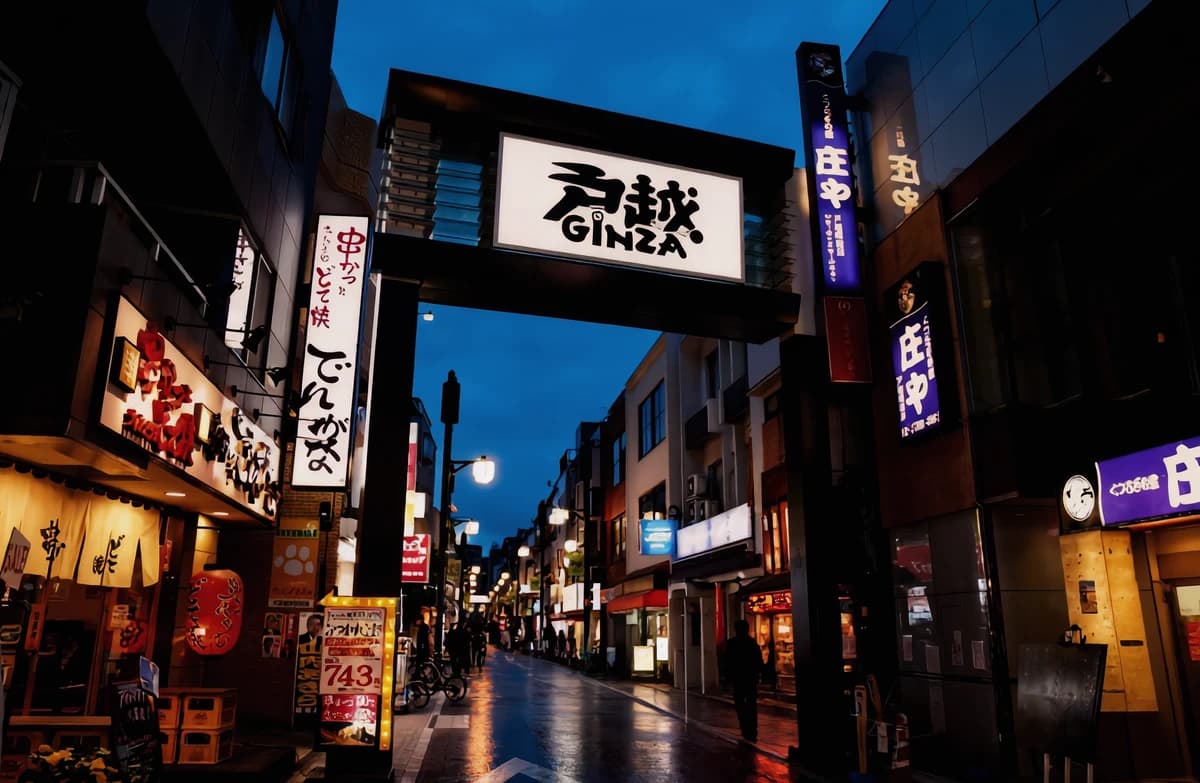
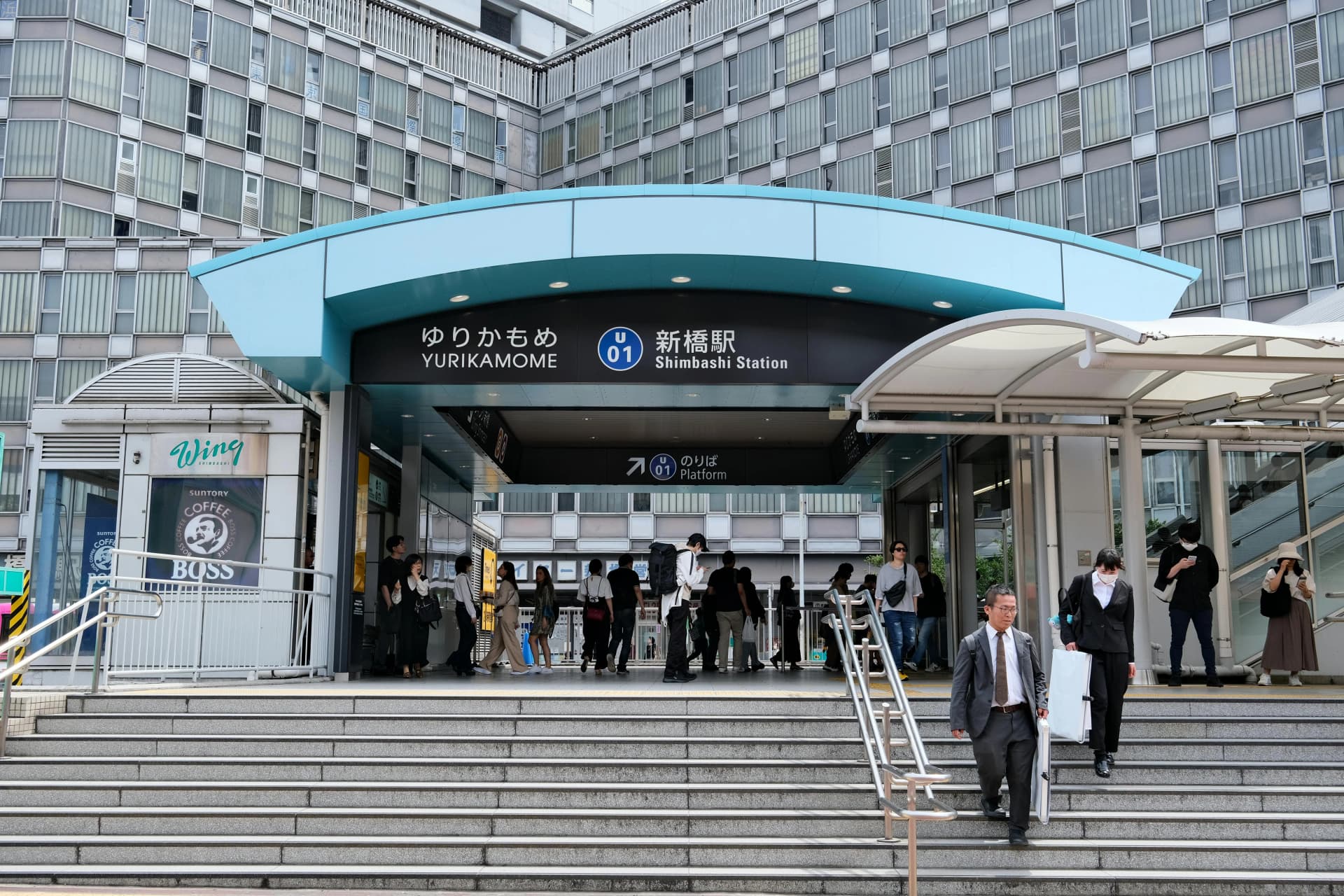
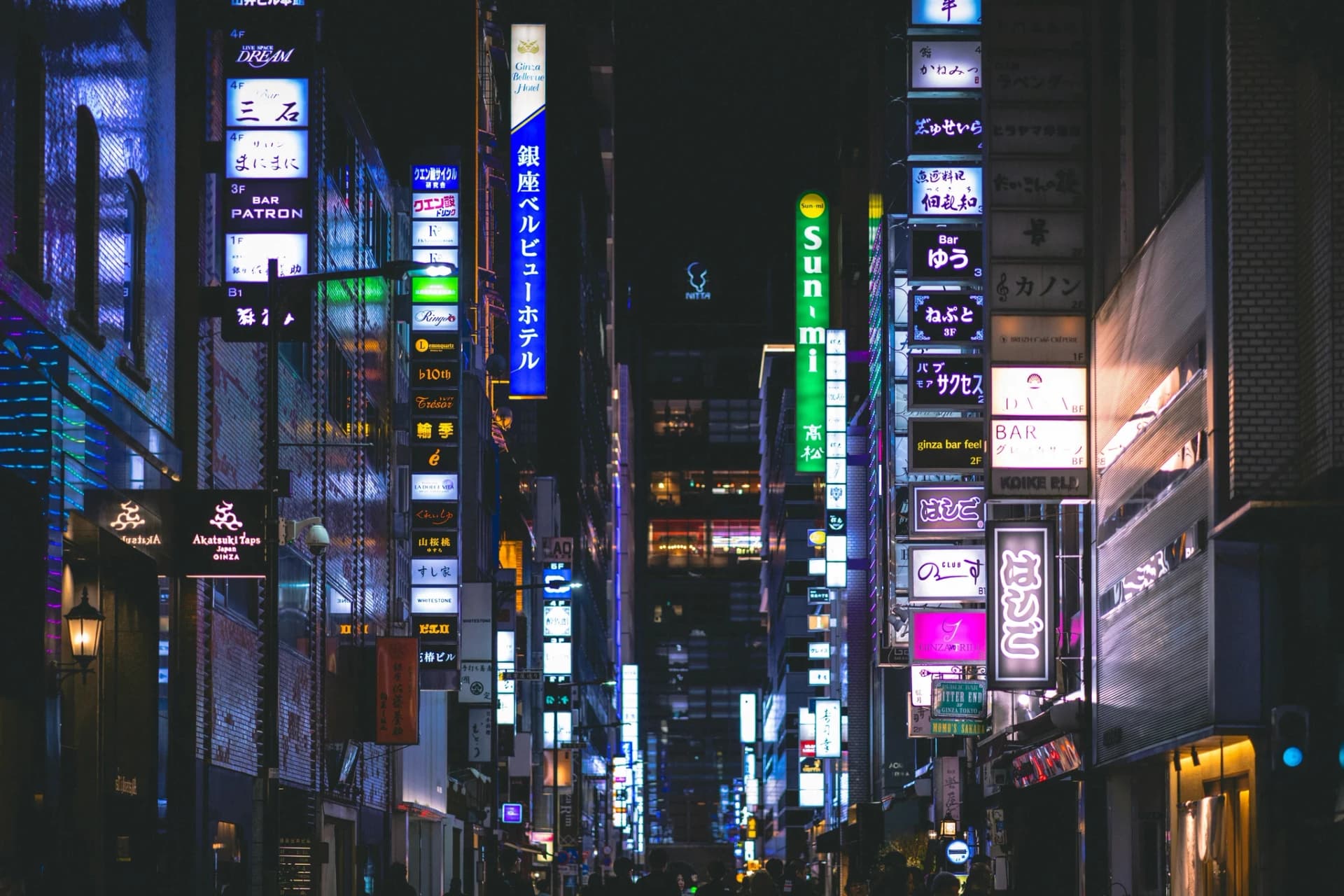
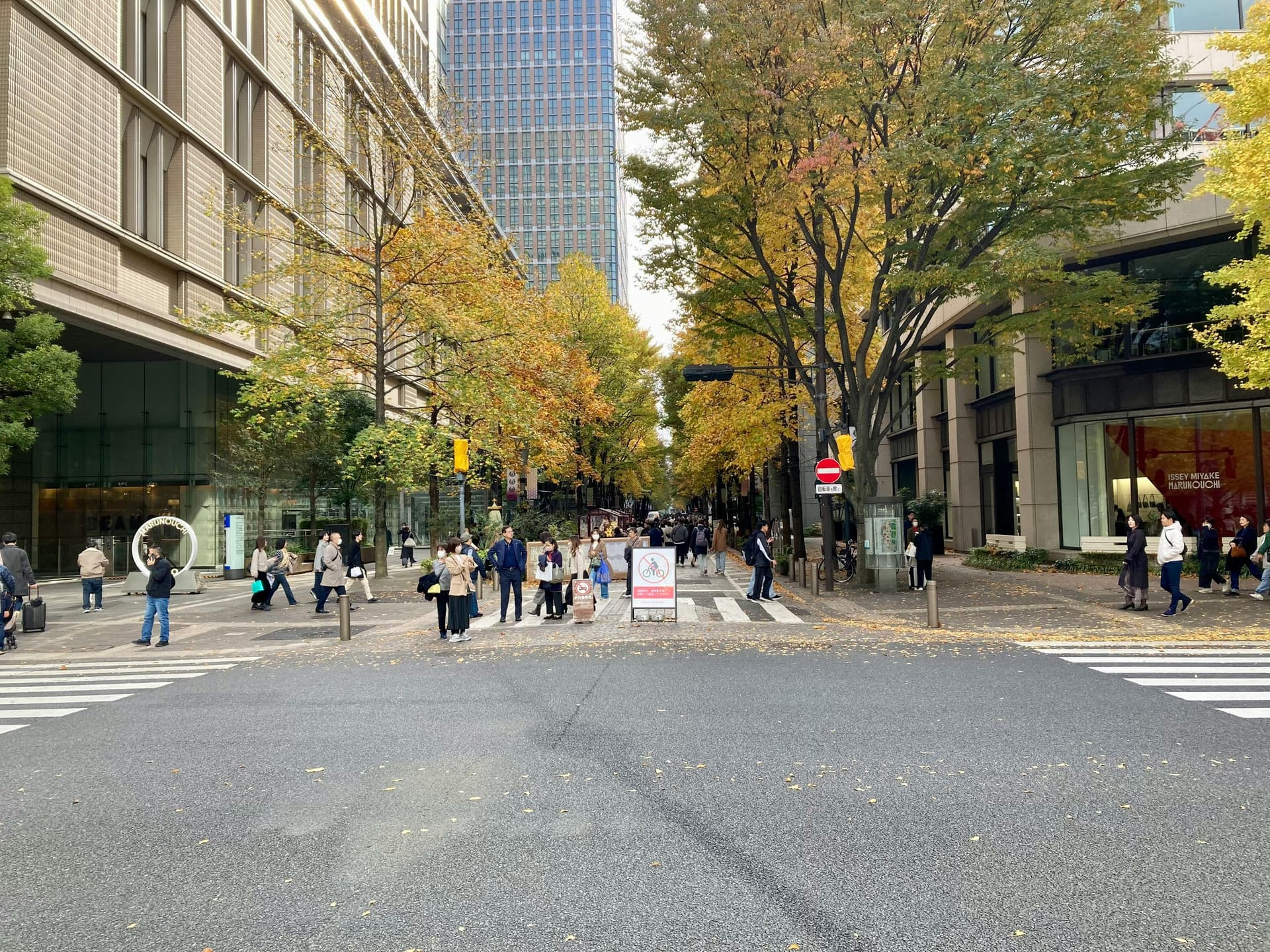
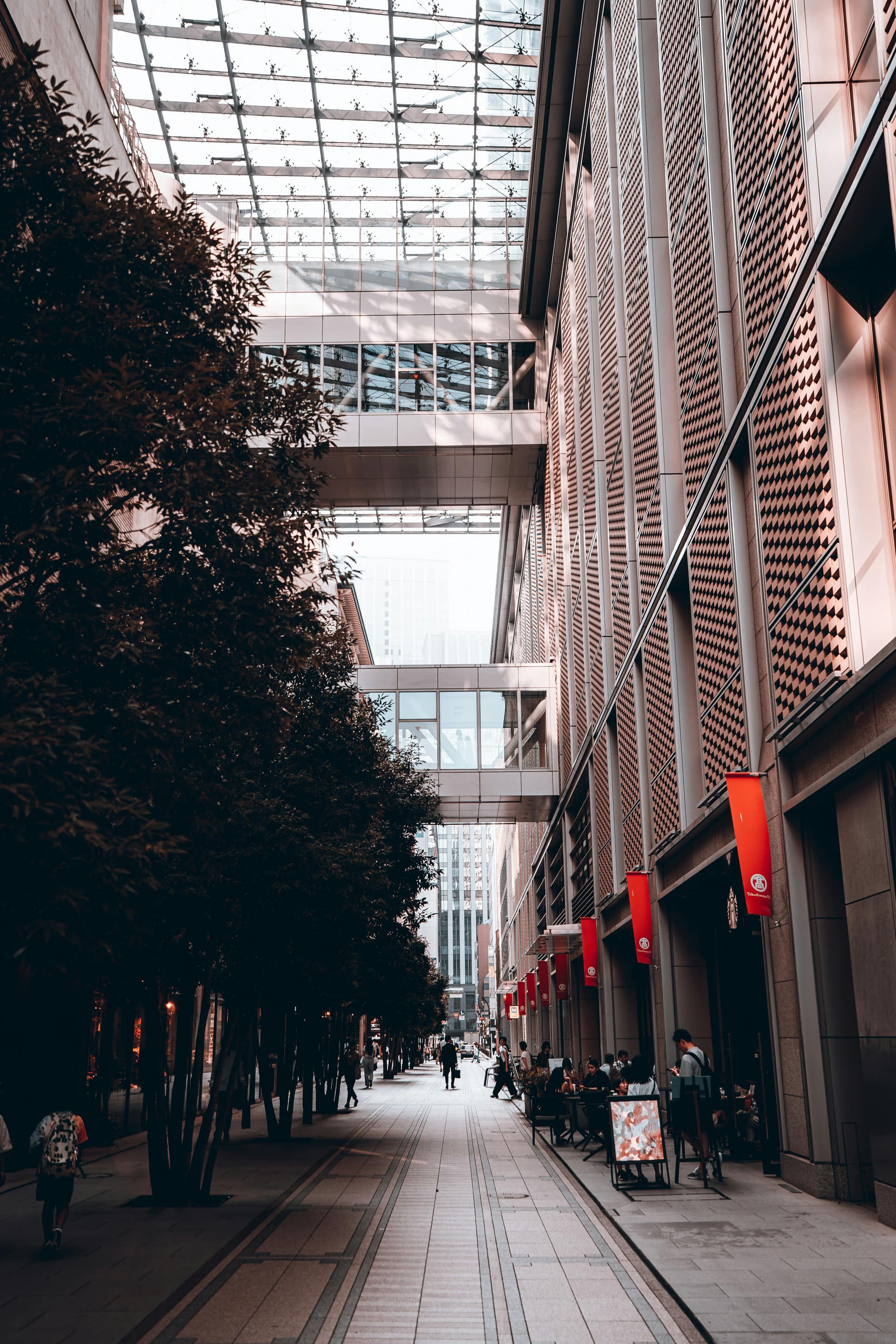
Tokyo's polished center - department stores with basement food halls, gallery-lined streets, and the kind of precise service that defines Japanese hospitality.

Trendy & Creative
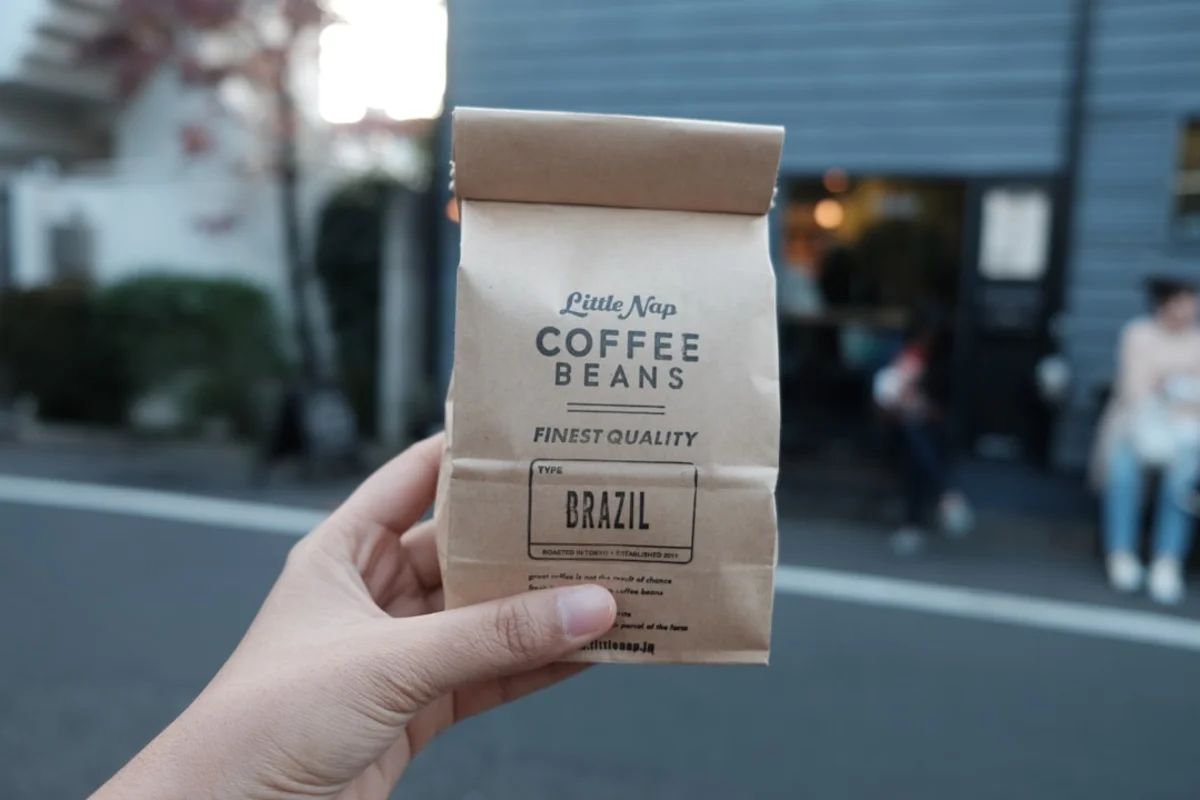
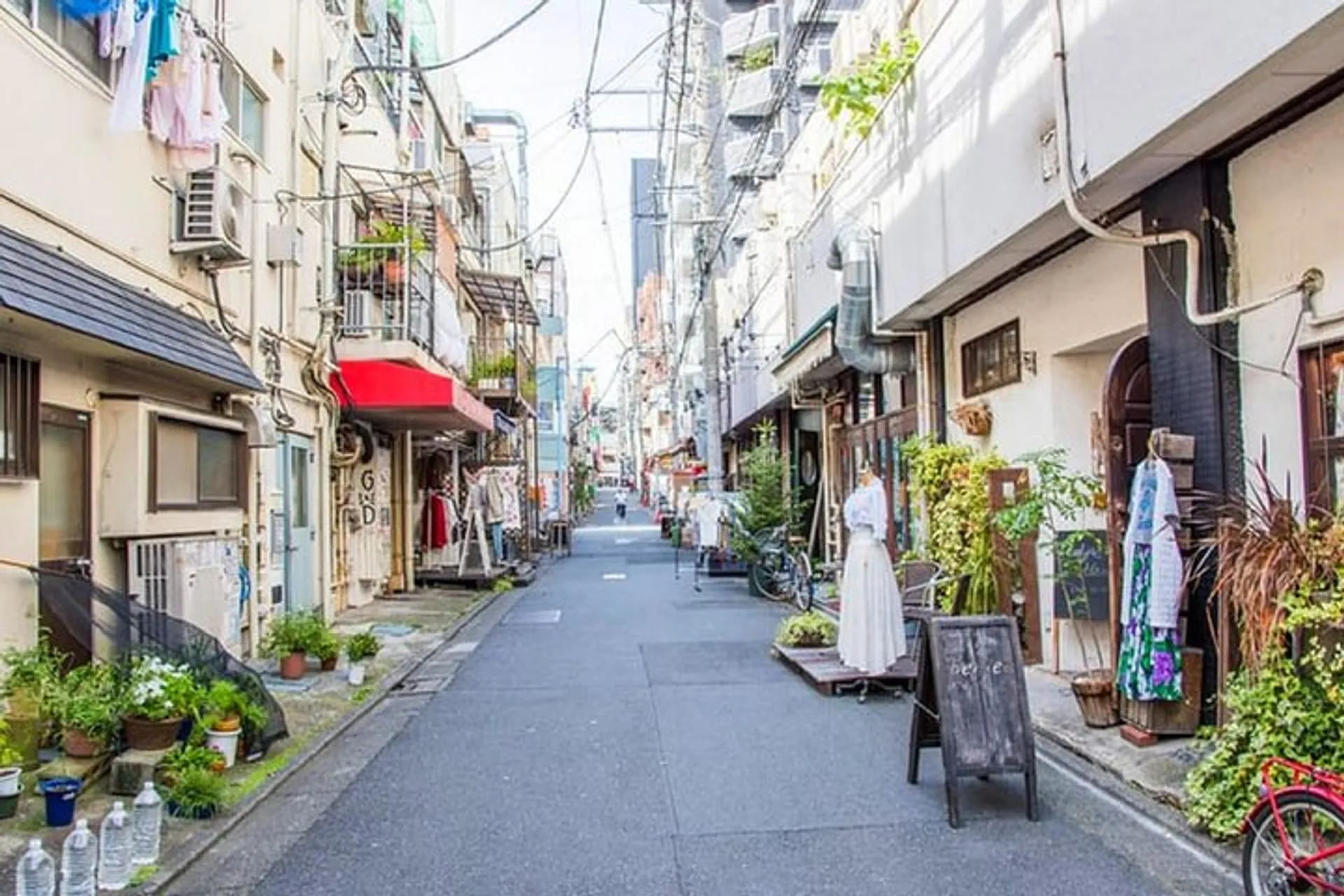
Where Tokyo experiments. Vintage clothing, independent coffee, live music, and the sort of shops that exist because someone cared enough to open them. These neighborhoods reward wandering without a plan.
Specialty Districts
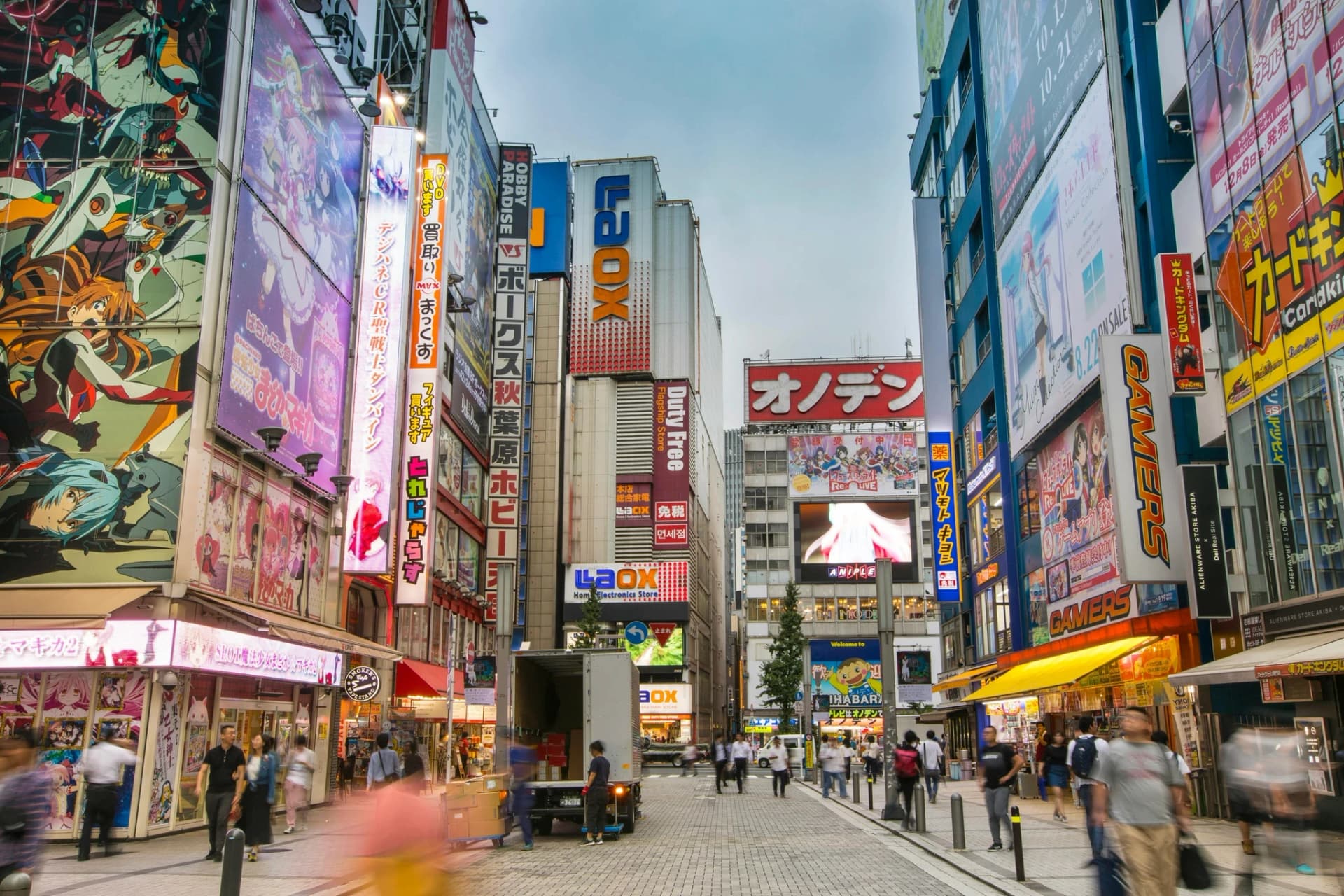
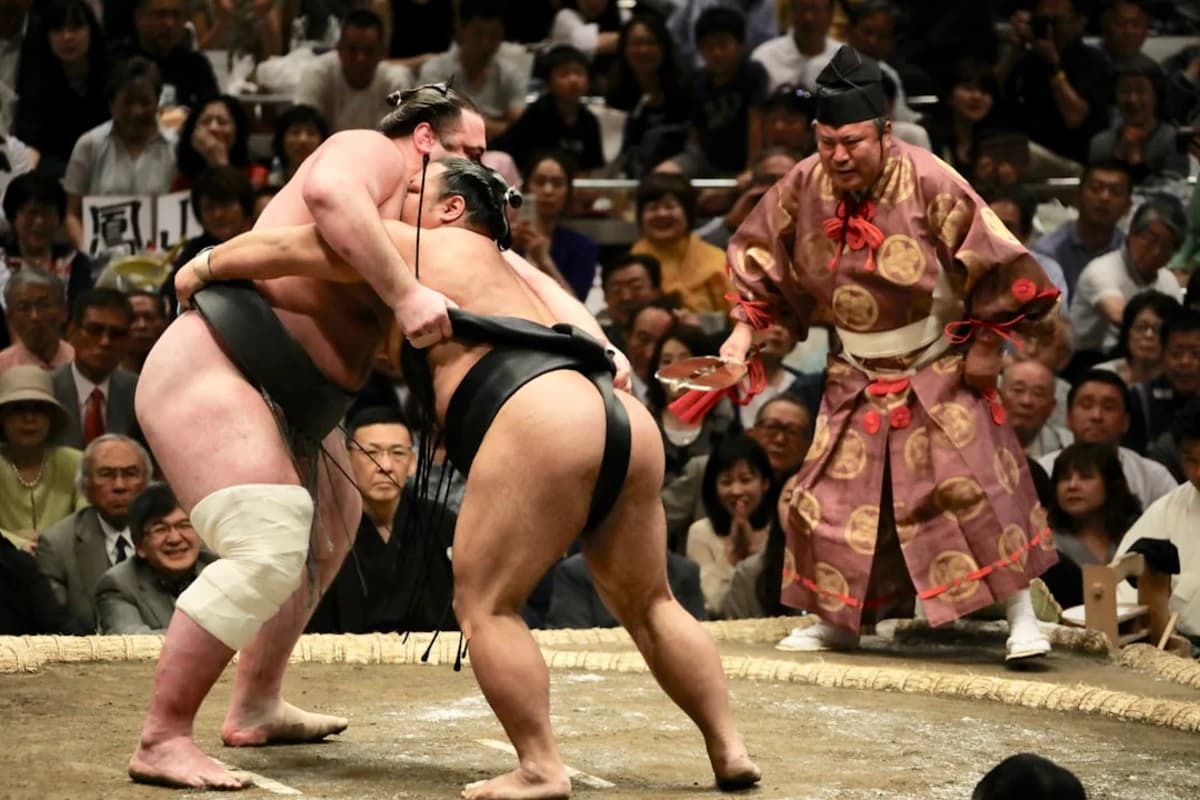
Districts defined by a single obsession - electronics, fashion, sumo, or the quiet residential life that most tourists never see.
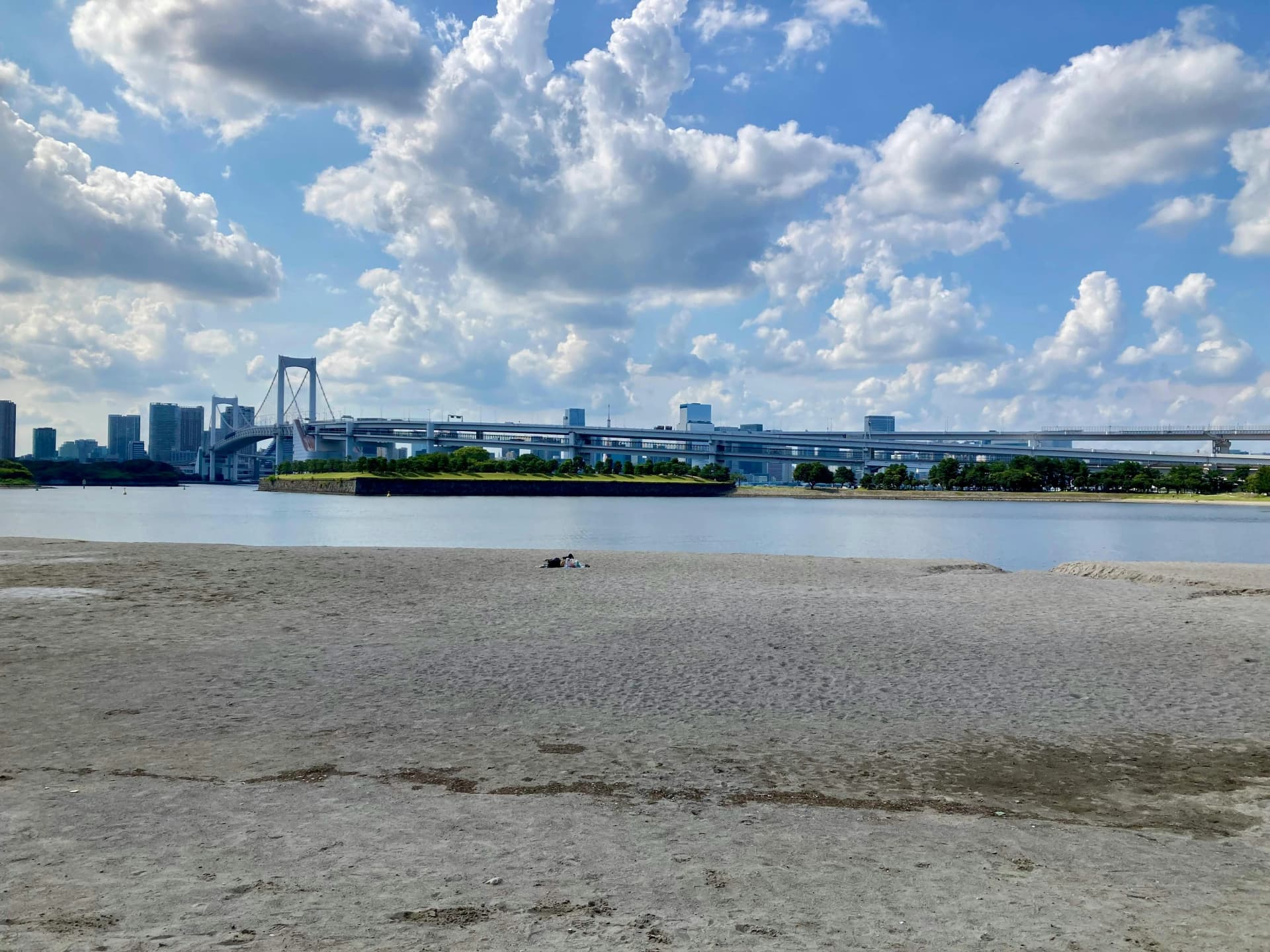
Tokyo neighborhoods number far more than the 10-12 that travel lists suggest — the city has 23 wards, each containing dozens of distinct areas with different characters.
Tokyo doesn't have 10 neighborhoods. It has 23 administrative wards, each the size of a small city, containing dozens of distinct areas. Shinjuku alone has five micro-neighborhoods with completely different characters: a skyscraper business district, yakitori alleys from the postwar era, 200+ tiny bars packed into six alleys, a peaceful Edo-period garden, and a neon entertainment zone.
Every "Best Neighborhoods in Tokyo" list picks the same 10-12 areas and presents them as equivalent units. They're not. Some pair naturally on the same train line; others waste 33+ minutes in transfers. Some reward a full day of exploration; others are best as a two-hour stop.
This page is different. It's not a list — it's a decision framework.
Every Neighborhood Is a Mini-City
Why "Neighborhood" Means Something Different Here
Tokyo's structure doesn't translate into familiar Western city categories. The 23 special wards form the urban core, each one city-sized — together covering 627 square kilometers with nearly 10 million residents. But ward names don't match the neighborhood names travelers use. Shibuyaward contains Harajuku, Ebisu, and Daikanyama. Shinjukuward includes Kabukicho, Golden Gai, and Nishi-Shinjuku.
When travel guides list "Tokyo's top neighborhoods," they're mixing administrative units, historical districts, and marketing names without distinction. This matters because planning a trip to "Shinjuku" without understanding that it's actually five to eight distinct areas with different purposes leads to wasted time.
This complexity is why first-timers need a mental model before they dive into neighborhood specifics. The how Tokyo works guide explains Tokyo's polycentric structure—no downtown, multiple hubs, neighborhood clusters that belong together—before you start choosing where to go.
The Ward vs. Neighborhood Confusion
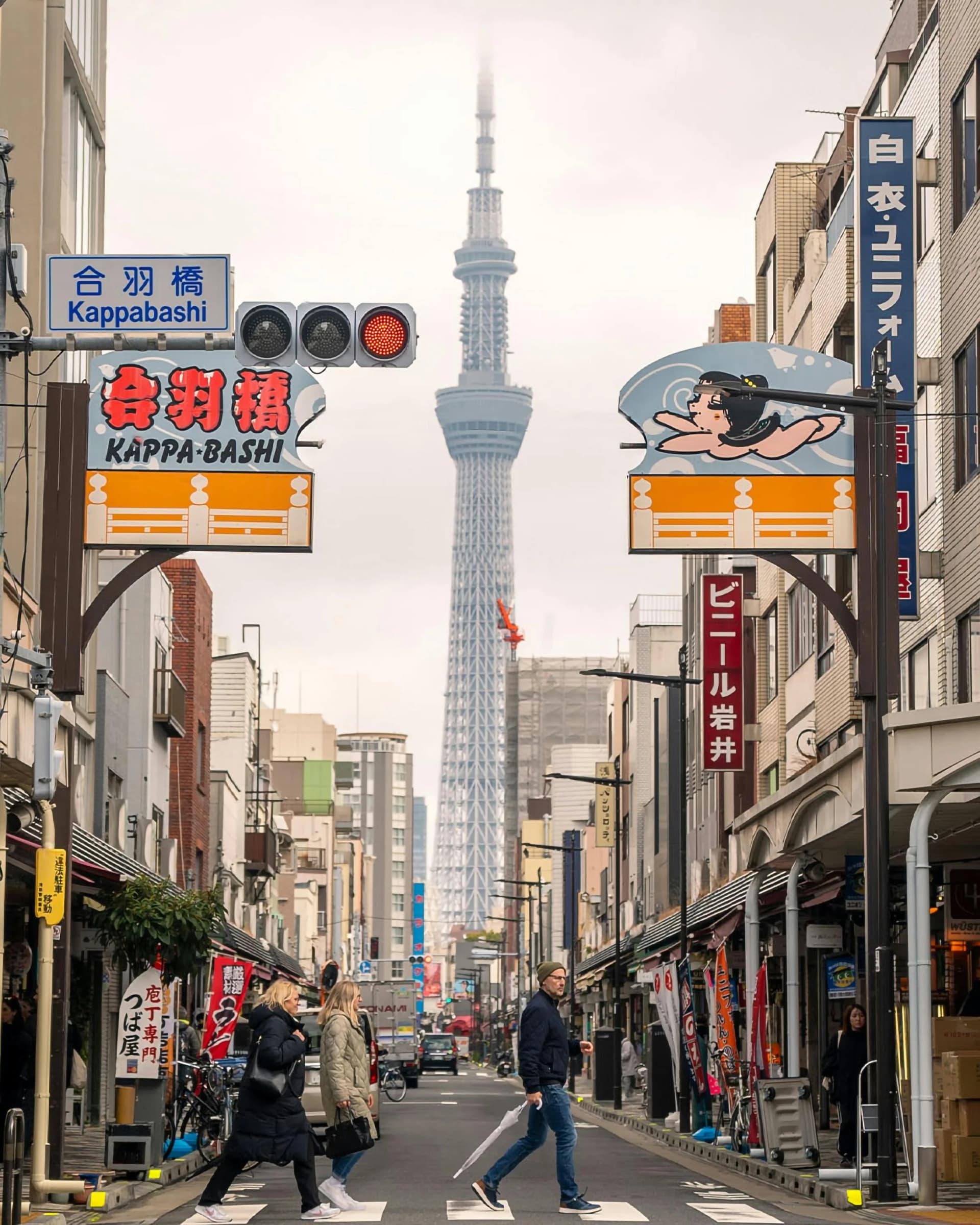
The ward system exists for governance, not tourism. Taito ward contains both the temple-centered Asakusa and the kitchen-supply-focused Kappabashi. Minato ward spans from the art museums of Roppongi to the fish market history of Tsukiji. Travelers don't need to memorize ward boundaries, but they do need to understand that "how many neighborhoods should I visit" is the wrong question.
A better question: how many distinct experiences do I want, and how can I cluster them efficiently?
What Shinjuku's 5 Districts Tell You About Tokyo
Shinjuku Station handles 2.7 to 3.6 million passengers daily — more than any station in the world. The station sits at the center of five distinct areas, each with different hours, different crowds, and different reasons to visit:
-
Nishi-Shinjuku (west): Corporate towers, the Tokyo Metropolitan Government Building observation deck, business-hotel density
-
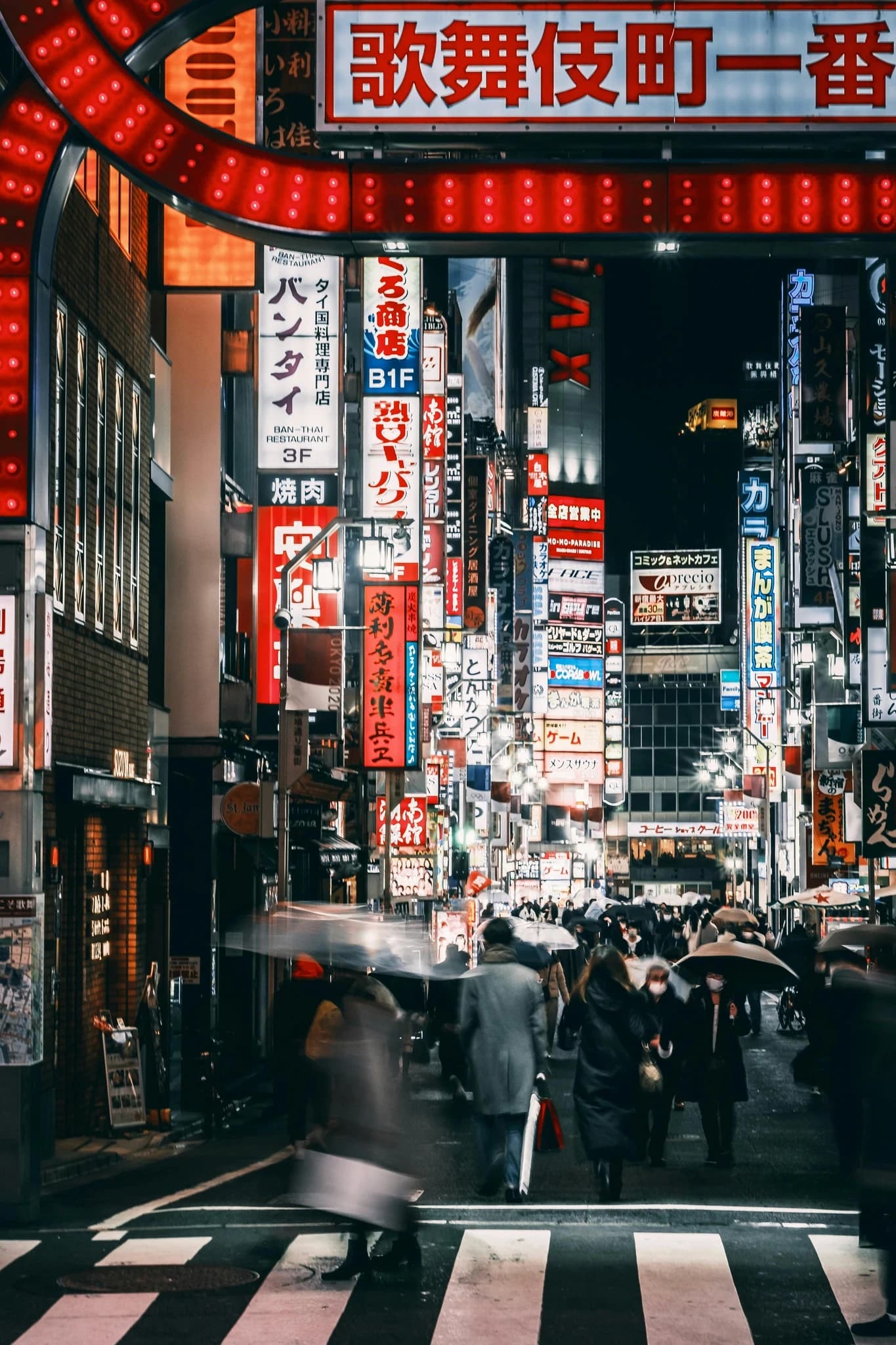
Kabukicho (east): Entertainment district, neon signage, after-dark energy
-
Golden Gai: 200+ tiny bars in six narrow alleys, each seating 4-8 people, with their own personality
-
Omoide Yokocho: Yakitori stalls under the tracks, smoke and steam, postwar atmosphere
-
Shinjuku Gyoen: Historic garden, seasonal flowers, escape from station chaos
Treating Shinjuku as one neighborhood means treating a garden, a red-light district, and a business hub as equivalent. They're not. Tokyo works this way everywhere.
Which Neighborhoods Fit Your Trip
Three Questions That Narrow Your List
Before looking at any neighborhood list, answer three questions:
1. What's your energy preference?
High-intensity areas like Shibuya and Shinjuku deliver sensory overload, crowds, neon, and constant stimulation. Quieter alternatives like Yanakaand Kichijojioffer residential atmosphere, slower pace, and fewer tourists. Most travelers want some of each — the question is ratio.
2. What's your primary interest?
Different interests point toward different clusters:
-
Shopping and fashion: Shibuya, Harajuku, Omotesando, Ginza, Shimokitazawa
-
Food exploration: Tsukiji, standing bars in Shinjuku, izakaya in Yurakucho
-
Nightlife: Shinjuku(Golden Gai, Kabukicho), Shibuya, Roppongi
-
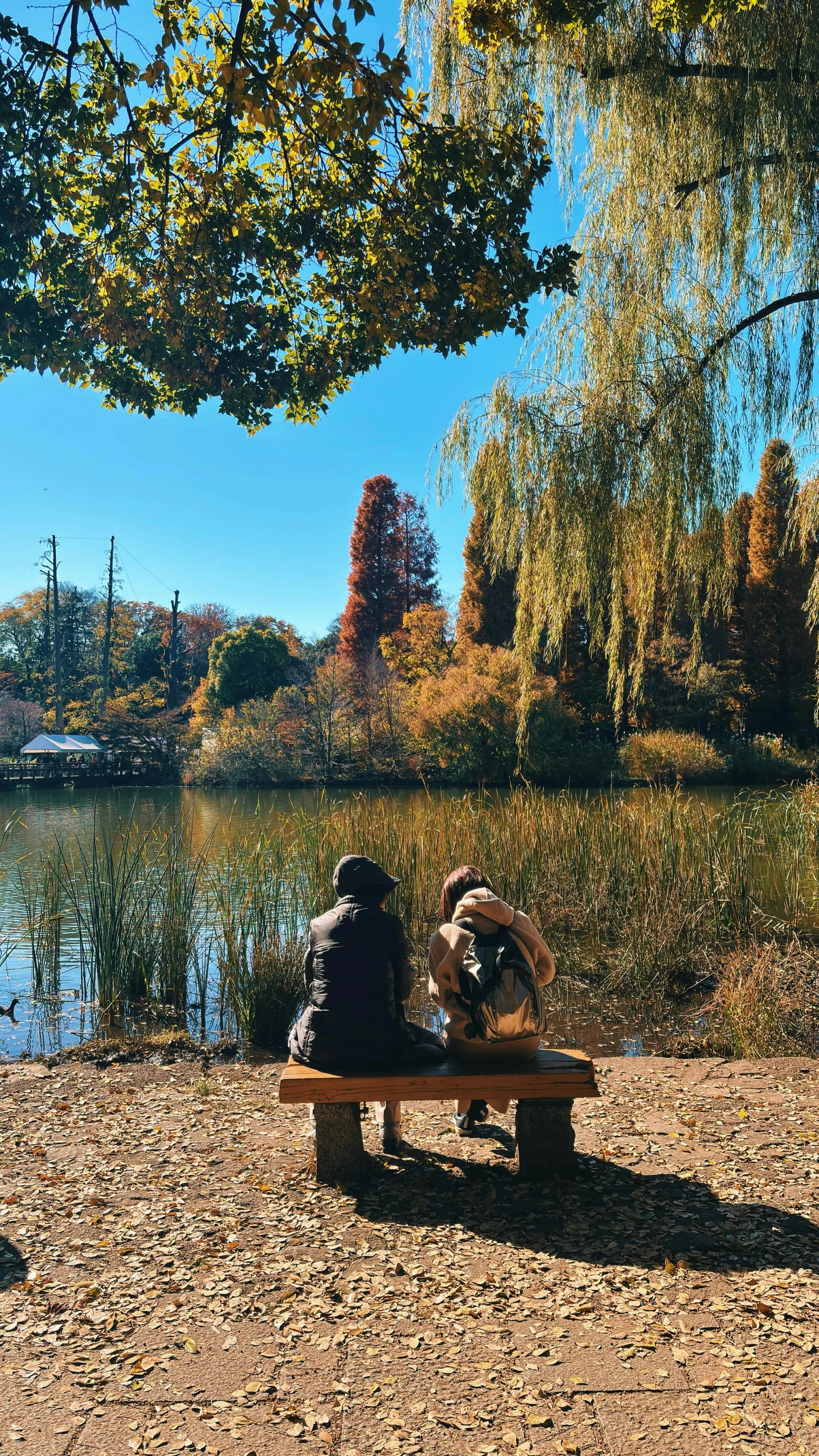
Local residential life: Yanaka, Koenji, Sangenjaya, Shimotakaido, Nakameguro, Kichijoji
3. How many days do you have?
With 3-4 days in Tokyo, depth beats breadth. Trying to cover eight neighborhoods in three days means seeing the surface of everything and the depth of nothing. The consistent advice from travelers who've done it: stick to 2 neighborhoods per day maximum, and accept you'll miss things.
The hub navigation at the end of this page organizes detailed guides by interest, geography, and experience type.
Why Clustering Matters More Than Choosing
The 33-Minute Reality
Asakusa to Shibuya takes 33-37 minutes on the Ginza Line — direct, no transfer. That's not long for a single trip. But when you're trying to visit both areas in one day, that 33 minutes each way shapes your entire schedule.
Two round trips (morning in Asakusa, afternoon in Shibuya, evening back to Asakusa-area hotel) means over two hours just moving between areas. Subtract that from a 10-hour day, and you've lost 20% of your exploration time to trains.
The clustering principle: neighborhoods on the same train line or within walking distance should be grouped together. Neighborhoods requiring transfers or 30+ minute transit should be separate days.
Same-Line Pairings That Work
Yamanote Line West Side:
-
Shibuya → Harajuku: 2-3 minutes (1 stop)
-
Harajuku → Shinjuku: ~5 minutes via Yoyogi (2 stops)
-
Shibuya → Shinjuku: 7 minutes total
These three neighborhoods can share a day because moving between them costs almost nothing.
Ginza Line East Side:
-
Asakusa → Ueno: 5-6 minutes (3 stops)
-
Walking: Ueno Park → Yanaka: 15-25 minutes on foot
This cluster works because transit time between areas is minimal and walking connections add exploration value.
The Friction Maps Don't Show
Transit time is only part of the equation. Station complexity varies wildly.
Shinjuku Station has over 200 exits, serves 5-6 different rail operators, and spreads across 35+ platforms. First-time visitors spend 10-20 minutes just getting from platform to the correct street exit. Harajuku Station, one stop away, has 2 exits and one platform. Navigation takes 30 seconds.
This affects planning. Arriving at Shinjuku to start your day burns 15+ minutes on navigation. Arriving at Harajuku and walking to Shibuya (15-20 minutes) might actually be faster.
Google Maps says Shinjuku to Shibuya takes 7 minutes. That's train time. Add platform-finding, waiting, and navigating Shibuya's ongoing reconstruction, and realistic door-to-destination time is 20-30 minutes.
First-time visitors lose 2-3 hours per day to navigation inefficiency and wayfinding errors. Understanding which stations eat time — and clustering to avoid them — recovers that time.
The Trade-Offs Nobody Mentions
High-Energy Districts
| Neighborhood | Best For | Not For | Key Reality |
|---|---|---|---|
| Shibuya | Famous crossing, department stores, nightlife starting point | Relaxed exploration, first-day arrival | 9 lines, 4 operators, 14 platforms; Hachiko Exit relocated Jan 2025 |
| Shinjuku | Nightlife (Golden Gai, Kabukicho), drinking options, transit hub | Crowd-averse travelers, families during rush | 200+ exits, world's busiest; rush hour (7:30-9:30 AM) involves pushing |
| Akihabara | Electronics, anime, gaming culture, maid cafes | Evening activities, diverse dining, traditional atmosphere | Most shops close 8-9 PM |
Shibuya's complexity goes beyond the Crossing—nine lines, four operators, and sights scattered across multiple exits. Our Shibuya places guide breaks down what's actually worth visiting and how to navigate the friction.
Traditional/Historical
| Neighborhood | Best For | Not For | Key Reality |
|---|---|---|---|
| Asakusa | temple photos, traditional atmosphere, shopping street | Avoiding crowds, bargain hunting | 30M annual visitors; main hall/pagoda are postwar reconstructions |
| Ueno | Museums, zoo, park, rainy day activities | Nightlife, distinctive neighborhood character | Museum concentration; transit hub feel |
| Yanaka | Pre-war atmosphere, quiet temple walks | After-dark activities, shopping variety | Escaped 1923 earthquake and 1945 firebombing; 70+ temples |
Residential Cool
| Neighborhood | Best For | Not For | Key Reality |
|---|---|---|---|
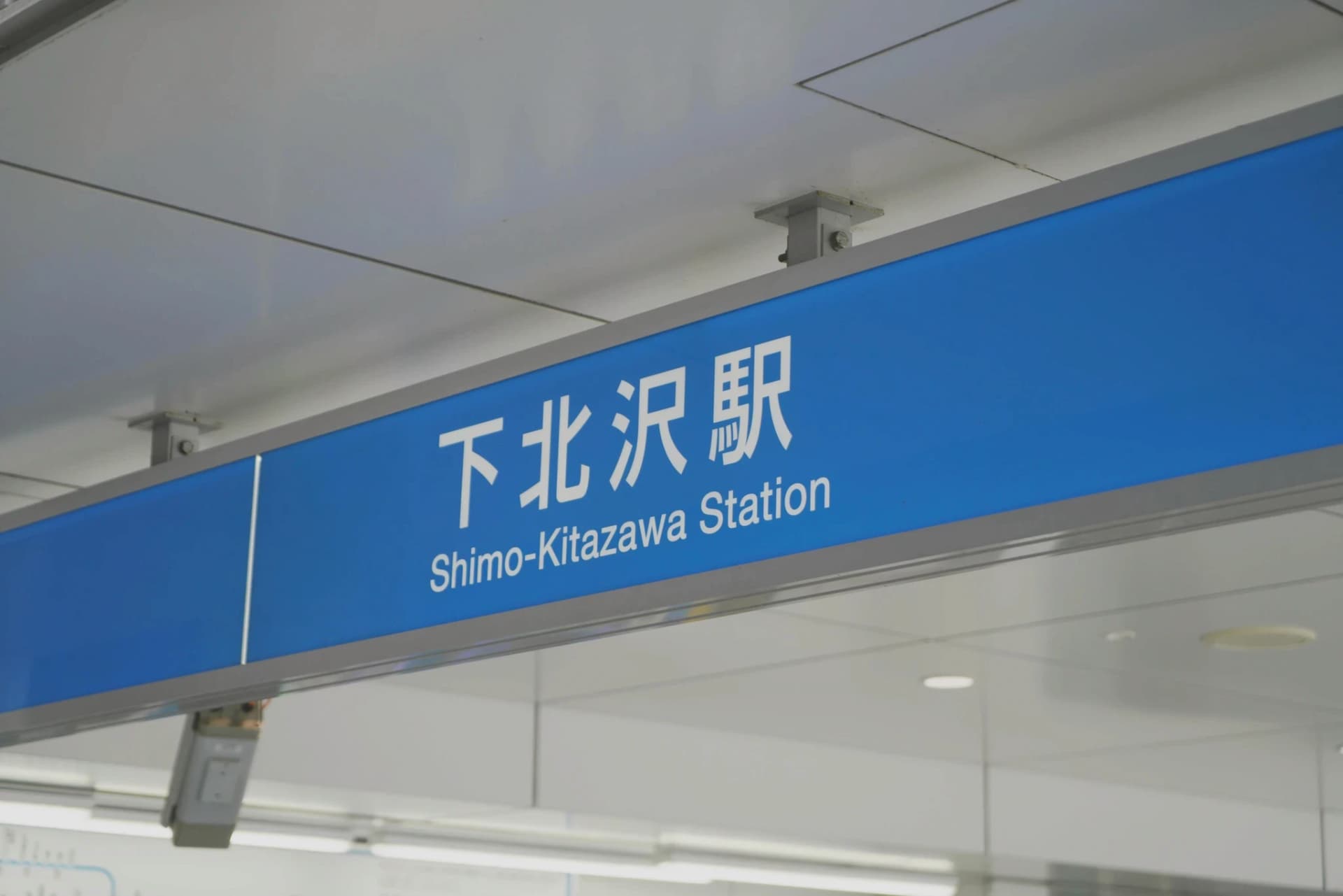
| Shimokitazawa | Trendy cafes, indie theater, curated vintage | Bargain hunting, quiet exploration | 4 min express from Shibuya; gentrified; ¥3,000+ for curated pieces |
| Koenji | Serious vintage hunting, local atmosphere | Polished Instagram aesthetics | Birthplace of Japan's punk scene (1970s); shops like SLUT offer American vintage under ¥1,000 |
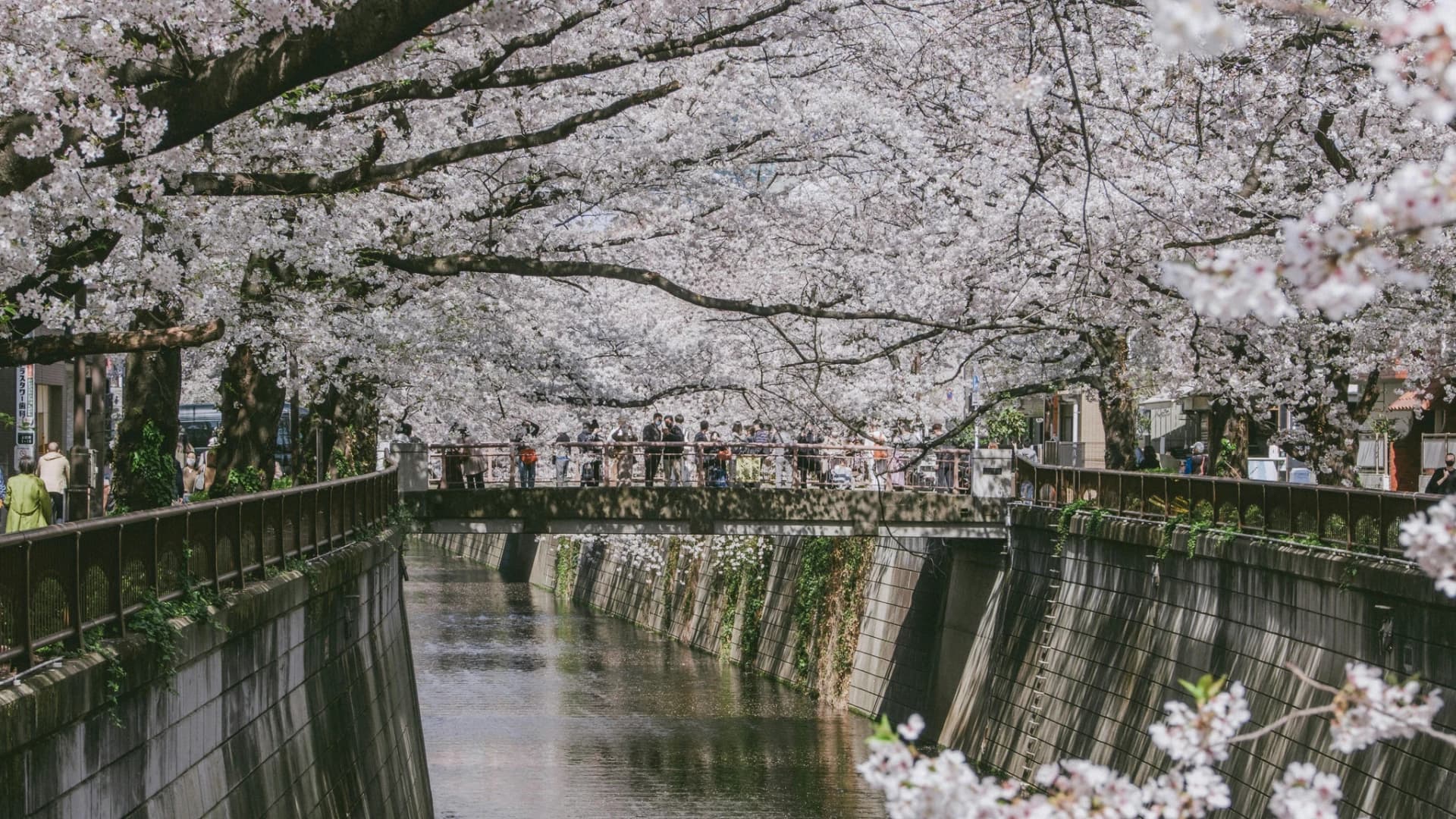
| Nakameguro | Canal walks, upscale cafes, cherry blossoms | Budget travelers, year-round character | Packed during cherry blossom season; Instagram-oriented |
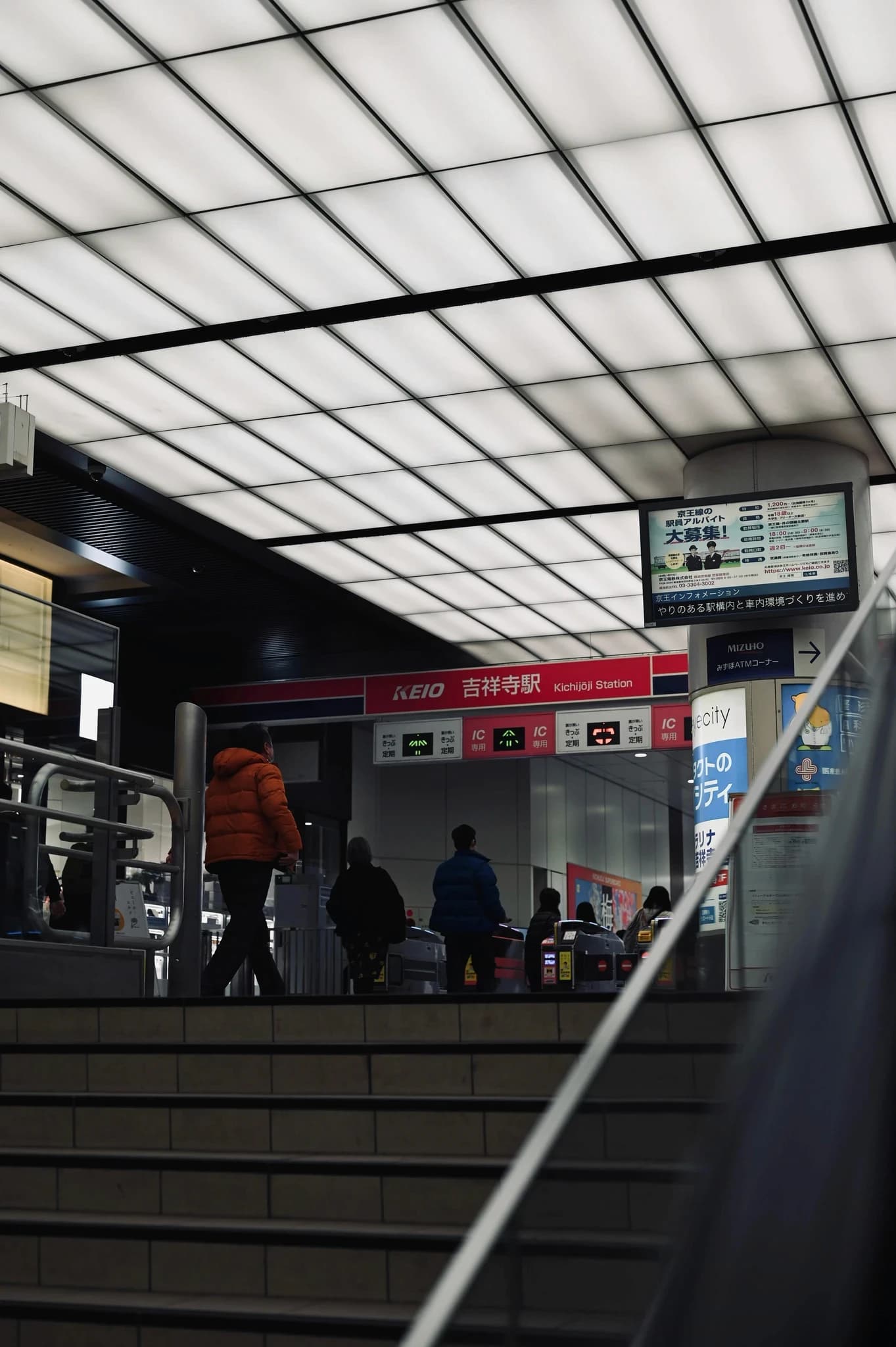
| Kichijoji | Park relaxation, Ghibli Museum, suburban family vibe | Quick day trips, central Tokyo energy | 15 min from Shinjuku; feels further from the intensity |
Food-First
| Neighborhood | Best For | Not For | Key Reality |
|---|---|---|---|
| Tsukiji | Fresh seafood breakfast, knife shopping, market atmosphere | Afternoon visits, bargain hunting | Most stalls close by 2 PM; peak crowding 11 AM-1 PM |
| Ginza | Luxury shopping, high-end dining, depachika exploration | Budget travelers, late-night activities | Department stores close ~8 PM; Japan's premier high-end district |
Find Your Neighborhood Guide
This page provides the framework. The detailed guides provide the depth.
By Interest
Classic First-Timer Areas:
-
Shibuya— crossing, shopping, nightlife launch point
-
Shinjuku— station chaos, diverse entertainment, garden escape
-
Asakusa— Tokyo's oldest temple, traditional shopping street
-
Harajuku— youth fashion, Takeshita Street, Meiji Shrine access
-
Omotesando— architecture boulevard, luxury flagships, Pritzker Prize buildings
-
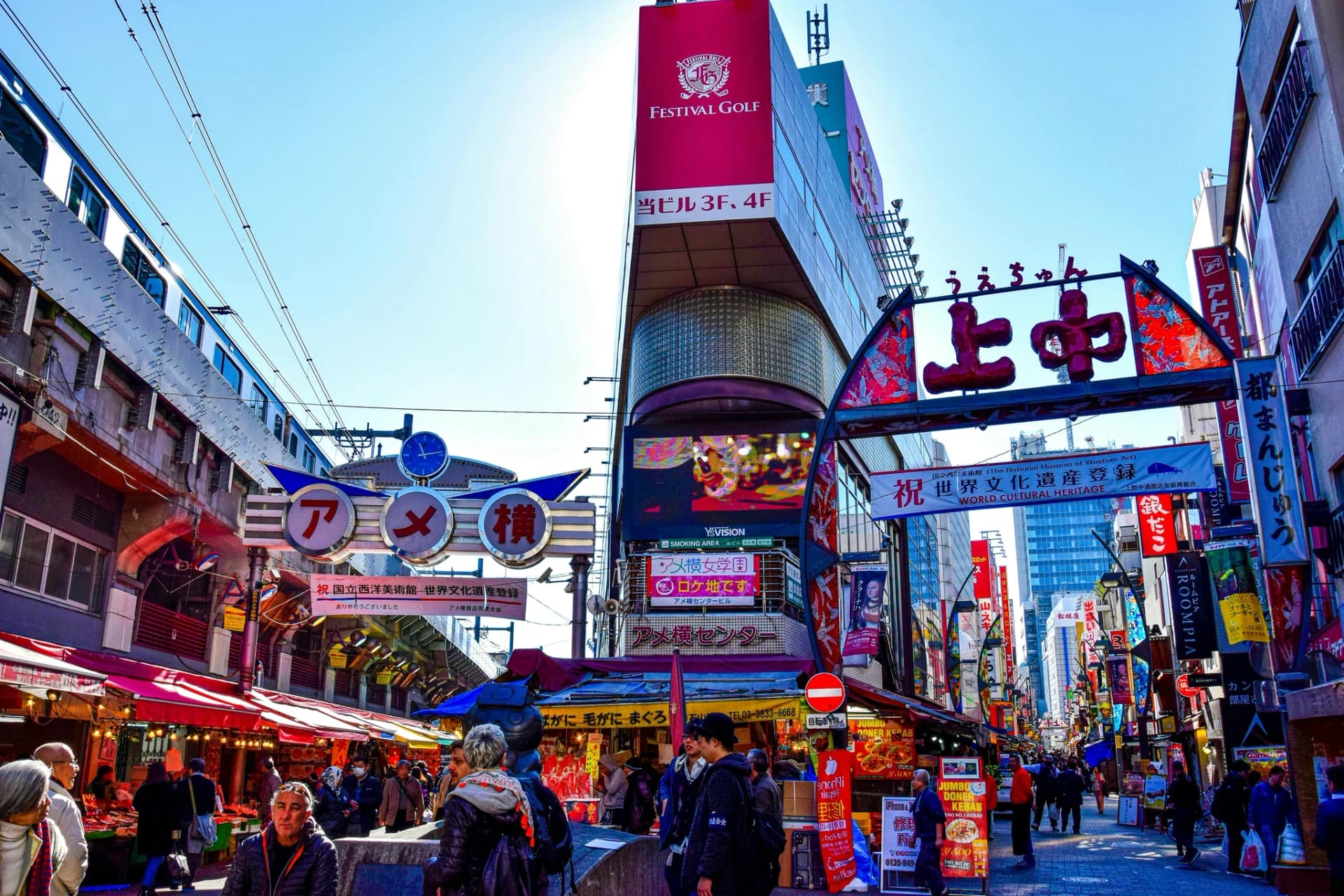
Ueno— museums, park, zoo, Ameyoko market
-
Akihabara— anime, electronics, gaming culture
-
Ginza— luxury shopping, department stores, upscale dining
Quiet Alternatives:
-
Yanaka— pre-war Tokyo, temple walks, residential atmosphere
-
Shimokitazawa— vintage shopping, indie cafes, theater scene
-
Nakameguro— canal cafes, cherry blossoms, design shops
-
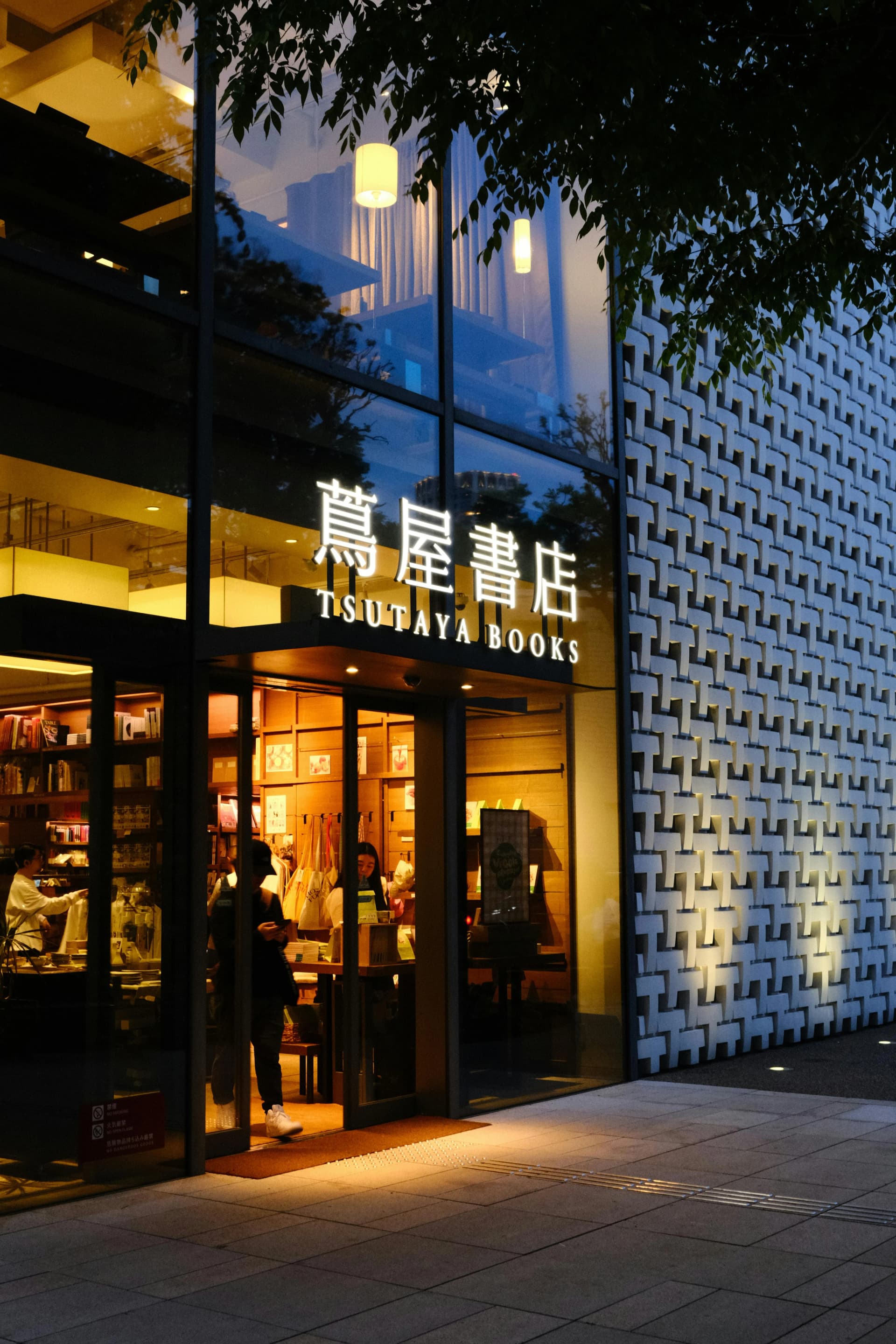
Daikanyama— bookshops, independent boutiques, design-forward calm
-
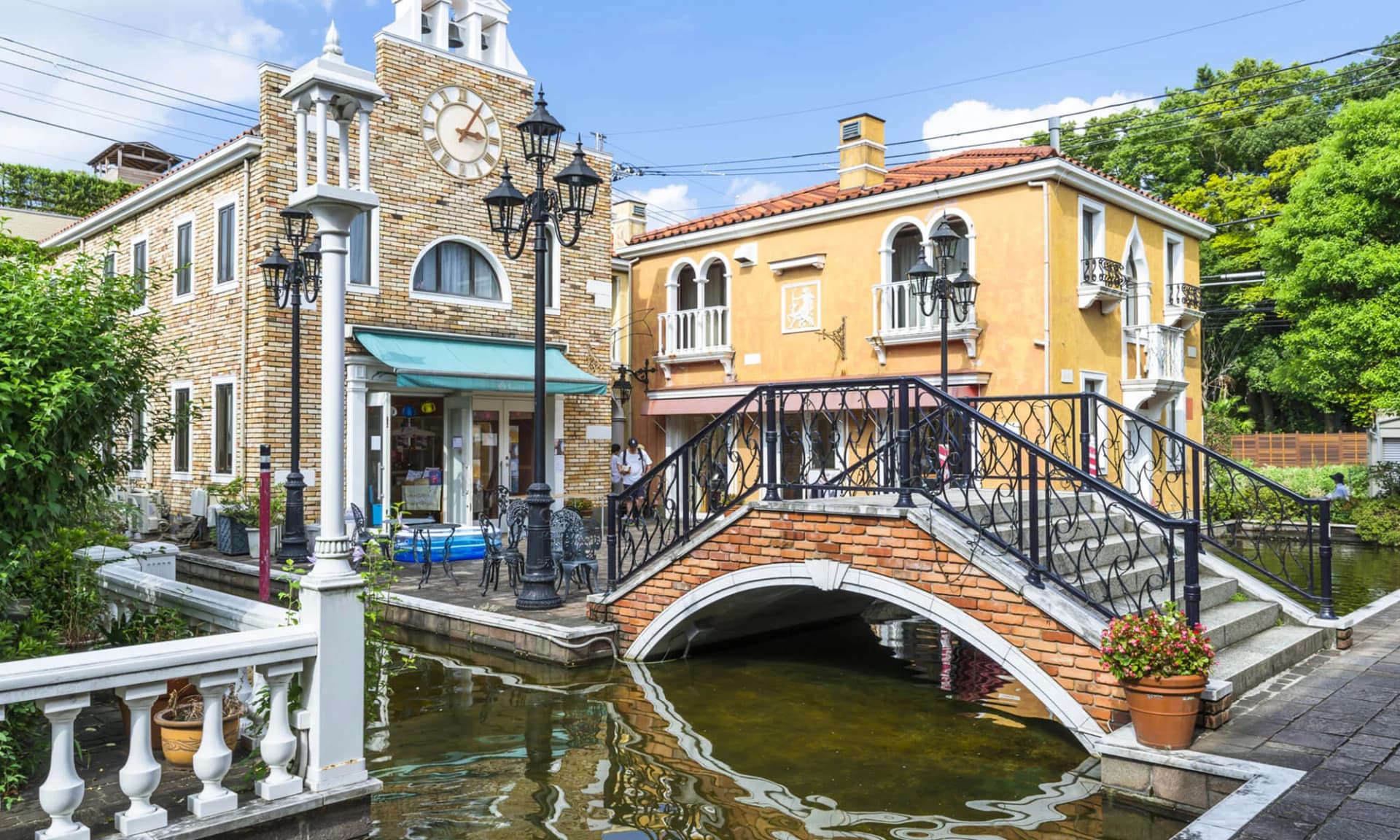
Jiyugaoka— patisseries, mont-blanc birthplace, European-themed boutiques
-
Kichijoji— most livable neighborhood, park, local character
-
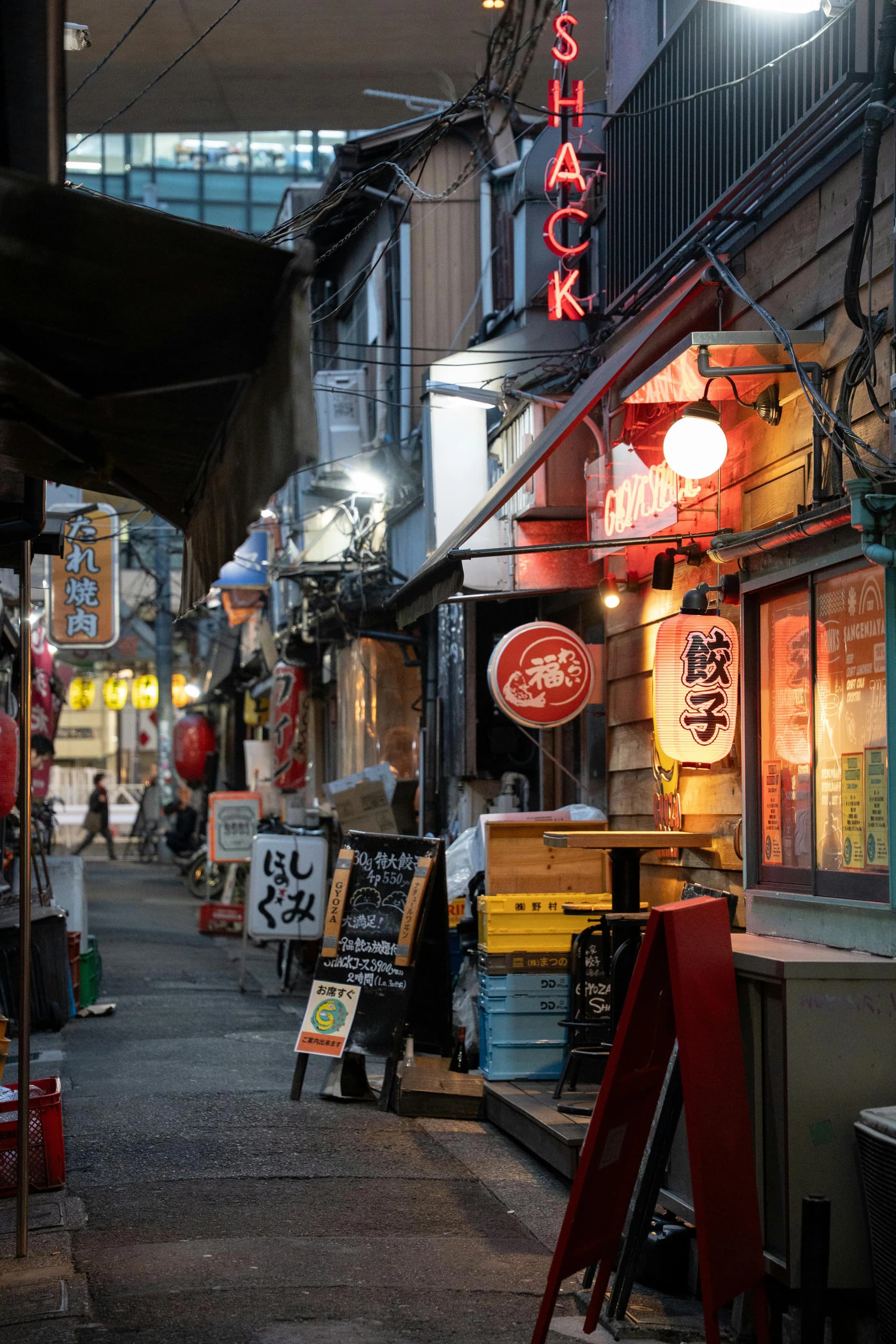
Sangenjaya— Showa-era izakaya alleys, local drinking culture, serious cafes
-
Shimotakaido— unreconstructed shotengai, retro cinema, cheap izakayas, Setagaya Line terminus
-
Koenji— punk roots, affordable vintage, covered shopping streets
-
Kiyosumi-Shirakawa— third-wave coffee capital, converted warehouses, contemporary art museum, traditional garden
Food-Focused:
Specialty/Niche:
-
Roppongi— art museums, international nightlife
-
Ikebukuro— anime retail, department stores
-
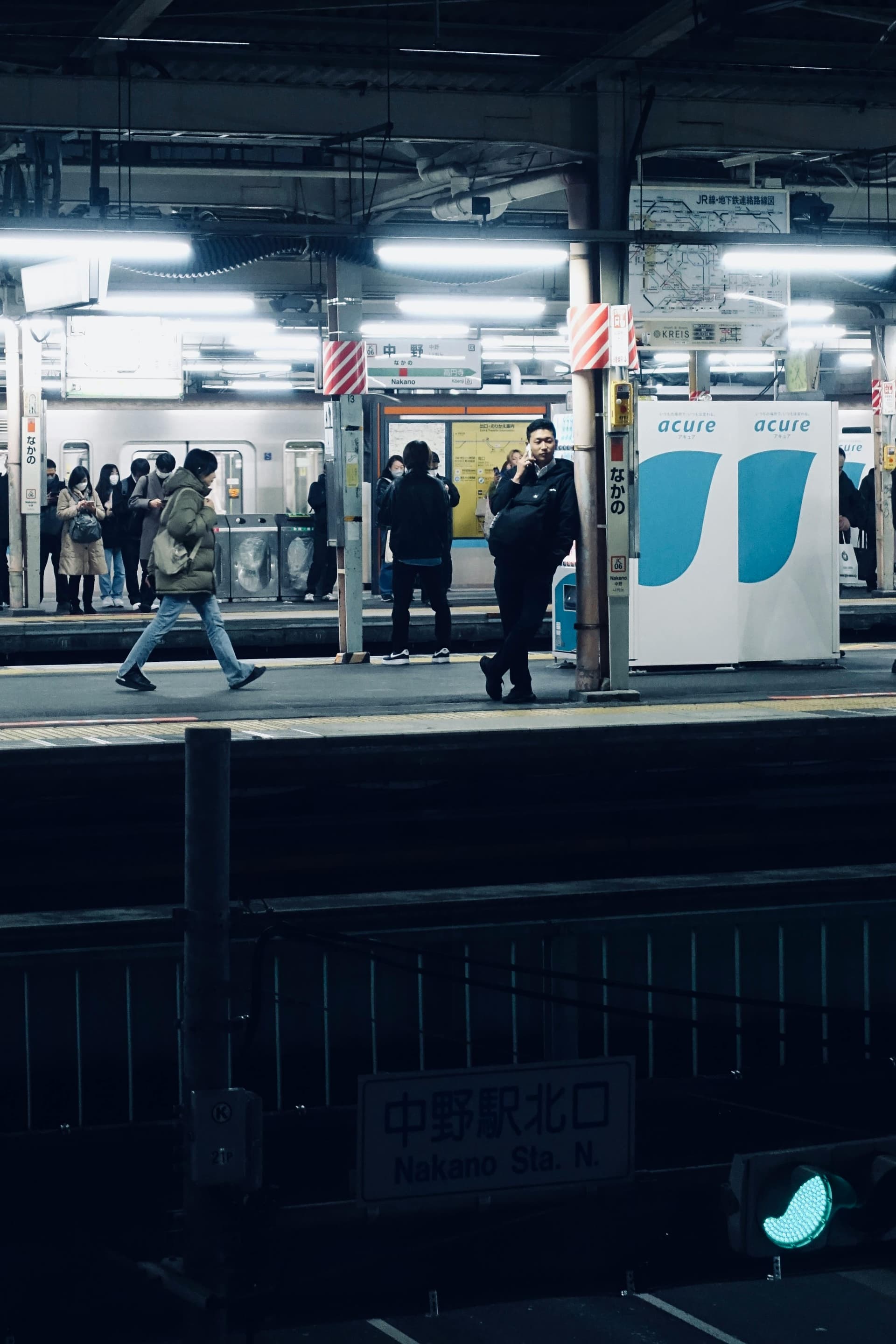
Nakano— deep otaku culture, Broadway mall
-
Ebisu— beer history, refined dining
-
Hiroo— embassy district, high-end restaurants, international community
-
Azabu-Juban— traditional shopping street, taiyaki origin shop, summer festival
-
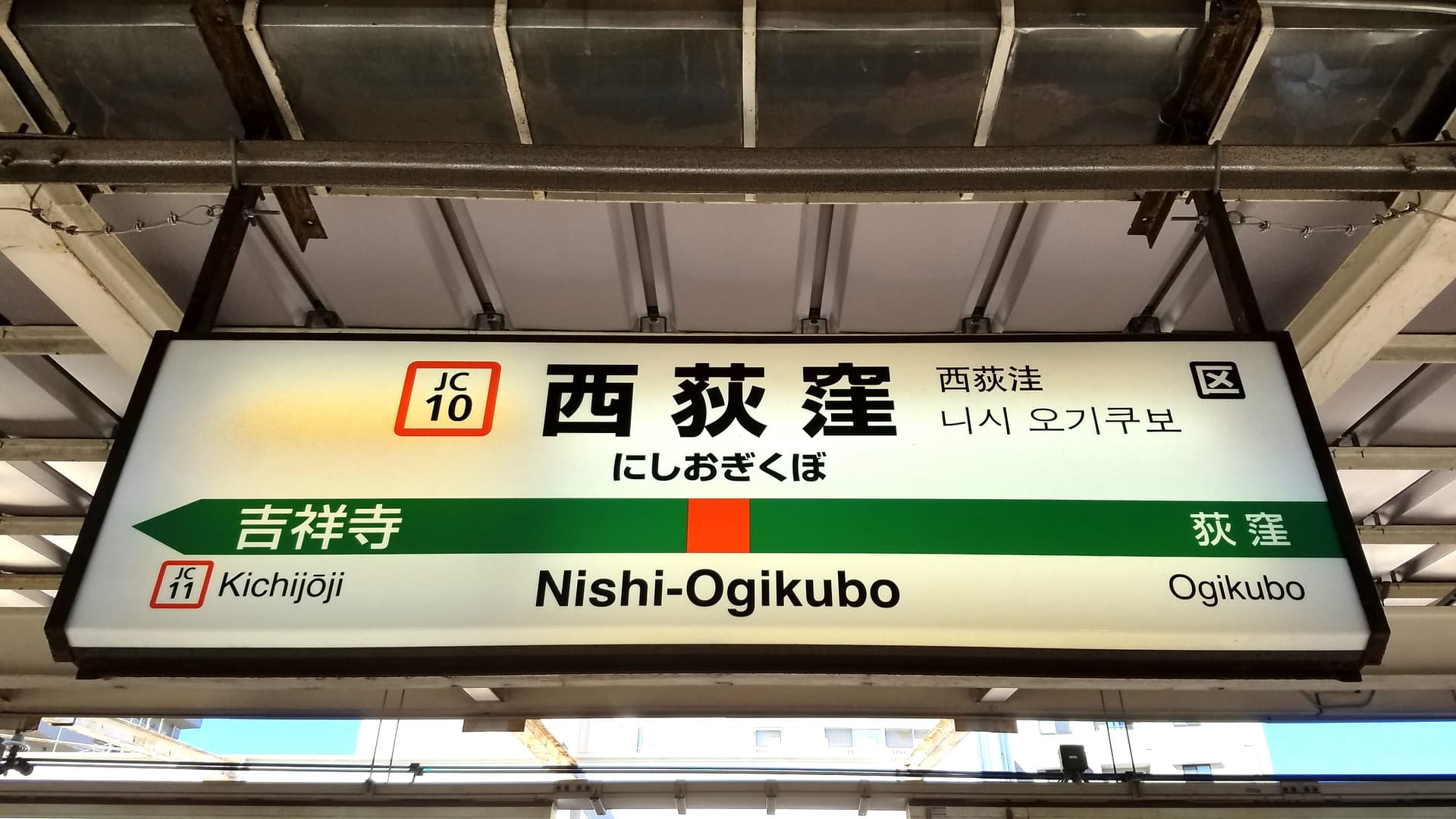
Nishi-Ogikubo — antique shops, residential calm
By Geography/Cluster
West Side (Yamanote Line): Shibuya → Harajuku → Shinjuku form a natural day cluster. Add Shimokitazawa or Nakameguro as an extension.
East Side (Ginza Line/walking): Asakusa → Ueno → Yanaka connect via short transit and walking paths. Kuramae is a 15-minute walk from Asakusa. Kiyosumi-Shirakawa pairs with Monzen-Nakacho (1 stop on Oedo Line) for a coffee-and-temples east Tokyo day.
South (Shinagawa/Meguro): Togoshi Ginza for Japan's longest shopping street and a food walk. Combine with Gotanda or Nakameguro.
Central: Tokyo Station area → Ginza → Tsukiji can combine for a food-focused day.
By Experience Type
High-energy tourist experience: Shibuya, Shinjuku, Asakusa, Akihabara
Quiet local atmosphere: Yanaka, Kichijoji, Koenji, Nishi-Ogikubo, Togoshi Ginza
Food and drink focus: Tsukiji (morning), Yurakucho/Ginza standing bars (evening), Koenji izakaya, Togoshi Ginza (afternoon food walk)
Culture and history: Ueno (museums), Asakusa (temple), Yanaka (residential heritage)
This guide is published by Hinomaru One, a Tokyo-based private tour operator.