The observation deck is tourist-proof. The surrounding area tells a different story.
September 1, 2025
6 mins read
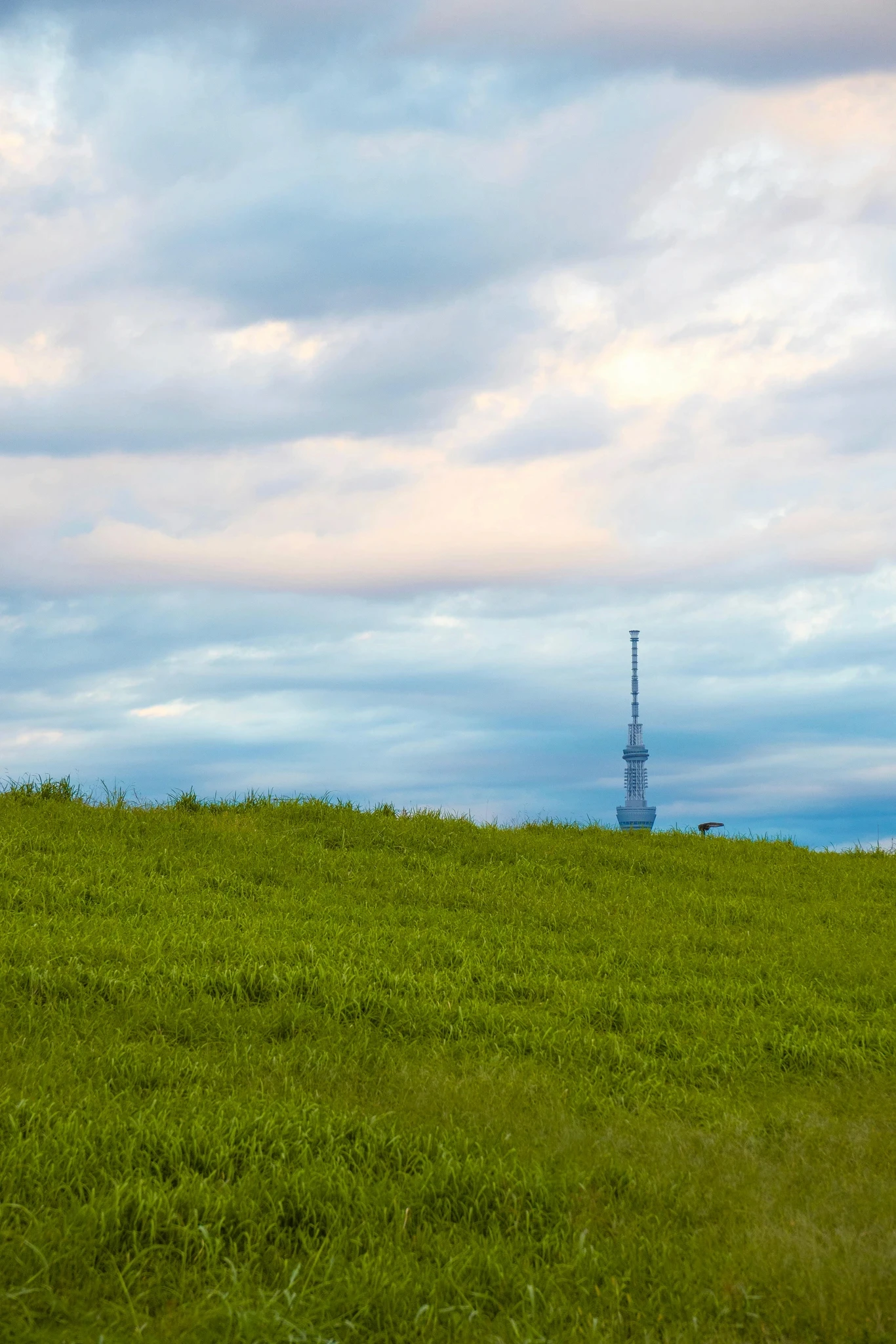

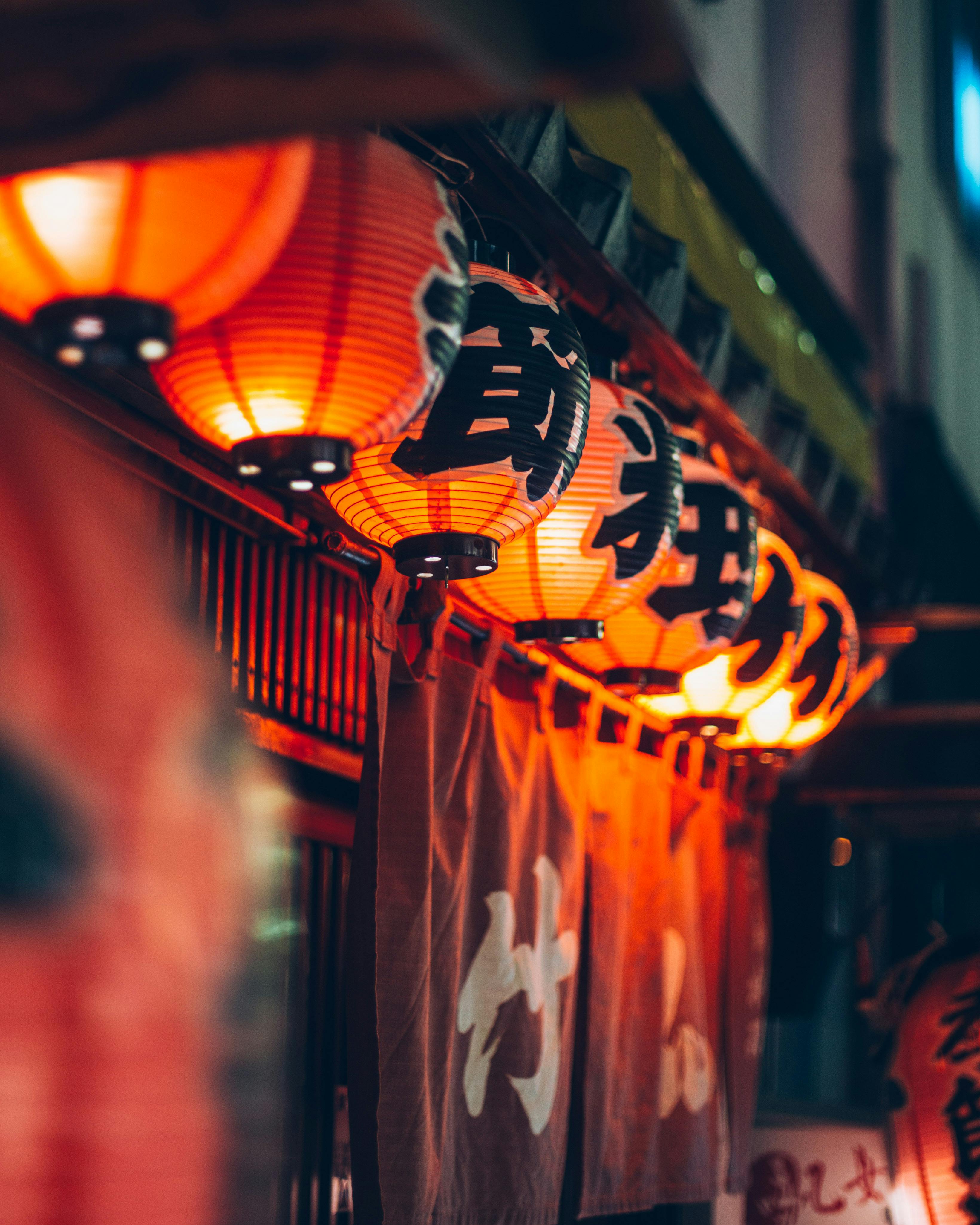
Skytree is one of the easiest major attractions in Tokyo to navigate yourself. English signage everywhere. Touch-screen displays identify landmarks. Straightforward ticketing. No cultural rituals to misread, no queue strategy a guide solves. You can book advance tickets online for ¥200-400 less than the door price and walk right up.
So why would anyone hire a guide for Skytree?
This page answers that honestly. What a guide adds, what a guide doesn't add, and who this tour makes sense for.
You Don't Need a Guide to Go Up Skytree
The observation deck is tourist-proof
The Tembo Deck at 350 meters handles visitors with minimal friction. Signs are in English. Digital screens let you tap on landmarks and read what you're looking at. The elevator takes 50 seconds and deposits you into a space designed for self-guided exploration. There's a cafe, a restaurant, and a souvenir shop.
If you want to add the Tembo Galleria at 450 meters, you buy an additional ticket. The glass-walled skywalk is dramatic. But at 350 meters, you're already seeing everything—the extra 100 meters doesn't change what's visible, just how small it looks. The ¥900-1,100 premium is skippable for most.
What the tower provides without help
Skytree's infrastructure handles the typical guide tasks:
Landmark identification: Interactive touch screens explain what you're seeing
Wayfinding: Clear signage throughout, no hidden turns
Cultural interpretation: The observation deck doesn't require it—you're looking at a cityscape, not navigating social norms
Queue management: Advance booking solves this better than any guide can
A guide standing next to you at 350 meters adds little that the tower doesn't already provide.
So what does a guide actually add?
What a Skytree Guide Actually Adds
The value isn't at the observation deck. It's in everything around it.
The 15 minutes most visitors miss entirely
The walk from Asakusa to Skytree crosses a 160-meter pedestrian bridge called Sumida River Walk. Glass floor panels. Views of the tower growing closer. The bridge opened in 2020 and connects directly to Tokyo Mizumachi, a development of 14 establishments built under the elevated Tobu Skytree Line tracks.
Most visitors take the subway directly to Oshiage Station and emerge at the tower's base. They skip the walk. They miss Mizumachi entirely. They see Skytree as a standalone checkpoint, not as the endpoint of a route that crosses from old Tokyo into new.
A guide turns that 15-18 minute walk into context. You cross from Asakusa's Edo-period temple district, over the Sumida River that once separated the city from its working-class eastern neighborhoods, past Mizumachi's cafes and shops—Ichiya's confectionery, Jack's Wife Freda's brunch spot, Lattest Sports' bouldering gym—and arrive at Skytree understanding where you are, not just what you're looking at. For a deeper look at what the Asakusa side of this route offers, we cover that separately.
Solamachi isn't just a mall
The shopping complex at Skytree's base has over 300 shops. Most visitors wander aimlessly, hit the Pokemon Center on the 4th floor, and leave.
But Solamachi has depth that rewards navigation:
Character shops beyond Pokemon: Donguri Republic on the 2nd floor has life-sized Totoro and Catbus photo opportunities. Kirby Cafe on the 4th floor requires reservations but the adjacent goods shop doesn't.
Regional food from across Japan: Pyonpyonsha serves Morioka cold noodles from Iwate. Penny Lane is a Sendai bakery in its first Tokyo location. There's Hiroshima okonomiyaki, Hakata motsunabe, Kumamoto Akaushi beef.
The 6th and 7th floors: Solamachi Dining has 29 restaurants including Rokurinsha's famous tsukemen.
The 30th and 31st floors: Skytree View dining at 150 meters with direct tower views.
A guide who knows what's where compresses the discovery. You eat what's good, skip what isn't, and leave time for what matters. Tokyo Essentials includes Asakusa and Skytree as part of a full eastern Tokyo morning.
When weather disappoints, the pivot
Skytree's biggest risk is weather. You book advance tickets for a specific time slot. Clouds roll in. Visibility drops to nothing. Your ¥2,400 gets you a view of grey.
A guide doesn't control weather. But a guide controls the agenda. When the deck disappoints, the day doesn't have to. Sumida Aquarium is right there—the "Big Schale" tank with 500 moon jellyfish, the penguin pool with 50+ Magellanic penguins, the Kaleidoscope Tunnel. The Solamachi regional food floors work regardless of visibility. The Asakusa shitamachi backstreets offer more to explore. For more on weather pivots, see our rainy day guide.
Some visitors prefer photographing Skytree from outside rather than paying to go up. The tower is the view. A guide knows the spots: Sumida Park's observation plaza between Azumabashi and Kototoibashi bridges, Jukken Bridge for reflections, Koume-Ushijima Street where the tower frames between buildings, Ushijima Shrine where you shoot through the torii gate. For dedicated photography-focused tours, we cover the best angles across Tokyo.
Weather flexibility isn't marketing language. It's a specific capability that recovers value when conditions don't cooperate. Full-day formats like Infinite Tokyo provide maximum pivot room.
Skytree vs. the Other Observation Decks
Each deck wins in different situations.
Shibuya Sky: when it wins
Shibuya Sky sits at 229 meters on top of Shibuya Scramble Square. Open-air rooftop. Unobstructed views. The famous orange escalator. Shibuya Crossing directly below.
If you want the Instagram shot with your hair blowing and no glass between you and the city, Shibuya Sky wins. It's centrally located. Sunset slots sell out within minutes of booking windows opening.
The tradeoff: Shibuya Sky closes in bad weather. When it rains or winds pick up, they close the rooftop and you're stuck indoors on a lower floor. That ¥2,200-2,500 bought you a gamble. If you're planning a Shibuya day anyway, the deck makes sense as part of that itinerary.
Tokyo Tower: when it wins
Tokyo Tower's main deck sits at 150 meters. Lower than Skytree, lower than Shibuya Sky. But Tokyo Tower has character the others lack. The 1958 structure is a piece of Tokyo history. Zojoji Temple sits at its base. And it's usually less crowded.
If you want views with nostalgia and a calmer experience, Tokyo Tower wins.
The free alternative most people forget
The Tokyo Metropolitan Government Building in Shinjuku has two observatories at 202 meters. They're free. The South deck is open 9:30 AM to 9:30 PM. The North deck closes at 5:00 PM and draws fewer crowds.
Winter mornings offer the clearest views—less haze, sharper visibility, occasional Mt. Fuji sightings. You need to pass through bag checks (it's a government building) and the location is a 10-minute walk from Shinjuku Station's west exit. But for zero cost, you get views that compete with the paid options.
When Skytree wins
As an observation deck, Skytree has three advantages the others can't match:
Weather-proof: Shibuya Sky closes when it rains or winds pick up. Skytree stays open. If conditions look uncertain, Skytree is the safer bet.
Height record: At 450 meters, the Tembo Galleria is the highest publicly accessible point in Tokyo. If that matters to you, no other deck competes.
Eastern Tokyo location: If you're already in Asakusa or Sumida Ward, Skytree is right there. Shibuya Sky requires crossing the city.
If you're based in central Tokyo with limited time and clear weather, Shibuya Sky is probably the better deck. If you're budget-conscious, the TMG Building is free.
Quick comparison
Height | Price | Best for | |
|---|---|---|---|
Skytree | 350-450m | ¥2,100-3,400 | Eastern Tokyo, weather-proof, height record |
Shibuya Sky | 229m | ¥2,200-2,500 | Open-air photos, central location |
Tokyo Tower | 150m | ¥1,200 | Character, nostalgia, quieter experience |
TMG Building | 202m | Free | Budget-conscious, clear winter mornings |
For travelers wanting dynamic aerial views rather than stationary observation, helicopter tours offer a different trade-off: shorter viewing time, higher cost, but movement across the cityscape rather than a fixed vantage point.
Who This Tour Is Actually For
Not everyone needs a Skytree tour. Some people should DIY. Some should skip Skytree entirely.
Book if this sounds like you
You're planning an eastern Tokyo day that includes Asakusa, and you want someone to connect the areas into a single narrative—our neighborhood tours explain how this works
You're traveling with family and want the aquarium, character shops, and Solamachi without spending hours figuring out where things are—Tokyo Together is designed for exactly this
You value weather flexibility—if visibility disappoints, you want a guide who pivots the day rather than losing it
You want the walking route from Asakusa across Sumida River Walk, through Mizumachi, to Skytree—not just the subway transfer
You'd rather trade money for time and have someone navigate the 300+ shop complex efficiently
DIY makes more sense if
You're comfortable navigating tourist-friendly attractions on your own
You only want the observation deck experience and don't care about the surrounding area
You're on a tight budget and the free TMG Building works fine
You're already doing Asakusa separately and don't need the integrated experience
You prefer to explore Solamachi at your own pace without time pressure
Skip Skytree entirely if
You're short on time and based in central Tokyo—the commute to Sumida Ward eats into your day
You've already done Shibuya Sky and don't need a second observation deck
You prioritize outdoor viewing experiences (Skytree is indoor only)
You'd rather photograph Skytree from ground level than pay to go up
The ¥2,100-3,500 ticket price doesn't fit your budget when free alternatives exist
No wrong answer here. The question is what you're trying to get out of your Tokyo time. For help prioritizing among Tokyo's top attractions, see our overview.
Practical Details: Timing, Tickets, and What to Expect
Best hours for each goal
Morning (before 11 AM): Smallest crowds, best chance for Mt. Fuji visibility on clear days. Solamachi shops aren't all open yet.
Winter delivers the highest Fuji visibility odds from Tokyo observation decks—68% clear views in December versus 10-20% in summer. The cold, dry air that makes winter touring more physically demanding also makes skyline views dramatically clearer.
Late afternoon (3-5 PM): Good balance of daylight views and transitioning city lights. Crowds build toward sunset.
Sunset: The most popular time. Crowds peak. If you want sunset views, book the timed slot at least 30 days in advance when the booking window opens. Expect competition.
Night (after 7 PM): City lights sparkle. Crowds thin after the sunset rush. Good option if you don't care about daytime visibility.
Ticket strategy
Advance online tickets: ¥200-400 cheaper than same-day. Available 30 days ahead. Timed entry reduces wait time. Recommended.
Same-day tickets: Sold at the 4th floor counter. Tembo Deck only: ¥2,100 weekdays, ¥2,300 weekends/holidays. Combo with Tembo Galleria: ¥3,100 weekdays, ¥3,400 weekends/holidays. 2025 pricing runs slightly higher—check the official site.
Tembo Galleria decision: The extra 100 meters costs ¥900-1,100 more. The view doesn't meaningfully change—you're already high enough at 350 meters. The Galleria is less crowded and the glass-walled skywalk feels dramatic. Worth it if you want the superlative; skippable otherwise.
How much time to budget
Observation deck only: 1-1.5 hours
Deck plus Solamachi browsing: 2-3 hours
Full area including walk from Asakusa: 3-4 hours
There's no time limit once you're on the observation deck. The building is open 10:00 AM to 9:00 PM on weekdays, 9:00 AM to 9:00 PM on weekends and holidays. Last entry is 8:00 PM.
Arrive 15-30 minutes before your timed entry slot to clear ticketing and security.
Where Hinomaru One Fits
Our guides walk the Asakusa-to-Skytree route regularly. They know which Solamachi floors have the regional food worth seeking out, which exterior photo spots work at different times of day, and how to pivot when weather turns. The integration this article describes—connecting eastern Tokyo into one morning—is exactly how our Asakusa and Skytree experiences work.
At Hinomaru One, we design culturally rich, stress-free private Tokyo tours for first-time and seasoned travelers. Unrushed. Insightful. Always customized.