Tokyo Private Tours

Tokyo Photography Tours: How to Capture the City at Its Best

Tokyo Photography Tours: How to Capture the City at Its Best

For photographers who understand that timing, light, and access make the difference between snapshots and portfolio-defining images

December 3, 2025

15 mins read

tokyo photographer
tokyo photographer
tokyo photographer

Capture Tokyo at dawn, blue hour, and night with expert timing, access, and the patience great photography requires.

Capture Tokyo at dawn, blue hour, and night with expert timing, access, and the patience great photography requires.

Capture Tokyo at dawn, blue hour, and night with expert timing, access, and the patience great photography requires.

Tokyo rewards photographers who understand timing, light, and access. The difference between a mediocre shot and a portfolio-defining image often comes down to being at Sensō-ji at 7 AM instead of noon, knowing which rooftop offers the cleanest angle on Shibuya Crossing during blue hour, or understanding where you can legally set up a tripod for long exposures of Tokyo's neon streets.

What Photography-Focused Travelers Actually Need

What Photography-Focused Travelers Actually Need

What Photography-Focused Travelers Actually Need

What Photography-Focused Travelers Actually Need

Optimal Lighting Conditions

Dawn/Sunrise (5:00-7:30 AM): Empty streets, soft directional light, serene atmosphere. This is when you can photograph Sensō-ji Temple with no tourists, capture the city waking up, or shoot architecture without harsh shadows. The challenge: requires very early starts before trains run.

Golden Hour (Hour Before Sunset): Warm light bathes temples, architecture, and skyline. The exact timing shifts with seasons—around 4:30-5:30 PM in winter, 6:00-7:00 PM in summer. Brief window, but magical for traditional Tokyo subjects.

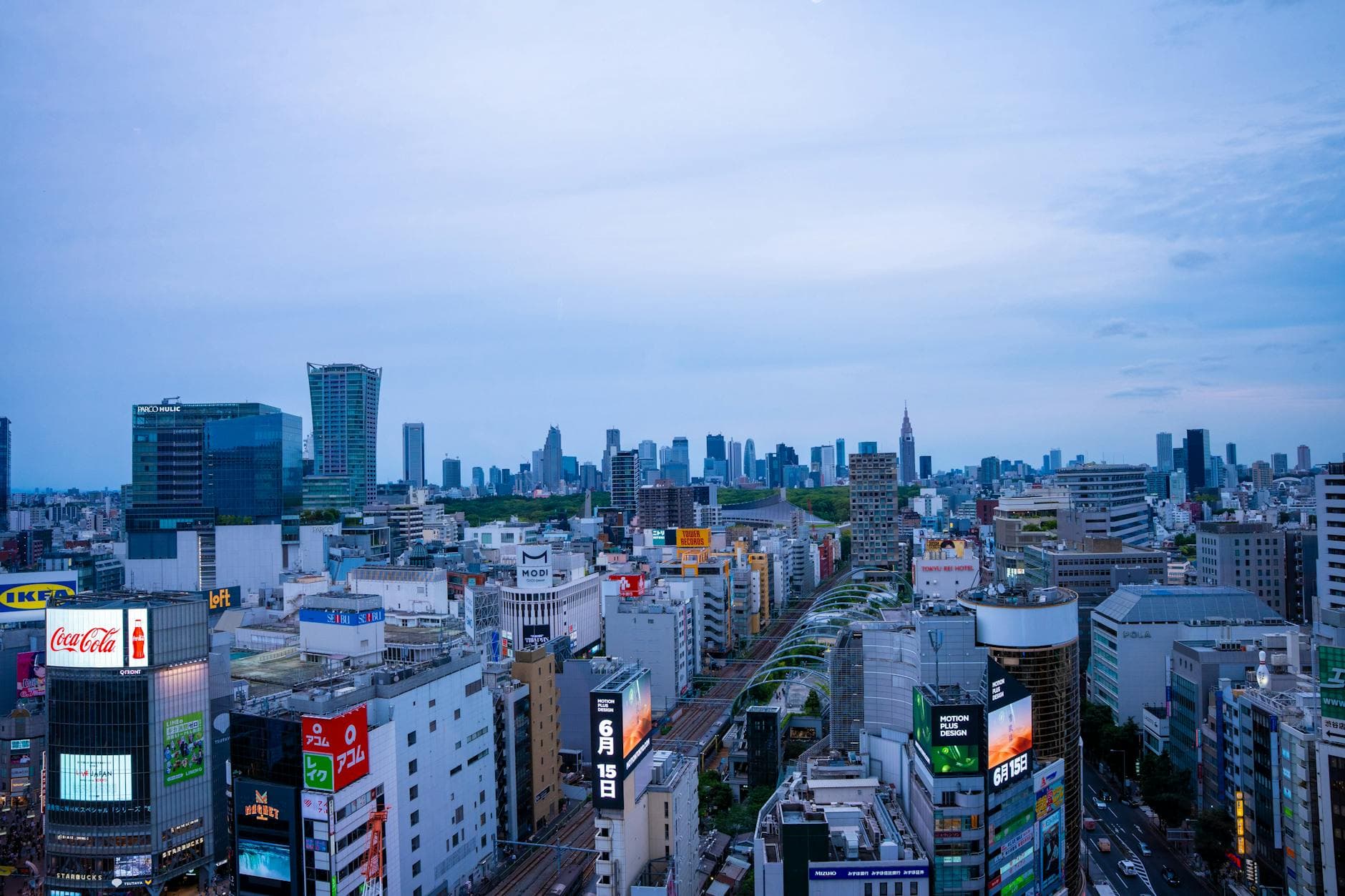
Blue Hour (30-45 Minutes After Sunset): Sky still has color while neon activates. This is Tokyo's signature look—the moment when Shibuya Crossing, Shinjuku's billboards, and Akihabara's electric streets glow against a twilight sky rather than pure black. Timing is everything; miss it by 20 minutes and the magic is gone.

Night (8:00 PM Onward): Full neon, light trails from traffic, reflections in rain-wet streets. Tokyo is so well-lit that handheld shooting is often feasible, though tripods unlock creative long exposures. The city transforms completely—what looks ordinary in daylight becomes cinematic after dark.

Special Access and Timing

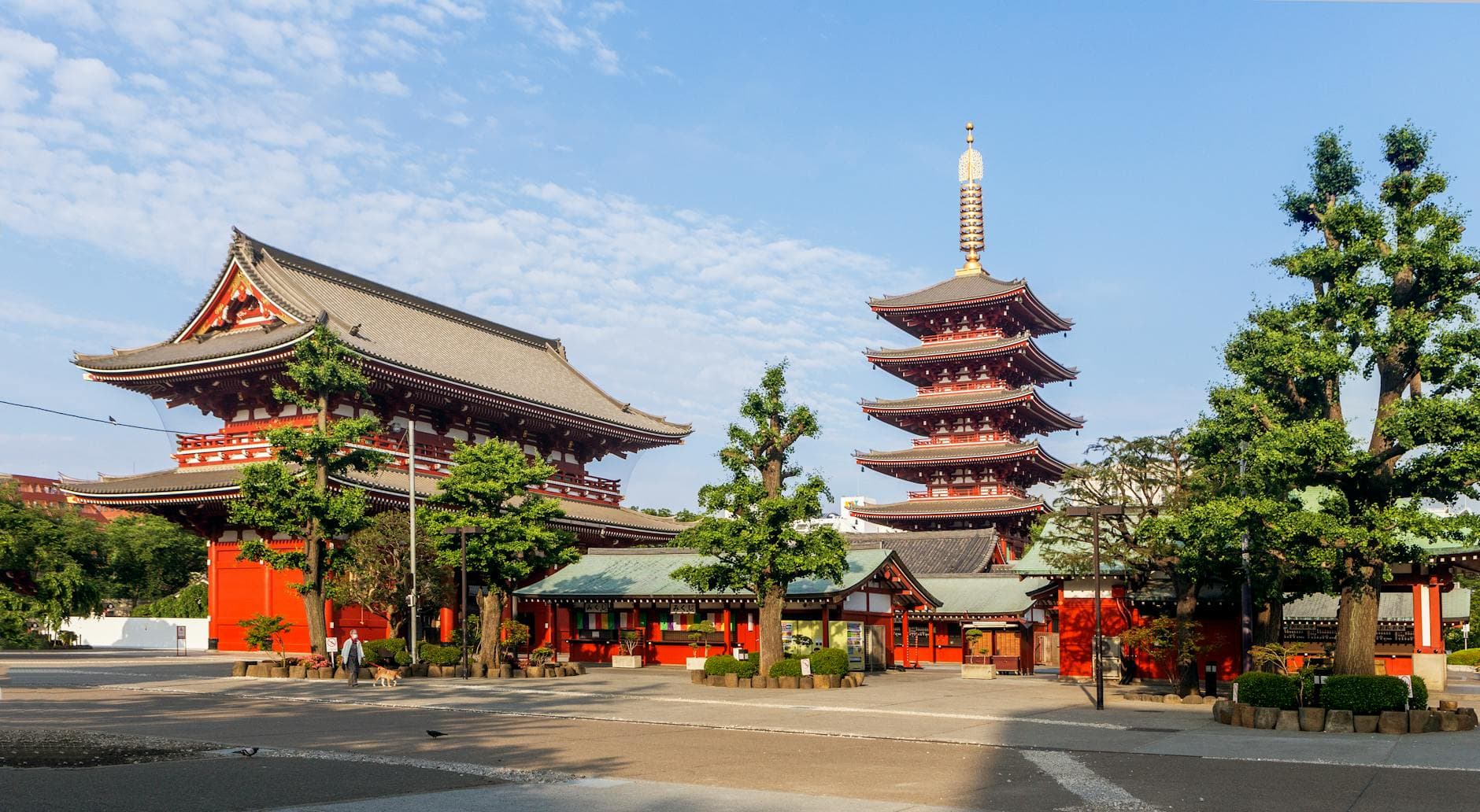
Getting to iconic spots before crowds arrive changes everything. Sensō-ji at 7 AM is empty—you can photograph the five-story pagoda and Kaminarimon gate with no tourists in frame. By 9 AM, it's packed.

Vantage points that aren't obvious: the MAGNET by Shibuya 109 rooftop lounge offers clean angles on the scramble crossing. The Tokyo Tower Parking Center stairway provides an interesting perspective on the tower itself. These aren't in guidebooks, but they're where photographers get shots that stand out.

Permission and access matter. Many temples prohibit tripods. Observation decks have rules. Omoide Yokocho's famous narrow alleys sit on private land with restrictions. Knowing where you can actually set up gear, where you'll be asked to leave, and how to navigate permissions determines whether you get the shot or waste time being turned away.

The Timing and Light Challenge

The Timing and Light Challenge

The Timing and Light Challenge

The Timing and Light Challenge

Tokyo looks completely different at different times of day. The same location can be dull at noon and magical at sunrise.

Pre-dawn to dawn (5:00-7:30 AM): Empty, serene, soft light. Best for temples and streets without crowds. Sensō-ji, Meiji Shrine's forest paths, residential neighborhoods—all accessible and peaceful. The city belongs to early risers and photographers who commit to alarm clocks.

Midday (11:00 AM - 3:00 PM): Harsh overhead light, blown highlights, crowded. Generally avoid major shooting during this window. Use this time for transit between locations, meals, rest, or returning to your hotel to swap gear. Even the most iconic spots look flat in midday sun.

Golden hour (hour before sunset): Warm light on architecture, temples, skyline. Brief but beautiful. Tokyo Tower glows. Temple wood takes on rich tones. Skyline silhouettes emerge. Timing varies by season—winter sunset around 4:30 PM means earlier golden hour; summer sunset around 7 PM pushes it later.

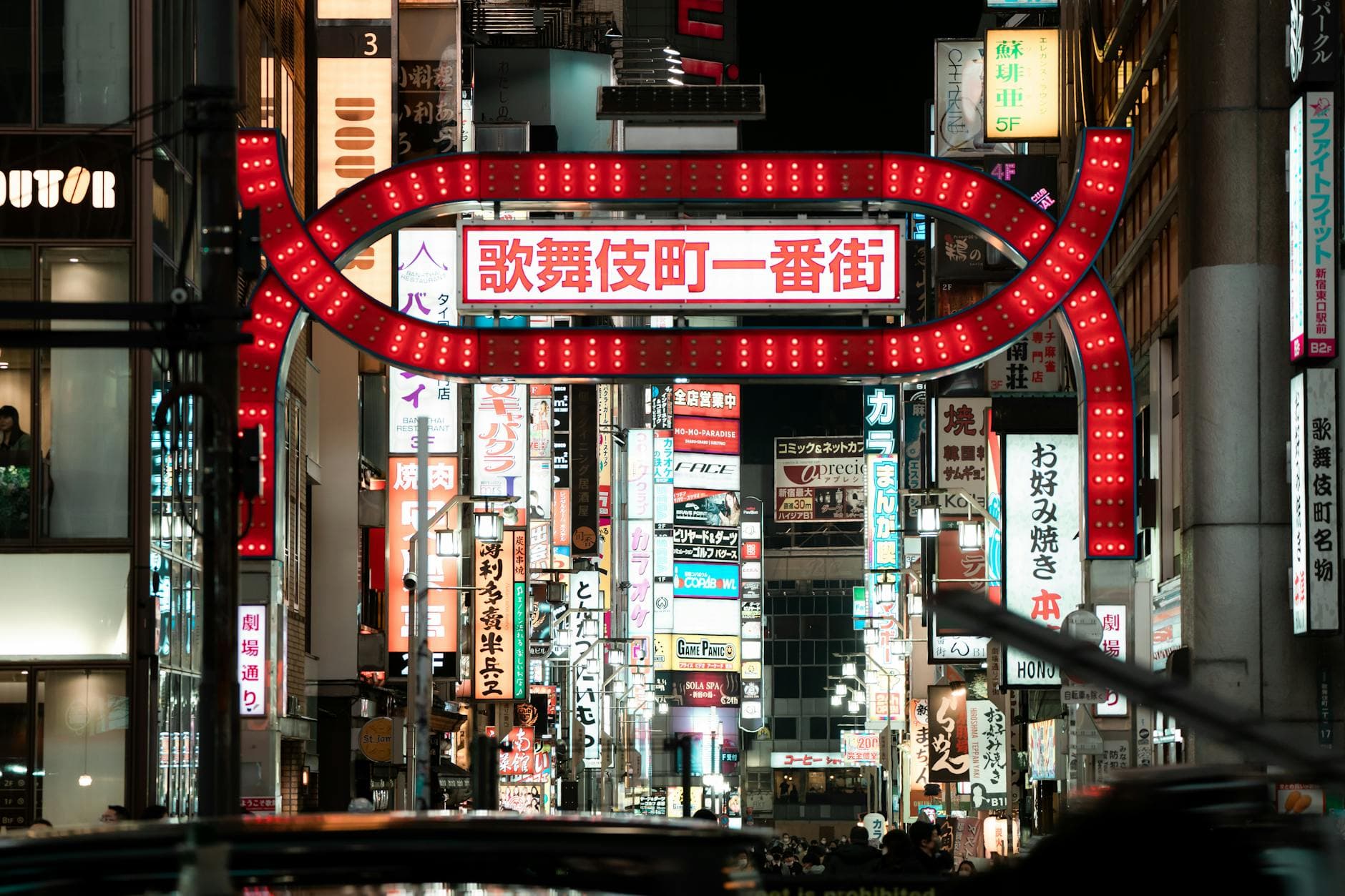
Blue hour (30-45 minutes after sunset): The magic window for Tokyo's urban photography. Sky still has deep blue color while neon signs, building lights, and street illumination activate. Shibuya Crossing, Kabukichō neon, Akihabara electric town—this is when they're most photogenic. Too early and lights aren't on yet. Too late and sky is pure black, losing depth.

Night (8:00 PM onward): Full neon, light trails, reflections. Tokyo's streets glow. Long exposures blur moving traffic into ribbons of light. Rainy nights create reflections that double the visual impact. The city becomes cinematic—every alley looks like a film set.

The Logistical Reality

To capture multiple lighting conditions in one day requires unconventional scheduling. A realistic full-spectrum photography day might look like:

  • 5:00 AM start for sunrise shooting

  • 7:30 AM breakfast break

  • 8:00-10:00 AM morning light photography

  • 10:00 AM-4:00 PM midday break (harsh light, return to hotel, rest, swap gear)

  • 4:00 PM resume for golden hour preparation

  • 5:00-7:00 PM golden hour through blue hour shooting

  • 7:00-9:00 PM night photography

That's roughly 8 hours of actual shooting spread over 16 hours of clock time. Not everyone has the stamina for this. The alternative: focus on single lighting conditions (just dawn, or just evening through night) for more manageable 3-4 hour sessions.

Iconic vs. Actually Photogenic Locations

Iconic vs. Actually Photogenic Locations

Iconic vs. Actually Photogenic Locations

Iconic vs. Actually Photogenic Locations

Tokyo has Instagram-famous spots that look great in photos but come with challenges. It also has underrated locations that deliver stunning images without the crowds or access issues.

The Instagram-Famous Spots

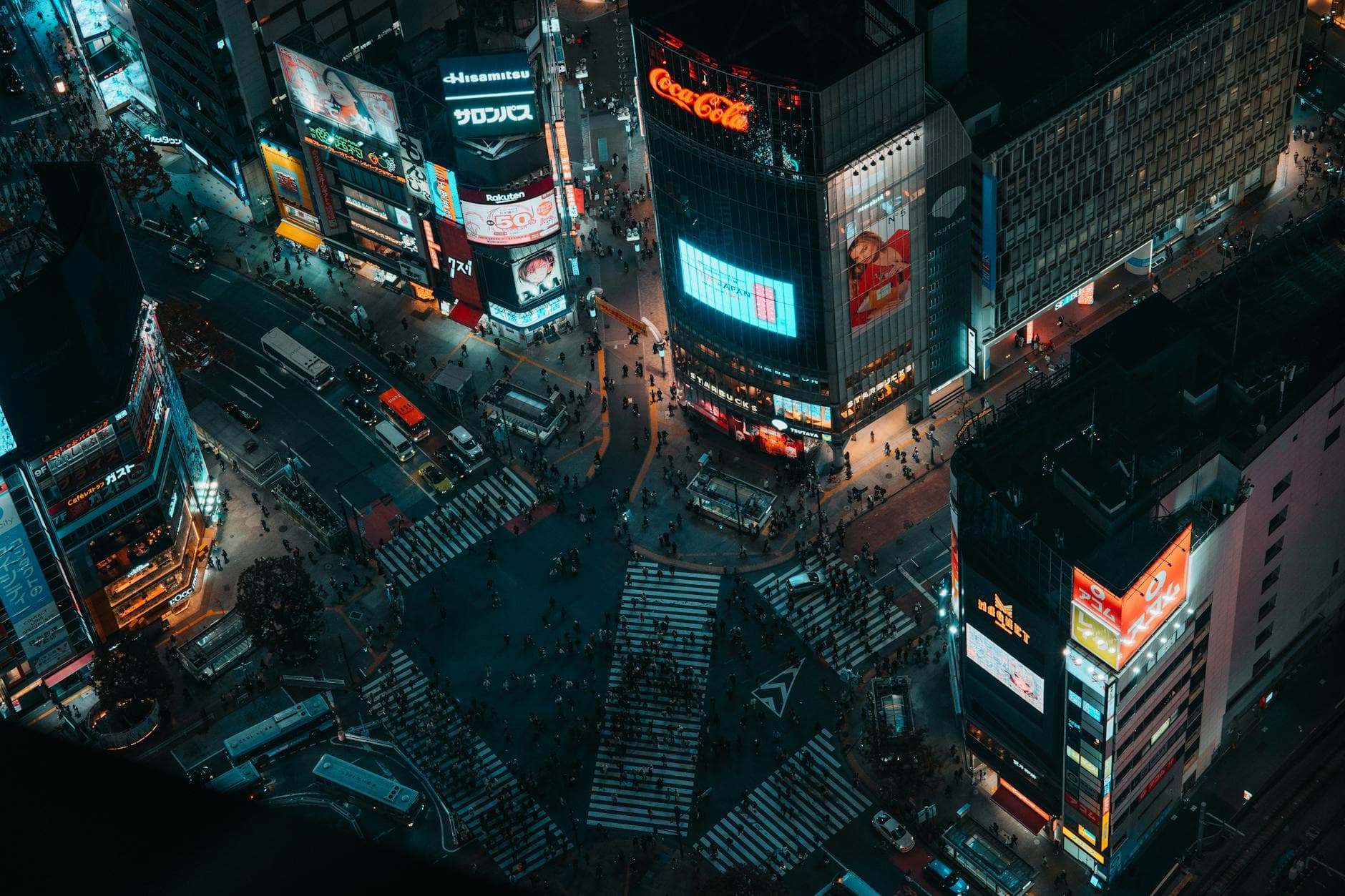
Shibuya Crossing: Undeniably iconic—a single photo screams "Tokyo." But ground-level shots during busy hours just show crowds. The real opportunity: elevated vantage points during blue hour. The MAGNET by Shibuya 109 rooftop lounge offers clean angles overlooking the scramble. Long exposure from there during the crossing moment—with twilight sky still visible and neon activated—creates the hero shot many photographers dream of.

Sensō-ji Temple: Tokyo's oldest and most famous temple. The challenge: it's either empty and closed (shops shuttered, less atmospheric) or open and packed. The solution: 7 AM arrival catches it empty while still photogenic—first light hitting the pagoda, Kaminarimon gate without crowds. Yes, shops are closed, but the architecture and atmosphere remain.

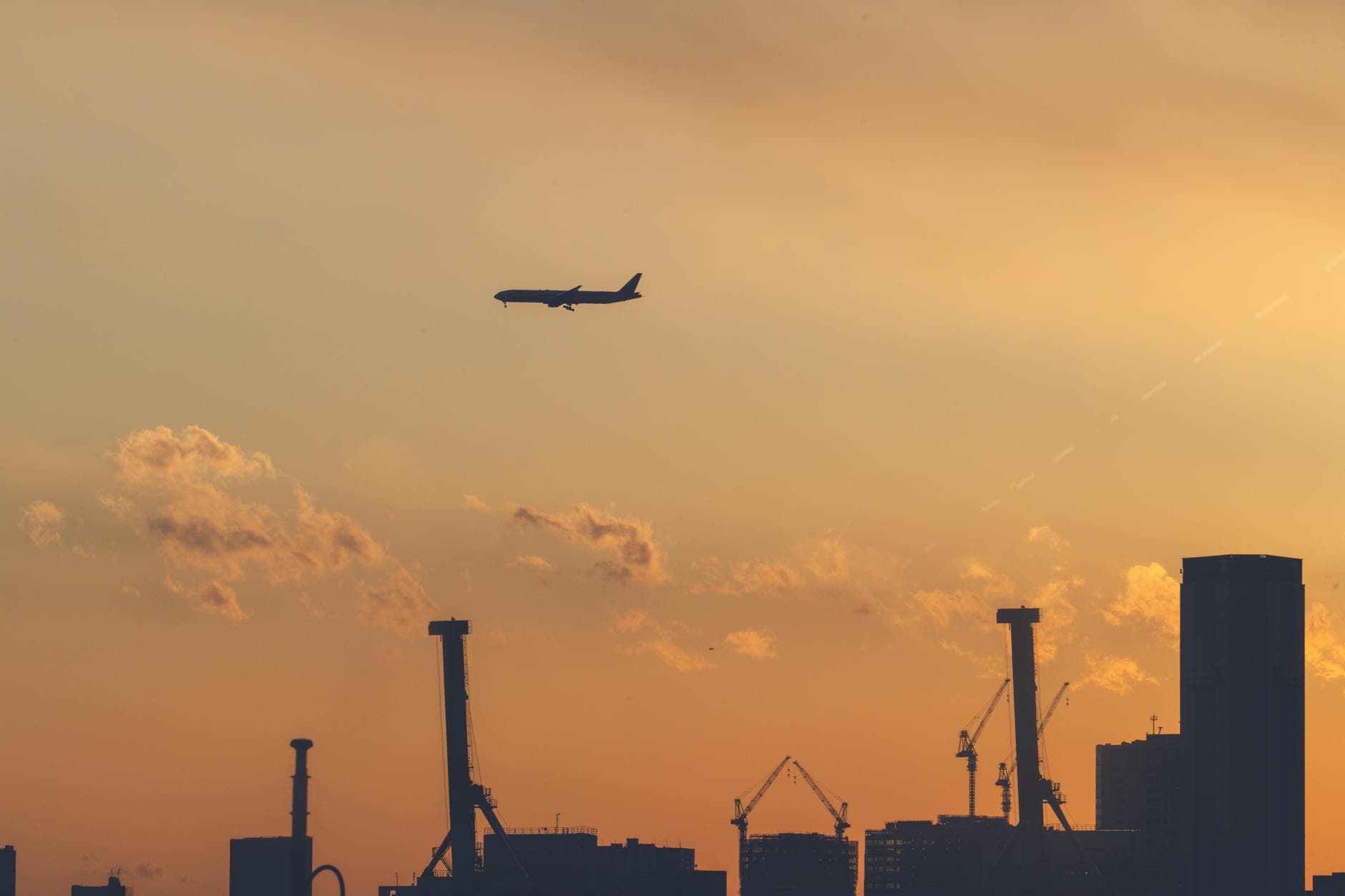
Tokyo Tower and Tokyo Skytree: Classic skyline elements, recognizable worldwide. Best photographed from other locations (observation decks, rooftops, parks) rather than from their bases. Sunset with these towers silhouetted against orange sky delivers that postcard Tokyo image.

Shinjuku's Kabukichō: Neon density, cyberpunk vibes, the Tokyo of Blade Runner fantasies. Night shooting essential. Tripods may be difficult in crowded streets, but fast lenses and high ISO can capture the atmosphere handheld. Rain makes it better—reflections and wet pavement amplify the neon.

Underrated Gems That Deliver

Tokyo Tower Parking Center stairway: Interesting angle on Tokyo Tower that most visitors never see. Less crowded, allows creative framing.

Nonbei Yokocho and Golden Gai: Narrow alley atmospheres with glowing bar signs, intimate scale, authentic Tokyo. Tripods not allowed in Golden Gai (private land), but the atmosphere is worth shooting handheld. Evening after 6 PM when lights activate.

Togoshi Ginza: Local shopping street with traditional covered arcade. Authentic neighborhood vibes, few tourists, relaxed shooting environment.

Kanda, Shimbashi, Kamata: Authentic izakaya street scenes with mostly Japanese clientele. Better for street photography than touristy Shinjuku streets. Captures real Tokyo dining culture—salarymen after work, smoke drifting from yakitori grills, red lanterns.

Backstreets after rain: Any Tokyo backstreet transforms after rain. Neon reflects in puddles and wet pavement. The mood shifts from ordinary to cinematic. Some photographers specifically wait for or welcome rain for this reason.

The Balance

A quality photography tour includes iconic spots—everyone wants that Shibuya Crossing shot—but balances them with lesser-known locations that offer fresh perspectives. The iconic spots deliver bucket-list images if done at the right time with the right approach. The hidden gems deliver the unexpected shots that make your Tokyo portfolio unique.

Access, Permissions, and Etiquette

Access, Permissions, and Etiquette

Access, Permissions, and Etiquette

Access, Permissions, and Etiquette

Tokyo is generally camera-friendly, but rules and cultural norms matter. Showing up with professional gear at the wrong locations creates friction. Understanding what's allowed where, and how to photograph respectfully, makes the difference between smooth shooting and constant hassle.

Tripod Restrictions

Most shrines and temples prohibit tripods. Sensō-ji, Meiji Shrine, smaller neighborhood temples—expect "No Tripods" signs or staff who will ask you to put it away. The reasoning: tripods create obstruction in spaces where thousands of visitors pass daily, and they associate tripod use with commercial photography requiring special permission.

Observation decks often ban tripods. Popular paid viewpoints want people moving through, not setting up camp. Some allow tripods in designated corners during off-peak hours, but most don't.

Private property has its own rules. Omoide Yokocho (the famous narrow alley of izakayas) sits on private land. Casual phone photos are fine. Tripods are not allowed. Any professional filming requires advance permission from property management.

Where tripods CAN be used:

  • Open parks and riversides, if you're not blocking foot traffic

  • Some observation decks' corners if explicitly allowed

  • Public plazas during quiet hours

  • The rule: "If people need to walk around your tripod, you're in the way"

Research each location's policy before hauling gear. Nothing worse than carrying a tripod across Tokyo only to see a "No Tripods" sign on arrival.

Photography Etiquette in Japan

Street photography is legal but discretion valued. People highly value privacy. Avoid sticking cameras directly in faces. If someone is the main subject of your shot (not just part of a crowd scene), asking permission is courteous. Most locals tolerate photography if you're respectful—Tokyo has a huge camera hobbyist community, so you're not unusual.

What to avoid:

  • No photos of worshippers at prayer

  • No shooting inside sacred halls or around altars (signs indicate prohibited areas)

  • Flash photography in dark shrine areas generally prohibited

  • No photographing anyone who shows discomfort or objects (Japanese people may not directly say "no" but body language will show)

Approach with respect: If shooting street portraits, approach politely. Have Google Translate ready. Learn basic phrases: "Shashin ii desu ka?" (Is photo okay?). If someone declines or moves away, respect immediately.

Our Role in Managing This

A photography-focused tour handles permissions and etiquette so you can focus on shooting. We know which locations allow tripods and when. We've researched access rules. We brief you on cultural norms before entering temples or crowded markets. If special permission is needed somewhere, we facilitate that discussion. You're not offending locals or breaking rules—you're photographing with confidence that you're doing it properly.

Special Logistics for Photography Tours

Special Logistics for Photography Tours

Special Logistics for Photography Tours

Special Logistics for Photography Tours

Photography tours require different logistics than standard sightseeing. Transportation timing, gear management, group coordination—all need special consideration.

Transportation and Timing

Catching sunrise at 5-6 AM means taxis or private car—trains don't run that early. Last trains from central Tokyo run around midnight, so late-night shoots (past midnight) also need transport planning. A private car becomes essential if your schedule includes very early or very late photography, plus it helps carry gear between distant locations without subway transfers.

Most Tokyo touring works beautifully on trains—efficient, fast, connects everywhere. But for photographers shooting dawn or staying out past last train, vehicles solve problems trains can't.

Gear Management

Heavy equipment creates fatigue. Walking 20,000 steps with a full camera bag, multiple lenses, and tripod wears you down by afternoon. The solution: strategic breaks.

Midday return to hotel: During harsh-light midday hours (when you shouldn't be shooting anyway), return to hotel to rest and swap gear. Drop the tripod if you won't need it for afternoon. Switch to lighter lenses. Download cards. Recharge batteries. This break keeps you fresh for golden hour and evening shooting.

Use lockers or vehicle: Store non-essential equipment until needed. Bring tripods only for the portions where they're allowed and useful. Tokyo has coin lockers at most major stations if you need temporary storage.

Travel light: Mobility matters in Tokyo. One versatile lens often beats three specialized ones if it means you're not exhausted by hour four. Consider whether you'll actually use that telephoto or if you're just carrying weight.

Buffer Time for Composition

Unlike regular tours that snap a photo and move on, photographers wait for the right moment. The train passing through frame. Lights turning on at dusk. A cloud moving to reveal better sky. You might wait 10-15 minutes at a single spot for the perfect composition.

The schedule must incorporate this patience. If we're shooting Shibuya Crossing from above, we don't budget 5 minutes—we budget 30, allowing time to observe the rhythm, try different exposures, wait for the ideal crossing moment when crowds create visual symmetry.

Group Coordination

Small groups (maximum 6, ideally 3-4) prevent chaos. Photographers sometimes wander to find angles. In complex areas like Shinjuku's alleys or Akihabara's side streets, staying coordinated matters. Messaging apps or brief check-ins ensure nobody gets left behind while pursuing that perfect shot.

If there's one "money spot" at a location—like a specific rooftop corner with the cleanest angle—small groups can rotate through during optimal light without anyone missing their turn.

What Photography Styles Tokyo Excels At

What Photography Styles Tokyo Excels At

What Photography Styles Tokyo Excels At

What Photography Styles Tokyo Excels At

Tokyo supports virtually every photography style and subject. The city's contrasts—ultra-modern and ancient, neon density and quiet temples, crowds and empty pre-dawn streets—give photographers endless material.

Architecture

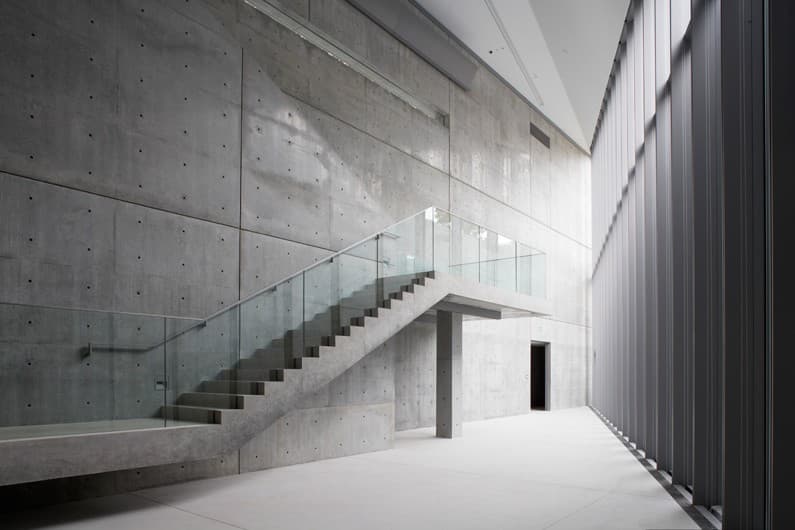
Ultra-modern skyscrapers in Shinjuku, traditional wooden temple structures in Asakusa, mid-century brutalist buildings, contemporary design showcases—all within the same city. A morning might capture Meiji Shrine's traditional cypress architecture, then pivot to Roppongi's glass towers by evening. The architectural diversity is stunning.

Street Photography

Candid daily life: trendy youth in Harajuku, salarymen rushing through Shimbashi stations, merchants arranging displays at Tsukiji Outer Market. Tokyo's enormous and diverse population means endless street material. The challenge: being discreet and respectful. Many photographers note Tokyo is amazing for street shooting, especially in light rain when reflections and umbrellas add mood.

Night and Neon Photography

Practically synonymous with Tokyo's image. Akihabara, Shinjuku, Ikebukuro glow with intense colors after dark—perfect for cyberpunk aesthetics or long exposures. Even random poorly lit alleys can look fantastic through a camera. The city is heaven for photographers who love urban night scenes. Rainy nights amplify everything—reflections double the visual impact.

Traditional and Cultural

Temples (Sensō-ji, Meiji Jingu), shrines, gardens, tea houses, festivals—these lend themselves to contemplative travel photography. Capturing a monk walking through temple grounds, details of shrine lanterns, seasonal changes in gardens. Dawn timing delivers serene, empty scenes that emphasize the spiritual atmosphere.

Cityscape and Skyline

Roppongi Hills, Shibuya Sky, Tokyo Metropolitan Government Building (free observation deck), various rooftops—all offer sweeping cityscape opportunities. Sunset with Mt. Fuji silhouette (winter has best visibility due to low humidity) creates that iconic Japan shot. Blue hour transitions from day to night over the skyline provide dramatic, constantly changing light.

How We Structure Tours

You might specialize (night cityscape tour vs. daytime cultural tour) to focus on one style at a time. Or you could span multiple styles if the tour is long enough—morning spent on temple architecture in Asakusa, evening on futuristic skyline shots in Roppongi.

Our Infinite Tokyo flexibility allows either approach. Want to focus entirely on street photography in authentic neighborhoods? We build that. Want comprehensive coverage from traditional to ultra-modern? We design across the spectrum. Tokyo supports it all—the question is what you want your portfolio to emphasize.

Tour Duration and Structure

Tour Duration and Structure

Tour Duration and Structure

How long you need depends on what you want to capture and which lighting conditions matter.

Single Lighting Condition (3-4 Hours)

Just a night shoot or just a morning shoot. Focused, efficient, good for specific goals. Example: 3-hour evening tour covering blue hour through night in Shibuya and Shinjuku. You hit the magic window, get your shots, done. No exhaustion, no unconventional schedule—just the hours that matter.

Full Day Spanning Multiple Conditions (8 Hours Active Shooting)

Realistically this means 12-16 hours of clock time when including breaks:

  • 5:00 AM start for sunrise

  • Dawn through morning photography

  • Late morning/afternoon break (harsh light anyway—return to hotel, rest, swap gear)

  • 4:00 PM resume for golden hour preparation

  • Evening through night shooting

You're getting 8 hours of active photography at optimal times, but spread across a longer day. This requires stamina and commitment to early mornings plus late evenings. Not everyone can handle it, but driven photographers appreciate capturing Tokyo's full range of lighting in one day.

Multi-Day Workshop Approach (Best for Comprehensive Coverage)

  • Day 1: Pre-dawn to mid-morning (sunrise, empty streets, soft morning light)

  • Day 2: Afternoon to night (golden hour, blue hour, full night photography)

  • Day 3: Specific subjects or conditions you want more of

This allows rest between sessions, covers different weather and locations across days, and builds a comprehensive Tokyo portfolio. Many serious photographers prefer this—you're not exhausting yourself in one marathon day, and you have multiple chances to capture difficult shots if conditions aren't perfect the first time.

Our Recommendation

Start with an 8-hour experience focused on either dawn/morning OR afternoon/evening/night. This captures prime lighting without overwhelming you. If you want comprehensive coverage, book multiple days with the same guide—they'll learn your style and preferences, making each session increasingly productive.

The Hero Shot Moments

The Hero Shot Moments

The Hero Shot Moments

Every great photography tour needs at least one moment that makes you think "this was worth it"—a shot so good it defines your Tokyo portfolio.

Shibuya Crossing from Above During Blue Hour

Standing at the MAGNET by Shibuya 109 rooftop lounge just as city lights activate and twilight sky still holds deep blue color. Below, the scramble crossing fills with hundreds of people crossing in all directions—Tokyo's urban energy distilled into one frame. Long exposure blurs the crowds into abstract motion or captures light trails from vehicles against the static architecture. This is portfolio-defining Tokyo.

Empty Sensō-ji at Sunrise

First light hitting the five-story pagoda and Kaminarimon gate. Deep red temple against dawn sky with no tourists in sight. It requires arriving extremely early (6-7 AM), but being "the first one to pull up for the day" at Tokyo's oldest temple delivers a serene, breathtaking image. The contrast of ancient architecture in perfect quiet—no crowds, no shops open yet, just you and centuries-old structures in beautiful light.

Tokyo Skyline with Mt. Fuji at Sunset

From Tokyo Metropolitan Government Building, Roppongi Hills, or other high vantage on a clear winter day (best Fuji visibility). Skyline transitioning from day to night with Mt. Fuji's iconic silhouette in the distance. Not guaranteed—Fuji visibility depends on weather—but when conditions align, it's an unforgettable capture. Even without Fuji, the skyline at this moment is spectacular.

Unexpected Discovery in a Backstreet

Your guide leads you into a narrow alley in Golden Gai, and you find a scene with glowing bar signs, steam from a yakitori grill, a lone figure illuminated—straight out of a movie. That candid, only-in-Tokyo moment that isn't in guidebooks becomes the shot you show first when people ask about your trip. The magic is in discovering something that feels like yours.

Equipment and Skill Level

Equipment and Skill Level

Equipment and Skill Level

Equipment and Skill Level

This tour targets enthusiast to professional photographers—people who know how to use their cameras and care about capturing exceptional images, not just travel snapshots.

What This Means

You're likely bringing mirrorless or DSLR cameras, multiple lenses, possibly tripods or filters. You shoot in manual or semi-manual modes, care about RAW files and post-processing, understand concepts like exposure bracketing and long exposure technique. You don't need instruction on how to use a camera—you need access, timing, and locations that reward your skills.

Recommended Gear for Tokyo

Wide-angle lens (16-35mm equivalent): Essential for architecture, cityscapes, tight alley shots where you can't back up

Standard zoom or prime (24-70mm or 35mm/50mm): Versatile for street photography, general scenes, portraits

Tripod (where allowed): Critical for night long exposures, light trails, any low-light situation where you want clean images at low ISO. Just know many locations prohibit them.

Filters: ND filters for daytime long exposures or creative effects, polarizer for reducing reflections/glare

Travel light philosophy: Mobility matters in Tokyo. Better to carry one versatile lens you actually use than three specialized lenses that wear you down. Many experienced photographers specifically leave heavy telephotos behind when shooting Tokyo—the city favors wider focal lengths and you'll walk miles.

What the Tour Provides

We accommodate your gear needs: time for lens changes and filter setup, knowledge of where tripods are allowed, understanding that you need deliberate pace to compose properly. You're not being rushed through locations—you're getting time to work.

Skill level also means we can skip basic instruction. Our guides provide location knowledge, timing guidance, and access—not camera operation lessons. If you want composition or technical suggestions, we're happy to offer them. But primarily we're facilitating your expertise by putting you in the right place at the right time.

Guide Expertise: Photography Knowledge vs. Facilitation

Guide Expertise: Photography Knowledge vs. Facilitation

Guide Expertise: Photography Knowledge vs. Facilitation

Guide Expertise: Photography Knowledge vs. Facilitation

Our guides understand photography and can provide compositional or technical guidance on request. They've photographed Tokyo extensively, know which angles work at each location, understand why certain times of day matter, and speak photography language.

What this means practically:

  • They can suggest: "Try a longer shutter here to blur the crowd" or "That corner has the cleanest sight-line for your shot"

  • They know creative possibilities: "The reflection in this puddle makes great foreground" or "Framing between those signboards creates depth"

  • They understand your needs: waiting for light, repositioning for better angles, patience for the perfect moment

But the primary role is facilitation:

  • Getting you to locations at optimal times

  • Handling permissions and access

  • Managing schedule and logistics

  • Pointing out opportunities you might miss

If you're very advanced and prefer minimal guidance, they'll focus purely on access and timing—getting you positioned for success then stepping back. If you're enthusiastic but still learning, they can offer tips that elevate your photography. The approach adapts to you.

Common Photography Mistakes This Tour Solves

Common Photography Mistakes This Tour Solves

Common Photography Mistakes This Tour Solves

Common Photography Mistakes This Tour Solves

Wrong Timing

Tourists show up at temples at noon when light is harsh and crowds are maximum. Result: blown highlights, people everywhere, flat compositions. We schedule key locations at optimal times—dawn at Sensō-ji, blue hour at Shibuya, night in neon districts. You're shooting when conditions actually deliver great images.

Following Crowds to Instagram Spots

Getting the same photo everyone has because you went where everyone goes. We balance iconic spots (you want that Shibuya Crossing shot) with lesser-known photogenic locations that provide fresh perspectives. The backstreet ramen shop in perfect neon light might produce a more compelling image than a generic postcard view.

Not Knowing Restrictions

Lugging a tripod across Tokyo only to be told you can't use it at your desired location. Wasting time and energy. We've researched permissions—we only bring tripods where they're allowed, and we inform you which locations prohibit photography inside so nobody gets scolded.

Rushing and Checking Boxes

"Okay, I got Shibuya, on to Tokyo Tower, snap, next..." This isn't how great photos happen. We emphasize quality time—waiting for the perfect crossing at Shibuya where visual elements align, rather than one quick snapshot. Buffer time is built in. You're not checking boxes; you're capturing images.

Gear Mismanagement

Carrying too much gear and exhausting yourself, or bringing the wrong equipment and missing opportunities. We advise on optimal kit before the tour. We build in breaks for gear swaps. We help prevent the "I wish I had brought ___" or "I'm dead from carrying everything" situations.

Missing Photogenic Events

Not knowing certain streets become pedestrian-only at specific times (great for street photography). Not realizing when lanterns light up at shrines. Missing the moment they illuminate Tokyo Tower at dusk. Local knowledge of Tokyo's rhythms ensures you're positioned for these moments rather than discovering them after they've passed.

Group Size Matters

Group Size Matters

Group Size Matters

Group Size Matters

Maximum 6 photographers, ideally 3-4.

Unlike regular tours where 10-15 people work fine, photography groups must be small. Photographers need room to shoot without getting in each other's frames. If too many people try capturing the same scene, you end up in each other's way or appearing in each other's shots.

Why small groups:

  • Tokyo has tight locations (alleys, markets, small observation decks) where space is limited

  • One "money spot" at locations means rotating people through during optimal light

  • Easier coordination when people wander to find angles

  • More individualized attention from guide

  • Workshop-like atmosphere vs. tour group feel

With 3-4 photographers, you can all set up tripods at a Shinjuku intersection without creating obstruction. Everyone gets their turn at that perfect rooftop corner. The guide can ensure nobody's waiting while others monopolize the spot. It's collaborative rather than competitive.

Small groups also allow flexibility. If someone discovers an interesting angle and wants more time there, adjusting the schedule for 3 people is simple. With 12 people, someone's always frustrated.

Seasonal and Weather Considerations

Seasonal and Weather Considerations

Seasonal and Weather Considerations

Seasonal and Weather Considerations

Tokyo's appearance and photographic conditions change dramatically with seasons. Understanding this helps plan when to visit and what to expect.

Cherry Blossom Season (Late March - Early April)

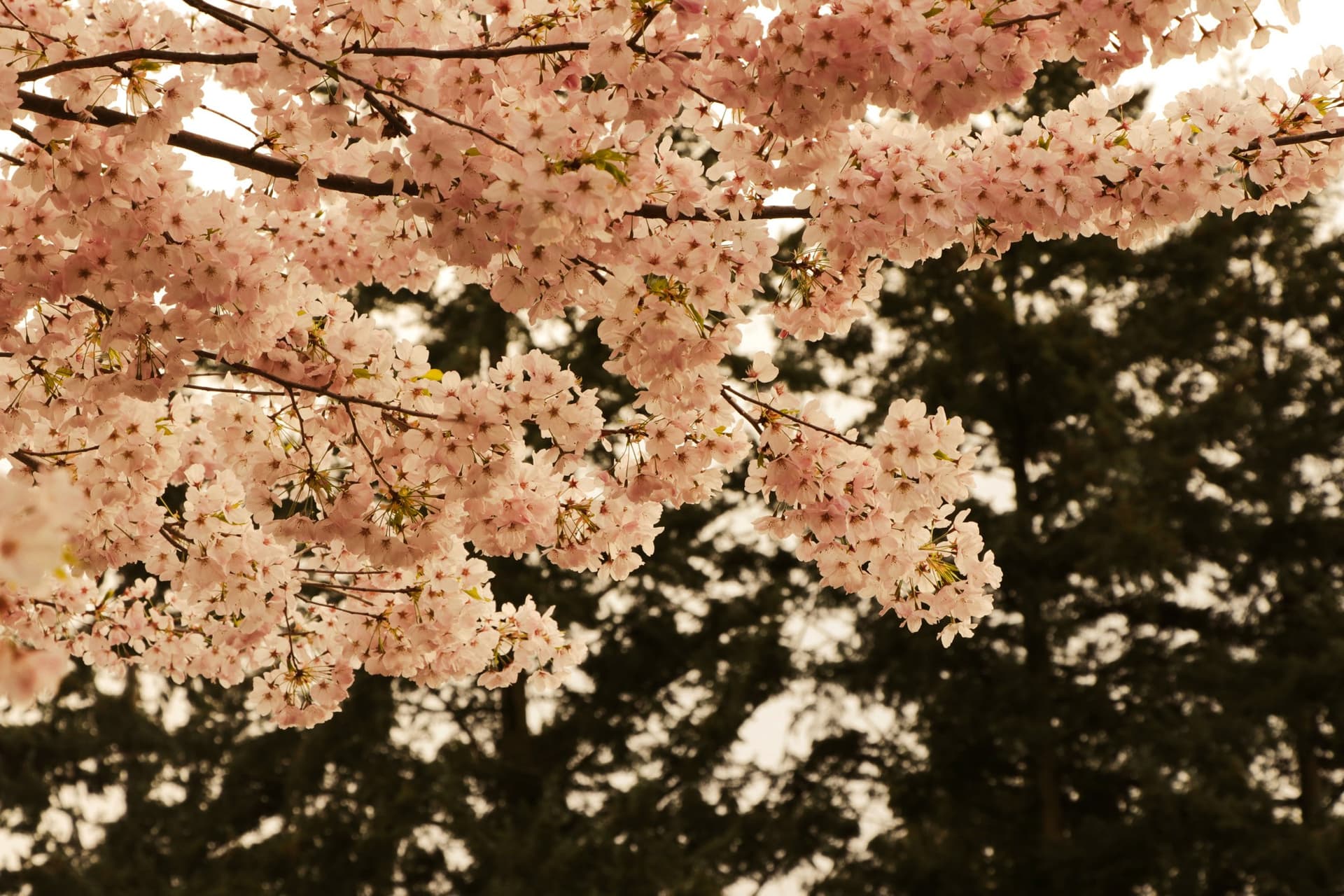
Tokyo transforms with pink sakura blooms. Famous spots like Ueno Park, Meguro River, Chidorigafuchi moat, and Shinjuku Gyoen become spectacular—but extremely crowded, especially around sunset when blossoms look best.

Photography strategy:

  • Extra early timing (sunrise in parks is relatively peaceful; by mid-morning they're packed)

  • Lesser-known blossom spots (small local parks, riverside walks)

  • Weekdays over weekends if possible

Challenge: Blossoms only peak for about one week, and timing varies year to year. Requires flexible scheduling or booking close to actual bloom dates.

Reward: Quintessential "traditional Japan" aesthetic, especially capturing petals falling or trees lit up at night (many parks have evening illumination during sakura season).

Autumn (Late October - Early December)

Ginkgo-lined streets turn gold (Meiji Jingu Gaien's famous avenue), maple trees in gardens turn red. Fall foliage adds rich color to shrine and garden photography.

Best locations:

  • Rikugien Garden for maple illumination

  • Tokyo ginkgo avenues

  • Temple grounds with seasonal color

Photography advantage: Autumn light is often clean and crisp, ideal for landscape and architectural photography. Less humidity than summer means better visibility for skyline shots.

Summer (June - August)

Hot, humid, challenging for midday photography. But advantages exist:

Long daylight hours: Sunrise around 4:30 AM, sunset around 7:00 PM. More shooting windows.

Summer festivals: Night events with colorful celebrations, fireworks, street atmosphere.

Rain creates opportunities: June is rainy season. While heavy rain isn't ideal, light rain or just-after-rain creates reflective streets and moody neon—some photographers specifically love rainy Tokyo nights.

Strategy: Avoid noon heat (use for breaks), leverage early mornings (cool and empty), embrace evening/night when temperatures drop.

Winter (December - February)

Cold but often clear. Biggest advantages:

Mt. Fuji visibility: Winter's low humidity gives best chances of seeing Fuji from Tokyo—critical for skyline photography incorporating the iconic mountain.

Earlier sunset: Sun sets around 4:30-5:00 PM in December, meaning blue hour and night photography happen earlier. You don't need to stay out until midnight.

Winter illuminations: Elaborate light displays in certain districts throughout December—excellent night photography subjects.

Clear skies: Less humidity often means sharper skyline shots and cleaner light.

Challenge: Very early sunrise (around 6:45 AM) and cold morning temperatures. But for photographers willing to bundle up, winter delivers crisp, clean images.

Rain as Opportunity

Light rain isn't something to avoid—it's an opportunity. Tokyo's neon streets with reflections create that Blade Runner atmosphere photographers dream of. Wet pavement doubles visual impact. Umbrellas add color and movement to street scenes.

Requirements: Weather-sealed gear or rain protection for cameras, willingness to embrace the conditions, understanding that some outdoor locations become impractical in heavy rain.

Can We Deliver "Empty Tokyo"?

Can We Deliver "Empty Tokyo"?

Can We Deliver "Empty Tokyo"?

Can We Deliver "Empty Tokyo"?

One selling point many dream of: photographing normally packed locations with no crowds. How realistic is this?

The honest answer: Near-empty scenes are possible with extreme off-peak timing. But "empty" requires specific definition.

What's Achievable

Shrines at sunrise: Sensō-ji at 7 AM is empty—you can photograph the pagoda and gates with no tourists. Many shrines open 24/7 or very early, allowing dawn photography before visitors arrive.

Shibuya Crossing at 4 AM: Technically you could get it empty, but at that hour city lights may be dimmed and the full neon effect isn't activated. The empty crossing lacks the energy that makes it interesting.

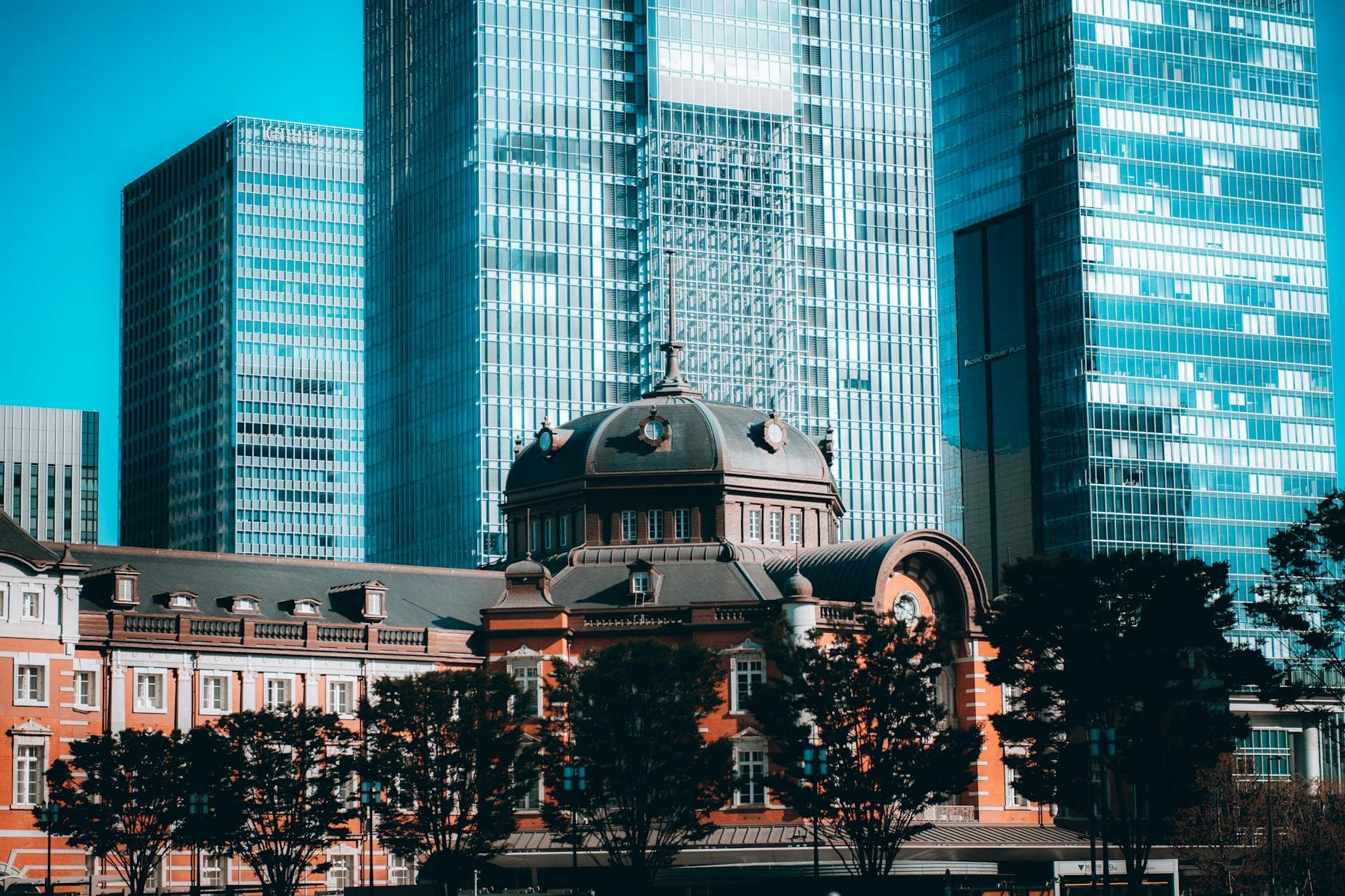
Office districts on Sunday mornings: Areas like Shiodome or around Tokyo Station can be remarkably quiet on weekends since they're not residential or tourist-heavy.

Local backstreets: Many neighborhood alleys can be photographed empty even during daytime if they're purely local streets where tourists don't venture and residents are at work.

More Realistic: "Effectively Empty"

Rather than promising literal zero people, we deliver "uncrowded conditions" where maybe one or two distant people appear in frame (easily removed in post-processing if desired) or scenes that feel serene rather than mobbed.

Techniques that help:

  • Long exposure (several seconds) with ND filters blurs moving people into invisibility

  • Multiple exposures combined in post-processing to remove all moving subjects

  • Strategic timing when locations naturally quiet down

The Honest Pitch

"We can visit popular spots at off-hours to avoid crowds and deliver the experience of Tokyo almost to yourself. For truly empty scenes at major landmarks, you'll need to commit to very early mornings (4-6 AM) or late nights (after midnight). We'll make it happen if you're willing to adjust your schedule accordingly."

Tokyo is a city of 14 million people. Completely empty streets are rare outside of the middle of the night. But feeling like you have the city to yourself—that sense of calm and uncrowded access—is absolutely achievable with proper timing and location selection.

Getting Started

Getting Started

Getting Started

Getting Started

Tokyo rewards photographers who understand timing and access. Whether you're chasing empty dawn temples, blue hour neon cityscapes, or authentic street scenes in hidden neighborhoods, the difference between good photos and exceptional ones often comes down to being in the right place at the right time—with someone who knows where that place is and when that time is.

Our photography-focused tours remove the guesswork. You get optimal timing, proper access, efficient routing, and the freedom to actually compose and capture rather than constantly navigating or worrying about permissions.

Related Resources:
How to Customize Your Tokyo Private Tour — Understanding our flexible approach
Tokyo Private Tour Planning Guide — Everything you need to know
Tokyo Nightlife Tour — Evening neon focus
Timeless Tokyo — Traditional architecture emphasis

TOKYO PRIVATE TOURS

Discover the hidden layers of Tokyo most never see.

Our private Tokyo tours are designed for travelers who want to connect — not just check boxes. With a local guide by your side, you’ll experience the city’s contrasts at your own pace: tranquil shrines, vibrant street food, hidden backstreets, and bold modern culture.

TOKYO PRIVATE TOURS

Discover the hidden layers of Tokyo most never see.

Our private Tokyo tours are designed for travelers who want to connect — not just check boxes. With a local guide by your side, you’ll experience the city’s contrasts at your own pace: tranquil shrines, vibrant street food, hidden backstreets, and bold modern culture.

TOKYO PRIVATE TOURS

Discover the hidden layers of Tokyo most never see.

Our private Tokyo tours are designed for travelers who want to connect — not just check boxes. With a local guide by your side, you’ll experience the city’s contrasts at your own pace: tranquil shrines, vibrant street food, hidden backstreets, and bold modern culture.

TOKYO PRIVATE TOURS

Discover the hidden layers of Tokyo most never see.

Our private Tokyo tours are designed for travelers who want to connect — not just check boxes. With a local guide by your side, you’ll experience the city’s contrasts at your own pace: tranquil shrines, vibrant street food, hidden backstreets, and bold modern culture.

Newsletter

Unlock the secrets of Japan with Hinomaru One delivered straight to your inbox.

Hinomaru One Logo

PRIVACY

TERMS

Newsletter

Unlock the secrets of Japan with Hinomaru One delivered straight to your inbox.

Hinomaru One Logo

PRIVACY

TERMS

Newsletter

Unlock the secrets of Japan with Hinomaru One delivered straight to your inbox.

Hinomaru One Logo

PRIVACY

TERMS

Newsletter

Unlock the secrets of Japan with Hinomaru One delivered straight to your inbox.

Hinomaru One Logo

PRIVACY

TERMS