

Tokyo Private Tours with English Speaking Guide
Many Tokyo tour listings, Backstreet Guides among them, advertise an "English-speaking guide." With bilingual signs and Google Translate, language is the easy part. Harder to find is someone who can tell you why one Tokyo neighborhood fought redevelopment for decades. We match guides to your interests (film, food, architecture), and you know your guide's name before you book.
Why Choose This Experience
For Travelers Who Want to Know Why Tokyo Works the Way It Does
Search 'English speaking guide Tokyo' and you'll find hundreds of options. GoWithGuide guides run about $35-45/hour, Viator has pages of results, Backstreet Guides charges ¥55,000 for an 8-hour custom tour for up to 4 people, Japan Guide Agency uses government-licensed guides, and Keikaku Japan uses certified guides, some of them licensed. On the marketplaces you usually pick from profiles yourself rather than being matched by interest. Any guide can tell you Sensoji Temple was traditionally founded in 628. A guide who knows architecture can tell you why the postwar rebuild used reinforced concrete, what that says about Japan's attitude to tradition, and why the next neighborhood went the other way. Our consultation finds out what you care about (film, food, architecture, subculture) and picks a guide to fit.
Context as Well as Vocabulary
Plenty of guides can translate a menu and point out landmarks. Ours also explain the background, like why some izakayas turn into company territory.
Guides Who Know Both Cultures
Satoshi spent 20 years in America and explains Japanese work culture from both sides. Rina has watched 2,200+ films and sees Tokyo through cinema.
You'll Navigate Independently After
You learn the logic behind train etiquette, restaurant customs and shrine rituals, and it stays useful for the rest of your trip.
Matched Before You Book
On marketplace platforms you usually pick a guide from profiles yourself. We match you to a specific guide by interest during your consultation.
Tokyo Private Tours with English Speaking Guide Highlights


What Our Guests Say
"Our first day in Tokyo and what a perfect way to get started! He helped us understand the subway system, took us through markets, and kept us laughing."
"Fish market and Senso-ji were very interesting. Satoshi highlighted lots of interesting facts. Showed us where to get free samples and good photos."
"It gave us a great orientation to Tokyo. He helped us figure out the transportation system, which made the rest of our trip so much better!"
"I'd been to Tokyo many times before and still had never seen or heard of most everything he included in our tour. We liked it so much, we immediately booked a second day!"
"He took me to hole-in-the-wall spots — a peppercorn specialist in Tsukiji, a Matcha beer spot. We finished at a rooftop foot bath with a beer and an amazing view."
"He took us where the locals go. Hidden spots he knew we'd enjoy, and a quaint yakiniku place with over the top wagyu beef."
"He took us to a little restaurant for 'nibbles and Sake' — three types. Later, an afternoon pastry. Then we finished at a pub for Japanese beer. Above and beyond!"
"Felt like we'd known him for years. Wanted an authentic lunch with no Ramen for a change — a 3rd floor Hot Pot Restaurant we never would have found."
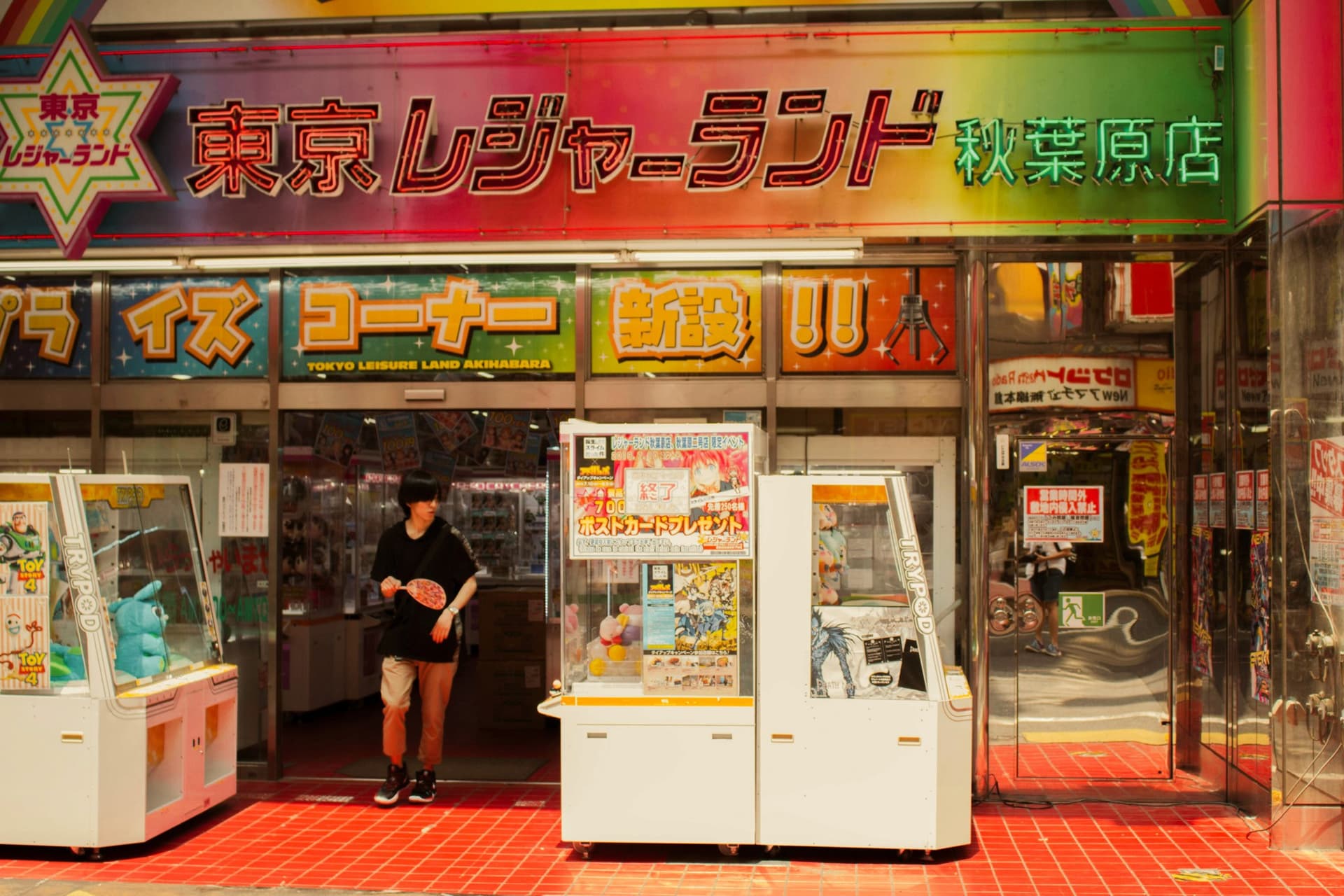
GUIDE NAVIGATES
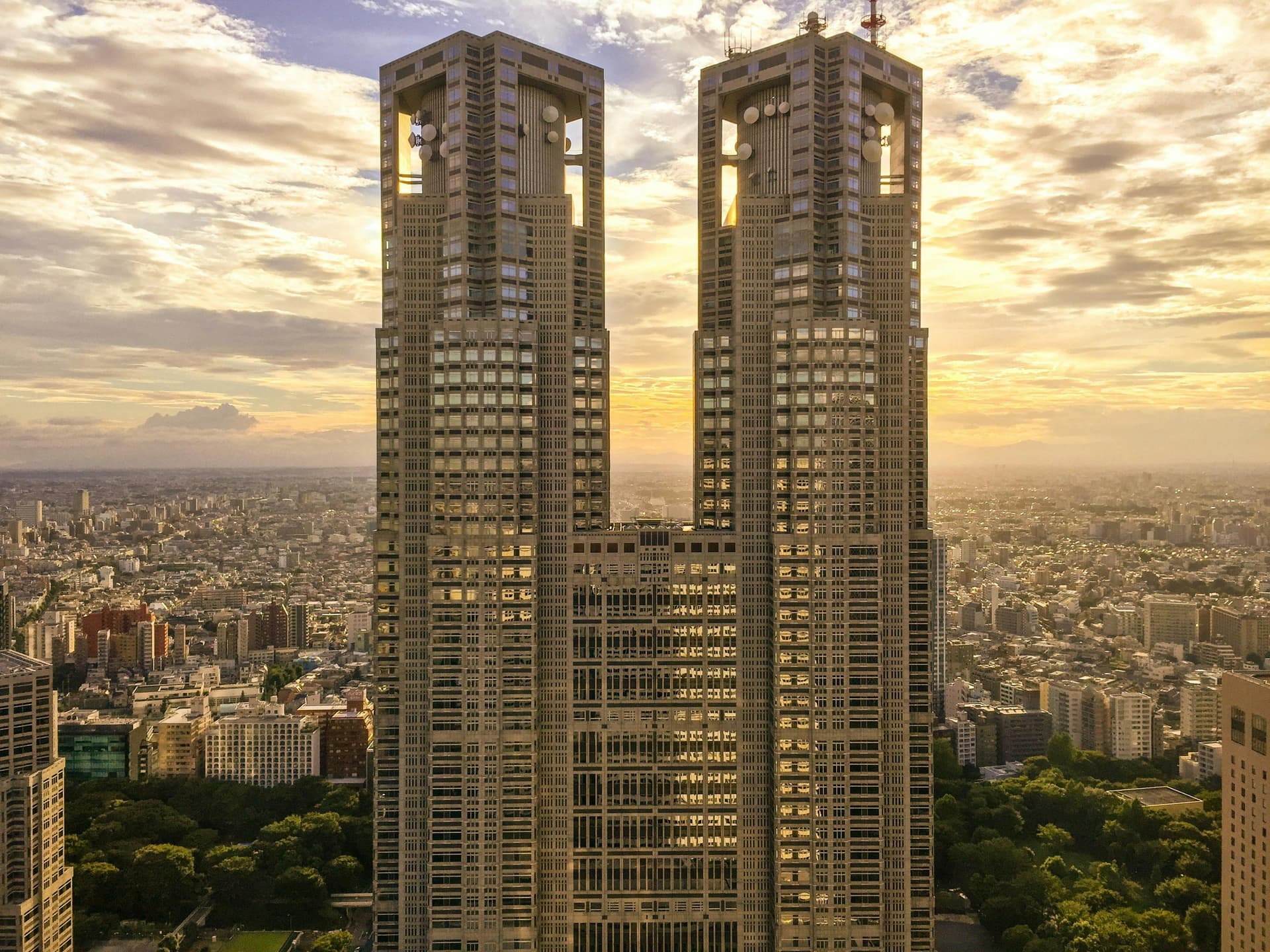
SHARED VIEWPOINTS
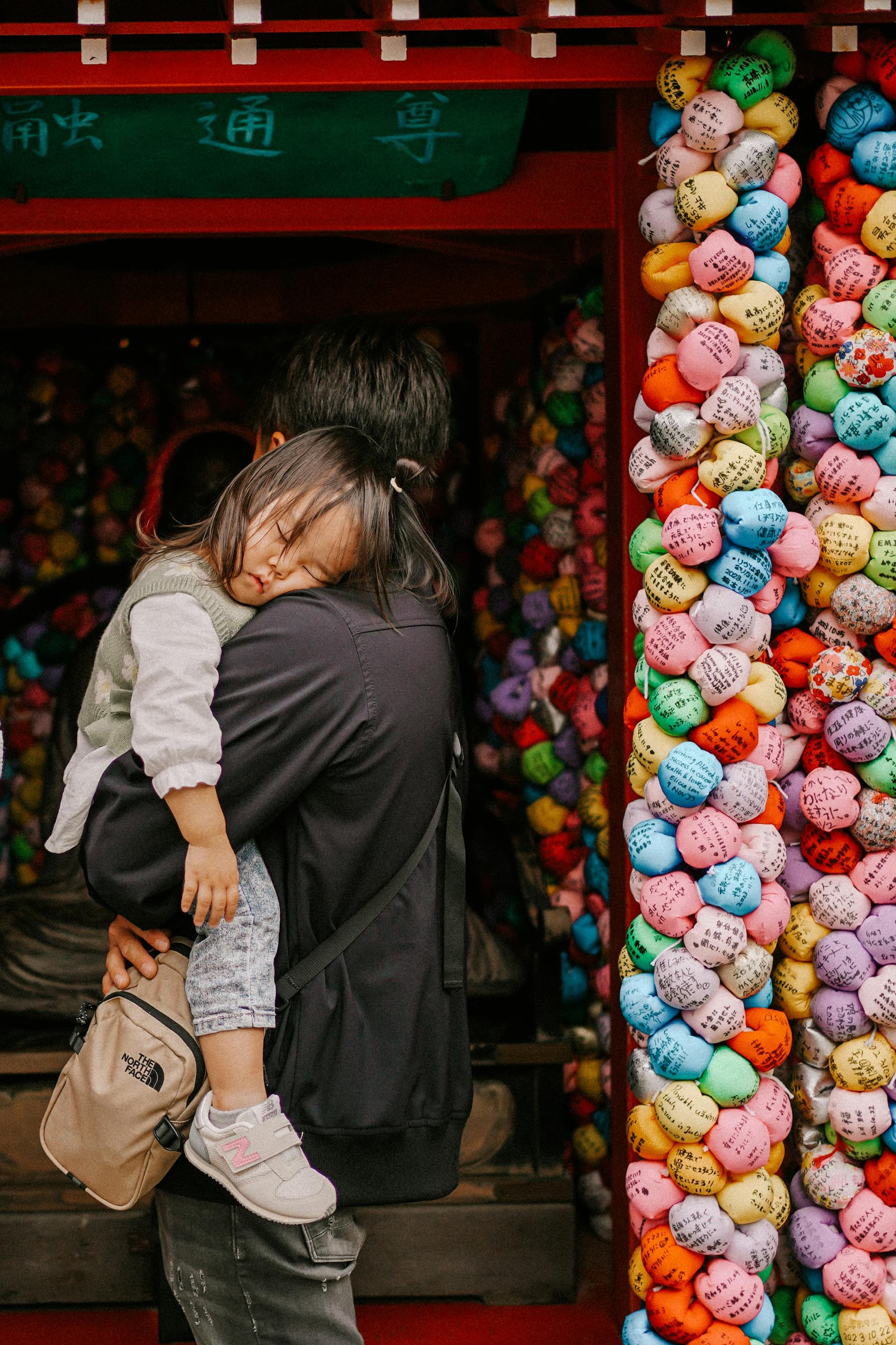
GROUP DYNAMIC
Your Journey
Tsukiji Market: Cultural Food Context
Your English-speaking guide meets you at your hotel and takes you to Tsukiji. In the market lanes you learn why vendors keep calling 'irasshaimase' (a general welcome to the shop), what a hanging noren curtain means (open; taken in means closed), and how buyers judge tuna by its fat lines and a core sample from the tail. You also stop for tamagoyaki, the sweet rolled omelet sold hot from the stalls.
- Tamagoyaki and the other stall snacks, explained as you try them
- Your guide orders for you and explains the menu and vendor etiquette in English
- The logic of Japanese food, explained while you eat
Ueno Park & Toshogu Shrine: Meiji Transformation
Ueno's shaded paths were Tokugawa family temple ground until the Meiji Restoration. The new government made it a public park with a zoo, museums and cultural institutions, opening up space that had been restricted. At Toshogu Shrine your guide reads the ema (wooden wish plaques) with you and explains what people are asking for.
- How a political change is still visible in the park's layout
- Your guide reads ema wishes aloud and explains what locals pray for and why
- What the wishes say about everyday worries in Tokyo
Ameyoko Market & Marishiten Temple: Merchant Culture
Ameyoko started as a post-war black market. Your guide explains why similar shops cluster (dried fish in one stretch, discount clothing in another) and which stalls will negotiate on price. Then climb the stairs to Marishiten Temple above the street, where merchants pray because Marishiten protects commerce.
- Which vendors welcome browsing and which expect you to buy
- Marishiten's role in Buddhist merchant culture, explained in English
- When to bow, when to sample and when to buy
Senso-ji Temple & Asakusa: Ritual Meanings
At Tokyo's oldest temple you learn why you purify your hands at the water basin first (a Shinto cleansing before Buddhist prayer), what omikuji fortunes mean (kichi is good luck; kyo is bad, so you tie it to the rack and leave it), and why people waft incense smoke over themselves (it's believed to heal). On Nakamise Street your guide separates the families who've sold there for generations from the newer souvenir chains. Most people in Japan mix Shinto and Buddhist practice, and you can see both here.
- Every ritual step explained in English, with the reason behind it
- Your guide translates your fortune and explains how locals read theirs
- Which Nakamise shops have been in one family for generations and which arrived recently
Ura Asakusa Backstreets: Old Trades in Postwar Lanes
Asakusa was heavily damaged in the 1923 earthquake and again in the 1945 firebombing, and the quieter lanes behind Senso-ji are mostly postwar. Your guide shows you what noren designs signal (family crests, the shop's specialty) and how sweet shops work (wagashi made daily, today's batch in the case). You also pass craft workshops that still make lanterns, some painted with kamon (family crests).
- Architectural details you'd otherwise miss: roof tiles, doorways, shop signs
- How the neighborhood was rebuilt after the 1923 earthquake and 1945 firebombing
- How to read a building's age and purpose from the outside
Yurakucho Gado-Shita: Corporate Drinking Culture
Arrive as salarymen file into the izakayas under the railway tracks. After-work drinking is optional in name only: say no and you look antisocial, but you're expected to seem reluctant. Groups soften the hierarchy, drinking alone with the boss is pressure, and some bars become a team's territory because the mama-san knows everyone's usual. Over yakitori your guide translates the cuts (nankotsu is cartilage, tebasaki is wing, hatsu is heart) and the etiquette: pour for others, never for yourself.
- Your guide orders in Japanese and explains each dish in English
- When to toast, how to pour, and what kampai means compared with otsukaresama
- Why izakayas are where work relationships get maintained
This is merely a suggestion. Your itinerary is fully bespoke.
Your Private Experience Includes

CULTURE TRANSLATED
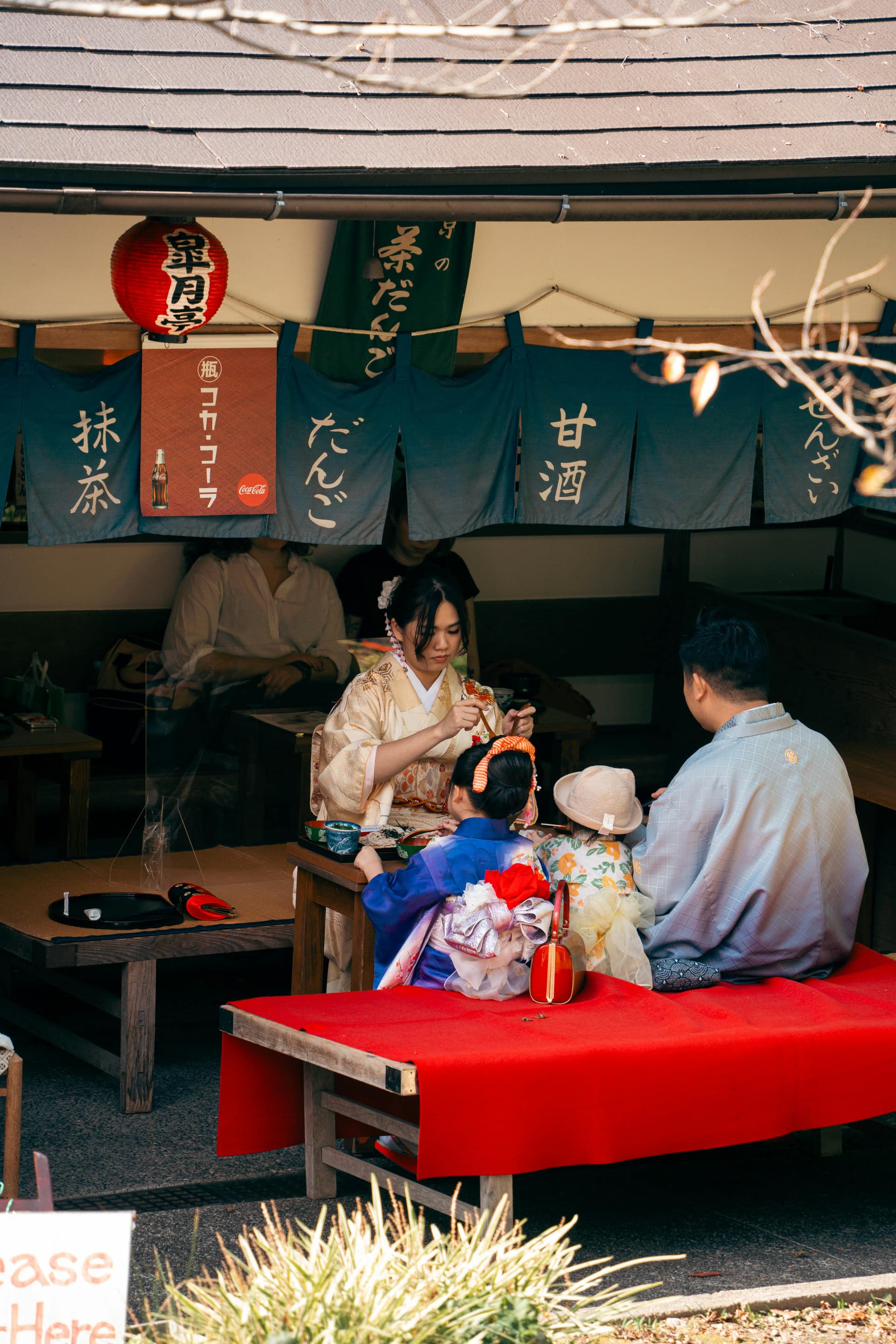
GUIDED EXPERIENCE
HISTORY EXPLAINED