TOKYO TRAVEL GUIDE
A decision framework for planning your Tokyo trip—what to decide first, how choices cascade, and where to go deeper on each question.
December 15, 2024
2 mins read
Tokyo rewards the prepared and exhausts the over-scheduled. This guide won't tell you what to see—it'll show you how to think about a city that's easier to navigate than you've heard, but harder to pace than you'd expect.
The Planning Trap
You've started researching Tokyo. Now you have forty browser tabs open, neighborhoods you've never heard of, train lines with confusing names, and blogs contradicting each other about where to stay.
Here's what travelers say after their trip: Tokyo is easier to navigate than they expected. Google Maps works. Signs are in English. The trains run on time. The learning curve takes about two days.
But here's what those same travelers also say: they wish they'd paced differently. Planned less but planned smarter. Understood how their decisions connected before making them separately.
Tokyo isn't overwhelming because it's complicated. It's overwhelming because most advice gives you attractions without a framework. This guide provides the framework first.
Two Neighborhoods, One Day: The Sustainable Pace
The most common regret travelers report isn't missing a famous site. It's exhaustion. Over-scheduled days that blur together. By day three, fried.
The sustainable pace for Tokyo is two neighborhoods per day. Not three. Not four. Two.
Why Three Neighborhoods Exhausts You
Tokyo's neighborhoods look close on a map. They aren't.
Shibuya to Asakusa takes 34 minutes by train—platform to platform. Add 10-20 minutes navigating Shibuya Station to find the right platform. For a detailed breakdown of how door-to-door times shape real itineraries, see our 2-day Tokyo routing framework.
Squeeze in Harajuku after Asakusa? That's another 40 minutes. Nearly two hours moving between three areas. And you haven't eaten lunch yet.
The Transit Math That Matters
A zig-zag route like Shibuya → Asakusa → Harajuku burns 104-134 minutes on transit and station navigation alone.
An efficient route—Shibuya and Harajuku together (4 minutes apart), Asakusa on a separate day—saves roughly 90 minutes.
Ninety minutes to actually experience a neighborhood instead of rushing through it.
What "Wasted Time" Actually Looks Like
Beyond transit, every Tokyo day includes hidden time costs:
Station navigation at major hubs: 10-20 minutes (Shinjuku Station has 200+ exits)
Walking to and from stations: 5-10 minutes per destination
Finding and eating lunch: 45-60 minutes
Rest stops: 20-30 minutes
Wrong exits and backtracking: 10-20 minutes (especially the first few days)
These add up to 2-3 hours per day that aren't sightseeing. Three neighborhoods leaves no room to actually be present in any of them.
The Five Decisions That Shape Your Trip
Planning Tokyo isn't about choosing attractions. It's about making five interconnected decisions. Get these right, and the attractions fall into place.
When to Go
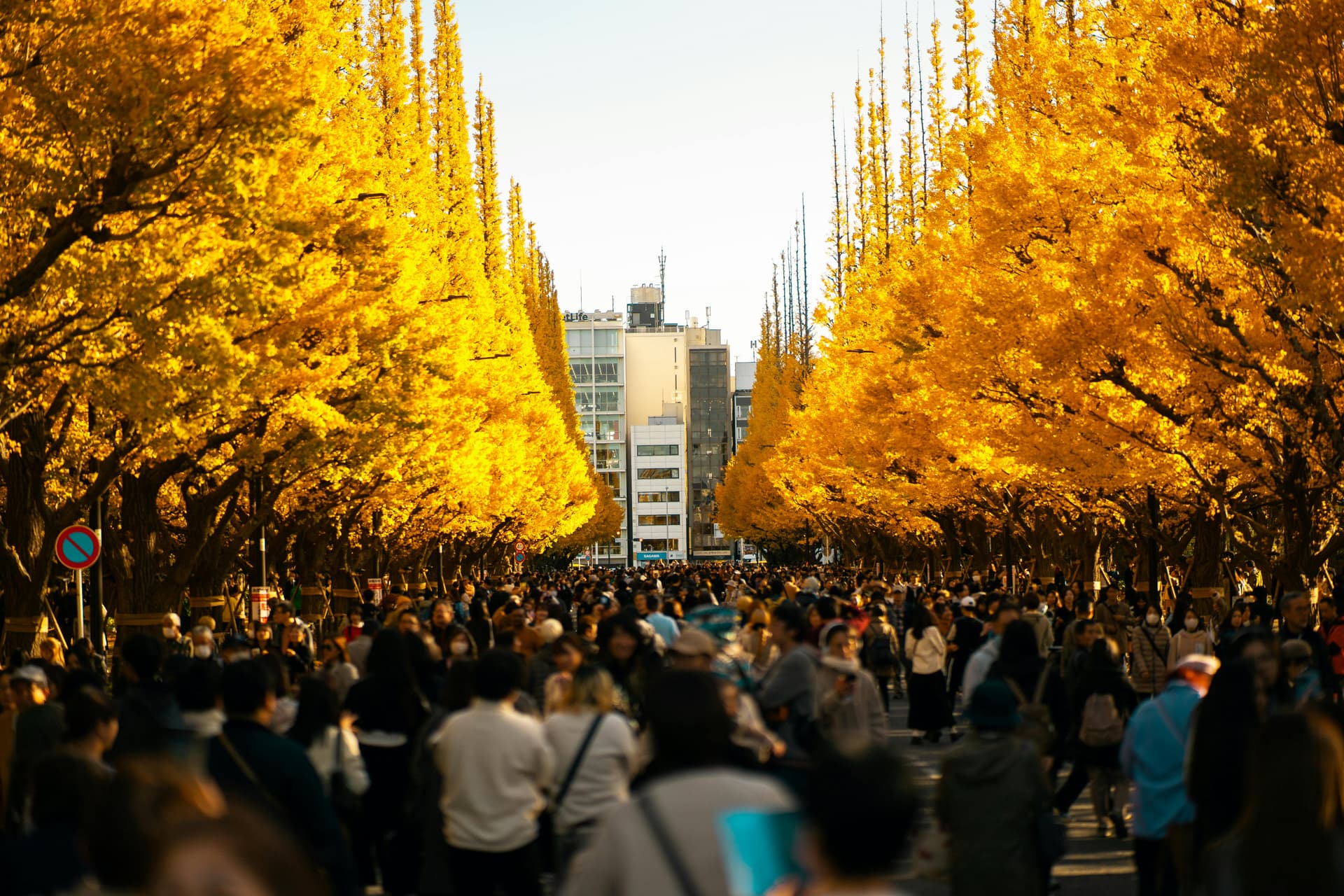
Cherry blossom season draws crowds for a reason. So does autumn foliage. Summer brings humidity and festivals. Winter offers clear skies and smaller crowds.
The question isn't which season is "best." It's which trade-offs work for you—and how season affects hotel prices, crowd density, and daily pacing.
Go deeper: Best Time to Visit Tokyo
Where to Stay
Tokyo has no single center. Shinjuku works for day trips west to Hakone and Mount Fuji. Asakusa puts you near traditional Tokyo but far from Shibuya. Tokyo Station suits business travelers using the Shinkansen.
Your hotel choice creates a daily commute to wherever you're not. A hotel in Shinjuku means 21-28 minutes to Asakusa every time you visit the east side. Over a five-day trip, that adds up.
Go deeper: Where to Stay in Tokyo
How to Get Around
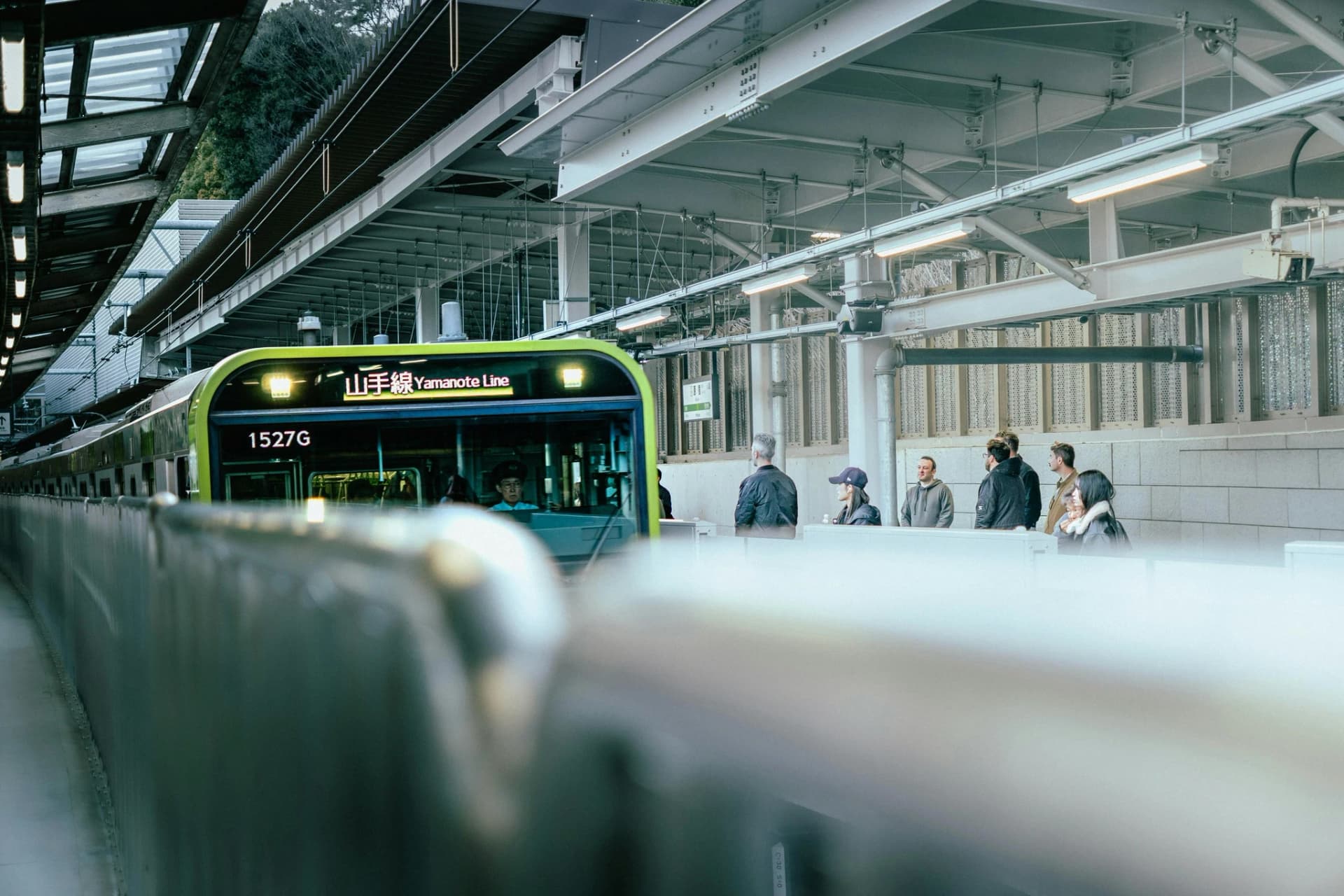
Tokyo's trains are efficient, clean, and well-signed in English. The learning curve takes about two days. Google Maps handles routing.
The hard part isn't operating the system. It's understanding how transit time shapes your day—and building that into your plans instead of being surprised by it.
Go deeper: Getting To and Around Tokyo
How Long to Stay
Most first-time visitors spend 3-5 days in Tokyo. That's enough to see major areas without exhaustion. Longer stays allow for day trips and deeper neighborhood exploration.
The real question isn't how many days you have. It's how you'll use them—and whether your pace matches your goals.
Go deeper: Tokyo Itineraries by Trip Length
What to See
Once you've decided when, where, how, and how long—then you're ready to think about attractions. Not before.
Temples, shopping districts, food experiences, and day trips all have timing considerations. A list of attractions is useless without knowing which decisions frame them.
Go deeper: Things to Do in Tokyo
Or browse by neighborhood: Tokyo Neighborhood Guide
The Coordination Problem Nobody Mentions
Most Tokyo guides treat decisions as independent. Pick a hotel. Pick a season. Pick attractions. But these choices cascade.
Your Hotel Decides Your Commute
A hotel in Shinjuku means 10 minutes to Shibuya but 21-28 minutes to Asakusa. A hotel in Asakusa means the reverse.
Neither is wrong. But if you plan three east-side days and stay in Shinjuku, you'll spend hours on trains you didn't anticipate. If you want nightlife in Shibuya but stay in Asakusa, you'll face a 34-minute commute home—and last trains leave around 1 AM.
Base Location | To Asakusa | To Shibuya | Best For |
|---|---|---|---|
Shinjuku | 21-28 min | 10 min | West side, day trips |
Shibuya | 34 min | — | Youth culture, nightlife |
Tokyo Station | 15 min | 24 min | Shinkansen access |
Asakusa | — | 34 min | Traditional Tokyo |
Ueno | 10 min | 30 min | Museums, budget options |
Jet Lag Shapes Your First Two Days
Western travelers crossing 13-16 time zones need 4-6 days to fully adjust. The first 48 hours follow a predictable pattern—and building your first two days around this reality matters more than which attractions you pick:
Time of Day | What Happens | What to Plan |
|---|---|---|
3-5 AM | Wide awake | Temple visits, fish markets |
Mid-afternoon | Energy crash | Rest, not major activities |
7-8 PM | Can't stay awake | Skip late-night plans day 1 |
Work with your body clock, not against it. The pattern is predictable—your schedule should reflect it.
Evening Plans Require Morning Decisions
Many Tokyo restaurants require reservations. Popular spots book days or weeks ahead. Some experiences—certain sushi counters, high-end kaiseki, specific izakaya—need booking before you leave home.
If you wake up and decide you want that restaurant tonight, you probably can't have it. Evening spontaneity requires morning planning.
When Planning Gets Complicated
For many travelers, the framework above is enough. Tokyo's basics are manageable. The trains work. The city is safe. You can figure it out.
But some situations make planning genuinely hard.
Traveling with Kids and Grandparents
Multi-generational groups have different energy levels, walking speeds, and interests. Finding experiences that work for a six-year-old, their parents, and their grandparents—without splitting up or compromising everyone—requires creative routing that itinerary templates don't provide.
Accessibility matters too. Not every station has elevators. Not every temple path accommodates strollers. Coordinating this across a full day takes more research than most families have time for. If this describes your group, private tours designed for families handle the coordination so everyone enjoys the day.
Only Have 3 Days
With limited time, every hour matters. A wrong neighborhood sequence on day one costs you 25% of your trip. Poor restaurant planning means settling for whatever's available instead of eating well.
First-time visitors lose 2-3 hours per day to navigation inefficiency, decision paralysis, and problem-solving. Over three days, that's 6-9 hours—potentially an entire day of your trip. When time is this tight, working with a guide can compress your learning curve and maximize what you actually experience.
Want Depth, Not Just Coverage
Some travelers want more than checking boxes. They want to understand Tokyo—why neighborhoods developed the way they did, what locals actually do, how to find the places that don't appear on tourist maps.
That depth is possible, but hard to plan from abroad. Knowing which backstreet izakaya serves the best yakitori, which temple rewards a dawn visit, which neighborhoods reveal themselves on foot—this takes years to accumulate. If depth matters more than coverage, the right guide brings that accumulated knowledge to your trip.
Explore the Guides
Each guide below goes deep on one piece of the puzzle. Start with whatever question is keeping you up at night—or work through them in order if you're building a trip from scratch.
Getting Oriented
Understanding Tokyo — neighborhoods, scale, and how the city works
Planning Your Tokyo Trip — trip length, pacing, and sequencing
The Big Decisions
Best Time to Visit Tokyo — seasons, crowds, and trade-offs
Where to Stay in Tokyo — neighborhoods and what each offers
Getting To and Around Tokyo — airports, trains, and navigation
What to Do
Things to Do in Tokyo — attractions, experiences, day trips
Tokyo Itineraries — sample schedules by trip length
Tokyo Neighborhoods — detailed guides on what to see and do
Tokyo's Most Livable Neighborhoods — Kichijoji, Shimokitazawa, Yanaka beyond the tourist layer
Practical Details
Tokyo Culture and Practicalities — costs, safety, etiquette, language
This guide is published by Hinomaru One, a Tokyo-based private tour operator.