Tokyo Private Tours
The area that consistently ranks as Tokyo's most desirable place to live offers park access, shopping density, and drinking culture without requiring a commute to the center.
July 10, 2025
9 mins read
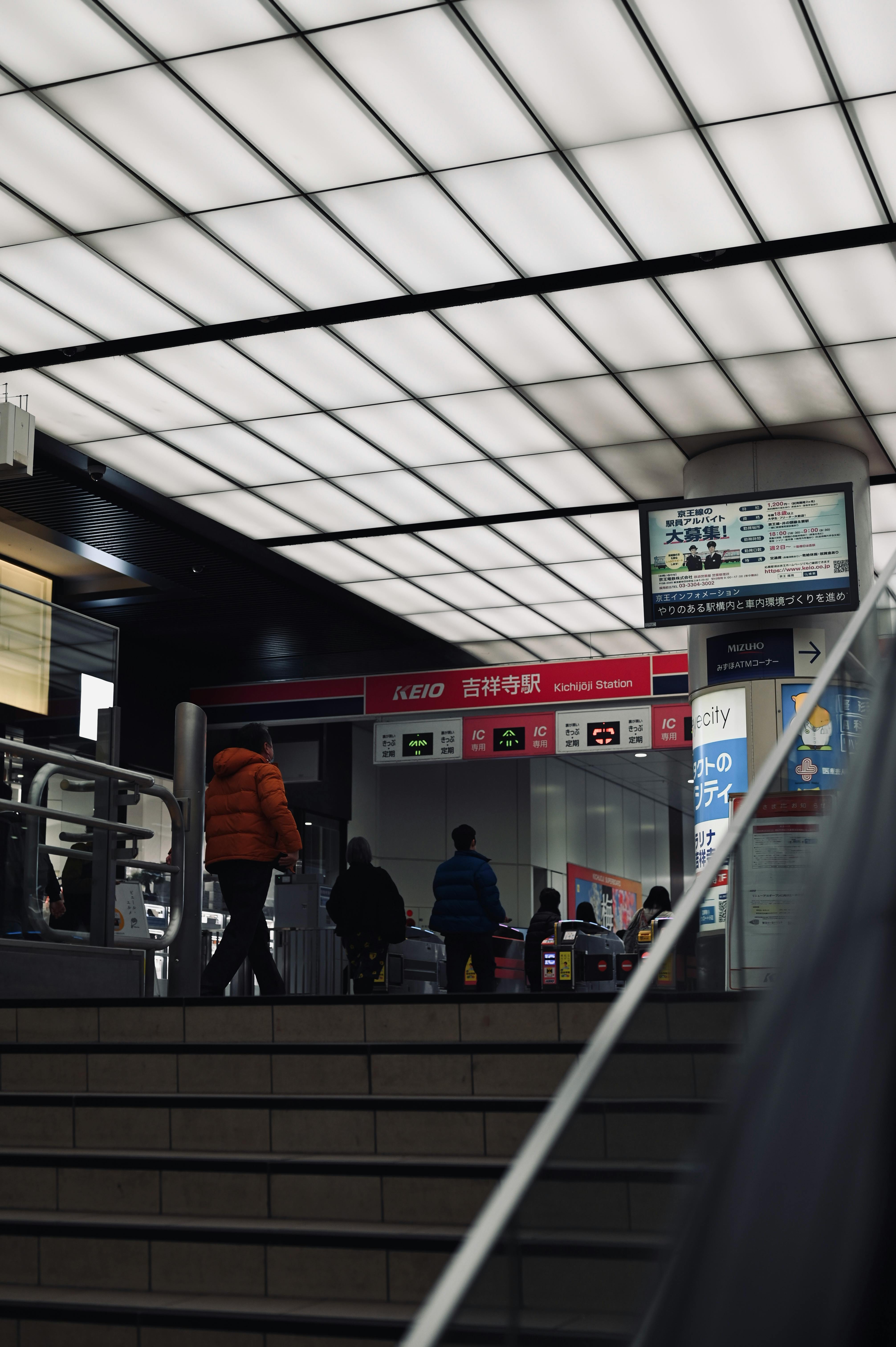

Kichijoji ranks first or second in Tokyo's annual "most desirable neighborhood" surveys nearly every year—not because it's beautiful or historical or trendy, but because it offers the specific combination of amenities Tokyo residents actually want: green space (Inokashira Park), comprehensive shopping (Sun Road arcade, department stores), entertainment (bars, restaurants, jazz clubs), and train access to Shinjuku (15 minutes) without paying Shinjuku rents.
Ordinary Tokyo: Kichijoji as Tokyo's Residential Ideal
Ordinary Tokyo includes Kichijoji as the example of what Tokyo residents value when they're choosing where to live—not tourist attractions or historical significance, but the practical amenities that make daily life work. 8 hours, $550 for two people.
This tour shows you why Kichijoji consistently wins residential desirability rankings: the shopping arcade that provides everything without requiring department store visits, the park that gives you nature access without leaving the city, the drinking alleys that offer nightlife without Shibuya's chaos, and the residential streets that balance density with livability.
You'll understand why young professionals choose Kichijoji, why families stay here, and why retired residents don't leave—the neighborhood delivers the Tokyo lifestyle without the specific compromises that make other areas exhausting.
Standing Room Only: Kichijoji's Drinking Culture
Standing Room Only ends in Kichijoji around 9pm after visiting Nakano and Nishi-Ogikubo—positioning Kichijoji as the final stop in a west Tokyo drinking tour that shows you where locals unwind after work. 4 hours, $314 for two people, starts 6:15pm.
Kichijoji's bar scene concentrates in the Harmonica Yokocho alley (100+ tiny bars in a one-block area) and the streets south of the station. This isn't Golden Gai's tourist crowds or Shibuya's youth energy—it's the drinking culture that serves Kichijoji's residential population, office workers coming from nearby suburbs, and jazz enthusiasts who've been visiting the same clubs for decades.
The tour shows you standing bars, jazz venues, and izakayas that operate for regulars rather than tourists, giving you access to spaces that require either Japanese language skills or someone who knows which doors to open.
The Park That Makes Suburban Density Tolerable
Inokashira Park covers 38 hectares immediately adjacent to Kichijoji Station—the largest park in western Tokyo and the primary reason people tolerate the neighborhood's residential density. The park provides what Tokyo apartments lack: space to breathe, nature access, room for children to run, and the psychological relief of seeing trees instead of buildings.
The park houses the Ghibli Museum (reservation-required, often sold out months ahead), a pond where people rent swan boats, cherry trees that draw crowds in spring, and the walking paths where Kichijoji residents exercise daily. This isn't a formal garden designed for tourists—it's functional green space serving the 70,000+ people living within 10 minutes' walk.
The park's value isn't aesthetic (though the cherry blossoms are legitimately beautiful). It's that families living in 50-square-meter apartments can access 38 hectares of outdoor space in under 10 minutes. This trade-off—small private space, large public space—is what makes Tokyo residential density work for people who aren't willing to sacrifice quality of life entirely.
Shopping Density That Eliminates Errand Trips
Kichijoji's Sun Road and Daiya Gai shopping arcades provide comprehensive retail without requiring train trips to department store districts. You can buy groceries, household goods, clothing, books, electronics, and specialty items within a 10-minute walk from the station—the kind of density that reduces the time tax Tokyo usually charges for daily living.
The arcades aren't tourist attractions—they're retail infrastructure serving neighborhood residents. The shops include chain stores (Uniqlo, bookstores, drugstores) and independent retailers (record shops, kitchenware specialists, the kind of businesses that need steady local customers to survive). The mix means you can handle both routine purchases and specific needs without leaving Kichijoji.
This shopping density explains part of Kichijoji's desirability rankings. Tokyo residents spend significant time on errands because specialized purchases require trips to specific districts. Kichijoji concentrates enough retail that most needs can be met locally, reducing the accumulated hours spent commuting to buy things.
Harmonica Yokocho: 100+ Bars in One Block
Harmonica Yokocho is a postwar black market that became a legitimate drinking district—roughly 100 tiny bars and restaurants crammed into a one-block area immediately north of Kichijoji Station. The name comes from the buildings' corrugated metal walls that resembled harmonica reeds when viewed from above.
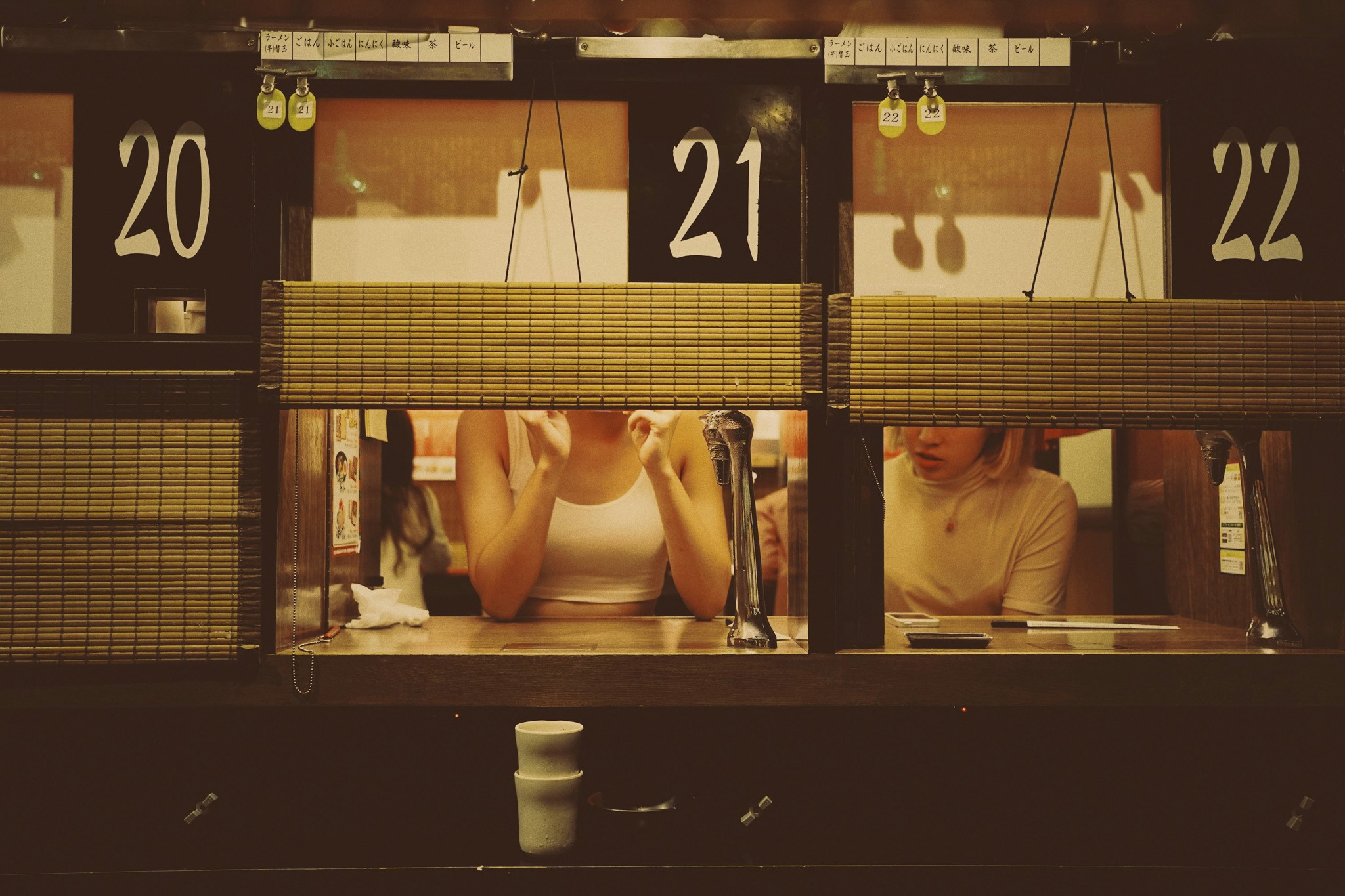
The bars seat 6-12 people, specialize in specific styles (yakitori, standing bars, jazz cafes, wine bars), and operate primarily for regulars. Many don't have English menus or signs. Some discourage first-time visitors. Others welcome anyone who can navigate Japanese social protocols. The atmosphere is deliberately intimate—you're drinking shoulder-to-shoulder with whoever else showed up that night.
This represents Tokyo's drinking culture at residential scale—not entertainment districts serving masses of strangers, but neighborhood bars where locals recognize each other, bartenders remember preferences, and the social lubrication happens through repeated encounters rather than one-night interactions.
The Jazz Scene That Never Left
Kichijoji houses multiple jazz clubs that have operated since the 1960s-70s when American jazz was culturally important to young Japanese intellectuals. These clubs survived while Tokyo's jazz scene declined elsewhere because Kichijoji's residential population provided steady customers—not tourists or youth crowds chasing trends, but dedicated listeners who'll pay cover charges to hear live music in rooms seating 50 people.
The clubs include MEG and Sometime, both still operating with regular performance schedules, cover charges around ¥2,500-3,500, and the specific social protocols that govern Japanese jazz culture (no talking during sets, applause only at designated moments, serious listening expected). This isn't background music for socializing—it's music as the primary activity.
Understanding this jazz infrastructure helps you recognize Kichijoji's identity. The neighborhood serves people who want cultural access (live music, bookstores, record shops) without requiring the commitment of living in Tokyo's expensive central districts. It's culture at suburban scale, which turns out to be exactly what many Tokyo residents want.
Which Bars Welcome Outsiders vs. Which Don't
Harmonica Yokocho has 100+ bars, many of which look identical from outside—small doors, minimal signage, no obvious indicators of whether they're tourist-friendly or regulars-only establishments. Walking in randomly means you'll either find welcoming spaces or encounter awkward situations where the bartender explains (politely) that the bar isn't accepting new customers tonight.
The distinction isn't always about foreigners specifically—many bars are regulars-only even for Japanese visitors. The space is limited (6-8 seats), the business model depends on repeat customers, and the atmosphere requires everyone knowing each other. These bars survive by saying no to most people.
A guide knows which bars operate commercially (anyone can enter, orders from a menu, standard service) and which ones are private-feeling even though they're technically public businesses. You're not getting rejected or making cultural mistakes—you're entering spaces that actually want your business.
The Shopping Arcades' Internal Logic
Sun Road and Daiya Gai look like random collections of shops, but the layout reflects decades of evolution—stores locate based on foot traffic patterns, complementary businesses cluster together, and the spaces adapt to what neighborhood residents actually need rather than what urban planners think they should want.
The produce sellers concentrate near residential areas where people carry bags home. The bookstores and record shops locate near the station where commuters browse before trains. The izakayas and bars cluster in areas with evening foot traffic. This layout emerged organically because retail that doesn't match its location goes out of business.
A guide can explain why the shopping arcades work efficiently for locals—you're not just seeing shops, you're understanding retail geography that serves 70,000+ people's daily needs. The same principles (proximity, specialization, adaptation) that make Kichijoji livable for residents make it worth understanding for visitors.
Why Inokashira Park Matters Beyond Cherry Blossoms
Most tourists visit Inokashira Park during cherry blossom season (late March/early April), see crowded paths and rented boats, and conclude the park is a seasonal attraction. Residents use it year-round—morning walks, afternoon reading, evening strolls, weekend family time—because it provides the specific amenity Tokyo apartments can't: space.
The park's value is functional, not aesthetic. The cherry blossoms are beautiful for two weeks. The remaining 50 weeks, the park is still providing green space, reducing density stress, giving people room to exercise, and creating the psychological buffer that makes small apartments tolerable.
A guide who understands Tokyo residential life can explain why the park makes Kichijoji more livable—not through tourism talking points, but through the actual role green space plays in high-density urban living. You're seeing infrastructure that serves daily quality of life, not a pretty backdrop for photos.
The Suburban-Urban Balance That Makes It Work
Kichijoji sits on the Chuo Line, 15 minutes west of Shinjuku—close enough for easy commuting, far enough that rents are 20-30% lower than central Tokyo. This balance defines the neighborhood: suburban residential density with urban amenity access and pricing that doesn't require six-figure salaries.
Tokyo residents understand this trade-off explicitly. Living in Shibuya or Shinjuku means higher rents and 24-hour urban intensity. Living in Mitaka or Musashino (further west) means lower rents but reduced amenity access. Kichijoji occupies the sweet spot where the compromises feel worth it.
Understanding this positioning helps you recognize why locals rank Kichijoji so consistently—it's not the "best" neighborhood by any single measure, but it optimizes the specific balance between cost, convenience, and quality of life that makes Tokyo livable for people who aren't wealthy or willing to sacrifice everything for location.
Best Time to Visit
Weekday afternoons (Tuesday-Thursday, 2-6pm) show Kichijoji's residential character—locals shopping in the arcades, people using the park, the neighborhood operating normally rather than performing for tourists. You'll see both the commercial activity and the residential rhythm.
Avoid weekend afternoons when domestic tourists crowd Sun Road and the park, making it difficult to appreciate how the neighborhood functions for residents. Avoid cherry blossom season (late March/early April) entirely if you want to understand Kichijoji rather than just photograph crowds.
Early weekday mornings (7-9am) capture commuter energy but most shops don't open until 10-11am. Early evening (5-7pm) shows the transition from shopping to drinking as the bars and izakayas start filling.
How Long You Need
2-3 hours covers Sun Road shopping arcade, Harmonica Yokocho's drinking alleys, and Inokashira Park—enough to understand the neighborhood's residential appeal without exhausting its content. 4 hours allows for deeper park exploration, more shopping arcade discovery, or time in jazz clubs if performances align.
The neighborhood is geographically compact—20 minutes to walk from station to park to shopping district back to station. The time requirement comes from browsing shops, exploring bar options, and understanding what you're seeing rather than just passing through.
What to Combine with Kichijoji
Kichijoji makes geographic sense with Nakano (three stops east), Nishi-Ogikubo (two stops west), or Mitaka (one stop west for Ghibli Museum if you have reservations). These neighborhoods share the Chuo Line and represent different points on the suburban-urban spectrum.
Kichijoji makes less sense with east Tokyo neighborhoods (Asakusa, Tsukiji, Ueno) unless you're doing a full-day contrast tour comparing residential west Tokyo with historical east Tokyo. Those areas are 40-50 minutes away and operate on completely different principles.
If you're interested in Tokyo's drinking culture, combine Kichijoji (residential bars) with Nakano or Nishi-Ogikubo (similar atmosphere, different neighborhoods) to see how Tokyo's west side unwinds after work. The Standing Room Only tour makes exactly this progression.
The neighborhood consistently ranks as Tokyo's most livable not because it's extraordinary, but because it delivers ordinary life well—shopping density, park access, drinking culture, and train connections without the specific compromises that make other areas exhausting.
Ready to understand what Tokyo residents value when they're choosing where to live? Ordinary Tokyo includes Kichijoji as the example of residential Tokyo done right. Or Standing Room Only shows you Kichijoji's drinking culture as part of a west Tokyo bar crawl where locals actually go.
Questions about which tour fits your schedule? Contact us and we'll help you plan the right approach for your time in Tokyo.