
Akihabara Private Tour
A private Akihabara tour for collectors, gamers, anime fans and anyone curious. Most visitors get lost in the tall, stacked shops here. Your guide takes you to the floors and buildings that match what you came for.
Why Choose This Experience
The Good Stuff Is Upstairs
Akihabara's buildings are 8-10 stories tall, and how you move through them decides what you find. Ground floors sell generic merchandise at tourist prices. The serious stock is upstairs, and specialist floors usually price figures well below the tourist shops at street level. For four hours, from $314 for a group of two ($157 each), your guide takes you to the floors and buildings that fit your interests and skips the tourist shops at street level. Radio Kaikan alone has ten floors plus a basement, and Mandarake Complex fills eight stories. Each large building takes about an hour to do properly, so most people pick two or three.
Going Up
The specialist shops sit on the upper floors of 8-10 story buildings. Your guide takes you straight to the floors that have what you're looking for
A Route for Collectors
Rare figures, retro games, vintage electronics or idol merchandise: your guide plans a route through the right buildings and the right floors
Knowing the Prices
The same figure can cost several times more in a street-level tourist shop than on a specialist floor upstairs. Your guide knows which stores charge fair prices and which mark up for tourists
How Each Building Works
Radio Kaikan, Mandarake Complex, Super Potato and AmiAmi each have their own layout. Once your guide walks you through it, you can find your way on your own afterward
Akihabara Private Tour Highlights


What Our Guests Say
"Our first day in Tokyo and what a perfect way to get started! He helped us understand the subway system, took us through markets, and kept us laughing."
"Fish market and Senso-ji were very interesting. Satoshi highlighted lots of interesting facts. Showed us where to get free samples and good photos."
"It gave us a great orientation to Tokyo. He helped us figure out the transportation system, which made the rest of our trip so much better!"
"He made adjustments to the schedule as needed, stayed overtime to see the Skytree, and accommodated picky eaters through his expertise of local food."
"My family wanted anime stuff and everything else jam packed into the day. Satoshi did not disappoint. My family is still raving about this tour days later!"
"I'd been to Tokyo many times before and still had never seen or heard of most everything he included in our tour. We liked it so much, we immediately booked a second day!"
ELECTRIC TOWN
RARE FINDS
ARCADE CULTURE
Your Journey
Electric Town: From Black Market to Otaku Capital
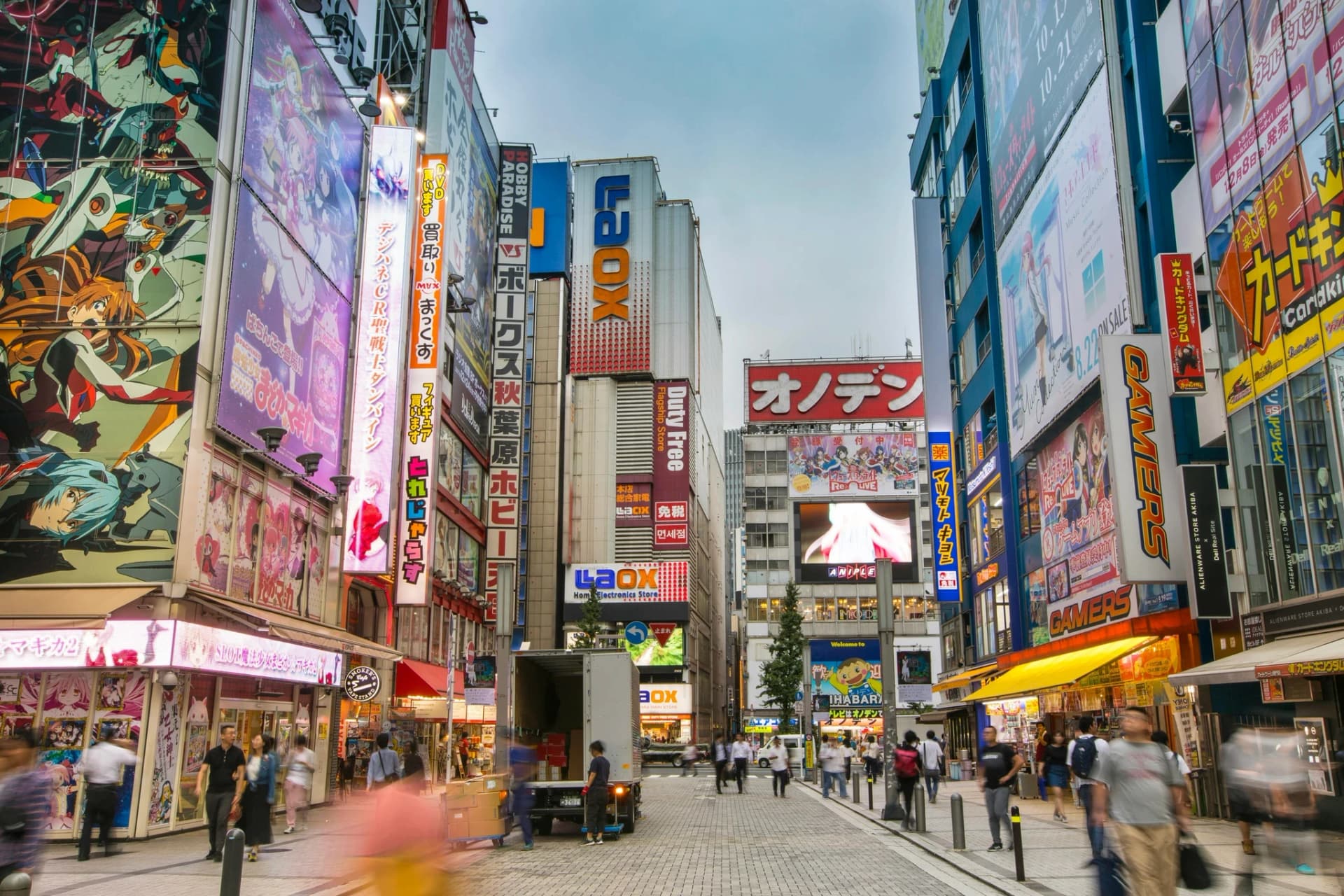
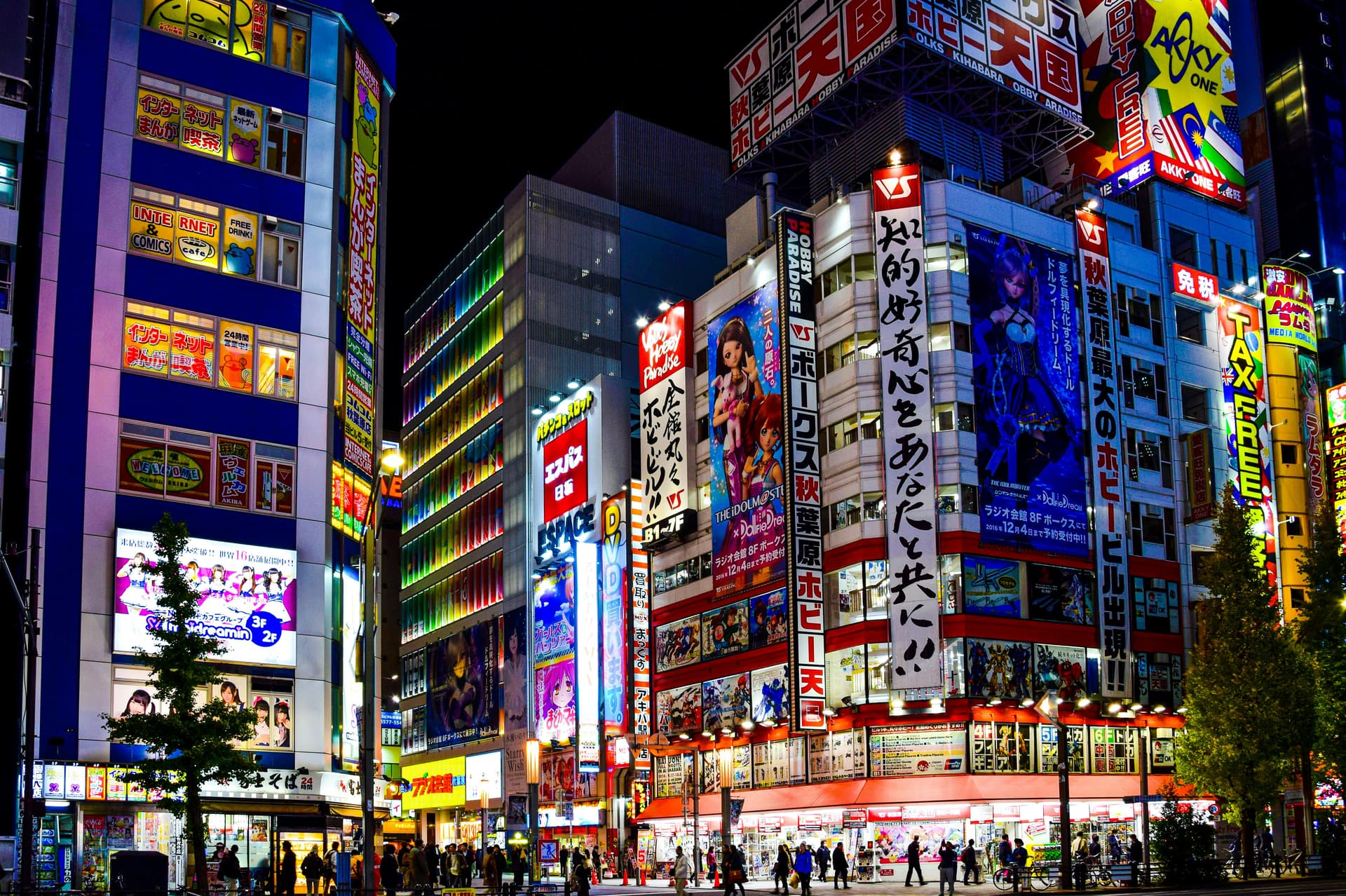
Meet at the Electric Town Exit of Akihabara Station. Your guide walks you down Chuo-dori, the main street of Electric Town, past BIC Camera on the corner, with Yodobashi Camera's huge store just east of the station. The electronics are only part of the story. After the war, stalls here sold salvaged radio parts and vacuum tubes on the black market, and your guide follows how it changed: a radio parts bazaar in the 1940s, the personal computer boom of the 1980s, then anime and gaming taking over in the late 90s.
- Chuo-dori orientation: the main street of Akihabara, from the station to the edge of the district
- How a postwar components market became Japan's electronics capital, then changed again when anime and gaming pushed out PCs
- What the big retailers (Yodobashi, BIC Camera) show about how Akihabara is layered, with mass-market goods at street level and specialists upstairs
Specialist Shops on the Upper Floors
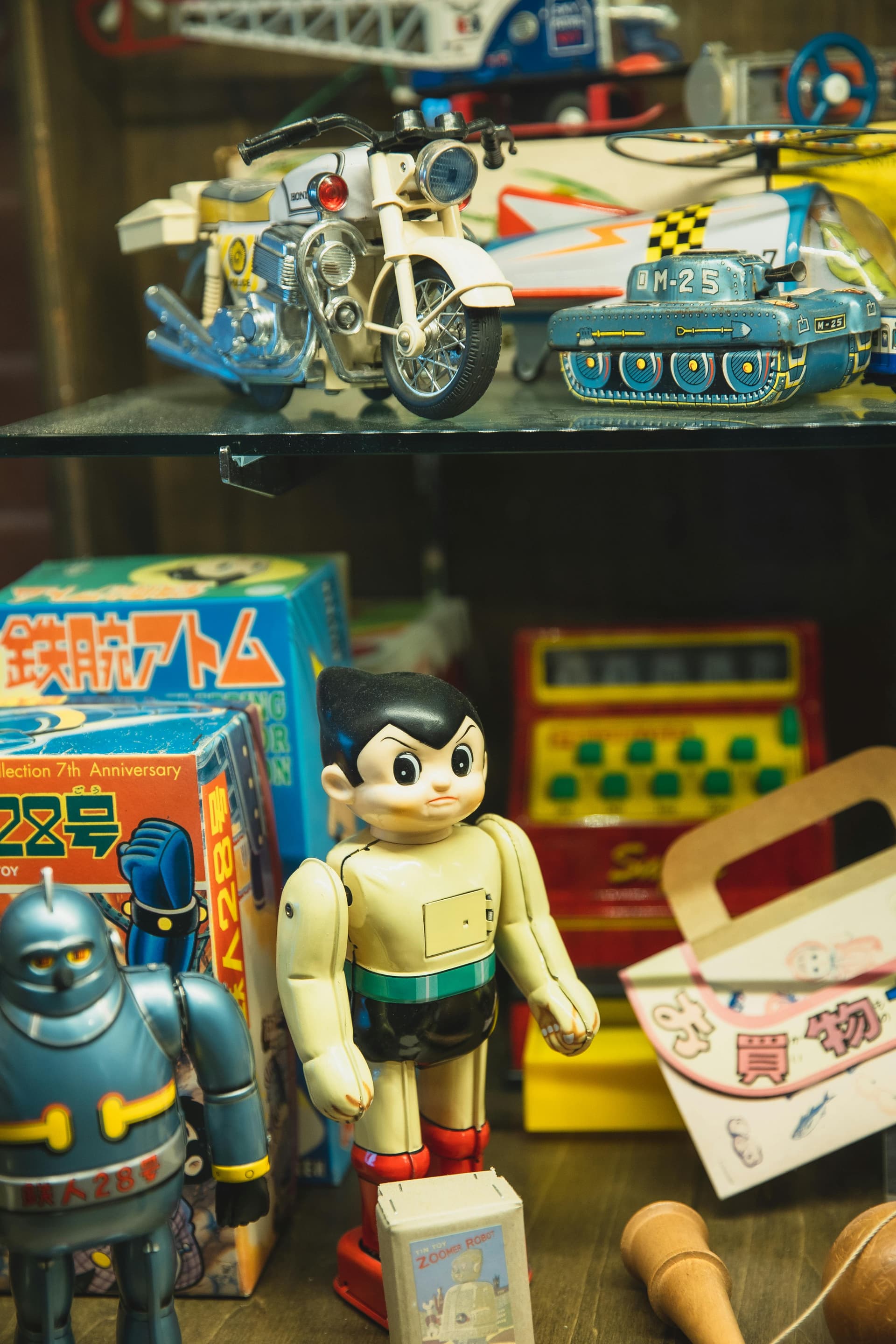
Now you start climbing. Super Potato has two floors of retro games (Famicom, Super Famicom, PC Engine) and a retro arcade on the top level. Mandarake Complex has eight stories, each given over to one category, from vintage manga to robot toys. Then come the shops you won't find in a guidebook: narrow buildings where every floor is a different niche, with one floor of Gundam model kits, the next all doujinshi, the next idol merchandise. It helps to have someone who knows which staircase to take.
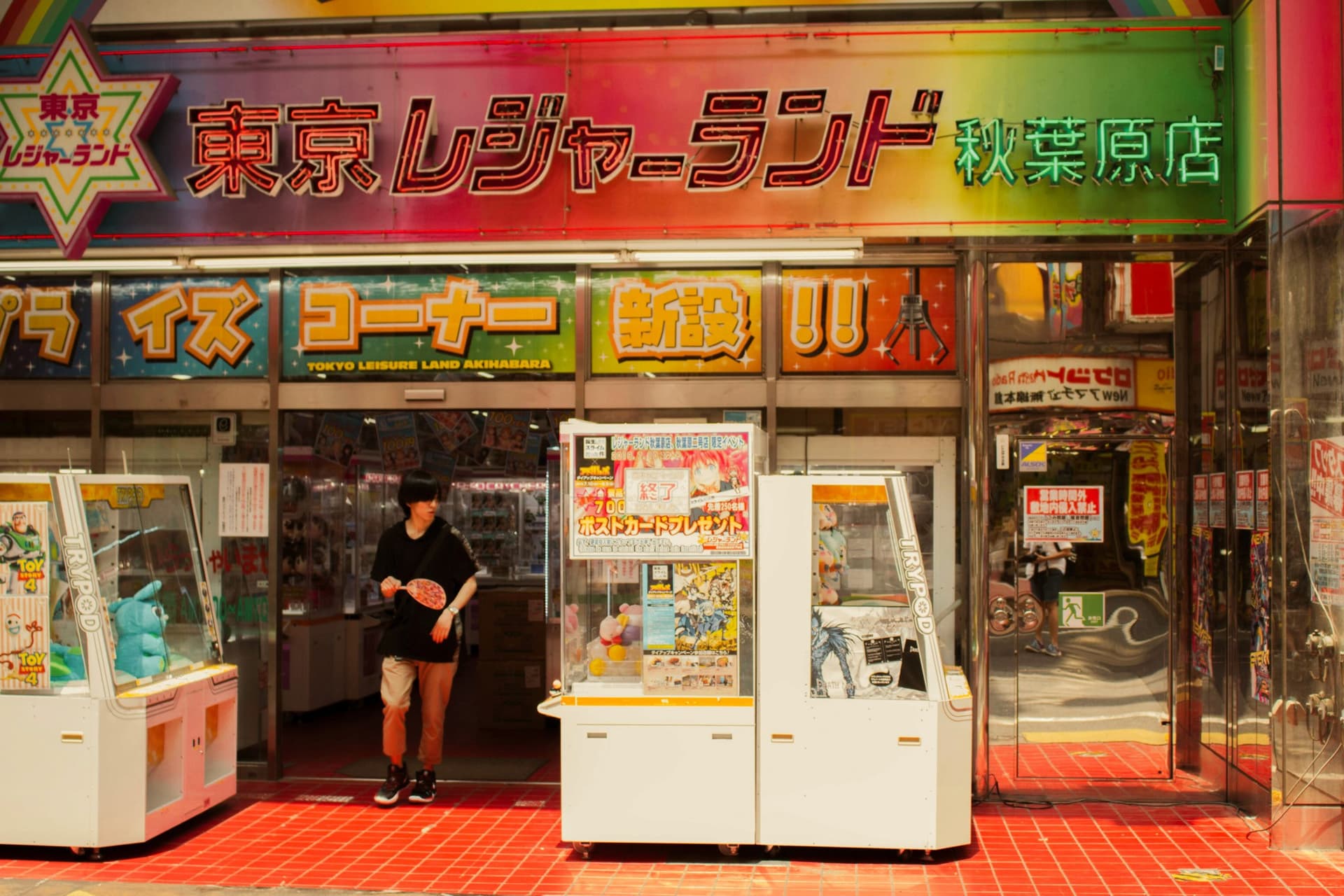
- Super Potato: cartridges and consoles from the Famicom era onward, with a retro arcade on the top floor
- Mandarake Complex: eight floors, from vintage manga on floor 3 to toys and robot figures on floors 7-8
- Small multi-floor specialist buildings: figure shops, doujinshi stores and idol goods, the part solo visitors usually miss
Lunch and a Guide to Otaku Culture
Lunch depends on your group. If you're curious about maid cafes, your guide goes over the rules and etiquette before you walk in, because it's a kind of performance with its own conventions. If that's not for you, there are ordinary local places where Akihabara workers eat that tourists rarely notice. Over lunch your guide explains the subculture: how otaku, fujoshi and idol fans differ, why Comiket matters, how the doujinshi economy works, and what 'moe' means beyond the Western caricature.
- Maid cafe option: your guide explains the house rules, how pricing works and the cultural background before you go in
- Or a local lunch spot where Akihabara office workers and shop staff eat, with no theme and good food
- Otaku culture explained: the different fan groups, the doujinshi economy, idol culture, and why Akihabara is where it all meets
Under the Tracks, and Where It All Started
Your guide takes you to 2k540 AKI-OKA Artisan, a row of craft workshops and studios built into the arches under the JR tracks between Akihabara and Okachimachi. It's leather workers, jewelers and woodworkers, a long way in spirit from the anime billboards. Then you loop back to Akihabara Radio Center, where tiny stalls sell resistors, capacitors and vacuum tubes. These vendors were selling components long before Akihabara had a single anime poster. The tour ends with your guide's suggestions for where to go back on your own.
- 2k540 AKI-OKA Artisan: craft studios under the JR tracks working in leather, wood, ceramics and jewelry
- Akihabara Radio Center: the original components market, still open, selling vacuum tubes, resistors and capacitors
- Your guide's suggestions for later: which buildings to revisit, which floors to go to, and which shops price fairly
This is merely a suggestion. Your itinerary is fully bespoke.
Your Private Experience Includes
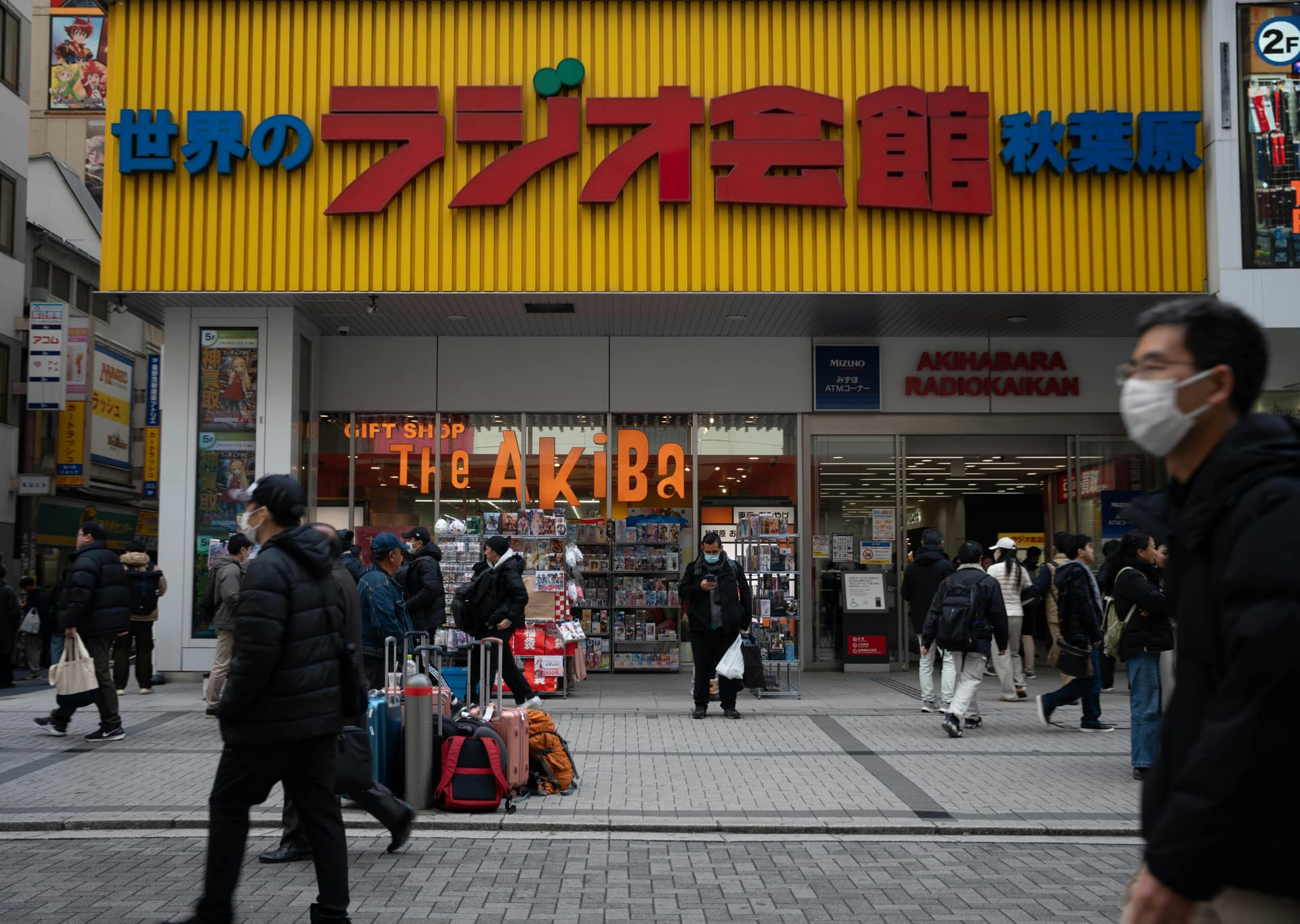
RADIO KAIKAN

COSPLAY
RETRO GAMING