
Ginza Private Tour
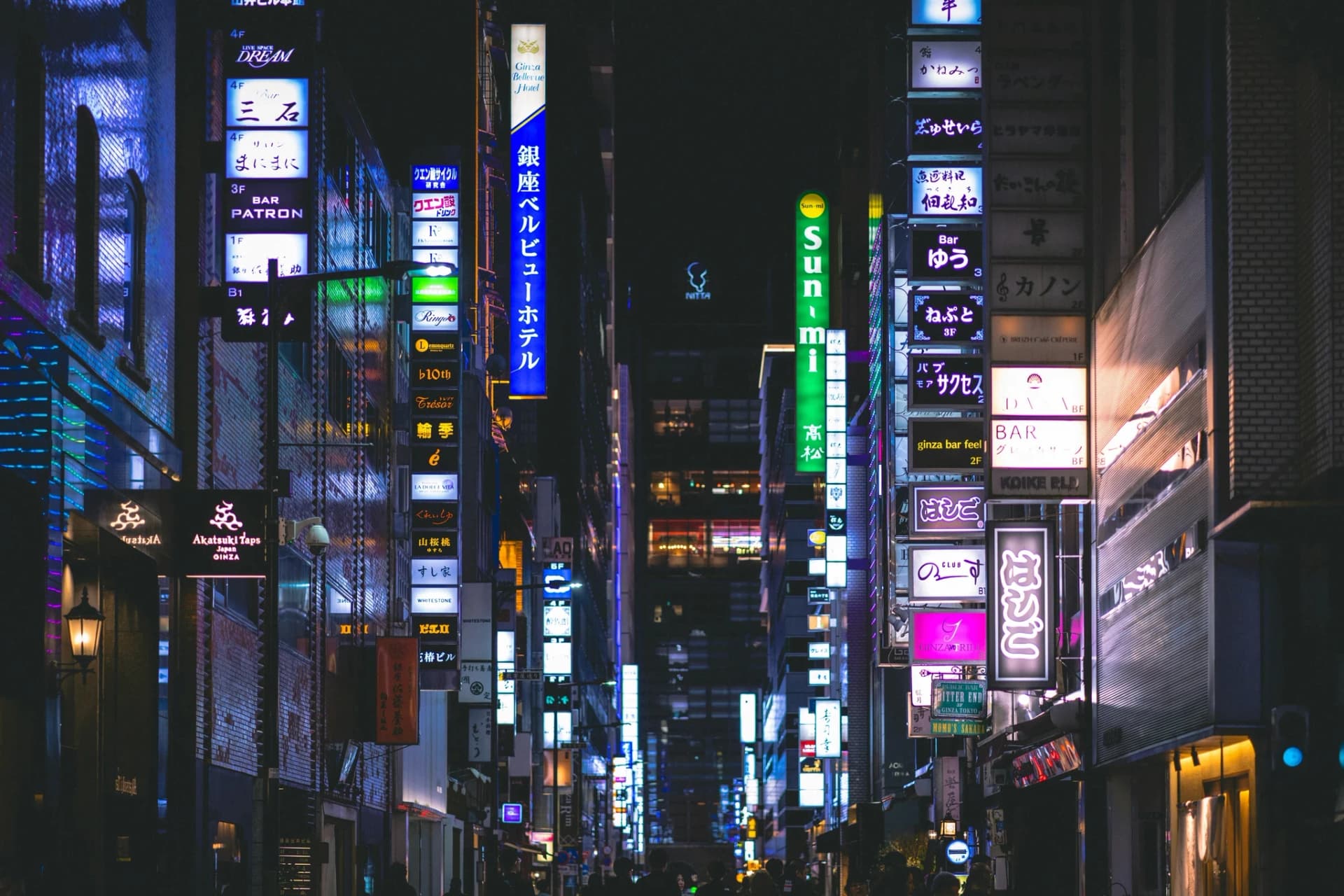
Ginza private tours with us start at Tsukiji Outer Market, the part of the old market that refused to leave. From there you go up to the gallery floors that department stores tuck between their retail levels, where museum-quality exhibitions cost nothing to see, and you finish with lunch in the backstreets where Ginza's office workers eat. The tour runs four hours and costs $314 for two people.
Why Choose This Experience
Who Books This Instead of the Architecture Walk
Most Ginza tours online are architecture walks or group back-alley walks. The architecture tours cover Renzo Piano's Hermès building and Toyo Ito's Mikimoto, with no market, no food halls and no lunch. The back-alley walks cost less, and you share the guide with other travelers. Food tours sell wagyu and sake tastings, which can be good, though you see one restaurant and not much of the neighborhood. This tour starts the morning in Tsukiji with someone who knows which stalls have been there longest. Then it takes you up to the gallery floors tucked between department store retail levels: Shiseido Gallery, Pola Museum Annex, and Le Forum at Maison Hermès, all in Ginza. It finishes in the backstreet restaurants behind Chuo-dori, where lunch is cheaper than the address suggests. It's four hours, private, and $314 for 2 people ($157/person). That's more than a group back-alley walk, and it covers more ground than an architecture tour.
Market to Boulevard
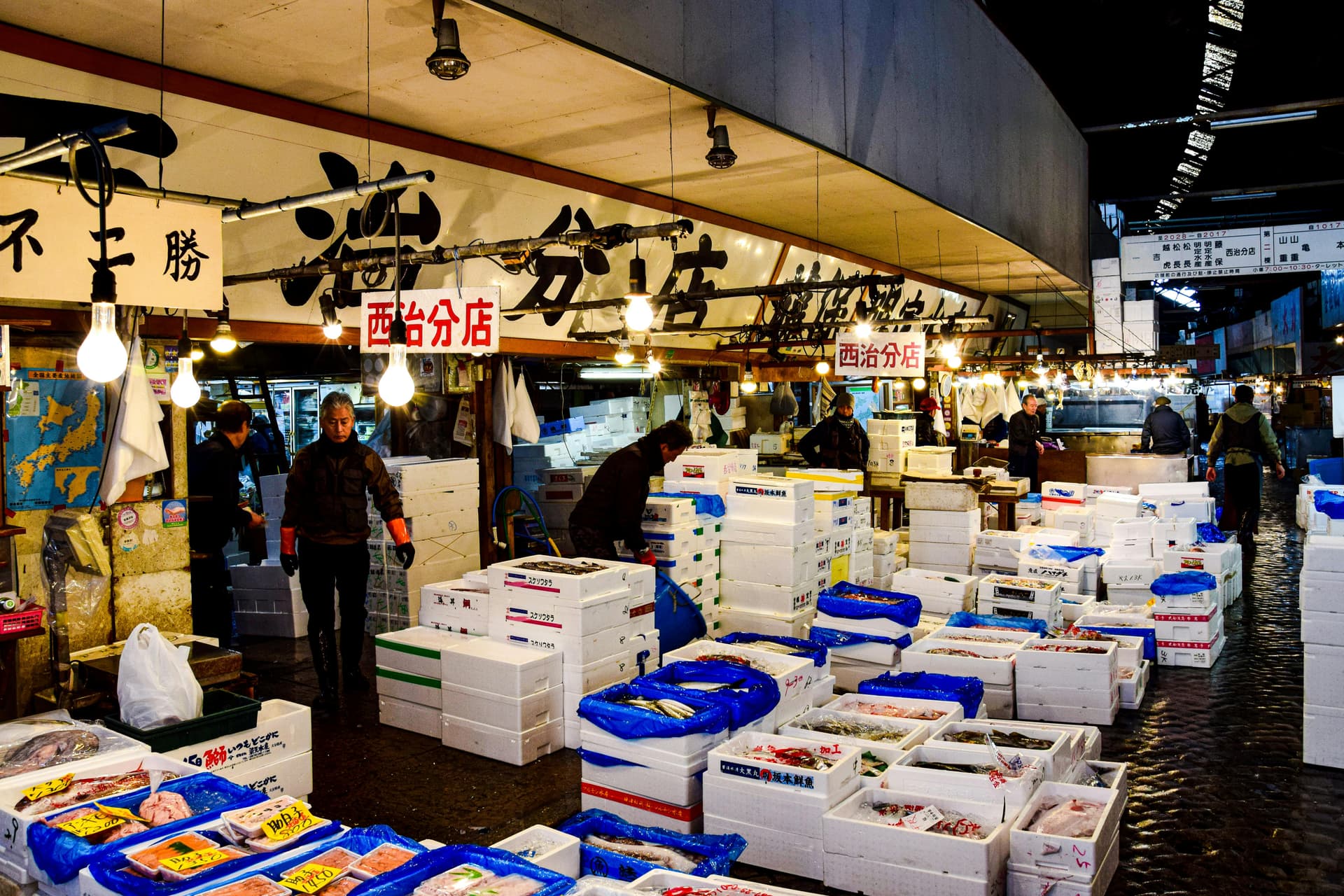
We start at Tsukiji Outer Market, among the food stalls, knife shops, and tamagoyaki stands that stayed when the wholesale fish market moved to Toyosu. From there you walk into Ginza proper.
Four Centuries of History
Ginza's story runs from the silver mint of 1612 through Tokyo's first gas street lamps in 1874 to today's weekend pedestrian paradise. Your guide fills in what happened between them, so the storefronts start to make sense.
Free Gallery Floors
Shiseido Gallery, Pola Museum Annex, and Le Forum on the 8th floor of Maison Hermès show contemporary art, and all three are free to enter. They sit above shop floors, and it's easy to walk past the door without knowing.
Backstreet Lunch
The tour ends off the main boulevard, in the backstreets where Ginza's office workers eat: small counters, handwritten menus, and places your guide already knows.
Ginza Private Tour Highlights
What Our Guests Say
"Our first day in Tokyo and what a perfect way to get started! He helped us understand the subway system, took us through markets, and kept us laughing."
"Fish market and Senso-ji were very interesting. Satoshi highlighted lots of interesting facts. Showed us where to get free samples and good photos."
"It gave us a great orientation to Tokyo. He helped us figure out the transportation system, which made the rest of our trip so much better!"
"He made adjustments to the schedule as needed, stayed overtime to see the Skytree, and accommodated picky eaters through his expertise of local food."
"My family wanted anime stuff and everything else jam packed into the day. Satoshi did not disappoint. My family is still raving about this tour days later!"
"I'd been to Tokyo many times before and still had never seen or heard of most everything he included in our tour. We liked it so much, we immediately booked a second day!"

TSUKIJI OUTER MARKET

WAKO CLOCK TOWER SINCE 1932
CRAFT SHOPS SINCE 1590
Your Journey
Tsukiji Outer Market & Kabuki-za
Start at Tsukiji Outer Market, where the food stalls, tamagoyaki shops, and knife specialists stayed on after the inner market moved to Toyosu. Then walk past the Kabuki-za Theater to see its striking exterior.
- Walk the Tsukiji Outer Market lanes for tamagoyaki, dried goods, knife shops, and the stories of what stayed and why
- Learn how the outer market went from supplying the fish trade to feeding the neighborhood
- Stop outside the Kabuki-za Theater, one of Tokyo's most photographed buildings
- Hear how kabuki shaped Ginza's culture as you walk toward the main boulevard
Ginza Chuo-dori & the Boulevard's History
Walk Japan's most famous shopping boulevard, past the Wako clock tower, Mitsukoshi, and Ginza Six. Your guide traces how the street went from silver mint to the country's first Western-style shopping district.
- Start at the Wako clock tower (1932), which anchors Ginza's best-known intersection
- Walk past Mitsukoshi, one of Japan's oldest department stores, and the glass front of Ginza Six
- Learn where the name comes from: gin (silver) + za (guild), after the Tokugawa shogunate's silver coin mint that operated here from 1612
- Hear about the weekend pedestrian paradise (hokosha tengoku) and why so many Japanese towns named a street 'Ginza'
Department Store Culture & Hidden Floors
Your guide takes you past the lobby to the floors tourists miss: the basement food halls (depachika), the gallery spaces with free exhibitions, and the craft floors where Japanese retail turns into something closer to a museum.
- Go down to the depachika for wagashi counters, elaborate bento, and tasting samples from across Japan
- Visit gallery floors tucked between retail levels, with museum-quality exhibitions that are free to enter
- Browse craft floors with work by Japanese makers that most visitors walk right past
- See why Japanese department stores work as cultural institutions as well as shops
Ginza Backstreets & Local Lunch
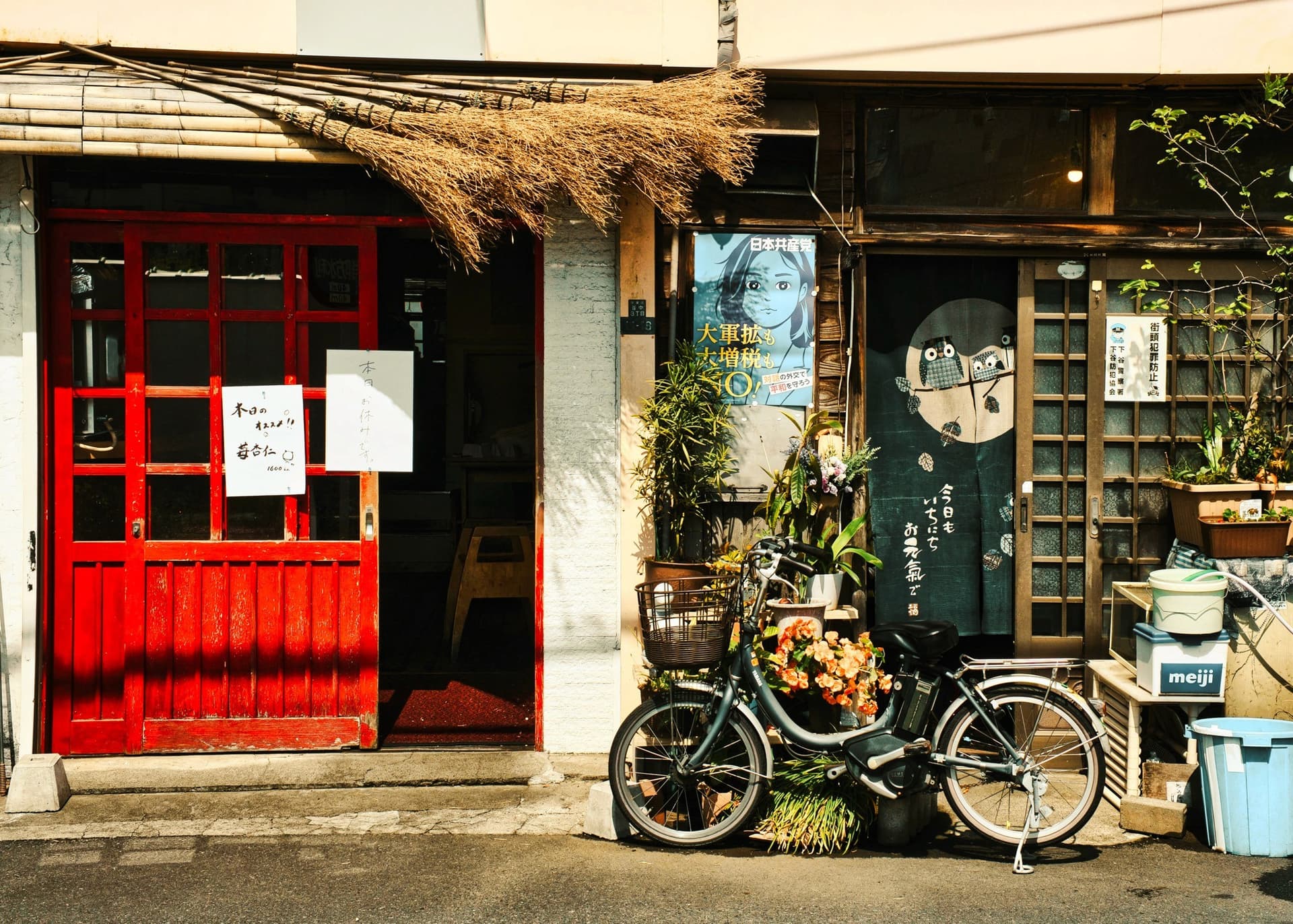
Turn off the main boulevard into the narrow streets behind Ginza's facades, with tiny restaurants, handwritten menus, and the lunch spots office workers keep to themselves. The tour wraps up by 2:00 PM.
- Leave Chuo-dori for the backstreets where Ginza's office workers eat lunch
- Follow your guide through the alleys and learn which curtained doorways welcome newcomers and which to save for another visit
- Sit down for lunch at a local spot your guide knows, a small place with no English menu
- Tour wraps up by 2:00 PM. Your guide can suggest places to come back to for Ginza's bar and nightlife scene
This is merely a suggestion. Your itinerary is fully bespoke.
Your Private Experience Includes
DEPACHIKA FOOD HALLS

BACKSTREET RESTAURANTS

CHUO-DORI BOULEVARD