
Harajuku Private Tour
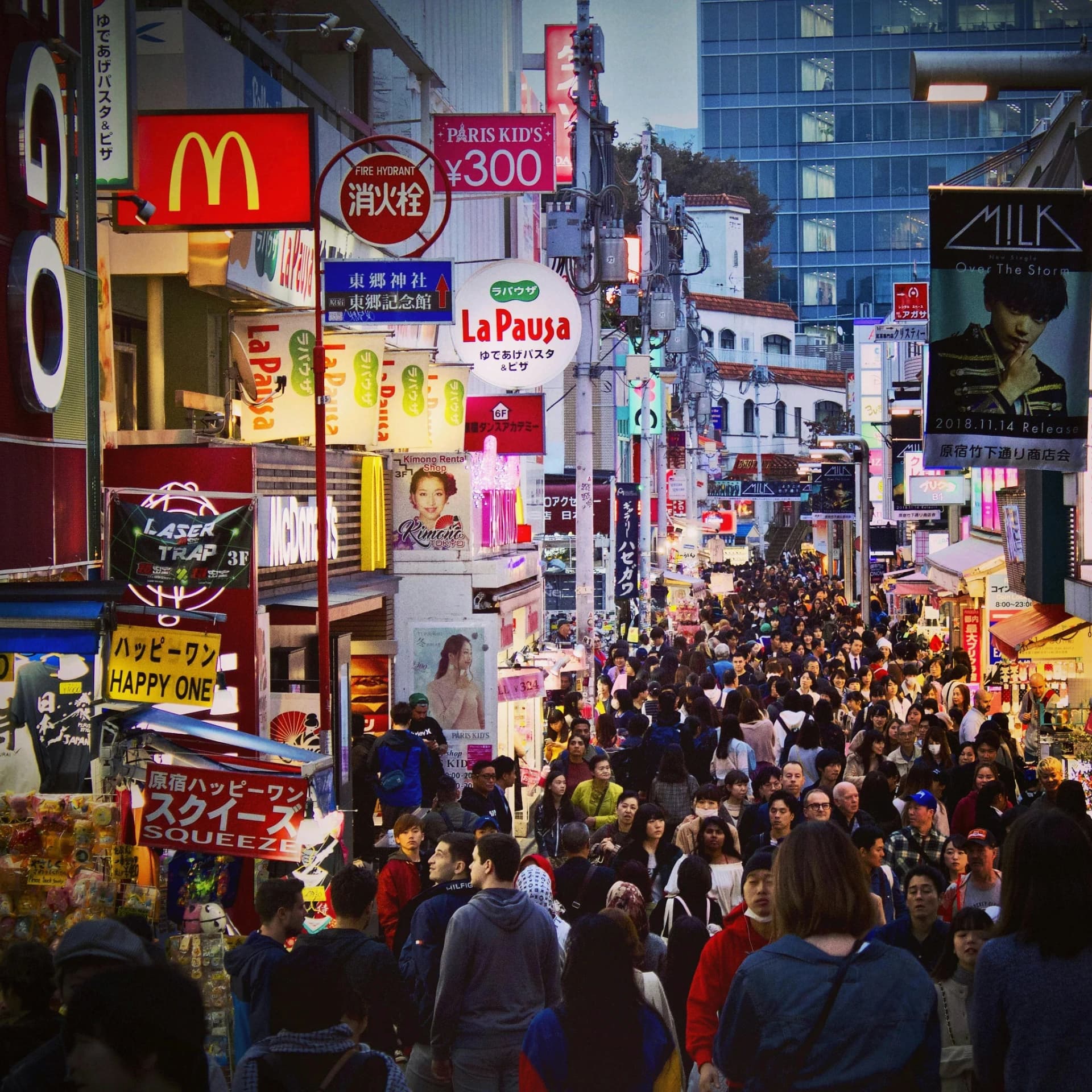
Harajuku private tours from the big booking sites often stay mainly on Takeshita Street, sometimes with an animal cafe added on. This one runs 4 hours and also covers the three zones they leave out: Cat Street, Ura-Harajuku and Omotesando. Your guide shapes the route around what you want to see.
Why Choose This Experience
Takeshita in 10 Minutes. Harajuku in 4 Hours.
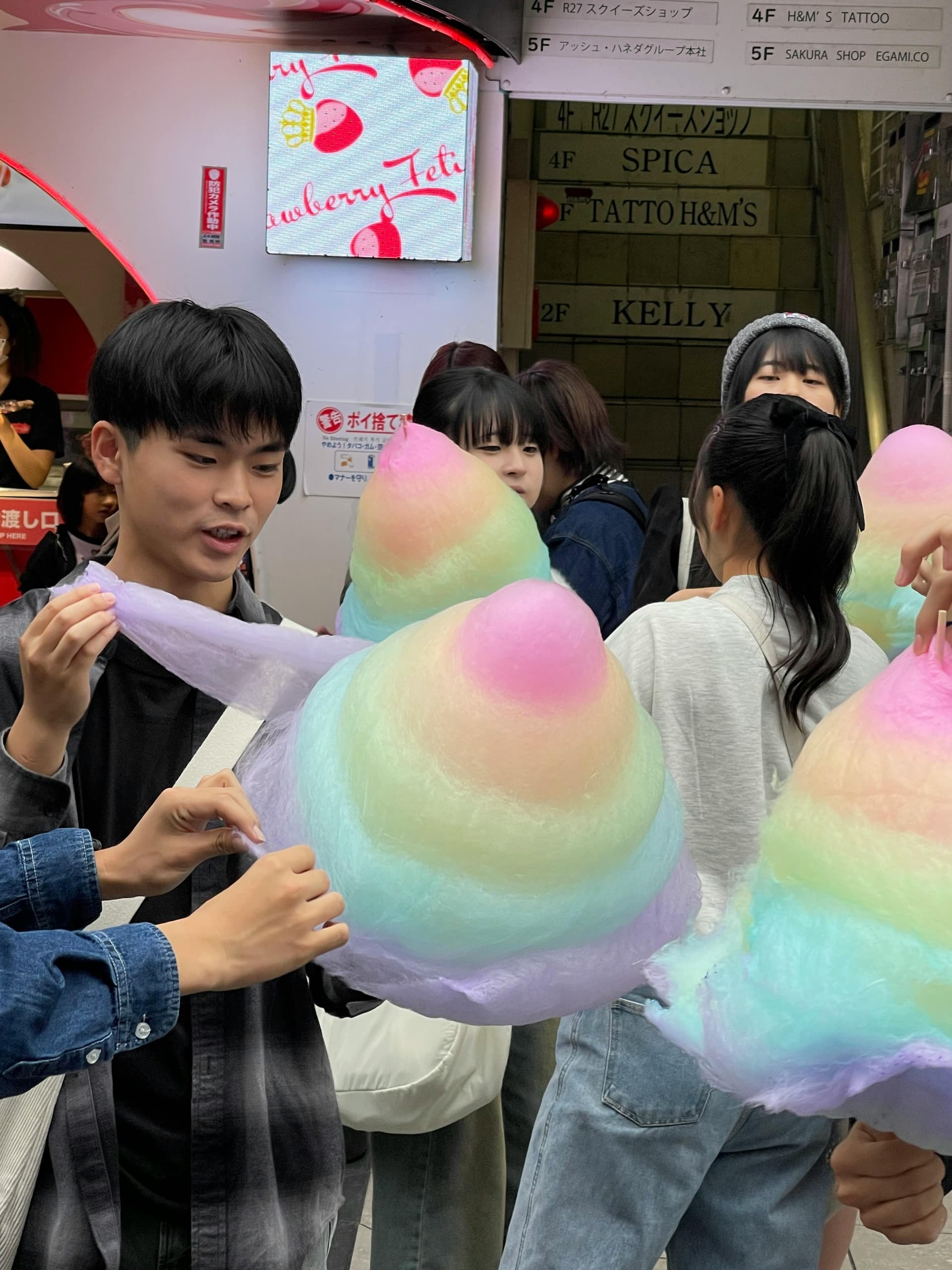
We'd give Takeshita Street ten minutes, not half a day. Harajuku is four neighborhoods sharing one station. Cat Street's independent boutiques and designer vintage suit fashion-minded adults in their 20s and 30s. Ura-Harajuku's unmarked basements are where Tokyo streetwear got its start. Omotesando is where Tadao Ando's architecture sits next to the big international luxury brands. The tour covers all four, and stops at Togo Shrine, whose quiet grounds are one block behind Takeshita's crowds.
All Four Zones
Harajuku is four areas, and we walk you through each one: Takeshita for the teen scene, Cat Street for grown-up fashion, Ura-Harajuku for where streetwear began, and Omotesando for luxury architecture.
Basement Navigation
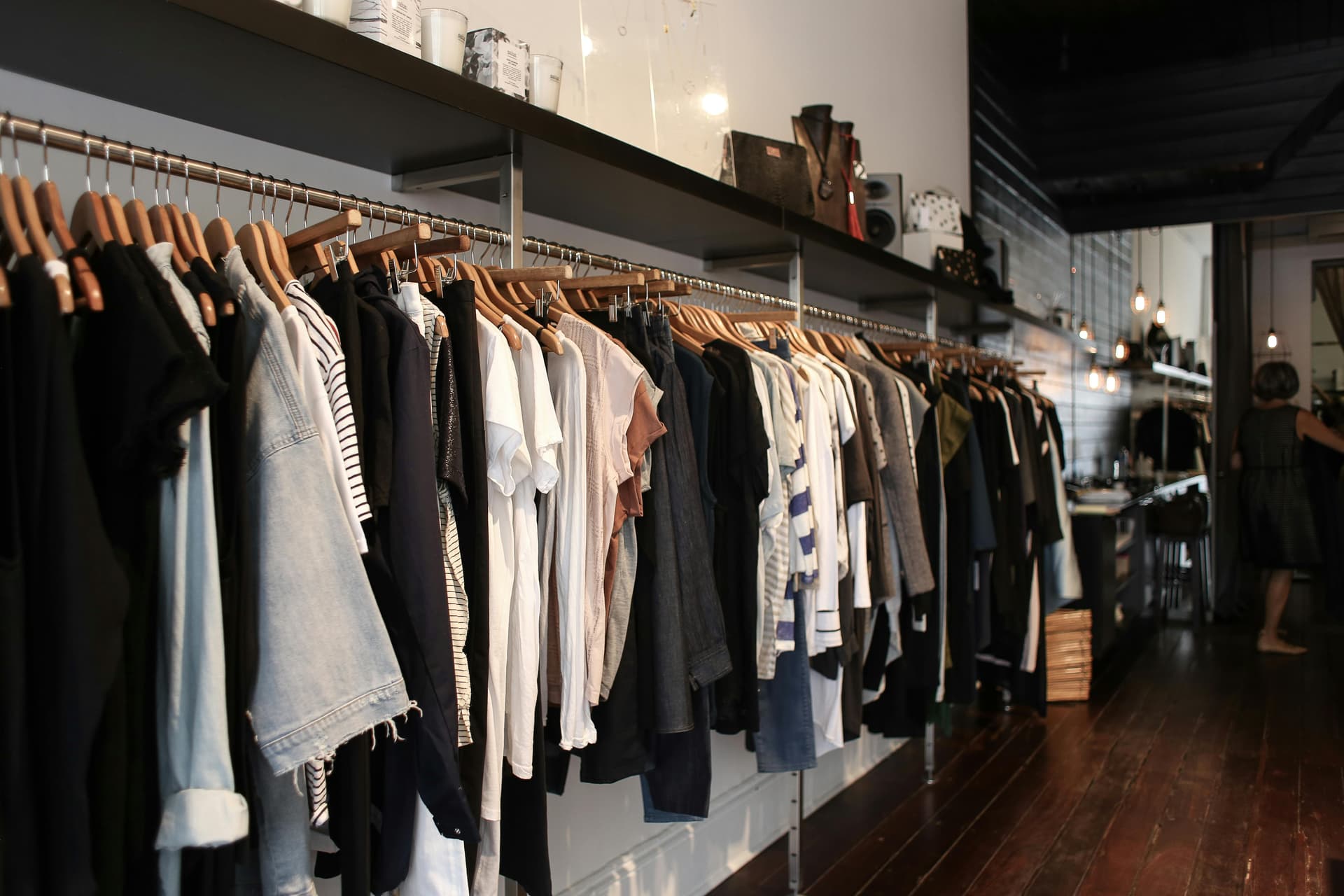
Totti Candy Factory and Daiso are easy to find on your own. We take you to the vintage and secondhand shops in basements and on upper floors, behind small signs that are easy to walk past.
Fashion History
We leave out the animal cafes and spend the time on how BAPE, UNDERCOVER and NEIGHBORHOOD came out of Ura-Harajuku's basement scene in the 1990s.
Hidden Shrine
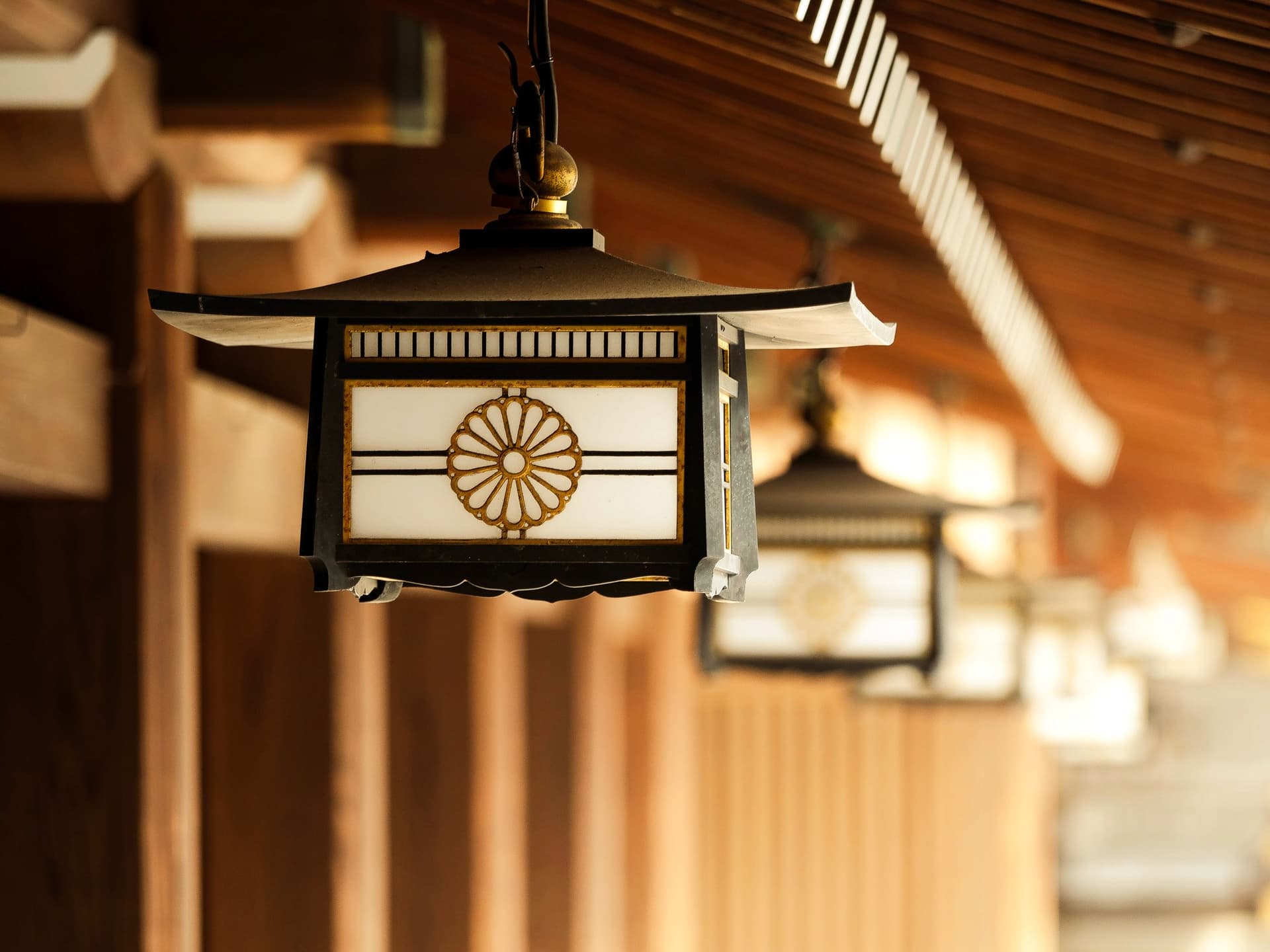
Togo Shrine is just off Takeshita Street, and its grounds stay quiet a few steps from one of Tokyo's busiest streets.
Harajuku Private Tour Highlights


What Our Guests Say
"Our first day in Tokyo and what a perfect way to get started! He helped us understand the subway system, took us through markets, and kept us laughing."
"Fish market and Senso-ji were very interesting. Satoshi highlighted lots of interesting facts. Showed us where to get free samples and good photos."
"It gave us a great orientation to Tokyo. He helped us figure out the transportation system, which made the rest of our trip so much better!"
"He made adjustments to the schedule as needed, stayed overtime to see the Skytree, and accommodated picky eaters through his expertise of local food."
"My family wanted anime stuff and everything else jam packed into the day. Satoshi did not disappoint. My family is still raving about this tour days later!"
"I'd been to Tokyo many times before and still had never seen or heard of most everything he included in our tour. We liked it so much, we immediately booked a second day!"

STREET STYLE
VINTAGE HUNTING
OMOTESANDO
Your Journey
Meiji Shrine: 170 Acres of Forest One Block from Takeshita Street
Meet at Harajuku Station and walk through the big torii gate into Meiji Shrine's 170-acre forest. Your guide tells the shrine's story along the gravel approach, past camphor trees and sake barrels. It's best before the midday crowds, and the jump from this forest to Takeshita-dori, one block away, is the best introduction to Harajuku we know.
- Torii gate: one of the largest wooden torii in Japan, where the fashion district ends and the shrine forest begins
- Morning timing: fewer visitors, a quieter walk and better photos along the gravel approach
- Guide explains the shrine's 1920 origins and how 100,000 trees donated from across Japan were planted by volunteers
Takeshita-dori & Cat Street: Harajuku's Fashion Tribes
Leave the shrine forest and walk into Takeshita-dori's 350 meters of crepe shops, streetwear and purikura booths. Your guide points out which shops are the originals (6%DOKIDOKI has been here since 1995) and which are tourist traps, and explains how Harajuku's fashion tribes went from the Takenoko-zoku dancers of the late 1970s and 1980s to today's social media styles. Then you cross to Cat Street, the old Shibuya River path, where independent designers and vintage shops took the place of the chains.
- 6%DOKIDOKI: Sebastian Masuda's Sensational Kawaii shop, a fixture of Takeshita since 1995
- Fashion history: from the Takenoko-zoku of the late 1970s and 1980s to Decora to FRUiTS magazine, and how the scene scattered after 2017
- Cat Street: grown-up Harajuku for visitors in their 20s-30s, with the RAGTAG flagship, independent boutiques and no mascots
Omotesando: The Champs-Élysées of Tokyo
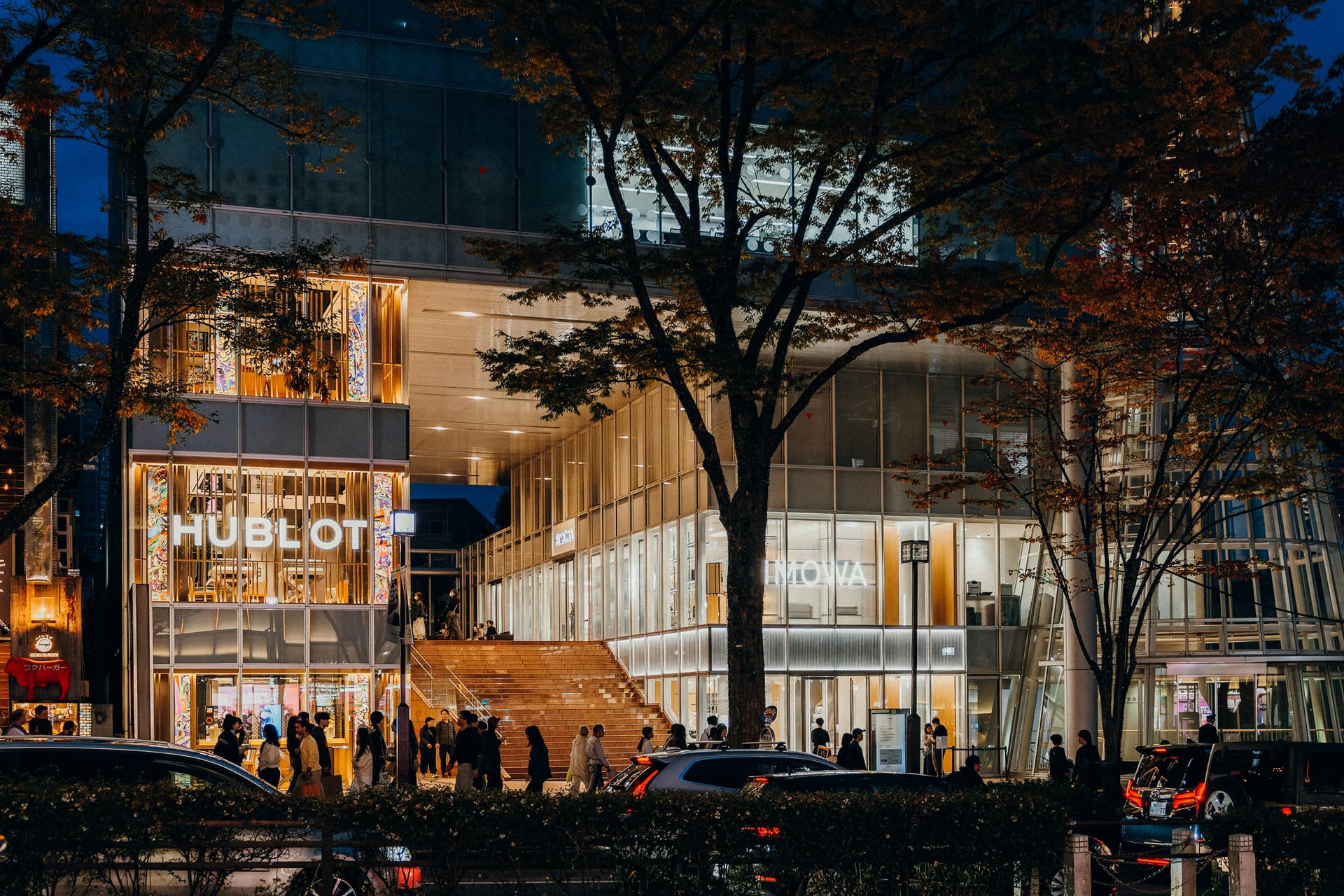
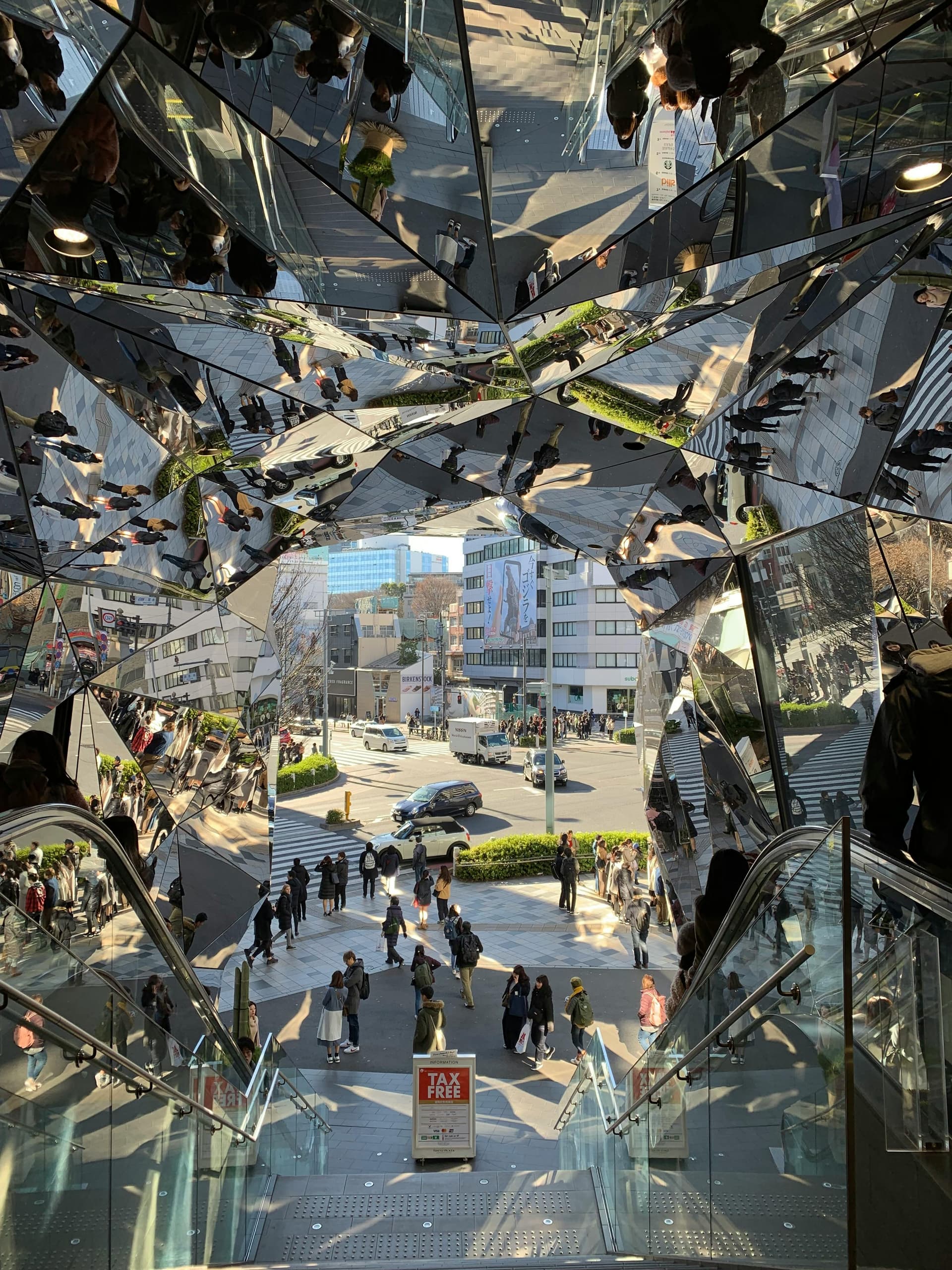
Walk the boulevard under its zelkova trees, where the buildings are the main attraction. Your guide shows you how the luxury brands compete through architecture: Tadao Ando's spiraling Omotesando Hills, Toyo Ito's wrapped aluminum for Tod's, Herzog & de Meuron's crystal-like Prada, and SANAA's rippling glass for Dior. You'll learn why these brands put so much into their buildings, ten minutes from Takeshita's chaos.
- Omotesando Hills: over 130 shops in Tadao Ando's concrete spiral, built on the site of the 1927 Dojunkai Aoyama Apartments
- Architecture highlights: Tod's (Toyo Ito), Prada (Herzog & de Meuron), Dior (SANAA)
- The avenue was built in 1920 as the approach to Meiji Shrine
Ura-Harajuku Backstreets: Lunch & Local Finds
Turn off the boulevard into Ura-Harajuku, the narrow lanes where Tokyo streetwear started in the 1990s. There are independent boutiques, vintage shops and small cafés here that aren't on tourist maps. Your guide picks a lunch spot where locals eat, based on what you like. After lunch, browse the unmarked basement shops for one-off vintage. The tour ends here by 2:00 PM.
- Lunch: your guide picks a place to suit you, whether that's ramen, curry, a café or a bakery locals love
- Ura-Harajuku: where BAPE, UNDERCOVER and NEIGHBORHOOD started, the center of 1990s streetwear
- Tour ends by 2:00 PM, with easy trains from Harajuku Station to Shibuya (about 2 min) or Shinjuku (about 5 min)
This is merely a suggestion. Your itinerary is fully bespoke.
Your Private Experience Includes
HIDDEN SHRINE
TAKESHITA ENERGY
CAT STREET