
Shibuya Private Tour
A private Shibuya tour for travelers who've looked at the big group tours and want something else. It's just your group, with no checklist of must-sees. Your guide walks you through the infrastructure behind the crossing, the 1950s alleys of Nonbei Yokocho, the Seibu and Tokyu rivalry that made Shibuya the center of youth culture, and the older parts of the neighborhood that booking platforms don't cover.
Why Choose This Experience
What Viator's Shibuya Tours Skip
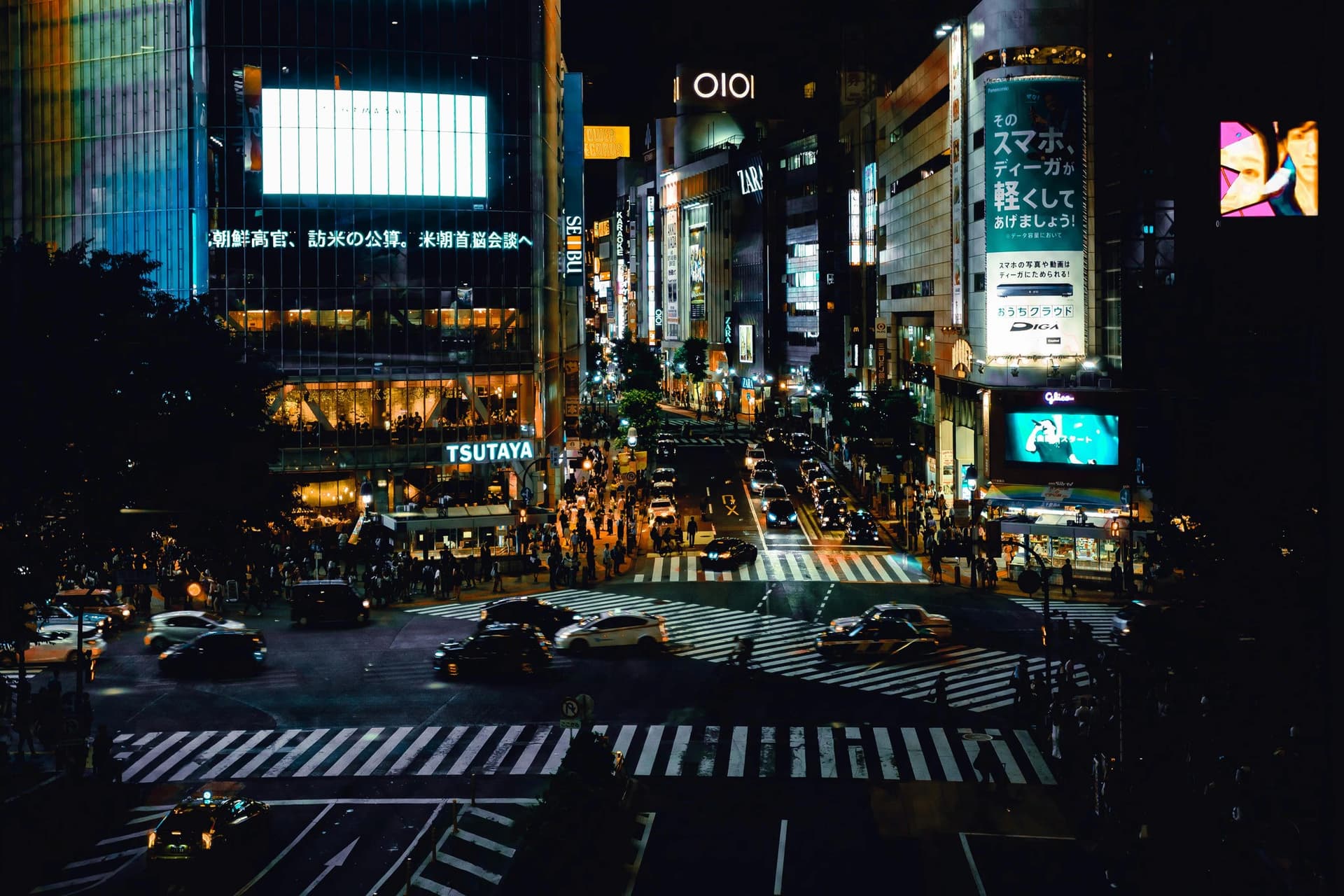
Shibuya Crossing looks like chaos, with up to about 3,000 people crossing from every direction at once. It's a 1973 answer to moving the passengers of nine train lines through one intersection. Most group tours take photos and leave. This tour stays in Shibuya and goes further: the 1973 engineering story, the rivalry between Seibu's PARCO and Tokyu's 109 around Center Gai, Nonbei Yokocho's 1950s izakaya alleys, Konno Hachimangu shrine (founded 1092, so more than 900 years old), and the riverside walk at Shibuya Stream.
The Story Behind the Crossing
Most Shibuya tours treat the crossing as a photo stop. We explain why it's there: nine train lines, a 1973 design, and up to about 3,000 people crossing at once without running into each other.
All Shibuya, No Detours
Some popular Shibuya tours add Harajuku and split the day. We stay in Shibuya: Nonbei Yokocho's 1950s izakaya alleys, Konno Hachimangu shrine (founded 1092), the backstreets of Dogenzaka, and the story of the Shibuya River, with time to do each of them properly.
A Guide Who Knows the Area
On the big booking platforms, the quality of a tour depends on which guide you get. Your Hinomaru guide knows this neighborhood and prepares for your day.
Good Timing
Some free walking tours only stop at the crossing and move on. Your guide knows when the mid-morning light works for crossing photos, when Nonbei Yokocho's alleys are quiet enough to walk, and which backstreets show the parts of Shibuya most visitors walk straight past.
Shibuya Private Tour Highlights


What Our Guests Say
"Our first day in Tokyo and what a perfect way to get started! He helped us understand the subway system, took us through markets, and kept us laughing."
"Fish market and Senso-ji were very interesting. Satoshi highlighted lots of interesting facts. Showed us where to get free samples and good photos."
"It gave us a great orientation to Tokyo. He helped us figure out the transportation system, which made the rest of our trip so much better!"
"He made adjustments to the schedule as needed, stayed overtime to see the Skytree, and accommodated picky eaters through his expertise of local food."
"My family wanted anime stuff and everything else jam packed into the day. Satoshi did not disappoint. My family is still raving about this tour days later!"
"I'd been to Tokyo many times before and still had never seen or heard of most everything he included in our tour. We liked it so much, we immediately booked a second day!"
THE SCRAMBLE
NONBEI YOKOCHO
SHIBUYA 109
Your Journey
Shibuya Crossing & the Infrastructure Story
Meet at the Hachiko exit of Shibuya Station. Your guide starts with the statue and its story of loyalty, then takes you up to see the full scale of the crossing from above, either from the Starbucks that overlooks it (buy a drink and expect a queue) or, if it's open by then, the MAGNET by SHIBUYA109 rooftop (paid entry). Then you walk the scramble yourself while the crowd is still moderate and the light is good.
- Why nine train lines meet here: the geography and company history behind the intersection
- How the 1973 scramble works: people crossing in every direction, diagonals included, and the signal timing
- Mid-morning is the best time: the commuter rush is over, and there are enough people to see the system without being swamped
Commercial District: Center Gai, 109 & PARCO
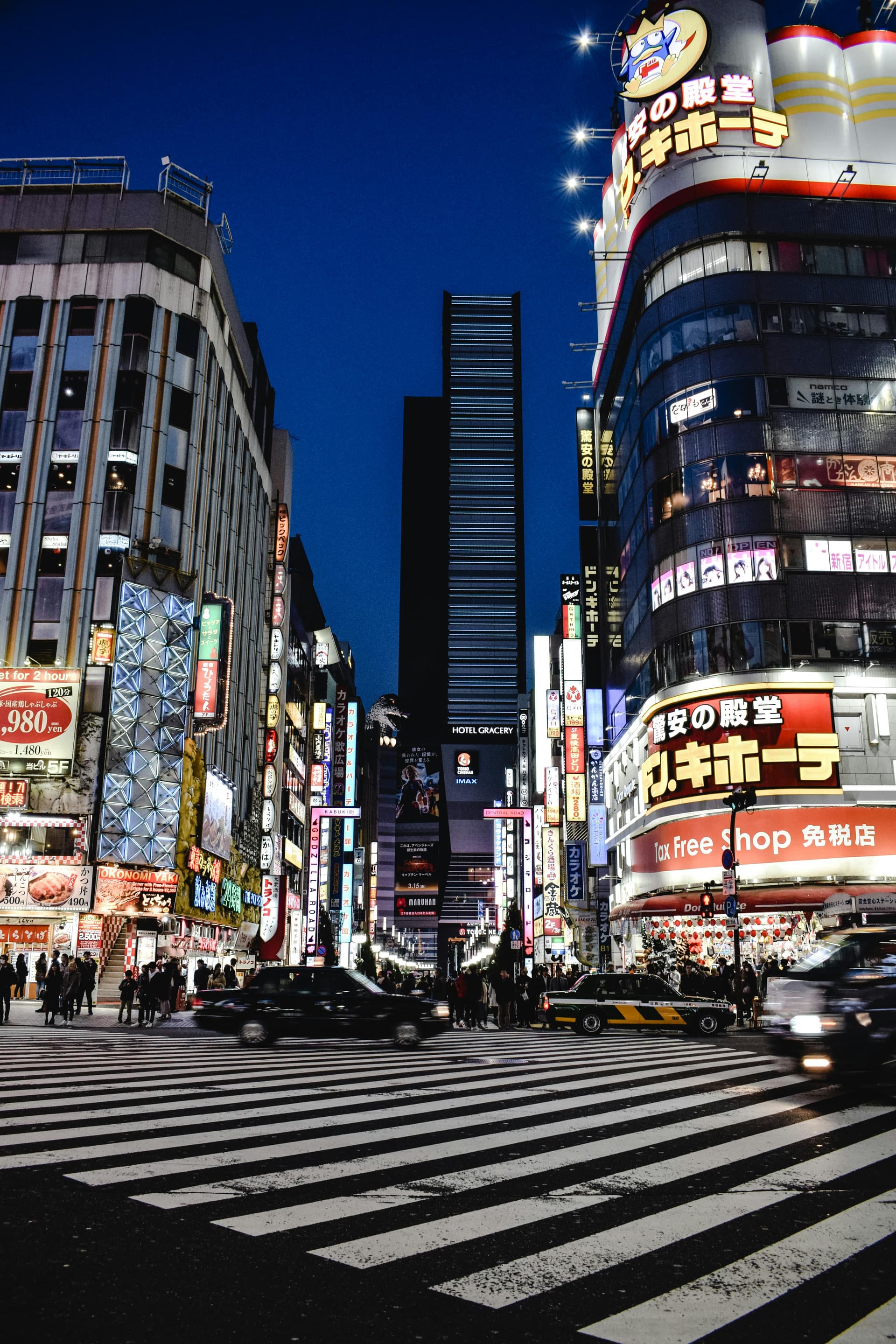
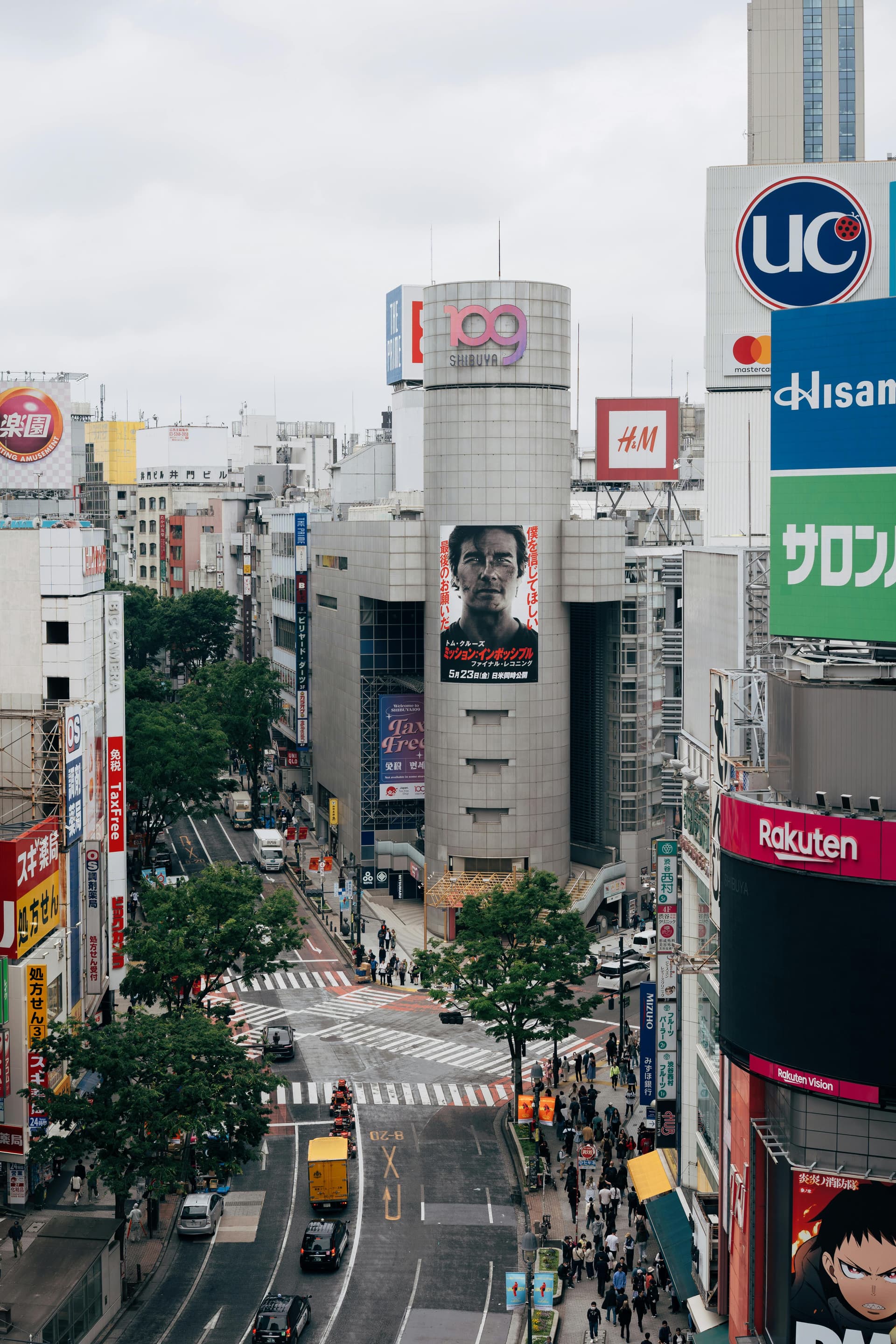
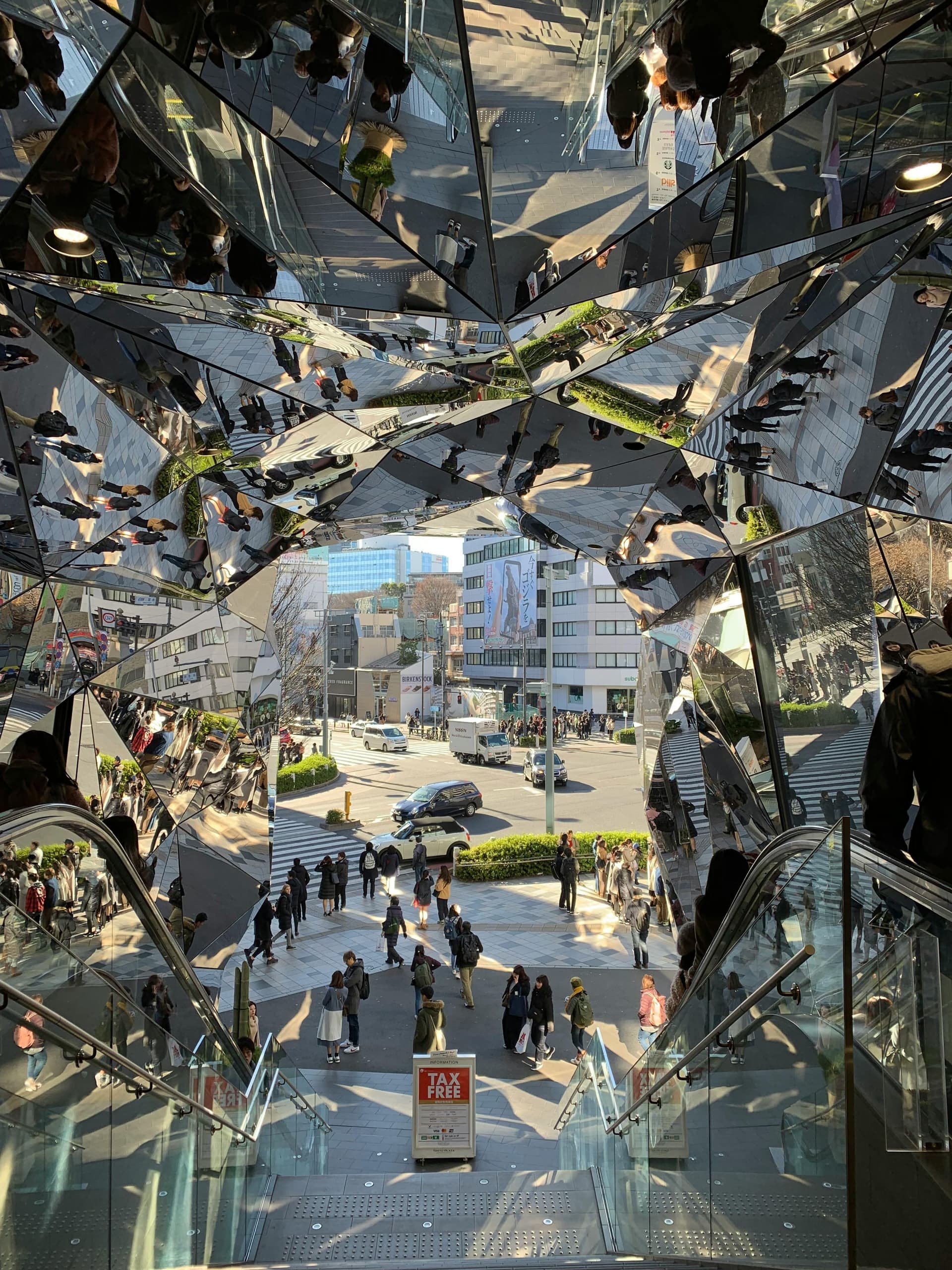
Walk straight from the crossing into Center Gai, Shibuya's main shopping street. Your guide tells the story of Seibu's PARCO (1973) and Tokyu's 109 (1979), and how the two companies' fight for young shoppers made Shibuya Tokyo's youth culture capital. You'll see both buildings and the streets they shaped.
- Center Gai's trend cycle: the shops change every few months and the crowds keep coming
- How 'fashion buildings' replaced traditional department stores and changed Japanese retail
- Why Shinjuku went corporate, Ginza stayed luxury, and Shibuya ended up with the young crowd
Backstreets: Nonbei Yokocho & Konno Hachimangu
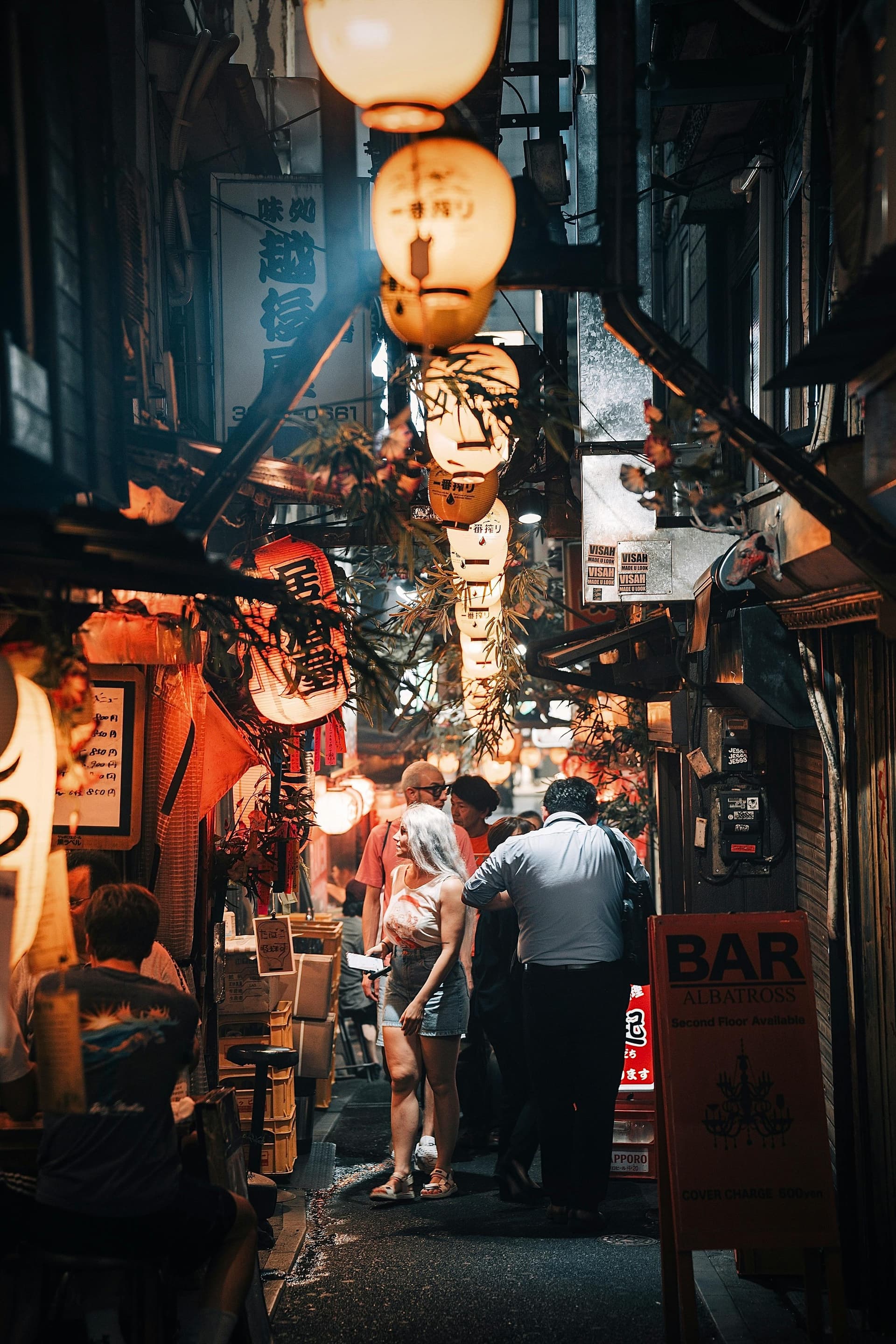
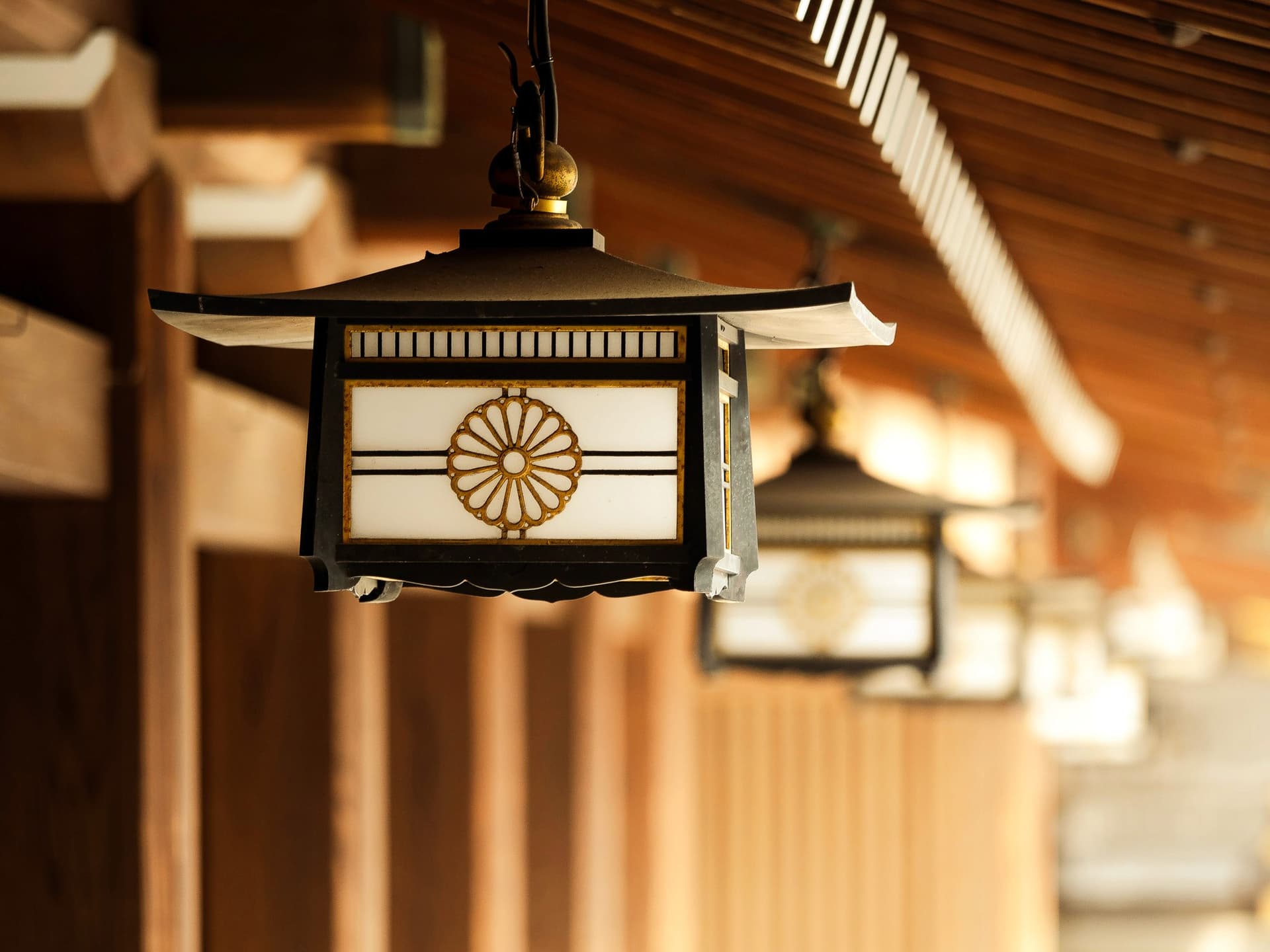
Leave the shopping streets and walk northeast to the older side of Shibuya. Nonbei Yokocho, a 1950s drinking alley, is worth seeing even before the bars open: about 40 tiny bars and rows of red lanterns. From there it's a short walk back past the station to Konno Hachimangu shrine (founded 1092), where office workers still come to pray.
- Nonbei Yokocho: a 70-year-old alley of bars where many seat only five or six
- Konno Hachimangu's halls, built in 1612 and among Shibuya's oldest surviving buildings, sitting in plain sight
- Why these places last while the shopping streets around them keep changing
Shibuya Stream & Modern Redevelopment
Walk south along the Shibuya River to Shibuya Stream, the 2018 redevelopment built around a riverside walk on an open stretch of the river. Your guide explains how corporate money is remaking Shibuya once again. The tour ends at Shibuya Stream's ground-level plaza, close to the station.
- The river: why Shibuya is said to mean 'bitter valley' and how the river shaped the district
- Shibuya Stream and Scramble Square, the newest round of corporate development
- The tour ends here. Shibuya Station is a few minutes' walk, or you can keep exploring on your own
This is merely a suggestion. Your itinerary is fully bespoke.
Your Private Experience Includes
HIDDEN SHRINE

SHIBUYA STREAM
YOUTH CULTURE