
Ueno Private Tour
A private Ueno tour for travelers who have seen the big booking-site listings and want to know what's different here. Those tours walk every group to the same museum entrance. Your guide sorts through the museum's 120,000 objects for your interests before you arrive, then takes you to the Ameyoko zones most visitors walk straight past.
Why Choose This Experience
For Travelers Who Want 120,000 Objects Narrowed Down
Tokyo National Museum holds 89 National Treasures across several buildings. Five minutes away, Ameyoko's 400-odd shops still carry a post-war black market's energy under the JR tracks. The museums are here because the Meiji government turned temple grounds into a public park; the market came later, after the war. Most Ueno tours online follow a fixed route and leave the museum to you. Our guide contacts you before the day, narrows the collection to what you care about, and builds the tour around it.
Museum Triage
Tokyo National Museum has 120,000 objects in several buildings. Your guide picks the rooms that match your interests before you arrive, so you don't spend the morning at the entrance with a floor map.
Market Navigation
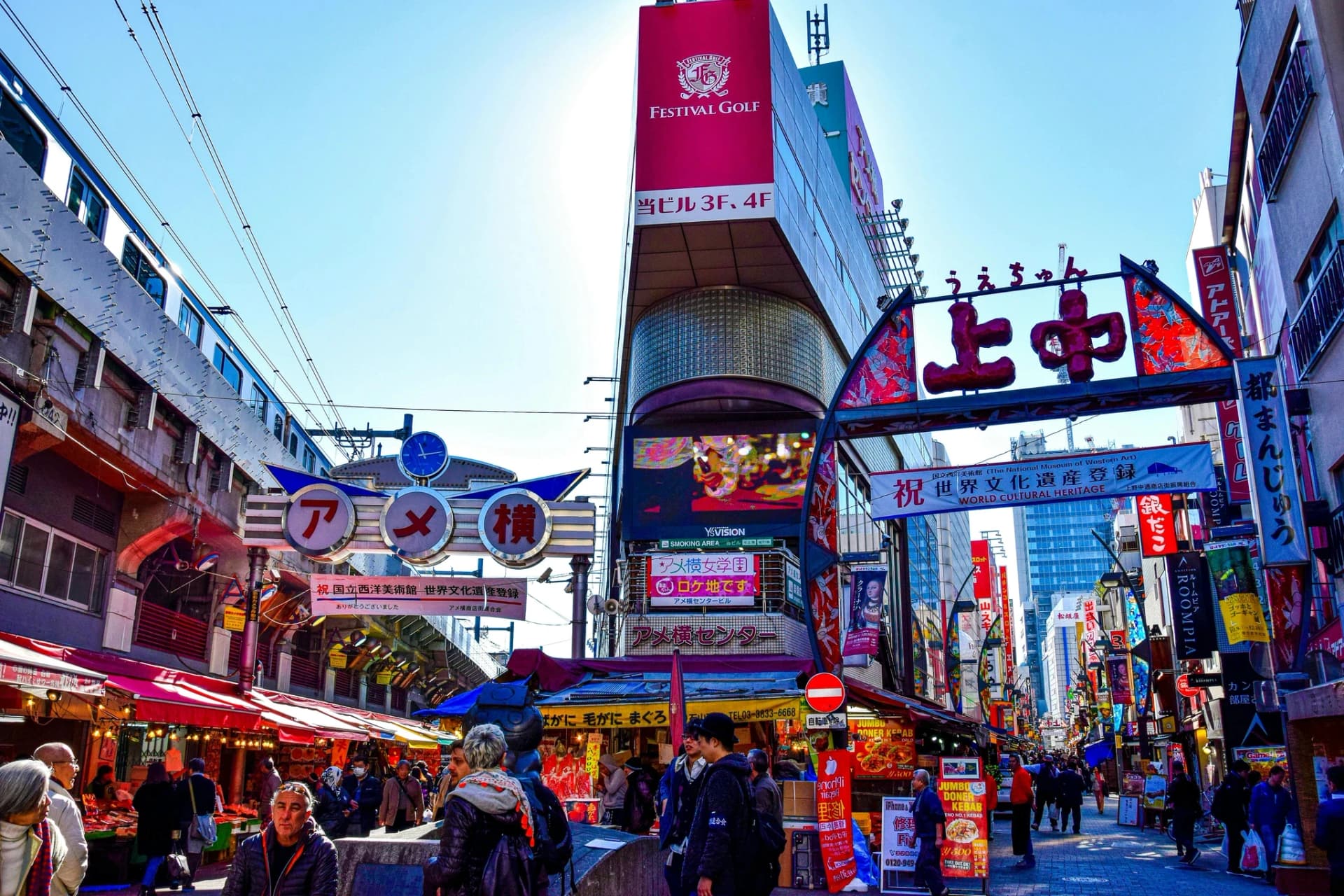
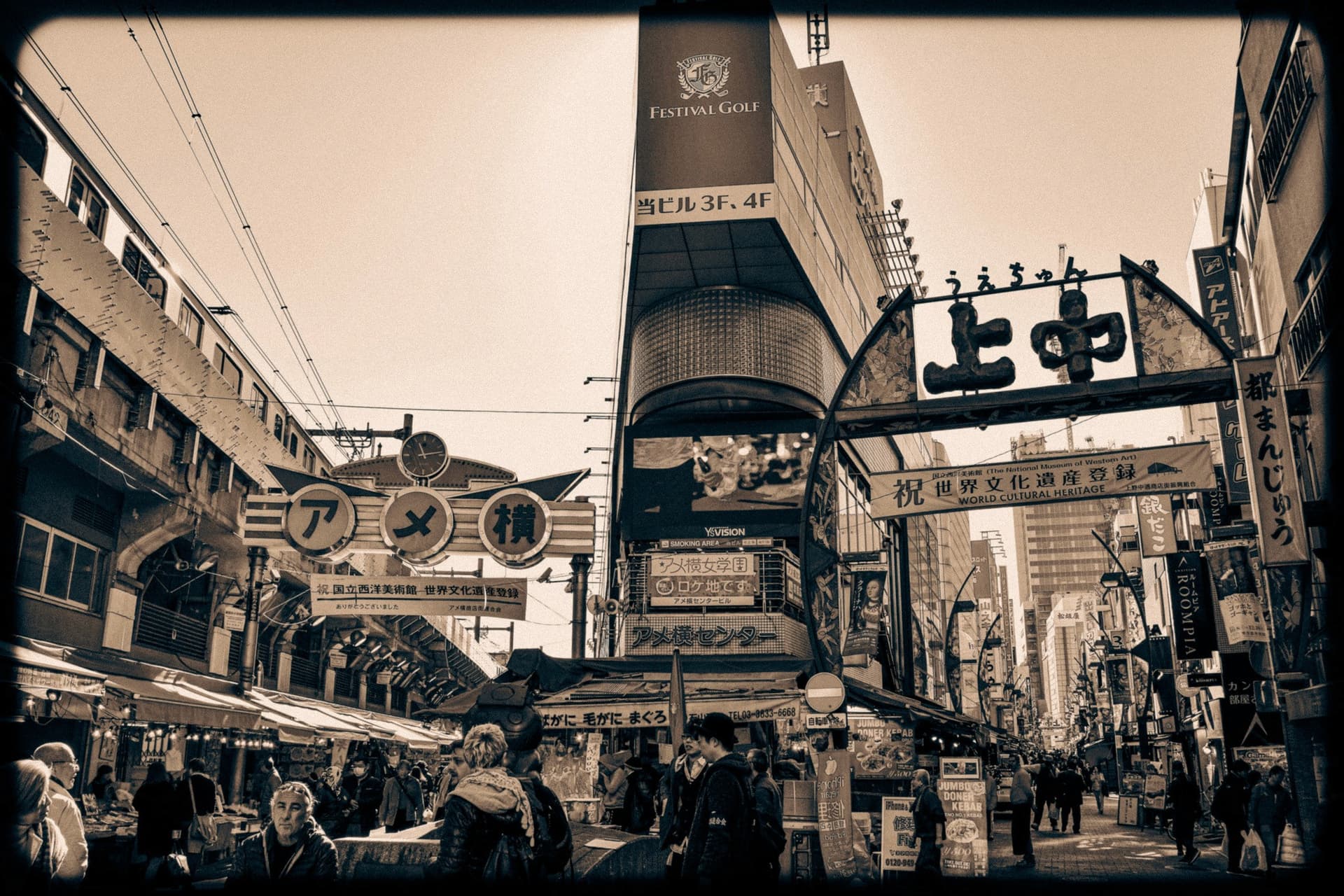
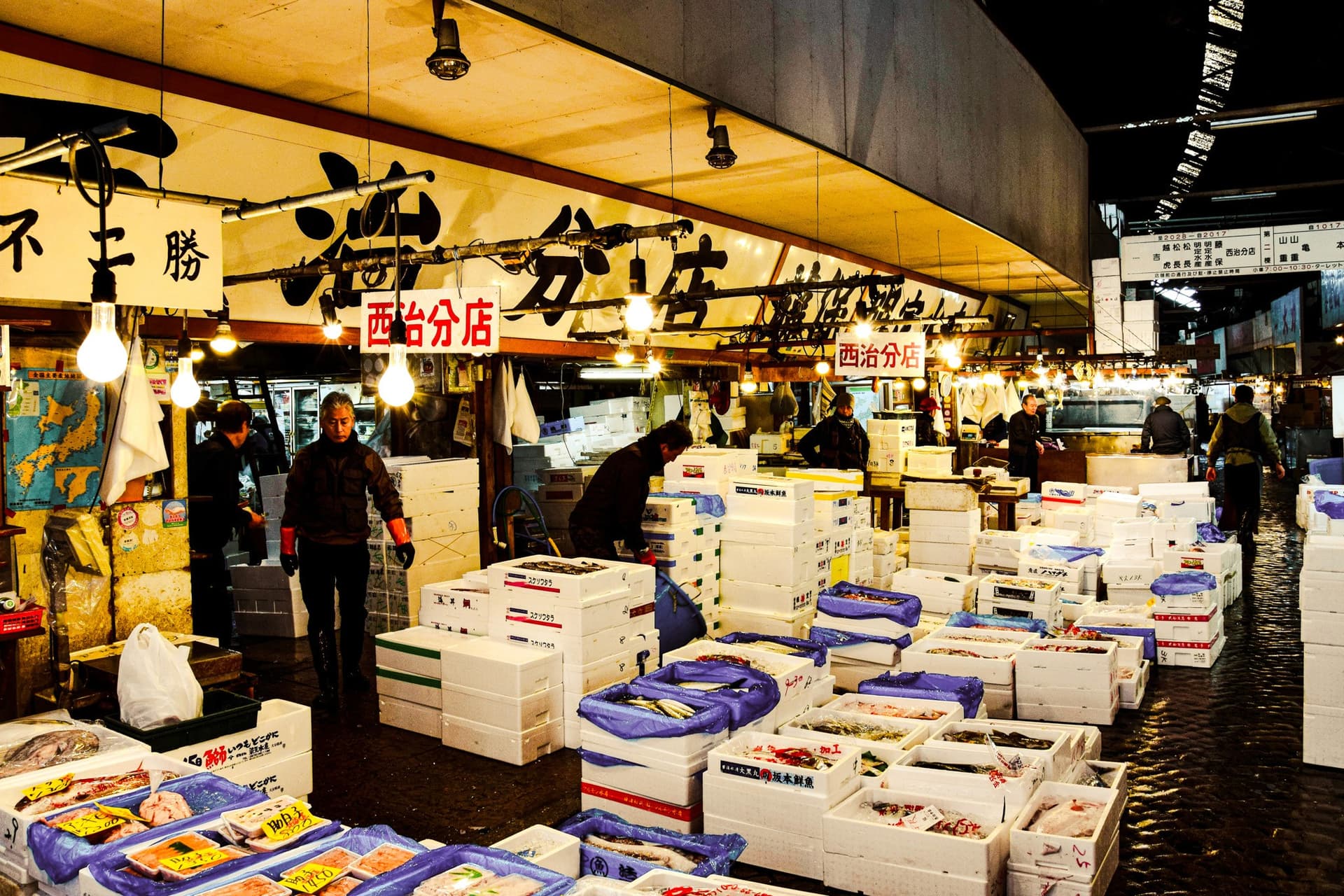
Ameyoko's 400 shops are laid out by zone: seafood at the north end, an Asian grocery in the basement, sukajan jackets under the tracks. Most people only walk the main strip. Your guide takes you past it.
Historical Connection
The museums are here because the Meiji government opened these temple grounds to the public. Ameyoko grew up beside the station after the war. Your guide tells both stories as you walk between them.
Real-Time Adjustments
If a gallery is closed for renovation or your energy drops after an hour, your guide changes the plan. They stay longer where it's working, cut what isn't, and find you coffee when you need it.
Ueno Private Tour Highlights

What Our Guests Say
"Our first day in Tokyo and what a perfect way to get started! He helped us understand the subway system, took us through markets, and kept us laughing."
"Fish market and Senso-ji were very interesting. Satoshi highlighted lots of interesting facts. Showed us where to get free samples and good photos."
"It gave us a great orientation to Tokyo. He helped us figure out the transportation system, which made the rest of our trip so much better!"
"He made adjustments to the schedule as needed, stayed overtime to see the Skytree, and accommodated picky eaters through his expertise of local food."
"My family wanted anime stuff and everything else jam packed into the day. Satoshi did not disappoint. My family is still raving about this tour days later!"
"I'd been to Tokyo many times before and still had never seen or heard of most everything he included in our tour. We liked it so much, we immediately booked a second day!"
AMEYOKO MARKET
UENO PARK
MARKET CULTURE
Your Journey
Ueno Park Before the Crowds
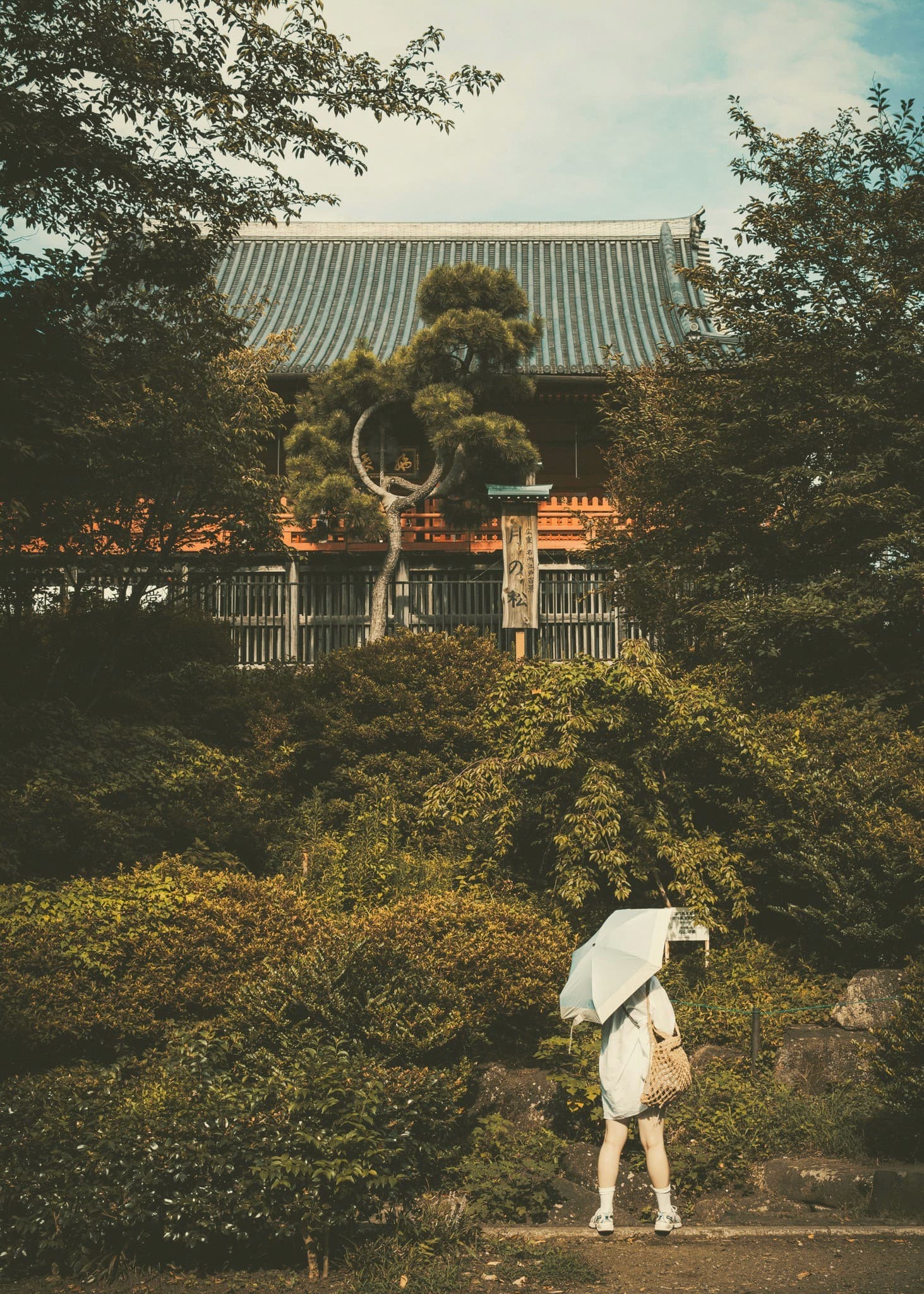
Meet at the Park Exit of Ueno Station and walk into Ueno Park while it's still quiet. Your guide starts at Shinobazu Pond, a lotus-covered lake with Bentendo temple in the middle. Next is Toshogu Shrine, first built in 1627 and rebuilt in 1651. It came through the 1868 battle, the 1923 earthquake and the war intact, with its gold leaf carvings and hundreds of stone lanterns donated by feudal lords. Then Kiyomizu Kannon-do, modeled on Kyoto's famous temple and one of the few buildings that survived the Battle of Ueno in 1868.
- Shinobazu Pond: lotus beds, waterbirds and Bentendo temple
- Toshogu Shrine: rebuilt 1651, gold leaf and stone lanterns, one of the few Edo-era buildings left in Tokyo
- Kiyomizu Kannon-do: survived the 1868 battle that destroyed the rest of the Tokugawa temple complex
One Museum, Chosen for Your Interests
Your guide recommends one museum based on what you told them, so you see one properly instead of rushing through three. Art and history lovers go to Tokyo National Museum (opens 9:30), Japan's oldest national museum and its largest art museum, with 120,000 objects across several buildings and 89 National Treasures shown in rotation. Start in the Honkan's National Treasure gallery, then follow your interests. Impressionist fans go to the National Museum of Western Art, Le Corbusier's only building in East Asia and a UNESCO site, with Monet inside and Rodin's Thinker in the courtyard. Families and science fans go to the National Museum of Nature and Science for dinosaurs, interactive exhibits and Hachiko.
- Tokyo National Museum: ¥1,000 admission, children under 18 free. 89 National Treasures on rotation
- National Museum of Western Art: ¥500, Le Corbusier UNESCO building. Manageable in 60 to 90 minutes
- National Museum of Nature and Science: dinosaur skeletons, Theater 360, interactive exhibits
Ameyoko Market and Its Post-War Roots
It's five minutes from the quiet museum to the noise of the market. Ameyoko started after the war as a black market selling American surplus goods (the name may come from its candy shops or from 'America'), and it still has that energy. Your guide takes you through it zone by zone: fresh seafood and dried goods at the north end, the chocolate auctions, menchi-katsu at a standing counter, the Asian grocery in the Center Building basement, and sukajan jacket shops under the tracks. On your own, it can be 30 minutes of dodging crowds.
- Chocolate auction: bags of about ¥1,000, sold with a shouted sales pitch
- Ameyoko Center Building basement: Asian grocery market
- Sukajan shops: embroidered silk bomber jackets, a style that started with post-war sales to American soldiers
Yanesen Edges and Lunch
From Ueno, the tour moves into the quieter Yanesen area. Yanaka, Nezu and Sendagi kept more of their pre-war wooden buildings and temple streets than most of Tokyo. Expect narrow lanes, neighborhood cats, and shops run by the same families for generations. Your guide walks you into the edge of it and finishes with lunch at a local place, ramen, tonkatsu or a small neighborhood restaurant that isn't on the tourist lists, depending on what you feel like. Yanaka's backstreets are worth exploring afterward on your own.
- Yanesen: Yanaka, Nezu and Sendagi, with pre-war houses, temple streets and traditional shops
- Lunch options: local ramen, tonkatsu or a neighborhood restaurant your guide recommends
- Optional onward: Yanaka Ginza shopping street, Nezu Shrine, or Asakusa a few subway stops away
This is merely a suggestion. Your itinerary is fully bespoke.
Your Private Experience Includes
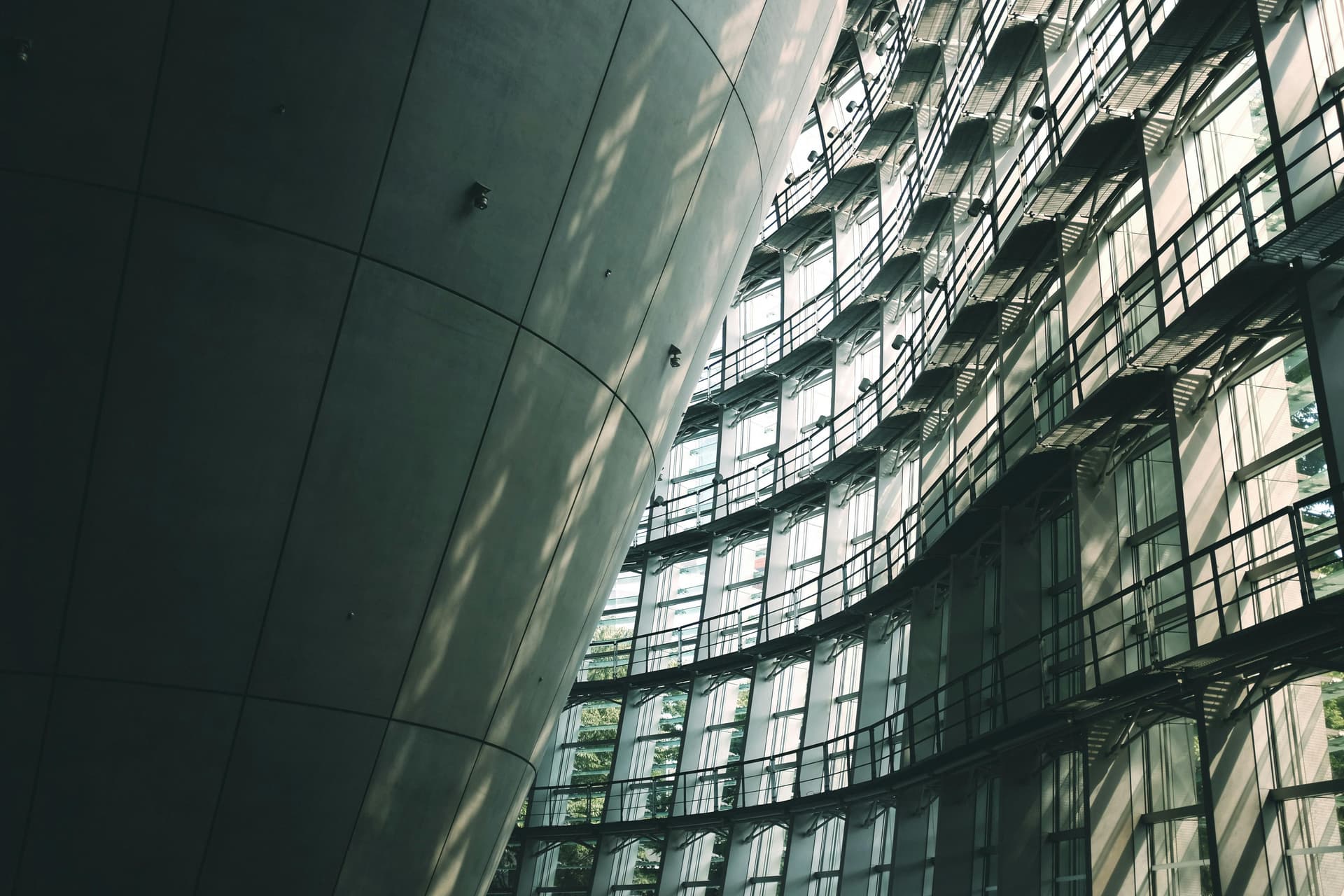
WORLD-CLASS MUSEUMS
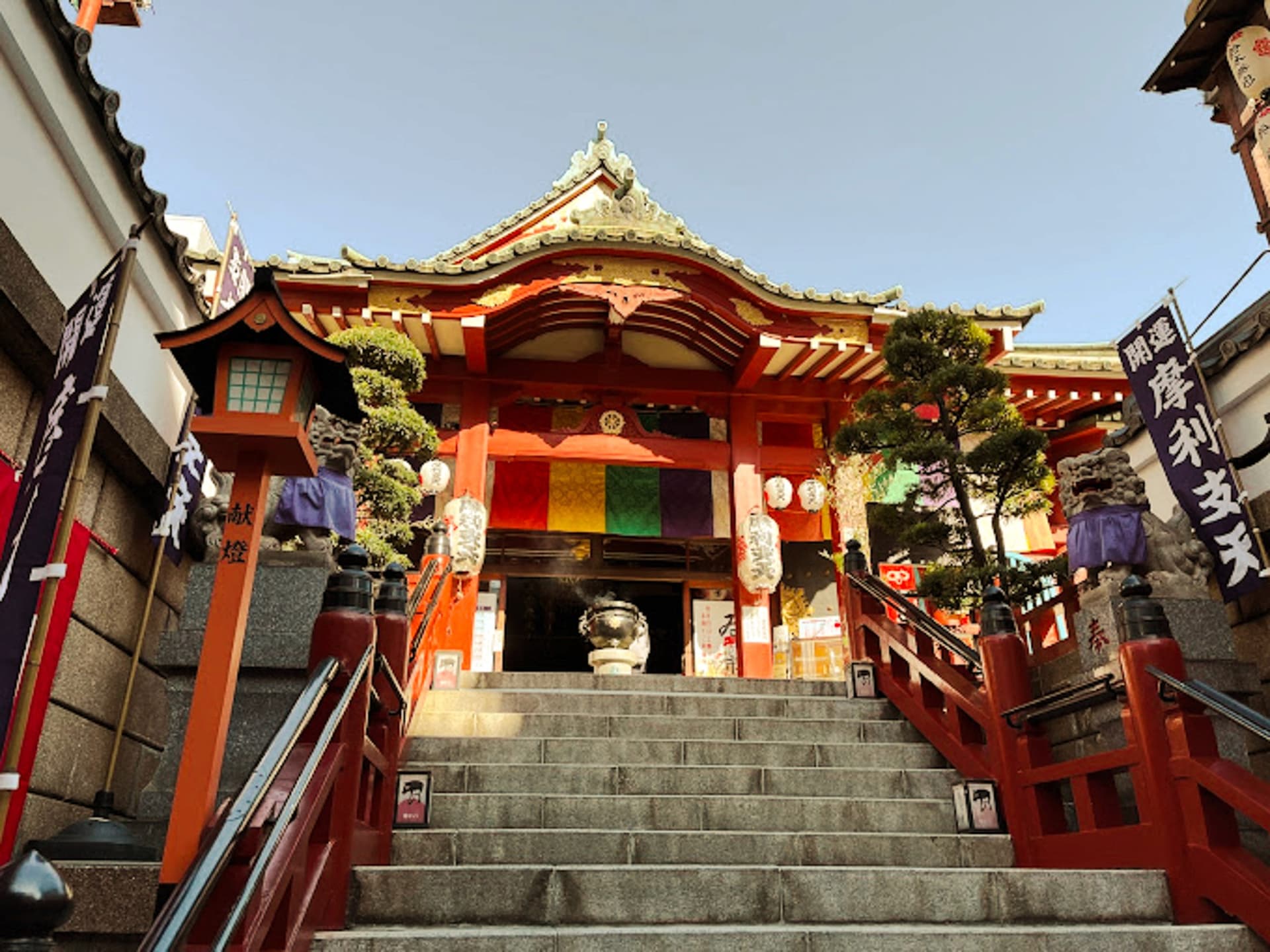
PARK TEMPLES
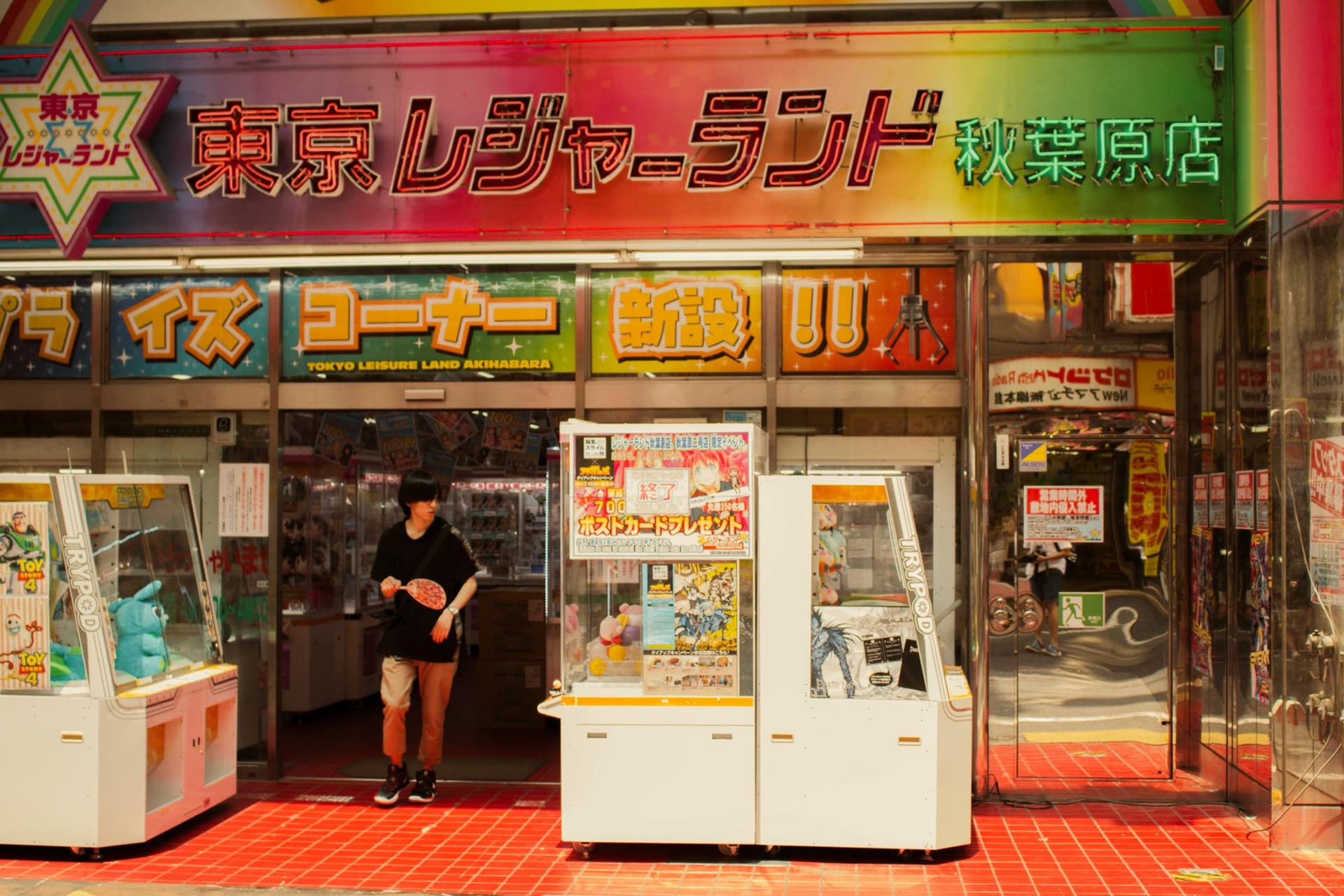
CULTURAL DISTRICT