

Shibuya Private Tour
A private Shibuya tour for travelers who want more than the crossing photo. Your guide walks you through the infrastructure, history, and hidden layers that make Shibuya Tokyo's most misunderstood neighborhood.
Why Choose This Experience
Because the Photo Isn't the Point
Shibuya Crossing looks like chaos—3,000 people flooding an intersection from eight directions every two minutes. It's not chaos. It's a 1973 infrastructure solution to moving nine train lines' worth of passengers through a single intersection. This tour explains the system, then takes you past it into Center Gai's commercial heart, a 1950s izakaya alley that hasn't changed while everything around it transformed, a 900-year-old shrine office workers still visit, and the modern redevelopment along the uncovered Shibuya River.
Infrastructure Story
Understand why nine train lines converge here, how 3,000 people cross without collision, and what makes Shibuya function—not just look impressive
Hidden Layers
A 900-year-old shrine, a 1950s drinking alley, and morning coffee culture—stable landmarks underneath a neighborhood that reinvents itself monthly
Cultural Context
Learn how Seibu and Tokyu's corporate rivalry in the 1970s manufactured Tokyo's youth culture capital—history that explains what you see today
Timing Intelligence
Your guide knows when the crossing peaks, when Nonbei Yokocho's alleys are uncrowded, and when mid-morning light reveals infrastructure most visitors never notice
Shibuya Private Tour Highlights


What Our Guests Say
"Our first day in Tokyo and what a perfect way to get started! He helped us understand the subway system, took us through markets, and kept us laughing."
"Fish market and Senso-ji were very interesting. Satoshi highlighted lots of interesting facts. Showed us where to get free samples and good photos."
"It gave us a great orientation to Tokyo. He helped us figure out the transportation system, which made the rest of our trip so much better!"
"He made adjustments to the schedule as needed, stayed overtime to see the Skytree, and accommodated picky eaters through his expertise of local food."
"My family wanted anime stuff and everything else jam packed into the day. Satoshi did not disappoint. My family is still raving about this tour days later!"
"I'd been to Tokyo many times before and still had never seen or heard of most everything he included in our tour. We liked it so much, we immediately booked a second day!"
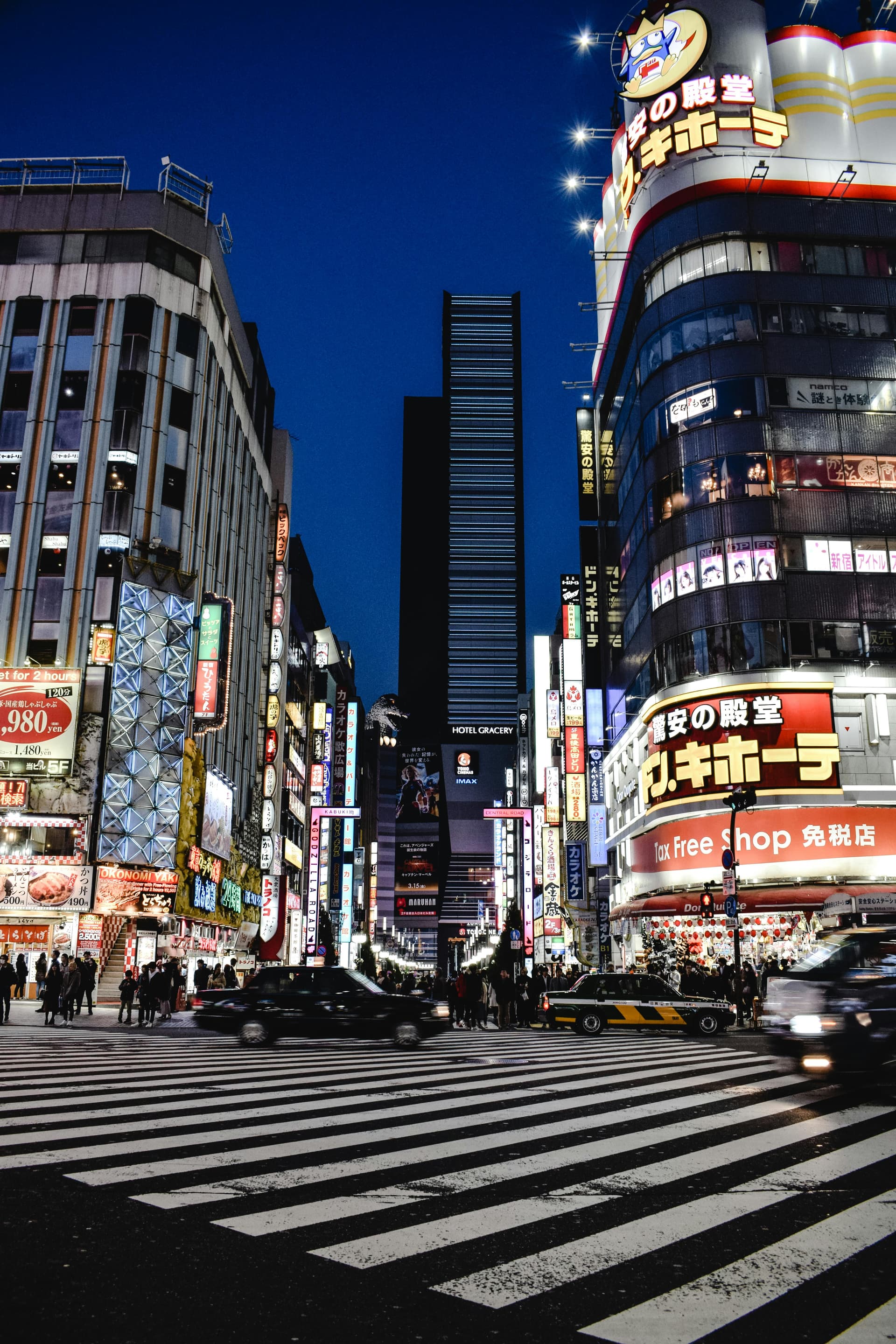
THE SCRAMBLE
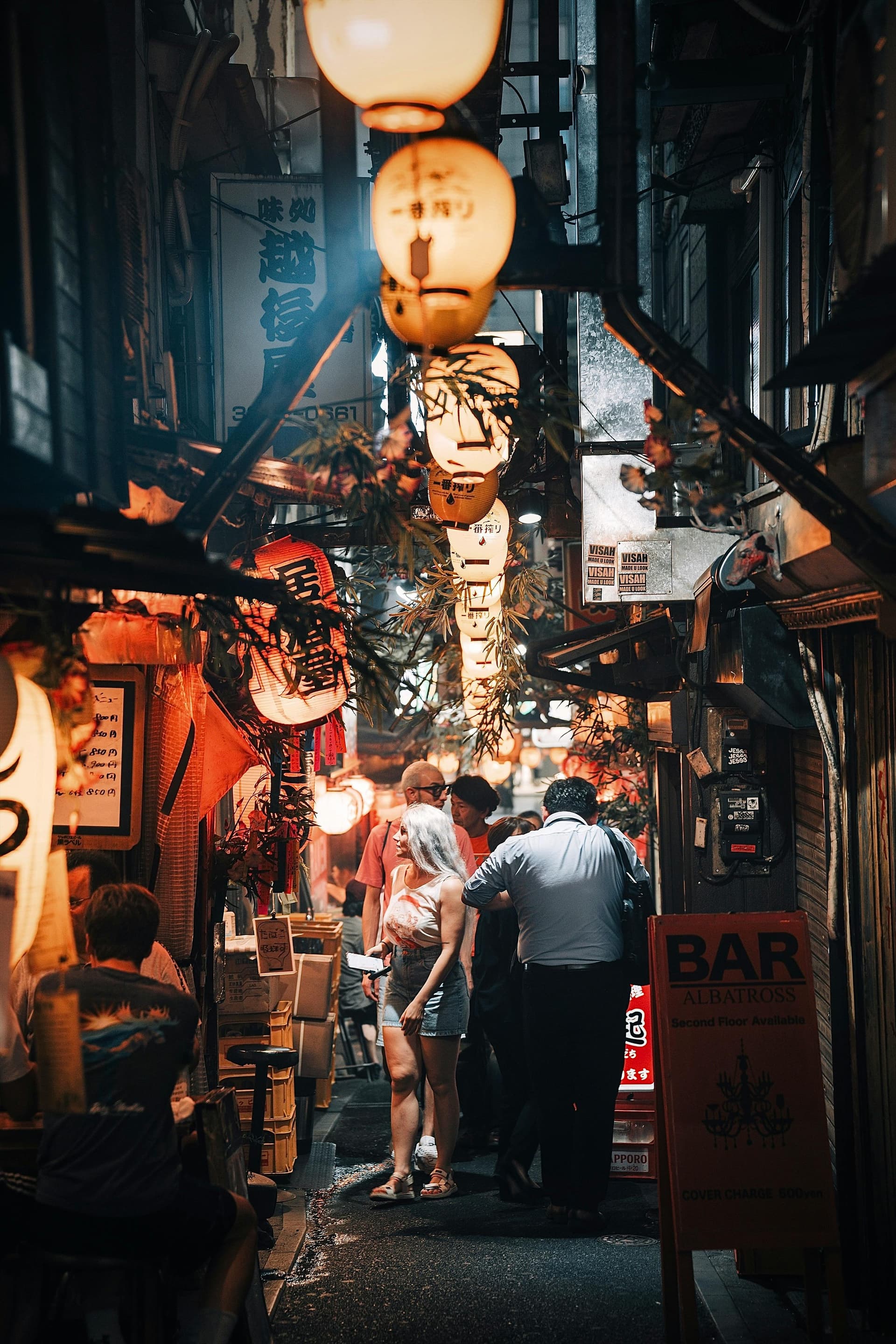
NONBEI YOKOCHO
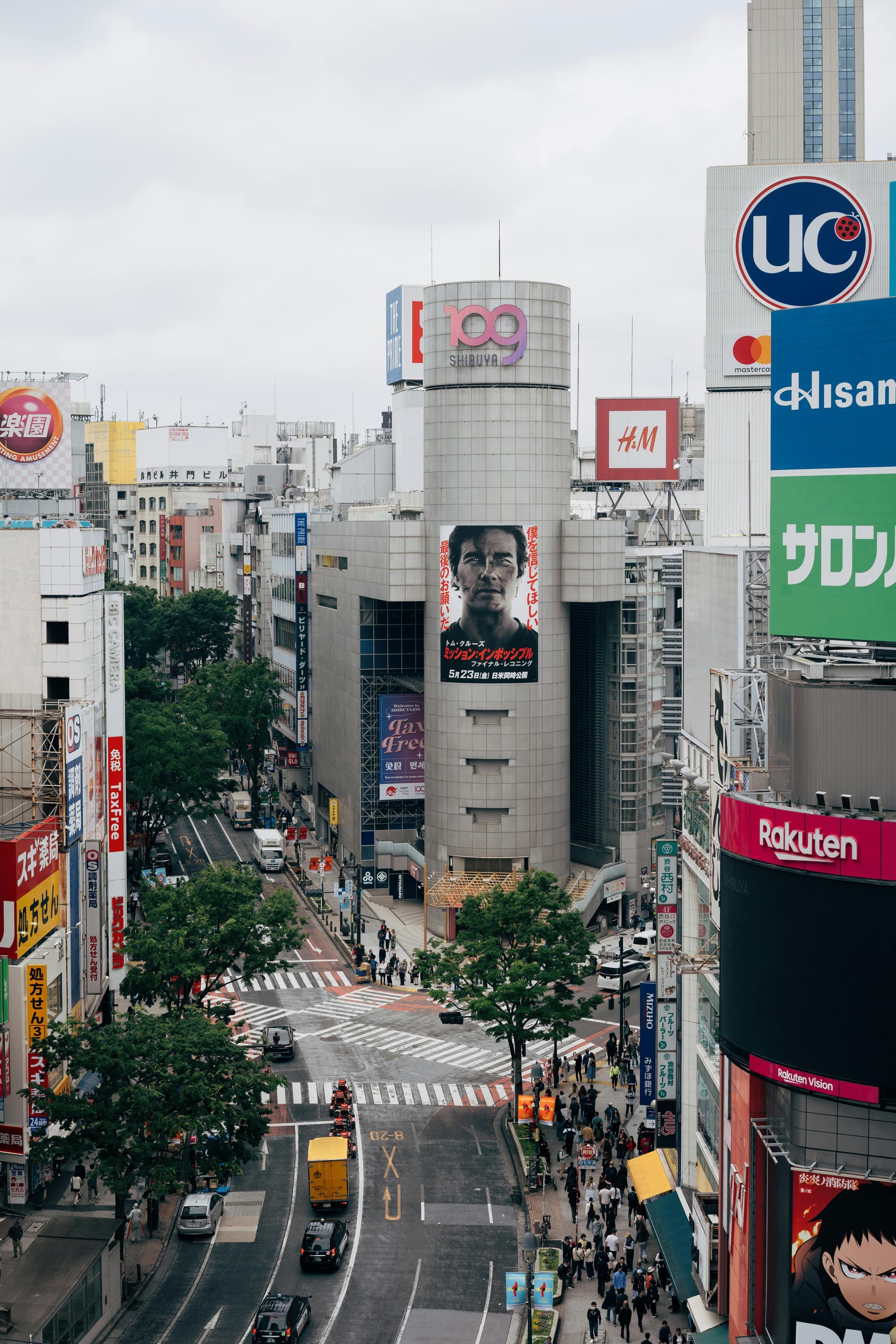
SHIBUYA 109
Your Journey
Shibuya Crossing & the Infrastructure Story
Meet at Shibuya Station's Hachiko exit. Your guide starts with the statue and the loyalty story, then positions you at an elevated viewpoint—Magnet by Shibuya 109's rooftop or the Starbucks crossing view—for the full visual scale. Walk through the scramble itself at mid-morning pace: moderate density, good light, and enough flow to see the system working.
- Why nine train lines converge here—the geography and corporate history that created the intersection
- How the 1973 scramble crossing solution works: eight pedestrian paths, diagonal movement, signal timing
- Mid-morning is ideal—commuter rush has passed, density is enough to see the system without being overwhelmed
Commercial District — Center Gai, 109 & PARCO
Walk directly from the crossing into Center Gai and the commercial heart. Your guide tells the story of Seibu's PARCO (1973) and Tokyu's 109 (1979)—how their corporate battle for young shoppers accidentally manufactured Tokyo's youth culture capital. See the buildings, walk the streets, understand why this specific rivalry shaped what Shibuya became.
- Center Gai's trend cycle—shops change every few months, the energy doesn't
- How 'fashion buildings' replaced traditional department stores and changed Japanese retail
- The positioning that stuck: why Shinjuku went corporate and Ginza stayed luxury, but Shibuya got youth
Backstreets — Nonbei Yokocho & Konno Hachimangu
Leave the commercial zone and walk northeast into Shibuya's hidden layers. Nonbei Yokocho's 1950s drinking alley is architecturally fascinating even before the bars open—forty tiny izakayas in alleys barely two meters wide, red lanterns, three generations of the same families. Then a five-minute walk to Konno Hachimangu shrine (founded 1092), where office workers still pray in a space older than most European cathedrals.
- Nonbei Yokocho: 2-meter-wide alleys, 4-8 seat bars, unchanged for seventy years while everything around transformed
- Konno Hachimangu's 1612 wooden structure—oldest building in Shibuya ward, hidden in plain sight
- Why these places survive when everything around them transforms—cultural infrastructure vs. commercial surface
Shibuya Stream & Modern Redevelopment
Walk south along the Shibuya River to Shibuya Stream, the 2018 redevelopment that uncovered the river after decades buried under concrete. Your guide explains how Shibuya is reinventing itself again—the same pattern of corporate investment that built the youth culture district now reshaping it into something new. Tour ends at Shibuya Stream's ground-level plaza, with easy access back to the station.
- The buried river story—why Shibuya literally means 'bitter valley' and how the river shaped the district
- Shibuya Stream and Scramble Square: the latest chapter in the corporate development cycle
- Tour ends here—Shibuya Station is a 3-minute walk, or continue exploring independently
This is merely a suggestion. Your itinerary is fully bespoke.
Your Private Experience Includes

HIDDEN SHRINE

SHIBUYA STREAM
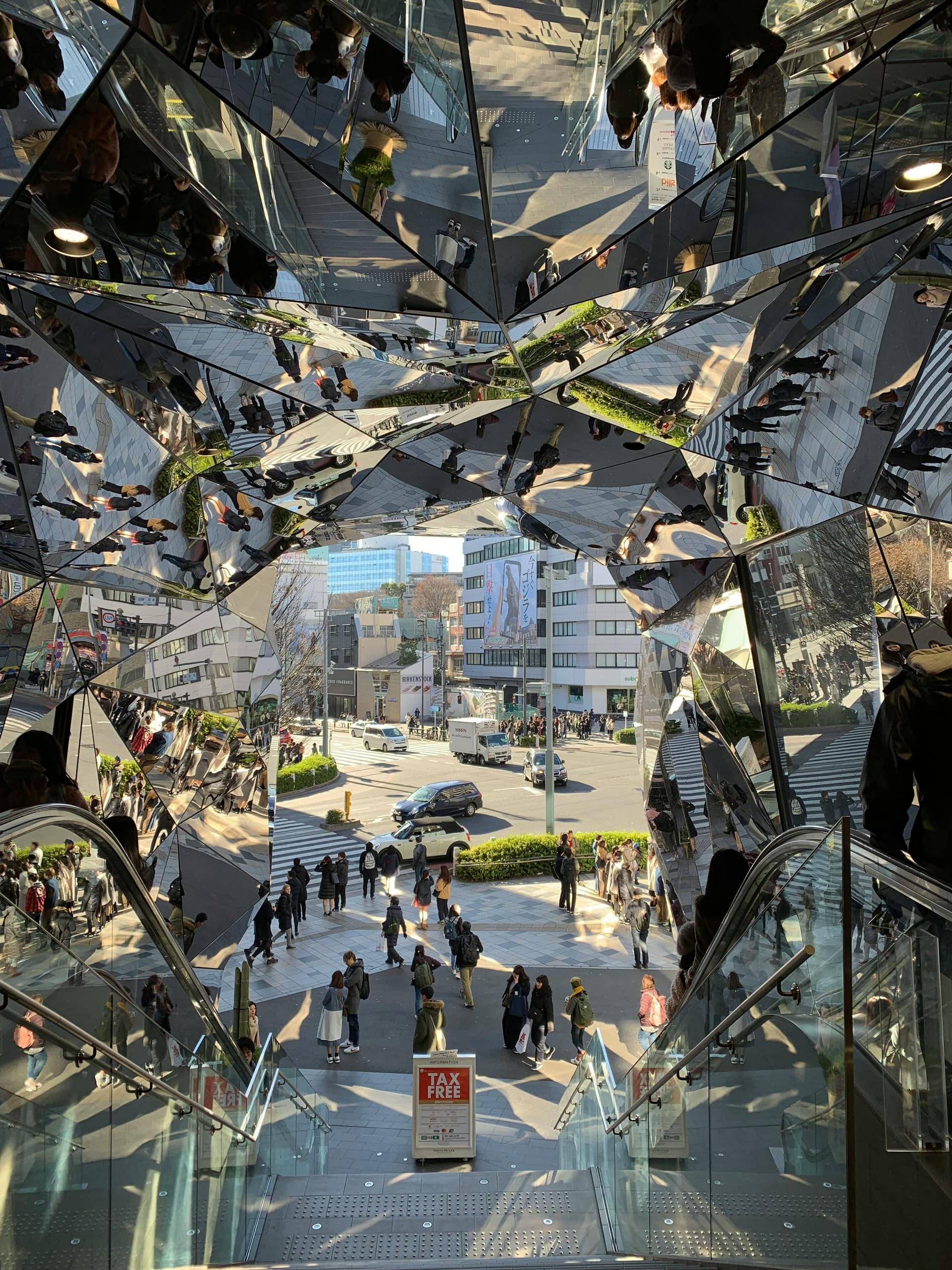
YOUTH CULTURE