Interests
What you're actually booking, how to evaluate guide expertise, and where the real architecture lessons are
November 28, 2025
12 mins
Tokyo's architecture tells a story of constraints—earthquake codes, land scarcity, post-war reconstruction—that shaped one of the world's most engineered cities. Whether that story interests you more than photographing famous buildings determines which type of architecture tour actually makes sense.
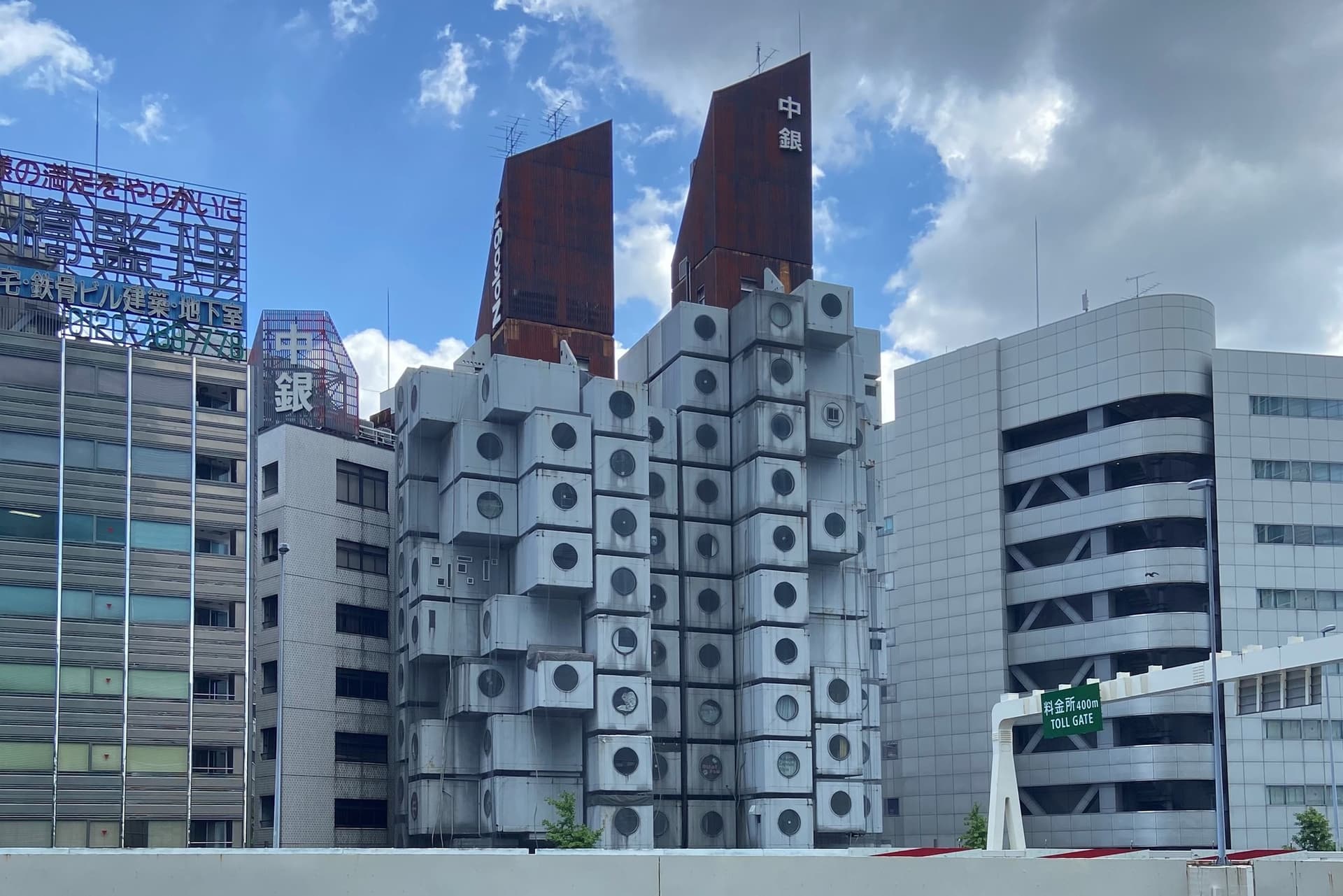
The Nakagin Capsule Tower—Tokyo's metabolism icon—was demolished in 2022. Some operators still mention it. Most architecture tours are designed around what photographs well, not what reveals how Tokyo actually works.
"Architecture tour" in Tokyo means radically different things. The type you book determines whether you spend three hours photographing buildings or understanding why they exist.
Building-spotting tours drive past Mode Gakuen Cocoon Tower, Tokyo Skytree, and Omotesando luxury facades. Your guide names architects and completion dates. You photograph. You leave.
Urban systems tours walk through residential Meguro or Ebisu where 3-meter-wide lots force vertical stacking. Your guide explains how the 1981 earthquake code shaped every building's structure. You see solutions to constraints, not aesthetic achievements.
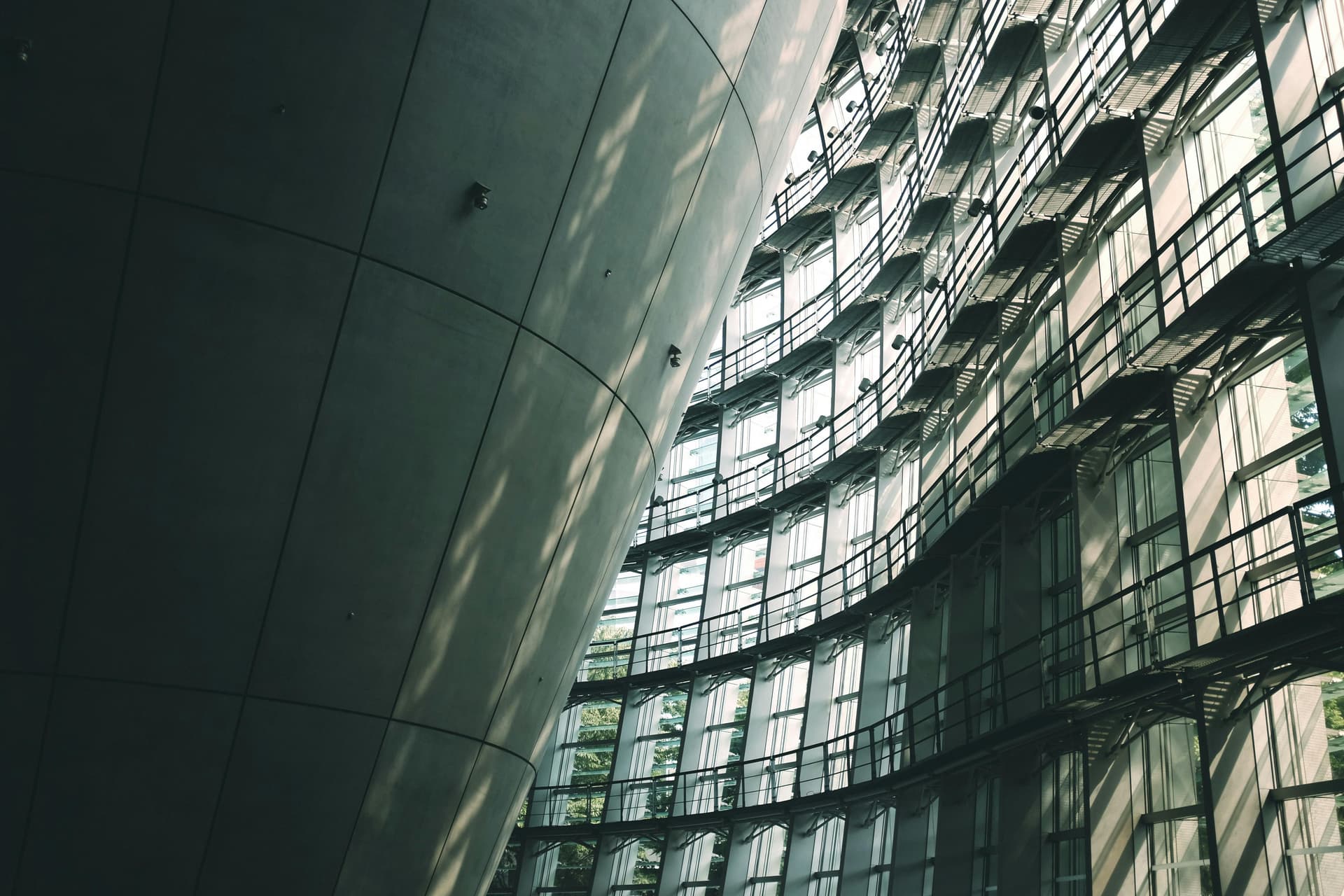
Metabolism nostalgia tours treat 1960s-80s buildings as design objects rather than what they were: radical innovation under extreme post-war constraints. Accessible now: Yoyogi Gymnasium (Tange, 1964), National Art Center (Kurokawa, 2007). Gone: Nakagin, replaced by a hotel opening 2027.
Every operator mentions Tadao Ando, Kengo Kuma, Kenzo Tange. Every itinerary includes Omotesando. The actual distinguisher is guide background—but websites bury this under "passionate about architecture" language that reveals nothing about whether your guide studied architecture or just enjoys buildings.
The real question: do you want building-spotting or systems understanding?
Your guide's professional background determines what you learn. The gap between an architect explaining seismic design and a licensed tour guide naming buildings is the gap between understanding Tokyo and photographing it.
Japanese national tour guide licensing certifies language ability and general historical knowledge—not architectural expertise. For more on what licensing actually means, see licensed vs unlicensed tour guides. Showcase Tokyo uses government-accredited licensed guides who are architecture enthusiasts. Artchitectours employs only registered architects with custom routes through Ginza (Hermès, Armani Tower, former Nakagin site) or Omotesando (Dior, TOD'S, Prada, SunnyHills). Context Travel uses architects or design writers with advanced degrees—their Tokyo guide Rafael holds a PhD from University of Tokyo under Kengo Kuma.
The distinction shows in reviews. Enthusiast guides receive praise for warmth and discovering unexpected spots. Architect guides receive praise for explaining why Hermes Ginza's 33,000 glass tiles exist for earthquake performance, not aesthetics.
The expertise test: Ask "Can you explain Tokyo's 1981 earthquake code and how it changed building design?"
If they discuss structural engineering—base isolation, damping systems, seismic joints—they have technical knowledge. If they say it was "updated for safety" without specifics, they don't.
Match guide background to what you want to learn. If you want technical depth—structural systems, seismic engineering, material science—architect guides deliver that. If you want to see the right buildings with good context but don't need a technical seminar, an architecture-informed itinerary with an engaging non-architect guide works better.
Tokyo's architecture is about constraints, not aesthetics. Three forces explain the city better than any architectural philosophy.
The 1981 Earthquake Code
June 1, 1981 divides Tokyo architecture into two eras. Before: buildings designed to withstand JMA intensity 5+ earthquakes. After: buildings must withstand intensity 6+ to 7 without collapse. Every post-1981 structure shows this difference.
The 1923 Great Kanto Earthquake killed over 100,000 people. Codes evolved through 1924, 1968, and the watershed 1981 revision (Shin-Taishin). Post-1981 buildings use three structural approaches:
Approach | Method | What it protects |
|---|---|---|
Taishin | Reinforced frames | Life (building survives but may be unusable) |
Seishin | Damping systems that absorb energy | Reduces shaking damage |
Menshin | Base isolation separating building from ground | Function (occupants return immediately) |
Evidence appears in exposed structural elements, building bases that seem separated from foundations, and facade materials chosen for seismic flexibility.
The National Museum of Western Art in Ueno demonstrates base isolation visibly—Japan's first seismic retrofit using this technology (1998). During the 2011 earthquake, the isolation system absorbed 60% of seismic force. The building suffered no damage.
Every luxury brand building in Omotesando, every residential tower, every commercial structure built after 1981 shows code-driven design. Learning to see seismic engineering is learning to see Tokyo's architectural DNA.
Land Scarcity and Vertical Logic
Residential neighborhoods in Meguro, Ebisu, and Nakameguro show 3-meter-wide lots—barely wide enough for a car. Buildings stack vertically because horizontal expansion is impossible. Staircases occupy 30% of ground-floor space. Windows appear in unexpected locations because natural light is a constraint-solving problem, not an aesthetic choice.
Post-War Destruction as Design Driver
American bombing in 1945 destroyed approximately 50% of Tokyo's built area. The metabolism movement (1960s-1980s) emerged from reconstruction needs: Kurokawa, Tange, Maki, and Kikutake designed adaptable structures for a city that needed housing fast and didn't know in what configuration.
Yoyogi National Gymnasium (1964) used suspension roof structures—civil engineering from bridge construction—because post-war material access was limited.
Contemporary glass towers use advanced materials because they can. Metabolism buildings used innovative structures because they had to.
Tourist icons—Tokyo Skytree, Mode Gakuen Cocoon Tower—teach little about Tokyo's architectural DNA. The most revealing architecture exists in residential neighborhoods where constraints forced innovation.
Anonymous residential buildings in Meguro and Ebisu reveal constraint logic that museum architecture obscures. Tadao Ando's 21_21 Design Sight is beautiful—but it doesn't show you how residents solve the 3-meter-lot problem.
Tower House (Takamitsu Azuma, 1966) in Jingumae fits 65m² of living space on a 20m² plot across six floors—a vertical solution that influenced a generation of Japanese architects. Find it on Aoyama's "Killer Street" across from the Watari Museum of Contemporary Art (Mario Botta, 1990). Best visible in winter when the tree clears. These aren't famous tourist destinations. They're constraint-solving made architecture. For guided exploration of residential constraint architecture, see Nakameguro private tours.
Tour reviews don't mention Skytree or Mode Gakuen as highlights. They emphasize back alleys in Ginza, small shrines wedged between buildings, understanding earthquake-proofing systems. The revelations come from understanding systems, not photographing icons.
Omotesando's luxury facades teach lessons—but not the ones marketing suggests. Even unlimited budgets cannot escape Tokyo's constraint-first logic. Luxury brands design for earthquakes and narrow lots. The difference: they can afford architects who make constraints look like aesthetic choices.
Most architecture tours are exterior-only. This isn't a limitation—exterior observation is the right access level for learning urban systems. Blog photos showing Tadao Ando interiors or metabolism building spaces come from special access, press events, or property ownership.
Tokyo's architectural lessons are visible from streets: seismic joints, base isolation systems, material choices, vertical stacking solutions. Interiors show what individual architects chose. Streets show what Tokyo forces architects to do.
The exception: Tokyo Architecture Festival (2025: May 17-25) offers access to 30+ normally-closed buildings. Tours in Japanese; popular venues use lottery systems. For other interior experiences, visit public museums independently (National Art Center, 21_21 Design Sight).
Architecture tours mean sustained outdoor observation. You stand on sidewalks examining facades for 5-10 minutes per building while guides explain structural systems. Summer: extended sun exposure. Winter: standing in cold discussing earthquake engineering.
Unlike food tours that alternate indoor/outdoor, architecture tours keep you outside. Reviews note 3-hour walks covering 12 kilometers—but significant time is spent standing, not walking. For details on physical demands, see how much walking on a Tokyo private tour. Gear considerations: what to wear and bring on Tokyo private tours.
First-timers needing general orientation: Architecture tours assume you understand Tokyo's geography, transit, and neighborhoods. Better sequencing: general orientation first visit, architecture focus on return.
Photo focus over systems understanding: Tour pacing prioritizes explanation over photo time. If you want unlimited time at Skytree or Omotesando facades, go independently.
Mild interest rather than passion: Specialty tours cost ¥8,000-24,000. If you're unsure whether architecture justifies that, it doesn't. Enthusiasts know. For a broader look at whether private tours make sense, see are private tours in Tokyo worth it.
For the full framework on when to book a guide versus exploring alone.
Questions That Reveal Guide Expertise
Don't ask "are your guides knowledgeable?" Everyone says yes. Ask questions that reveal actual expertise:
"Are your guides registered architects or licensed tour guides with architecture interest?"
"Can guides explain Tokyo's 1981 earthquake code and how it changed building design?"
"What structural systems will we learn about?"
"What would I learn at the Hermes building in Ginza?"
If responses mention specific engineering content—suspension structures, seismic joints, material seismic properties—the guide has technical background. If responses emphasize "beautiful modern design" without specifics, general knowledge. For more vetting questions beyond architecture, see 10 questions to ask before booking.
Format Trade-offs
Small group (6-10 people): ¥8,000-12,000 per person. Questions possible but brief, pace set by slowest walker, limited photo time.
Private: ¥17,000-24,000+ per person. Unlimited questions, flexible pacing, adjustable technical level. For context on what drives these prices, see Tokyo private tour pricing guide.
Half-day (3-3.5 hours): Single neighborhood deep focus, 8-15 buildings, ~12km walking. Better for learning architectural reading skills in one context.
Full-day (8 hours): Multiple neighborhoods, 25-40 buildings, ~20km+ walking. Comparative context but less depth per location. For a deeper look at this trade-off, see full-day vs half-day private tours.
Operator Comparison
Operator | Guide Credentials | Format | Pricing |
|---|---|---|---|
Showcase Tokyo | Licensed guides (architecture enthusiasts) | Fixed routes, 2-3 hours | ¥17,000-24,000/person |
Context Travel | Architects or design writers with advanced degrees | Private or small group | ~¥40,000/person (8 hours) |
Artchitectours | Registered architects only | Private custom | Consultation-based |
Hinomaru One | Architecture-informed itinerary design; passionate English-speaking guides | 8-hour fully custom | $550 for group of 2 |
Infinite Tokyo: 8 hours, fully custom, $550 for groups up to 2.
If ¥8,000-24,000 exceeds your budget, alternatives exist.
Free architecturally significant buildings:
Tokyo Metropolitan Government Building (Shinjuku): Free observation deck, Kenzo Tange (1991)
National Art Center Tokyo (Roppongi): Free entry, Kisho Kurokawa (2007)
Yoyogi National Gymnasium (Harajuku): Visible from Yoyogi Park, Tange's 1964 suspension roof
Omotesando/Ginza facades: Observable from sidewalks
Free architecture resources:
TOTO GALLERY·MA (Nogizaka): Free exhibitions, architecture bookshop below. Pick up TOTO Publishing's Architectural Map of Tokyo—designed for architecture pilgrimages
GA Gallery (Sendagaya): Exhibitions plus bookshop with foreign publications and rare posters
National Art Center Tokyo Art Library (3rd floor): Free architecture publications
Tsutaya Books T-Site (Daikanyama): Massive architecture section, free browsing (7am-2am)
What you gain: visual exposure, pattern recognition. What you miss: technical explanation of why things look the way they do.
Strategic spending: If budget allows ¥8,000-12,000 but not ¥20,000+, book a single 2-hour focused walk. The first hour of expert interpretation teaches you what to look for—seismic joints, base isolation, material choices—then apply that independently. See Tokyo private tour planning guide.
Our tour design team includes architecture and philosophy backgrounds—so your itinerary hits constraint-driven neighborhoods like Nakameguro's residential backstreets, the Watari Museum area where Tower House stands across from Mario Botta's 1990 building, or SunnyHills where Kengo Kuma built a pineapple cake shop using traditional wood joinery with no nails. Your guide is an engaging English speaker who makes the day enjoyable, not an architect lecturing on structural dynamics. Architecture understanding without architecture-speak.
At Hinomaru One, we design culturally rich, stress-free private Tokyo tours for first-time and seasoned travelers. Unrushed. Insightful. Always customized.