
Traveler Types

Tokyo Layover Tours: Making the Most of Your Stop with a Private Guide

Tokyo Layover Tours: Making the Most of Your Stop with a Private Guide

Most layover travelers stay in the airport. The brave ones venture into the city and panic about making it back. The smart ones book a guide who knows exactly how much Tokyo fits in your window.

November 19, 2025

5 mins read

share this article

/

Tokyo Layover Tours: Making the Most of Your Stop with a Private Guide

/

Tokyo Layover Tours: Making the Most of Your Stop with a Private Guide

/

Tokyo Layover Tours: Making the Most of Your Stop with a Private Guide

You Have Eight Hours Between Flights—Enough Time to See Real Tokyo, or Just Enough to Get Lost Trying.

You Have Eight Hours Between Flights—Enough Time to See Real Tokyo, or Just Enough to Get Lost Trying.

You Have Eight Hours Between Flights—Enough Time to See Real Tokyo, or Just Enough to Get Lost Trying.

You've got eight hours on the ground in Tokyo. Maybe more, maybe less. Every guide and blog post tells you the same thing: maximize your time. See as much as possible. Don't waste a minute.

Here's what they don't mention. The traveler who "maximizes" their layover spends most of it watching the clock. Checking train times. Doing mental math about when they need to leave each stop. That anxiety follows you from shrine to crossing to station, until the whole experience becomes a backdrop to one persistent question: am I going to make my flight?

There's a different version of this. One where someone else carries the timing—where you can actually stand at Shibuya Crossing and notice the sound of it, the rhythm, instead of calculating how long until you need to leave.

The Watch-Checking Problem

The Watch-Checking Problem

The Watch-Checking Problem

The Watch-Checking Problem

The 2:30 PM Hustle

Picture this: You're finally relaxed, enjoying a ramen shop you found near Shinjuku Station. It's 2:30 PM. Your flight leaves at 5 PM.

You should have left at 2 PM. You're stressed. You flag down the server, gulp your broth, leave cash on the table, and start running calculations. Yamanote Line to Shinagawa, Keikyu to the airport—how often do those trains run? Did you factor in time to get from the restaurant to the platform?

The ramen was good. You barely tasted it.

5 Minutes or 90: The Immigration Variable

5 Minutes or 90: The Immigration Variable

5 Minutes or 90: The Immigration Variable

5 Minutes or 90: The Immigration Variable

What Determines Your Wait

Immigration at Haneda and Narita is not predictable. Travelers report waits ranging from 5 minutes to over 90 minutes—sometimes on the same day at the same airport.

The difference comes down to factors you can't control:

  • How many aircraft landed in the 30 minutes before yours

  • How many immigration booths are staffed (often only 5 of 15)

  • Whether your fellow passengers completed Visit Japan Web in advance

  • Whether it's a holiday period: Golden Week, New Year, or cherry blossom season

One frequent traveler put it simply: "The wait is completely up to chance, just dependent on how many planes arrived before you."

The Afternoon Bank Problem

Peak arrival times create the worst delays. At Narita, 4 PM to 7 PM is when multiple long-haul flights cluster. At Haneda, the 4 PM to 6 PM window is particularly unpredictable.

An experienced Tokyo guide notes: "From landing to exit is usually 40-60 minutes, even for early flights. If my guests take longer than an hour, that's unusual—but very few are quicker than 40 minutes."

VJW: Helps but Doesn't Guarantee

Visit Japan Web lets you pre-register and generate a QR code for immigration and customs. Travelers consistently report faster processing versus paper forms.

But VJW doesn't eliminate variance. It shortens your expected wait, not your worst-case wait. If 200 passengers land ahead of you and half used paper forms, you're still waiting.

60 Minutes You Didn't Know You Had

60 Minutes You Didn't Know You Had

60 Minutes You Didn't Know You Had

60 Minutes You Didn't Know You Had

Haneda: 13 Minutes to the City

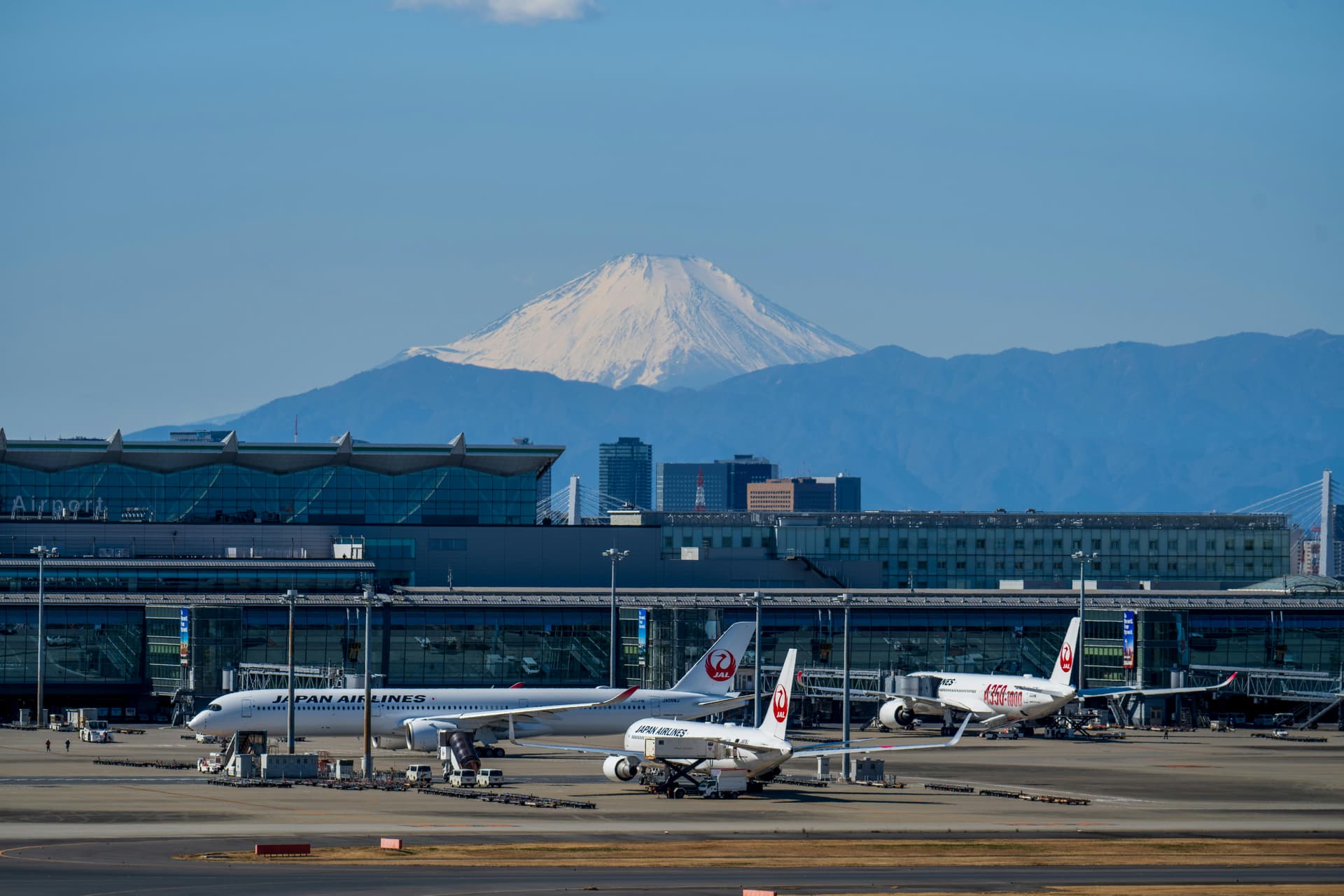
From Haneda Terminal 3, the Keikyu Line reaches Shinagawa in 11-13 minutes. The Tokyo Monorail reaches Hamamatsucho in 13 minutes on the express service. From either station, you're one or two stops from most central Tokyo destinations.

Total door-to-city-center time: 25-35 minutes from leaving the arrivals hall.

Narita: The Math That Changes Everything

From Narita, the Narita Express takes 53 minutes to Tokyo Station—and that's after you've cleared immigration, collected bags, and found the platform.

Total door-to-city-center time: 95-125 minutes from landing.

The difference between Haneda and Narita isn't subtle. It's 60-90 minutes of usable city time.

Same Layover, Different Reality

An 8-hour layover at Haneda gives you approximately 3-4 hours in the city. The same 8-hour layover at Narita gives you 1.5-2.5 hours—barely enough to see anything without feeling rushed.

Which airport you land at matters more than how long your layover is.

When We'll Tell You Not to Book

When We'll Tell You Not to Book

When We'll Tell You Not to Book

When We'll Tell You Not to Book

Under 8 Hours Total

We won't book a guided layover tour for less than 8 hours gate-to-gate. With immigration variance, transit time, and the non-negotiable 2-hour return buffer, anything shorter means you're stressed instead of present.

If you have a 6-hour layover, the honest answer is: stay at the airport. Haneda has excellent facilities including 24/7 shower rooms (¥1,500 for 30 minutes) on the 2F Arrival Lobby with 21 shower rooms and 5 refresh rooms. There's an onsen at Villa Fontaine Grand. The terminal has good food.

Some layovers should be used for rest, not sightseeing.

Wrong Time of Day

A night arrival changes the math. If you land at 10 PM, clear immigration by 11 PM, and depart at 7 AM—that's time for sleep, not touring.

Trains stop running around midnight. The last Keikyu from Haneda departs around midnight; the first runs around 5:30 AM. If your window falls in between, the city isn't accessible by train.

When You Need Sleep, Not Sightseeing

Post-long-haul exhaustion is real. Travelers who push through on willpower often describe the experience afterward as "being there but not really being there."

If you've been awake for 18 hours on a trans-Pacific flight, what you need is sleep—not another 4 hours of walking. Haneda's refresh rooms with recliners (¥3,000 for 60 minutes) exist for exactly this reason.

The Checked Bag Problem

If you're flying through Narita Terminal 3, note that it has only coin lockers—no staffed luggage storage, no post office, no baggage wrapping service. Travelers needing those services must walk 15 minutes to Terminal 2 (or take the 6-minute shuttle).

JAL and ANA both require check-in 60 minutes before international departures. Factor this into your return buffer—arriving at the airport with 90 minutes to spare isn't actually 90 minutes of margin.

What Gets Cut When You're Running Behind

What Gets Cut When You're Running Behind

What Gets Cut When You're Running Behind

What Gets Cut When You're Running Behind

Core Stops vs. Optional Stops

Our layover routes are designed with compressibility built in. Some stops are essential—you haven't experienced the route without them. Others are enrichment—valuable if time allows, skippable if it doesn't.

On the Tokyo Trifecta route: Shibuya Crossing is core. You'll pass through it regardless. Meiji Shrine's inner forest is optional. The walk from Harajuku Station to the shrine entrance takes 1-3 minutes, but the forest path to the main hall adds 10-15 more. If immigration took 75 minutes instead of 45, we skip the forest walk and proceed directly to the main hall—or skip the shrine entirely and extend time in Shinjuku.

The 75-Minute Immigration Delay

Imagine you cleared immigration in 75 minutes instead of the expected 45. You've lost 30 minutes of city time.

A guide absorbs this by compressing the route in real-time:

  • Meiji Shrine forest walk: cut (saves 15 minutes)

  • Extended Harajuku browsing: cut (saves 10 minutes)

  • Shinjuku transit via Yamanote: optimized to fastest connection

You still experience Shibuya. You still end in Shinjuku. The guide makes the cuts—you don't even notice what was removed.

Adding Time When You're Ahead

The reverse is also true. If immigration takes only 20 minutes and trains align perfectly, you've gained time.

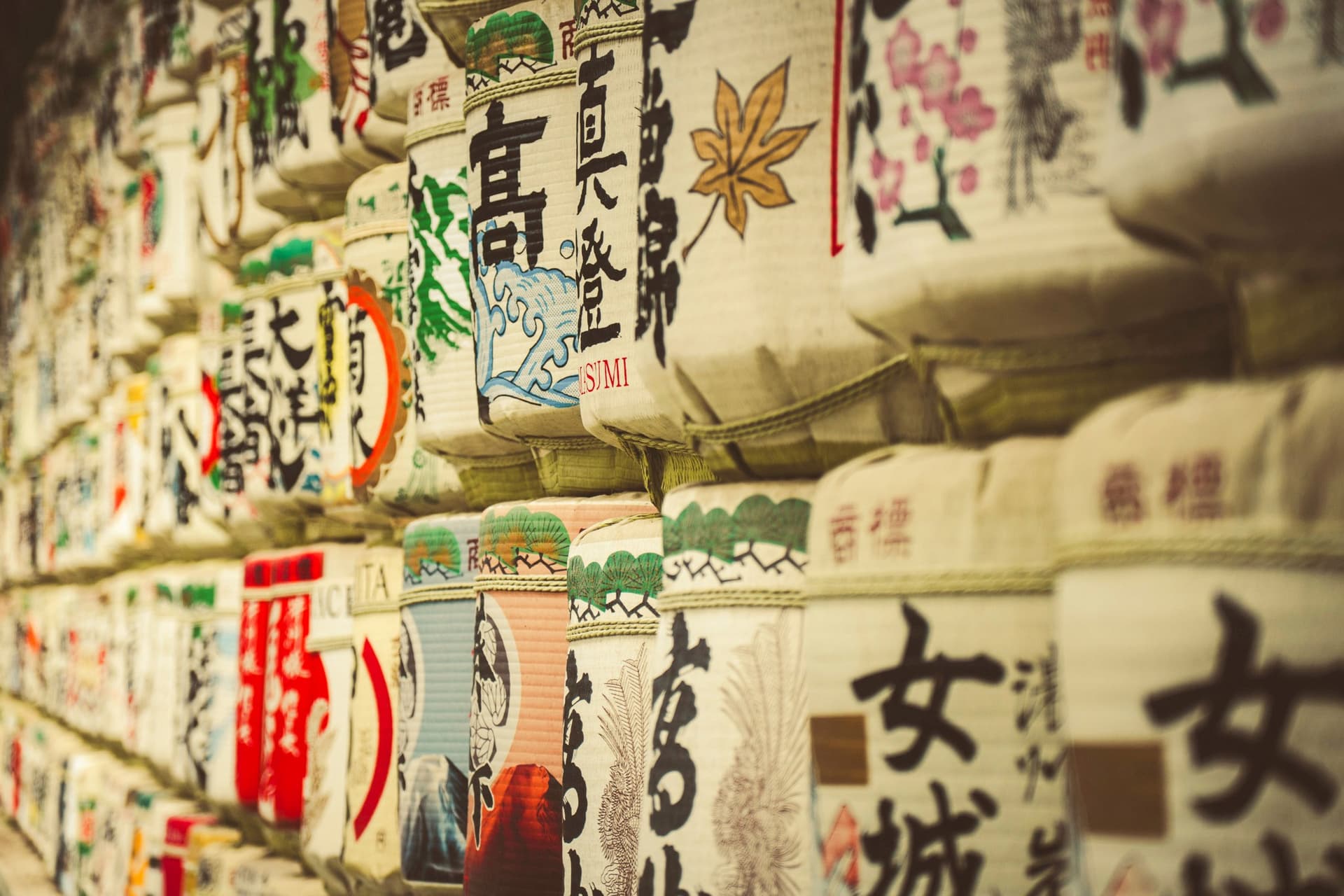
A guide uses that time for depth instead of rushing to fill it with more stops. The 60-120 minute variance in a Meiji Shrine visit can expand to include quiet moments at the main hall, the sake barrels, the forest atmosphere—experiences that aren't possible when you're watching the clock.

The Layover Math

The Layover Math

The Layover Math

The Layover Math

From Haneda

Total Layover

Usable City Time

Viable for Tour?

6 hours

1-2 hours

No — stay at airport

8 hours

3-4 hours

Yes — Tokyo Trifecta (4 hours)

10 hours

5-6 hours

Yes — Tokyo Essentials (6 hours)

12+ hours

6-8 hours

Yes — any format

The calculation: Landing to exit (45-90 min) + transit to city (25-35 min) + return transit (35-40 min) + airport buffer (120 min minimum).

From Narita

Total Layover

Usable City Time

Viable for Tour?

6 hours

~0 hours

No

8 hours

1.5-2.5 hours

No — not recommended

10 hours

3.5-4.5 hours

Maybe — tight

12+ hours

5+ hours

Yes — Tokyo Trifecta or longer

An 8-hour Narita layover provides less usable city time than a 6-hour Haneda layover.

The Return Buffer

Two hours before departure is the minimum. This isn't about check-in deadlines (JAL and ANA require 60 minutes). It's about the unpredictable: a wrong exit, a security line longer than expected. Japan's trains are exceptionally reliable—rated 6.8 out of 7 globally—but the buffer isn't for train delays. It's for everything else.

What You're Actually Paying For

What You're Actually Paying For

What You're Actually Paying For

What You're Actually Paying For

Not Geographic Knowledge

Guides know where Meiji Shrine is. So does your phone. That's not why you'd pay for one.

The geographic knowledge competitors advertise—"hidden gems," "local secrets," "off the beaten path"—isn't what layover travelers need. You have limited time. You're not looking for obscure destinations. You need the right three or four stops executed reliably.

Timing Responsibility Transfer

What you're actually buying is the transfer of timing responsibility.

Someone else watches the clock. Someone else knows when to leave Harajuku so you're not rushing through Shibuya. Someone else has already calculated the Shinjuku-to-Haneda return time (35-40 minutes via Keikyu, 45-50 via Monorail) and knows which platform to head for. Here's what to expect on tour day.

When travelers describe their guided layover, the praise is rarely about what they saw. It's about what they didn't have to manage: "Got us back to the airport in time for our flight." The timing is the product.

Who This Works For

Some travelers would rather see less and experience it fully than attempt to cover more ground while carrying timing anxiety. If you'd rather not spend your layover doing train calculations, this is the trade-off: you give up the control, and someone else carries the cognitive load.

Families with children tend to value this most. As one parent noted, "It just takes the hard work out of the trip for the parents... no one has to worry about having the train transfers sorted." First-time visitors fit here too—not because Tokyo is complicated, but because unfamiliarity adds cognitive load.

If budget is the primary concern, a guide adds cost that may not match your values. If you've been to Tokyo before and know the transit system, you may not need someone to navigate for you. If the challenge is part of the fun, a guide removes that satisfaction. The DIY option is entirely viable. More on when you don't need a private tour.

The Ability to Be Present

The final value isn't tangible. It's the removal of a mental loop.

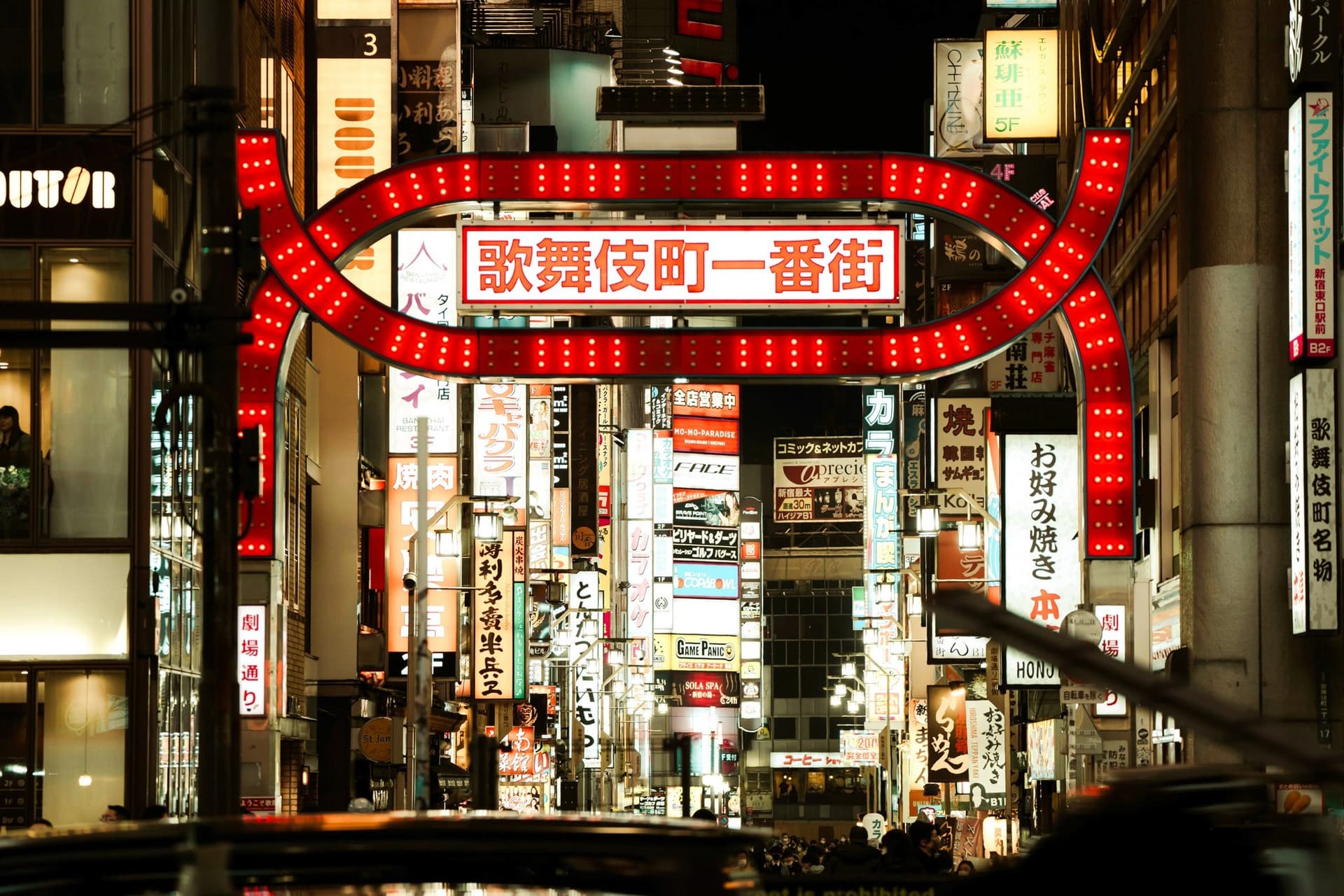
Without that loop running—how long have I been here, when do I need to leave, am I going to make my flight—you can actually notice where you are. The incense at the shrine. The specific rhythm of Shibuya Crossing. The lanterns at Golden Gai.

The psychological product isn't more sightseeing. It's presence.

share this article

share this article

share this article

Newsletter

Unlock the secrets of Japan with Hinomaru One delivered straight to your inbox.

Hinomaru One Logo

PRIVACY

TERMS

Newsletter

Unlock the secrets of Japan with Hinomaru One delivered straight to your inbox.

Hinomaru One Logo

PRIVACY

TERMS

Newsletter

Unlock the secrets of Japan with Hinomaru One delivered straight to your inbox.

Hinomaru One Logo

PRIVACY

TERMS

Newsletter

Unlock the secrets of Japan with Hinomaru One delivered straight to your inbox.

Hinomaru One Logo

PRIVACY

TERMS