

Tokyo Private Tours by Car
Tokyo private tours by car pair a professional driver in a Toyota Alphard with an expert guide who rides next to you and walks each stop with you. The guide fee starts at $550, and car service starts at ¥50,000 (~$330) for 4 hours. It suits travelers with mobility constraints, families with strollers, summer visitors, and anyone who wants to cover more ground without rushing each stop.
Why Choose This Experience
A Driver and an Expert Guide, All Day
Your guide rides with you, explains what you're driving past, adjusts the route as you go, and walks each neighborhood with you while the driver waits. The guide fee starts at $550 for 8 hours. Car service is ¥50,000-77,000 (~$330-520) on top, paid separately to the car company. For a group of 2, that's about $880 with 4 hours of car, or about $1,070 with the car all 8 hours. The Toyota Alphard picks you up at your hotel entrance, so you skip every station staircase and platform transfer.
Essential for Mobility Needs
For wheelchair users, people with walkers and anyone with significant mobility limits, a car is a necessity when station stairs are not an option.
Family-Friendly Logistics
Kids nap between neighborhoods, the stroller stays in the trunk, bathroom stops are easy, and nobody has to manage tired children on a train.
Climate Control Throughout
Tokyo summers often reach 35°C with high humidity. Air-conditioned rides between neighborhoods keep even healthy travelers from wearing out.
No Last-Train Deadline
Evening tours can run late without worrying about the midnight train. Have a drink, take your time, and get dropped at your hotel when you're done.
Tokyo Private Tours by Car Highlights


What Our Guests Say
"Our first day in Tokyo and what a perfect way to get started! He helped us understand the subway system, took us through markets, and kept us laughing."
"Fish market and Senso-ji were very interesting. Satoshi highlighted lots of interesting facts. Showed us where to get free samples and good photos."
"It gave us a great orientation to Tokyo. He helped us figure out the transportation system, which made the rest of our trip so much better!"
"I'd been to Tokyo many times before and still had never seen or heard of most everything he included in our tour. We liked it so much, we immediately booked a second day!"
"He took me to hole-in-the-wall spots — a peppercorn specialist in Tsukiji, a Matcha beer spot. We finished at a rooftop foot bath with a beer and an amazing view."
"He took us where the locals go. Hidden spots he knew we'd enjoy, and a quaint yakiniku place with over the top wagyu beef."
"He took us to a little restaurant for 'nibbles and Sake' — three types. Later, an afternoon pastry. Then we finished at a pub for Japanese beer. Above and beyond!"
"Felt like we'd known him for years. Wanted an authentic lunch with no Ramen for a change — a 3rd floor Hot Pot Restaurant we never would have found."
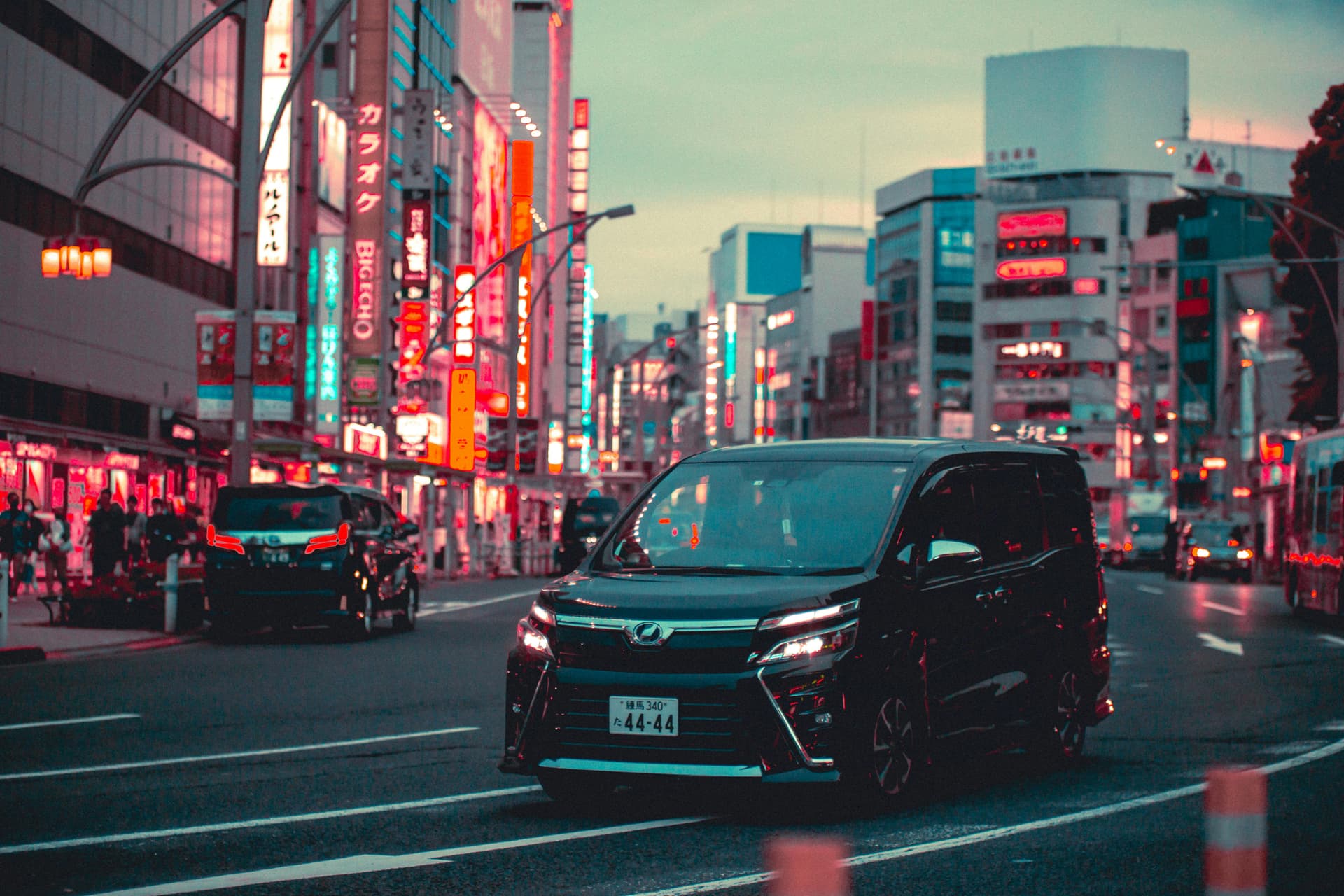
YOUR RIDE THROUGH THE CITY
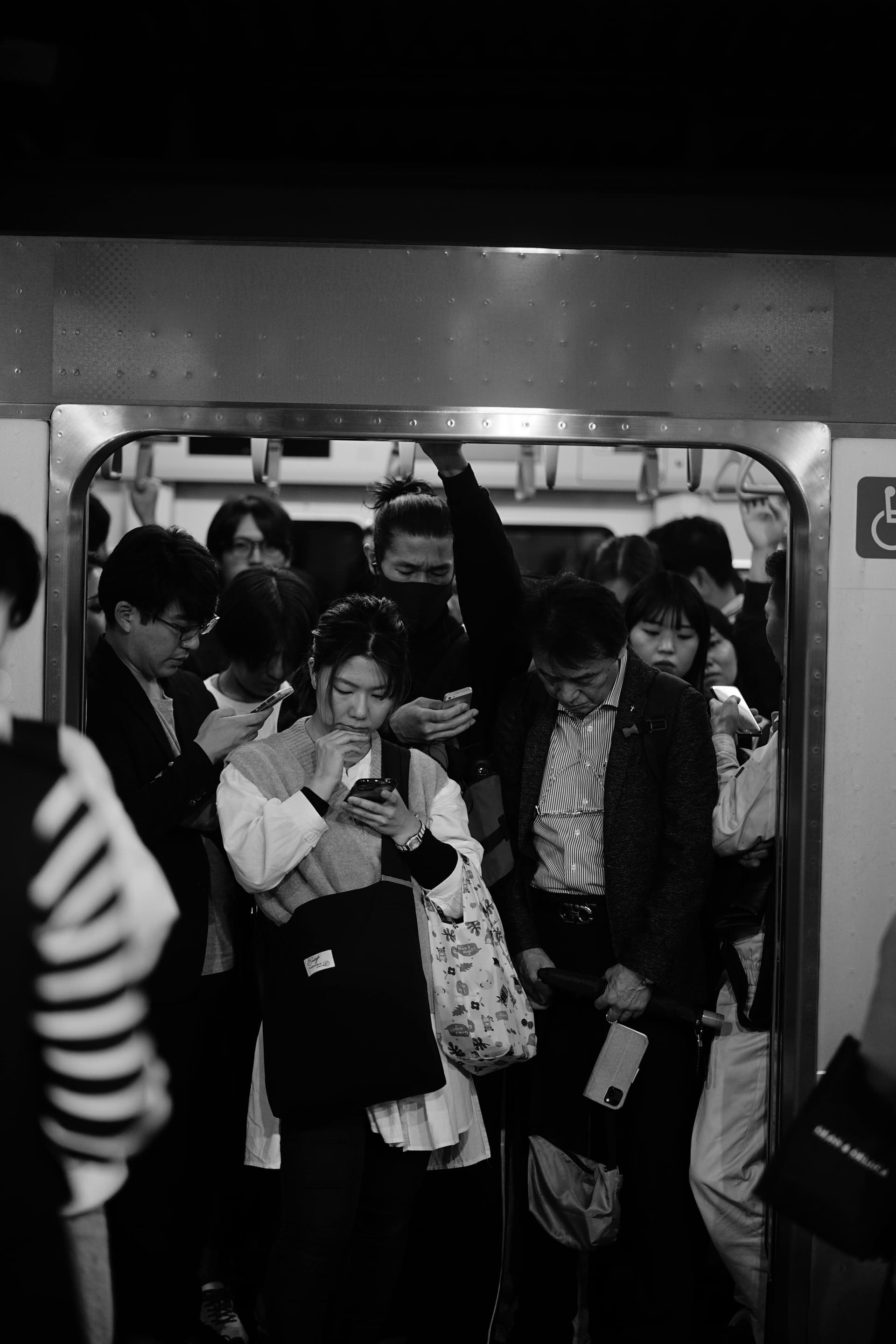
WHAT YOU'RE NOT DOING
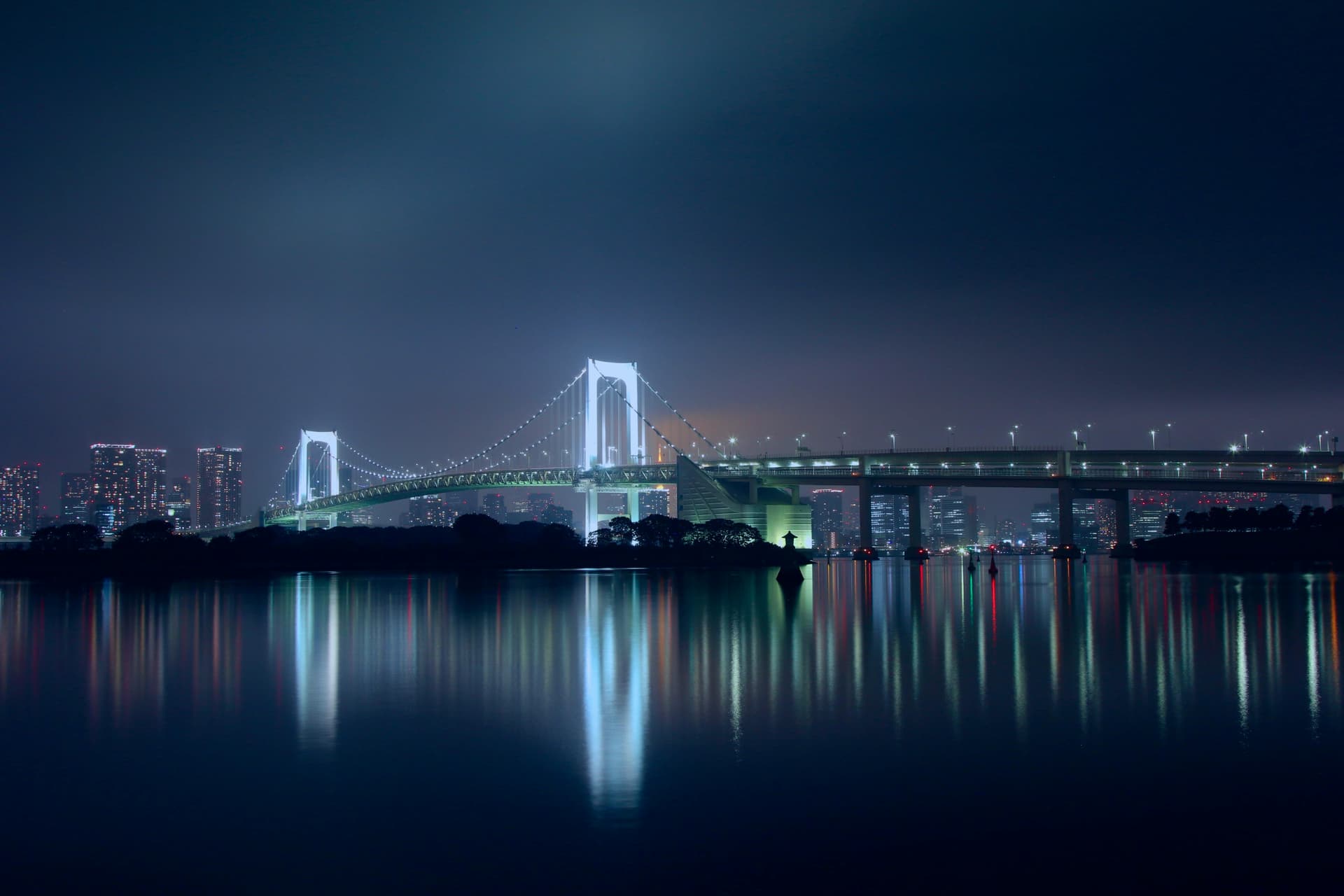
THE DRIVE THEY TALK ABOUT
Your Journey
Hotel Pickup at Your Entrance
The car picks you up at your hotel lobby at the start time. Your guide either arrives in the car or meets you at the first stop. The driver stays with the vehicle while you and your guide explore each neighborhood on foot, then comes back when you're ready to move on.
- No station navigation, exit hunting or platform waits
- Dropped at the best entry point for each neighborhood, often closer than the station
- Sedans for 1 to 4 people and vans for 5 or 6, at the same price
On-Foot Exploration with Car Nearby
You still walk. Timeless Tokyo covers a lot of temple grounds and cemetery paths even with a car. The car only removes the transit walking, so you explore Tsukiji Market on foot and then ride to the next area.
- Your guide coordinates with the driver all day (both speak Japanese)
- Bathroom breaks, timing and plan changes handled as they come up
- Clean, well-maintained, air-conditioned vehicles with professional drivers
Route Planning Accounts for Congestion
Tokyo traffic varies a lot. A drive that is quick in mid-morning can take much longer at rush hour, while trains on the major lines arrive every few minutes either way. Your guide builds buffer time into a car day, but you may still spend longer in transit than planned.
- Weekday rush hours: roughly 7:30-9:30am and 5-7pm
- Cross-city routes can be slower than compact ones
- Drivers use car navigation with live traffic data
Paid Separately from Guide Fee
You pay the car company directly, separate from the guide fee you pay Hinomaru One. Our concierge tells you how and when the car company takes payment when you book.
- 4 hours: ¥50,000 (~$330)
- 6 hours: ¥60,000 (~$400)
- 8 hours: ¥77,000 (~$520)
This is merely a suggestion. Your itinerary is fully bespoke.
Your Private Experience Includes
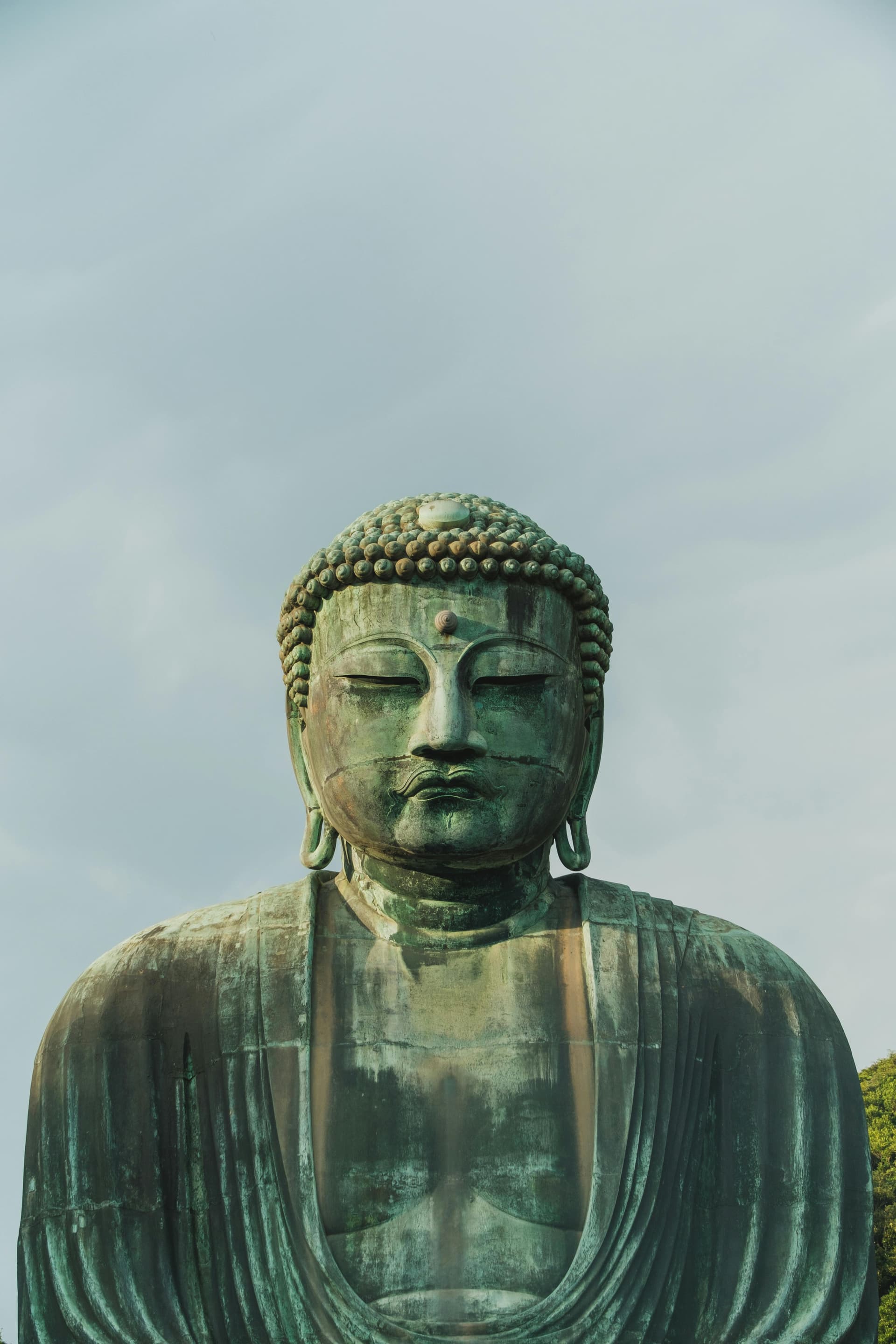
SIXTY MINUTES FROM YOUR HOTEL
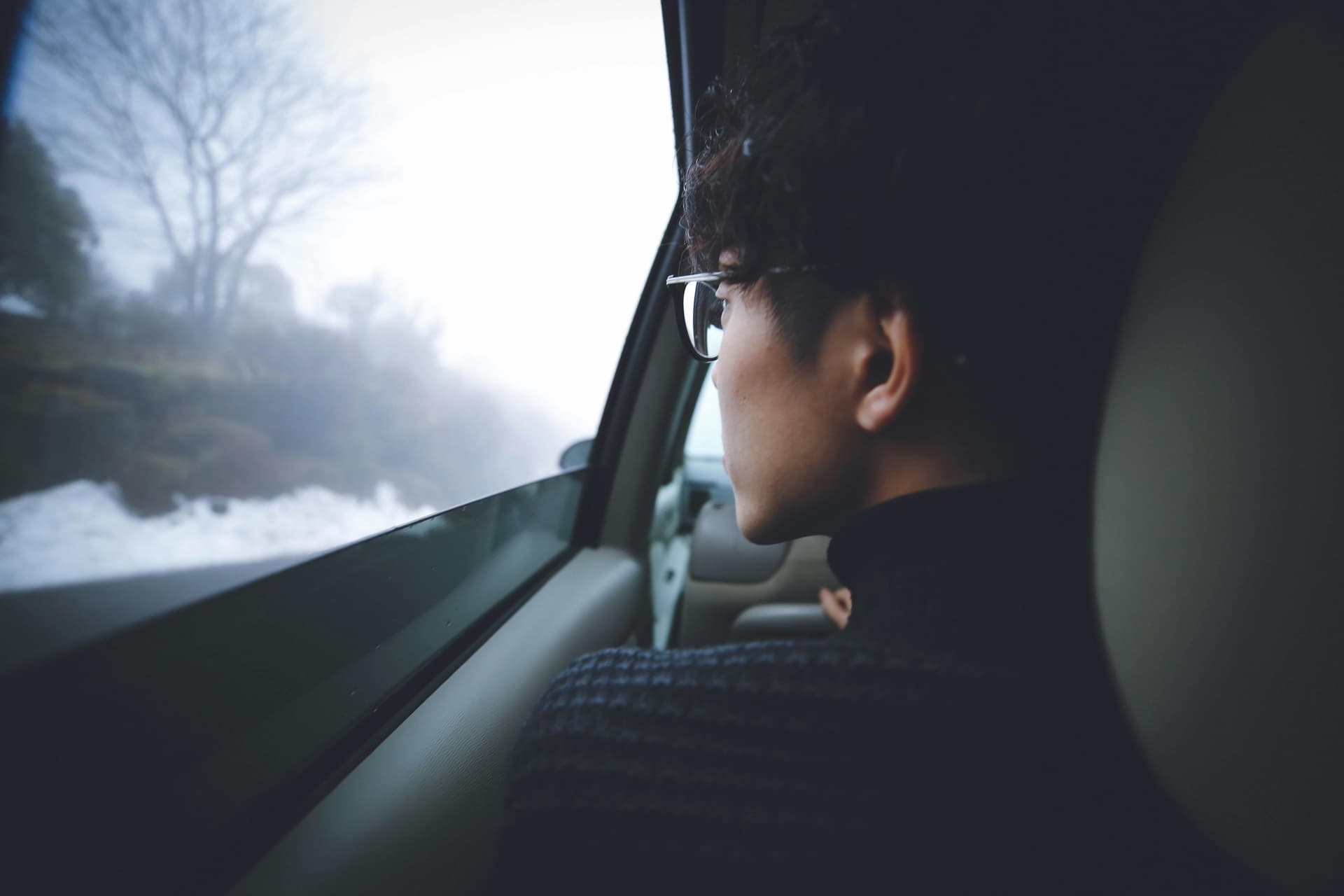
WATCH IT ALL GO BY
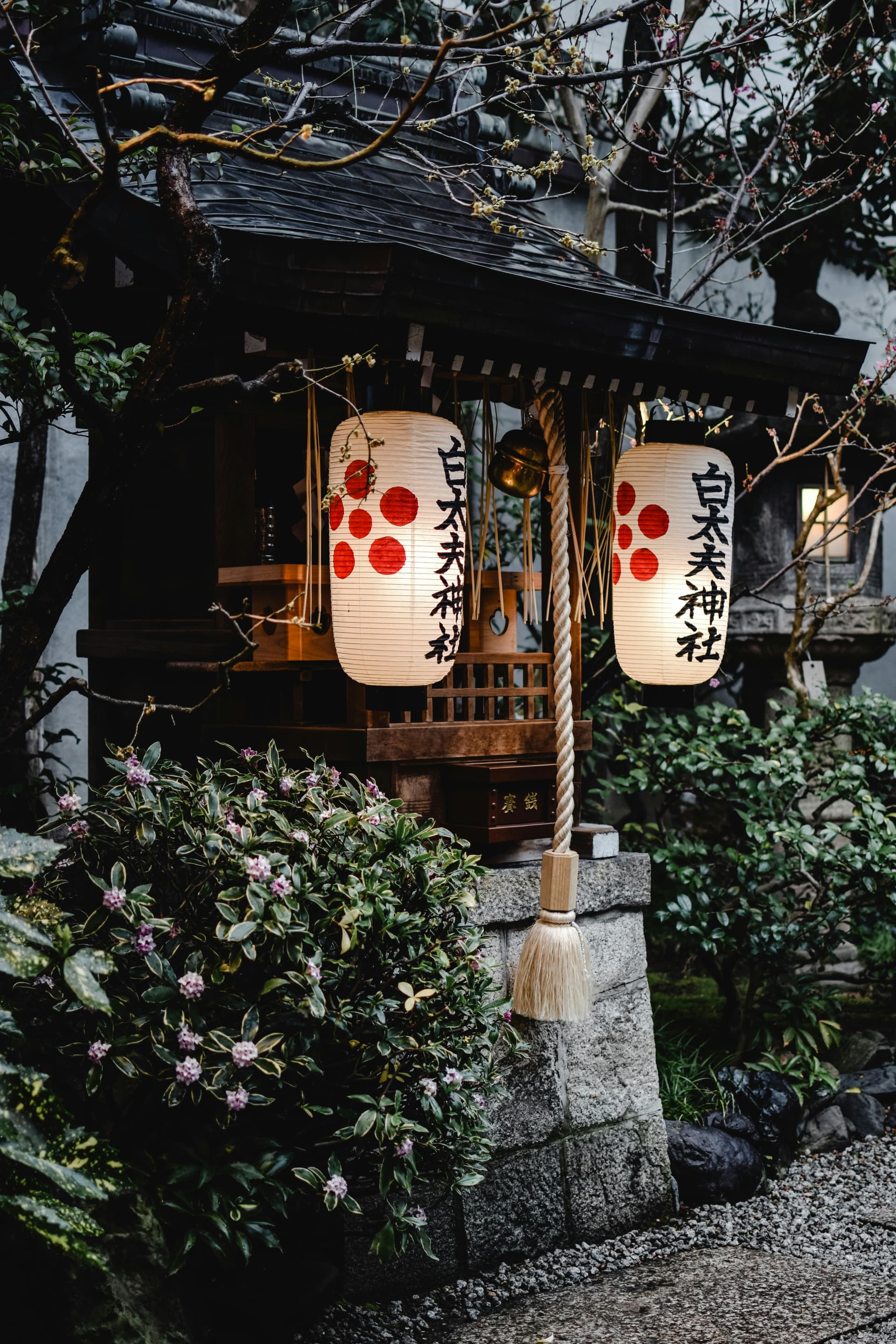
THE SHRINE NO TOUR BUS FINDS