Tokyo Private Tours
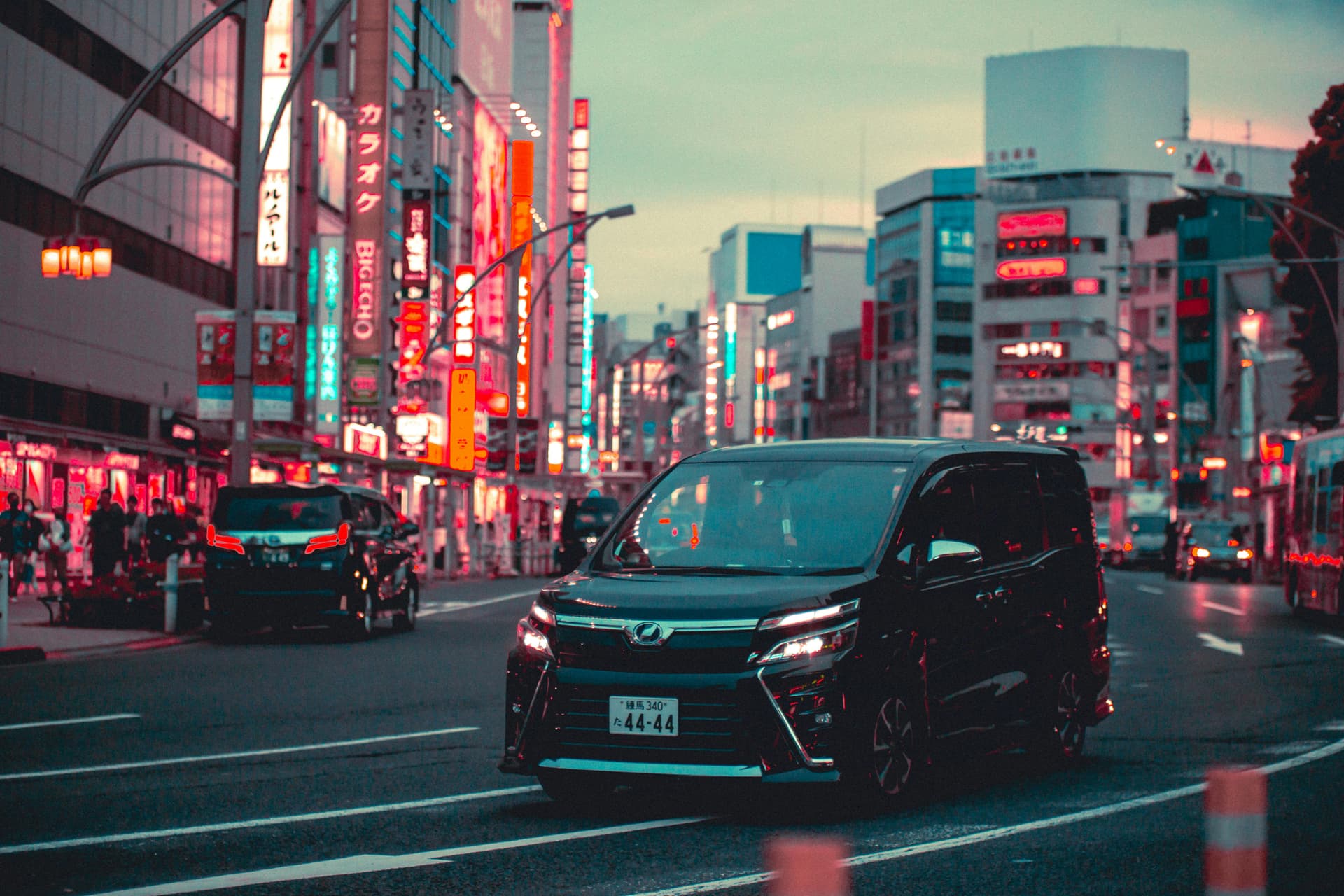
All our tours available by private car. Door-to-door service, no station stairs, climate control throughout—when comfort and accessibility matter more than experiencing Tokyo's train system.
October 15, 2025
8 mins read
Every Hinomaru One tour can be conducted entirely by private car instead of public transportation. The car service costs ¥50,000 for 4 hours, ¥60,000 for 6 hours, or ¥77,000 for a full 8-hour day—paid directly by you to the car service, separate from the tour guide fee.
This makes sense for travelers with mobility limitations, families with young children, elderly groups with stamina concerns, or anyone who simply prefers door-to-door comfort over navigating Tokyo's train system.
Which Tours Work by Car
Tokyo Essentials covers Tsukiji → Ueno → Asakusa → Akihabara, traditionally done by train but efficient by car when mobility or comfort is priority.
By car advantages: Door-to-door between neighborhoods eliminates all station navigation, particularly useful at Tsukiji (market walking is already extensive) and Ueno (large park with multiple entry points). Elderly travelers or those with knee issues avoid the 40+ stairs at some older stations.
Tour cost: $430 for two people + ¥60,000 car service for 6 hours
Best for: First-time visitors who want comprehensive Tokyo introduction without physical demands of train stations and extensive walking.
Tokyo Together follows the same Tsukiji → Akihabara → Ueno → Asakusa route as Tokyo Essentials but paced for families, with car service solving the specific challenges families face: no carrying strollers up station stairs, kids can rest in the car between neighborhoods, bathroom breaks are more flexible with a vehicle waiting.
Tour cost: $430 for two people + ¥60,000 car service for 6 hours
Best for: Families with children under 8, anyone traveling with strollers, multi-generational groups where elderly members need frequent rest breaks.
Timeless Tokyo explores historical Tokyo through Kanda → Yushima → Imperial Palace East Gardens → Yanaka → Asakusa. This tour involves the most walking of any we offer—temple grounds, cemetery paths, garden trails—so car service helps by eliminating transit walking between neighborhoods while preserving the on-site exploration that makes the tour work.
Tour cost: $550 for two people + ¥77,000 car service for 8 hours
Best for: History enthusiasts with mobility concerns who want deep cultural immersion but need to minimize cumulative walking distance.
Ordinary Tokyo visits six residential neighborhoods showing how Tokyo's 14 million residents actually live. By car, this becomes significantly more efficient—residential areas like Kichijoji, Shimokitazawa, and Nakano aren't connected by direct train lines, requiring multiple transfers that cars eliminate.
Tour cost: $550 for two people + ¥77,000 car service for 8 hours
Best for: Travelers who want comprehensive residential Tokyo experience but have limited time or energy for the train navigation this tour normally requires.
Tokyo Trifecta covers Meiji Shrine → Harajuku → Shibuya → Shinjuku in 4 hours. This is our most compact tour geographically (all west Tokyo), but car service still helps elderly travelers or those uncomfortable with Shibuya Station's crowds and Shinjuku Station's 200+ exits.
Tour cost: $314 for two people + ¥50,000 car service for 4 hours
Best for: Short layover visitors with luggage, elderly travelers who want west Tokyo highlights without station navigation.
Infinite Tokyo is fully customizable, so car service makes particular sense when building routes around specific mobility needs or covering distant neighborhoods that would require extensive train travel. The guide helps you design an efficient car-based route maximizing neighborhood time, minimizing transit time.
Tour cost: $680 for two people + ¥77,000 car service for 8 hours
Best for: Travelers with very specific interests requiring visits to multiple distant locations, or those with mobility limitations wanting maximum flexibility.
Mobility Limitations and Accessibility Needs
Tokyo's train system requires navigating stairs at many stations—not all have elevators, and those that do often require knowing which platform entrances have elevator access. If you use a wheelchair, have knee problems that make stairs difficult, or need a walker for stability, private car eliminates these barriers entirely.
The car picks you up at your hotel entrance, drops you at each neighborhood's optimal entry point (often closer to attractions than train stations are), and is waiting when you're ready to move on. No stairs, no crowds, no navigation stress.
Families with Young Children
Traveling Tokyo with kids under 6 requires carrying strollers up station stairs (at stations without elevators), wrestling strollers onto crowded trains, and managing tired kids during train waits. Car service means:
Kids can nap between neighborhoods in car seats
Strollers stay in trunk, accessible when needed
Snack breaks happen in the car without buying train tickets
Bathroom emergencies are easier (driver knows nearby options)
No explaining train etiquette to overtired 4-year-olds
Families with children 6-10 handle trains better but still benefit from car service when doing full-day tours—the cumulative fatigue of train navigation adds up by hour 5.
Elderly Travelers with Stamina Concerns
Tokyo tours involve significant walking even when using trains for longer distances between neighborhoods. Car service doesn't eliminate walking (you still explore neighborhoods on foot), but it removes the transit walking—station entrances to platforms, platform transfers, station exits to street level—that exhausts elderly travelers before reaching the actual attractions.
The math: a 6-hour tour might involve 8,000-10,000 steps total. With trains, 2,000-3,000 of those steps are transit-related (stations, platforms, transfers). With cars, you're walking only at destinations, reducing total steps to 6,000-7,000 while seeing the same neighborhoods.
Traveling with Luggage
If you're touring on arrival or departure day, car service solves the luggage problem. The driver stores bags in the trunk while you tour, then drops you at your hotel or airport afterward. Attempting this with trains means navigating stations and trains with luggage while also trying to see neighborhoods—miserable combination.
Hot Summer Days or Heavy Rain
Tokyo summers (July-August) hit 35°C with 80% humidity. Waiting on outdoor train platforms, walking through outdoor station transfers, and climbing station stairs in this heat exhausts even young healthy travelers. Car service provides air-conditioned breaks between neighborhoods.
Similarly, navigating trains with umbrellas in heavy rain while also trying to photograph neighborhoods creates frustration. Cars eliminate the transit-in-rain problem.
Simply Prefer Comfort Over Authentic Experience
Some travelers just want comfortable touring regardless of mobility or age. That's legitimate—you're paying for a service, and if door-to-door comfort matters more to you than experiencing Tokyo's train culture, that's a valid choice. The trade-off is missing how Tokyo actually operates (trains are fundamental to understanding the city), but you decide your priorities.
Traffic Unpredictability
Tokyo's traffic varies dramatically by time and route. The same trip might take 15 minutes at 10am, 45 minutes at 11:30am, or 60 minutes at 5pm. Trains run every 2-4 minutes regardless of surface conditions, making timing predictable.
On car-based tours, the guide builds buffer time into schedules, but you might still spend more time in transit than planned. With trains, transit time is fixed and reliable.
Missing Tokyo's Essential Infrastructure
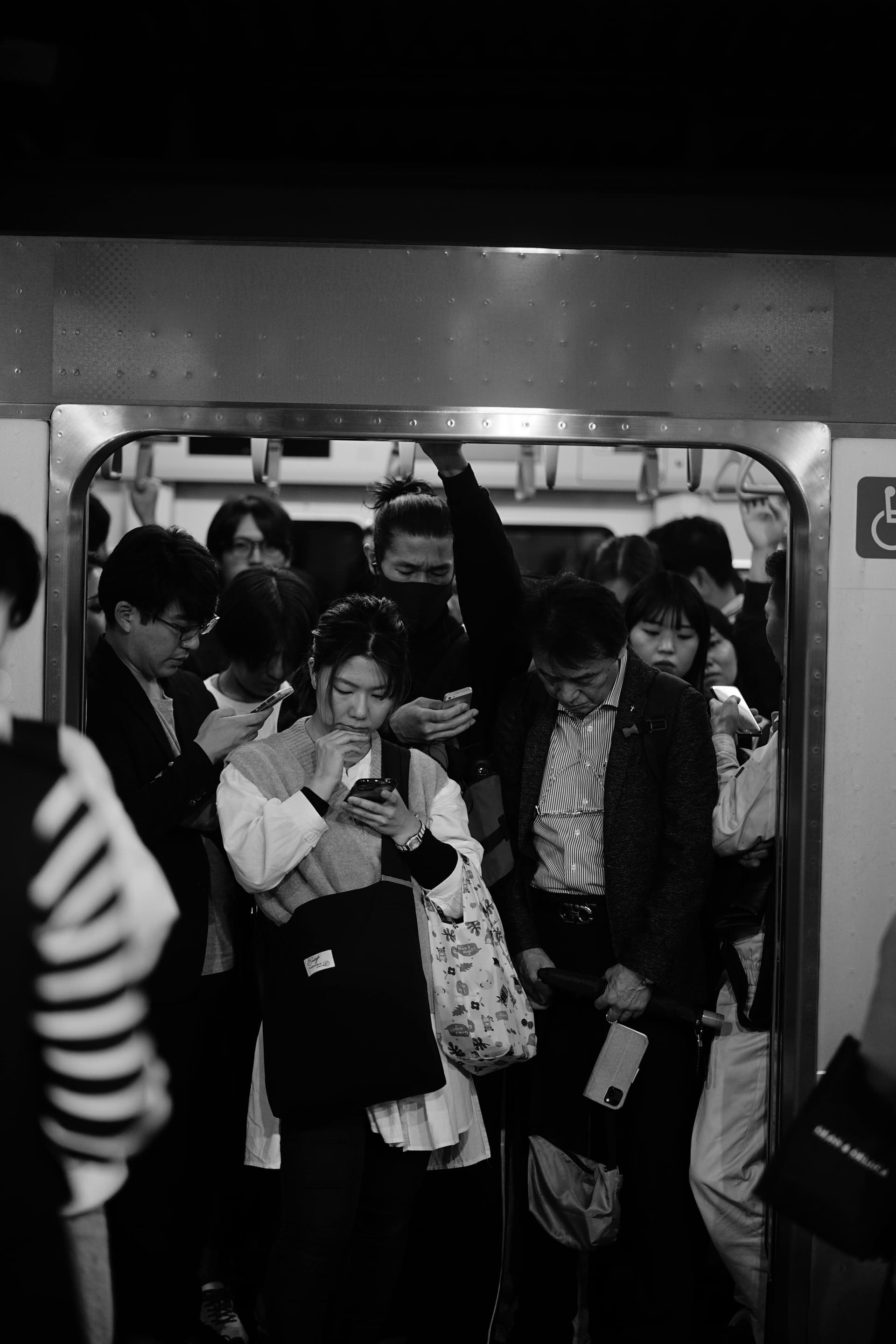
Tokyo's train system isn't just transportation—it's how the city works. Watching organized boarding at rush hour, seeing underground shopping networks, understanding how 13 million people move daily—this context helps you understand everything else about Tokyo. Sitting in a car means seeing Tokyo through glass without feeling its systems.
If you've come to Tokyo specifically to understand Japanese culture and urban systems, missing the train experience is a real loss. If you're primarily interested in seeing neighborhoods and temples, the loss is smaller.
Less Authentic Local Experience
Tokyo residents use trains for 95% of their transportation. Salary workers take the Yamanote Line to work. Families ride subways to shopping. Elderly locals navigate station elevators. Using trains puts you in the same physical space as locals, experiencing what they experience.
Cars create separation—you're observing Tokyo without participating in its daily rhythms. This matters more for some travelers than others, but it's worth acknowledging.
Higher Cost
Private car service adds ¥50,000-77,000 to your tour cost (roughly $330-$510 USD depending on exchange rates). For comparison, public transport costs ¥2,000-3,000 per person for a full day, so a couple pays ¥4,000-6,000 ($27-$40 USD) for trains versus ¥50,000-77,000 for cars.
The comfort premium is significant. If budget isn't a concern, that's fine. If you're trying to optimize costs, trains are dramatically cheaper.
Booking Process
When booking any tour, indicate you want private car service. During itinerary planning, the concierge team coordinates with the car service, providing pickup location (your hotel), drop-off location (hotel or airport), and the day's route.
You receive car service details separately from tour confirmation—vehicle type, driver contact, pickup time. The car service charges you directly (via credit card) separate from the tour guide fee.
Day-of-Tour Logistics
The car picks you up at your hotel at tour start time. Your guide is either already in the car or meets you at first location (depending on arrangements). The driver stays with the vehicle while you and the guide explore each neighborhood on foot, then returns you to the car when ready to move on.
The guide communicates with the driver throughout the day (both speak Japanese, most drivers have basic English). If you need bathroom breaks, want to adjust timing, or change plans, the guide coordinates with the driver in real-time.
Vehicle Types
Standard service uses sedans for groups of 1-4 people. Larger groups (5-6) get van service at the same price. If you have specific vehicle preferences (larger van for comfort, accessibility features), communicate this during booking.
All vehicles are clean, well-maintained, and have air conditioning. Drivers are professional, punctual, and familiar with Tokyo's neighborhoods. Most have basic English for greetings and simple communication, but your guide handles all substantive interaction.
Payment
Car service is paid directly to the car company, separate from tour guide fees paid to Hinomaru One. The car service typically charges your credit card after tour completion, though some require advance payment. Your concierge team provides specific payment details during booking.
Not sure which option works better for your specific situation? Our detailed comparison page explains the trade-offs:
Private Car vs Walking vs Public Transport Tours in Tokyo covers:
When cars make practical sense vs. when they're unnecessary comfort
How Tokyo's trains actually work (less scary than you think)
Traffic patterns and timing reliability differences
The hybrid approach (using taxis for specific legs only)
What you miss when you skip the train experience
The comparison helps you make informed decisions based on your actual priorities rather than assumptions about what touring Tokyo requires.
Considerations Specifically for Accessibility Needs
Tokyo Private Tours for Elderly Travelers - Appropriate pacing, rest breaks, and mobility accommodations for older visitors. Car service particularly beneficial for this tour type.
Tokyo Private Tours for Families with Children - Family-appropriate pacing, interactive activities, and logistics that work with strollers and tired kids. Car service recommended for families with children under 6.
Accessibility in Tokyo with Private Tour - Detailed guide to accessible touring in Tokyo, including which stations have elevators, accessible attractions, and when car service becomes essential versus optional.
Planning Resources
Tokyo Private Tour Planning Guide - Comprehensive resource for deciding which tours, durations, and transportation options match your interests and limitations.
How to Customize Your Tokyo Private Tour - If standard tours don't quite fit your needs, custom itineraries let you build around specific accessibility or mobility requirements.
All tours can be booked with private car service through our standard booking process. Just indicate during booking that you want car service, and the concierge team handles coordination.
Questions about whether car service makes sense for your specific situation? Contact us and we'll honestly assess whether the comfort premium is worth it for your mobility level, group composition, and priorities—or whether you'd do fine with Tokyo's excellent train system.