Choosing a Tour
When 10-year-olds and 70-year-olds travel Tokyo together, someone usually compromises. Here's what proper design looks like instead.
December 2, 2025
7 mins read
Somewhere between the anime store and the temple, your multigenerational Tokyo trip will face a question most families don't see coming: Is everyone actually experiencing this together, or are you just taking turns?
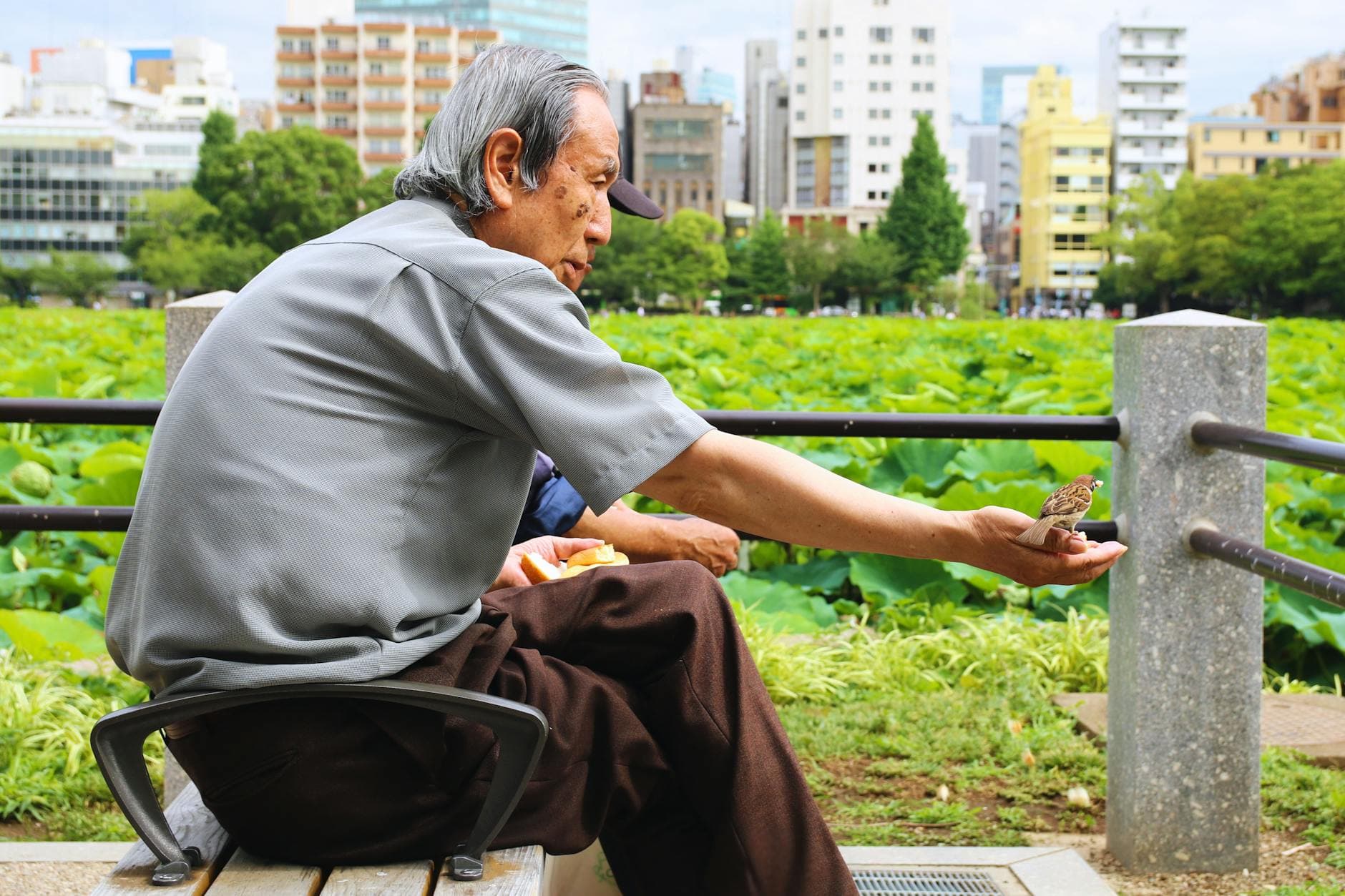
The 10-year-old is in gaming heaven while grandparents sit on a bench. Then you're at Sensoji and the roles reverse. Both generations got "their thing" — but the shared memory everyone came for never quite materialized.
The 70-Year-Old on the Bench
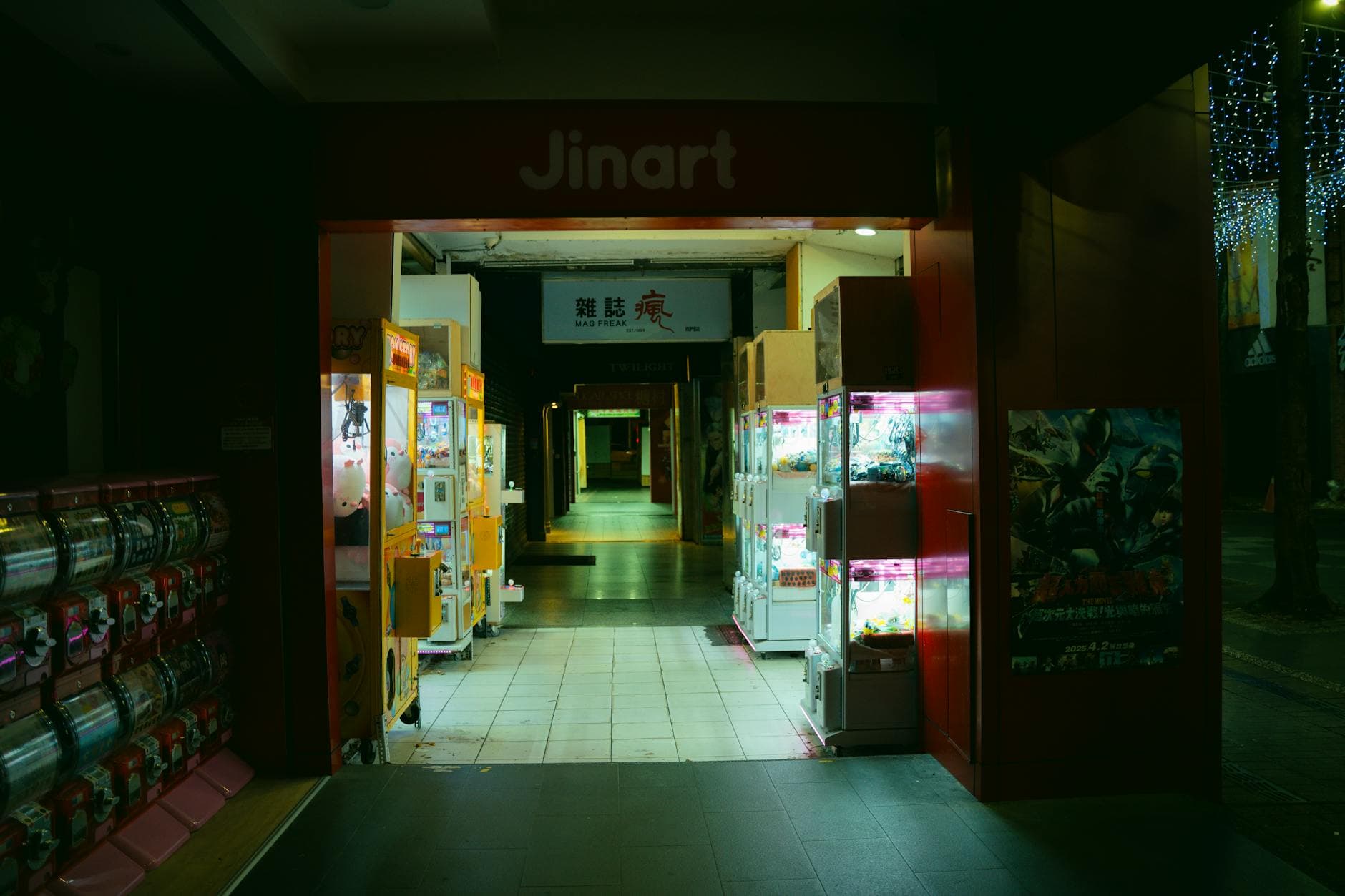
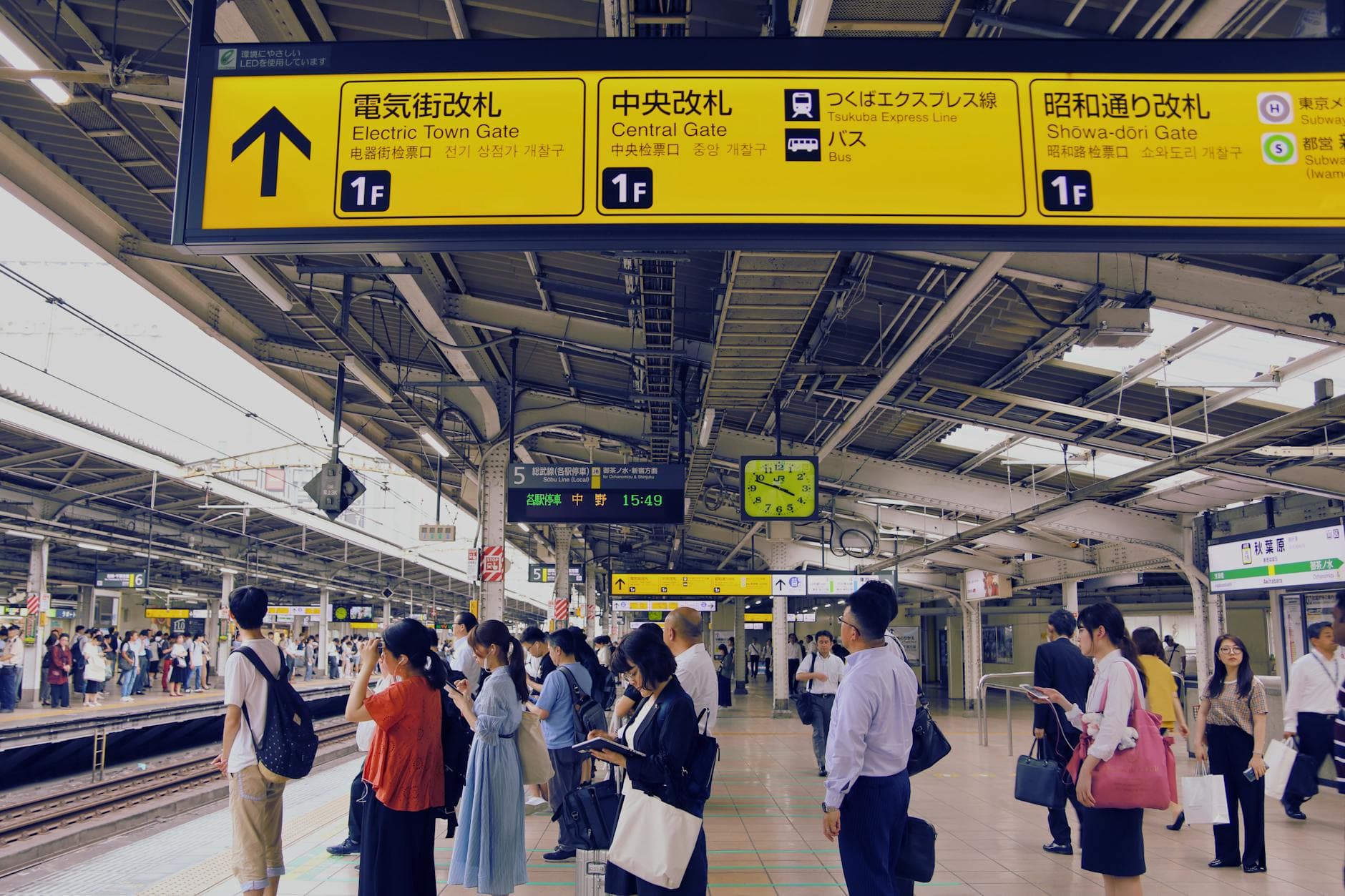
Picture Akihabara: five floors of anime merchandise, rows of capsule machines, arcade sounds spilling onto the street. The kids are having the morning of their lives. And your parents? They're on a bench near the exit, watching the clock.
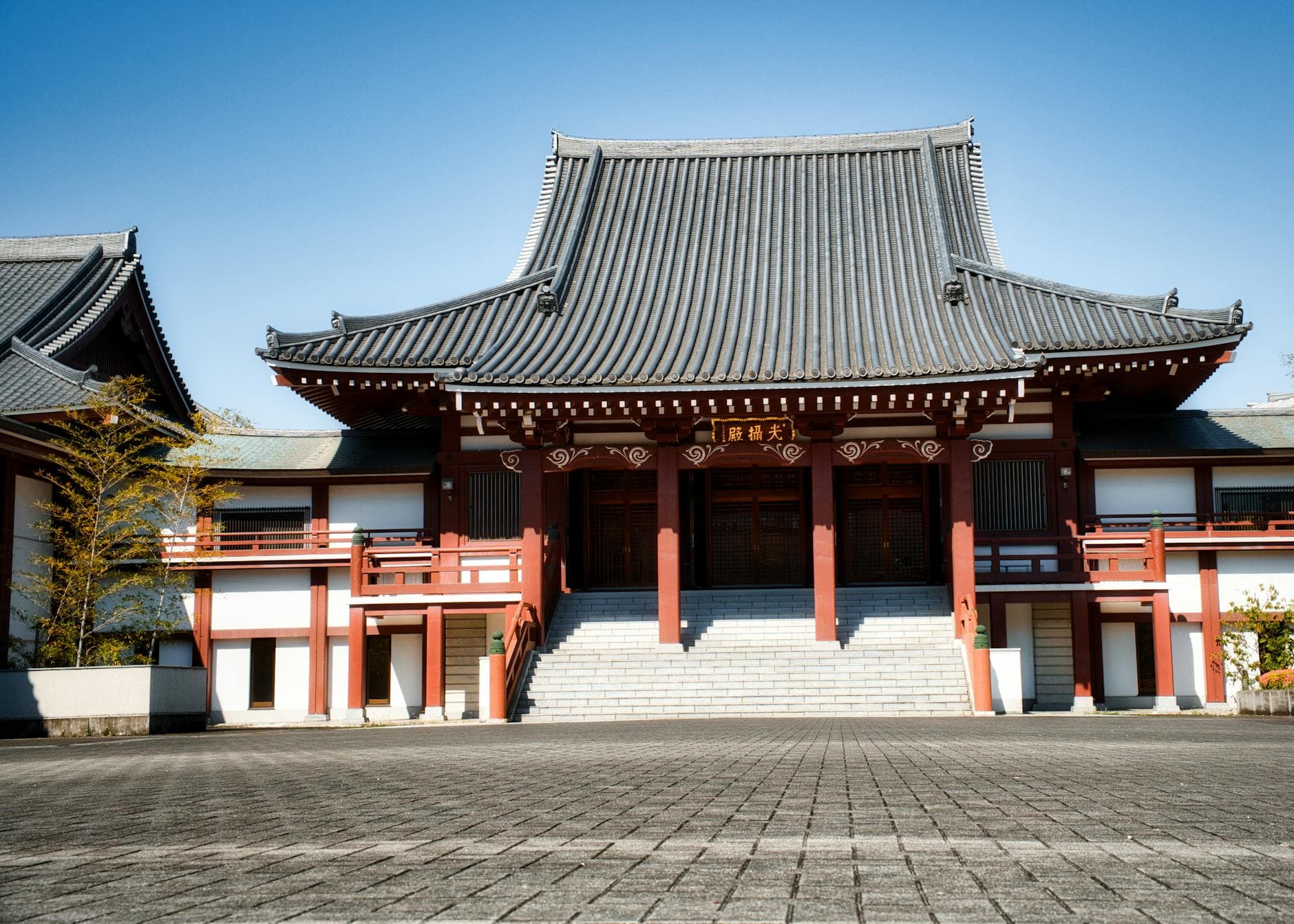
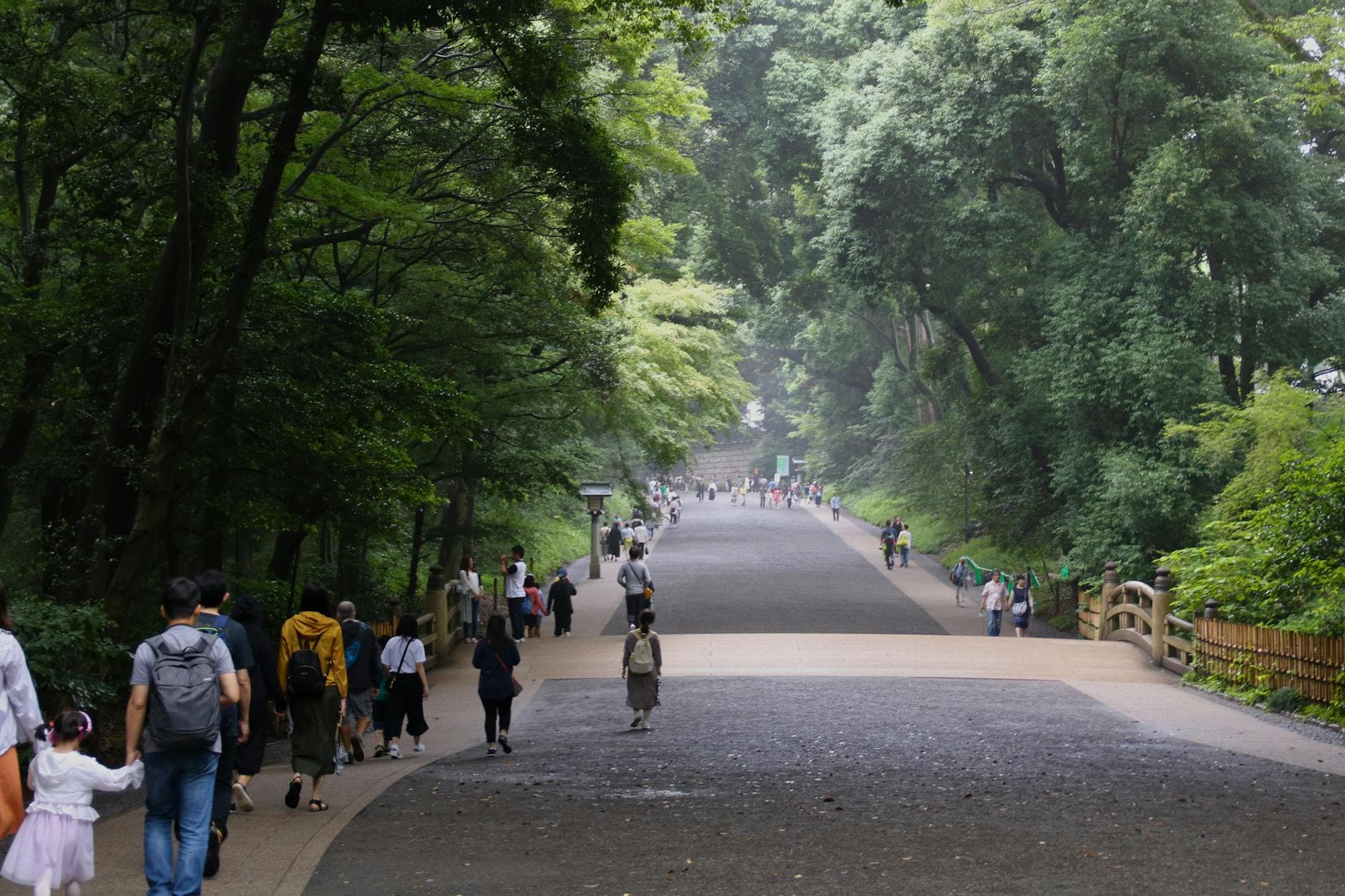
Then you get to Sensoji. The incense, the temple gates, the centuries of history. Now the adults are engaged — and the kids are asking how much longer.
This isn't a failed trip. This is how most multigenerational Tokyo days unfold.
When "Activities for All Ages" Falls Apart
"Something for everyone" means something different for everyone. Grandma gets temples. Kids get gaming. Parents get to referee. Everyone gets their moment — just never the same moment.
The issue isn't finding activities each generation can tolerate. Tokyo has those in abundance. The issue is finding activities where a 70-year-old and a 10-year-old are genuinely engaged at the same time, in the same place, by the same thing.
That's a design problem. And most Tokyo itineraries don't solve it — they just alternate whose turn it is to be bored.
Every Decision Falls on You
There's a role in every multigenerational trip that nobody assigns but somebody always fills: the coordinator.
Where can we eat that has chairs instead of floor cushions? Which station exit has the elevator? Is this walk too far for Dad? Will the kids last another hour without a snack? Can we make the 2pm reservation if the morning runs long?
For more on what a day's walking actually looks like, see how much walking to expect on a Tokyo private tour.
These decisions stack. Every hour brings a dozen small calls — routing around stairs, finding bathrooms, mediating pace conflicts, Googling which restaurants can seat eight. Whoever takes on this burden also takes responsibility for everyone's experience.
The Exhaustion Nobody Photographs
Planners rarely admit this until afterward: they were so focused on keeping the trip moving that they never quite arrived anywhere themselves.
"What I didn't do? Plan to enjoy the vacation myself. I was so focused on keeping the trip moving that I didn't take the time to slow down and just be there."
This isn't a failure of effort. It's what happens when coordination becomes a full-time job. You're trying to create magical memories and get a break yourself, all while being the glue that holds it together.
The person who planned the trip often remembers logistics more clearly than Tokyo itself.
Tokyo's infrastructure has improved more than most travelers expect — 177 of 180 metro stations now have elevators. But the challenge isn't whether accessible options exist. It's knowing which exit, which route, which restaurant has chairs instead of floor cushions.
We cover this in detail in our guide to accessibility in Tokyo with a private tour.
The real question for multigenerational groups isn't "Can we do this?" It's "Who figures out the route?"
The Boredom Nobody Mentions
There's an assumption embedded in most multigenerational travel advice: grandparents want things slower, easier, less demanding.
The data says otherwise. Seniors become bored with passive sightseeing. 75% of travelers over 50 have a bucket list. Traditional cultural experiences — tea ceremonies, temple rituals, market encounters with local vendors — correlate most strongly with traveler satisfaction. Passive activities like simply watching or being driven around show low correlation with satisfaction.
Grandparents don't want to be accommodated. They want to participate.
Engagement, Not Just Accommodation
The real design problem isn't "how do we slow down for the oldest members?" It's "how do we create moments where 70-year-olds and 10-year-olds are genuinely engaged at the same time?"
That requires something different from "flexible pacing." It requires activities that work at multiple levels — where the same experience offers different entry points for different ages, and nobody's waiting for someone else's turn to end.
When teenagers are part of the mix, the challenge is specific: they disengage when treated like children, check out during "parent stuff," and have finely tuned radar for inauthentic experiences. For strategies specific to engaging teens, see our touring with teenagers guide.
Moments Designed for Everyone
The difference between parallel activities and shared experience comes down to design.
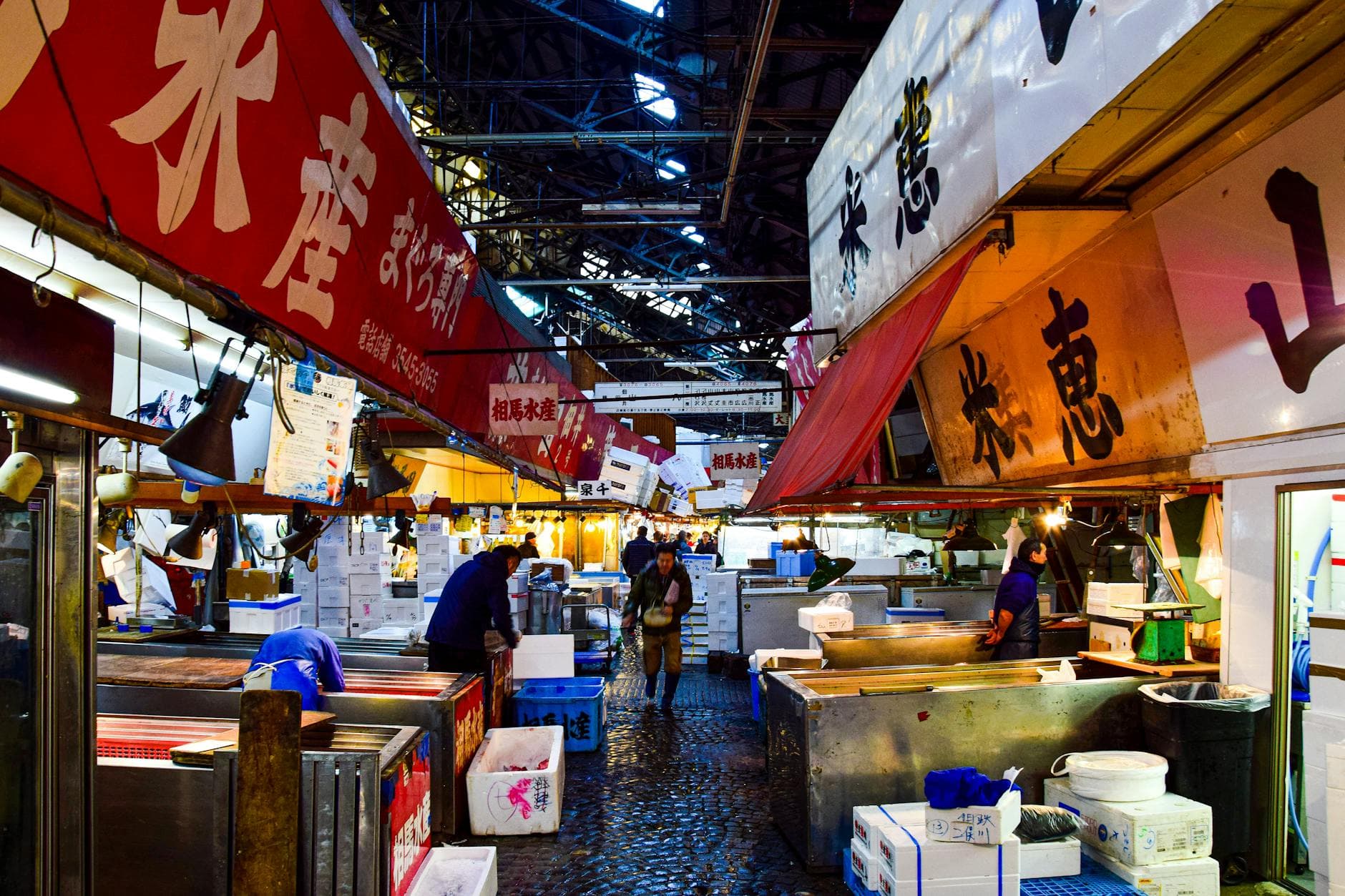
At Tsukiji market, the visual spectacle engages kids while grandparents appreciate the craft of vendors who've worked the same stalls for decades. Food sampling unites all ages — the 10-year-old trying tamago for the first time, the grandparent remembering similar markets from forty years ago. Same place, same moment, different meanings.
In Akihabara, gachapon capsule machines draw everyone in. The mystery of what's inside appeals across generations — office workers, elderly collectors, and kids all feed coins into the same machines. It's not uncommon to see grandparents indulging in a little gacha gacha alongside grandchildren. Over 360,000 of these machines dot Japan, and the appeal isn't age-specific.
At Sensoji, the temple itself is just architecture until you add a mission. Goshuin stamp collecting — gathering hand-brushed calligraphy at shrines and temples — transforms "another temple" into a treasure hunt. Children especially enjoy watching the careful calligraphy process. Purchasing a goshuincho book for each family member turns temple visits into a shared collection project, not a test of patience.
The pattern: design the activity so every generation has a reason to be fully present. This is the philosophy behind Tokyo Together, a 6-hour experience built specifically for multigenerational groups.
When the Guide Reads the Room
What you can't plan from home is real-time adaptation.
Energy fades at different rates. A 10-year-old's enthusiasm flags after an hour of temples — but they'll rally for capsule machines. A 70-year-old needs seated rest but doesn't want to slow everyone else down. A parent is so focused on managing everyone else that they haven't noticed the quieter experience in the side alley.
A guide trained in multigenerational dynamics reads these signals. They know where the benches are before you need them. They adjust the itinerary based on who's flagging. They insert a gachapon break not as childcare but as a genuine moment everyone enjoys.
"We were a three-generation family group of 10, and Christine was fantastic at keeping everyone engaged — from the kids to grandma."
This isn't flexibility in the abstract. It's knowing that the temple stamp office closes at 4pm, that there's a quiet rest spot two minutes off the main path, that this particular café has chairs instead of floor seating.
What You're Actually Buying
A private multigenerational tour in Tokyo runs $400-800 for the group, depending on size and duration. A family of four pays $552 for a 6-hour experience. A family of six pays $678 — about $113 per person.
For context, a family of four's daily Tokyo spending runs $100-150 on the low end to $400+ on the high end — before any private tours or special experiences.
But what you're actually buying isn't the activities — Tokyo has those everywhere. You're buying the absence of coordination burden. The pacing intelligence that prevents meltdowns. The real-time knowledge of which exit has the elevator, which restaurant seats eight, which detour will re-engage the kids before they derail the afternoon.
You're buying the possibility that the person who usually plans everything might actually experience the trip instead of managing it.
When DIY Still Makes Sense
Not every multigenerational group needs a guide.
If your family is small, mobile, and adaptable — everyone walks at roughly the same pace, nobody has strong mobility constraints, the kids are old enough to handle schedule changes gracefully — you can navigate Tokyo on your own.
But if your group has significant pace differences, or someone will spend the whole trip coordinating instead of experiencing, or you've watched previous family vacations turn into logistics exercises — that's when the math changes.
A guide doesn't make Tokyo easier. It shifts the coordination burden from your family to someone who does this daily. Whether that's worth $113 per person depends on what the alternative costs you.
For multigenerational groups, Tokyo Together is designed specifically for this dynamic. If your family has needs that don't fit a set itinerary — unusual mobility requirements, specific interests, or a schedule that doesn't match — Infinite Tokyo offers a fully customized 8-hour alternative. See our guide to multigenerational family tours.
If your situation is simpler — traveling with kids but no grandparents, or traveling with seniors but no children — those pages address the specific considerations that apply.
Tokyo Together was built for exactly this: multigenerational groups who want to experience the city together, not take turns. Your guide manages the coordination — knowing which restaurants seat eight, which station exits have elevators, when to insert a gachapon break — so the person who usually plans everything can actually be present.
At Hinomaru One, we design culturally rich, stress-free private Tokyo tours for first-time and seasoned travelers. Unrushed. Insightful. Always customized.