Tokyo Private Tours
Learn how private guides can optimize your limited free time in Tokyo — from routing decisions to hosting clients, punctuality, and realistic half-day templates.
November 30, 2025
11 mins read
Tokyo is one of the easiest major cities to function in without help—and one of the hardest to optimize when you’re in town for work.
If you’re flying in for meetings, a conference, or a client visit, your constraints are usually the same:
limited free windows (often 2–4 hours at a time)
unpredictable energy (jet lag + long days)
low tolerance for getting lost or “figuring it out”
a need to show up on time, composed, and culturally fluent
This page is a decision-support guide for when a private guide is actually useful for a business trip, what it changes (and what it doesn’t), and how to plan a Tokyo half-day that fits around meetings.
Important framing: Tokyo does not require a guide. The question is whether a guide is the best tool for your constraints—time, attention, and tolerance for friction.
Tokyo travel advice often assumes you have long, open days. Business travel rarely works that way.
1) Your real currency is attention, not time
Even if you technically have a free afternoon, you may not have the mental bandwidth to:
interpret neighborhoods quickly
choose the right station exits (a small thing that becomes a big thing)
navigate transfers under pressure
make judgment calls about what’s “worth it” with limited context
A private guide can act as a cognitive offload: route design, pacing, and quick interpretation so you can stay present.
2) You’ll keep returning to a small set of districts
Many business itineraries cluster around:
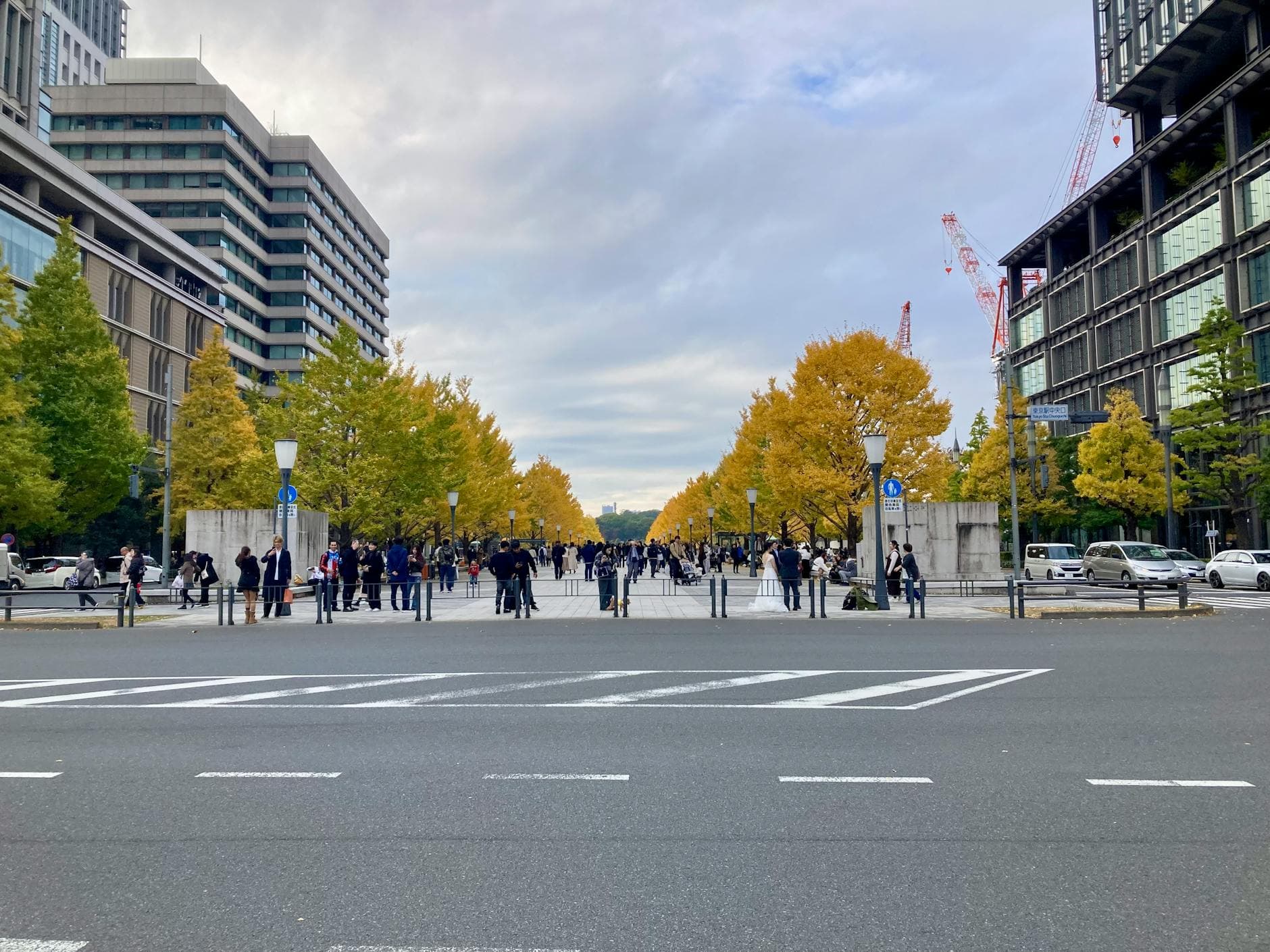
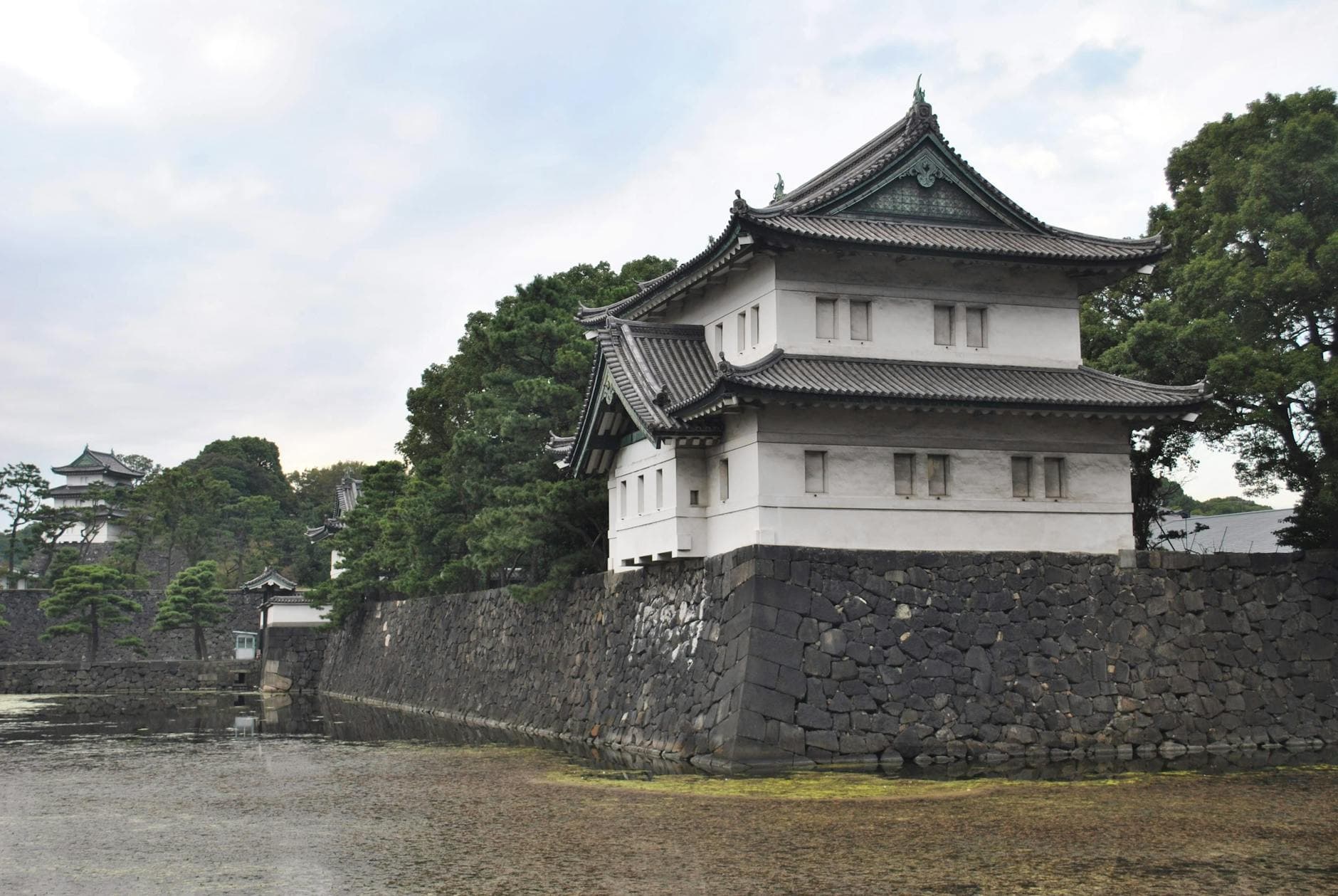
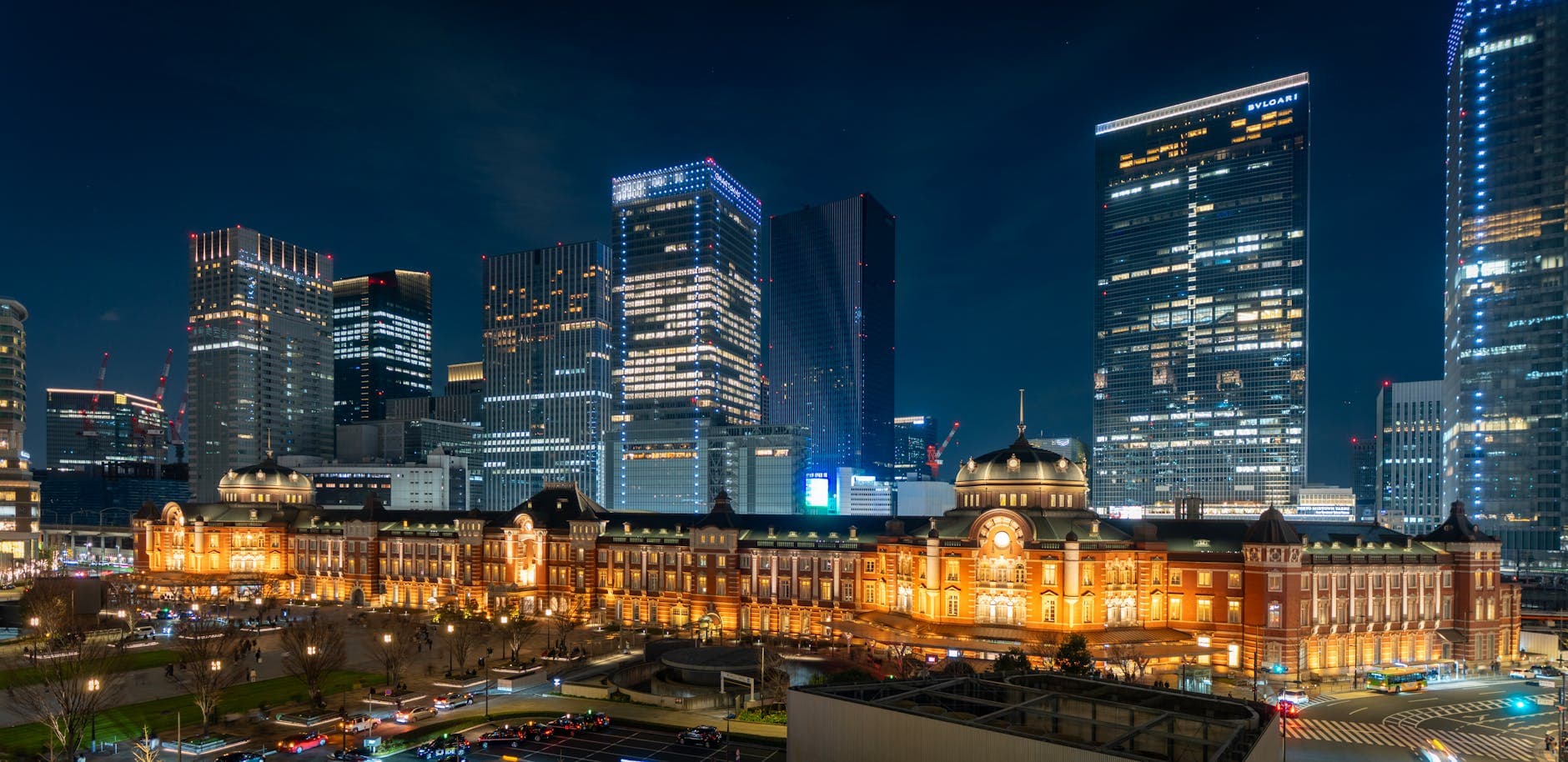
Marunouchi / Otemachi / Tokyo Station (finance, HQs, shinkansen access)
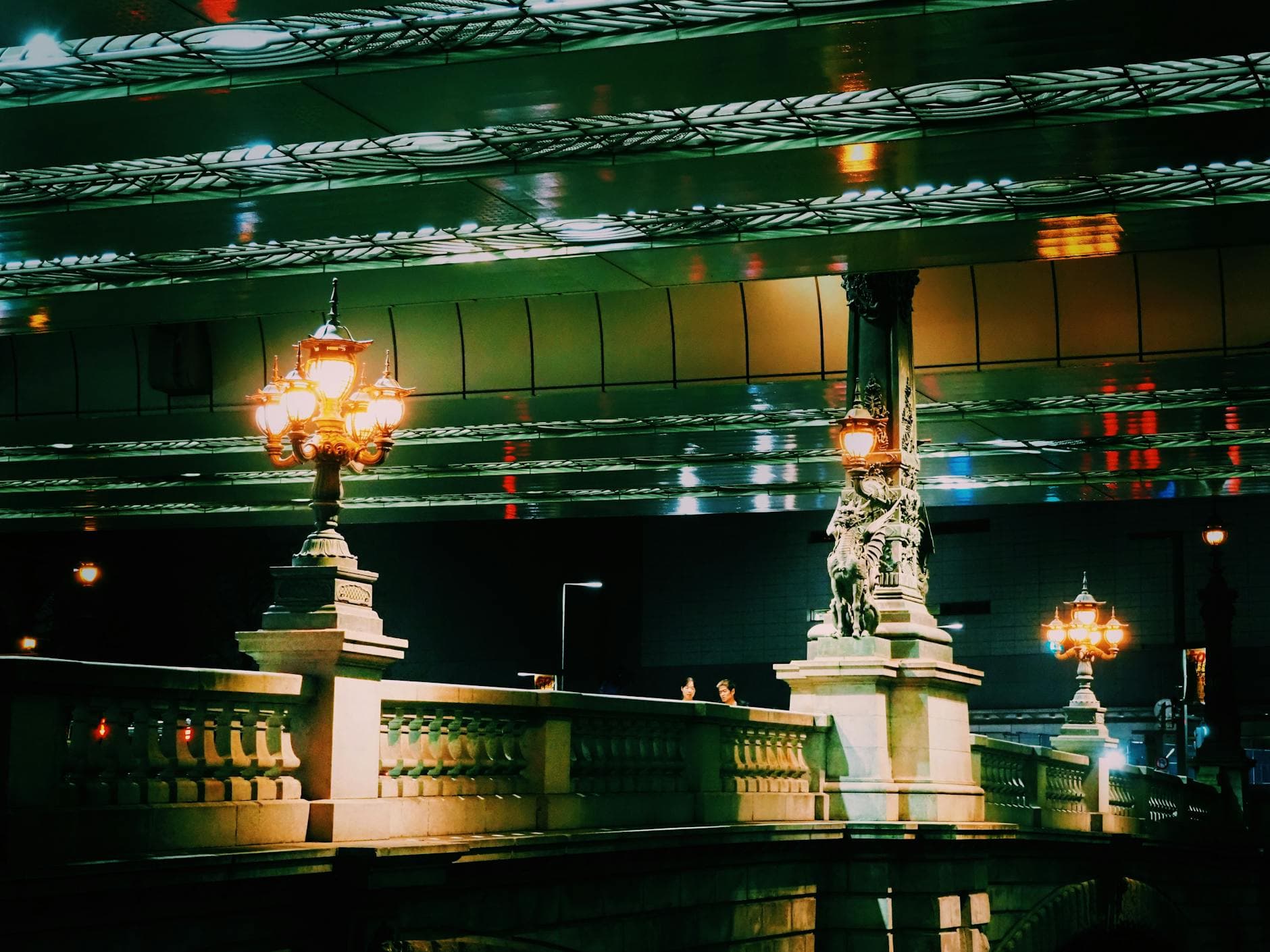
Nihonbashi / Kyobashi (offices, retail, easy movement)
Ginza / Shimbashi / Shiodome (meetings + hotels + dinner logistics)
Akasaka / Nagatacho (government, embassies, business hotels)
Roppongi / Azabudai (international-facing offices, museums, nightlife-adjacent dining)
Shinagawa (rail/airport convenience, corporate hotels)
Shinjuku (conferences, big hotels, complex station reality)
A good plan doesn’t try to “see Tokyo.” It uses one or two adjacent zones and builds a coherent half-day.
3) Punctuality pressure changes your routing choices
Tokyo’s rail system is reliable, but business travel adds a different requirement: predictability.
A route that is “fastest” can still be risky if it depends on a confusing interchange.
A plan that is “iconic” can still be wrong if it relies on peak-hour movement.
This is where guided planning (or at least guided route design) can pay off.
Think of guided time as a tool you use when it reduces a specific type of risk.
It usually makes sense when…
Your free windows are short (2–4 hours) and you want them to land cleanly.
You need a fast orientation to Tokyo so the rest of your trip feels easier.
You’re hosting someone (client, partner, colleague) and want a culturally smooth outing.
You’re new to Tokyo and don’t want your first half-day to be a navigation exercise.
You have a specific interest (design, architecture, modern history, everyday neighborhoods) and want interpretation rather than “checking sights.”
You’re managing constraints (mobility limits, tight schedule, language stress, dietary complexity).
It often doesn’t make sense when…
You enjoy self-navigation and have flexible time.
You’re only trying to hit one landmark with obvious access.
Your priority is shopping in well-signposted areas (where you’ll likely wander anyway).
If you want a broader, non-business-specific framework for choosing guided vs. independent time, this planning guide lays out the trade-offs in more detail: Tokyo private tour planning guide.
A guide can change
Route quality: better station exits, fewer dead ends, less backtracking.
Time realism: knowing what fits into a 3-hour window without rushing.
Interpretation: why a neighborhood feels the way it does (and what you’re actually seeing).
Micro-decisions: where to take a quiet break, how to avoid crowd pinch points.
Cultural friction: small etiquette and context that keeps interactions smooth.
A guide cannot change
Tokyo’s scale: you still can’t “do it all” between meetings.
Peak-hour density: some places will still be crowded.
Weather and seasonality: heat, rain, and winter wind still shape what feels pleasant.
The most reliable outcome is not “seeing more.” It’s having a half-day that feels intentional.
Instead of asking “What should I see?”, ask these four questions.
1) What is your time box?
Business travel time boxes tend to look like:
2 hours (between calls, before dinner, or as a controlled reset)
2–3 hours (late afternoon)
4–6 hours (a rare open half-day)
Your plan should match the box. If you have 2–3 hours, a single district done well is usually better than a cross-city sprint.
2) What is your start and end anchor?
Your anchor is typically:
your hotel
Tokyo Station / Shinagawa
a meeting district (Otemachi, Akasaka, Roppongi, etc.)
Build outward from that anchor to reduce transit volatility.
3) What is your energy state?
Jet lag often turns “I can do anything” into “I need a calm plan” in under 30 minutes.
A practical approach is to preselect two versions of the same plan:
Version A (high energy): more walking, more contrast
Version B (low energy): fewer transfers, more seated breaks, simpler navigation
4) What kind of value do you want?
Pick one primary value:
orientation (make the rest of the trip easier)
interpretation (make a place meaningful fast)
efficiency (make a short window land cleanly)
hosting (make the outing socially smooth)
Trying to optimize for all four usually creates a plan that’s too complex.
These are not “best places” lists. They are templates that match business travel constraints.
Marunouchi / Otemachi / Tokyo Station: the low-friction core
Why it works: central, connected, easy to time.
What it’s good for:
a calm first-day walk that de-jets your body
architecture and city-systems context (why Tokyo is organized the way it is)
predictable pacing before an evening meeting
Trade-off: it can feel polished and “corporate Tokyo” rather than messy, human Tokyo.
Example (2–3 hours): Tokyo Station area orientation + a deliberately quiet green/park segment + a short, curated contrast stop nearby.
Ginza / Shimbashi / Shiodome: close to hotels and dinner logistics
Why it works: walkable blocks, easy to stop when your schedule changes.
What it’s good for:
a pre-dinner unwind without committing to a full plan
modern Tokyo aesthetics (design, retail urbanism)
controlled hosting scenarios (clean, predictable environments)
Trade-off: it can skew “surface-level” without interpretation.
Akasaka / Nagatacho: compact, discreet, schedule-friendly
Why it works: you can do something meaningful without traveling far.
What it’s good for:
quiet walks that feel like a reset between high-intensity meetings
small cultural context moments without tourist overload
Trade-off: it’s less iconic on paper, more meaningful in-person when guided well.
Roppongi / Azabu: international-facing Tokyo with dense options
Why it works: concentration of museums, city views, and dinner-adjacent areas.
What it’s good for:
hosting a colleague who wants “Tokyo, but not chaos”
art/design context and modern development narratives
Trade-off: at peak times it can feel like “global city,” not uniquely Tokyo.
Shinjuku: high upside, high navigation cost
Why it works: if you want maximum contrast fast.
What it’s good for:
a first-timer’s “this is Tokyo” moment
a curated slice of density + systems explanation
Trade-off: Shinjuku Station complexity is real; without careful routing it can eat your window.
If you’re coming from meetings, 2 hours is usually the practical minimum for anything that feels like a real “Tokyo segment.” Shorter windows can work, but they tend to function as a reset or a very local walk—not a tour.
2 hours: the “reset loop”
Goal: give yourself a mental reset and a clean change of scene, without creating schedule risk.
choose a single walkable loop near your anchor district
add one intentional stop (tea/coffee, a park edge, a quiet viewpoint)
keep the ending predictable so you can return to work mode on time
Why guided time helps here: you don’t have minutes to waste on wrong exits or dead streets.
2–3 hours: the “one district, done properly”
Goal: one coherent neighborhood story.
A strong 2–3 hour plan usually includes:
one core area (not multiple)
one contrast edge (a short shift that changes the feel)
one break built in (because business travelers underestimate fatigue)
Example structure: 20–30 minutes of context → 60–90 minutes of exploration → 20–30 minutes of decompression and easy return.
4–6 hours: the “two-zone pairing”
Goal: two adjacent zones with a clear theme.
Two-zone pairings work best when the transit between them is short and obvious.
Pair zones that share a boundary or an easy line.
Avoid plans that require multiple transfers.
Why guided time helps here: it’s less about speed and more about editing—removing the parts that don’t pay you back.
A visiting executive’s best outcome usually comes from a short, specific brief.
Copy/paste this checklist:
Your anchor: hotel name + nearest station exit if you know it
Your time window: exact start time and hard end time
Your energy state: “jet lagged” / “fine” / “want a calm pace”
Your interest signal: pick one: design / modern history / everyday life / architecture / food context (not food-hunting)
Your constraints: mobility, heat sensitivity, dietary needs, crowds, stairs
Your meeting context: “need to be presentable afterward” (changes pacing)
If you’re hosting someone, add:
who they are (client, colleague, partner)
what you want the outing to feel like (formal, relaxed, celebratory, discreet)
The best briefs are short and constraint-heavy.
These are illustrative templates, not prescriptions. Swap neighborhoods to match where you’re staying.
Template A: First day orientation near Tokyo Station (2–3 hours)
Use when: you just arrived, want Tokyo to feel legible, and don’t want complexity.
start near your hotel or Tokyo Station
do a compact walk that explains the city’s layers (old vs. new, above vs. below ground)
include one calm green segment to reset your nervous system
end somewhere with effortless onward transport (back to hotel or to dinner district)
What you’re optimizing for: lowering cognitive load for the rest of the trip.
Template B: Post-meetings decompression in a dinner-adjacent district (about 2 hours)
Use when: you have a narrow window before dinner, and you need it to be low-risk.
meet close to where you already are
keep the route simple and conversation-friendly
include a single “Tokyo contrast moment” that feels memorable without crowd stress
finish near where dinner logistics are easiest
What you’re optimizing for: calm, predictability, and a clean finish.
Mistake: treating Tokyo like a city of landmarks
Tokyo is a city of districts and systems. If you chase landmarks, you often burn time in transit.
Avoid it: choose one district story per window.
Mistake: underestimating the cost of “just one more stop”
The last stop is usually the one that breaks punctuality.
Avoid it: build a plan with an early optional cut.
Mistake: choosing Shinjuku/Shibuya for every free window
They’re iconic, but they’re also the highest-friction choices when you’re time-boxed.
Avoid it: pick them once, do them intentionally, and use calmer districts for the rest.
Mistake: assuming you’ll have evening energy
After meetings, Tokyo can feel louder than you expect.
Avoid it: decide in advance whether your outing is an “up” plan or a “down” plan.
If you’re deciding whether to use a private guide on a business trip, the simplest test is this:
Will guided time reduce a specific risk I care about?
Common executive risks include:
wasting the only free window you have
arriving late or flustered for dinner/meetings
feeling like you “saw nothing” despite being in Tokyo
spending mental energy on navigation when you need it elsewhere
If none of those risks matter to you, you’ll likely do great on your own.
If one or two matter a lot, guided time can be a rational choice—not as an “extra,” but as a way to protect your work trip.
Use this as a final filter.
Choose a private guide if:
you have a short window and want it to be high-quality
you want Tokyo to become legible fast
you’re hosting and want timing + transitions handled
you’re managing constraints (jet lag, mobility, language stress)