

Tokyo Private Tours for Repeat Visitors
Tokyo tours for repeat visitors work best when someone else suggests the places. Most companies start by asking what you want, which is fine on a first trip, but you can't ask for places you've never heard of. Our guides already know Yanaka, Shimokitazawa, Togoshi Ginza, and the standing bars in Yurakucho. You skip the orientation and spend the day in the Tokyo most people find on their third trip.
Why Choose This Experience
Built for Repeat Visitors Who've Outgrown the Standard Tours
Tomigaya is about fifteen minutes on foot from Shibuya. Togoshi Ginza has a shopping arcade over a kilometer long where vendors greet regulars by name. You've probably passed the turn for both more than once. Plenty of tours let you customize, but few will suggest places you haven't heard of, and many sell a single activity rather than a whole day. Hinomaru builds an 8-hour day around what you've already done in Tokyo: standing sushi bars without English menus, basement bars in Ginza, and neighborhoods like Yanaka, Koenji, and Shimokitazawa that most people find only on a third or fourth visit.
Breaking Familiar Patterns
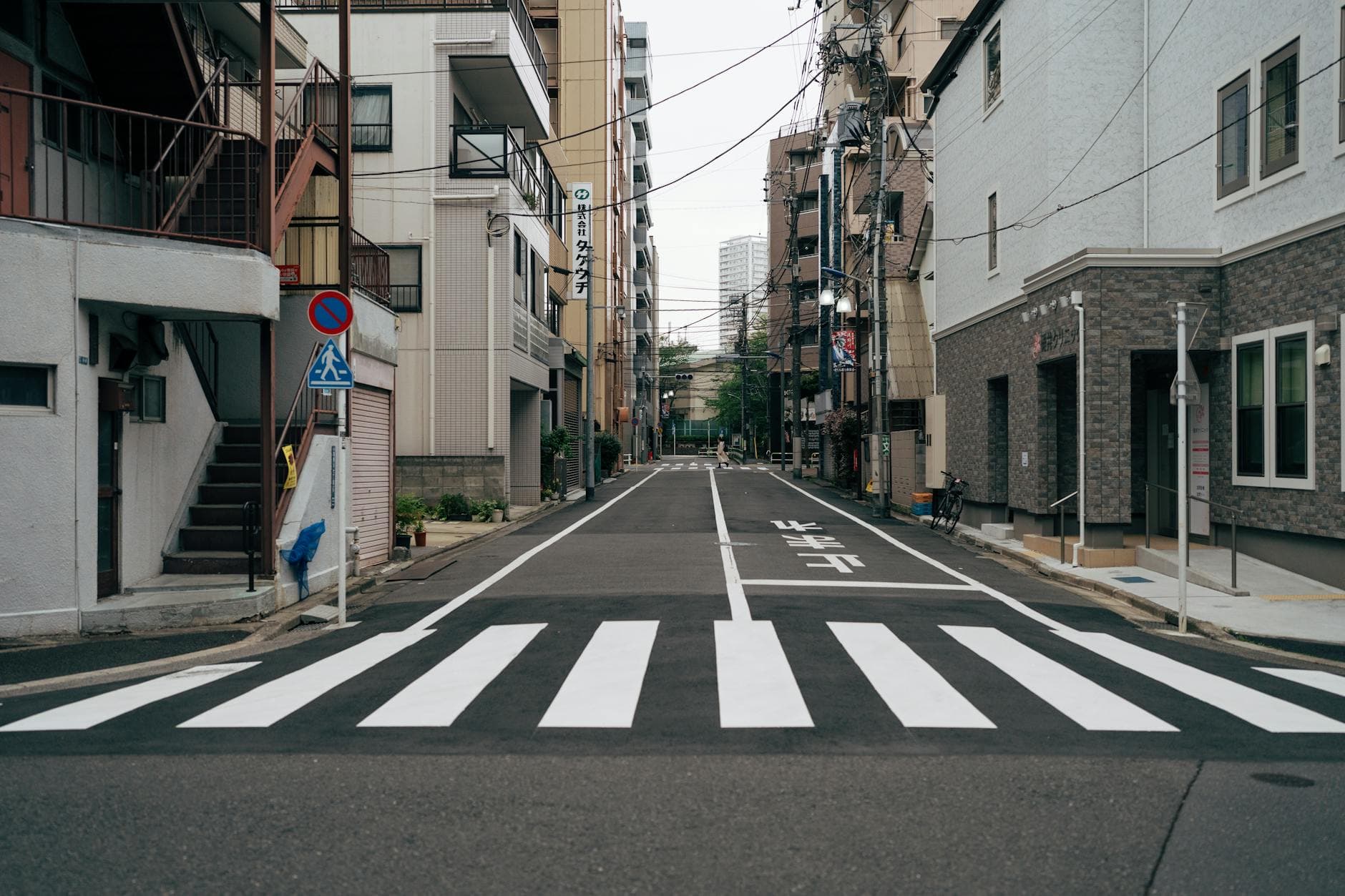
Tomigaya is about 15 minutes on foot from Shibuya. Kagurazaka is a few minutes' walk from Iidabashi station. You may know the names from Reddit. Your guide knows the alleys inside them that the guidebooks leave out.
Access Over Orientation
Standing sushi bars, basement cocktail bars in Ginza like Star Bar Ginza, yakitori under the Yurakucho tracks. These places run on house rules nobody explains in English, and your guide knows them.
Fewer Places, Longer Stays
3 hours in Yanaka or Shimokitazawa shows you more than 30 minutes in each of six neighborhoods. We plan the full day around where you've already been.
Curation Over Customization
Most private tour companies start by asking what you want. That's a hard question about places you've never heard of, so we suggest the neighborhoods and venues first and you choose from there.
Tokyo Private Tours for Repeat Visitors Highlights




What Our Guests Say
"He made adjustments to the schedule as needed, stayed overtime to see the Skytree, and accommodated picky eaters through his expertise of local food."
"My family wanted anime stuff and everything else jam packed into the day. Satoshi did not disappoint. My family is still raving about this tour days later!"
"I'd been to Tokyo many times before and still had never seen or heard of most everything he included in our tour. We liked it so much, we immediately booked a second day!"
"I'd been to Tokyo many times before and still had never seen or heard of most everything he included in our tour. We liked it so much, we immediately booked a second day!"
"He took me to hole-in-the-wall spots — a peppercorn specialist in Tsukiji, a Matcha beer spot. We finished at a rooftop foot bath with a beer and an amazing view."
"He took us where the locals go. Hidden spots he knew we'd enjoy, and a quaint yakiniku place with over the top wagyu beef."
"He took us to a little restaurant for 'nibbles and Sake' — three types. Later, an afternoon pastry. Then we finished at a pub for Japanese beer. Above and beyond!"
"Felt like we'd known him for years. Wanted an authentic lunch with no Ramen for a change — a 3rd floor Hot Pot Restaurant we never would have found."
TOGOSHI GINZA STREETS
RESIDENTIAL TOKYO
TOKYO JAZZ UNDERGROUND
Your Journey
Togoshi Ginza or Tomigaya (Your Choice)
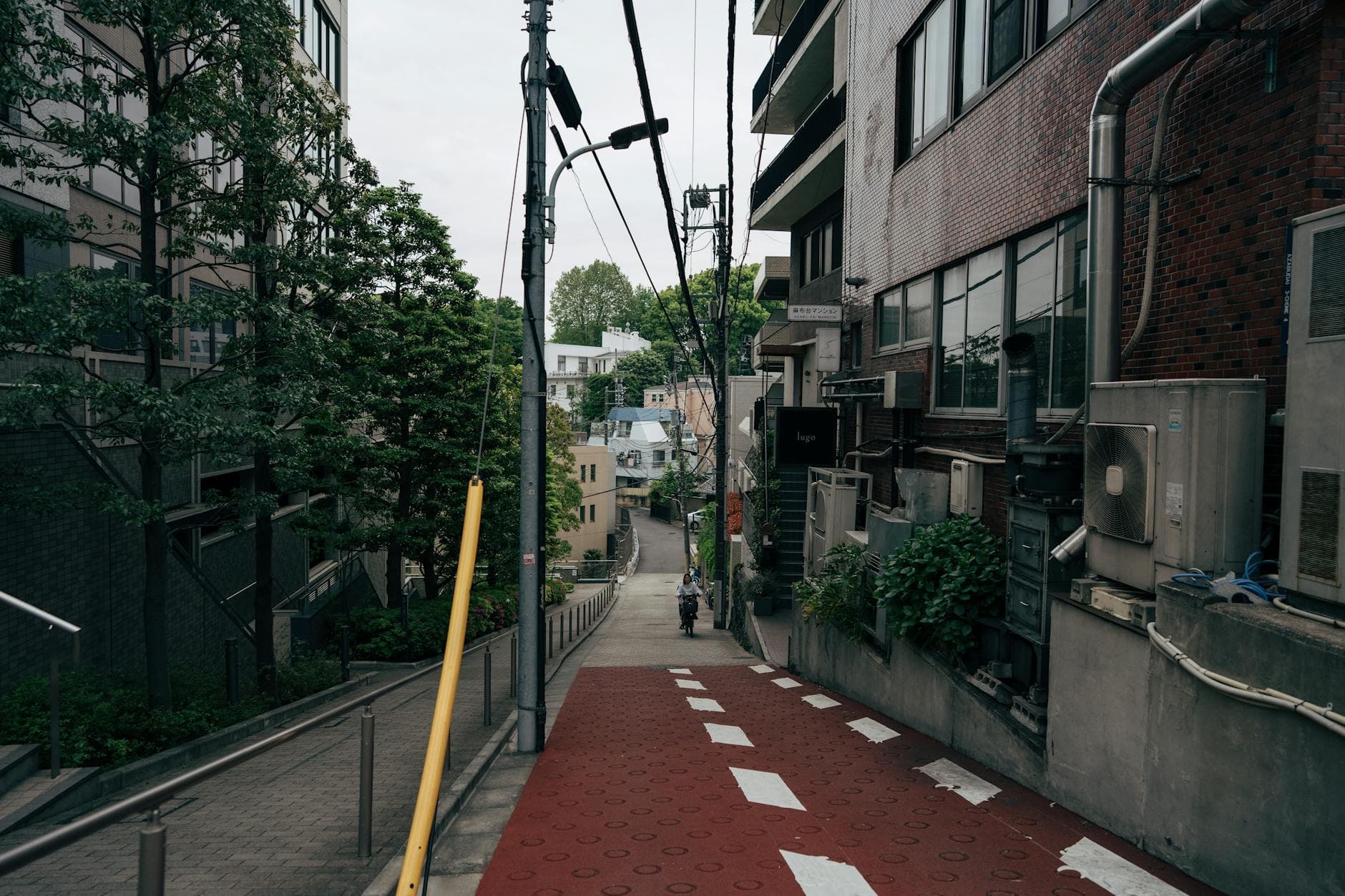
Togoshi Ginza has a shopping arcade over a kilometer long, with produce stands and kissaten coffee. Tomigaya has quiet residential cafés about 15 minutes on foot from Shibuya. You've likely walked past both without going in.
- Shopkeepers greeting regulars by name
- Thick toast and old-school coffee, unchanged for decades
- The morning shopping routine tourists never see
Shimokitazawa & Komaba
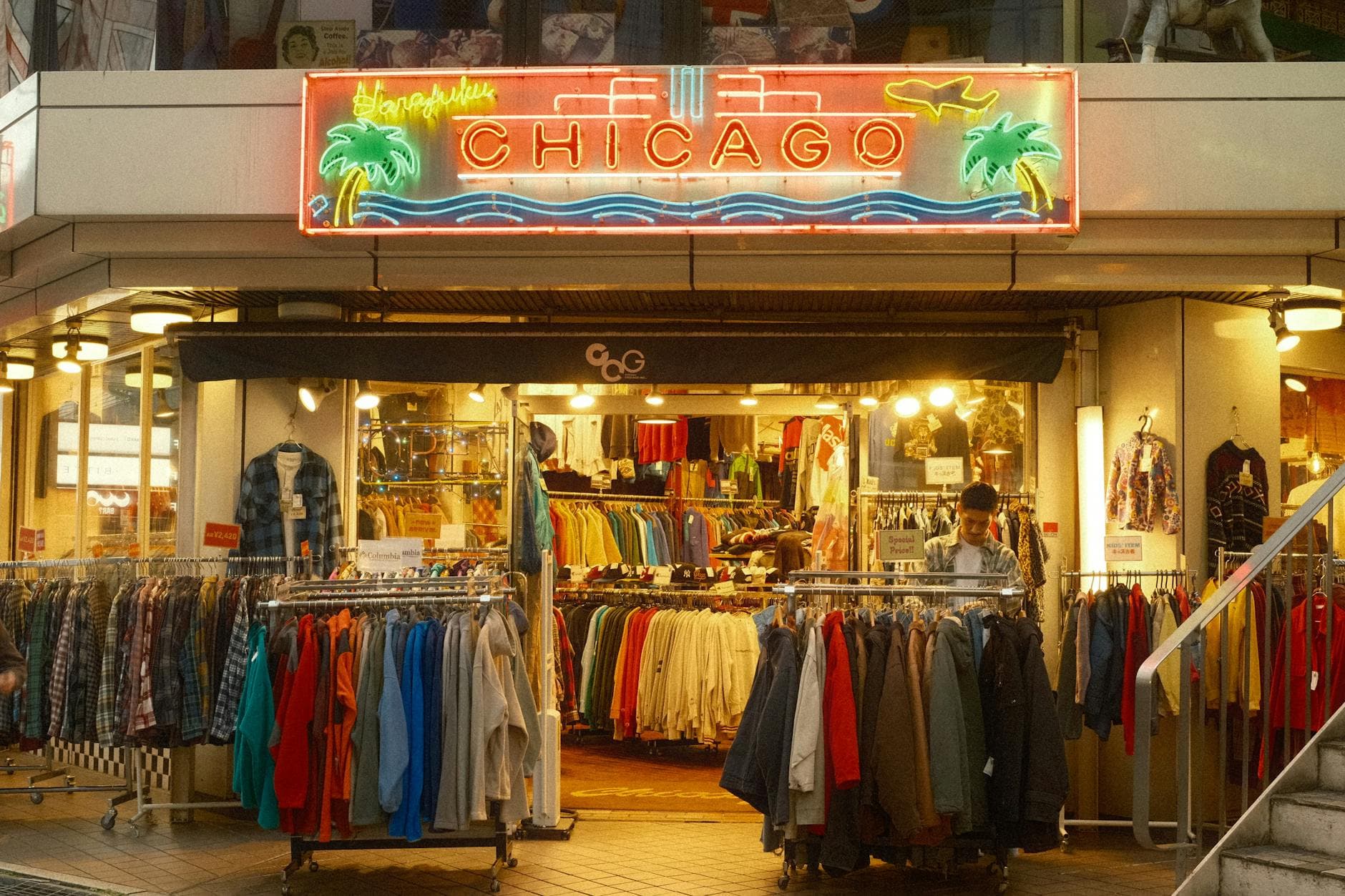
Wander Shimokitazawa's narrow vintage lanes and handwritten café signs, then walk or ride one stop to Todai's Komaba campus, where students read in shaded courtyards under old stone archways.
- Vintage clothing racks spilling onto the street
- Zine shops and independent bookstores
- Campus museum and historic architecture
Neighborhood Restaurant (Japanese-Only)
Your guide picks a place with no English menu: family-run soba, table-grill yakiniku, or an udon shop unchanged for generations.
- Guide handles all ordering and dietary questions
- A sit-down lunch without a tourist menu
Kichijoji or Yanaka (Your Priority)
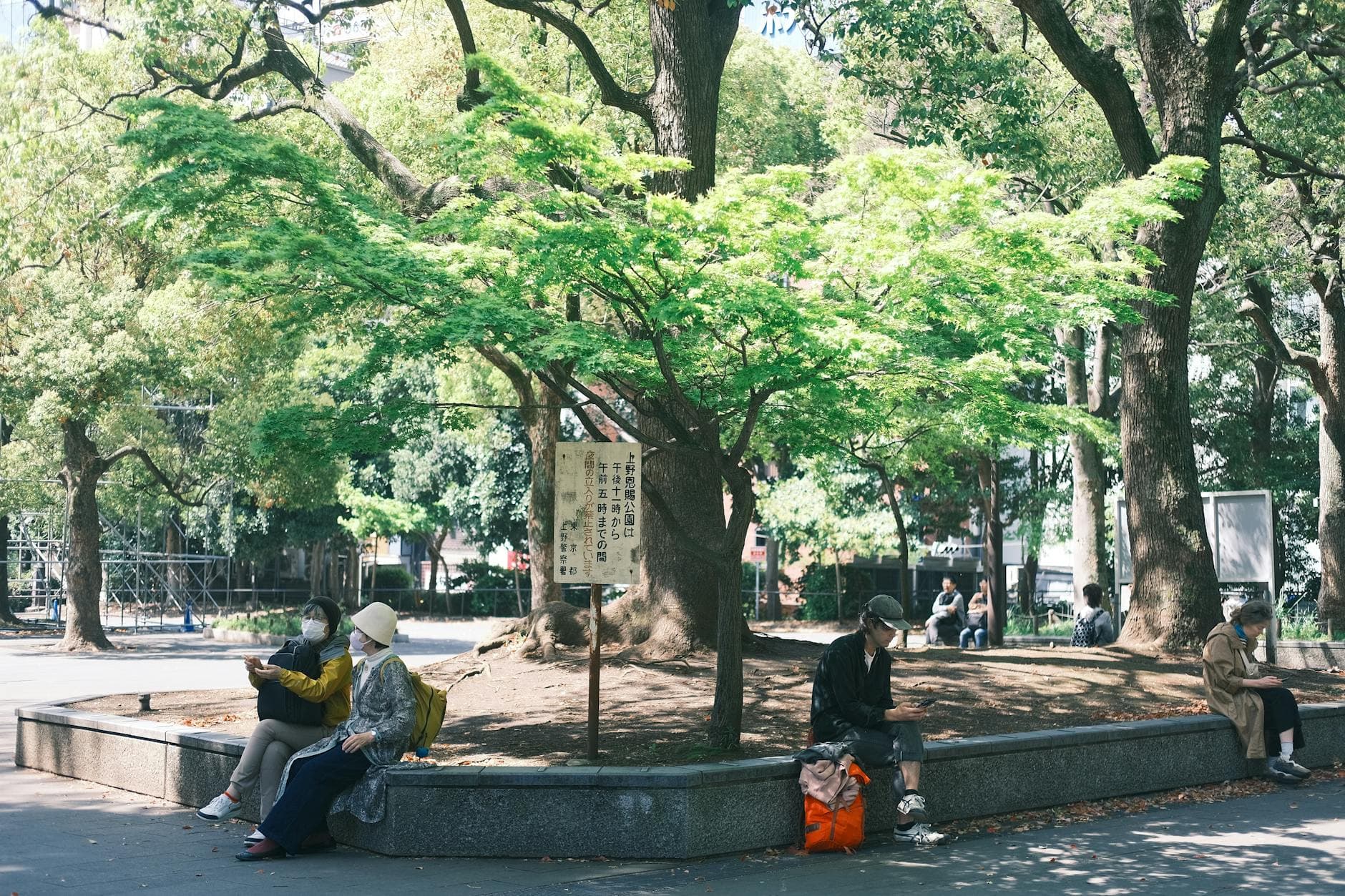
Kichijoji shows suburban family life: Inokashira Pond, covered markets, ordinary residential streets. Yanaka shows pre-war Tokyo, with around 70 temples, wooden houses and a traditional shopping street. You pick one.
- Kichijoji: rowing boats, mothers cycling with groceries, a quiet stop at the post office
- Yanaka: temple alleys, preserved streets, old Tokyo largely spared in the war
Marunouchi Business District Walk
Switch to business Tokyo: stone boulevards, glass towers, quiet cafés and small galleries. Late afternoon shows how the working city takes a break.
- Tokyo Station architecture and underground passages
- Imperial Palace outer gardens next door
- Depachika food halls for snacks
Yurakucho Under-the-Tracks
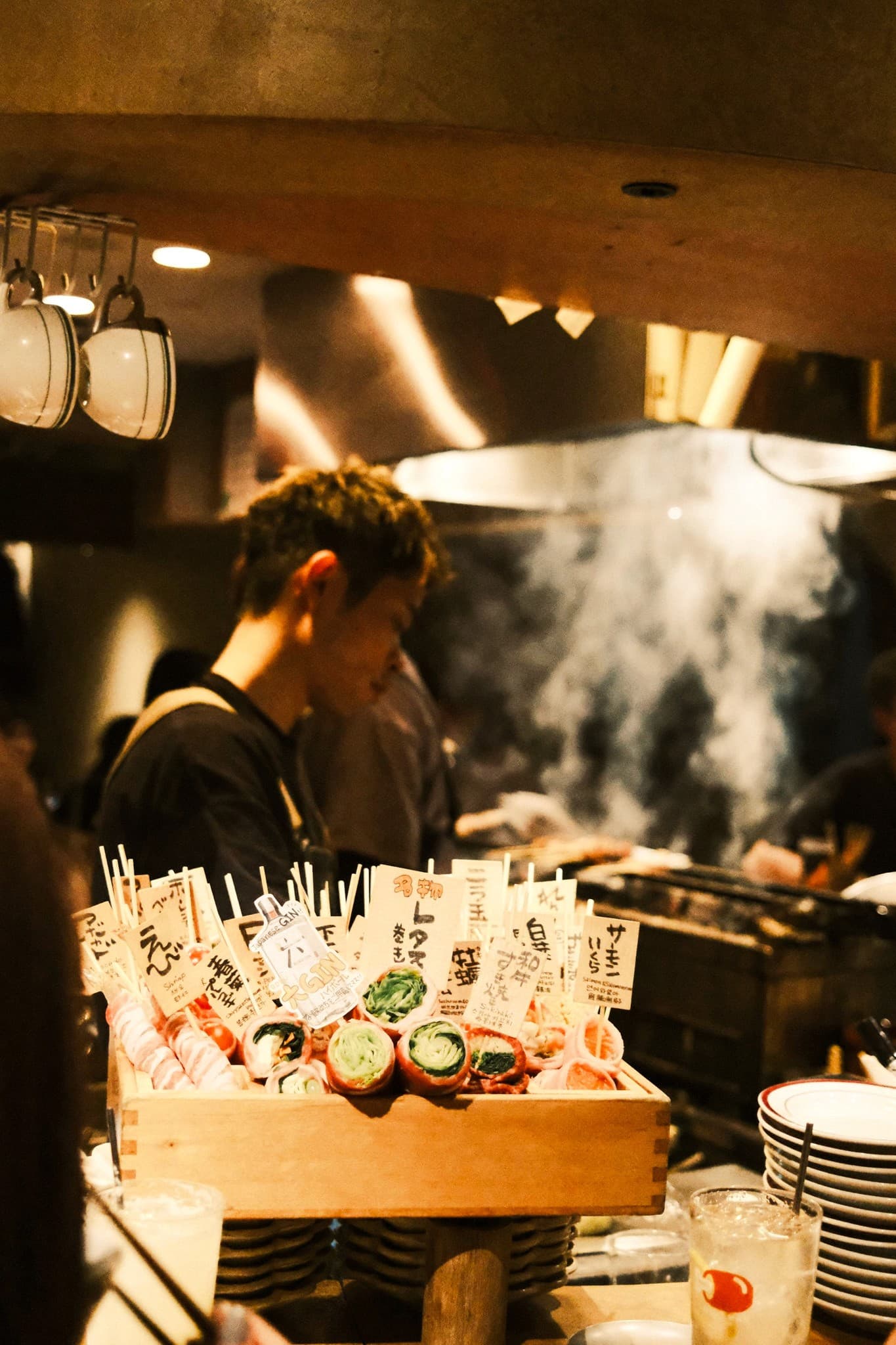
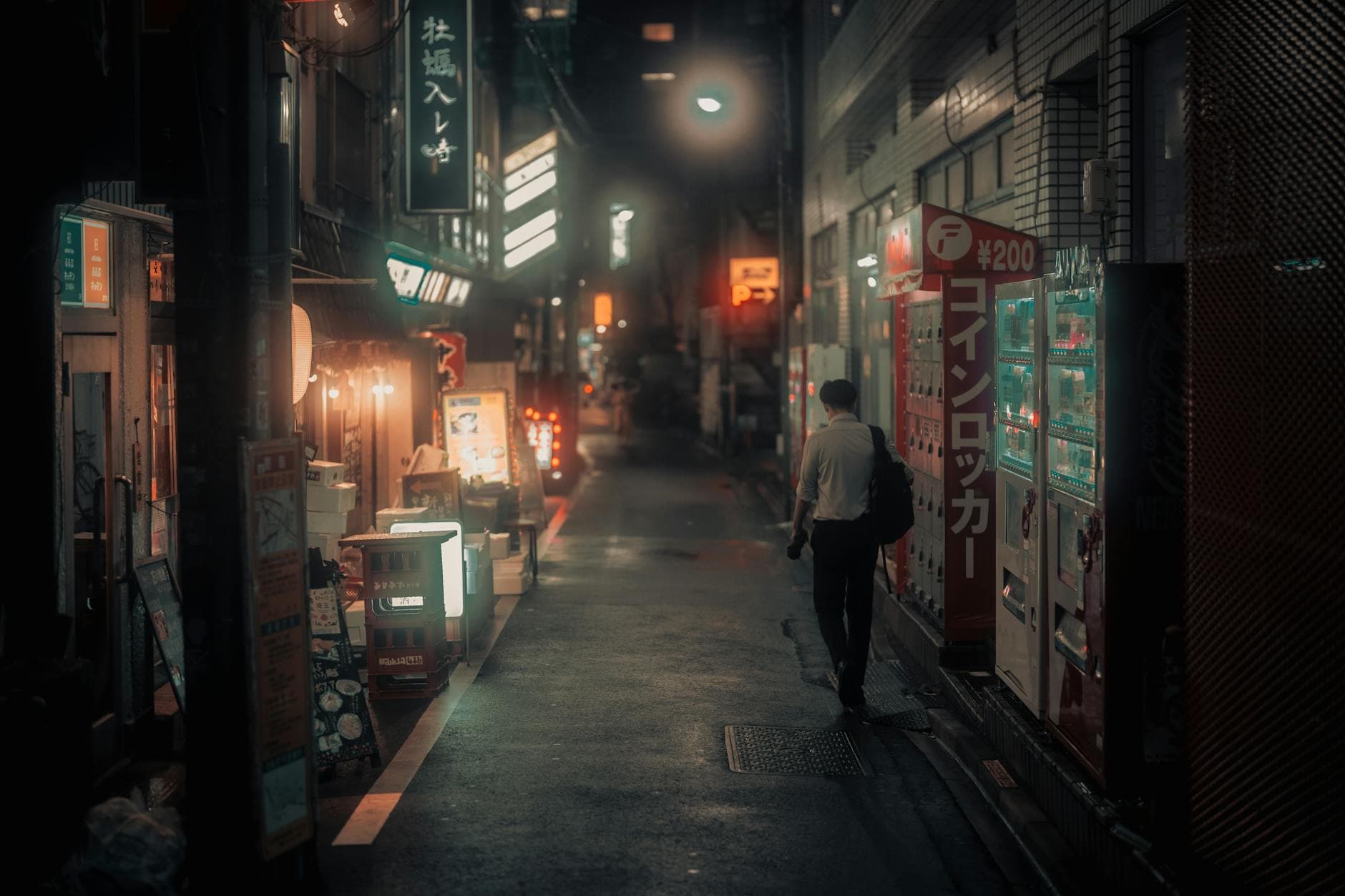
After 6 PM the alleys under the elevated tracks fill with salarymen, red lanterns and skewer smoke. Your guide knows the house rules and does the ordering.
- Standing bars and izakaya packed close together
- Many places are cash-only and some are self-service; make an X with your index fingers for the bill
- A toast with office workers after hours
This is merely a suggestion. Your itinerary is fully bespoke.
Your Private Experience Includes
KICHIJOJI PARK
SHIMOKITAZAWA VINTAGE
BACKSTREET TOKYO