

Tokyo Traditional Culture Tours
This Tokyo traditional culture tour teaches you to read temples, gardens and tea ceremony, so the sites you visit later in your trip make sense. The day is spent on what you're looking at and why it was built that way.
Why Choose This Experience
For Travelers Who Want to Understand What They're Seeing
Booking sites like Viator and GoWithGuide will find you a tea ceremony slot or a guide who covers the main sites. This tour teaches you to read what you're seeing. By the end you'll tell a Buddhist gate from a Shinto torii, you'll know why garden stepping stones are spaced to set your walking pace, and you'll follow the gestures of any tea ceremony you sit in later.
Architecture Literacy
Your guide shows you how to tell a Buddhist gate from a Shinto torii, what the guardian statues are for, and how worship differs between the two.
Tea Ceremony Explained
Add a tea ceremony and your guide explains each gesture as it happens: what the bowl rotation means, why the low door makes you bow, and what the seasonal wagashi sweet refers to.
Garden Design Principles
Gardens follow rules: shakkei borrowed scenery, karesansui raked gravel standing in for water, tsukubai basins set at a deliberate height. Learn them once and you'll spot them in every garden.
Transferable Knowledge
One explained temple and one explained garden give you a framework. For the rest of your trip you can read most sites on your own.
Tokyo Traditional Culture Tours Highlights


What Our Guests Say
"Satoshi was a great guide showing deep knowledge of the sites we visited and personally experienced in some side places. Wonderful guy!"
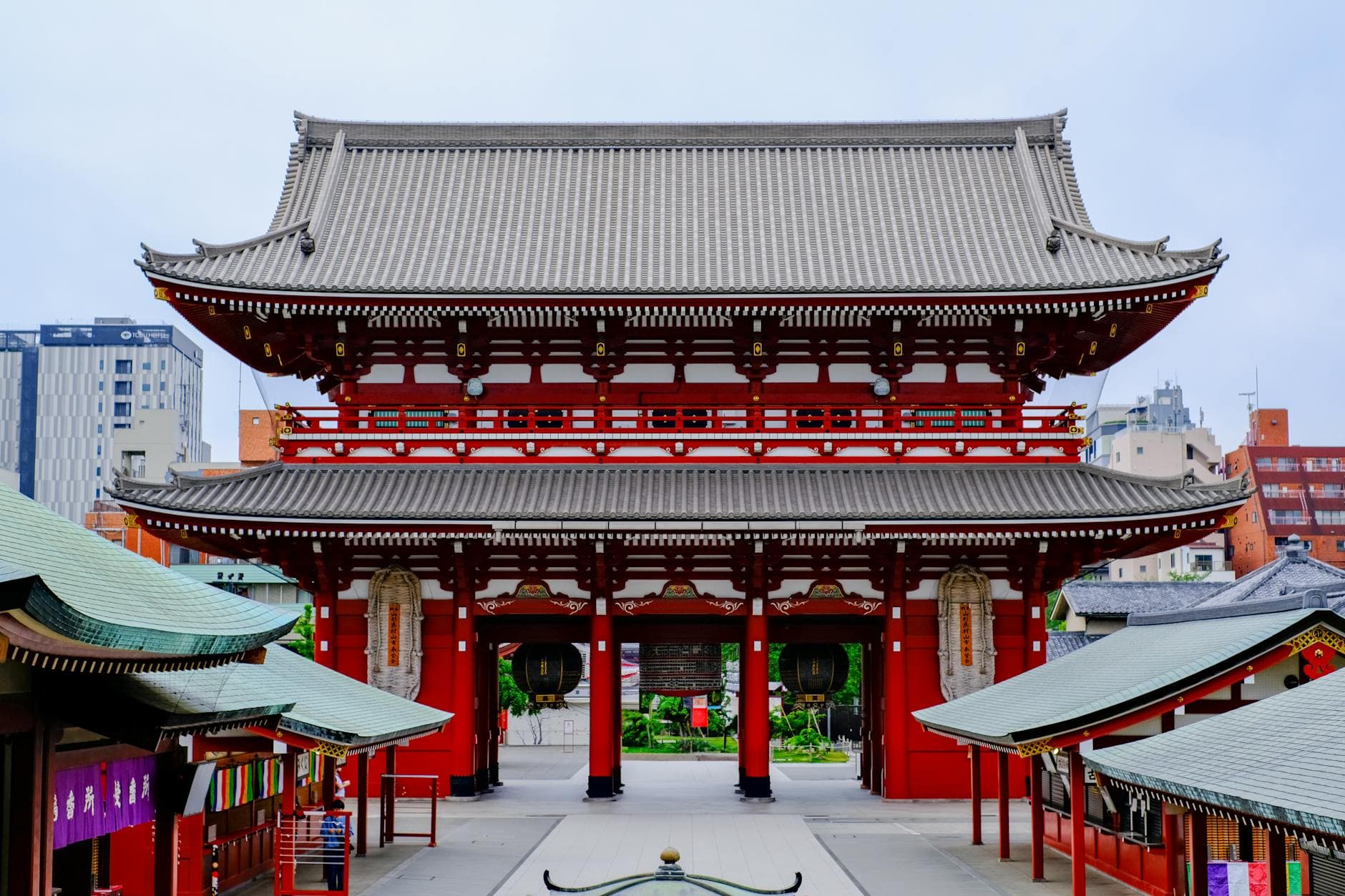
SENSO-JI GATE
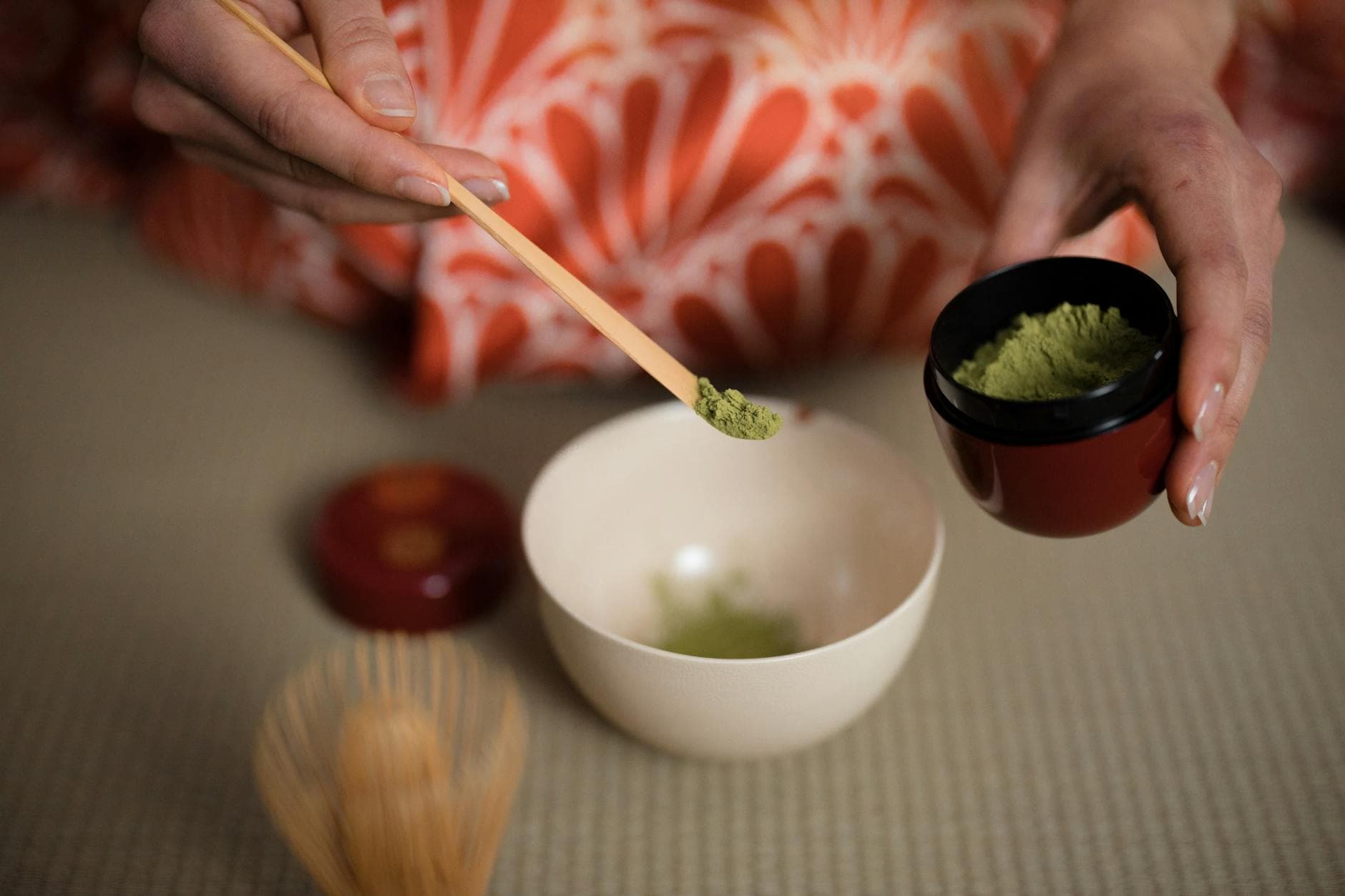
TEA CEREMONY
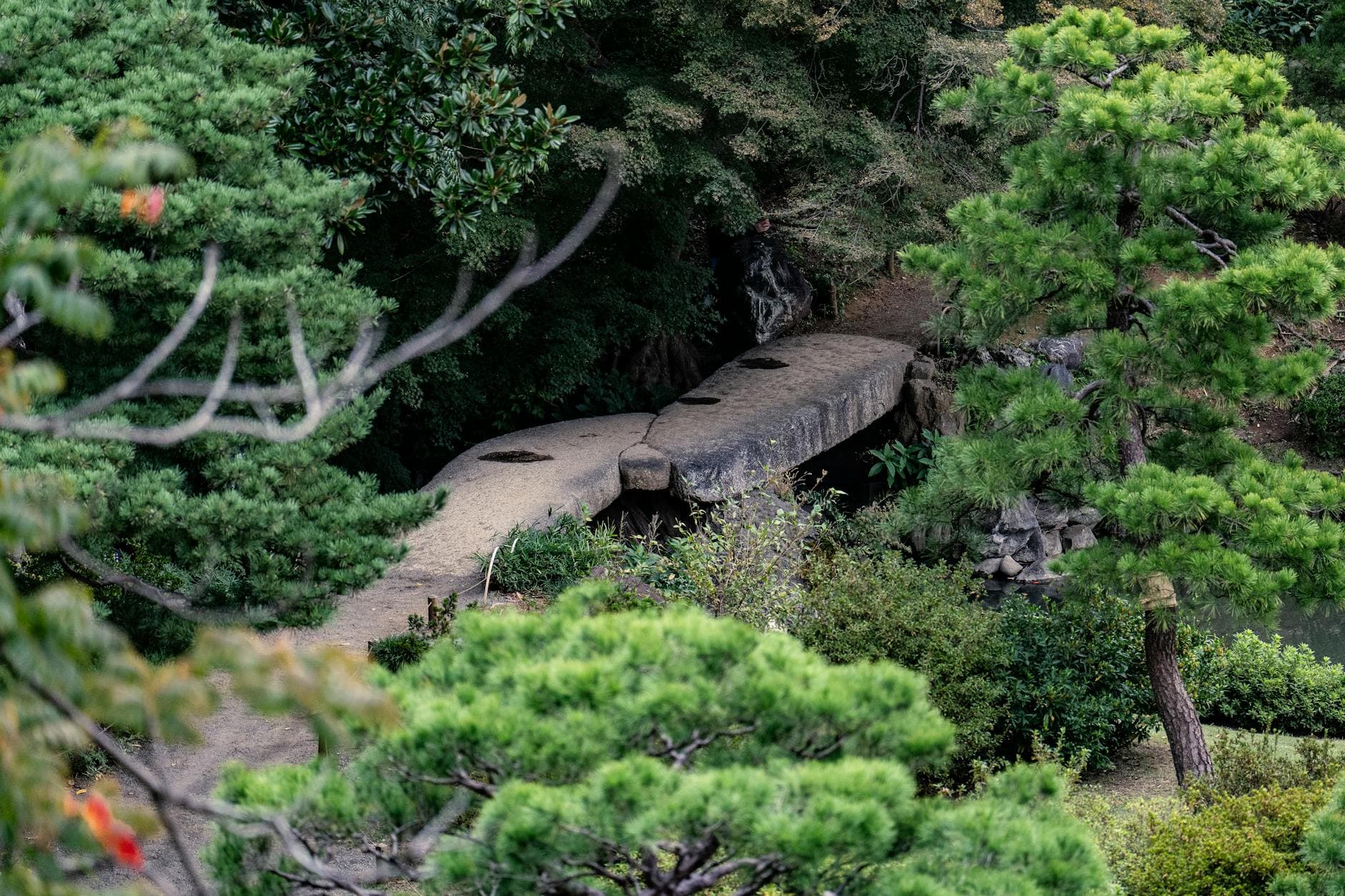
ZEN GARDEN
Your Journey
Kanda Myojin & Yushima Seido
Start at Kanda Myojin, founded in the 8th century, for the Shinto markers: torii, komainu guardians, clapping at worship. Then compare Yushima Seido, the old Confucian academy of black lacquer and solemn halls where samurai were educated.
- 30 minutes comparing Shinto and Confucian design side by side
- Carved and lacquered detail at Kanda Myojin against the plain black halls of Yushima Seido
- How worship differs: when to clap, when to bow, when to stay silent
Nezu Shrine & Garden Literacy
Walk Nezu's tunnel of vermilion torii under the trees. The shrine buildings went up in 1706 and are still standing, and the azalea slopes and pond are where you practice reading a garden.
- Buildings more than 300 years old, with detailed wood carvings
- Shakkei: using distant views as borrowed scenery
- Seasonal planting and the Japanese aesthetic behind it
Marunouchi Traditional Meal
Lunch in Marunouchi, between the office towers and the palace moats. Your guide explains how kaiseki follows the seasons, or how tempura is fried.
- Choose a depachika food hall or a sit-down traditional restaurant
Imperial Palace East Gardens & Yanaka
Trace the shoguns' power through Edo Castle's massive stone walls and surviving guardhouses. Then walk Yanaka's pre-war streets, where wooden houses came through the 1945 air raids.
- Castle moats and the defensive engineering behind them
- Walk down the Yuyake Dandan steps into a preserved residential quarter
- 70+ temples that trace back to the area's origins as a Buddhist funeral district
Ura Asakusa Backstreets
Skip the crowds at Sensoji for the backstreets: mid-century shops, Showa-era cafés, weathered shutters and faded signs. Finish on the Sumida River embankment, where Edo's rice and goods once arrived by boat.
- Traditional craft shops that are hard to navigate without Japanese
- River views that show how geography shaped Tokyo's growth
This is merely a suggestion. Your itinerary is fully bespoke.
Your Private Experience Includes
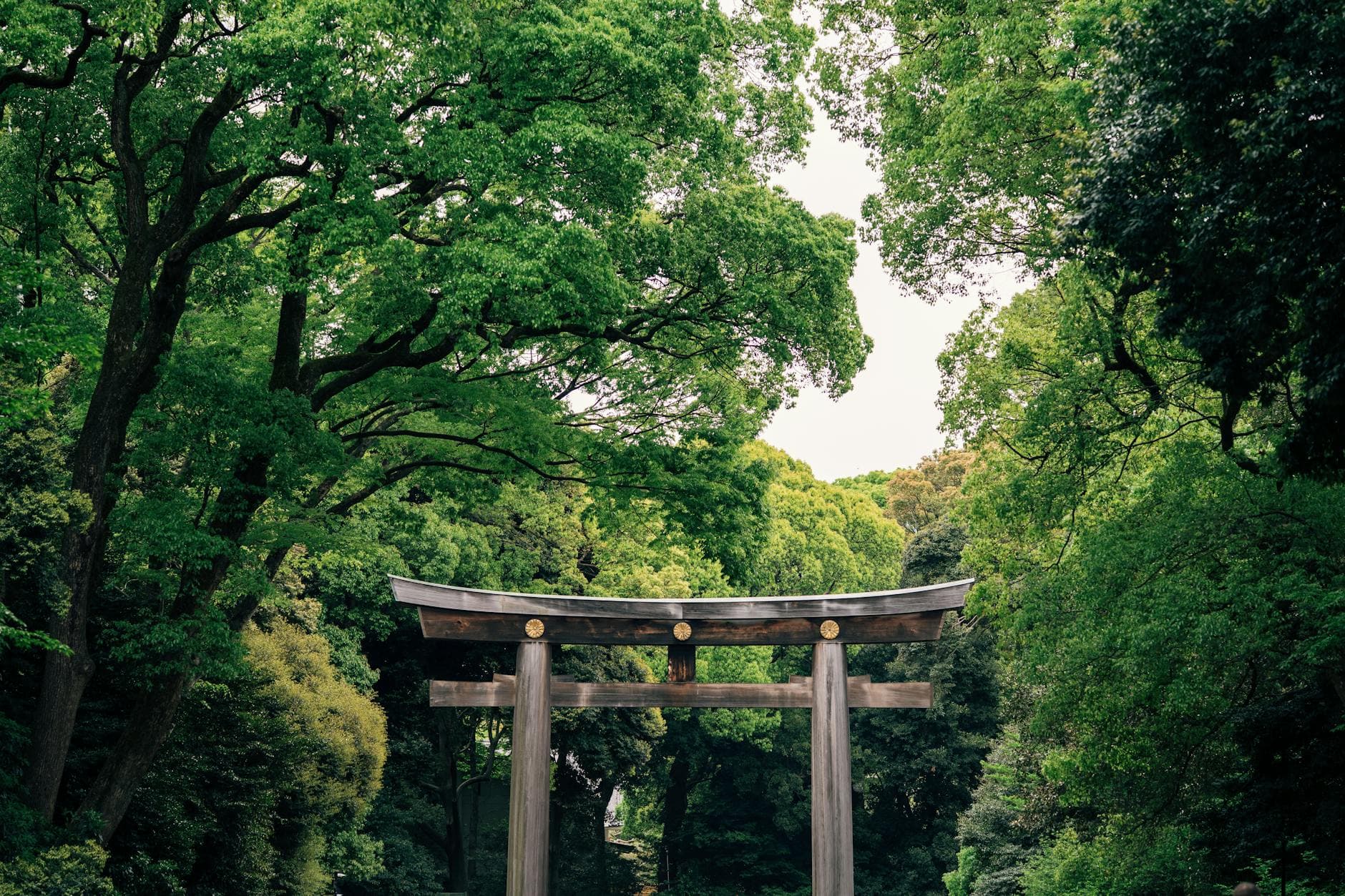
TORII GATE
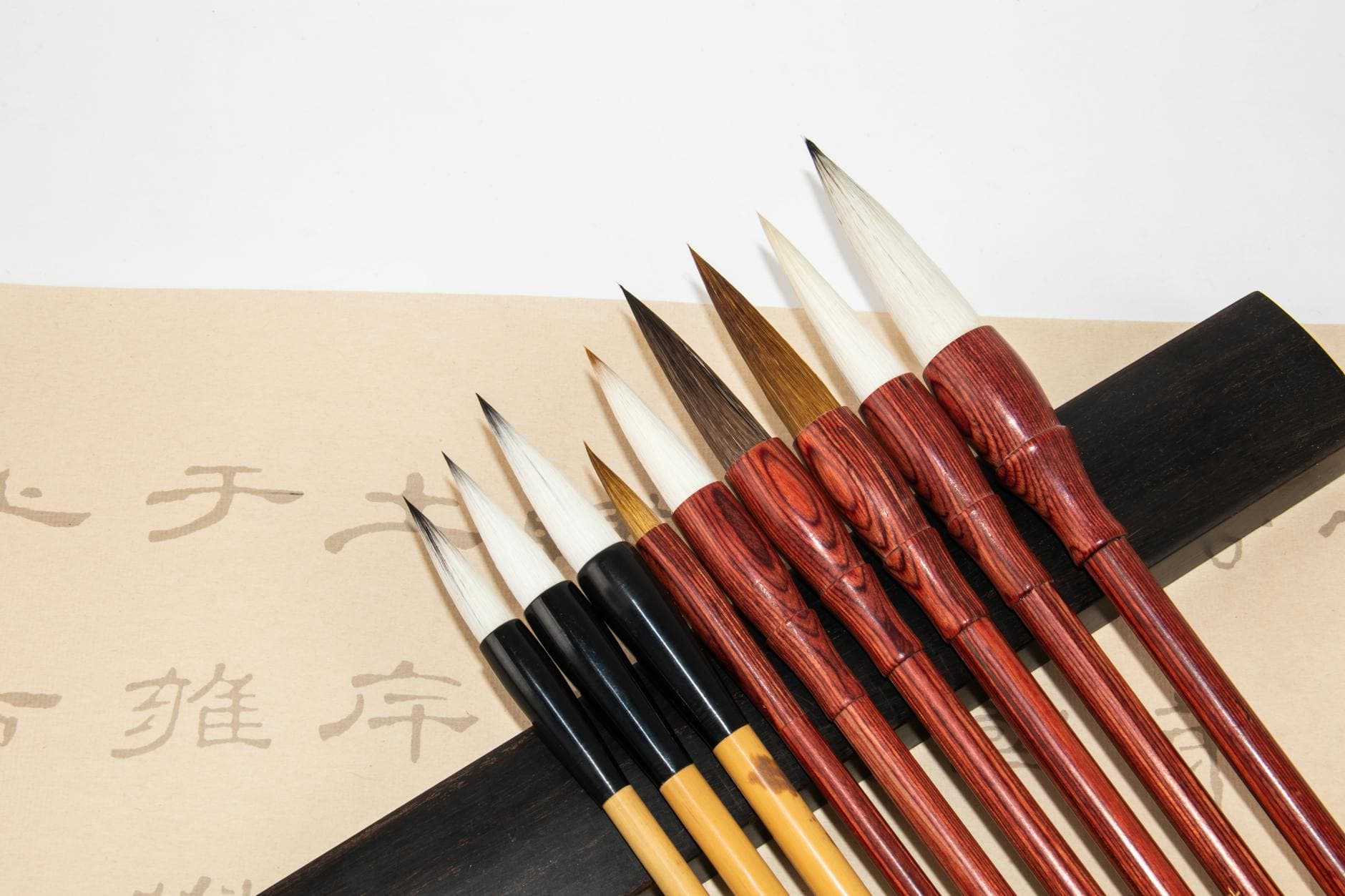
CALLIGRAPHY BRUSHES
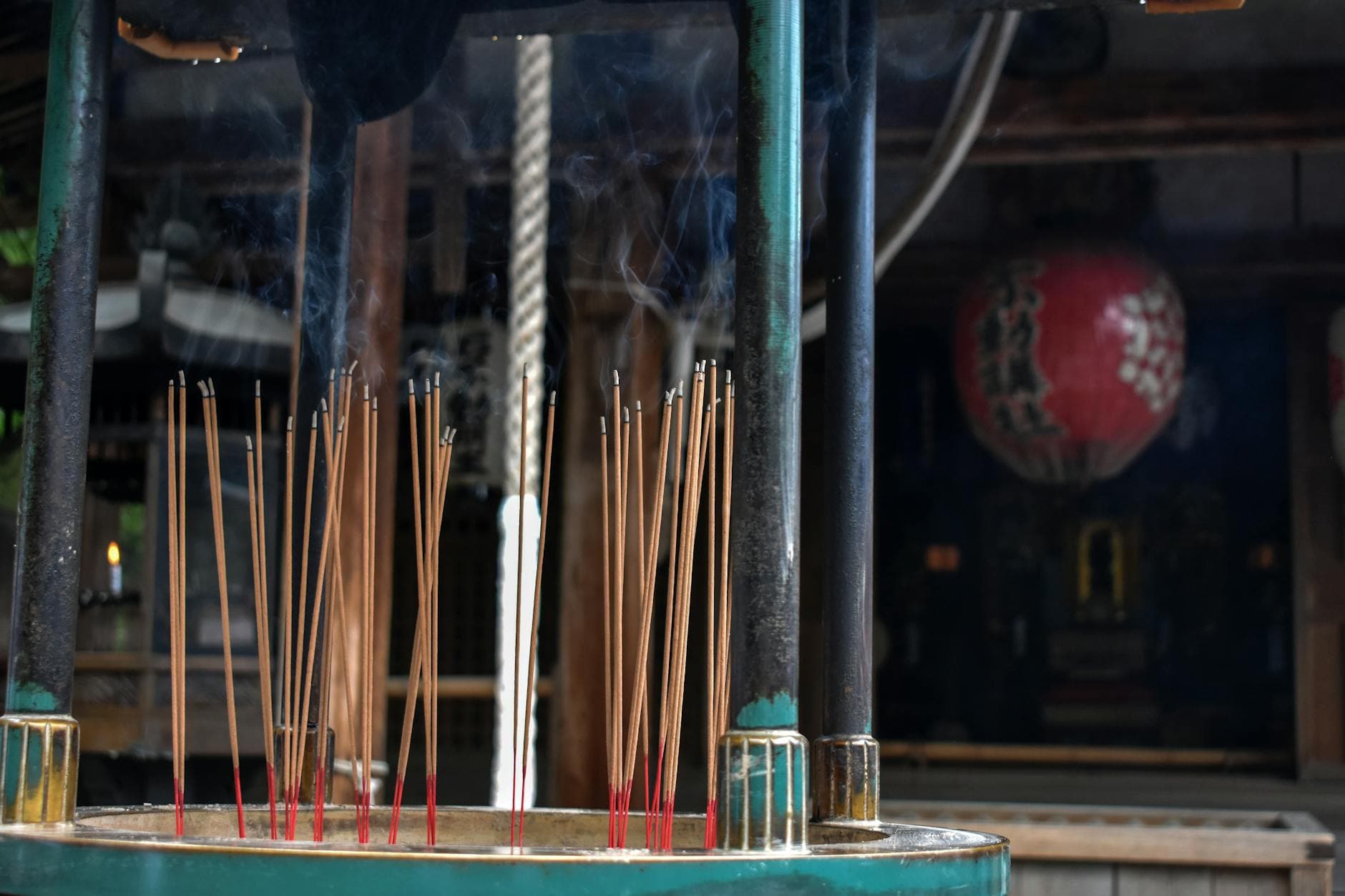
SHRINE INCENSE