Reduce stress on your Tokyo cocktail night-prepare for reservations, hard-to-find doors, Japanese-only menus, and last trains.
The best cocktail bars in Tokyo reward preparation: reservations, hard-to-find doors, Japanese-only menus, and last trains are all part of the equation.
Searching for the "best cocktail bars in Tokyo" usually starts with excitement. You've seen the photos: crisp white jackets, perfectly clear ice, and drinks that look like works of art.
What most articles don't mention is the friction that can make this simple pleasure surprisingly difficult for first-time visitors. In Tokyo, the challenge often isn't the cocktail-it's successfully executing the evening.
Why Tokyo's Cocktail Scene Can Be Harder Than You Expect
The issue isn't a lack of options. It's that many of the best bars operate on a different wavelength: small rooms, quiet atmosphere, and a focus on craft over volume. For visitors, that creates a few predictable points of friction.
Hidden locations and "signless" entrances
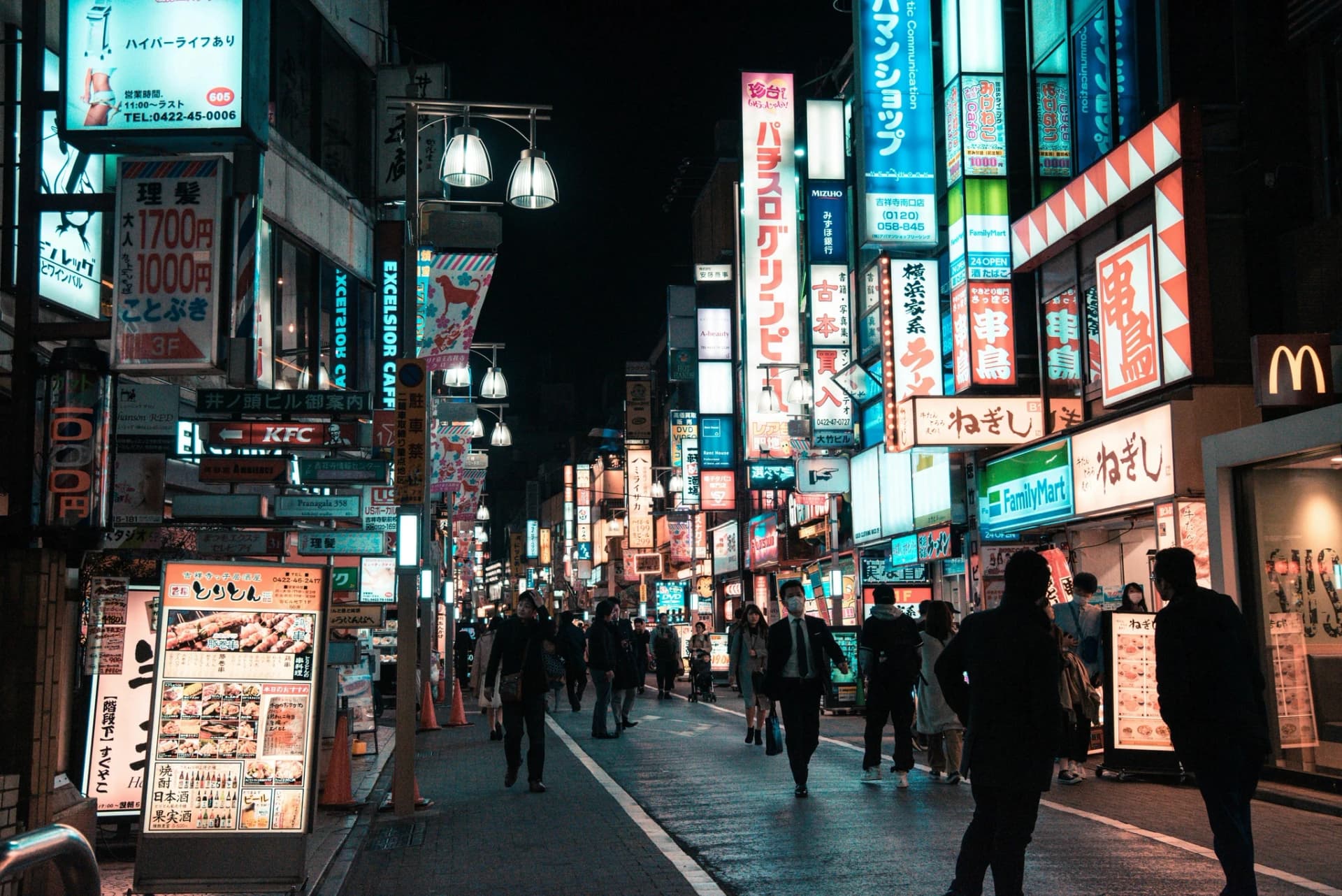
World-class bars like Bar High Five or Bar Benfiddich aren't always on main streets. They're often in nondescript buildings, down quiet alleys, or on upper floors with minimal signage.
Arriving at the correct pin on Google Maps is only half the battle; the final step-finding the right elevator and the right door-can be genuinely confusing, especially at night.
If the pin is right but you can't find the door, do this in order:
-
Confirm the building name + floor (many bars are upstairs/basement)
-
Look for a tiny plaque/menu near the elevator or a discreet door label
-
If there's an intercom/buzzer panel, scan for the bar name
-
If you're still stuck after 5 minutes, call-or switch to a backup
Reservations can be non-negotiable
Many acclaimed bars have fewer than ten seats. Turning up without a reservation (even on a Tuesday) can mean being politely turned away.
Some venues, like Gen Yamamoto, can require booking online weeks-or even months-in advance.
Many top bars run on very limited seating, so "walk in and see" often fails. Before you go:
-
Check the bar's official site/Instagram for booking rules
-
If there's no booking method shown, assume walk-in only and bring 2 backups nearby
-
If you have a time-sensitive night (anniversary, early start), prioritize places with clear reservations
Unspoken etiquette and the "table charge" surprise
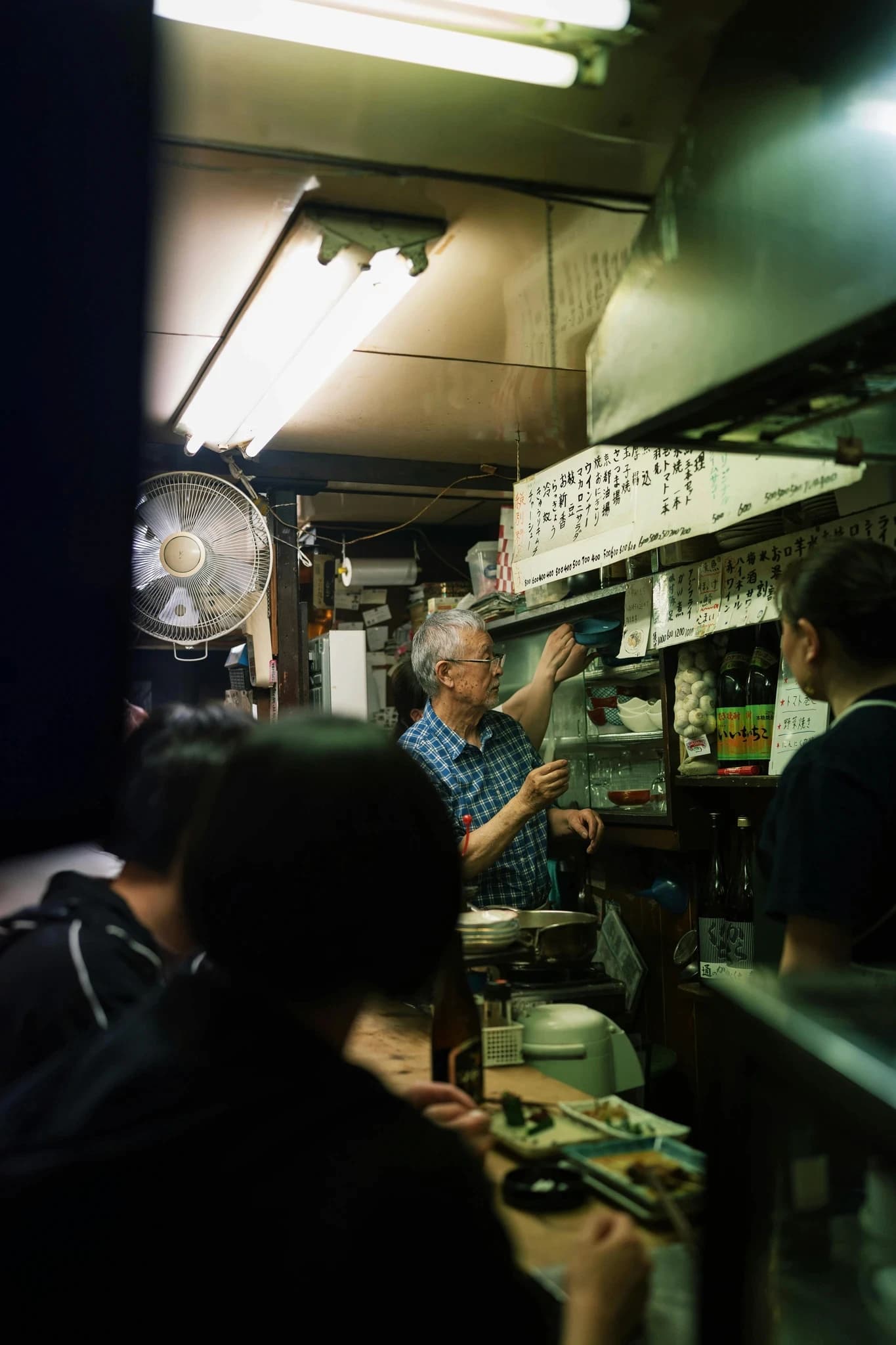
The calm, focused atmosphere can feel intimidating if you're expecting a lively bar. These aren't places for loud conversation; the experience often resembles a chef's table, where the bartender's craft is part of the point.
You may also encounter otōshi (お通し): a mandatory table charge that comes with a small appetizer. It's not a scam-it's a standard part of Japanese bar culture-but it can be surprising if you're not expecting it.
Some bars also add a cover/seat/service charge to the bill (often shown as チャージ). If you want zero surprises, check the menu for charge language or ask before sitting.
Language makes "bespoke" ordering harder
Top-tier bars in Ginza often have English-speaking staff. But even slightly off the beaten path, you may run into Japanese-only menus and limited English.
If you're hoping for a tailored cocktail, communicating preferences (spirit, sweetness, strength, aroma) can be the hardest part of the night.
Choose one neighborhood
Don't plan a cocktail night that depends on crossing the city. Pick one area and keep dinner + drinks there.
-
Ginza/East-central: quieter, more formal, higher chance of seat/cover charges
-
Ebisu/Shibuya: more modern and generally more forgiving for first-timers
-
Shinjuku: high energy, but tiny venues mean higher "no seats / no groups" risk
Who Struggles With This Most?
These hurdles can affect anyone, but some travelers feel them more acutely:
Couples on a special night out: Getting lost looking for an unmarked entrance, then being turned away without a reservation, can sour the mood fast.
If the special night is a milestone birthday, the stakes are even higher-you want the entire day to feel intentional, not just the evening. For designing a full birthday experience beyond dinner, see our milestone birthday tour guide.
Seniors or travelers with limited mobility: Navigating major hubs like Shinjuku Station, walking longer distances, then finding a specific elevator in a dim building can be physically taxing.
First-time visitors already overwhelmed by Tokyo: After a day of sightseeing and transport logistics, the mental effort required to "decode" a high-end bar experience can feel like one task too many.
These travelers usually aren't looking for a wild night-they're aiming for a calm, sophisticated moment. The anxiety comes from the unknown variables standing between them and that relaxing experience.
When Local Help Actually Changes the Outcome
Sometimes the difference between a stressful night and a great one is simply removing the logistical and cultural friction.
For example: instead of debating which exit to take at Shibuya Station, you arrive smoothly at an unmarked door. Your reservation is already confirmed. The charge has been explained in advance, so it's part of the experience-not a surprise. And if the bar is Japanese-only, your preferences can be communicated clearly so you get a drink that actually matches what you meant.
If you're weighing whether guidance would help for a logistics-heavy evening, this overview explains how guided support typically works (without turning your night into a rigid itinerary.
A Quieter, More Confident Way to Enjoy Tokyo's Nightlife
If you're exploring on your own, a little preparation goes a long way.
Choose one neighborhood
Don't try to bar-hop across the city. Pick one district-Ginza, Shinjuku, or Ebisu-and plan your evening there. Have dinner and drinks in the same area to minimize travel time and stress.
Treat reservations as the default
For any well-known bar, assume a reservation is required. Check the bar's website or social media for booking policies. If you can't book, line up two or three backup options in the same neighborhood.
Use Street View before you leave
Look up the building entrance in Street View, note the floor number, and identify anything visible you can use as a landmark. This one step can save you ten minutes of confused wandering.
Know the last train time
Tokyo's trains shut down around midnight. If you miss the last train, a taxi back to your hotel can be expensive. Plan your exit so you're not making a rushed decision at the end of the night-or stay within walking distance of your target neighborhood and eliminate the constraint entirely.
Expect an omakase-style conversation
Many top cocktail bars don't have menus. Be ready to describe what you like in simple terms (for example: "refreshing with gin," or "spirit-forward with Japanese whisky"). Trust the bartender-that's part of what you're coming for.
A Quieter, More Confident Way to Enjoy Tokyo's Nightlife
Tokyo's cocktail scene is incredibly rewarding—but it's most enjoyable when you remove the avoidable friction.
If you plan around the real hurdles (hidden entrances, reservations, charges, etiquette, language, last trains), your night can be smooth, memorable, and genuinely fun.
For visitors who want the cocktail experience without the guesswork, our Kushiyaki Confidential and Standing Room Only evening tours include backstreet bars, standing sake counters, and hidden izakayas — with a guide who handles reservations, language, and navigation so you can focus on drinking.