Stop collecting options and start choosing. A decision framework for Tokyo activities—what categories exist, who each one fits, and how to build realistic days.
July 19, 2025
6 mins read
You've read the lists. You've bookmarked thirty things. You're more overwhelmed than when you started.
Here's what most "things to do in Tokyo" articles won't tell you: the travelers who had the best experiences weren't the ones who saw the most. They were the ones who chose intentionally. Over-scheduled travelers describe their trips as "a blur." The ones who built time for wandering and spontaneous discovery? They came home with stories.
Your problem isn't finding things to do. Tokyo has endless options. Your problem is choosing between them.
The Lists Don't Help
Listicles give you a stack of options with no guidance on which ones matter to you. They treat a 30-minute temple visit the same as a 3-hour market wander. They put a famous intersection next to a neighborhood that could fill an entire day. Everything looks equally important because nothing is ranked by what kind of traveler you are.
The real problem: equivalent-seeming options
Visiting Senso-ji requires completely different planning logic than eating your way through Tsukiji. A day trip to Kamakura isn't the same category as shopping in Shibuya. But lists treat them as interchangeable items to check off.
The framework that actually helps isn't "which things should I do." It's "which kinds of things should I prioritize."
Five Ways to Spend Time in Tokyo
Iconic attractions
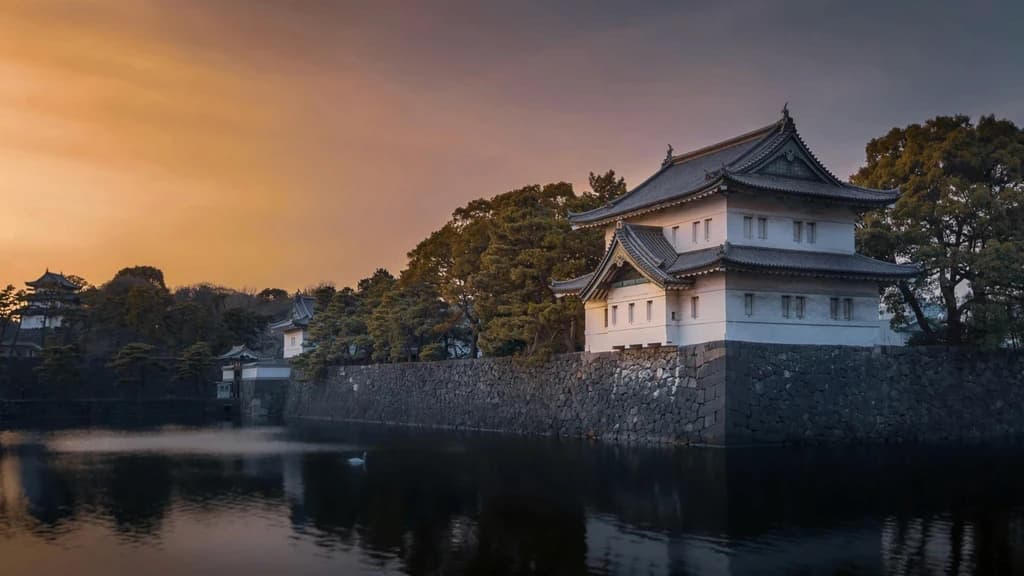
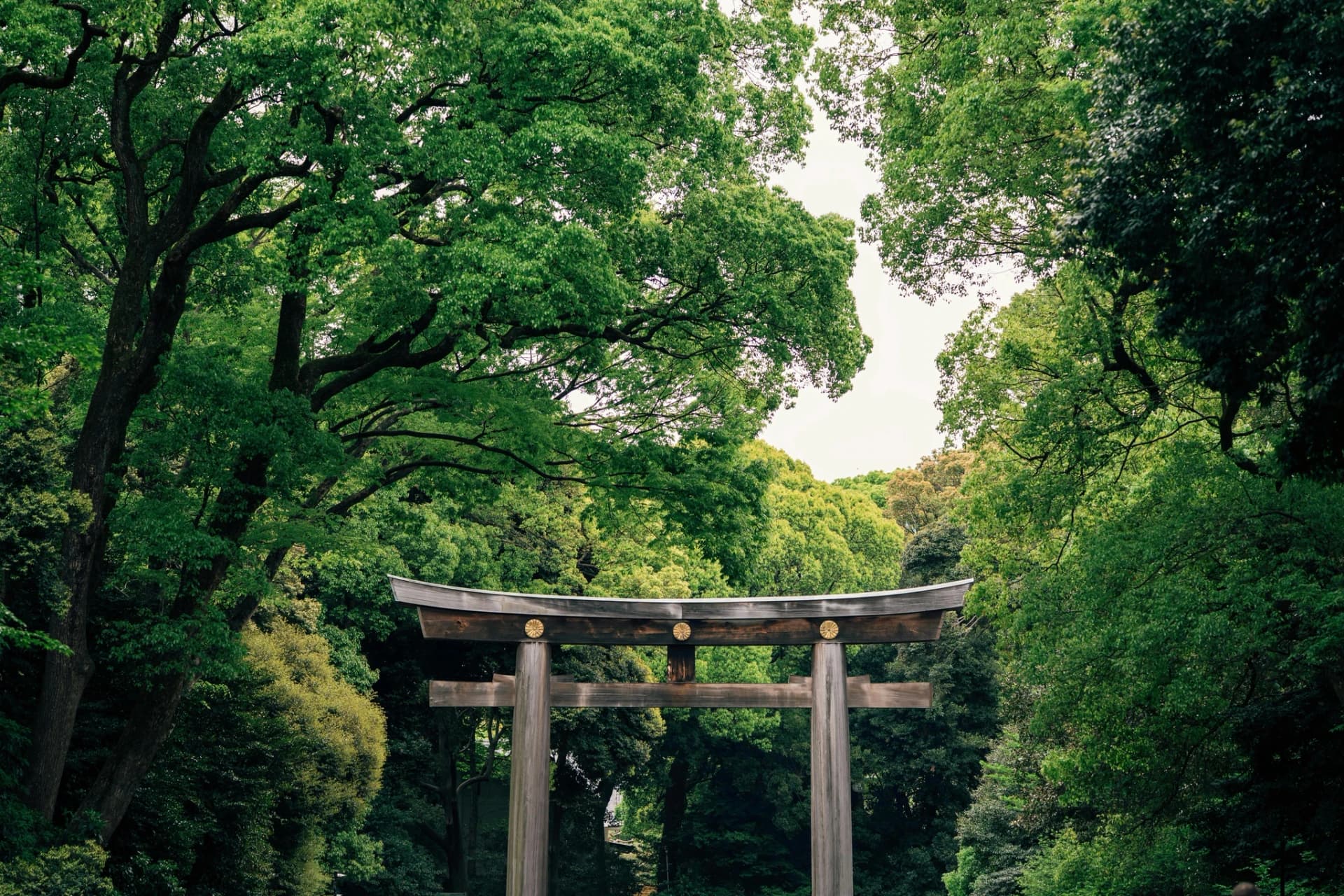
Temples, shrines, observation decks, famous sites. These show up in every travel guide—Senso-ji, Meiji Shrine, Tokyo Tower, the Imperial Palace. They photograph well. They're what first-time visitors expect to see. But they're the fastest experiences, typically 30-90 minutes each. Travelers who build entire days around iconic attractions walk away feeling like something was missing. For a curated list, see our 25 must-visit places in Tokyo.
Neighborhood wandering
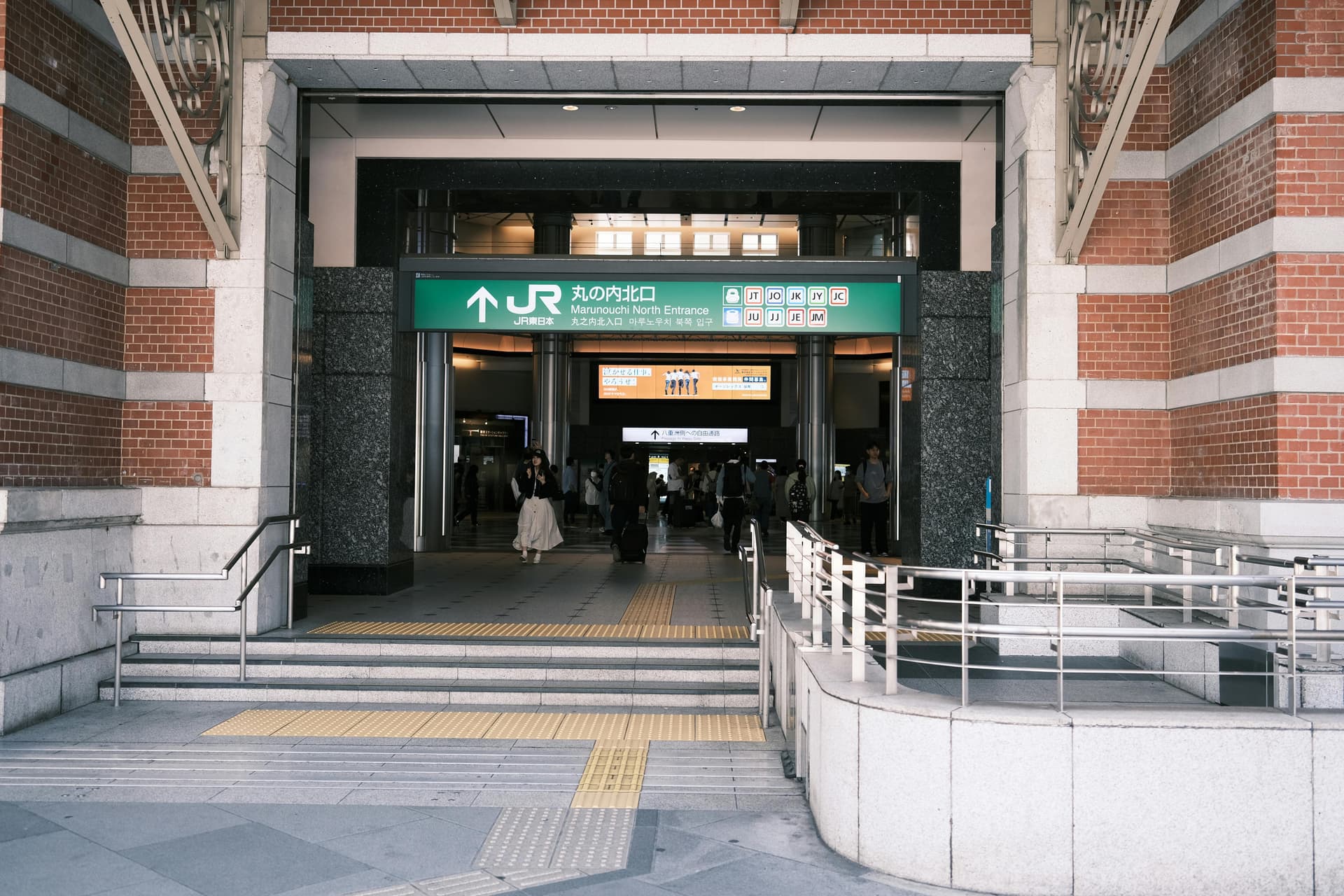
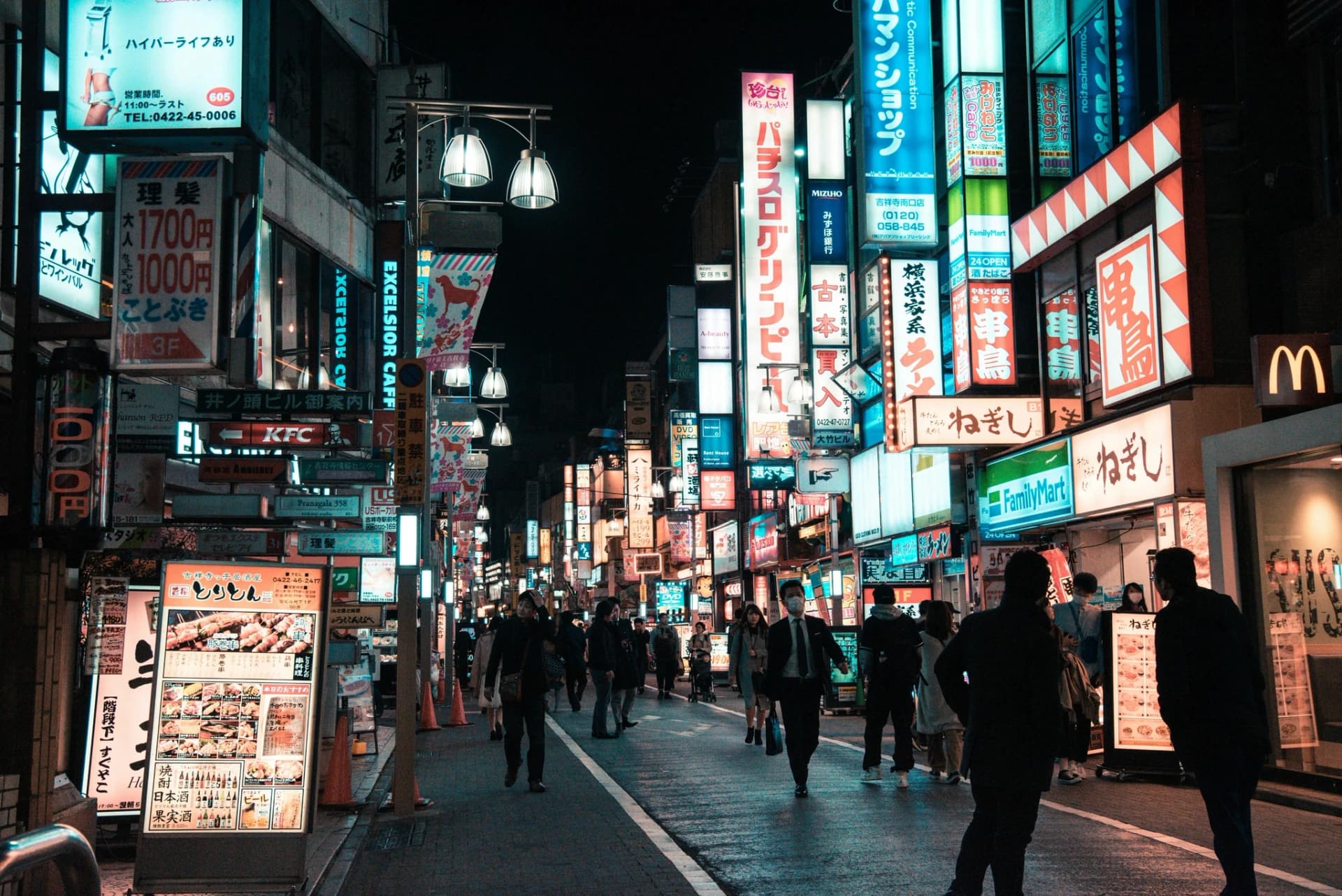
This is where Tokyo reveals itself. Kagurazaka's cobblestone lanes and hidden restaurants, Shimokitazawa's vintage shops and live music venues, Jiyugaoka's European-style cafes and pastry shops. The experience isn't a specific destination—it's being somewhere and seeing what happens. Neighborhood exploration shows up in trip highlights more than any other category, even when travelers didn't plan for it. Shibuya and Tokyo Station both reward this kind of wandering.
Food and drink
Tokyo earned more Michelin stars than any other city, but the real revelation is everyday eating. Standing sushi counters, ramen shops where you order from a ticket machine, izakayas where office workers decompress after work. Food can be a background activity or the entire point of a trip. Travelers come focused on sightseeing and leave saying food was the highlight. For evening options, see our guides to Tokyo's cocktail bars and sake tasting.
Immersive experiences
Tea ceremonies, cooking classes, studio visits, helicopter tours. These are scheduled activities that take 2-4 hours and give you something you couldn't get just walking around. They work best for travelers who want to go deep on something specific rather than broad across everything. A traditional tea ceremony or a helicopter tour over the skyline can anchor an entire day.
Day trips from Tokyo
Kamakura, Hakone, Nikko, Kawaguchiko. An hour or two from the city, these destinations offer nature, temples, hot springs, or mountain views that Tokyo can't provide. Day trips aren't about escaping Tokyo—they're about contrast that makes Tokyo feel richer when you return. Yokohama works as a half-day option if you're short on time.
Why Famous Doesn't Mean Worth It
The Shibuya Crossing paradox
Shibuya Crossing is the world's busiest pedestrian intersection. It's famous for a reason: the experience of crossing with hundreds of people during rush hour is genuinely striking. But the experience itself lasts about 60 seconds. The question isn't whether it's worth seeing—it's whether it's worth building time around. For most travelers, the answer is: cross it while passing through, don't make a special trip.
Harajuku's Takeshita Street is on every list. It's also packed, chaotic, and full of tourist-oriented shops that don't represent what makes Tokyo interesting. Travelers describe it as disappointing—wishing they'd spent that time wandering Shimokitazawa or Koenji instead.
When iconic sites are worth it
Iconic sites work when you're new and need orientation. Seeing Senso-ji on your first morning in Tokyo helps you understand how temples work and what neighborhood atmosphere feels like. Crossing Shibuya Crossing once satisfies curiosity you'd otherwise carry.
They also work when you want the photo. There's nothing wrong with wanting a picture at Tokyo Tower or in front of a famous torii gate. Just know that's what you're getting—a photo—not necessarily a memorable experience.
The travelers who report the highest satisfaction? They hit iconic sites early, quickly, and without building entire days around them. Then they spent the rest of their time in neighborhoods and eating.
What Two Neighborhoods Per Day Actually Means
How Tokyo neighborhoods actually work
Tokyo isn't a city with a "downtown" and everywhere else. It's dozens of distinct neighborhoods, each with its own feel, food scene, and attractions. Asakusa has temples and traditional streets. Shibuya has crossing and scramble. Shinjuku has towers and nightlife. Each could fill half a day or more.
The common planning mistake: scheduling Asakusa, Ueno, and Akihabara in the morning, then Shibuya, Harajuku, and Shinjuku after lunch. That's six neighborhoods. The Ginza Line alone from Shibuya to Asakusa takes 34 minutes—and that doesn't include finding the right platform, waiting for a train, or navigating unfamiliar station exits.
Building a realistic day
Two neighborhoods per day is achievable and satisfying. Three is possible but tiring. Four means you're commuting, not experiencing.
Build neighborhoods that cluster geographically: Asakusa and Ueno sit next to each other. Shibuya, Harajuku, and Omotesando connect by walking. Shinjuku and Nakano are one stop apart on the Chuo Line.
A realistic day: morning in one neighborhood, lunch there, afternoon in a nearby neighborhood, dinner wherever you end up. That's it. That's what works.
The Day Trip That Rescues the Rest
Day trips don't take away from Tokyo. They make Tokyo better.
After three days of neon lights, packed trains, and navigating unfamiliar stations, exhaustion sets in even when you're having fun. Travelers who spent a day in Kamakura or Hakone describe it as the moment their trip clicked. The slower pace resets your energy. The nature and open space remind you why cities feel exciting in the first place.
If Tokyo is the heartbeat, Hakone is where you finally catch your breath.
Choosing between Kamakura, Hakone, Nikko, and Yokohama
Destination | Travel Time | What You Get | Best For |
|---|---|---|---|
Kamakura | ~1 hour south | Coastal temples, giant Buddha, ocean air | Temples and atmosphere without mountains |
Hakone | ~90 minutes west | Hot springs, art museums, Mt. Fuji views | Nature, relaxation, ryokan experience |
Nikko | ~2 hours north | Forested shrines, waterfalls, Edo architecture | Dramatic landscapes, ornate religious sites |
Yokohama | ~30 mins south | Waterfront, Chinatown, urban escape | Easy urban day trip without nature logistics |
Any of these works. If you can fit one day trip into a week in Tokyo, you'll be glad you did. For logistics and more options, see our complete guide to day trips from Tokyo.
Finding Your Tokyo
Here's how to combine categories into a realistic trip.
If food is your priority
Build two or three days around neighborhoods with strong food scenes—Ebisu for izakayas, Kagurazaka for traditional Japanese, Nakameguro for cafes and evening drinks. Add one day for iconic sites so you don't feel like you missed Tokyo entirely. Include a day trip to reset. Leave gaps in your schedule so you can stop when something smells good. Our guides to cocktail bars and sake tasting can help with evening planning. If nightlife is a priority, where you stay shapes whether you're watching the clock or walking home.
If culture is your priority
Anchor each day around one major site: Senso-ji, Meiji Shrine, the Imperial Palace gardens. Spend the rest of that day in the surrounding neighborhood rather than rushing to the next temple. Cluster geographically—Asakusa and Ueno work together, Meiji Shrine flows into Harajuku and Omotesando. A day trip to Kamakura or Nikko gives you temples in a completely different setting. Our 25 must-visit places covers the major cultural sites.
If you'd rather wander than plan
Pick two neighborhoods per day and see what happens. Koenji for vintage shops and jazz cafes. Daikanyama for quiet streets and design shops. Yanaka for old Tokyo atmosphere. Skip the famous sites entirely if they don't call to you—travelers who do this report loving their trips. Add one day trip for contrast, and leave at least one day completely unscheduled.
The travelers who love Tokyo most aren't the ones who see the most. They're the ones who know what they came for.
This guide is published by Hinomaru One, a Tokyo-based private tour operator.