Explore Shibuya with a clearer sense of place, pace, and priorities.
The places to visit in Shibuya reward a clearer sense of place, pace, and priorities — most visitors arrive without all three.
What most people don’t realise on arrival is how quickly Shibuya’s pulse can overwhelm. Station signage at Shibuya Station switches between romaji and kanji without warning, turning simple transfers into a rushed puzzle. Building entrances often share placenames but lead to separate floors around Center-Gai and Dogenzaka. Last-train cutoffs on the Yamanote line arrive earlier than tourist guides suggest. Ticket machines in less busy vestibules default to Japanese prompts, and basic queue etiquette inside small izakayas goes unspoken.
Unseen friction factors:
-
Station signage toggles between kanji and romaji without notice
-
Building names recur on different floors in Center-Gai and Dogenzaka
-
Last-train cutoffs on the Yamanote line arrive before many expect
-
Ticket machines use only Japanese prompts in less busy vestibules
-
Queue etiquette in standing-only noodle shops is rarely explained
Where visitors tend to misjudge crowd flow is the scramble crossing, forcing constant pauses. This is where plans usually break down amid multi-exit platforms, tight passageways and pushy peak-hour traffic.
In this guide on places to visit in Shibuya you’ll find short, actionable insights under real-world constraints. Each entry includes best arrival times, transit access from Shibuya Station, simple accessibility notes and typical time-to-visit estimates. When reservations or peak-hour queues demand pre-planning, we explain backup options, map-based prep and etiquette expectations. You’ll also find photography and route tips to avoid crowds at the scramble crossing and a link to how private guiding works in Tokyo when complex navigation or tight pacing becomes a concern.
1. Shibuya Crossing
Many first-timers at Shibuya Crossing are surprised by the signage confusion within Shibuya Station and the sheer density of pedestrians. What may look like a simple street intersection turns into a test of Tokyo logistics and crowd patience.
What to expect at Shibuya Crossing
Shibuya Crossing operates on an “all-stop” traffic signal that empties parallel streets simultaneously. Up to 3 000 people step off pavements in peaks around 17:00–19:00 on weekdays. Visitors seeking energy find themselves framed by surrounding billboards and neon.
Common misunderstandings
-
Misconception: Signage inside Shibuya Station is intuitive What most people don’t realise is that exits use alphanumeric codes rather than English names, causing missed turns.
-
Misconception: Weekend crowds match weekday rush Where visitors tend to misjudge this is thinking weekends feel calmer—the post-work crush on weekdays peaks higher.
-
Misconception: Ground-level shots capture the full scene Visitors expect wide views but nearby buildings block them without a tripod from the second-floor Starbucks.
-
Misconception: Crossing always fits casual pacing This is where plans usually break down—lights cycle only every two minutes, and slow walkers can be left behind.
Who struggles most
-
Business travellers Pain point: tight transfer windows at Shibuya Station amplify risk of missing a last train around midnight.
-
Seniors Pain point: uneven pavement joints slow walking speed amid the surge of fast commuters.
-
Families with children Pain point: coordinating children in a sea of pedestrians increases anxiety at each green light.
When local help reduces friction
-
Complex navigation in multi-level transit hubs can be streamlined with on-site assistance
-
Language-heavy café orders near the crossing may stall non-Japanese speakers without translation aid
-
Tight train-to-bus connections demand rapid route choices beyond basic map apps
Consider how private guiding works in Tokyo how private guiding works in Tokyo.
2. Center Gai
Navigating Center Gai often feels more chaotic than expected due to narrow lanes and unpredictable foot traffic. What most people don’t realise is that building names are rarely displayed at street level, so finding specific boutiques or ramen shops can take twice as long. Where visitors misjudge this is assuming signs are bilingual enough to guide them, yet Japanese-only placards on upper floors lead to guesswork. This is where plans usually break down when squeezing quick visits between train connections at Shibuya Station.
What to expect at Center Gai
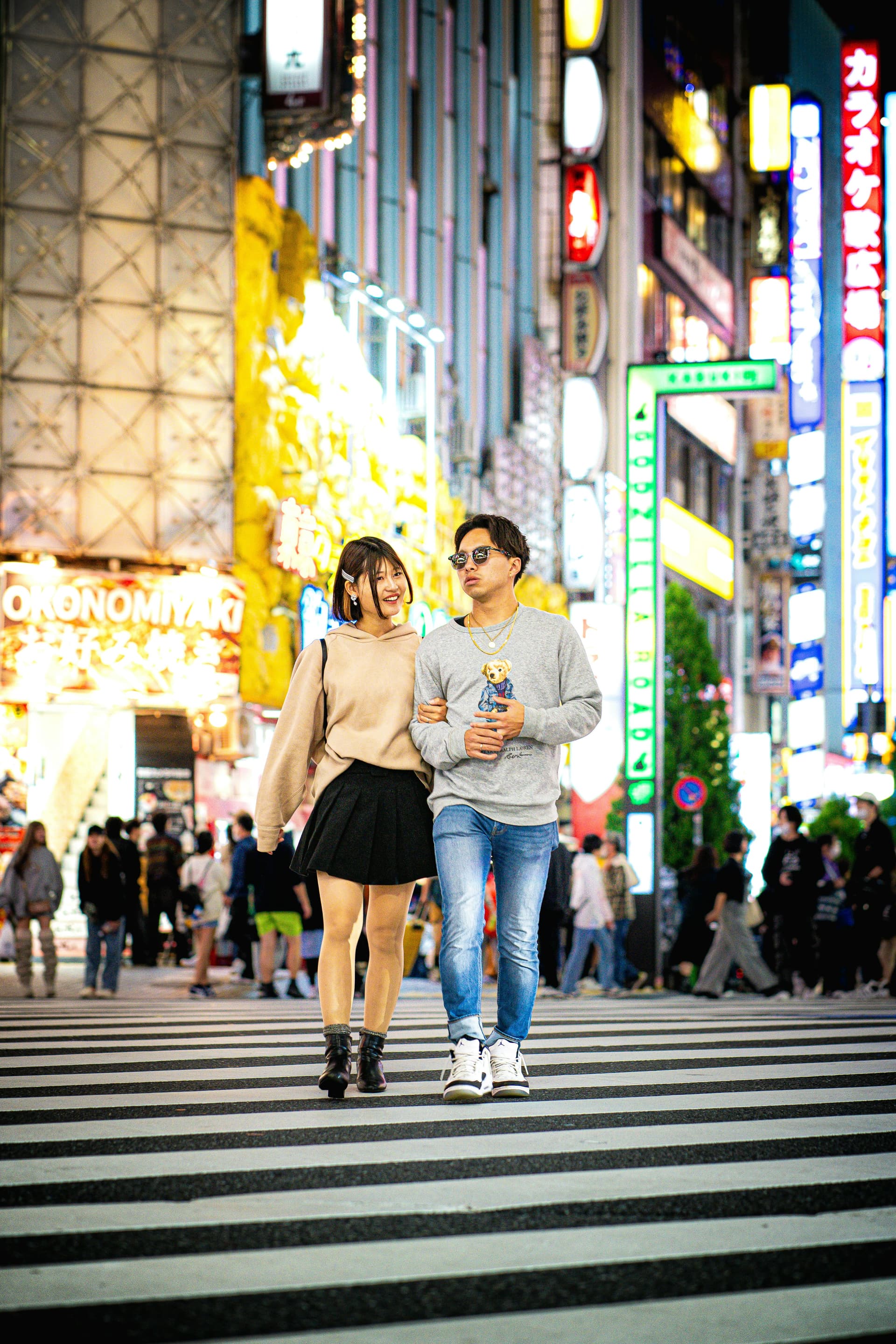
Center Gai is a pedestrianised strip of restaurants, fashion outlets, arcades and snack vendors running north from the station. Expect constant noise from passing delivery cycles and LED screens overhead.
-
Peak crowding occurs after 18:00 on weekdays, as office workers spill into izakayas
-
Shops are arranged vertically; most boutiques and game centres occupy upper floors
-
Local snack stalls open early morning but fill with delivery orders by midday
Common misunderstandings
-
Misconception: Ground-floor shopfronts indicate the main entrance In reality, popular Japanese fashion labels often hide behind narrow stairwells.
-
Misconception: English menus are standard in midday eateries What usually happens instead is staff rely on gesture-based ordering when kitchen staff know little English.
-
Misconception: Wide pavements ease through-walking Narrow arcs between outdoor seating force sudden detours.
-
Misconception: Late-night eateries stay open past midnight Visitors assume 24-hour service but find last-orders cut off by 23:00 for kitchen closures.
Who struggles most
-
First-time Tokyo visitors Pain point: interpreting Japanese-only directory boards in multi-storey buildings.
-
Families with young children Pain point: tight sidewalks and sudden pedestrian surges create safety concerns.
-
Seniors or mobility-limited travellers Pain point: lack of curb cuts and crowded thresholds complicate wheelchair or stroller access.
When local help reduces friction
-
Complex building layouts are easier to tackle with someone who reads Japanese signage
-
Tight train-to-lunch schedules demand route advice beyond generic map apps
-
Language-heavy menu orders at small ramen shops benefit from on-the-spot translation
For situational guidance, see how private guiding works in Tokyo.
3. Hachiko Statue
Many first-timers at the Hachiko Statue are surprised by exit signage confusion around Shibuya Station and the constant crowd ebb at ground level. What may look like a simple meeting point turns into a test of timing, crowd movement and basic Japanese etiquette.
What to expect at Hachiko Statue
The bronze figure of Hachiko stands just outside the station’s Hachiko Exit. By mid-morning on weekdays you will see tour groups, photography buffs and commuters all vying for the same patch of pavement.
-
Arrive between 06:00–07:00 to avoid peak lines under neon billboards
-
Signage uses alphanumeric exit codes rather than English names, so the “Hachiko Exit” label can be easy to miss
-
The nearby kōban (police box) often serves as an impromptu meeting marker when the statue itself is blocked
Common misunderstandings
-
Misconception: The statue is always visible from the main concourse What most people don’t realise is that columns and staircases can obscure it during peak hours.
-
Misconception: Crowds thin out after 10:00 Where plans break down is expecting a lull—midday foot traffic rarely drops.
-
Misconception: Weekends are calmer than weekdays Tour buses on weekends bring larger groups than the weekday rush at 18:00.
-
Misconception: No queue etiquette applies here Visitors often ignore lines for photos, but pushing forward can cause annoyance.
Who struggles most
-
Business travellers Pain point: narrow transfer windows, amplified by missing the Hachiko Exit in Shibuya Station.
-
Seniors Pain point: slow walking speed in tight crowds, limited space to pause for a photo.
-
Families with children Pain point: coordinating young ones around pedestrians raises anxiety at each crossing.
When local help reduces friction
-
Complex station layouts become manageable with on-the-ground guidance
-
Language-heavy interactions near the statue and at nearby cafés often stall visitors
-
Tight schedules for combining Hachiko and Shibuya Crossing visits benefit from local insight
4. Meiji Shrine (Meiji Jingu)
Many first-timers at Meiji Shrine are surprised by the etiquette nuances at the purification fountain and the multi-exit signage confusion at Harajuku Station. What looks like a short walk through a forested park can stretch into a 30-minute trek when you factor in gate queues or last-train timing.
 ### What to expect at Meiji Shrine
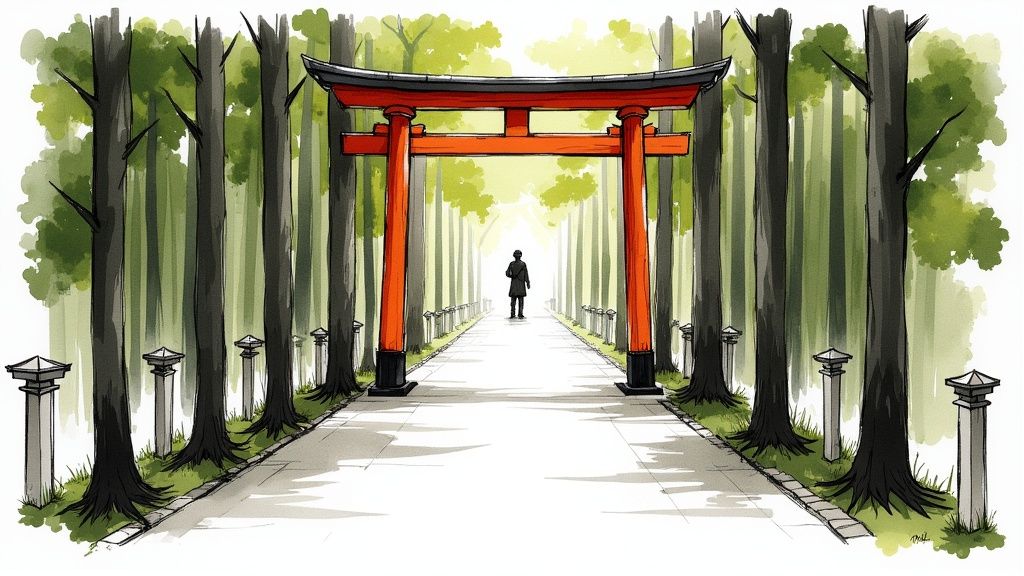
At the main entrance, a towering torii gate opens onto gravel paths under ancient trees. Expect ritual cleansing at the chozuya (purification pavilion) and a steady flow of worshippers leaving ema (wooden prayer plaques). Seasonal festivals draw crowds—over three million on New Year’s Day—and traditional Shinto weddings take place most mornings. The inner forest trails offer quiet spots but involve uneven footing and minimal signage in English.
Common misunderstandings
-
Misconception: Grounds are compact In reality, the forested area spans nearly 70 hectares and can add 20–30 minutes of walking.
-
Misconception: Purification rituals are optional Where visitors misjudge this is skipping the temizu step, which can feel awkward but is expected.
-
Misconception: Station signs use full English names What most people don’t realise is that Harajuku exits use alphanumeric codes that override English labels.
-
Misconception: Weekday mornings feel empty Visitors often plan before 09:00, only to find running clubs and ceremony parties occupying space.
Who struggles most
-
Families with strollers Pain point: gravel paths and steps break stroller wheels, slowing families.
-
Seniors with limited mobility Pain point: uneven trails and no handrails amplify balance challenges.
-
Solo travellers with limited Japanese Pain point: few attendants speak English at peripheral gates, causing ritual confusion.
When local help reduces friction
-
Navigation between JR Harajuku and Meiji-jingumae Stations can be smoothed with local insight
-
Explanation of purification steps helps avoid uneasy pauses at the chozuya
-
Scheduling visits around festivals demands real-time crowd updates
5. Omotesando Avenue
Many first-timers at Omotesando Avenue are surprised by signage gaps at Omotesando Station exits and the pace of pedestrian shuttling along tree-lined sidewalks. Visitors scanning places to visit in Shibuya often treat Omotesando as an optional detour, but its luxury façades and hidden lanes deliver a midtown lesson in managing upscale environments.
What to expect at Omotesando Avenue
Omotesando Avenue stretches from Harajuku to Aoyama-Itchome with flagship façades and narrow lanes revealing independent Japanese labels. Window shopping here is free but the high-end context imposes a subtle pressure to match surrounding sophistication.
Common misunderstandings
-
Misconception: Omotesando signage is bilingual What most people don’t realise is many alleys lack Roman-letter signs, requiring live map updates or local-language support.
-
Misconception: Weekends feel calmer than weekdays Where visitors misjudge this is thinking weekends offer relief; afternoon shoppers cluster after Tokyo Midtown hours.
-
Misconception: Evening visits mimic daytime ease This is where plans usually break down—illuminations from 18:00 create queues along narrow pavements.
-
Misconception: Reservations are mandatory for all cafés What many overlook is that walk-ins work at most spots, but popular cafés near Cat Street fill up within 15 minutes.
Who struggles most
-
Families with children Pain point: narrow pavements and stroller bottlenecks amplify stress during peak café breaks.
-
Budget travellers Pain point: luxury window displays mask price tiers, resulting in miscalculated spending expectations.
-
Seniors Pain point: subtle curb transitions and minimal handrails impede mobility along uneven sections.
When local help reduces friction
-
Complex alley navigation after 17:00 can benefit from local direction
-
Interpreting Japanese-only menus without staff translation
-
Coordinating evening illuminations and catching last trains from Omotesando Station
6. NHK Broadcasting Center
The NHK Broadcasting Center can feel deceptively straightforward until you encounter complex floor plans, Japanese-only exhibit labels and timed-entry windows. What most people don’t realise is that this public broadcaster’s hub uses narrow corridors and multiple levels that mirror Shibuya Station’s alphanumeric exits. This is where plans usually break down when interactive exhibits fill up by late morning and special exhibitions require advance reservations.
What to expect at NHK Broadcasting Center
Studio Park blends museum displays with working sets and live broadcasts. Visitors see behind-the-scenes of NHK programmes, try voice-over booths and handle props. Expect guided commentary in Japanese but also touchscreen translations for headline shows. Allow 1.5–2 hours to move from historic archives to the kids’ studio without rushing.
Common misunderstandings
-
Misconception: Tickets are sold on arrival In practice NHK caps daily entrants, so online booking ahead secures your slot.
-
Misconception: All displays have English panels Many interactive zones show only Japanese instructions, requiring basic reading or photos.
-
Misconception: Morning visits avoid queues Early visitors find school groups at popular sets before 10:00.
-
Misconception: It’s close to Shibuya Crossing The centre sits by Yoyogi Park, a 15-minute walk from the scramble—plan extra time.
Who struggles most
-
Business travellers Pain point: tight schedules clash with fixed exhibit times at NHK theatre.
-
Seniors Pain point: narrow ramps and long indoor walks tire those with mobility constraints.
-
Families with children Pain point: loud broadcast studios overwhelm young kids unused to on-air noise.
When local help reduces friction
-
Navigating multi-level signage where Japanese dominates
-
Reserving special exhibition tickets with advance-only windows
-
Timing transfers between NHK Centre and nearby Meiji Shrine
7. Takeshita Street
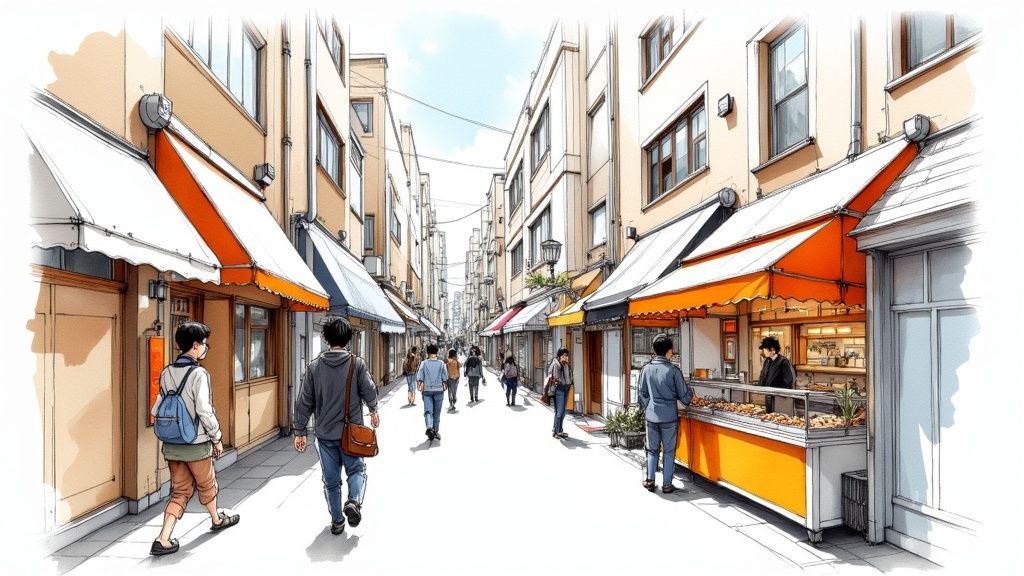
Many first-time visitors to Takeshita Street don’t realise how narrow lanes and sudden crowd surges can turn a casual stroll into a logistical challenge. Signage inside Harajuku Station uses Japanese exit codes rather than English names, leading to missed turns. What may look like a leisurely shopping street quickly tests pedestrian flow management and crowd patience.
 ### What to expect at Takeshita Street
-
A constant stream of shoppers from about 10:00 to 16:00 on weekends
-
Narrow storefronts lining a 400 m pedestrian boulevard, with only 2–3 m of walking space
-
Side alleys in Ura-Harajuku that offer quieter boutiques but require backtracking
-
Crepe stands and cafés that often display menus only in Japanese and may accept cash only
Common misunderstandings
-
Misconception: The street clears after 18:00 Most people don’t realise that after-school crowds arrive around 17:00, keeping density high.
-
Misconception: You can overtake easily in busy sections Visitors tend to misjudge the 2 m width of main lanes, which forces single-file traffic.
-
Misconception: Food stalls have full English menus What actually happens is many list flavours only in Japanese, requiring pointing or translation apps.
-
Misconception: You can set up a tripod for photos This is where plans break down—hundreds pass every minute, so finding a gap can take 10 minutes.
Who struggles most
-
Families with young children Pain point: manoeuvring strollers in shoulder-to-shoulder crowds feels unsafe in tight zones.
-
Seniors Pain point: uneven pavements and sudden pace changes when shops open amplify mobility issues.
-
Budget travellers Pain point: impulse crepe purchases at 500–700 JPY each add up quickly along the 200 m stretch.
When local help reduces friction
-
Complex navigation through Harajuku Station’s multiple exits
-
Language-heavy crepe orders stall non-Japanese speakers
-
Timing return trips to Shibuya’s last trains under crowd delays
8. Yoyogi Park
Most first-time visitors to Yoyogi Park underestimate its scale and the gaps in basic amenities. What may look like a single multi-use lawn actually spans 133 acres of separate zones, linked by winding paths, shaded ponds and sports courts. Signage at Harajuku Station focuses on Meiji Shrine, so finding the outdoor concert stage often requires back-tracking through a tangle of walking routes.
What to expect at Yoyogi Park
Yoyogi Park offers wooded walkways, open fields and small ponds that host seasonal gatherings.
-
Cherry blossom hanami draws up to 2 000 people per grove in late March and early April.
-
Weekends feature dog-walking meetups by the Mont-bell entrance and yoga classes near the Citizen’s Forest.
-
Weather turns compacted paths muddy after rain, and mobile coverage dips under dense foliage.
Common misunderstandings
-
Misconception: Bike rental stations inside the park Reality: Rentals require a short walk to the Tokyu Store bike stand at JR Harajuku Exit 2.
-
Misconception: Park gates stay open until sunset Reality: Some exits lock at dusk without warning, stranding late runners.
-
Misconception: Public restrooms are clearly signed in English Reality: Most toilet signs are in Japanese only, so bring a translation app for “toire.”
-
Misconception: Free Wi-Fi extends parkwide Reality: Coverage concentrates only near the Yamate-dori Avenue perimeter.
Who struggles most
-
Families with young children Pain point: coordinating hanami spots amid clusters of picnickers, with no reserved zones.
-
Solo walkers Pain point: weak phone signal under tall cedar stands hinders mapping apps.
-
Seniors Pain point: uneven gravel paths and limited bench seating extend walking times.
When local help reduces friction
-
Complex route choices between Yamanote Line exits and park gates
-
Clarifying event reservation rules for outdoor stage concerts
-
Managing Japanese-only rental forms at sports ground kiosks
9. Shibuya 109 Department Store
Most first-timers at Shibuya 109 face unexpected friction: narrow escalators funnel shoppers into tight corridors and floor directories often appear only in Japanese. What most people don’t realise is how quickly crowds peak around lunchtime, turning a youth-fashion hub into a practical test of navigation.
What to expect at Shibuya 109 Department Store
Shibuya 109 is a nine-storey cylinder filled with over 100 boutiques specialising in youth fashion. Each floor clusters brands by style, but alphanumeric signage and limited English translations can slow you down. Weekday mid-morning visits reduce congestion, and small personal bags help you manoeuvre crowded aisles.
Common misunderstandings
-
Misconception: The ground-floor layout guides you upstairs Most floor directories reset you to level 1, so visitors often retrace steps hunting specific brands.
-
Misconception: English-friendly staff are available everywhere In reality, many shop assistants speak limited English, and size charts use centimetres only.
-
Misconception: Sales promotions cover the entire building Promotions vary by floor and rotate weekly, so assuming blanket discounts leads to missed deals.
-
Misconception: Food court seating is abundant Where visitors tend to misjudge this is lunchtime on weekends—seating fills within minutes, requiring a backup café plan.
Who struggles most
-
Families with teens Pain point: coordinating meeting points amid the circular layout.
-
Seniors Pain point: uneven escalator speed shifting balance between floors.
-
Solo travellers Pain point: language-barrier stress at checkout with limited translation.
When local help reduces friction
-
Language-heavy boutique interactions eased with translation aids
-
Tight lunch-break windows demand pre-planned floor targets and backup options
-
Navigating rotating promotions and pop-up stalls benefits from quick local insight
10. Shibuya Sky Observation Deck
Even with a ticket in hand, visitors often misjudge how signage inside Shibuya Scramble Square and advance ticket slots shape the visit. What looks like an easy rooftop ascent becomes a timing puzzle of elevator shifts, weather checks and last-train cut-offs.
What to expect at Shibuya Sky Observation Deck
The deck spans floors 46 to 52 above Shibuya Station, offering indoor galleries and an open-air terrace. Panoramic glazing lines the interior, while a circular rooftop level provides 360° sightlines to landmarks such as the Shinjuku skyline and, on clear days, Mt Fuji. Small cafés on level 47 serve light bites but lines form when sunset viewing begins around 16:30.
Common misunderstandings
-
Misconception: Advance tickets guarantee immediate access Most people don’t realise elevator capacity limits group entry into the outdoor terrace, so waits of 10–15 minutes are common.
-
Misconception: Clear sky forecasts apply atop tall buildings Where visitors misjudge this is expecting distant views; haze often rolls in around late afternoon.
-
Misconception: Crowds thin after peak hours This is where plans break down—17:00 to 19:00 on weekends can still see 200+ people at railing level.
-
Misconception: Ground-level signs inside the complex are intuitive The building uses floor codes rather than plain names, leading to missed elevators and extra stairwell detours.
Who struggles most
-
Families with children Pain point: managing restless kids in confined elevator lobbies amid slow flows.
-
Seniors Pain point: long waits near outdoor railings test stamina when high winds pick up.
-
Solo travellers on tight schedules Pain point: last-train deadlines at Shibuya Station amplify stress if the final elevator batch is missed.
When local help reduces friction
-
Navigating multiple elevator banks between the 46th and 52nd floors
-
Adjusting plans when afternoon haze reduces long-distance views
-
Aligning terrace visits with last-train departures from Shibuya Station
Sample Half-Day Walking Route
This route connects key Shibuya sights in a logical sequence, minimizing backtracking.
| Time | Stop | Duration | Notes |
|---|---|---|---|
| 9:00 AM | Hachiko Statue | 15 min | Arrive before crowds; quick photos |
| 9:15 AM | Shibuya Crossing | 20 min | Cross multiple times; observe from Starbucks 2F if desired |
| 9:35 AM | Center Gai (browse only) | 25 min | Shops opening; walk through to north end |
| 10:00 AM | Walk to Harajuku via backstreets | 15 min | Quieter route via Cat Street |
| 10:15 AM | Takeshita Street | 30 min | Early enough to avoid peak crowds |
| 10:45 AM | Meiji Shrine | 60 min | Forest walk, main hall, sake barrels |
| 11:45 AM | Walk to Omotesando | 10 min | Exit via south gate |
| 12:00 PM | Lunch on Omotesando | 45 min | Side street cafés less crowded than main avenue |
| 12:45 PM | Return to Shibuya via Yoyogi Park edge | 20 min | Pleasant walk, avoid retracing steps |
| 1:05 PM | Shibuya 109 (optional) | 30-45 min | Youth fashion browsing |
Total: ~4 hours covering 6-7 locations with natural flow.
Adjustments:
- Add Shibuya Sky: Insert after lunch (requires advance booking). Adds 90 min.
- Skip Shibuya 109: If fashion isn't your interest, end at Yoyogi Park and take trains from there.
- Reverse for afternoon: Start at Meiji Shrine in morning light, end at Shibuya Crossing at dusk for neon atmosphere.
Shibuya Landmarks: Complexity and Timing Overview
| Place | Access / Complexity (🔄) | Cost & Visit Time (⚡) | Experience Quality (⭐) | Top Tip (💡) |
|---|---|---|---|---|
| Shibuya Crossing | Directly outside Shibuya Station; extremely crowded at peaks | Free; 30 min–2 hr | urban flow | Arrive 5 min early to avoid the surge |
| Center Gai | Pedestrian-only strip; crowded after 18:00 | Free; 2–3 hr (food extra) | Noisy, vertical shopping | Explore side alleys mid-morning |
| Hachiko Statue | Outside Hachiko Exit; always crowded | Free; 15–30 min | Compact meeting point | Visit at 06:00–07:00 for clear shots |
| Meiji Shrine | 15–20 min walk from Harajuku; forested trails | Free; 1–2 hr | Serene spiritual walk | Follow purification ritual at chozuya |
| Omotesando Avenue | From Harajuku/Aoyama-Itchome; upscale context | Free; 1–3 hr | Elegant façades with hidden lanes | Check for noren at small café doors |
| NHK Broadcasting Center | 15 min walk from scramble; timed-entry exhibits | ¥2 200 approx.; 1.5–2 hr | Interactive media displays | Pre-book special exhibitions |
| Takeshita Street | 400 m pedestrian boulevard; narrow and crowded at peaks | Free; 1–2 hr (food extra) | Youth-fashion scene | Arrive by 09:00 or after 19:00 |
| Yoyogi Park | Large green space; multiple gates | Free; 1–3 hr | Spacious oasis with events | Bring a picnic for hanami |
| Shibuya 109 Department Store | Central multi-floor mall; limited English | Free; 1–3 hr (shopping extra) | Youth-fashion boutiques | Target specific floors before lunch |
| Shibuya Sky Observation Deck | 46th–52nd floors; advance slots required | ¥2 100–2 300; 1–2 hr | Panoramic city views | Refresh booking 30 min before sunset |
Next Steps and Risk Management
Most first-time visitors carry a dose of quiet worry alongside anticipation. Station complexity at Shibuya Station, unexpected last-train cutoffs, mixed signage in back-street cafés and subtle etiquette rules can turn straightforward plans into scrambles. What most people don’t realise is how quickly crowds build at the Crossing or how building directories switch between English and Japanese without warning. This is where planning matters most.
Key insights
-
Station signage often mixes vertical and horizontal text without clear “Exit A1” markers
-
Last-train schedules vary by line and day of week—crowds can double on a Friday night
-
Japanese-only menus may mask seating rules or additional fees
-
Popular landmarks like the Hachiko Statue draw informal street vendors who may block walkways
Actionable next steps
-
Sketch each route segment in your preferred map app—mark alternate bus routes or safe walking paths
-
Pad every transfer with a 10-minute cushion during rush-hour windows
-
Carry a phrasebook or translation app for on-the-spot clarity
-
Review Shibuya Station exit maps online before arrival—note exits closest to Yoyogi Park or Meiji Jingu
-
For complex navigation or language-heavy settings, local guidance can ease stress and clarify routes
Broader benefits
Applying this risk-management approach in Shibuya builds a template for the rest of your trip. Exit-map fluency, schedule buffers and language aids translate directly to areas like Shimokitazawa’s tangled lanes or Nakameguro’s quieter back alleys. Each friction point conquered here reduces anxiety and sharpens direction across Tokyo.
Final thought By preparing deliberately for station complexity, signage quirks and timing trade-offs, you transform Shibuya exploration from a crowded scramble into clear, manageable steps. Approach each day with this same risk-management mindset, and Tokyo unfolds with less friction and more genuine moments.