A practical guide to Tokyo's drinking economics: what cover charges actually mean, where standing bars preserved local pricing, and when a guide provides real access.
Novemeber 23, 2025
9 mins read


A ¥1,500 cover charge at a Golden Gai bar isn't a rip-off. It's a message.
That fee tells you exactly who the bar wants to serve—and who it doesn't. The same is true when a standing bar in Nakano charges ¥0. These aren't random prices. They're a system. Understanding it changes how you navigate every drinking district in Tokyo.
What Cover Charges Actually Tell You
Cover charges in Tokyo's drinking districts work as customer-filtering mechanisms. The price a bar posts signals who they're equipped to serve, who they want to attract, and who they'd rather redirect elsewhere.
The ¥1,500+ Signal: Tourist Welcome, Regulars Protected
Bars charging ¥1,500 or more have made a business decision. They're optimized for visitors who'll come once, spend well, and leave. English menus, international credit cards, and staff who can explain the house rules in basic phrases. Some post "no cover charge for foreigners" signs—they want your business.
This isn't a trap. It's a service model. The same filtering logic applies to cocktail bars, where the signal is even stronger: reservations-only, 8 seats, and bartenders who expect you to describe your preferences rather than order from a menu. You're paying for accessibility in a city where most bars can't provide it.
The high cover also protects regulars. A tourist-priced entry fee discourages bar-hoppers from occupying the four seats that Tanaka-san expects to find empty when he arrives at 9pm, as he has for fifteen years.
The ¥500-800 Signal: Transitional Spaces
Many izakayas charge ¥300-500 as an otoshi—a mandatory small appetizer that functions as a seating charge. Some Golden Gai bars fall in the ¥500-800 range. For more on how izakaya dining works, that's a different decision.
These are transitional spaces. Not optimized for tourists, but not hostile to them either. Expect basic English, some patience, and a local crowd that doesn't mind sharing the room.
The ¥0 Signal: Local Economics (But Language Barrier)
Standing bars—tachinomi—charge nothing to enter. Drinks run ¥200-500. Food dishes cost ¥100-500. The economics work because there's no seating, so no table charge. Turnover is fast. Prices stay low.
The catch: these bars operate in Japanese. No English menus. No translations. The barrier isn't hostility—it's communication.
Golden Gai: What You're Choosing, What You're Not
Golden Gai's 200+ bars in six narrow alleys remain one of Tokyo's most photographed drinking destinations. The atmosphere is real. So is the economic transformation.
What ¥1,500 Buys You
A Golden Gai evening with covers gets you ease of entry. Bars that expect tourists have English menus, credit card machines, and bartenders who can explain the rules. You can walk in, order, and participate without navigating Japanese.
You also get the atmosphere: the narrow alleys, the neon, the walls plastered with stickers and signed photos. These images exist because tourists can access them.
What ¥1,500 Doesn't Buy
The salary worker pace. The bars where regulars have their reserved seats and their bottles kept behind the counter. The ¥300 drinks.
Those bars still exist in Golden Gai—but they're not the ones welcoming walk-ins with waived covers. One traveler noted that cover charges "could get a little expensive if you went on a bar crawl." Three bars at ¥800 each means ¥2,400 in covers before your first drink. That's the cost of hashigo-zake—bar-hopping—in tourist-friendly Golden Gai.
When Golden Gai Is the Right Choice
Golden Gai makes sense when you want the experience without the friction. One evening, two or three bars, photos, the atmosphere. Accept the cover charges as the cost of accessibility and you'll have a good night.
It makes less sense if you want to drink like Tokyo residents actually drink—cheaper, longer, in neighborhoods designed for repeat visits rather than one-time photography.
The Economics That Moved West
The original standing bar economics—no covers, cheap drinks, local crowds—still operate. They just moved to neighborhoods tourists don't typically visit.
Neighborhood | From Shinjuku | Fare | Drink Prices | Establishments |
|---|---|---|---|---|
Nakano | 4 min (JR Chuo) | ¥170 | ¥200-500 | Dozens |
Nishi-Ogikubo | ~10 min (JR Chuo local) | ¥170 | ¥500-1,000 | 50+ |
Kichijoji | 15 min (JR Chuo) | ¥230 | ¥200-500 | ~100 |
Note: Rapid trains skip Nishi-Ogikubo on weekends and holidays—take the local.
Nakano: 4 Minutes from Shinjuku, Same Showa Atmosphere
Nakano sits one stop from Shinjuku on the JR Chuo Rapid line. Four minutes, ¥170. The north exit opens onto side streets filled with izakayas, tachinomi, and bars.
PachiPachi offers standing-only drinks at local prices. Okajoki, a seafood izakaya dating to the 1970s, grills fish over a robata hearth. Daini Chikara Sakagura fills by early evening with locals ordering sake flights. Juke 80s, a basement bar with a jukebox, plays music videos on request.
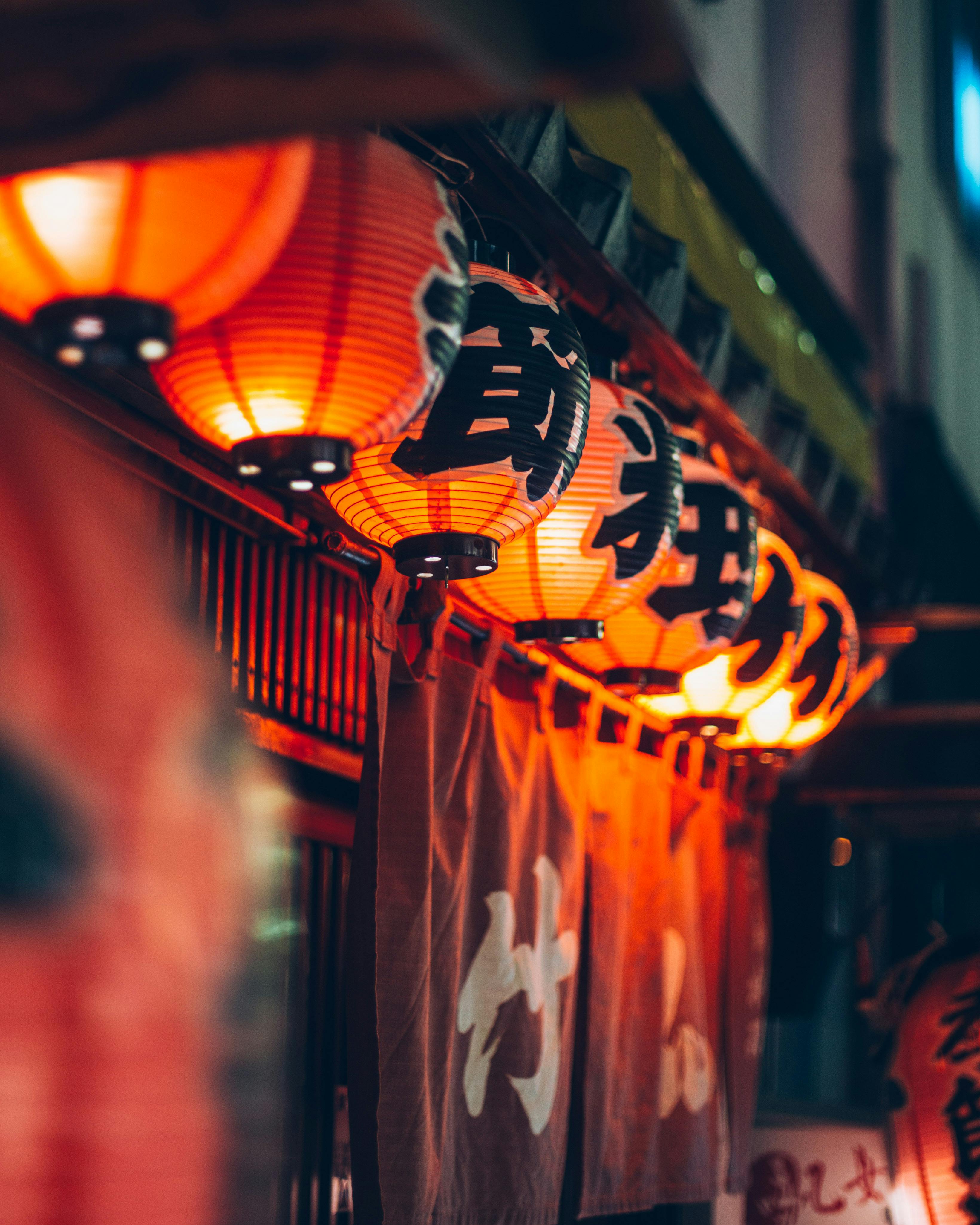
The streets have the same Showa-era atmosphere as Omoide Yokocho in Shinjuku—the narrow lanes, the retro lanterns, the smoke from grills—without the tourist pricing.
Nishi-Ogikubo's Willow Alley: 50+ Bars Without Cover Charges
Willow Alley (Yanagi Koji) in Nishi-Ogikubo runs along a single block southwest of the station. Over 50 establishments packed into a former black-market strip.
Handsome Shokudo, a Thai izakaya that opened in 2001, transformed the alley's reputation from seedy to cosmopolitan. Chinmitei serves Taiwanese food across three generations. Toyaji, run by a mother-daughter team, draws regulars for home-style cooking. Yoneda does yakitori. Minton House offers live jazz. Wokashiya pairs traditional wagashi sweets with sake while a barn owl watches from the window.
Drinks run ¥500-1,000. Cover charges don't exist. One regular described it as "easier for younger crowds and solo parties to enter" than the more famous yokocho.
Kichijoji's Harmonica Yokocho: 100 Bars, Drinks from ¥200
Harmonica Yokocho sits just north of Kichijoji Station—about 15 minutes from Shinjuku on the JR Chuo Rapid line. The name comes from how the crisscrossing alleys resemble a harmonica's reeds.
Roughly 100 establishments operate here. Ahiru Beer Hall sparked the area's transformation in the late 1990s, adding a standing bar aesthetic to what had been a post-war flea market. Yakitori Tecchan runs multiple affiliated shops. Minmin serves the gyoza that locals line up for. Kopanda rotates owners by day of the week. Katakuchi serves sashimi at the counter.
Drinks cost ¥200-500. One resident reported bringing every visitor here and watching them "love it more than Golden Gai."
Practical note: most Harmonica Yokocho bars don't have bathrooms. Communal ones are down the alleyways—ask staff for a key.
Kichijoji consistently ranks as the most desirable neighborhood among Tokyo residents. Its drinking scene reflects that: local, affordable, and designed for people who return. For a deeper look at the neighborhood beyond its bars, see our Kichijoji guide.
Why Bars Empty by 11:30pm (And Why That Helps You)
Tokyo's train system shuts down around midnight. The JR Yamanote Line runs until about 12:30 AM. The Tokyo Metro stops around the same time. Everyone who isn't walking home needs to catch a train.
The Midnight Constraint: Everyone Needs Trains
This constraint shapes everything about drinking culture. Bars empty by 11:30 because their customers need to catch trains. Standing bars close around 10pm because their model—quick drinks, fast turnover—serves workers grabbing one or two before heading home.
The constraint is cultural, not just logistical. Salary workers schedule their drinking around the last train. The shape of the evening depends on it.
Standing Bars Close Early Because That's the Point
A tachinomi closing at 10pm isn't cutting your night short. It's operating exactly as designed: a quick stop before heading home. The format emerged in the 1940s to serve crowded commuter stations. Fast drinks, solid snacks, no pretense.
If you want late-night drinking, seated izakayas and Golden Gai bars stay open past midnight. You'll need a taxi home—or a hotel nearby.
Planning Around Last Train (Or Paying ¥3,000-4,000 for Taxi)
Missing the last train from Kichijoji to central Tokyo means a taxi ride of ¥3,000-4,000, plus a 20% late-night surcharge after 10pm.
Most travelers find the train constraint works in their favor. An evening that ends at 10:30pm still feels complete—and leaves energy for the next day.
The Language Barrier Is the Actual Barrier
The bars charging ¥0 covers aren't hidden. They're not in secret locations. The barrier to entry is language.
What "No Foreigners" Usually Means (It's Usually Not What You Think)
Some bars in Golden Gai and other drinking districts post "No Foreigners" signs. These are a minority. Most bars welcome tourists.
The signs signal one of two things: the bar is for regulars only and has no room for walk-ins, or the owner can't confidently serve customers in English. One explanation: "Some owners feel anxious because they can't confidently serve customers in English... For many, speaking a foreign language still feels like a high hurdle."
This isn't hostility. It's communication anxiety.
The Bars Aren't Hidden—They Just Can't Explain the Rules in English
Every standing bar in Nakano, Willow Alley, or Harmonica Yokocho is findable on Google Maps. The challenge is ordering when you get there. Handwritten menus in Japanese. Pricing systems that vary by establishment. Etiquette expectations—returning your own dishes, wiping your glass rim with the oshibori before passing it for a refill, limiting your stay to an hour—that nobody explains.
These bars serve locals who know the rules already.
What a Guide Actually Provides: Language Bridge, Not GPS Coordinates
A guide to Tokyo's standing bar scene doesn't reveal secret locations. The value is language access: someone who can read the menu, explain the system, navigate the etiquette, and turn an intimidating doorway into a welcoming evening.
One traveler reviewing Harmonica Yokocho noted the only downside: "none of the bars offer English, so you'll definitely need someone to show you around."
Evening Cost Comparison: Golden Gai vs. West Tokyo
The economics produce different evenings at different price points. Neither is objectively better—they serve different purposes.
The Math: What an Evening Actually Costs
Golden Gai Evening | Standing Bar Evening | |
|---|---|---|
Cover charges | 3 bars × ¥800 avg = ¥2,400 | ¥0 |
Drinks | 4-5 drinks × ¥600 avg = ¥2,500 | 4-5 drinks × ¥350 avg = ¥1,600 |
Food | Light snacks: ¥1,000-1,500 | 2-3 dishes × ¥400 = ¥1,200 |
Total | ¥5,900-6,400 | ¥2,800 |
Golden Gai costs roughly twice as much for the same number of drinks. The difference is the cover charges—and the English-friendly service they fund.
West Tokyo standing bars deliver more drinks for less money. The trade-off is navigating Japanese menus and local etiquette.
Tours That Navigate the Economics For You
Two Hinomaru One experiences address the barriers that keep visitors from accessing Tokyo's standing bar economics.
Standing Room Only | Kushiyaki Confidential | |
|---|---|---|
Duration | 4 hours | 6 hours |
Price (2 people) | $314 | $430 |
Route | Nakano → Nishi-Ogikubo → Kichijoji | Shibuya → Ebisu → Nakameguro |
Focus | Bar-hopping breadth | Yakitori depth |
Start time | 6:15pm | 6:15pm |
Standing Room Only: West Tokyo's ¥300 Drink Economy
Standing Room Only runs four hours through Nakano, Nishi-Ogikubo, and Kichijoji—the neighborhoods where local economics still operate.
The tour starts at 6:15pm from your hotel and ends around 10:30pm in Kichijoji. That timing catches the transition from daytime shops to night-time bars, and ends before the last train rush.
Priced from $314 for two people. Food and drinks at venues are separate—most guests spend ¥4,000-6,000 across the evening.
Kushiyaki Confidential: Yakitori as Social Ritual
Kushiyaki Confidential focuses on the yakitori ritual specifically. Six hours through Shibuya, Ebisu, and Nakameguro, exploring grilled skewers as social practice rather than just food.
This tour fits travelers interested in food culture depth rather than bar-hopping breadth.
Priced from $430 for two people.
Evening Timing: Why 6:15pm Start Matters
Both tours begin in early evening—around 6:15pm—for a reason. Standing bars fill with after-work crowds between 6-9pm. By 10pm, many start closing. The window for experiencing local drinking culture is narrow.
A 6:15pm departure catches the transition. A 10:30pm ending respects the train constraint.
Planning Your Evening
Budget Beyond Tour Price: ¥2,000-5,000 for Food and Drinks
Tour pricing covers the guide, transportation coordination, and logistics. Food and drinks at venues are your choice.
At standing bars, expect to spend ¥2,000-3,000 per person for 4-5 drinks and light food. At yakitori-focused izakayas, budget ¥3,000-5,000 for a fuller meal with drinks.
Cash is essential. Most tachinomi don't accept cards.
If You Don't Drink Alcohol
Standing bars serve oolong tea, soft drinks, and non-alcoholic options alongside beer and highballs. The ritual—sharing space at the counter, eating bar snacks, participating in the evening—doesn't require alcohol.
Focus on food-oriented spots. Yakitori bars, gyoza specialists, and ramen counters all work for non-drinkers who want to experience the format.
What to Combine with Evening Drinking
Standing bar evenings work best as dedicated experiences, not additions to packed days. The format requires energy, attention, and flexibility.
Pair with a relaxed afternoon: a park, a slow lunch, preparation time at your hotel. Arrive fresh at 6pm and you'll get more from the evening.
Note: many traditional tachinomi allow smoking. Ventilation varies. If smoke bothers you, ask your guide to prioritize smoke-free options.
Standing Room Only takes you through Nakano, Nishi-Ogikubo, and Kichijoji—the neighborhoods where ¥200 drinks and zero covers still exist. Your guide reads the handwritten menus, explains the ordering etiquette, and handles the communication that keeps most visitors from walking through the door. The bars aren't hidden. You just need someone who speaks the language.
At Hinomaru One, we design culturally rich, stress-free private Tokyo tours for first-time and seasoned travelers. Unrushed. Insightful. Always customized.