Apps translate words. Guides translate access. The difference determines what Tokyo you actually experience.
Language barriers in Tokyo are real — apps translate words but not access. A private guide closes that gap in ways translation tools cannot.
Everyone who's visited Tokyo without speaking Japanese has the same advice: you'll be fine. They're right. You will be. But "fine" and "full access" are different things. This guide explains where the language barrier actually matters—not for survival, but for the experiences that require more than pointing and translation apps.
What Apps Actually Translate (And What They Don't)
Translation apps have improved. Google Translate can read Japanese menus through your phone's camera. It handles basic phrases.
But there's a gap between translating words and translating meaning.
Words vs. meaning: The "chotto" problem
In Japanese, "chotto" (ちょっと) literally means "a little." When a server says "chotto..." and trails off with a smile, Google Translate will show you "a little."
But the meaning is no.
"Chotto muzukashii desu ne"—literally "that's a bit difficult"—is Japan's most common polite refusal. Japanese culture values harmony. Direct refusals are considered rude. So "a little difficult" means "not possible."
Machine translation accuracy for Japanese scores around 8.5 out of 10 in technical tests—lower than European languages, which score above 9. The gap isn't in vocabulary. It's in context.
What happens when translation "works" but communication fails
The server says "chotto..." and smiles. Your app shows "a little." You wait. Nothing happens.
The communication succeeded at the word level and failed at the meaning level. You didn't understand that the answer was no.
This pattern repeats throughout Japanese communication. Indirect expression is the norm. The listener is expected to read between the lines—to "read the air," as the Japanese phrase goes. For visitors, this creates constant uncertainty: Did they understand me? Did I understand them? Was that a yes or a polite no?
Situations apps cannot enter
Apps translate menus. They don't make phone calls.
Many Tokyo restaurants—high-end establishments, neighborhood spots, places without online booking systems—only accept phone reservations. Apps can't navigate these calls. They can't explain dietary needs in natural Japanese. They can't sense when to push and when to accept a polite refusal.
Apps also can't enter conversations. When a craftsman explains his process, the app can translate individual words. But the rhythm of conversation—when to ask questions, when to stay quiet, when someone is being polite versus genuinely inviting you deeper—requires cultural fluency no algorithm can replicate.
The Experiences That Require a Key
Some of Tokyo's most rewarding experiences are effectively locked to visitors without Japanese language access. Not because anyone is deliberately excluding them. But because the systems weren't built for English speakers.
Restaurants without a door for you
A Tokyo local who runs food tours described the problem directly: "I have several izakayas I like in Shibuya, but they have no English or picture menus, so I can't recommend them to non-Japanese speakers."
This captures the access gap precisely. The knowledge exists. The places exist. But the door isn't open. Tours focused on neighborhood bars and standing-only spots exist precisely because these places require an insider to access.
Phone-only reservations are standard throughout Tokyo's dining scene. Restaurants confirm reservations via text message—in Japanese. High-end establishments expect regular customers or introductions. Hotel concierges can help, but only luxury hotels have them—most tourists don't have access to this service. Booking platforms charge significant fees—TABLEALL charges ¥8,000 per seat, others take 10% of the course price—and still can't access the most exclusive spots.
When restaurants decline non-Japanese speakers, it's rarely xenophobia—staff worry about miscommunication, bad reviews, no-shows from people who didn't understand the policy. When a guide makes the reservation, the dynamic shifts. The restaurant knows communication will be handled, and they relax. Finding an English-speaking guide who can handle these situations is the first step.
The neighborhoods guides mention but can't recommend
Shimokitazawa, Yanaka, Kagurazaka. These neighborhoods appear in travel guides precisely because they're less touristy. That's their appeal—narrow streets, family-run shops, the experience of finding something real. A full-day neighborhood tour can reach multiple areas like these, with a guide who knows where to go.
But less touristy also means less English.
Yanaka's shotengai (traditional shopping street) has been serving locals since before World War II. Echigoya Honten has been slinging booze since 1904. The yakiniku place locals call "Salaryman" has a cute old lady running it alone, a simple menu, and an atmosphere where middle-aged men gather after work.
These are the experiences travelers want. They're also the experiences that require either Japanese language skills or someone who has them. Food-focused tours are built around exactly these kinds of spots—places guides know because they've been eating there for years.
Conversations that require an intermediary
At Kamata Hakensha, a knife shop in Kappabashi that's been family-owned since 1923, third-generation owner Seiichi Kamata can explain the difference between carbon steel and stainless, the philosophy behind a particular blade shape, the proper technique for sharpening.
He's an exception—he speaks English. Most traditional craftsmen don't.
Knife shops in Tsukiji and Kappabashi speak "more broken English than real English, but enough to understand each other." A chef making a distinction put it bluntly: "Western chefs go to Kappabashi. I buy my knives in Tsukiji."
The craft experiences—blacksmith workshops, pottery studios, traditional artisan demonstrations—default to Japanese-only instruction. English explanation, when available, is an optional extra.
When Words Are Life and Death (Dietary Restrictions)
For travelers with food allergies, the language barrier isn't just inconvenient. It's potentially dangerous.
Dashi is in everything (and won't be listed)
Dashi is the foundation stock of Japanese cuisine. It's made from kombu (kelp) and katsuobushi (dried bonito flakes)—or sometimes from sardines, anchovies, or other fish.
Dashi appears in dishes you wouldn't expect:
-
Miso soup (virtually all)
-
Ramen broth
-
Soba and udon dipping sauces
-
Nimono (simmered dishes)
-
Tamagoyaki (omelette)
-
Okonomiyaki and takoyaki batter
-
Donburi rice bowl sauces
Fish-based dashi is nearly invisible. It's treated as a basic seasoning, not a featured ingredient. Menus don't flag it. Staff don't think to mention it. Translation apps won't catch it.
If you have a fish allergy, dashi is everywhere you don't expect it.
Why allergy cards are not enough
Allergy cards—printed cards explaining your dietary restrictions in Japanese—are better than nothing. They're also not sufficient.
Staff don't always understand cross-contamination. They don't always know every ingredient in a pre-made sauce. The cultural default in Japan is to trust the chef's composition, not to customize. When a card says "no fish," the response is often genuine uncertainty about what's actually in the dashi powder.
One parent traveling in Japan with an allergic child described it directly: "You will need to be prepared, organized... you won't be able to just 'pop in somewhere for lunch.'"
What "no substitutions" culture means
Japanese dining culture discourages menu customization. Ordering a dish "without the cheese" or asking to "switch the tuna for chicken" is unusual. The expectation is that guests trust the chef's composition.
This cultural norm means staff are unfamiliar with customization requests. They don't have protocols for handling them. A straightforward dietary restriction creates confusion when the request runs against deeply ingrained service patterns.
A guide can communicate in Japanese, explain the specific allergens, read staff uncertainty, and suggest alternatives when a dish isn't safe. They can do the research in advance, identifying restaurants with more flexibility. Our Tokyo food tours are designed with exactly this kind of dietary navigation in mind.
What Guides Actually Do (Beyond Translation)
The assumption is that a guide provides translation—converting Japanese words to English. That's part of it. But translation is the smallest piece of what guides provide.
Social navigation you don't see
Guides read situations. They know when a chef wants to explain something versus when to let them work quietly. They know which questions are welcome and which push too far. They sense when a shopkeeper is genuinely inviting conversation versus politely waiting for you to finish browsing.
This social navigation is invisible precisely because it works. You don't notice the awkward moments that didn't happen.
Access they've already built
Before you arrive, a guide has already made phone calls in Japanese. They've explained your group size, your dietary needs, any special circumstances. They've navigated the booking conversation that you couldn't have.
One tour guest described eating at "a typical small Japanese restaurant—one we never would have found ourselves."
Finding a restaurant isn't the hard part. Accessing it is.
The "reading the room" function
High-context communication requires reading subtle cues—tone, body language, unfinished sentences, what's being implied rather than stated.
When a server trails off mid-sentence with "chotto...", a guide knows that's a polite no. When a craftsman seems hesitant, a guide knows whether to ask follow-up questions or give them space. When the energy in a restaurant shifts, a guide adjusts.
This isn't translation. It's interpretation of an entire communication system that operates differently from what most visitors are used to. If you're curious about what touring with a guide actually feels like, the dynamic is less formal than most people expect.
When You Genuinely Don't Need This
Not every Tokyo trip requires a guide. Some travelers will do perfectly fine on their own.
Tourist corridors are designed for you
The major districts—the ones in every guidebook—expect international visitors. English signage is standard. Staff at chain restaurants and major attractions can help with basics. Picture menus are common.
If your plan centers on landmarks, famous ramen shops, and well-known destinations, you have the tools to navigate.
Some trips don't require depth
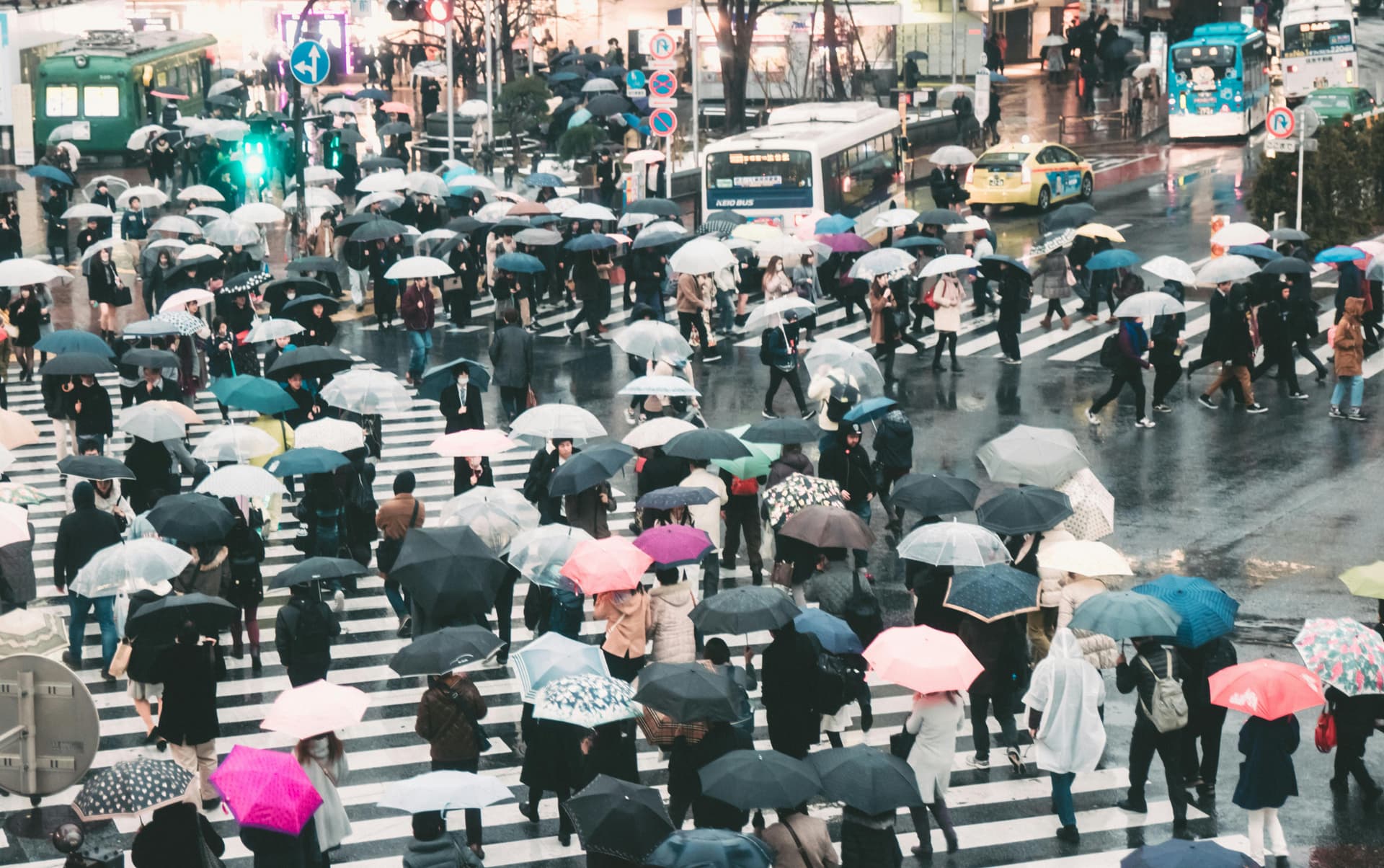
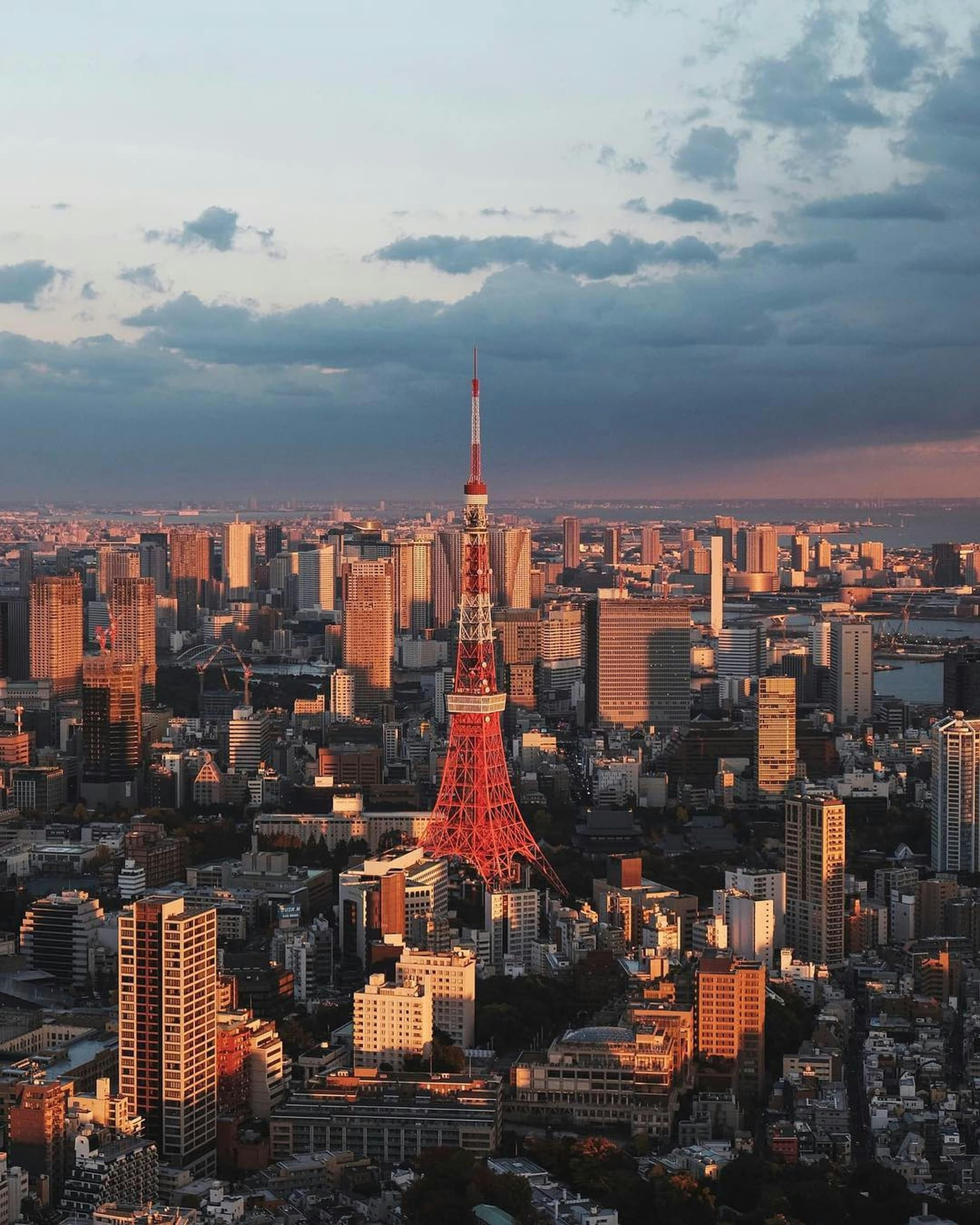
If you're visiting Tokyo for the first time and want to see the highlights—Shibuya Crossing, Senso-ji Temple, Tokyo Tower—a guide adds convenience but isn't essential. You can use apps to navigate, point at pictures to order, and still have a good trip. For first-time visitors weighing their options, we cover the decision in detail.
Not every traveler wants or needs the kind of access we've been describing. Some trips are about coverage. Some are about checking boxes. That's valid. We cover when you don't need a private tour separately.
When independence is the point
For some travelers, figuring it out is part of the experience. The adventure includes navigating uncertainty, making mistakes, finding things by accident.
If this is your travel style—if the journey includes the logistics—a guide changes the nature of the trip in ways you might not want.
Budget is real. Private guides cost money. For travelers with limited budgets, that money might be better spent on an extra night, a nicer hotel, or experiences you can access on your own.
The Cost-Benefit Calculation
Here's the honest math on what a guide costs versus what you get:
| Expense | DIY Cost | With Guide | What Changes |
|---|---|---|---|
| Guide fee | $0 | $430-550 (6-8 hrs) | Someone handles all logistics |
| Restaurant booking services | $40-80/restaurant | Included | Phone reservations, communication, no-show risk eliminated |
| Translation apps | Free-$10 | Not needed | Words vs. meaning—apps can't read context |
| Navigation time | 2-3 hrs/day lost | Eliminated | Station exits, transfers, wrong turns |
| Missed experiences | Hard to quantify | Unlocked | Counter seats, local spots, craftsman conversations |
| Decision fatigue | High | Low | Every choice vs. curated options |
The break-even calculation:
A 6-hour guide costs roughly $430 for two people. That's $215 per person, or $36/hour per person.
For that hourly rate, you're buying:
- Fluent translation and cultural interpretation
- Pre-made restaurant reservations at places you couldn't book
- Elimination of 2-3 hours of navigation time
- Access to spots that require Japanese to enter
- Someone reading social cues you'd miss
- Zero decision fatigue
When the math clearly favors DIY:
- 7+ days in Tokyo (learning curve amortizes)
- Budget accommodation priority (guide cost = 2 extra hotel nights)
- Tourist corridor focus (Shibuya, Senso-ji, major attractions)
- Both partners share planning equally
When the math clearly favors a guide:
- 3-5 days in Tokyo (no time to learn from mistakes)
- Food-focused trip (best restaurants require phone reservations in Japanese)
- One partner doing all research (rebalances the dynamic)
- Interest in neighborhoods beyond tourist zones
The Choice Is Access, Not Survival
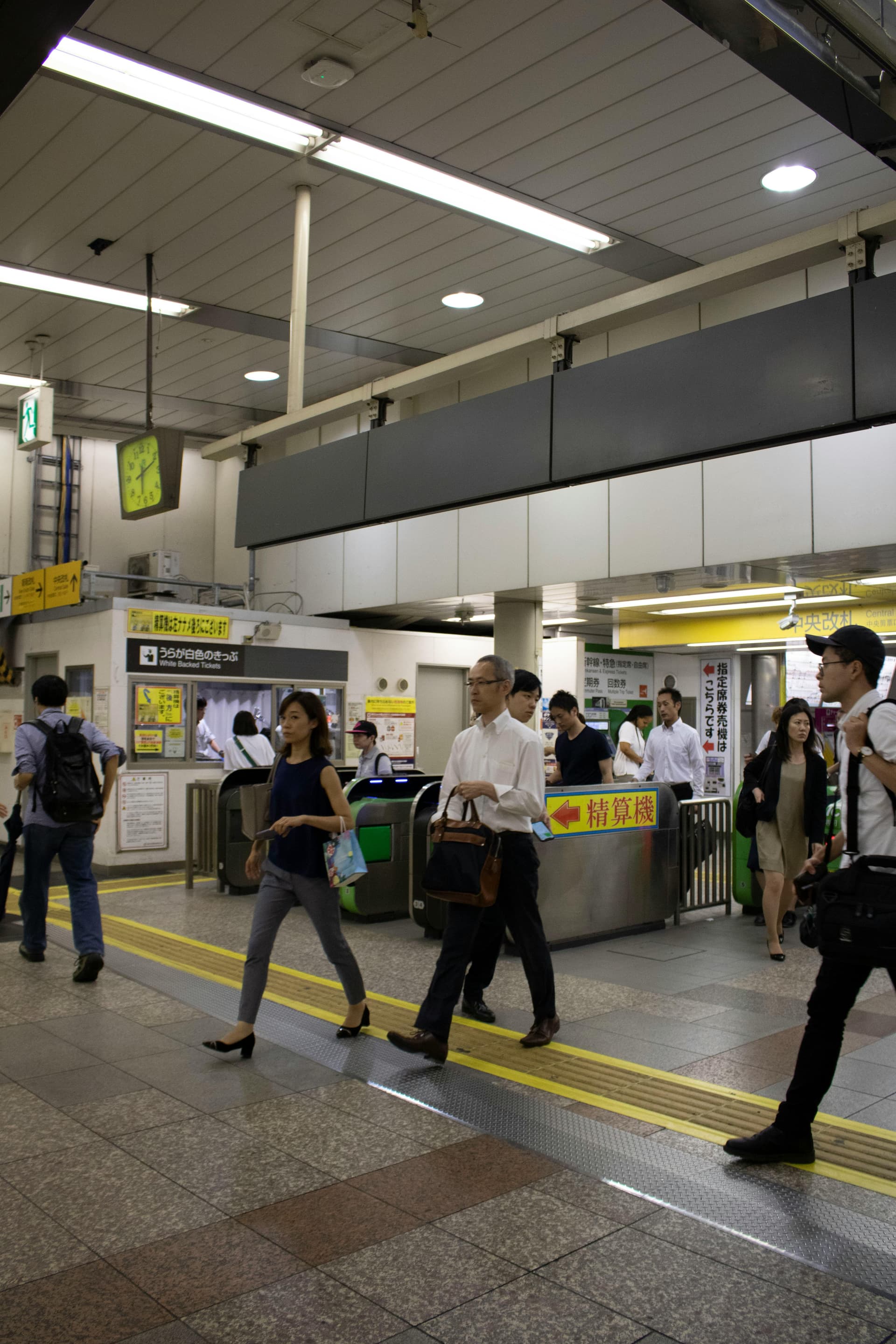
Survival was never in doubt. You can navigate trains, find your hotel, eat meals, and visit attractions without speaking Japanese.
The question is what Tokyo you want to experience.
| Survival | Access |
|---|---|
| Tourist restaurants | Neighborhood izakayas |
| Landmarks with audio guides | Craftspeople explaining their work |
| Pointing at pictures to order | Chef telling you what's in season |
A guide is an access key. The locked experiences—phone-only reservations, high-context conversations, neighborhood spots without English, safe dining with dietary restrictions—become available. For first-time visitors, even a single-day introduction changes what's accessible.
Whether you need that key depends on what you want to access.
Frequently Asked Questions
Do I need to speak Japanese to visit Tokyo?
No. Tourist areas, major stations, and international hotels have English signage. Translation apps handle basic communication. You can have a perfectly good trip without Japanese. But you'll be limited to places that accommodate English speakers—which excludes many of Tokyo's best experiences.
Can Google Translate handle restaurant menus?
For tourist restaurants with picture menus, yes. For neighborhood spots with handwritten specials, no. Translation apps struggle with menu-specific vocabulary, seasonal items, and regional terms. A guide reads what apps can't and explains what dishes actually are.
What about dietary restrictions?
This is where language matters most. Explaining allergies, religious dietary requirements, or strict restrictions requires precise communication—stakes are too high for translation app guesswork. Guides communicate restrictions directly to chefs in Japanese and verify ingredients.
Will people be rude if I don't speak Japanese?
No. Japanese people are unfailingly polite to visitors. What happens isn't rudeness—it's mutual awkwardness when neither party can communicate effectively. Some places politely decline tourists they can't serve rather than risk misunderstanding. A guide prevents that dynamic entirely.
Do I need a guide just for translation?
If your goal is accessing experiences beyond tourist infrastructure—local izakayas, craft workshops, neighborhood restaurants without English—yes, translation is the access key. If you're comfortable with tourist-friendly options, translation apps are adequate.
Where Hinomaru One Fits
Our guides handle phone reservations, navigate dietary restrictions, and open doors to neighborhood spots that don't accommodate English speakers. The access you read about—izakayas without English menus, craft experiences with Japanese-only instruction, restaurants that decline tourists—becomes available when someone speaks for you.
At Hinomaru One, we design culturally rich, stress-free private Tokyo tours for first-time and seasoned travelers. Unrushed. Insightful. Always customized.