Tokyo Private Tours
The park that houses Tokyo's major museums sits directly adjacent to the street market that sells discount goods to working-class shoppers. Both are Ueno, and both matter.
August 23, 2025
9 mins
Ueno contains Tokyo National Museum (Japan's largest), Ueno Zoo (Japan's oldest), five other major museums, a park with 1,000+ cherry trees, and Ameyoko—a 400-meter street market selling everything from fresh fish to counterfeit designer goods. This combination of high culture and street commerce isn't accidental. Ueno developed as Tokyo's cultural center specifically because it was affordable and accessible to working-class residents, not despite it.
Tokyo Together: Ueno for Families and All Ages
Tokyo Together includes Ueno as part of a 6-hour family-friendly east Tokyo route: Tsukiji → Akihabara → Ueno → Asakusa. $430 for two people.
This tour positions Ueno as the cultural and nature stop where kids can see the zoo, parents can appreciate museum quality, and everyone benefits from the park's open space after the density of Tsukiji and Akihabara. The guide adjusts the pace for families—shorter museum visits, more park time, Ameyoko for street energy and snacks.
Families appreciate Ueno because it offers variety: animals if kids need that, museums if parents want culture, the park for running around, and Ameyoko for affordable food and shopping. It's Tokyo serving multiple needs in the same geographic space.
Infinite Tokyo: Deep Dive into Tokyo's Cultural Infrastructure
Infinite Tokyo gives you 8 hours to explore Ueno's specific museums, understand the park's role in Tokyo life, or compare Ameyoko's street market culture with other commercial districts. $680 for two people.
Some people want serious time in Tokyo National Museum (4,000+ years of Japanese art and archaeology). Others want to understand how Ueno Zoo shaped Japanese attitudes toward animals and conservation. And some want to explore Ameyoko's supply chains—where the fish comes from, why Korean goods concentrate here, how the market adapted when legal wholesale moved elsewhere.
The guide helps you make decisions about depth versus breadth—whether you're spending 3 hours in one museum understanding context, or sampling multiple institutions to compare approaches to cultural preservation. You're not rushing through checking boxes; you're engaging with what actually interests you.
The Park That Democratized Culture
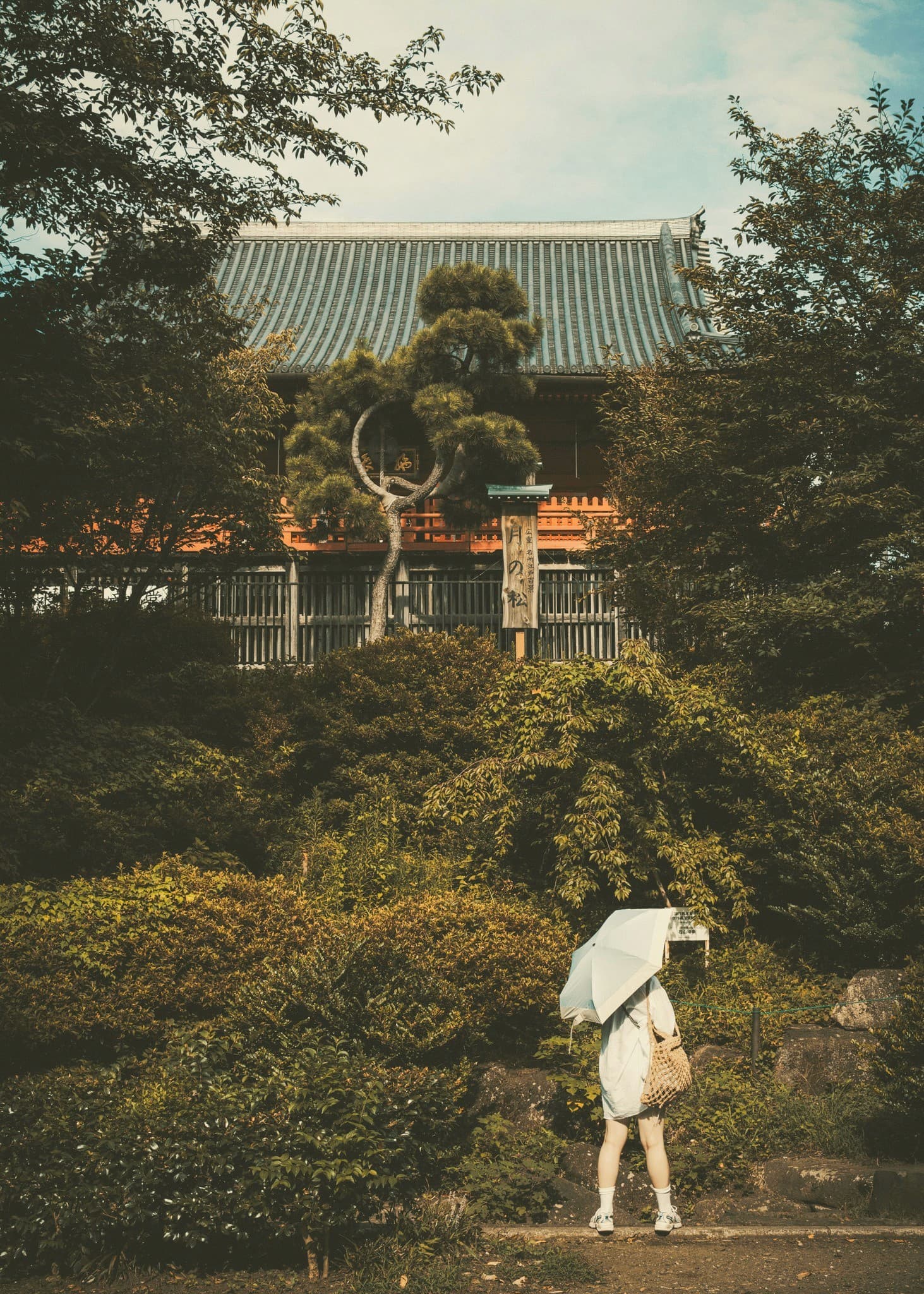
Ueno Park opened in 1873 as one of Japan's first Western-style public parks—a deliberate Meiji-era project to create accessible cultural space for Tokyo's growing population. The imperial family donated the land (formerly Kan'ei-ji temple grounds), and the government built museums, a zoo, and public gardens to demonstrate Japan's modernization.
This wasn't aristocratic culture behind walls. It was culture as public infrastructure—museums that charged minimal admission, a zoo that let working families see exotic animals, and park grounds where anyone could picnic under cherry trees. The democratization was the point.
Understanding this helps you recognize what you're seeing. Tokyo National Museum doesn't just house important art—it represents the Meiji government's commitment to making Japanese cultural heritage accessible to all citizens, not just the elite who previously controlled such knowledge. The park's social function (making culture democratic) matters as much as its content (specific artworks or animals).
Tokyo National Museum: 150 Years of Cultural Preservation
Tokyo National Museum opened in 1872 and now holds 120,000+ objects spanning 4,000+ years of Japanese, Asian, and archaeological heritage. The collection includes National Treasures, Important Cultural Properties, and the comprehensive documentation of Japanese art history from ancient times through modern periods.
The museum's approach is encyclopedic, not selective—showing the breadth of Japanese cultural production rather than just masterpieces. You can see Jomon pottery from 10,000 BCE, Buddhist sculptures from the 6th century, samurai armor, ukiyo-e prints, and Meiji-era adaptations of Western art. The goal is understanding context, not just appreciating beauty.
This scope means the museum requires either specific focus (one gallery deeply) or multiple visits. A guide helps you prioritize based on your interests—if you care about Buddhist art, you're spending time in those galleries. If you want to understand how Japan adapted Western techniques, that's a different 2-hour route through the collection.
Ameyoko: The Black Market That Became a Shopping Street
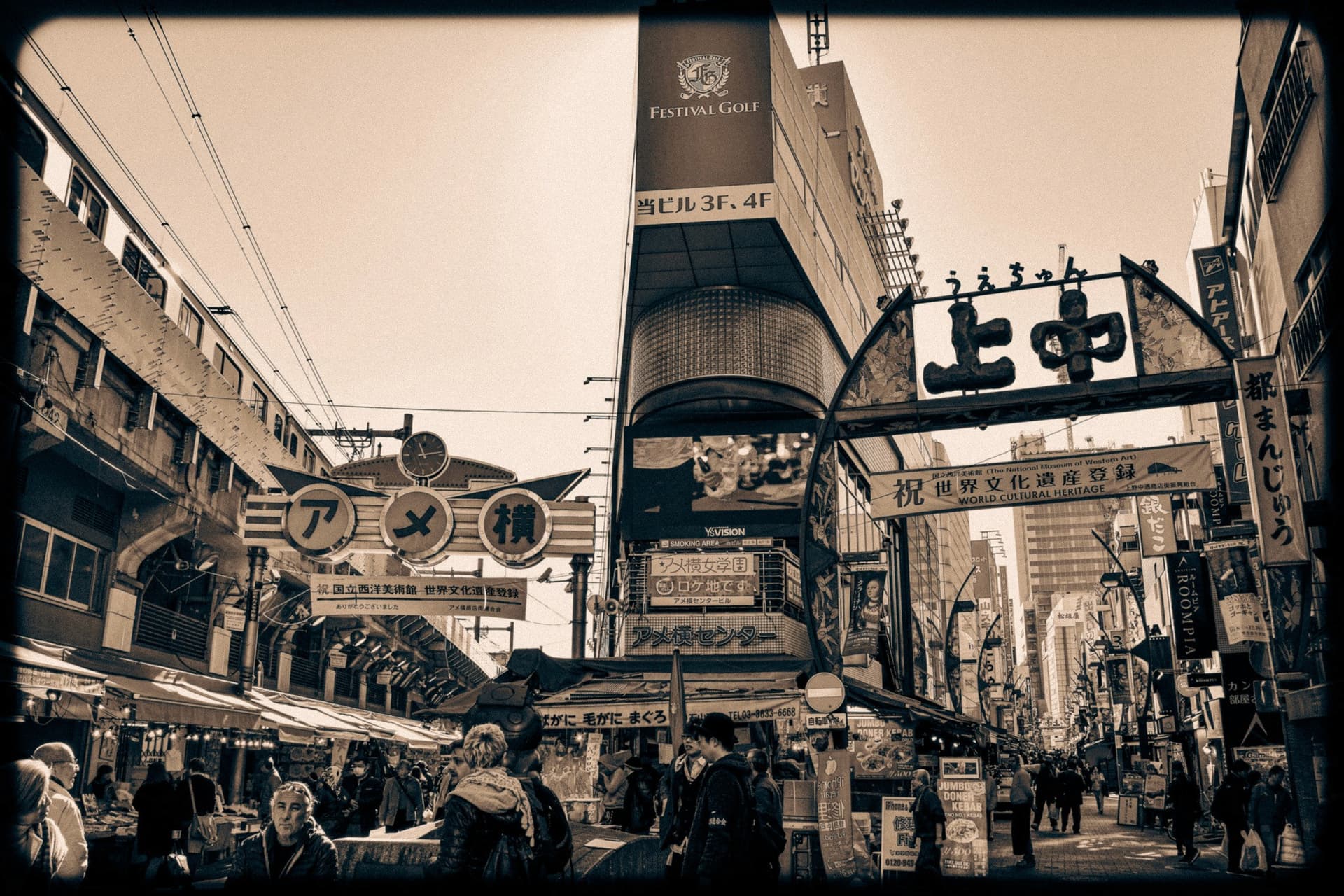
Ameyoko started as a post-WWII black market selling American goods (ame = America, though locals claim it means candy/ame). The market occupied the burned-out area under the Yamanote Line elevated tracks, selling everything occupation forces weren't supposed to be selling—rationed food, imported cigarettes, contraband goods.
When the occupation ended and black markets became legal commerce, Ameyoko's vendors simply legitimized their operations. The stalls became shops. The informal network became organized retail. And the discount-focused, high-turnover business model that made sense for black market goods continued because it served working-class customers efficiently.
Today Ameyoko has 400+ shops selling fish, produce, clothing, cosmetics, shoes, bags, and the kind of goods people buy when they're price-sensitive and quality-flexible. The energy is chaotic—vendors shouting prices, customers comparing deals, the density of commerce that happens when rent is expensive and foot traffic is everything.
The Zoo That Shaped Japanese Conservation
Ueno Zoo opened in 1882 as Japan's first zoological park—part of the Meiji government's modernization project demonstrating Japan could match Western scientific institutions. The zoo housed Japan's first elephants, first polar bears, and eventually giant pandas that became symbols of Japan-China diplomatic relations.
The zoo's significance goes beyond animal display. It created the infrastructure for Japanese conservation biology—breeding programs, veterinary training, public education about wildlife. When Japan decided it cared about species preservation (relatively recently in historical terms), Ueno Zoo was the institution that knew how to do it.
The pandas specifically matter to Tokyo's identity. The first pair arrived in 1972 to commemorate diplomatic normalization with China. When pandas breed successfully (rare), it's national news. When they die, Tokyo mourns. The animals are both diplomatic symbols and beloved residents—dual roles they've performed for 50+ years.
Which Museums Matter for Which Interests
Ueno Park contains Tokyo National Museum, National Museum of Nature and Science, National Museum of Western Art, Tokyo Metropolitan Art Museum, and Shitamachi Museum—plus the zoo. Without context, you'll visit whichever has the most appealing name or skip museums entirely because Tokyo offers too many choices.
A guide can explain which institutions serve which purposes: Tokyo National Museum for comprehensive Japanese art history, Science Museum for families with children interested in interactive exhibits, Western Art Museum for understanding how Japan adapted European techniques, Shitamachi Museum for working-class Tokyo life that's disappearing.
You're not visiting all five—that's impossible in one day. You're understanding which one or two serve your specific interests, then spending meaningful time rather than superficially sampling everything.
The Park's Cherry Blossom Chaos
Ueno Park has 1,000+ cherry trees that bloom in late March/early April, drawing massive crowds for hanami (flower viewing). During peak bloom, the park becomes nearly impassable—crowds pack every path, picnic blankets cover all open ground, and the experience shifts from nature appreciation to crowd management.
If you're visiting during cherry blossom season specifically for that experience, you need strategies: arrive by 7am for space, bring blankets and food, accept that you'll spend most time maintaining your picnic spot, not moving around. If you're visiting for museums or other purposes, avoid this period entirely.
A guide helps you set appropriate expectations. Cherry blossoms in Ueno are beautiful and chaotic. Both facts are true. Understanding this helps you decide whether the experience matches what you want from Tokyo, or whether you should visit Ueno during the 50 other weeks when you can actually walk through the park.
Ameyoko's Internal Geography
Ameyoko looks like random chaos—400 shops crammed into 400 meters, no apparent organization, vendors shouting different offers. But the market has internal logic: fish vendors concentrate at the north end (closer to commercial facilities), Korean goods cluster in specific sections (suppliers and customers self-organize), and clothing vs. cosmetics vs. food occupy different segments.
Understanding this geography helps you navigate efficiently. If you want fresh fish for dinner, you're going to specific shops at the north end. If you're browsing Korean cosmetics, you're in the covered sections mid-market. If you want street food, you're looking for the vendors with immediate consumption capability.
A guide knows this internal organization—you're not wandering randomly hoping to find what you want, you're going directly to the relevant section based on what Ameyoko actually offers.
Why the Museums Feel Different from Western Equivalents
Tokyo National Museum's approach differs from Western encyclopedic museums—less wall text, more objects, assumptions that visitors bring context or will return multiple times to build understanding gradually. This reflects Japanese museum philosophy: showing comprehensively over explaining exhaustively.
Western visitors often find this frustrating—they want more information, more interpretation, more guidance about what they're seeing. Japanese visitors often prefer less mediation—they want access to objects, not curatorial lectures about how to understand them.
A guide bridges this gap, providing the context and interpretation that helps you understand what you're seeing without requiring you to read (limited) English wall text or guess at significance. You're getting the comprehensive display Japanese museums offer, plus the explanatory framework Western visitors typically expect.
Best Time to Visit
Weekday mornings (Tuesday-Thursday, 9am-noon) capture Ueno at its most functional—museums just opened with minimal crowds, park walkable without weekend density, Ameyoko beginning its retail day. You can move comfortably and engage with what you're seeing.
Avoid weekends when family crowds pack the zoo and museums require timed entry reservations. Avoid late March/early April entirely if you're not specifically coming for cherry blossoms—the park becomes unusable for other purposes during peak bloom.
Early weekday afternoons (1-4pm) work for Ameyoko specifically—the market peaks mid-afternoon when vendors are fully stocked and price-negotiating before evening closeouts. Most museums close 5-6pm, so afternoon arrivals limit your options.
How Long You Need
3-4 hours covers Ueno Park basics: one major museum (Tokyo National Museum requires 2+ hours minimum if you're serious), zoo visit OR park walk, and Ameyoko street market. 5-6 hours allows for multiple museums or deeper engagement with single institutions.
The park is large (53 hectares), and the museums are substantial. You cannot see everything in one visit. Even attempting that means superficial engagement with everything, meaningful connection with nothing. Better to choose 2-3 specific focuses and explore those properly.
What to Combine with Ueno
Ueno makes geographic sense with Asakusa (2.5km north, walkable or one train stop), Akihabara (one stop south), or Yanaka (1.5km west, walkable). These neighborhoods are all on Tokyo's east side and represent different aspects of traditional Tokyo culture.
Ueno makes less sense with Shibuya, Shinjuku, or west Tokyo neighborhoods unless you're doing a full-day contrast tour. Those areas are 30-40 minutes away and operate on completely different principles—Ueno's working-class accessibility vs. west Tokyo's corporate modernity.
If you're interested in museums specifically, Ueno concentrates enough institutions that you could spend a full day exploring without leaving the park. Most Tokyo residents visit Ueno multiple times per year, treating it as ongoing cultural infrastructure rather than one-time tourist destination.
The park democratized culture by making museums, zoos, and green space accessible to working-class Tokyo. Ameyoko adapted from black market to legitimate commerce serving price-conscious shoppers. Both represent different aspects of how Tokyo serves its 14 million residents—high culture and street markets coexisting because both are necessary.
Ready to understand Ueno's role in Tokyo life? Tokyo Together includes Ueno as the cultural and nature stop in a family-friendly east Tokyo route. Or Infinite Tokyo gives you 8 hours to explore whichever museums or markets interest you most deeply.
Questions about which tour fits your schedule? Contact us and we'll help you plan the right approach for your time in Tokyo.