Choosing a Tour

Preparing for Your Tokyo Private Tour

Preparing for Your Tokyo Private Tour

Everything you need to know before your Tokyo private tour—from the practical essentials to the mindset that actually makes the difference.

December 13, 2025

8 mins read

share this article

/

Preparing for Your Tokyo Private Tour

/

Preparing for Your Tokyo Private Tour

/

Preparing for Your Tokyo Private Tour

The preparation that matters most isn't your shoes or cash—it's understanding that tour day is yours to shape.

The preparation that matters most isn't your shoes or cash—it's understanding that tour day is yours to shape.

The preparation that matters most isn't your shoes or cash—it's understanding that tour day is yours to shape.

The guests who enjoy their Tokyo private tours most aren't the ones who prepared most carefully—they're the ones who showed up relaxed. Travelers spend hours researching etiquette rules they'll never need while overlooking the few things that genuinely matter. The preparation that counts isn't about packing lists. It's about understanding what your day will feel like and knowing you can shape it.

Your Tour Day Is Yours to Shape

Your Tour Day Is Yours to Shape

Your Tour Day Is Yours to Shape

Your Tour Day Is Yours to Shape

A private tour isn't a performance you need to get right. It's a day you get to design as you go.

You Have More Control Than You Think

You can slow down whenever you want. You can skip something that doesn't interest you. You can ask to sit at a café for twenty minutes because your feet hurt. You can change the plan entirely if you discover something unexpected.

Your guide works for you, not the other way around. If you're tired, say so. If you're hungry, mention it. If the temple your guide suggested sounds less interesting than the ramen shop you just walked past, that's a valid choice.

What Guides Actually Want From You

Guides don't want forced enthusiasm. They find relaxed, authentic guests easier to work with than guests who feel they need to perform interest or appreciation.

Be yourself. If you're quiet, be quiet. If you have questions, ask them. The goal is for you to enjoy Tokyo, not to make a good impression.

What 12,000 Steps on Tokyo Concrete Actually Means

What 12,000 Steps on Tokyo Concrete Actually Means

What 12,000 Steps on Tokyo Concrete Actually Means

What 12,000 Steps on Tokyo Concrete Actually Means

"Wear comfortable shoes" is useless advice. Tokyo walking is different from walking anywhere else you've been.

A full-day tour covers 12,000-18,000 steps—roughly 10-15 kilometers. That's not unusual for city walking, but the terrain makes it harder than the numbers suggest. For a deeper look at how much walking to expect, we break this down by tour type and pace.

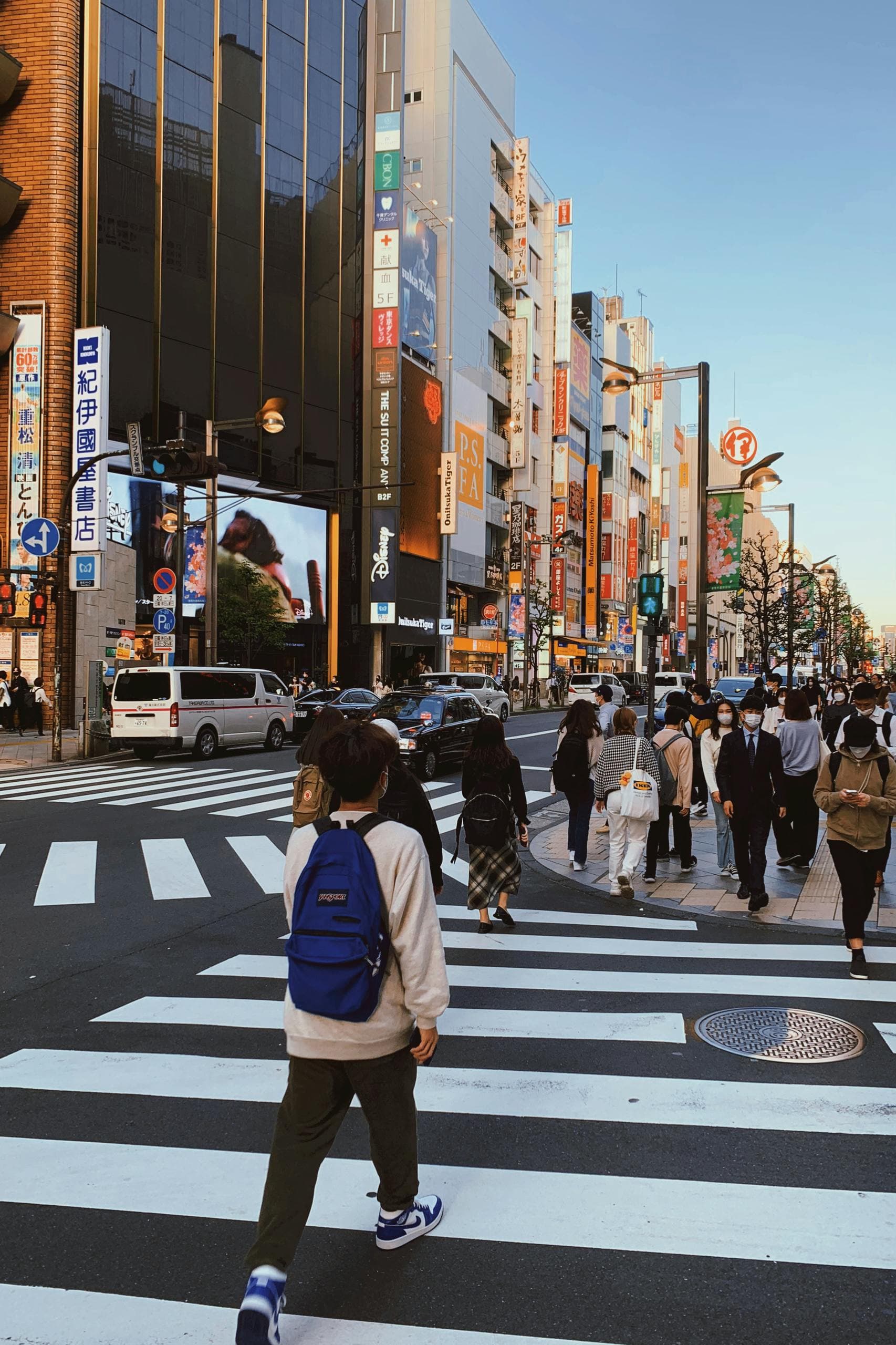
Commercial areas like Shibuya and Omotesando have smooth concrete sidewalks. Temple approaches vary: Nakamise Street in Asakusa is wide and paved, but Meiji Shrine has a 700-meter gravel path. Traditional neighborhoods like Yanaka have narrower streets with uneven surfaces. And subway stations involve stairs—sometimes 30-91 steps if you're not near an elevator. The Oedo Line's Roppongi Station sits 42 meters underground, taking about six minutes to reach the surface.

The Shoe Question, Answered

You need shoes with cushioned soles that can handle hard concrete all day. They should be broken in before your trip—don't bring new shoes. And they need to slip on and off easily, because you'll be removing them.

Temple Entry Changes Everything

You'll remove your shoes 3-5 times on a typical temple tour. Lace-up boots are impractical. Slip-on walking shoes or sneakers with elastic laces work well.

Some experienced travelers bring a second pair with different pressure points, switching partway through the day when their feet start to fatigue.

If You Have Mobility Concerns

Guides can adapt routes for any limitation—avoiding stairs, reducing distances, adding rest stops—but only if they know in advance. For travelers with specific needs, we cover accessibility options in detail. Share any concerns during your pre-tour consultation (more on that below).

¥20,000 and a Light Crossbody Bag

¥20,000 and a Light Crossbody Bag

¥20,000 and a Light Crossbody Bag

¥20,000 and a Light Crossbody Bag

You don't need to pack extensively. You need three things: cash, a bag to carry layers, and your phone.

Cash: How Much and Where to Get It

Start your tour day with ¥15,000-20,000 in your wallet. That's enough for meals, temple donations, street food, and any shopping that catches your eye.

Japan is more cash-dependent than you might expect—60-75% of transactions in Tokyo still use cash. Small restaurants, street food vendors, and temple offering boxes don't take cards. Chains and larger stores do.

Getting cash is easy. 7-Eleven ATMs accept international cards and charge reasonable fees. There's a 7-Eleven within a few minutes' walk almost anywhere in central Tokyo.

The One Bag That Changes Everything

Tokyo's indoor/outdoor temperature swings mean you'll be adding and removing layers constantly. A light crossbody bag solves this—it gives you somewhere to stash a jacket, holds your shoes during temple visits, and keeps your hands free.

Backpacks work too, but they're harder to access while walking and you'll need to remove them in crowded trains.

What You Can Leave at the Hotel

Guidebooks, printed itineraries, extensive first-aid supplies, multiple outfit changes—leave them. You have a guide. Travel light. For a complete packing guide with season-specific details, we cover everything there.

Tokyo's 15-Degree Temperature Swings

Tokyo's 15-Degree Temperature Swings

Tokyo's 15-Degree Temperature Swings

Tokyo's 15-Degree Temperature Swings

"Bring layers" doesn't capture what's actually happening. In spring and fall, Tokyo temperatures can swing 10-15°C within a single day.

Season-by-Season Reality

Winter mornings start at 2-6°C and warm to 9-12°C by afternoon. Summer humidity reaches 75-82% in July and August—it's not the temperature that gets you, it's the moisture. Spring and fall are pleasant but unpredictable.

Indoor/Outdoor: The Real Challenge

The bigger issue isn't the weather—it's the transitions. Air-conditioned department stores are cold. Subway platforms are warm. Temple grounds are whatever the weather is. You'll be constantly adjusting.

Rain Makes Some Tours Better

Rain Makes Some Tours Better

Rain Makes Some Tours Better

Rain Makes Some Tours Better

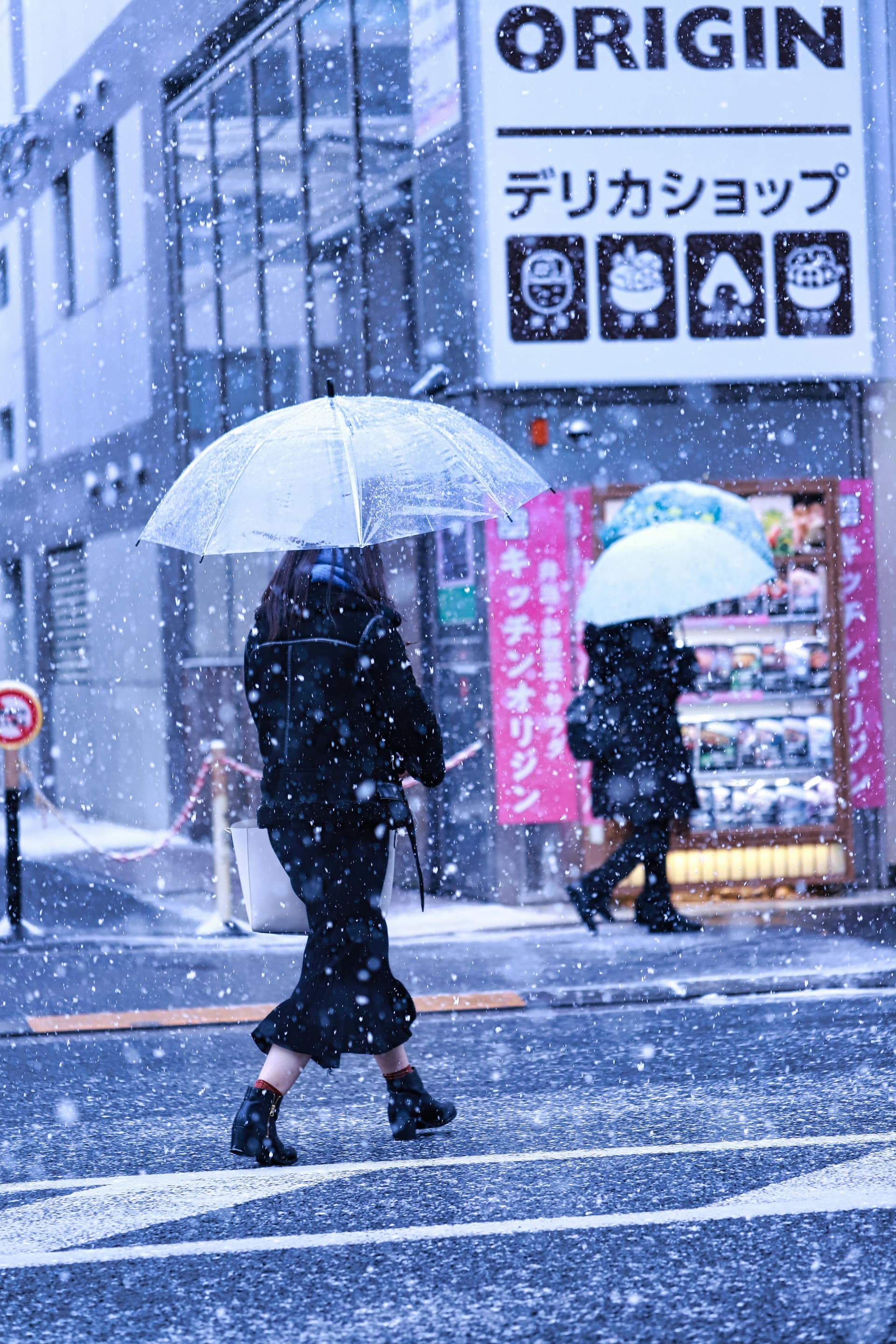
If you see rain in the forecast, don't panic. Rain days often improve your experience.

What Actually Happens When It Rains

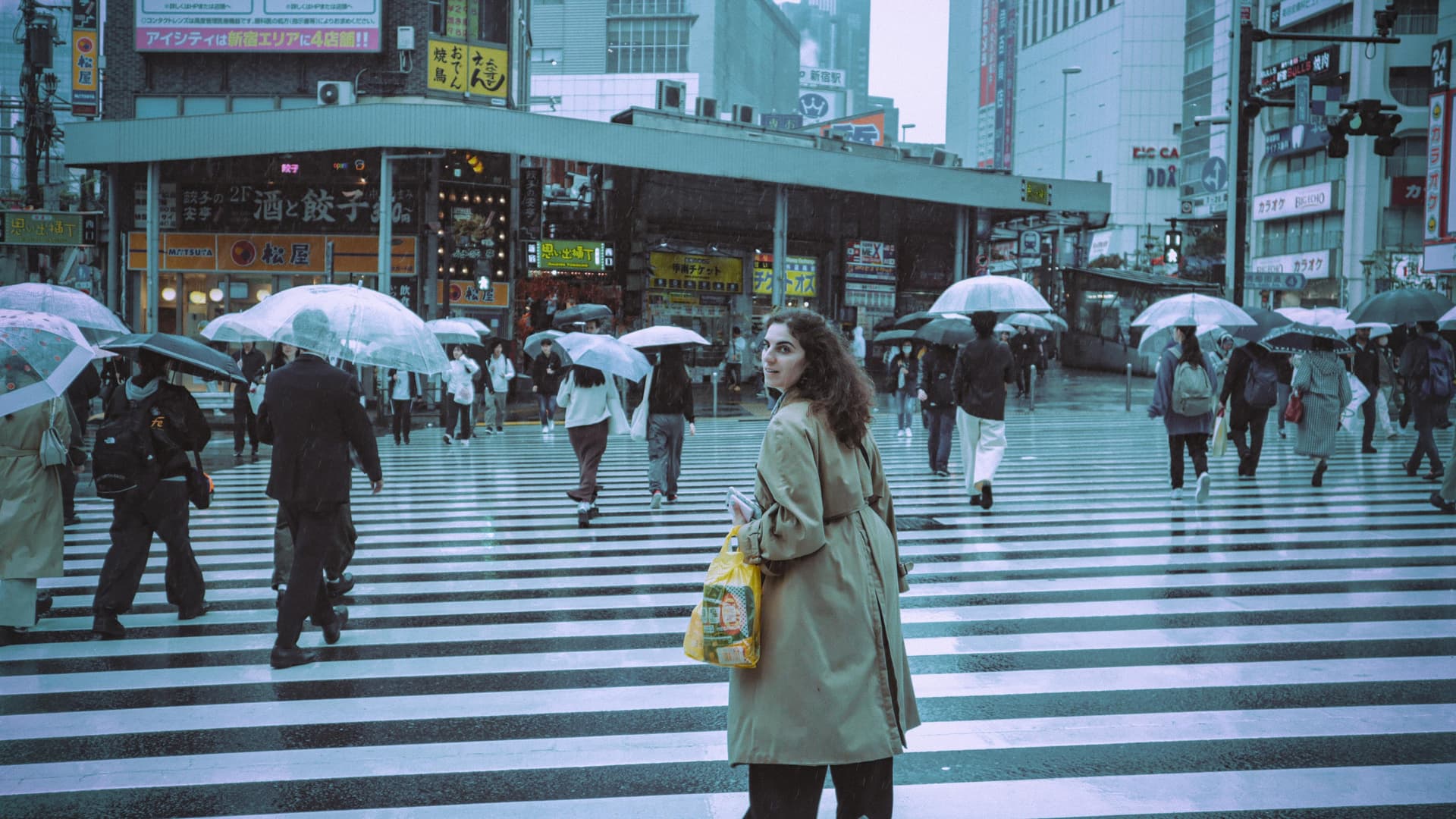
Tours proceed rain or shine. Your guide adapts the route—maybe more time in covered shopping streets, museums, or indoor markets. Tokyo has abundant indoor alternatives.

The upside: crowds thin. Popular sites like Meiji Shrine are noticeably less packed when it's raining. Some places are more atmospheric in the rain.

Weather forecasts are reliable 3-5 days out. Rain predicted a week in advance frequently changes.

The ¥500 Convenience Store Solution

If rain catches you unprepared, any convenience store sells umbrellas for ¥400-600. This is not a problem that requires advance planning. For more on what actually happens when it rains, including specific indoor alternatives, we cover it in depth.

The Tipping Question, Resolved

The Tipping Question, Resolved

The Tipping Question, Resolved

The Tipping Question, Resolved

Tipping causes more pre-tour anxiety than anything else. Here's the answer.

What Guides Who Work With Western Tourists Actually Expect

Tipping is not required. Guides who work with Western tourists understand the custom and appreciate tips, but they're paid well and don't depend on gratuities. You won't offend anyone by tipping, and you won't offend anyone by not tipping.

If you want to tip—and many guests do—¥5,000-10,000 is appropriate for a full-day tour (roughly $35-70 USD at current rates).

The Envelope and the Phrase

Present the tip in an envelope, not as loose bills. Hand it with both hands at the end of the tour.

A simple phrase works: "Kyō wa arigatō gozaimashita. Kore wa kimochi desu." (Today was wonderful, thank you. This is a small token of appreciation.) Or just "Arigatō gozaimashita" with a smile.

That's it. The anxiety you've been carrying about this can end now. For the full guide to tipping in Japan, including cultural context, we go deeper there.

Meeting Your Guide: The First Five Minutes

Meeting Your Guide: The First Five Minutes

Meeting Your Guide: The First Five Minutes

Meeting Your Guide: The First Five Minutes

Here's what the start of your tour actually looks like.

Where and When

Your guide meets you in your hotel lobby. For hotels in central Tokyo—Shinjuku, Shibuya, Chiyoda, Chuo, Minato, or Bunkyo wards—pickup is included at no extra charge.

Your guide arrives 10 minutes before the scheduled start time. You don't need to be early; just be in the lobby at the agreed time.

What Happens First

Your guide introduces themselves, confirms the plan, and checks for any last-minute preferences. This is a good moment to mention if you're tired, if the weather has shifted your interests, or if there's something you want to prioritize.

Then you walk out the door together. For a complete day-of walkthrough—from first steps to final goodbye—we cover the full experience.

If Something Goes Wrong

If your guide hasn't arrived within a few minutes of the scheduled time, contact Hinomaru One directly at service@hinomaru.one or via WhatsApp. The concierge team monitors communications and will resolve the situation immediately.

What to Tell Your Guide Before Tour Day

What to Tell Your Guide Before Tour Day

What to Tell Your Guide Before Tour Day

What to Tell Your Guide Before Tour Day

The pre-tour consultation happens within 24-48 hours of booking. This is when you shape your experience. For details on the booking and consultation process, we explain each step.

Physical Limitations or Concerns

If you have any mobility limitations, stamina concerns, or physical constraints, share them now. Guides pace every tour based on their group's energy and comfort. They can adapt for anything—but only if they know.

"I'm fine" when you're not leads to a worse day. Be honest.

Interests and Must-Sees

Tell your guide what you actually care about. If you're a food person, say so. If you want to skip temples entirely, that's fine. If there's one specific thing you've been dreaming about, mention it.

Pace Preferences

Some guests want to cover maximum ground. Others prefer to linger. There's no right answer, but your guide can only deliver what you want if you communicate it. For a preview of what touring with a private guide is like, we share real guest experiences.

Policies That Give You Flexibility

Policies That Give You Flexibility

Policies That Give You Flexibility

Policies That Give You Flexibility

Plans change. These policies give you options when they do.

Cancellation and Changes

You can cancel up to 24 hours before your tour for a full refund. Weather doesn't cancel tours—guides adapt—so rain forecasts aren't a reason to postpone.

If you need to modify details (start time, pickup location, interests), contact the concierge team. Adjustments are straightforward.

What's Guaranteed

If your guided tour experience falls short of the promised care and quality, Hinomaru One will either refund your tour in full or provide your next private tour free. This applies to the tour itself—the experience we personally craft and stand behind. For full policies and guarantees, we detail everything there.

Where Hinomaru One Fits

Where Hinomaru One Fits

Where Hinomaru One Fits

Where Hinomaru One Fits

Your pre-tour consultation covers everything in this article—and more. Share your concerns, interests, and limitations before tour day, and your guide arrives already knowing how to pace the day for you. No surprises. No need to push through discomfort. Just a day designed around how you actually want to experience Tokyo. Tokyo Essentials is where most first-time visitors start.

At Hinomaru One, we design culturally rich, stress-free private Tokyo tours for first-time and seasoned travelers. Unrushed. Insightful. Always customized.

share this article

share this article

share this article

Newsletter

Unlock the secrets of Japan with Hinomaru One delivered straight to your inbox.

Hinomaru One Logo

PRIVACY

TERMS

Newsletter

Unlock the secrets of Japan with Hinomaru One delivered straight to your inbox.

Hinomaru One Logo

PRIVACY

TERMS

Newsletter

Unlock the secrets of Japan with Hinomaru One delivered straight to your inbox.

Hinomaru One Logo

PRIVACY

TERMS

Newsletter

Unlock the secrets of Japan with Hinomaru One delivered straight to your inbox.

Hinomaru One Logo

PRIVACY

TERMS