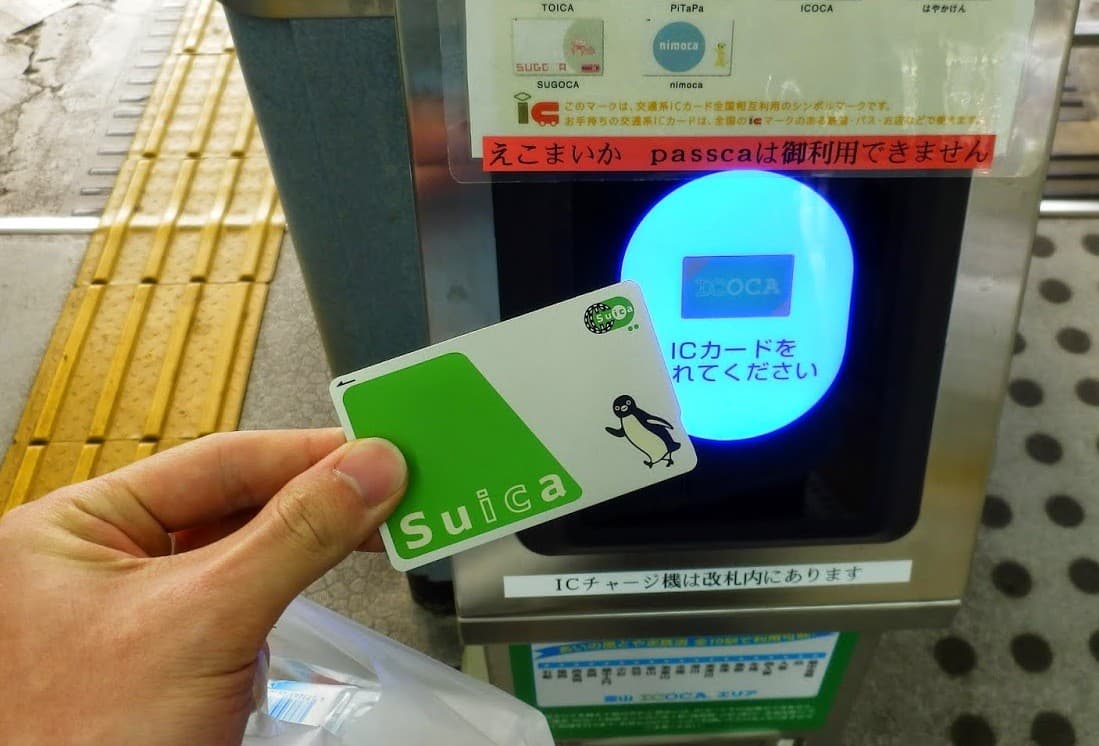
Choose and use Tokyo's Suica/Pasmo IC cards with confidence - practical insights for stress-free travel.
Suica vs Pasmo: both cards work on the same trains, buses, and convenience stores. The choice comes down to phone type, trip length, and whether you'll keep using the card after Japan.
⚠️ Important Update: Physical Card Availability (2024-2025)
March 2025 Update: Physical Suica and Pasmo cards have resumed normal sales as of March 1, 2025, ending the semiconductor shortage that limited availability throughout 2023-2024.
Historical Context: From 2023 through early 2025, a global semiconductor shortage made physical IC cards difficult to find. During this period:
- Regular Suica/Pasmo cards were unavailable at airports and standard ticket machines
- Travelers had to visit specific JR East Travel Service Centers with passports to purchase cards
- Welcome Suica (tourist version) had very limited availability, primarily at Haneda Airport
- Mobile wallet options became essential alternatives
Current Status (Post-March 2025): Physical cards are now available again at standard locations, but the mobile options developed during the shortage remain valuable alternatives.
Not everyone needs an IC card. Single-neighborhood stays with nearby visits work fine with individual tickets. A three-hour Haneda layover doesn't justify the purchase. Active JR Pass holders don't need one for JR trains-the pass already covers those rides.
Do You Actually Need One?
You need an IC card if you're making multiple daily trips across Tokyo. Families visiting Shibuya, Shinjuku, Asakusa, and Ueno over several days will tap their cards 4-6 times per day. Groups navigating Metro lines alongside JR routes need a card that works on both. Anyone planning convenience store purchases without carrying cash benefits from the payment flexibility.
The card becomes essential when transit is your primary way around. Day 1 arrival at Narita or Haneda, jet-lagged with luggage, navigating unfamiliar stations-this is when figuring out ticket machines for every ride creates stress. Families with young children or seniors dealing with mobility considerations want one less thing to manage at turnstiles. If getting oriented on Day 1 feels overwhelming, many first-time visitors find that a guided first day handles navigation and orientation before going independent.
What These Cards Actually Are
IC cards are contactless payment cards for transit and retail. Touch the card to a reader, and the fare deducts automatically. Suica is operated by JR East. Pasmo is managed by Tokyo Metro, Toei Subway, and private railways. Both work on a nationwide network of 10 interoperable IC cards, meaning you can use them across Japan, not just Tokyo. IC cards are one part of understanding Tokyo's broader train network.
IC cards solve the multi-operator problem by working across JR, Metro, Toei, and private railways. For a breakdown of which operators run which lines-and why passes create routing inefficiency-see our three-operator guide.
Why "Suica vs Pasmo" Is the Wrong Question
They're functionally identical. Same card readers. Same coverage. Same reload locations. Wherever Suica works, Pasmo works, and vice versa.
The visible difference is branding. Suica has the penguin character at JR stations. Pasmo has the robot character at Metro stations. This affects nothing except which mascot you see on signage.
Tourists typically choose Suica because Welcome Suica (the tourist version) is widely available at airports, and mobile wallet support is better. But if you get a Pasmo first, it works exactly the same way.
The real decision isn't Suica vs Pasmo. It's physical card vs mobile wallet.
Physical Card vs Mobile Wallet: Real Trade-offs
| Factor | Physical Card | Mobile Wallet |
|---|---|---|
| Setup | Buy and use immediately | iPhone: Apple Wallet or Welcome Suica Mobile app Android: Limited compatibility |
| Deposit | ¥500 (refundable) | None |
| Regional restrictions | None | iPhone: Works worldwide Android: Most non-Japanese phones lack required NFC-F chip |
| Balance checking | At ticket machines or gates | In-app, anytime |
| Loss risk | Card can be lost or stolen | Protected by phone security |
| Refund logistics | Must return to ticket office | Delete from phone, no refund needed |
| Best for | Families, groups, all Android users, travelers wanting simplicity | iPhone users, solo tech-comfortable travelers |
Mobile Wallet Options Explained
For iPhone Users (iPhone 8 or later):
- Apple Wallet Integration: Add Suica/Pasmo directly to Apple Wallet. Works anywhere physical cards work.
- Welcome Suica Mobile App (March 2025+): Dedicated app for international visitors with English support, 180-day validity, and foreign credit card top-ups via Apple Pay.
For Android Users:
- Major Limitation: Most Android phones sold outside Japan lack the NFC-F (FeliCa) chip required for Mobile Suica.
- Workarounds: Some Japanese-market Android phones support it, but setup requires Japanese Google Play account.
- Recommendation: Android users should plan to use physical cards.
Key Advantages During Shortage: Mobile wallets became essential when physical cards were scarce (2023-2024). Even with physical cards available again, mobile options offer convenience for iPhone users.
Families with multiple people find physical cards simpler. Everyone gets their own card, no juggling phones. Solo travelers comfortable with tech who already use mobile payments at home might prefer the mobile option. For travelers with mobility needs, navigating Tokyo stations involves more than just having an IC card-elevator locations aren't always obvious, and station layouts can be complex.
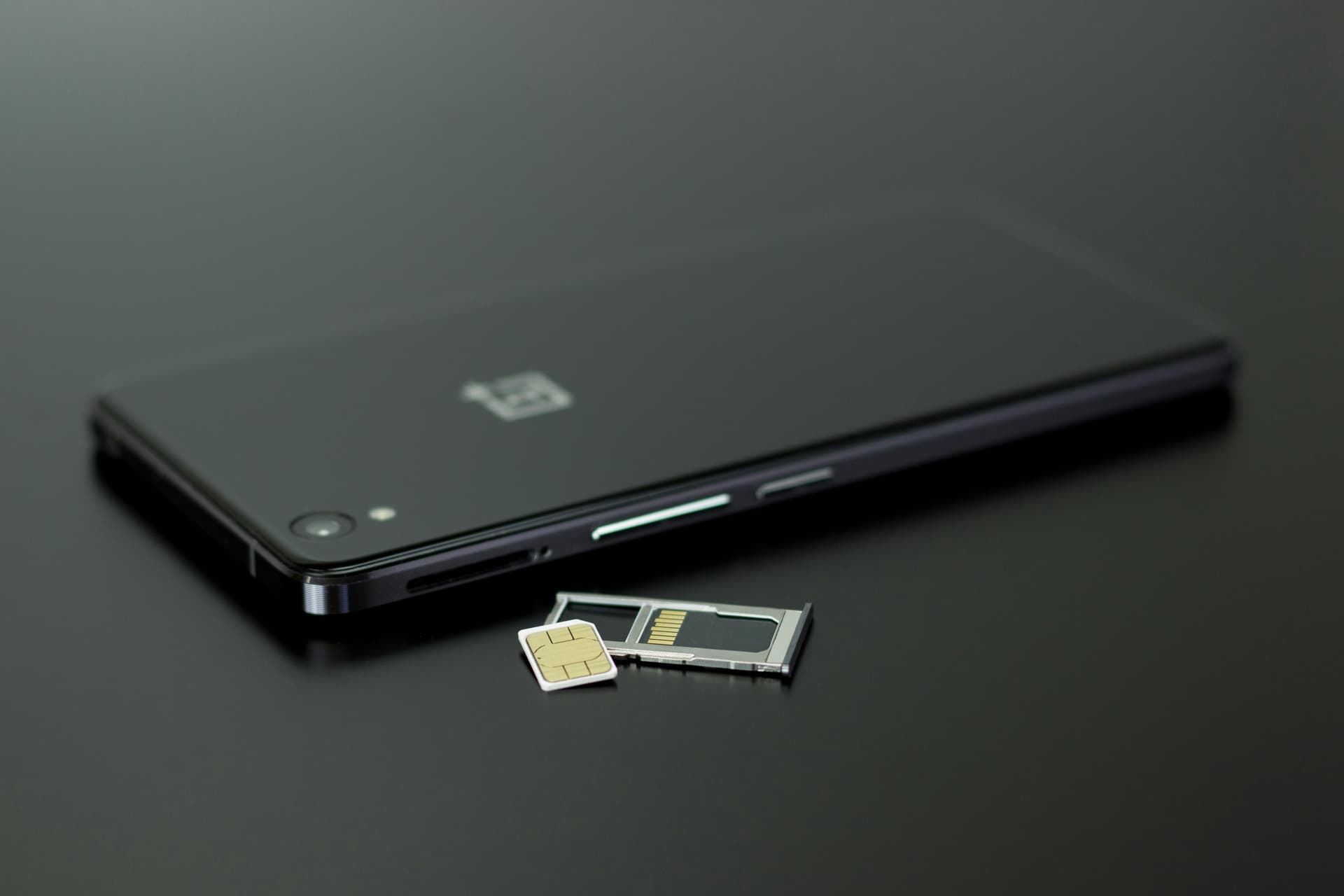
Mobile Suica requires an unlocked phone-the same requirement as eSIM connectivity, so travelers setting up one are usually setting up both.
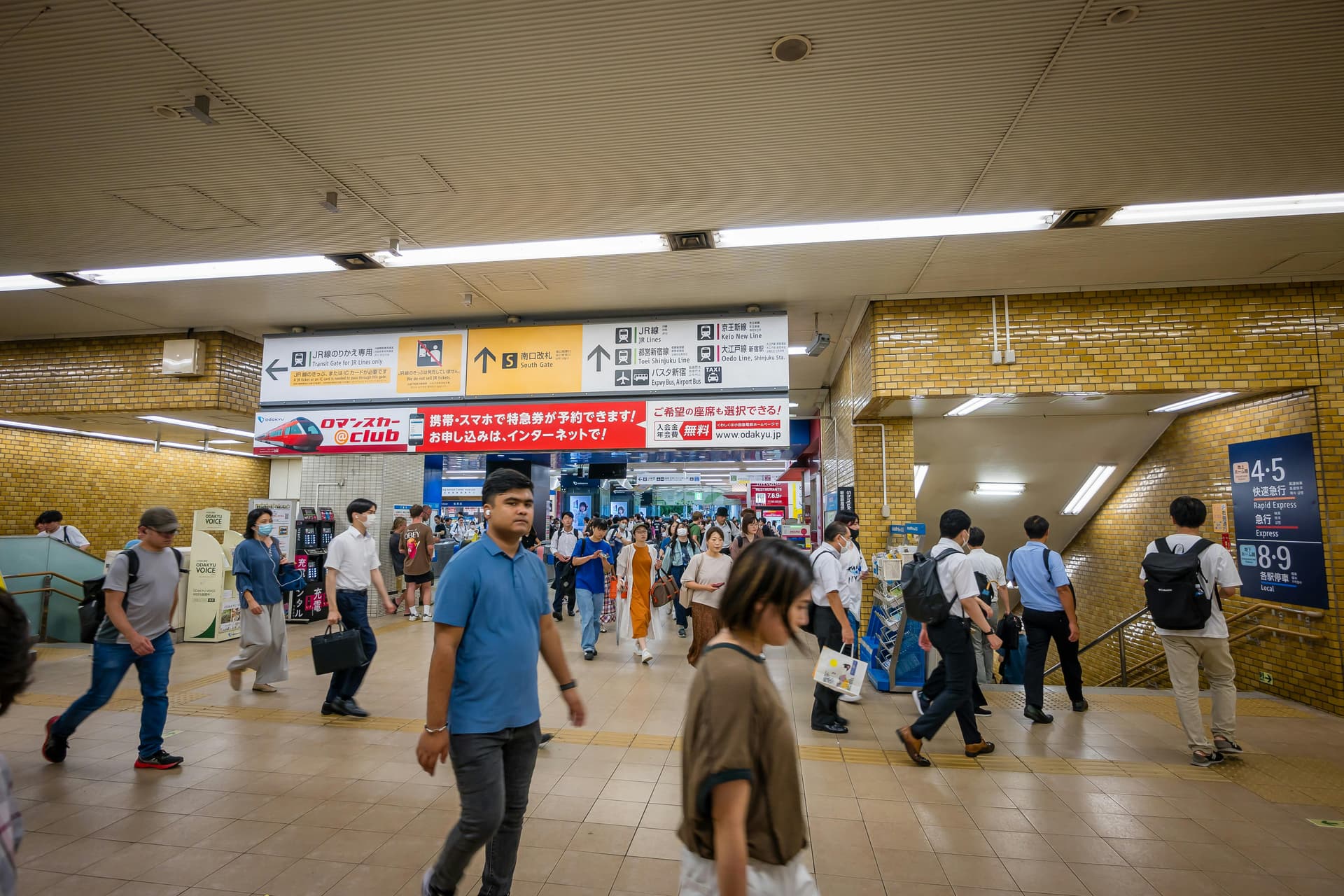
Tokyo context matters here. At Shinjuku Station during rush hour, pulling out a physical card is faster than unlocking your phone. But if you're already using your phone for maps and translation, adding a transit card to it consolidates tools.
New for 2025: Welcome Suica Mobile App
Launching March 6, 2025: A dedicated mobile app designed specifically for international visitors.
Key Features:
- English and multiple language support
- Direct issuance on iPhone (iOS only at launch)
- Foreign credit card top-ups via Apple Pay (solves previous payment issues)
- 180-day validity (vs. 28 days for physical Welcome Suica)
- No Japanese Apple ID required to download
Who Should Use It:
- iPhone users arriving after March 2025
- Travelers preferring mobile payments
- Those wanting to avoid physical card deposits
Limitations:
- iOS only at launch (Android support uncertain)
- Requires iPhone 8 or later with NFC capability
This app represents the future of tourist transit in Japan, developed in response to the physical card shortage to provide reliable digital alternatives.
Where to Buy Physical Cards
Current Availability (Post-March 2025): Physical Suica and Pasmo cards are available again at standard locations after the semiconductor shortage resolution.
| Location | Where to Find | Card Types Available | Notes |
|---|---|---|---|
| Narita Airport | JR East Travel Service Center (Terminals 1, 2, 3) Ticket vending machines at all terminals | Suica, Pasmo, Welcome Suica | Normal sales resumed March 2025 |
| Haneda Airport | Tokyo Monorail station (Suica) Keikyu Line station (Pasmo) Tourist Information Center Ticket vending machines | Suica, Pasmo, Welcome Suica | Welcome Suica had limited availability during shortage |
| Tokyo Station | JR ticket office Ticket vending machines | Suica, Welcome Suica | During shortage: Required passport at Travel Service Center |
| Shinjuku Station | JR ticket machines (JR areas) JR ticket office | Suica, Welcome Suica | During shortage: Specific service centers only |
During the Shortage (2023-2024): Travelers needed to visit specific JR East Travel Service Centers (駅たびコンシェルジュ) at major stations like Ueno, Shinagawa, Shibuya, and Tokyo Station, showing passports to purchase unregistered cards.
Welcome Suica Details:
- Tourist-specific card with no deposit (¥500 savings)
- Sold in denominations from ¥1,000 to ¥10,000
- No refund - use remaining balance before leaving
- Expires 28 days from purchase (vs. regular cards: 10 years from last use)
- During shortage: Very limited availability, primarily at Haneda Airport
Ticket machines have English language options. Regular Suica and Pasmo cards cost ¥1,000 minimum (¥500 deposit + ¥500 usable credit).
How to Use Them (The Actual Mechanics)
Touch the card to the reader when entering a station. Touch it again when exiting. Don't insert the card into anything-it's contactless, about one second of contact. The gate displays your remaining balance each time you tap.
If your balance is too low, the gate won't open. Step aside, find a nearby fare adjustment or ticket machine, reload your card, then tap through.
At convenience stores (Lawson, 7-Eleven, FamilyMart), tap your card on the payment reader at the register. Same one-second contact.
Tokyo-specific scenarios:
-
Transferring between JR and Metro at Shinjuku requires two separate taps (one to exit JR, one to enter Metro)
-
Using it at Lawson works the same as transit-tap the reader, transaction completes
-
Exiting at Asakusa Station on the Ginza Line follows the same tap-out process
Common mistakes: forgetting to tap out (you'll be charged the maximum fare), having insufficient balance (reload before your last ride of the day if you're close to zero), or keeping multiple IC cards in the same wallet (readers can't distinguish which one you're using). These are fixable errors, but avoiding common transit mistakes from the start saves time and frustration.
IC cards handle payment, but they don't solve navigation challenges-especially when station signs aren't fully in English, platforms are crowded, or you're managing luggage during transfers. Language barriers at ticket gates and station platforms add another layer of complexity beyond card mechanics.
How Much Money to Load
Base your initial load on trip length and daily trip patterns. A typical Tokyo ride costs ¥170-¥330 depending on distance.
Example fares:
| Route | Line | Fare |
|---|---|---|
| Shinjuku to Tokyo Station | JR Chuo Line | ¥170 |
| Shibuya to Asakusa | Metro Ginza Line | ¥200-¥250 |
If you're making 4-6 rides per day, expect to spend ¥1,000-¥2,000 daily on transit.
Starting load recommendations:
| Trip Length | Recommended Load | Rationale |
|---|---|---|
| 3-day trip | ¥3,000-¥5,000 | Covers typical sightseeing transit |
| Week-long trip | ¥5,000-¥7,000 | Covers extended daily use |
You can reload anytime at station ticket machines or convenience stores, so under-loading isn't a crisis. Over-loading ties up cash you might need for meals or admission tickets. Start conservative and reload as needed.
What IC Cards Don't Cover
IC cards handle base fare only. They don't work for limited express trains, reserved seats, or Shinkansen.
| Service Type | IC Card Support | What You Need |
|---|---|---|
| Narita Express | Base fare only | Separate limited express ticket required |
| Shinkansen bullet trains | No | Separate ticket (completely different system) |
| Reserved seats | No | IC cards are non-reserved fare only |
| Airport limousine buses | No | Separate ticket required |
| Special venue entry | No | Direct ticket purchase (Skytree, teamLab, Shibuya Sky) |
If you have an active JR Pass, don't tap your IC card on JR trains. The pass covers those rides directly. Use your IC card only for non-JR lines like Metro, Toei, and private railways.
IC cards work nationwide through the Nationwide Mutual Usage Service, but you can't ride continuously from one region to another. Exit the gates at the regional boundary, then re-enter.
Getting Your Deposit Back
| Card Type | Where to Return | Deposit | Handling Fee | Balance Refund | Notes |
|---|---|---|---|---|---|
| Regular Suica | JR ticket office | ¥500 (refunded) | ¥220 | Refunded minus fee | If balance < ¥220, entire balance becomes the fee |
| Pasmo | Metro or private railway office | ¥500 (refunded) | None | Full balance refunded | Fee eliminated in 2014 |
| Welcome Suica | N/A | None | N/A | Not refundable | Expires 28 days from purchase |
| Welcome Suica Mobile | Delete from app | None | N/A | Not refundable | Expires 180 days from creation |
| Mobile wallet (Apple) | Delete from phone | None | N/A | Delete card | No deposit to recover |
Important Note on Welcome Suica: The tourist version has no deposit (saving you ¥500), but also no refund. Use your remaining balance before leaving Japan.
Refund locations in Tokyo:
-
Tokyo Station JR Ticket Office (for Suica)
-
Shinjuku JR Ticket Office (for Suica)
-
Any Metro station office (for Pasmo)
Best strategy for regular cards: spend your balance down to nearly zero before refunding. Use it for convenience store purchases, vending machines, or a final train ride.
Reality check: Many people keep their cards for future trips. Regular Suica and Pasmo don't expire-they stay active for 10 years from last use.
If you want a smoother day-one setup than figuring this out at airport gates, start with Tokyo Essentials or map a full first-day route with this Tokyo private tour planning guide.
This guide is published by Hinomaru One, a Tokyo-based private tour operator.