Tokyo Travel Guide

Getting to and Around Tokyo

Getting to and Around Tokyo

An elegant journey begins the moment wheels touch the tarmac. From seamless airport arrivals to navigating Tokyo’s mesmerizing railways, here’s how to experience the city with comfort, clarity, and grace.

February 22, 2025

11 mins read

sake cup with two hands

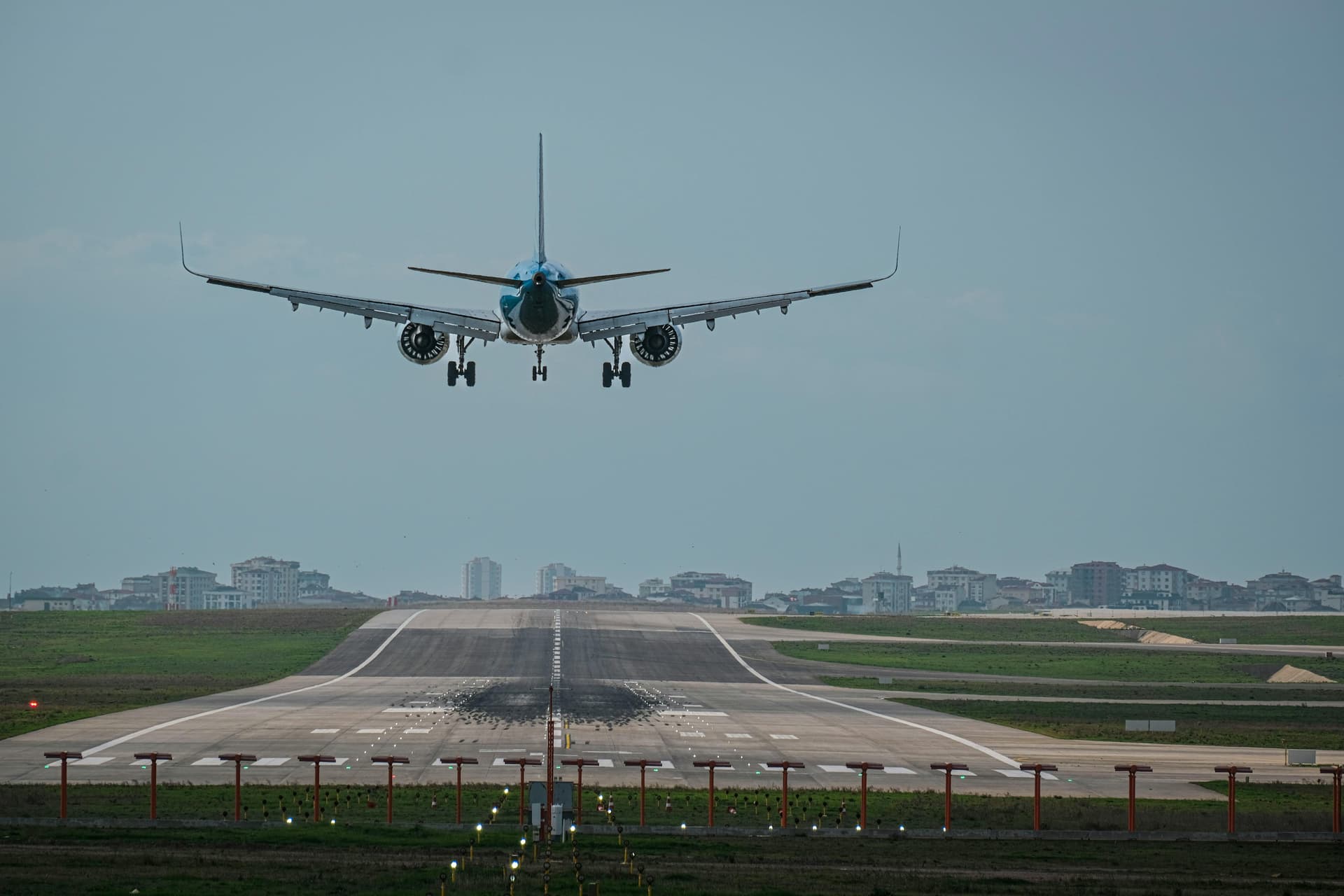
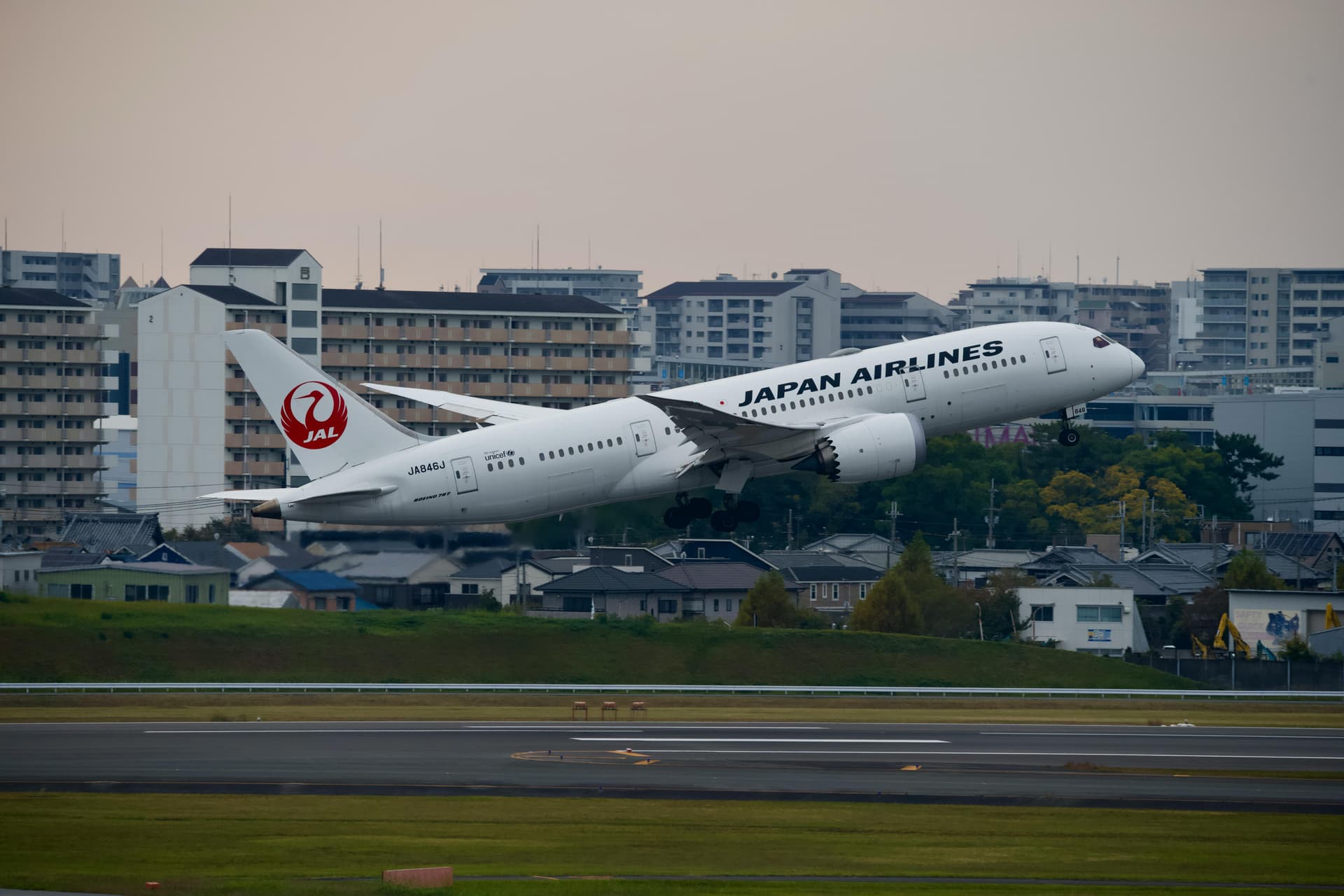
Your journey begins the moment wheels touch the tarmac. From seamless airport arrivals to navigating Tokyo’s mesmerizing railways, here’s how to experience the city with comfort, clarity, and grace.

Your journey begins the moment wheels touch the tarmac. From seamless airport arrivals to navigating Tokyo’s mesmerizing railways, here’s how to experience the city with comfort, clarity, and grace.

Your journey begins the moment wheels touch the tarmac. From seamless airport arrivals to navigating Tokyo’s mesmerizing railways, here’s how to experience the city with comfort, clarity, and grace.

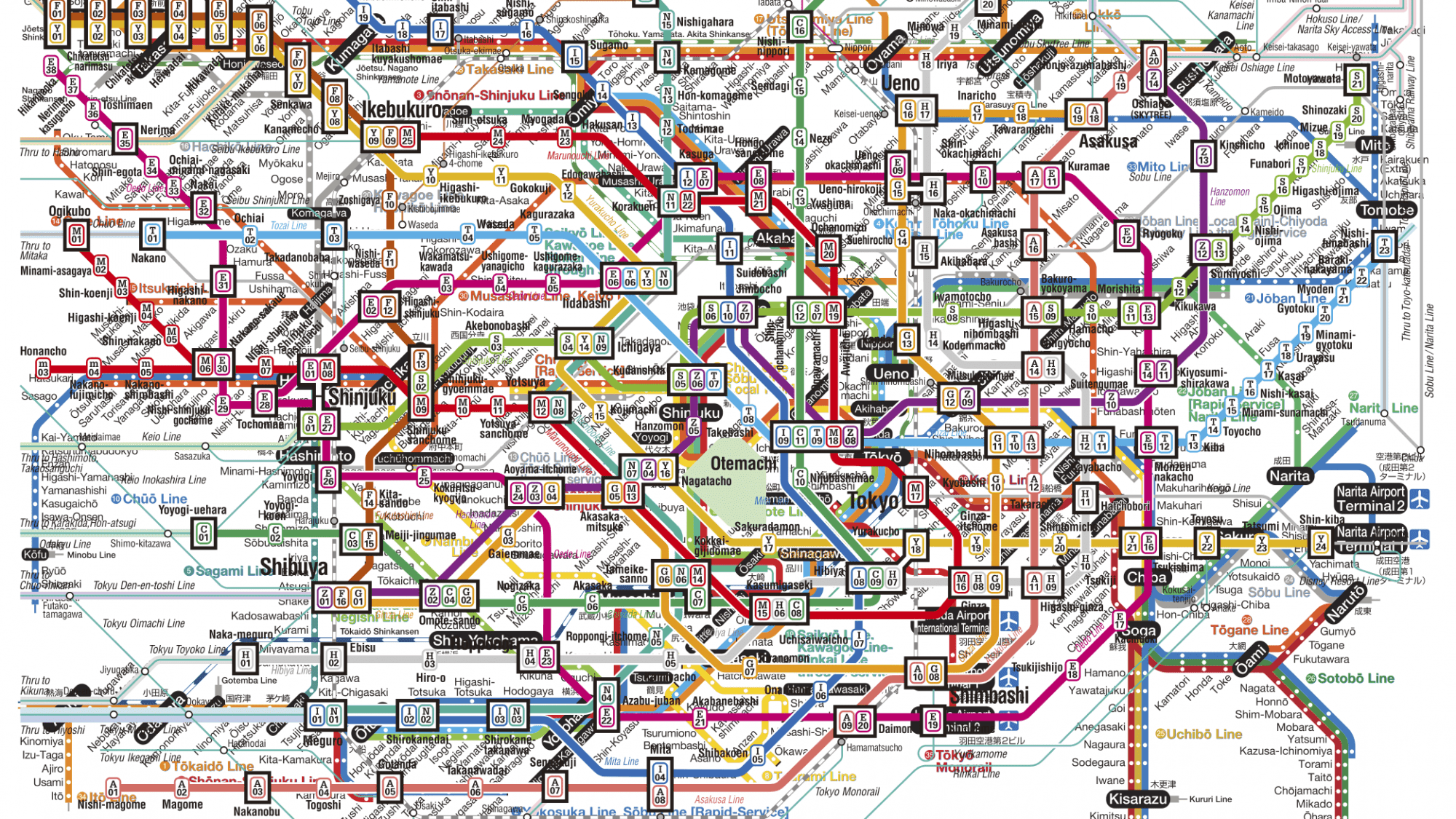
Tokyo’s transport is world-class—but it can still bite first-time visitors in the first hour. The friction usually isn’t “finding a train.” It’s choosing the right airport transfer for your hotel, navigating a mega-station exit, and understanding which network you’re actually riding (JR vs Metro vs Toei vs private rail).

This guide is built to help you make clean decisions on arrival and move around Tokyo without turning every transfer into a puzzle.

Step 1: Choose the right arrival airport (based on where you’re staying)

Tokyo has two major airports. Either works. The “best” one is usually the one that makes your first transfer easiest.

Haneda (HND): fastest into the city

Haneda is closer to central Tokyo, so it generally wins for simplicity—especially after a long flight or with kids.

Best if you’re staying around: Shinagawa, Hamamatsucho, Ginza, Shimbashi, Shibuya, Roppongi, Otemachi/Tokyo Station side.

Narita (NRT): perfectly fine, just farther

Narita is farther out, but the rail links are comfortable and reliable.

Best if you’re staying around: Ueno, Nippori, Asakusa, eastern Tokyo, or anywhere that connects smoothly via Tokyo Station / Shinjuku / Shibuya.

A useful rule: If your hotel is on the east side (Ueno/Asakusa), Narita can be straightforward. If you’re on the south/central side, Haneda often feels dramatically easier.

Step 2: Airport to city—pick your transfer style

There’s no single “best” way in. Choose based on luggage, energy, and tolerance for transfers.

From Narita (NRT)

Narita Express (N’EX): simplest to major hubs (reserved seats)

N’EX is the most “plug-and-play” option if you want a reserved seat and a direct ride to big stations like Tokyo Station, Shinagawa, Shibuya, Shinjuku, Ikebukuro.

Choose N’EX if: you’re staying near a major hub, you have luggage, or you want fewer decisions.

Keisei Skyliner: fastest to Ueno/Nippori

Skyliner is excellent if you’re staying around Ueno, Nippori, or planning to connect quickly to the Yamanote Line or nearby metro lines.

Choose Skyliner if: your base is Ueno/Asakusa side, or you want speed and don’t mind a transfer.

Limousine bus: easiest with big luggage (but traffic exists)

Great when you want “sit down, arrive at/near hotel,” especially with multiple bags. The tradeoff is road traffic—especially late afternoon.

Choose the bus if: you’re traveling as a family group, have lots of luggage, or don’t want to do stairs/escalators on Day 1.

Taxi/private car: comfort, but expensive from Narita

Narita-to-central Tokyo by taxi is usually a “special case” option (late-night arrival, mobility needs, or group split cost).

From Haneda (HND)

Tokyo Monorail: quick into the JR network

Monorail to Hamamatsucho is a classic move—then one transfer to the Yamanote Line for many central areas.

Choose monorail if: you’re comfortable transferring once and your hotel is near a Yamanote stop.

Keikyu Line: direct toward Shinagawa + easy interchanges

Keikyu gets you to Shinagawa fast, and it also interlines with the Toei Asakusa Line, which can be surprisingly convenient for areas like Nihombashi and Asakusa without complicated transfers.

Choose Keikyu if: you’re heading toward Shinagawa or your route aligns with the Asakusa Line.

Limousine bus / taxi

Both are very reasonable from Haneda compared with Narita—especially if your priority is door-to-door simplicity.

IC cards: the one thing that makes Tokyo easier immediately

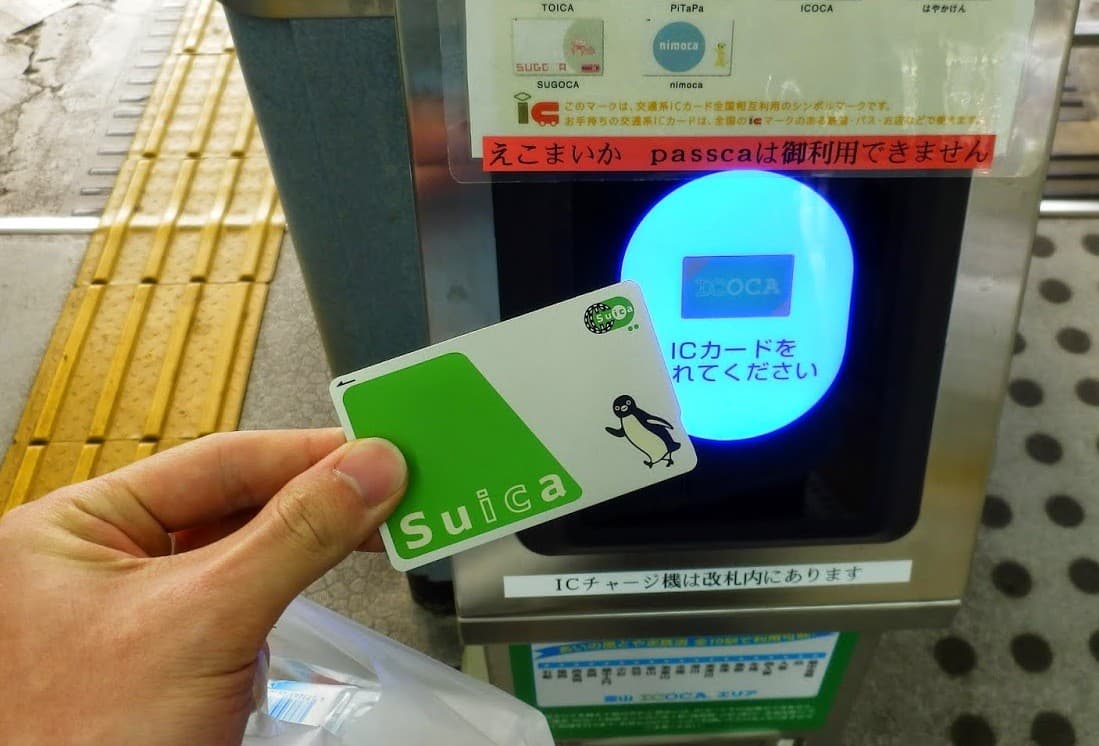
If you do one “setup” task in Tokyo, make it this: get an IC card.

Suica / PASMO (and the visitor options)

An IC card lets you tap through gates and ride almost everything—JR, Metro, Toei, most buses—and it also works at vending machines and many convenience stores.

Best choices:

  • Mobile IC (iPhone): Add Suica to Apple Wallet and top up digitally. It’s the least hassle if you’re set up for it.

  • Physical Suica/PASMO: Widely available again as of 2025.

  • Welcome Suica: A tourist-friendly option commonly sold at airports and selected JR service centers (no deposit).

Small but important tip: Tokyo’s system is run by multiple companies. IC cards smooth over that complexity so you don’t have to think about “who owns this line” every time you enter a gate.

Passes: when they help, and when they’re a trap

Passes feel comforting, but they only pay off in certain patterns.

Tokyo Subway Ticket (24/48/72 hours)

This is great only if you’re doing lots of trips on Tokyo Metro + Toei Subway and not relying heavily on JR.

It’s a win if: you’re staying central and bouncing between neighborhoods using mostly subway lines.
It’s not a win if: your day revolves around JR hubs (Tokyo Station, Shinjuku, Shibuya) and you’re riding the Yamanote Line repeatedly.

JR “Tokunai Pass” (JR-only within central Tokyo)

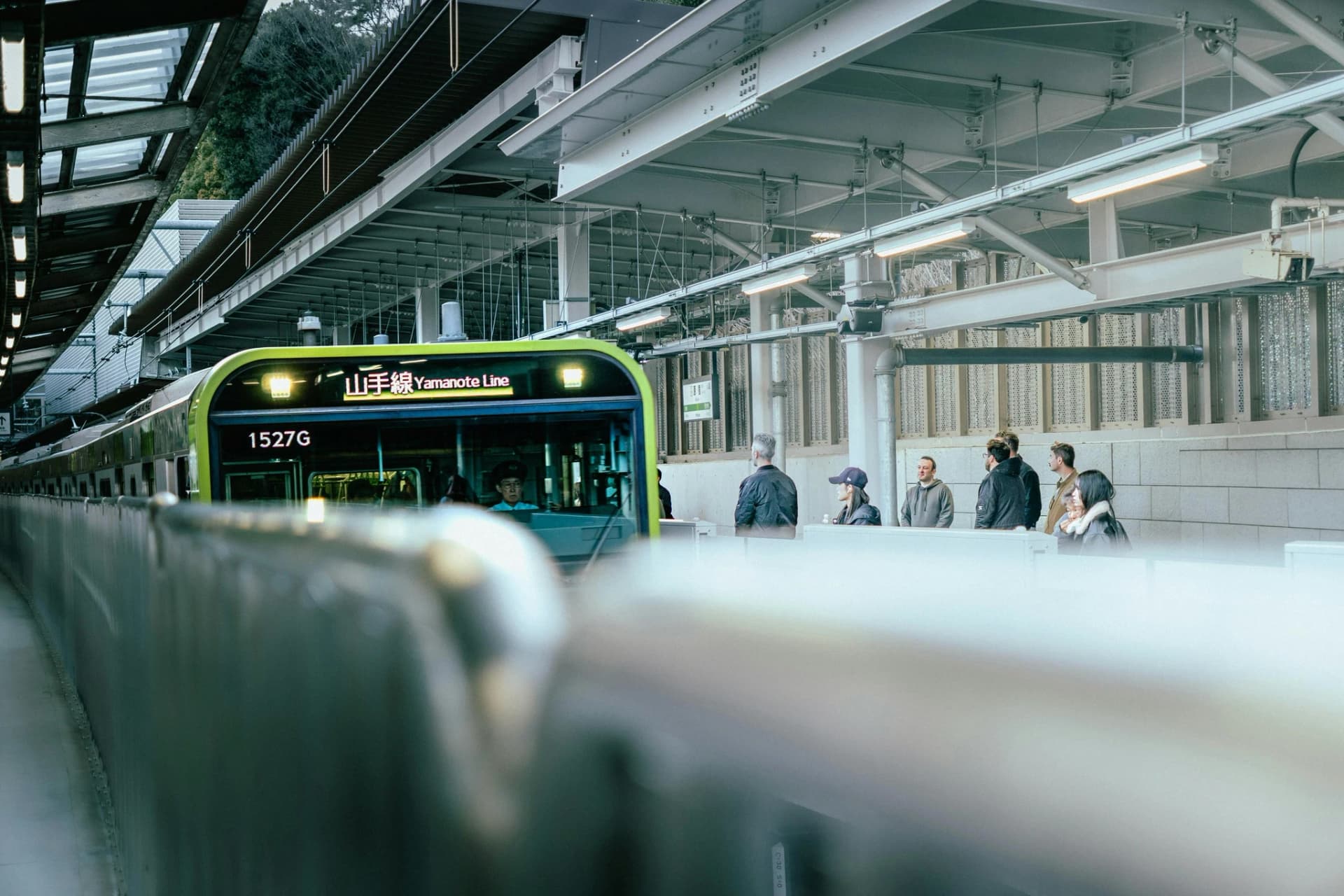
Useful if your day is very JR-heavy (especially the Yamanote loop and JR lines inside the city).

The quiet truth

For many visitors, a simple IC card + Google Maps is the most efficient combination. Passes are best when you already know your movement pattern.

The real Tokyo learning curve: stations and exits

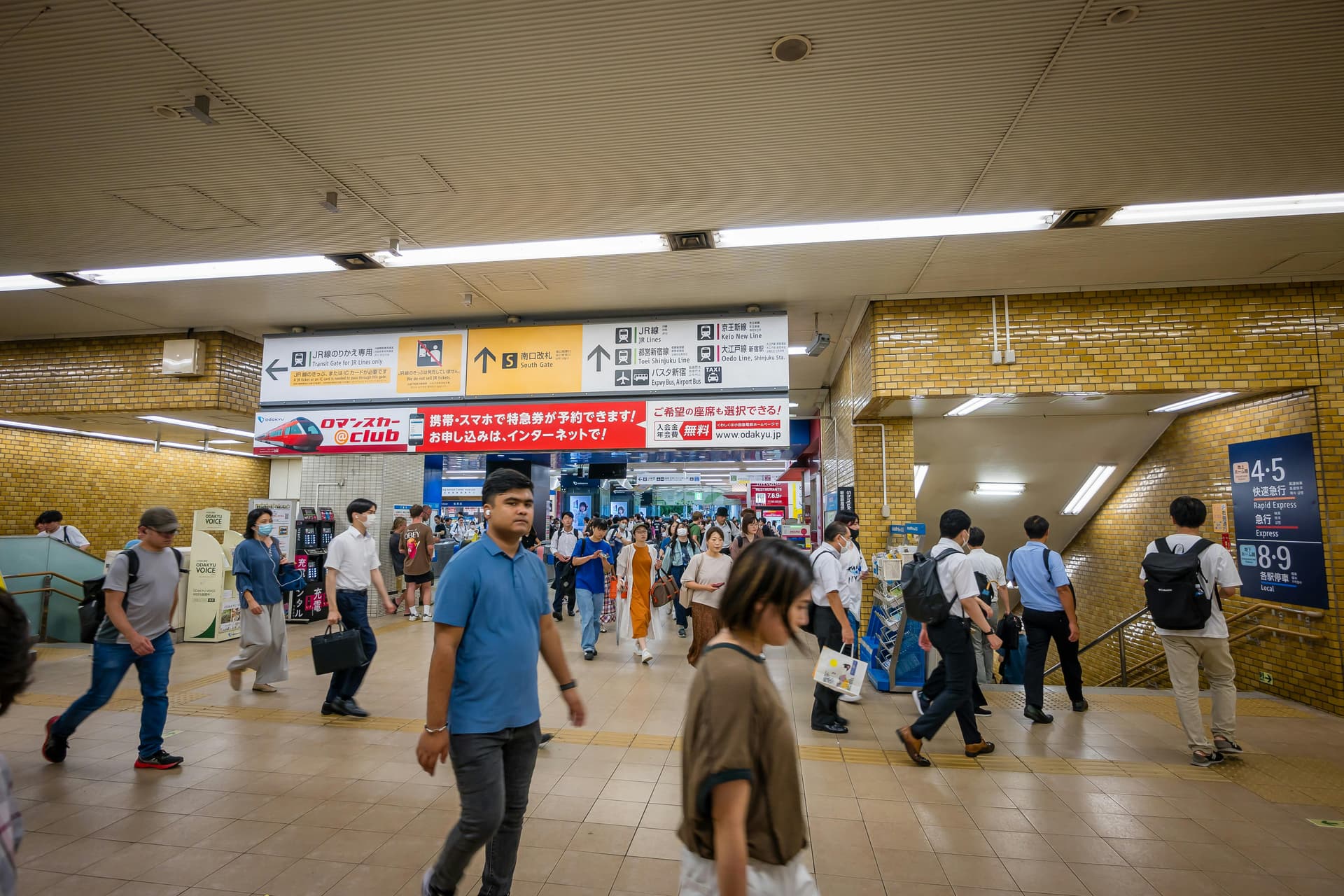
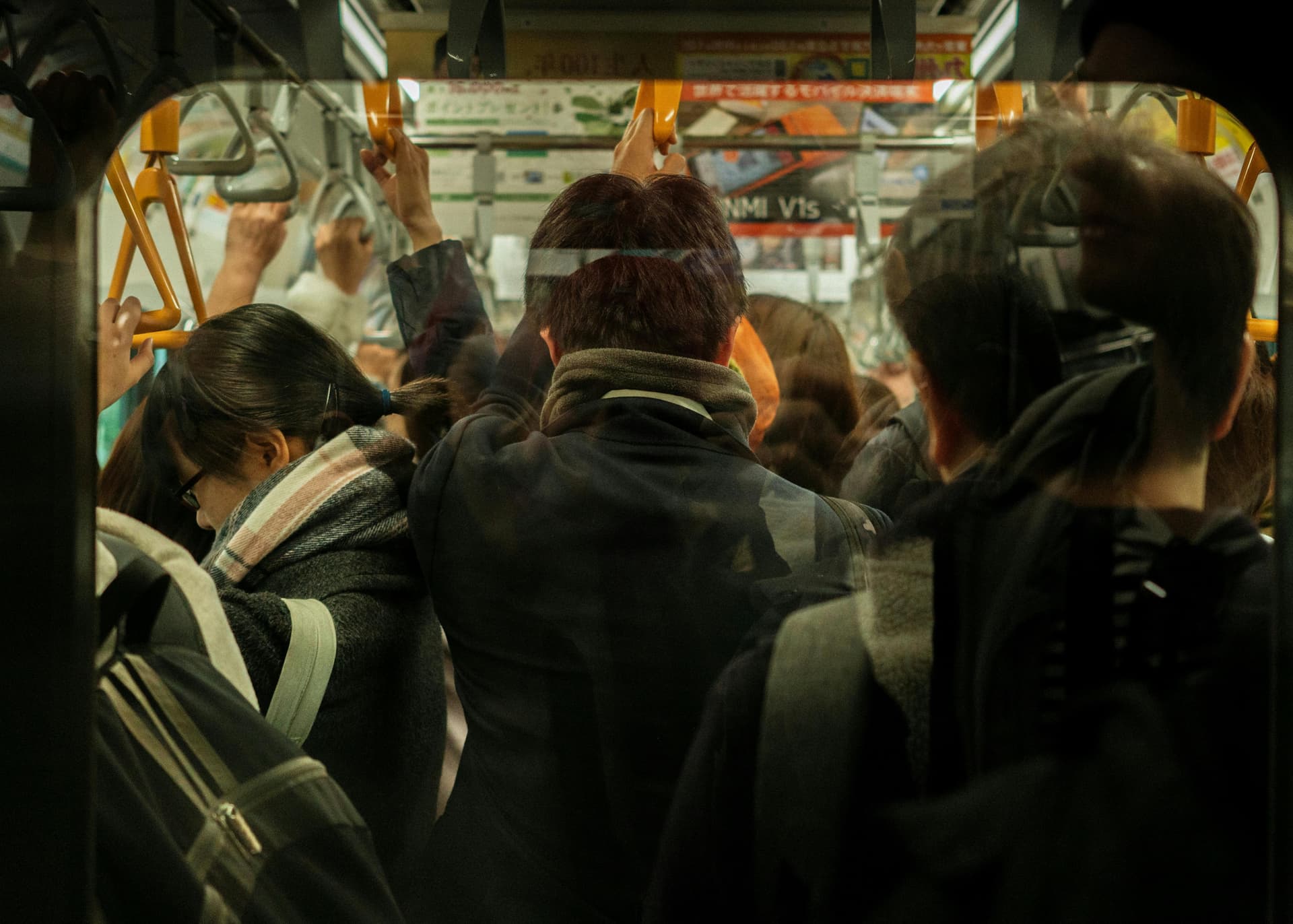
Tokyo trains are logical. Tokyo stations can be chaotic.

Here’s what experienced travelers do differently:

  • They choose fewer transfer stations. One smooth ride beats two “shorter” rides that require long walks inside stations.

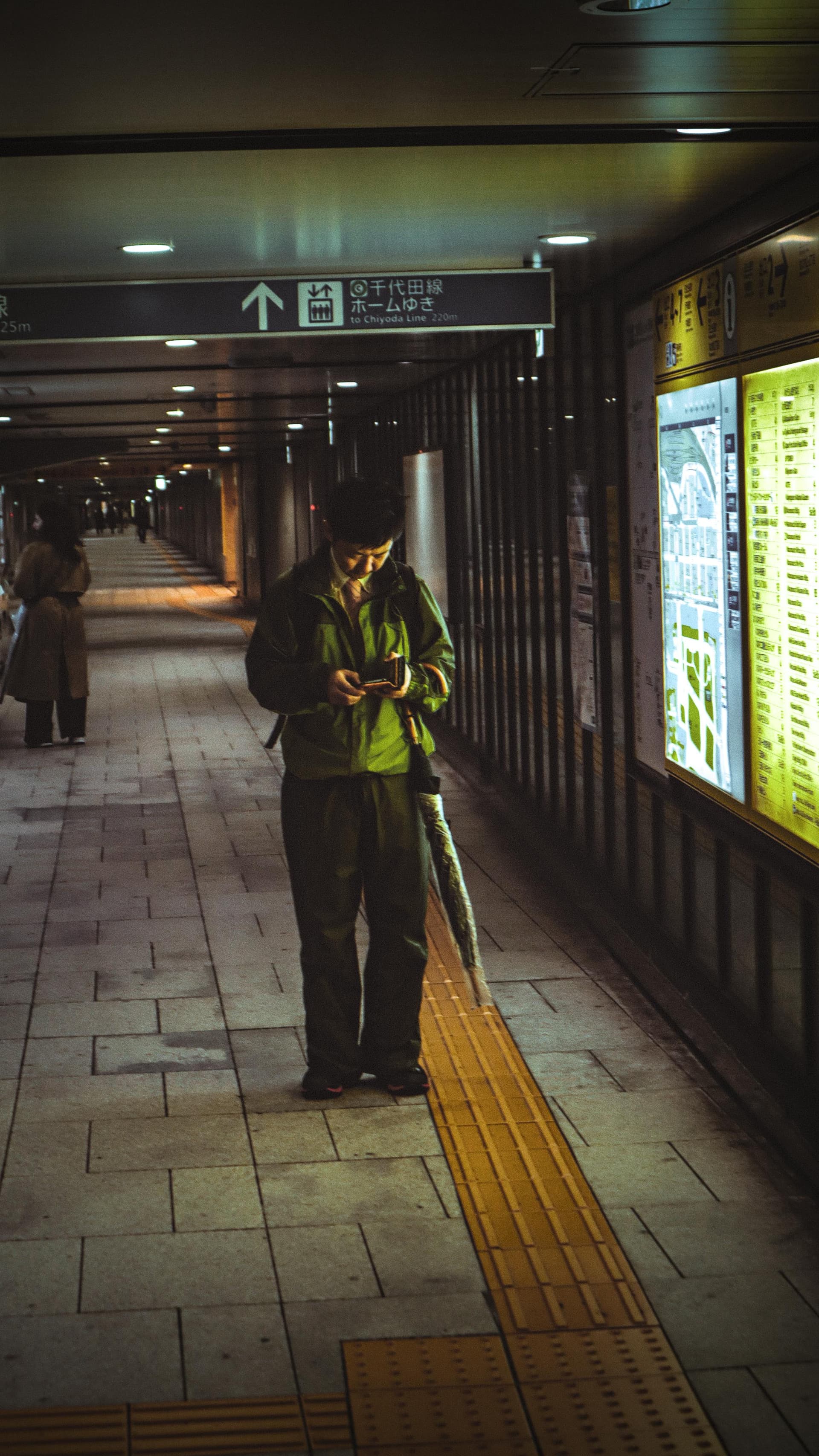
  • They treat exits as part of navigation. “Arrive at Shinjuku” is not a destination—which exit matters.

  • They don’t rush transfers. Some “transfers” are a 10–15 minute indoor walk with escalators, signage, and crowds.

Practical move: When Google Maps shows an exit number/letter, follow it. In Tokyo, the correct exit can save you more time than shaving one stop off a route.

Taxis and ride-hailing: when they’re the right call

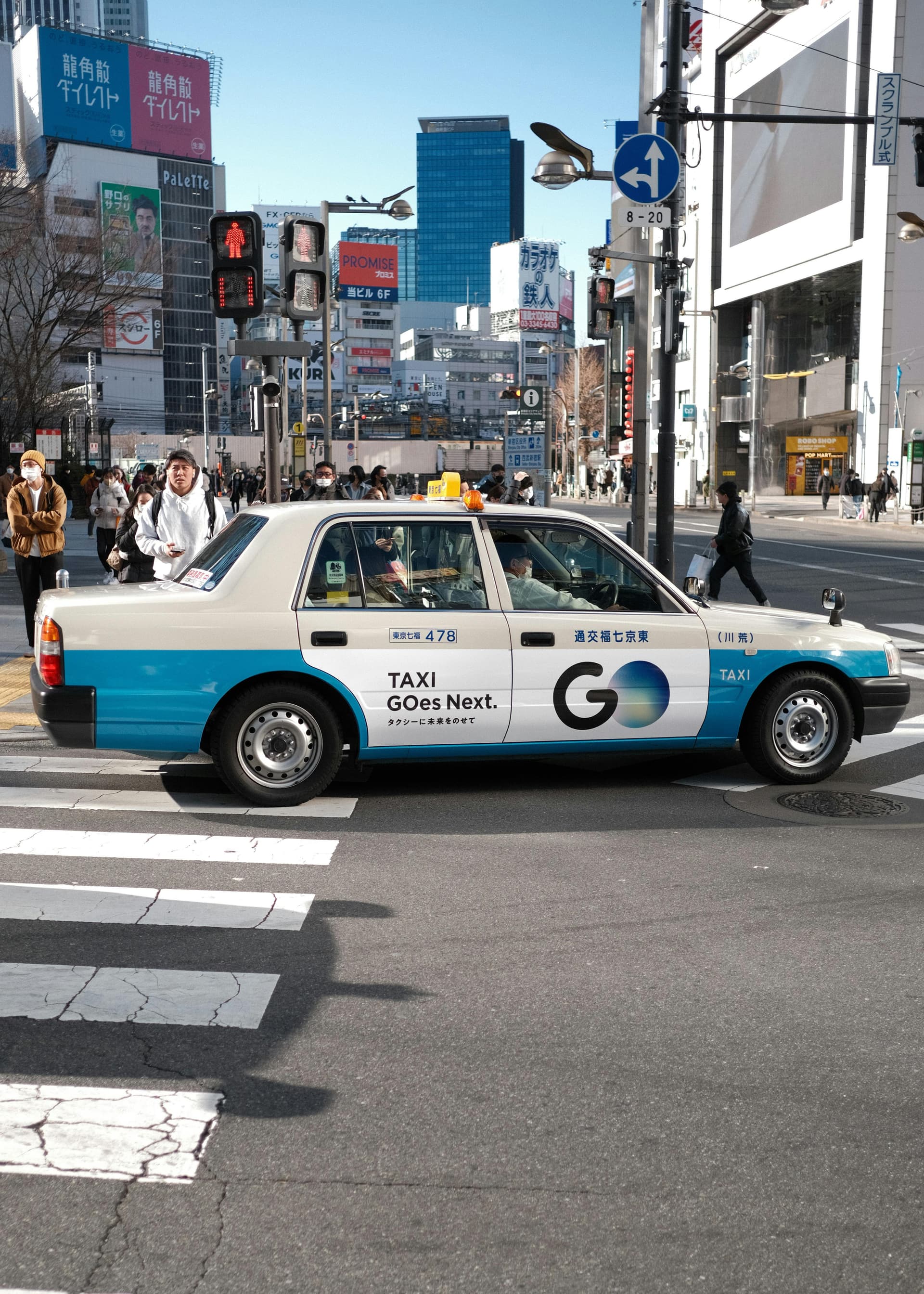
Tokyo taxis are clean, professional, and simple—especially when you’re tired, it’s raining, or you’re moving as a group.

When taxis make sense

  • Short hops late at night (when trains are done)

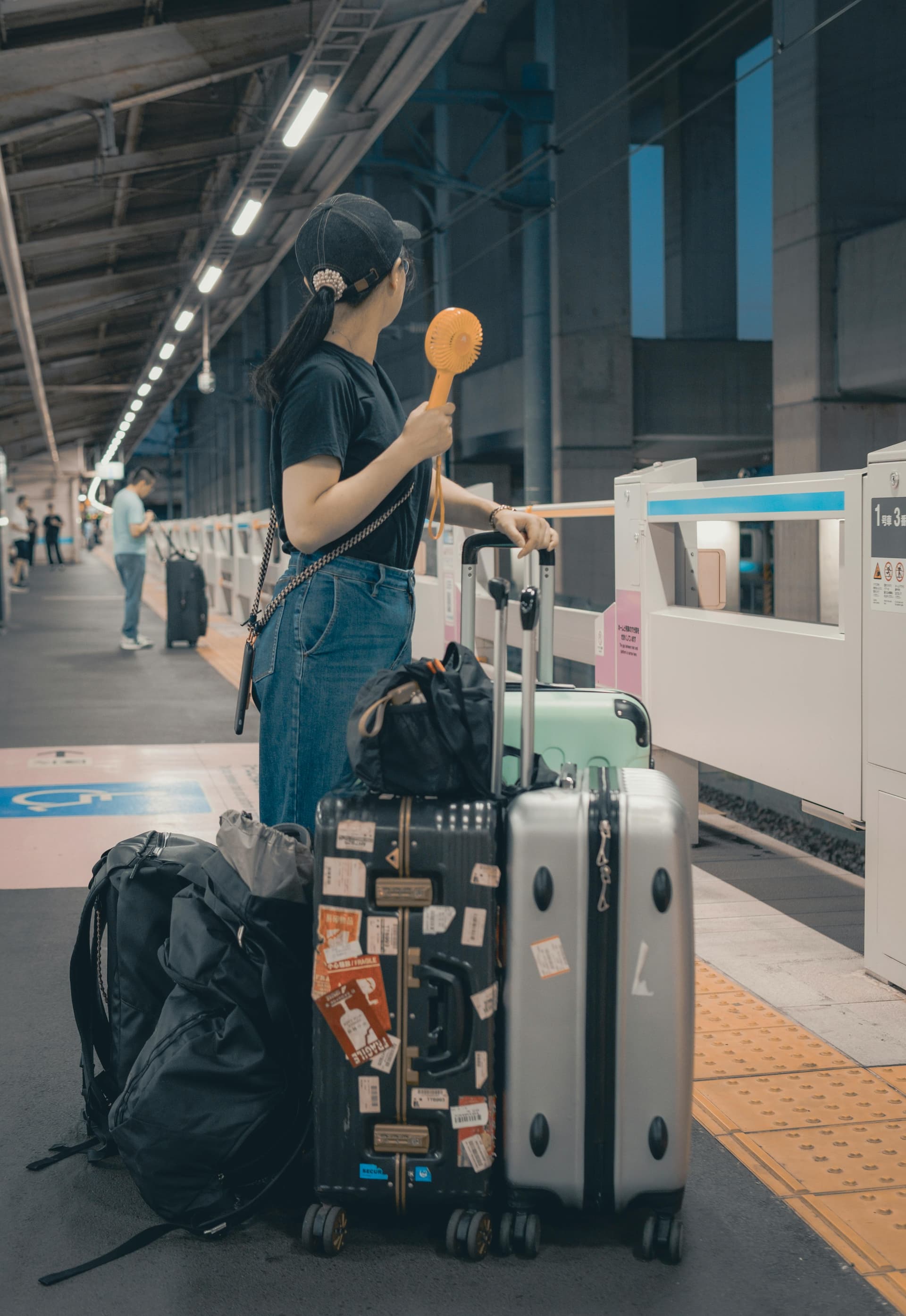
  • Moving with luggage

  • Crossing town when you’re already low-energy

  • Mobility needs (stairs in stations can be relentless)

How to avoid the two common taxi mistakes

  • Have the destination visible in Japanese (hotel name/address on your phone). English varies.

  • Don’t tip. It’s not expected.

Apps

Uber exists, but in Tokyo it often functions more like a premium booking layer than “cheap rides.” If you want an app that’s built for licensed taxis, GO is widely used and works well for visitors.

Private transfers: worth it in a few specific situations

A private car is rarely necessary inside Tokyo—but it can be a lifesaver when:

  • you’re arriving with multiple large bags

  • you have kids/older parents and want door-to-door simplicity

  • you’re landing late and want a no-brain arrival

  • you have mobility constraints and want to minimize stairs

If this is you, arrange it through a reputable hotel concierge or a licensed car service so you’re not troubleshooting logistics after a long flight.

When guided help is practical (without overcomplicating your trip)

Most people can navigate Tokyo independently after a day or two. But if you know you’ll be stressed by transfers, language friction, or “what do we do now?” decision fatigue, a private guide can function like training wheels for your first day—helping you move smoothly and understand what you’re seeing.

If you want a neutral overview of what that looks like (formats, pacing, and what’s realistic), start here: -> Best Tokyo Private Tours.

The bottom line

The bottom line

Tokyo rewards simple choices:

  • pick the airport transfer that matches your hotel’s side of the city

  • use an IC card so tickets don’t slow you down

  • plan around fewer big transfers (and take exits seriously)

  • use taxis strategically, not emotionally

Do that, and Tokyo stops feeling like a system you have to “solve”—and starts feeling easy to move through.

Newsletter

Unlock the secrets of Japan with Hinomaru One delivered straight to your inbox.

Hinomaru One Logo

PRIVACY

TERMS

Newsletter

Unlock the secrets of Japan with Hinomaru One delivered straight to your inbox.

Hinomaru One Logo

PRIVACY

TERMS

Newsletter

Unlock the secrets of Japan with Hinomaru One delivered straight to your inbox.

Hinomaru One Logo

PRIVACY

TERMS

Newsletter

Unlock the secrets of Japan with Hinomaru One delivered straight to your inbox.

Hinomaru One Logo

PRIVACY

TERMS