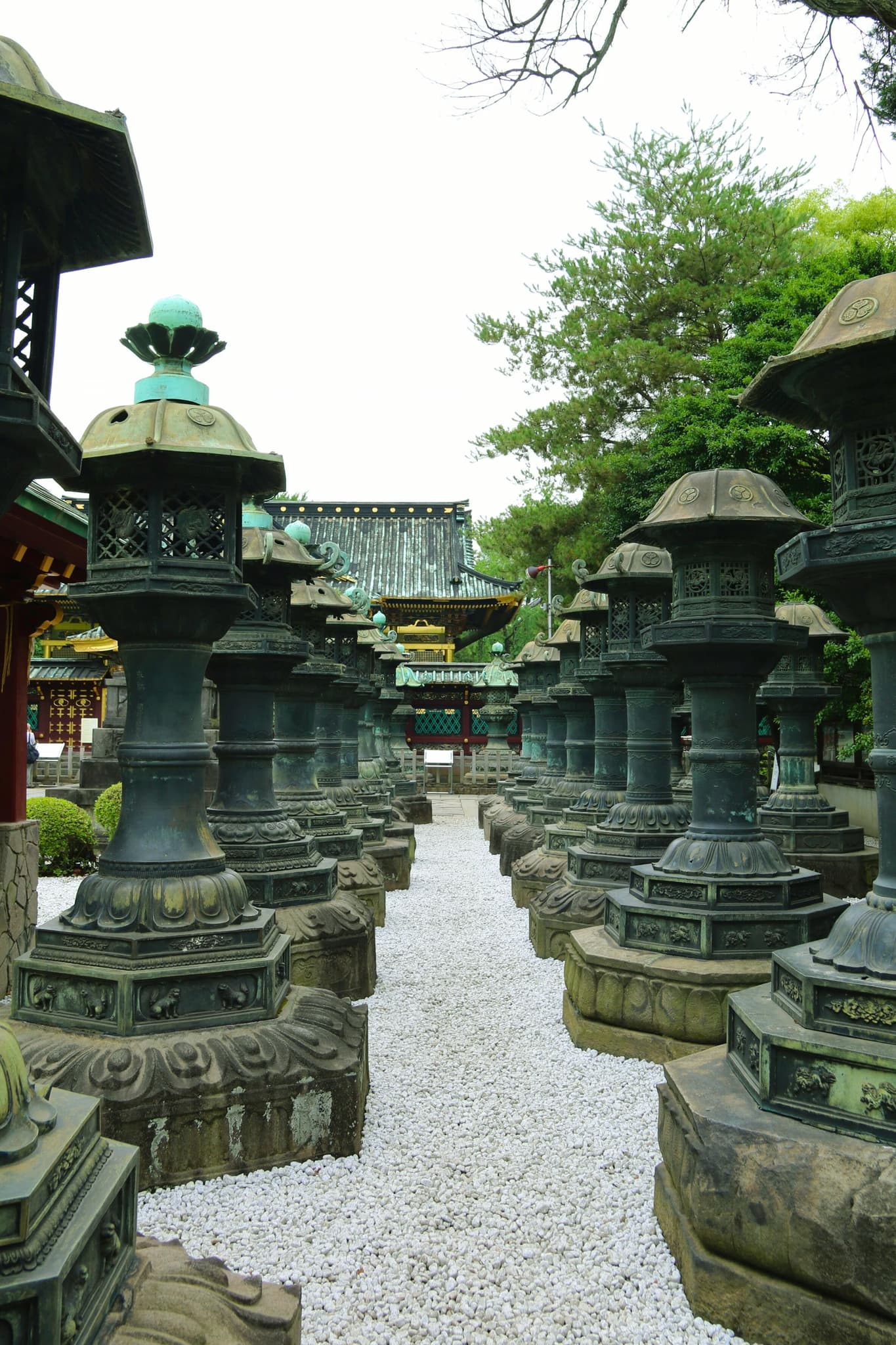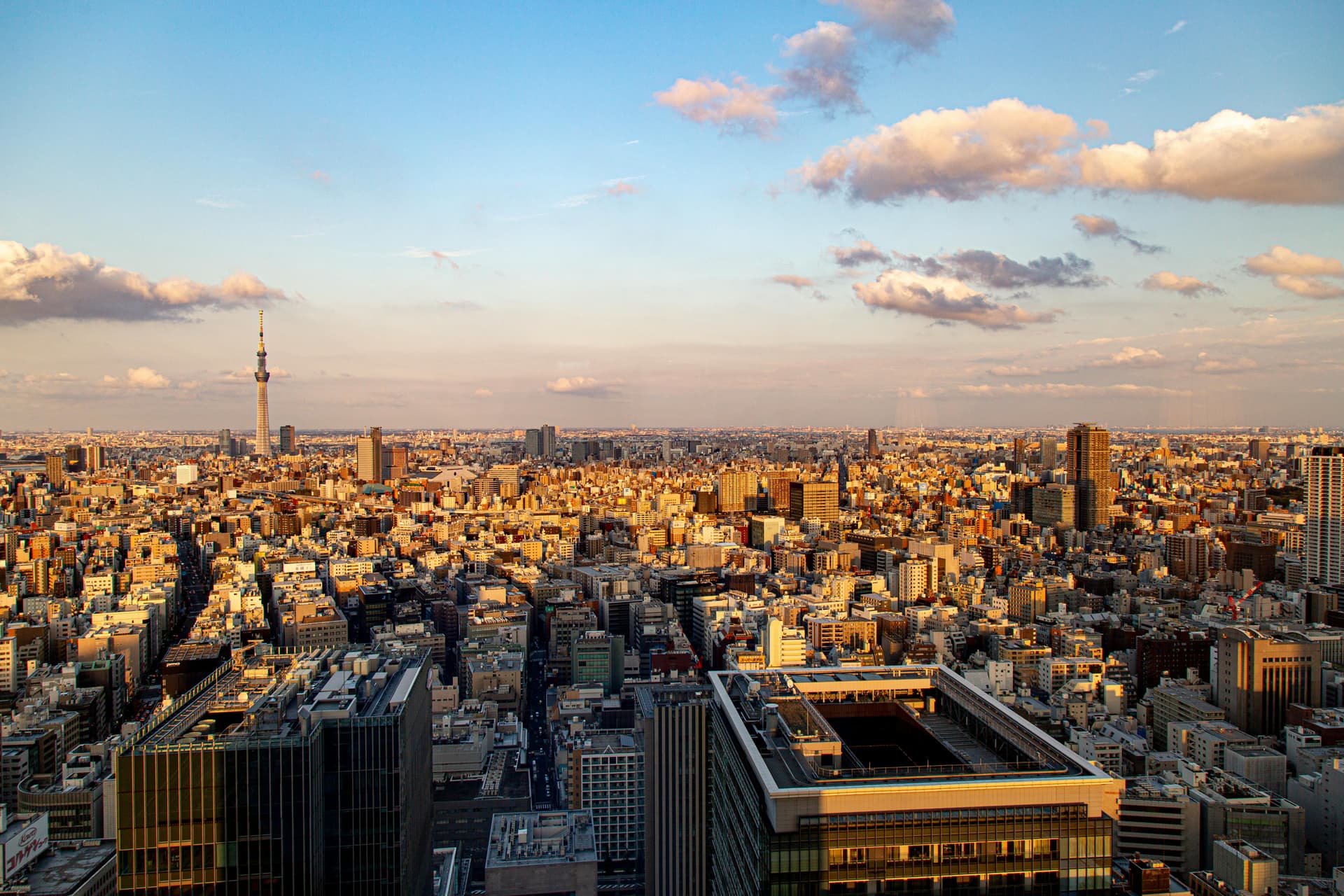
You don't need a guide to see Tokyo again—you need one to see the Tokyo you missed.
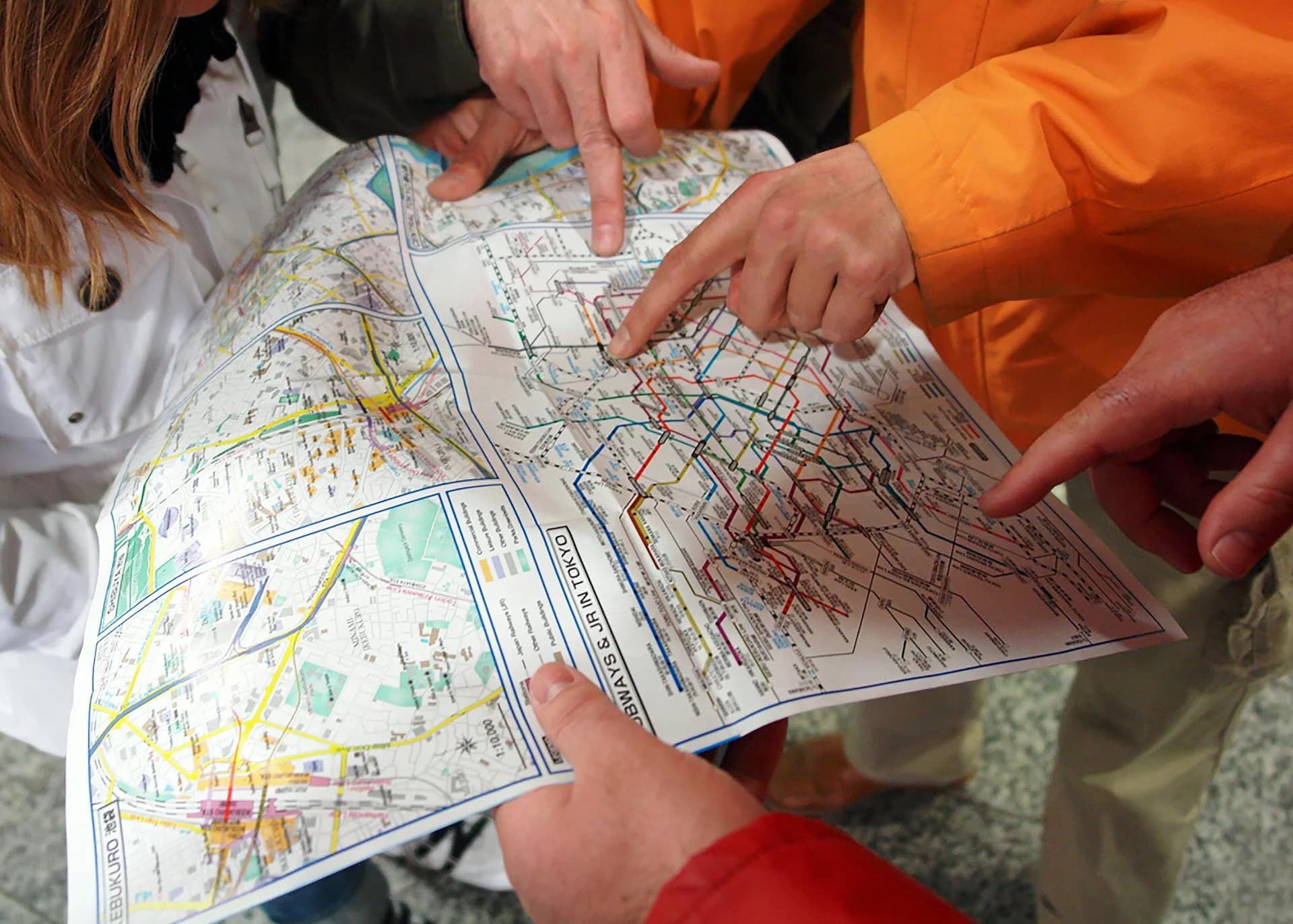
Which Tokyo private tour works for returning visitors comes down to access, not orientation. You already know how the Yamanote Line works. You've figured out IC cards, konbini onigiri, and which Shinjuku exit leads to Golden Gai. What you don't have is access—to the neighborhoods tourists skip, the food locals actually eat, the layers you couldn't see when you were busy figuring out how to get from Asakusa to Shibuya without ending up in Ikebukuro.
That's the real question for a return visit. Not "what should I see?" but "who can get me into the places I couldn't reach on my own?"
The Return Visitor's Shift
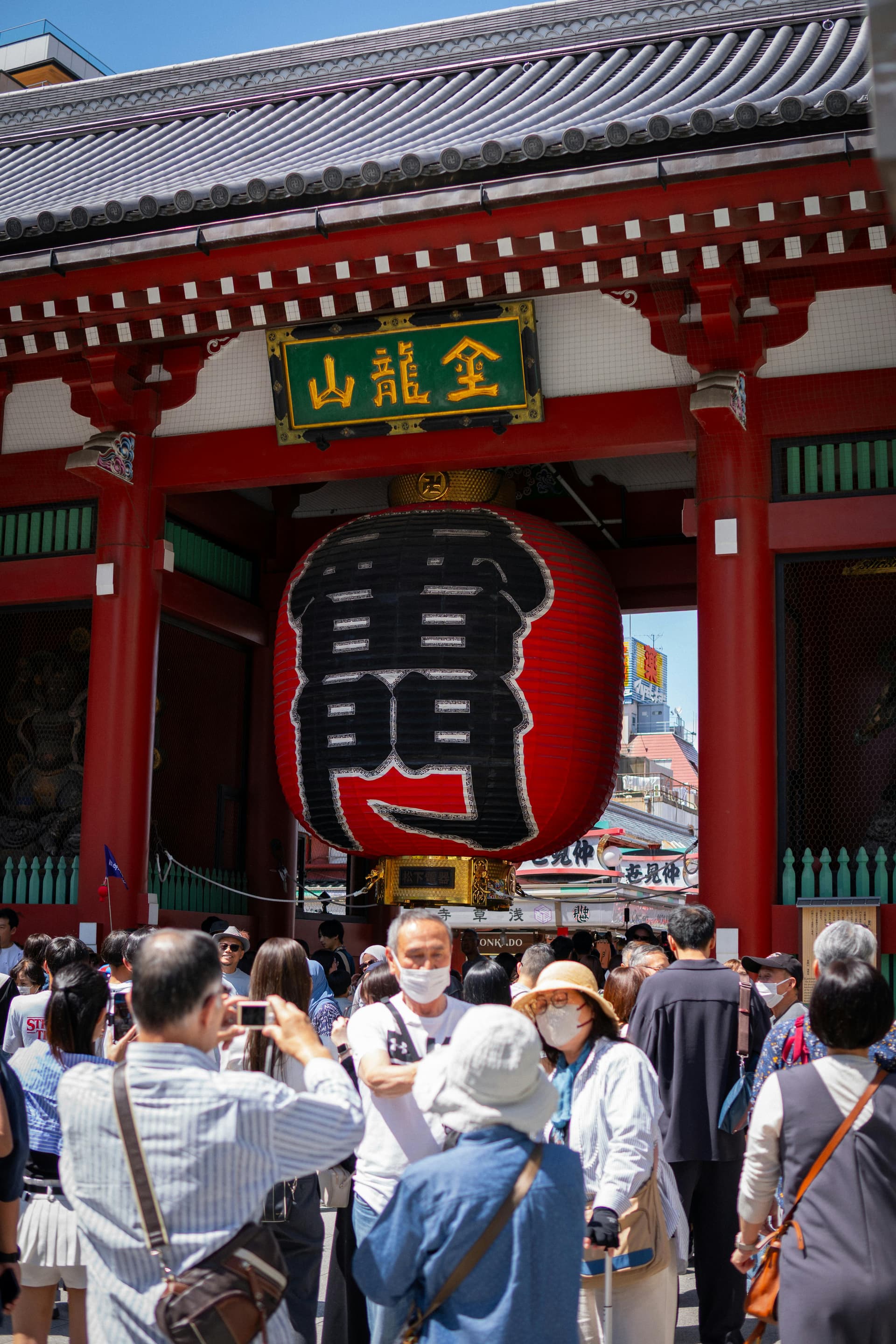
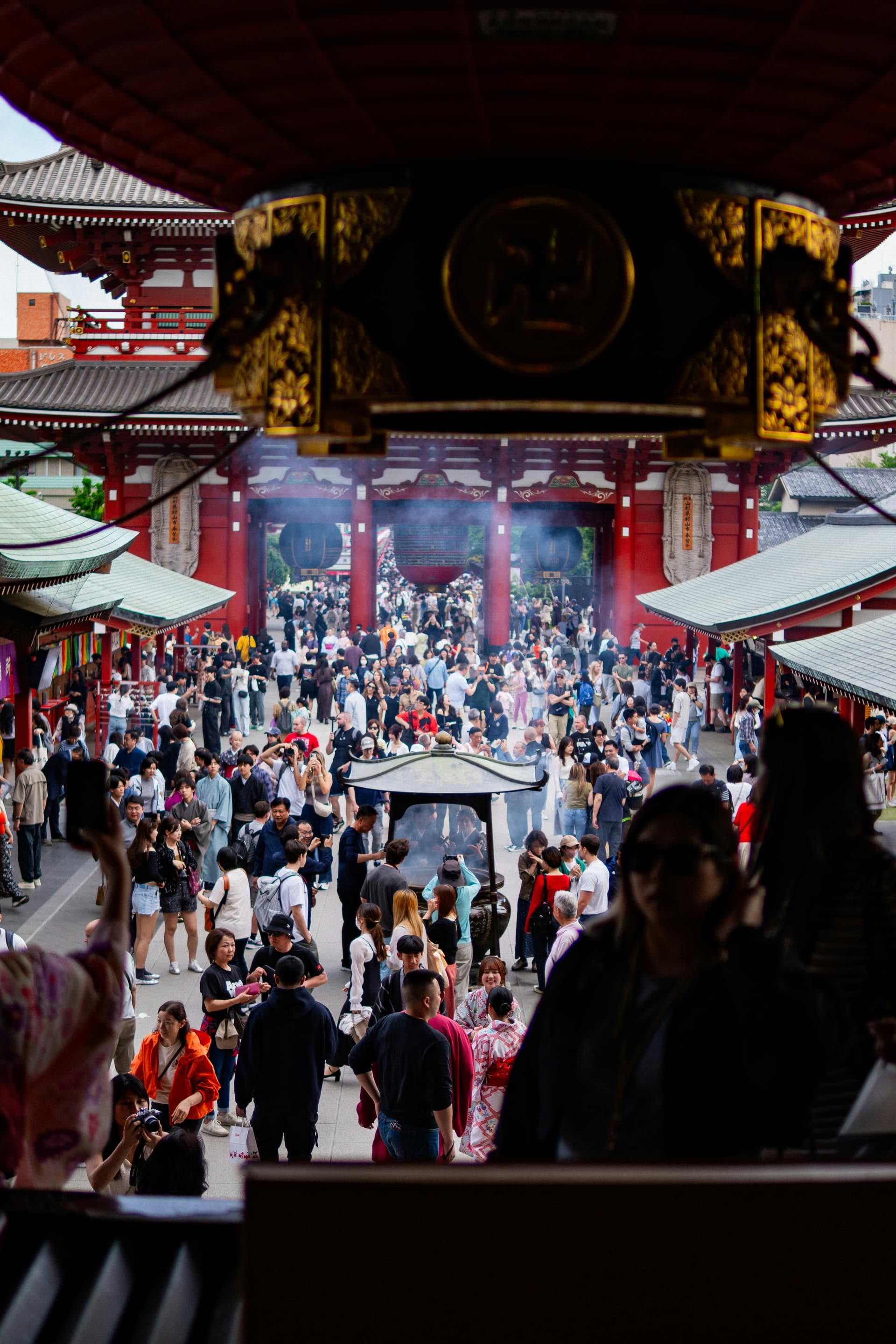
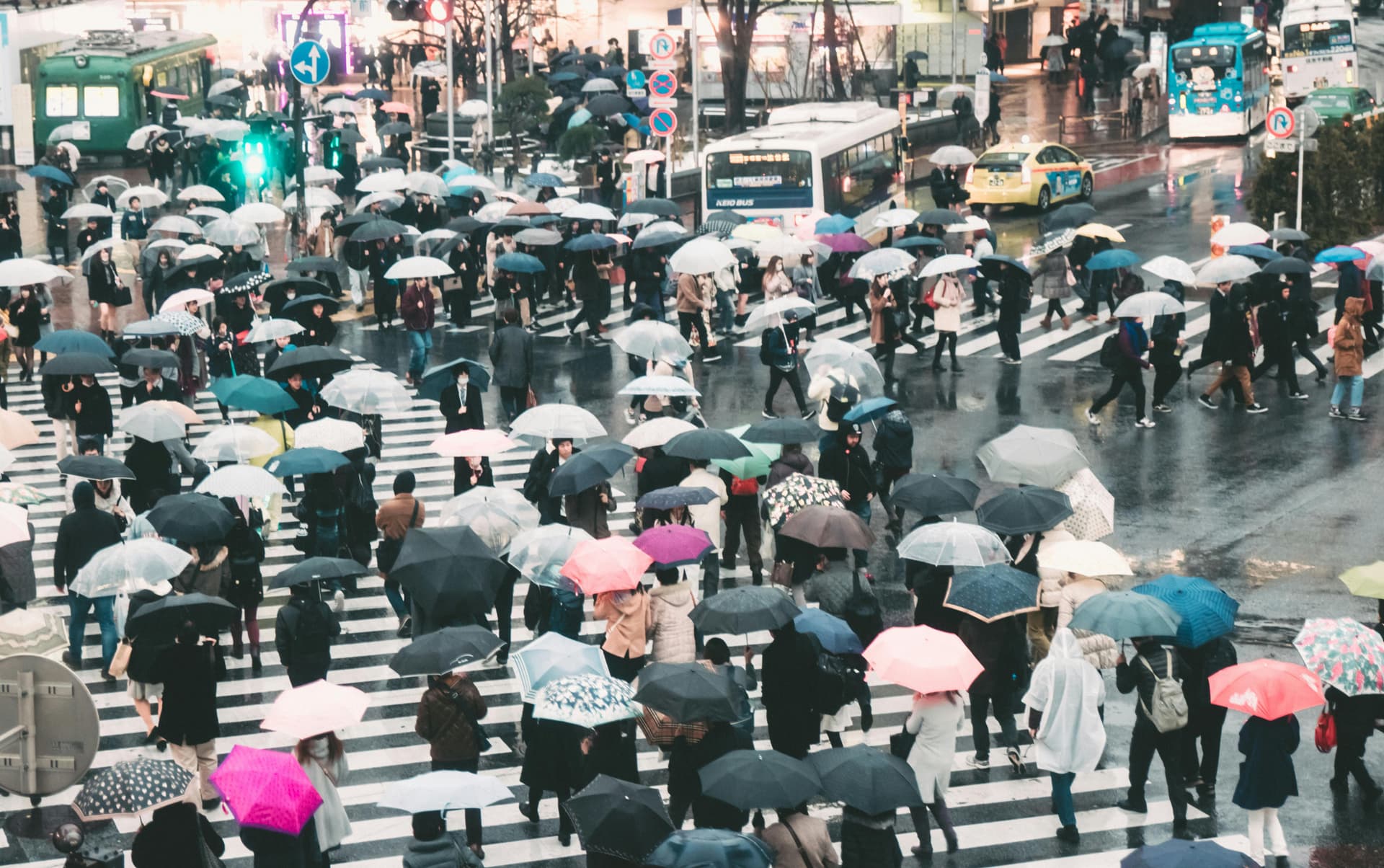
First visits are about breadth. See the landmarks, understand the layout, survive the train system. You did that. You came home with photos of Shibuya Crossing and a Senso-ji stamp in your goshuincho.
Return visits are about depth. Neighborhoods instead of landmarks. Craft instead of commerce. Relationships instead of recommendations from a guidebook that sends every tourist to the same ten restaurants.
The guide's role changes entirely. On your first trip, a guide is a navigator and translator—someone who keeps you from getting lost and orders your ramen. On a return trip, the guide becomes a curator and connector. They're not showing you where things are. They're showing you what things mean, introducing you to people, and getting you through doors that require Japanese fluency or a personal relationship to open.
What "Hidden Gems" Actually Means
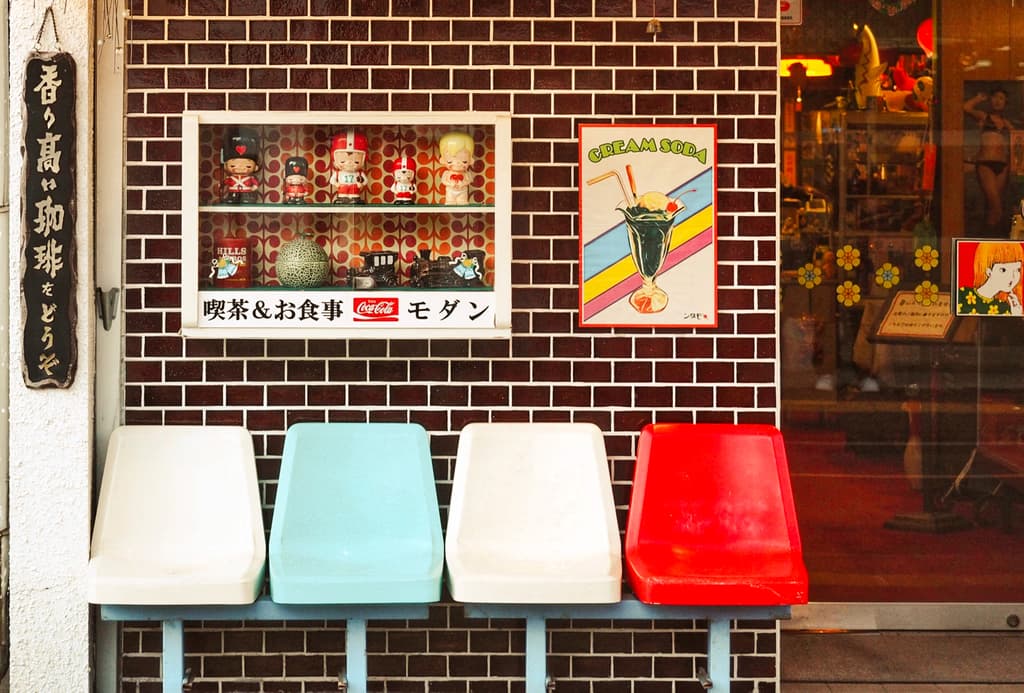
Every travel blog promises hidden gems. In a city of 14 million people, truly secret locations don't exist. What does exist: places that require Japanese to navigate. A standing sushi counter in Koenji with no sign, no English menu, and eight seats. A ceramics studio in Yanaka that doesn't advertise because word-of-mouth fills every workshop. A kissaten in Jinbocho that's been serving the same hand-dripped coffee since 1972.
These aren't hidden. They're inaccessible—unless you speak the language or walk in with someone who does. That's the access a guide provides on a return visit. Not secrecy. Fluency.
Which Tours Fit Return Visitors
Not every tour makes sense the second time around. Some were designed for orientation. Others were designed for exactly this moment.
| Tour | Return Visitor Fit | Why |
|---|---|---|
| Infinite Tokyo | Best fit | 100% customizable. Tell your guide what you've done, what you want. They design around your gaps. |
| Ordinary Tokyo | Best fit | The anti-tourist tour. Six residential neighborhoods, daily life, zero landmarks. Built for "show me the real Tokyo." |
| Kushiyaki Confidential | Strong fit | You tried tourist restaurants last time. Now go where the locals go—standing sushi, hidden izakayas, sake bars with eight seats. |
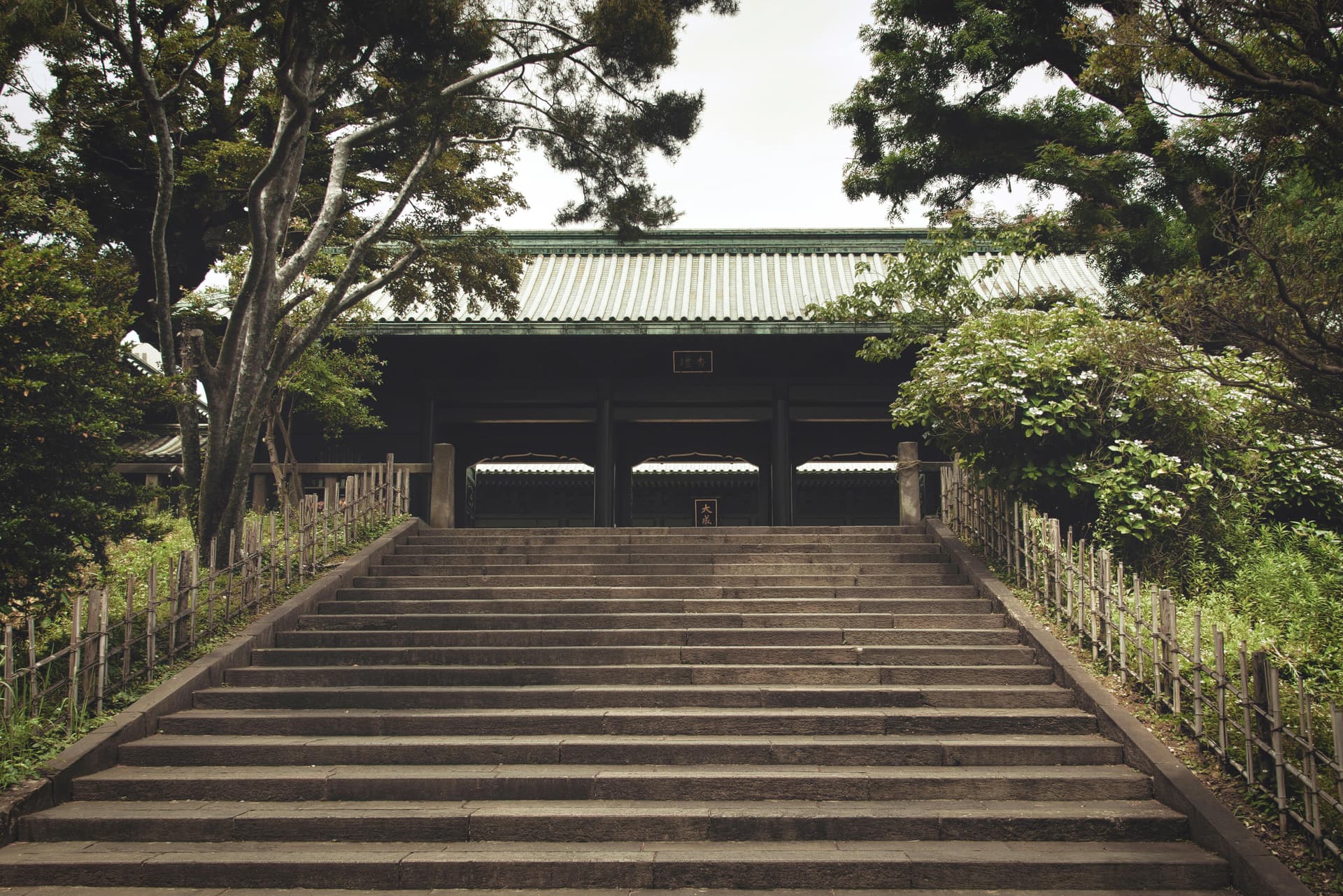
| Timeless Tokyo | Strong fit | You saw the temples. Now understand the 1,200 years of context behind them. History as depth, not decoration. |
| Standing Room Only | Strong fit | Suginami ward after dark. Western Tokyo's Showa-era standing bars. Locals only. |
| Tokyo Trifecta | Weak fit | Covers Meiji Jingu, Harajuku, and Shinjuku—you've probably done all three. Skip unless you want deeper time in one of them. |
| Tokyo Essentials | Not recommended | Orientation tour. You don't need orientation. |
| Tokyo Together | Not recommended | Family tour designed for first-timers with kids. Unless you're bringing children this time, skip. |
The pattern is clear: tours built around landmarks lose value on return visits. Tours built around neighborhoods, food, and local access gain it.
Three Return Visitor Profiles
"I Want to Go Deeper"
Your tour: Infinite Tokyo
The pre-tour consultation is where this tour earns its name. You tell your guide: "I've been to Asakusa and Shibuya. I love architecture." Or jazz. Or vintage shopping. Or contemporary art. Or Showa-era nostalgia. Whatever your thing is, the guide builds a completely new day around it.
An architecture-focused Infinite Tokyo might take you through Omotesando's Pritzker Prize lineup in the morning, then to Tadao Ando's Church of the Light if you're willing to take the train to Osaka—or, staying in Tokyo, to his 21_21 Design Sight in Roppongi and the brutalist public housing experiments in Takashimadaira that almost nobody visits. Your day ends at a members-only bar in a Metabolist building in Ginza.
That itinerary doesn't exist in any guidebook. It exists because your guide knows what you've seen and what you haven't, and they have the relationships to open doors along the way.
"Show Me How Locals Actually Live"
Your tour: Ordinary Tokyo
Togoshi Ginza's morning market, where the fishmonger has been selling to the same families for three generations. Shimokitazawa's secondhand shops, where vintage denim commands the same respect as fine wine. Yurakucho's salaryman yakitori alleys under the train tracks, where the smoke and the shouting and the cold beer form a nightly ritual that hasn't changed in decades.
Ordinary Tokyo visits six residential neighborhoods in a single day. No temples. No shrines. No scramble crossings. Just the texture of daily life in a city that most tourists experience only from the window of a Yamanote Line train.
This is anthropological Tokyo. You're not sightseeing. You're observing how a city of 14 million actually functions—the rhythms of the shotengai shopping streets, the unspoken rules of the sento bathhouse, the way an entire neighborhood organizes around a single covered arcade.
"I Came for the Food"
Your tours: Kushiyaki Confidential or Standing Room Only
Last trip you ate near the hotel. You found a place with English menus and photos, pointed at something, hoped for the best. It was fine. This trip, your guide takes you to the counter where the chef knows their name.
Kushiyaki Confidential is evening Tokyo through its food—standing sushi bars in Koenji, sake tastings at a shop where the owner sources directly from rural breweries, yakitori at a six-seat counter where the master has been grilling over binchotan charcoal for forty years. The places where the menu is handwritten in kanji on a wooden board and the only way to order is to speak Japanese or bring someone who does.
Standing Room Only works the same territory from a different angle: Suginami ward's Showa-era standing bars, the kind of places where a beer costs 300 yen and the guy next to you has been coming every night since 1987. Western Tokyo after dark. No tourists. No English. Just the real thing.
The Season Factor
Return visits unlock seasonal Tokyo in ways first visits can't. When you're not spending mental energy on logistics, you notice things: the quality of light in November, the way a garden changes between April and October, the specific week when plum blossoms peak at a temple most visitors have never heard of.
Spring. Cherry blossoms at Yanaka Cemetery instead of Ueno Park with 10,000 tourists and blue tarps. Your guide knows the less-crowded spots—not because they're secret, but because reaching them requires knowing which bus to take from which station, and the information exists only in Japanese. An Infinite Tokyo spring itinerary might build your entire day around hanami at three progressively quieter locations.
Fall. Koishikawa Korakuen garden when the maples turn. Rikugien's evening illumination, where they light the trees from below and the reflection doubles the color in the pond. These require timing—specific weeks, specific hours—not just knowing they exist.
Winter. Onsen day trips to Hakone or Okutama. Illumination walks through Marunouchi. New Year shrine visits at neighborhood jinja where the line is twenty people instead of twenty thousand. Infinite Tokyo can build around any of these.
The return visitor advantage: You already know how to get around. Your guide spends zero time on logistics and 100% on experiences. That's not a small difference. On a first visit, a meaningful portion of your guide's energy goes to teaching you the train system, explaining how to order at a restaurant, making sure you don't get lost. On a return visit, all of that energy goes to depth.
Our Recommendation
Default choice: Infinite Tokyo. The pre-tour consultation is where return visitors extract the most value. You tell the guide what you've done, they design what you haven't. No two Infinite Tokyo days are alike—that's the point. For a return visitor, this is the tour that treats your previous experience as a foundation to build on, not a checklist to repeat.
If you want a specific vibe:
- Daily life: Ordinary Tokyo. Six neighborhoods. Zero landmarks. Pure texture.
- Food depth: Kushiyaki Confidential. The places you need Japanese to access.
- History depth: Timeless Tokyo. Context you missed on your first temple visit.
Book two tours. The best return-visit strategy pairs a daytime tour with an evening one. Infinite Tokyo during the day—customized, wide-ranging, built around your interests—then Standing Room Only or Kushiyaki Confidential in the evening for food and drink in the neighborhoods that come alive after dark. Two tours, two completely different Tokyos, zero overlap.
What to Skip
Tokyo Essentials. You've oriented. You don't need someone to explain how the train system works or walk you through Senso-ji. This tour exists for first-timers. You're past it.
Tokyo Trifecta. Meiji Jingu, Harajuku, Shinjuku. You've done these. Unless you have a specific reason to revisit—a new exhibit at the Meiji Jingu Museum, a particular shop in Harajuku—your time is better spent in neighborhoods you haven't touched.
Any tour you would have booked on your first trip. The orientation-style tours served their purpose. On a return visit, you want tours that assume competence and reward it with access.
Common Questions
How do I tell my guide what I've already done?
Infinite Tokyo includes a pre-tour questionnaire specifically for this. You list the neighborhoods you've visited, the experiences you've had, and what you want this time. For other tours, mention it to your guide at the start. They adapt—every guide on the roster has enough experience to pivot on the fly when they learn you've already spent a day in Asakusa.
Is it worth hiring a guide when I already know Tokyo?
The guide's value shifts from navigation to access. You don't need someone to get you from A to B. You need someone who can walk into a counter-only izakaya, greet the chef by name, and order the off-menu omakase that isn't available to walk-ins. Someone who can explain the difference between two seemingly identical shrines in a way that changes how you see both. Someone who speaks Japanese in the places where Japanese is the only language that works.
Navigation is the least valuable thing a guide provides. Access, context, and relationships are the most valuable—and those matter more, not less, on a return visit.
I've been five or more times. Is there anything left?
Tokyo has 23 wards. You've probably explored four or five of them. Ordinary Tokyo covers Togoshi, Shimokitazawa, and Kichijoji—neighborhoods most repeat visitors have never entered because there's no obvious reason to go there. No landmark pulls you in. No guidebook sends you. But the texture of daily life in these places is richer than anything on the tourist circuit.
Beyond the wards: Tokyo changes. A neighborhood you visited three years ago may have a new craft coffee scene, a recently opened gallery district, or a seasonal event that didn't exist on your last trip. The city doesn't hold still between your visits.
Can I combine multiple interests in one day?
That's what Infinite Tokyo does. Architecture in the morning, craft sake in the afternoon, a jazz bar in Shinjuku Ni-chome at night. Your day, your guide, your interests—assembled into a route that makes geographic sense and doesn't waste time backtracking across the city.
The pre-tour consultation exists precisely for this. You're not choosing from a fixed menu. You're building a custom day with someone who knows where everything is and how to connect it efficiently.
Frequently Asked Questions
Which Tokyo tour is best for returning visitors?
Infinite Tokyo is the best fit for return visitors. The pre-tour consultation lets you tell your guide what you've already done, and they design a completely custom day around your gaps and interests. No two Infinite Tokyo days are alike, and your previous experience becomes a foundation rather than a repeated checklist.
Is it worth hiring a guide if I've already been to Tokyo?
Yes, but for different reasons than your first visit. The guide's value shifts from navigation to access -- walking into counter-only izakayas where the chef knows their name, ordering off-menu omakase, and navigating places where Japanese is the only language that works. Access, context, and relationships matter more on a return visit, not less.
What Tokyo neighborhoods do most tourists miss?
Togoshi Ginza, Shimokitazawa, Kichijoji, Yanaka, and Koenji are neighborhoods most repeat visitors have never entered because no landmark pulls them in. Ordinary Tokyo visits six residential neighborhoods in a single day with zero temples, zero shrines, and zero scramble crossings -- just the texture of daily life in a city of 14 million.
Can I combine multiple interests like food, architecture, and nightlife in one tour?
That's exactly what Infinite Tokyo does. You might explore Omotesando's Pritzker Prize architecture in the morning, visit a craft sake shop in the afternoon, and end at a jazz bar in Shinjuku Ni-chome at night. The pre-tour consultation lets you build a custom day with a guide who connects your interests into a route that makes geographic sense.
What's the best strategy for booking tours on a return visit?
Pair a daytime tour with an evening one. Infinite Tokyo during the day -- customized and built around your interests -- then Standing Room Only or Kushiyaki Confidential in the evening for food and drink in neighborhoods that come alive after dark. Two tours covering two completely different sides of Tokyo with zero overlap.
Next Step
Return visitors get the most from tours that reward what you already know. Start with the two tours built for exactly this moment:
- Infinite Tokyo — your interests, your guide, a day designed around what you haven't done yet
- Ordinary Tokyo — six neighborhoods, zero landmarks, the daily life most visitors never see
At Hinomaru One, we design culturally rich, stress-free private Tokyo tours for first-time and seasoned travelers. Unrushed. Insightful. Always customized.