'Accessible tour' isn't one thing — what your wheelchair actually needs determines your Tokyo.
Wheelchair accessible private touring in Tokyo looks different for every guest. Your chair and how well you can transfer decide what your itinerary looks like.
Yes, We Do This
Yes, we run private tours for wheelchair users. Tokyo's infrastructure matters, but how the day goes depends mostly on what we learn about you beforehand.
"Our daughter uses a wheelchair, and Satoshi went out of his way to accommodate her needs… it felt like spending the day with a friend."
That's from a family who booked Infinite Tokyo, our fully customizable 8-hour private tour. We recommend it for guests with mobility needs because it has no fixed itinerary. We talk with you first and then build the route around what you need. Our customization guide explains how tour customization works.
Infinite Tokyo costs $500 for a solo traveler, up to $1,016 for a group of eight, and that covers the guide for the full day. Our pricing guide has a detailed breakdown of how private tour pricing works. What we plan together starts with what you tell us.
Your Chair Determines Your Tokyo
Chair type isn't just logistics
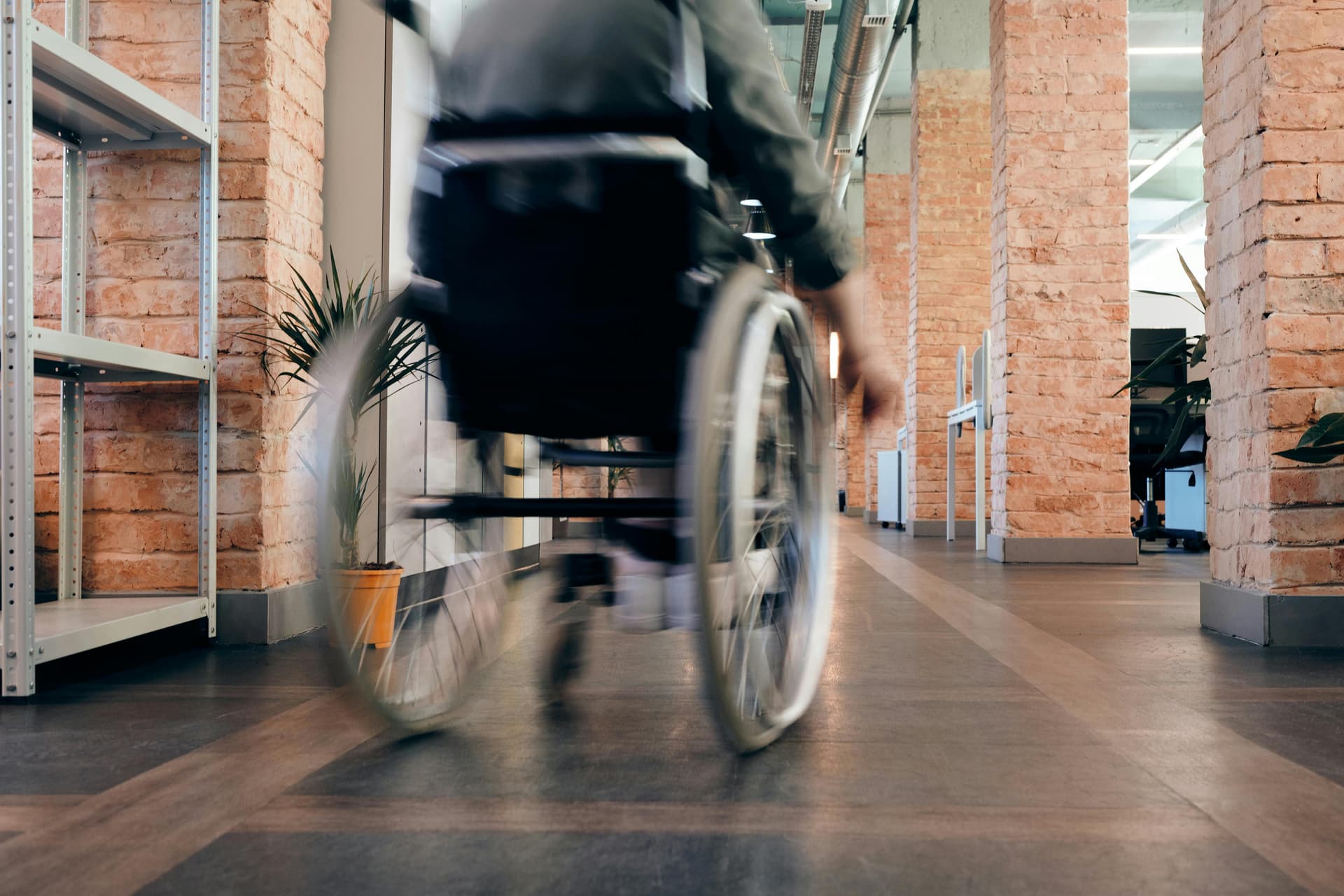
Whether you use a manual or a power wheelchair decides where you can go, as well as how you get there.
JR trains limit wheelchairs to 70cm wide and 120cm long, and many foreign power wheelchairs are bigger than that. Large power chairs also get into fewer restaurants, shops, and hotel rooms, because Japanese accessibility infrastructure is built around the compact wheelchairs common here, and larger Western models often don't fit.
Manual wheelchairs fit more places, and someone can lift one over a step or two. Power chairs give you independence but shorten the list of venues that work.
That's no reason to leave your chair at home. Just tell us what you're traveling with so we can plan for it.
Transfer ability changes where you can eat
A surprising number of Tokyo restaurants have one or two steps at the entrance, newer places included. Older buildings traditionally have a small step at the entry.
If you can transfer to a bench seat, those restaurants are open to you. If you can't, we stick to fully barrier-free places: modern buildings, food halls, hotel restaurants, and the restaurants in shopping complexes around Marunouchi or Ginza.
Either way you'll eat well; transfer ability just changes which kind of restaurant we pick from.
What We Ask (And Why)
The four questions that shape your day
Before we suggest an itinerary, we need some specifics.
Chair specifications. Type, width, weight, and for power chairs, whether the battery will last a full day. This tells us which stations, venues, and routes will work.
Transfer ability. Can you get out of your chair for a step or two? For tatami seating? The answer widens or narrows the restaurant list and tells us whether certain temple approaches are possible.
Stamina and pacing. How long can you go before you need a rest? Is a full 8-hour day realistic, or should we finish earlier and build in breaks? Keeping your energy up matters more than covering ground. If you're traveling as a multigenerational group with mixed mobility needs, we have more on that too.
Priority destinations. What do you most want to see? Shrines and temples? Food markets? Modern Tokyo? Once we know, we can design a route around what you came for.
We ask only what we need to plan a day that works for you, and none of it is a medical intake.
What Works, What Doesn't
Modern Tokyo handles wheelchairs well
Tokyo's modern districts are flat, with wide sidewalks and newer buildings designed for access:
-
Marunouchi and Ginza: business districts with barrier-free buildings, accessible restaurants, and direct connections to Tokyo Station
-
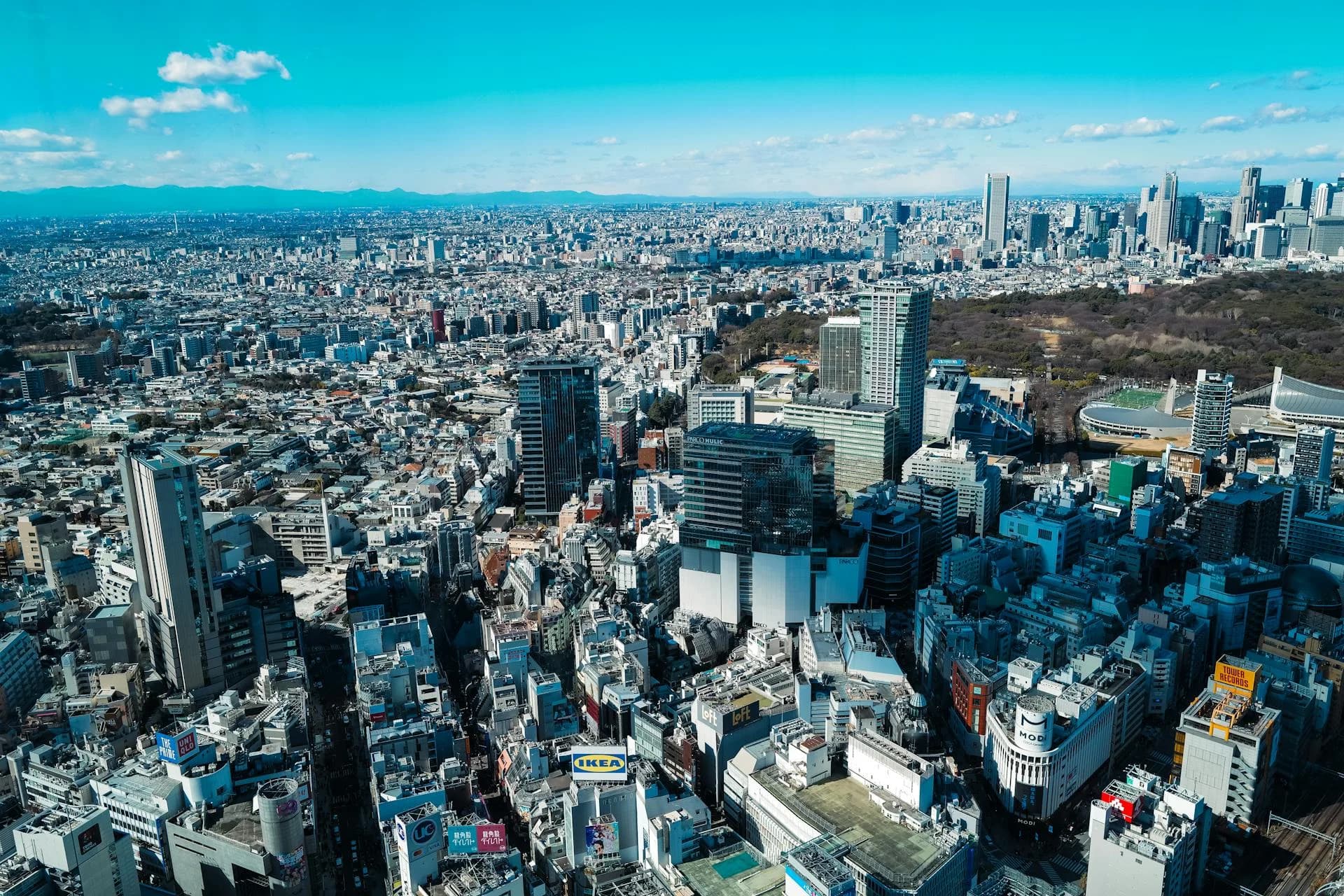
Omotesando and Shibuya: recently renovated, with better access
-
Sensoji Temple: a paved approach, accessible if you take the right route (crowds permitting)
-
Tokyo Skytree: fully wheelchair accessible, with elevators to every observation level and accessible restrooms on every floor
-
Imperial Palace East Gardens: about 90% accessible, on a mix of paved and gravel paths
Traditional neighborhoods require trade-offs
Older parts of Tokyo are harder:
-
Yanaka and Kagurazaka: narrow streets, uneven ground, cobblestones, older infrastructure
-
Small independent restaurants: many have steps at the door or cramped interiors
-
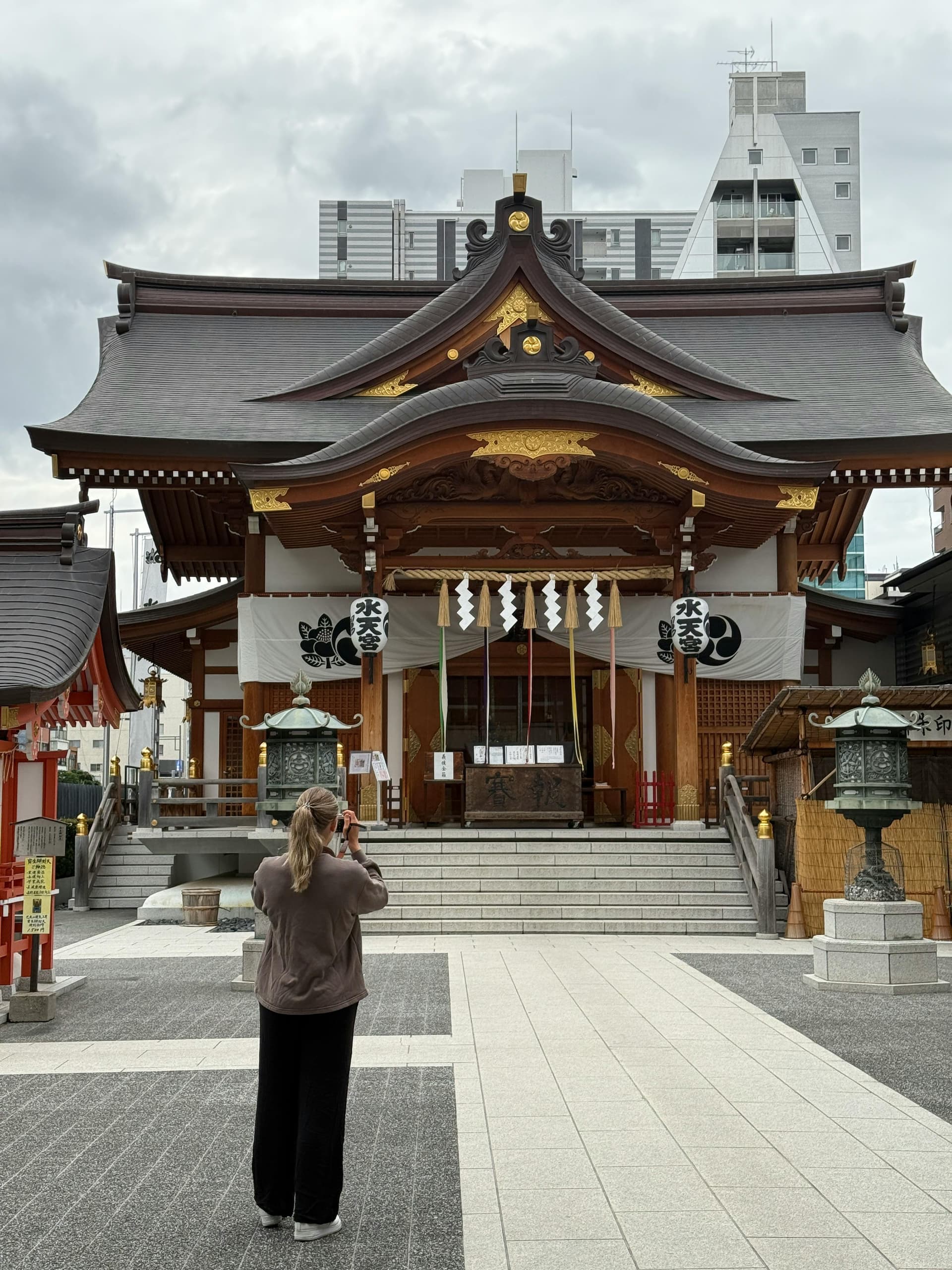
Temple interiors: where you'd have to remove your shoes, you'll be looking in from a distance
The Imperial Palace's official guided tour isn't wheelchair accessible. It covers 2.2km of gravel paths with no alternative route. The East Gardens, as above, are much better.
At teamLab Planets, power wheelchair users have to transfer to one of the museum's standard wheelchairs, so if you can't transfer, skip it. teamLab Borderless at Azabudai Hills is easier: power wheelchairs are allowed with a staff escort, and roughly 70% of the artworks are accessible.
Walking at destinations is unavoidable
Even with a private car, you'll be moving under your own steam at every stop. Tokyo's best spots are in pedestrian zones, market lanes, and temple grounds, where no car can follow. Our walking guide covers how much walking to expect.
The Private Car Question
When Tokyo's trains work fine
Tokyo Metro has elevators at 98% of its stations, and Toei Subway has them at 100%. Station staff bring portable ramps for boarding, take you to the platform, and call ahead so a ramp is waiting at your destination station.
One wheelchair user described visiting seven places by metro in one day, starting in rush hour. In their words, Tokyo's disability access is "better than most all other places we have travelled to."
The hard part is knowing which elevator, exit, and route to use, and a guide already knows them. Our guide to what to expect on tour day has more.
When the car makes sense
A private car adds ¥77,000 (about $520) for an 8-hour day. It's worth it when:
-
Your power wheelchair is wider than 70cm (it won't fit through JR gates)
-
Low stamina makes stations exhausting, beyond just slow
-
Worry about public transit would spoil the day
-
Your destinations are spread across Tokyo, not grouped in one or two areas
We don't assume you need the car. We'll help you work out whether it's worth the money for your situation. For a full comparison of private car vs walking tours, see our guide.
How to Start
Email service@hinomaru.one with:
-
Chair type and approximate dimensions
-
Travel dates
-
Who's traveling (group size and anyone else with mobility needs)
-
The places or experiences you care about most
We'll follow up with a real conversation, no forms, to understand what you need and suggest an itinerary built around it. Our booking guide walks through the booking process.
For more on Tokyo's accessibility infrastructure, see our guide to accessible travel in Tokyo.
Frequently Asked Questions
Is Tokyo wheelchair accessible?
Conditionally. Major stations have elevators, newer areas (Roppongi, Odaiba) are well designed, and accessible taxis exist. Not every station exit has an elevator, though, traditional neighborhoods have narrow streets, and information on what's actually accessible is scattered. Accessible Tokyo is there, but you have to plan to find it.
Can I use public transit in a wheelchair?
Yes, with caveats. Most major stations have elevators, but getting from one accessible elevator to the next takes time. The gap to the train needs staff help, which is available if you ask. Rush hour is very hard for anyone. A guide who knows the accessible routes will save you a lot of frustration.
What wheelchair specifications matter for planning?
Width (doorways vary), weight (some portable ramps have limits), and whether you can transfer to a regular seat (some experiences require it). Power or manual matters for terrain. Give us the specifications during the booking consultation, since they shape the route.
Are temples and traditional sites accessible?
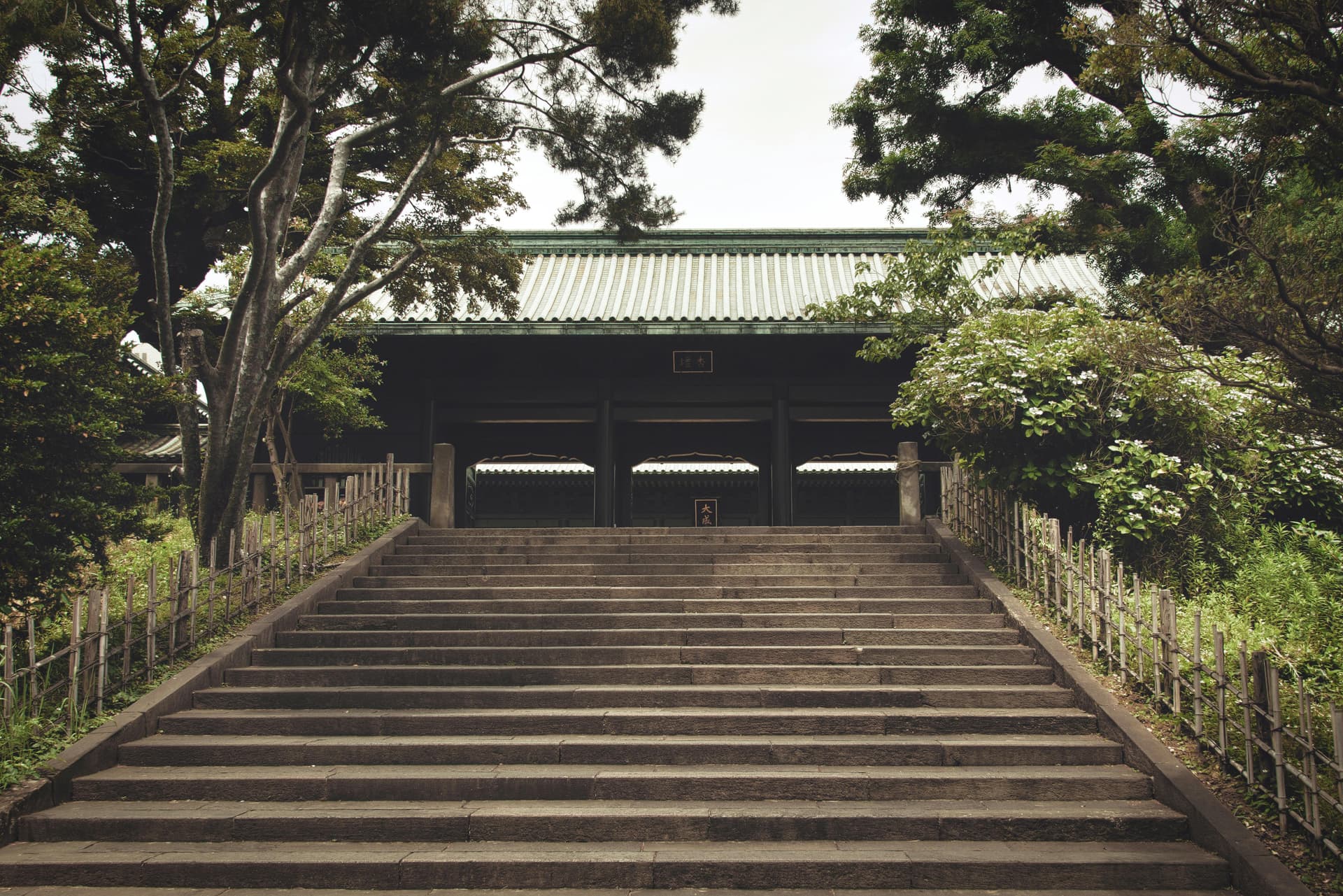
Some are and some aren't. Meiji Shrine has an accessible main approach, but the gravel is hard going. At Sensoji the ground floor is flat, with no upper levels open. Older temples often have steps and no way around them. Guides know which sites suit your mobility and which to skip.
Should I rent a wheelchair in Tokyo or bring my own?
Bring your own if you have one, since you know it works. You can rent, but rentals are often basic manual chairs. If you bring your own, check your airline's policy and think about Japanese plug adapters for a power chair. Guides can suggest rental options if you need one.
Where Hinomaru One Fits
Your chair type, transfer ability, and stamina shape the whole day, and we ask about all of them before we design your route. The consultation is how we decide whether to go through Marunouchi or skip the temple with the steps. If the trains won't work for your chair, private car service is available.
At Hinomaru One, we design private Tokyo tours for first-time and seasoned travelers. Every tour is unrushed and customized, with a guide who explains what you're seeing.