Understand Tokyo’s tipping culture by learning what’s expected, what isn’t, and why service works differently.
Understand Tokyo’s tipping culture by learning what’s expected, what isn’t, and why service works differently.
If you're visiting Tokyo from a country where tipping is normal, the hardest part is psychological: you'll often receive excellent service and still be expected to pay exactly what's on the bill, nothing extra. In most everyday situations, tipping isn't just unnecessary—it can create confusion, a refusal loop, or a staff member chasing you down the sidewalk to return what they think you forgot.
This guide is built for decision support: how to pay, what charges are not tips, where the rare exceptions live, and how to show appreciation without turning the moment awkward.
Do You Tip in Tokyo?
No. Tipping is not customary in Tokyo — not at restaurants, cafés, bars, taxis, or hotels. Staff may refuse money they think you left by mistake, and in some cases will chase you to return it. Pay exactly what's on the bill, take your change, and express thanks verbally.
That no-tipping default holds across:
-
Restaurants and cafés
-
Bars and izakaya
-
Taxis
-
Hotels
-
Everyday services (shops, transit, museums)
Your baseline behavior in Tokyo:
-
Pay what's printed (menu, meter, bill, terminal)
-
Take your change if you pay cash
-
Say thank you well and move on
Why Tokyo Is "Tip-Free" in Practice
Tokyo service culture treats good service as part of the job and part of the price, not something that needs a post-transaction reward. When extra money appears unexpectedly, staff may interpret it as a mistake rather than gratitude.
In a tip-based system, leaving money communicates approval. In Tokyo, leaving money can communicate confusion: "Did they misunderstand the bill? Did they forget their change?"
That's why well-meaning tipping attempts often lead to polite refusal—sometimes persistent refusal. The refusal isn't personal. It's procedural. Service workers in Tokyo are trained to handle payment precisely, and deviations from the expected flow create friction.
"Extra Charges" You'll See in Tokyo That Are Not Tips
Before you decide whether to add money, make sure you're not reacting to a charge that already plays the service role in Tokyo's pricing system.
| Charge Type | Where You'll See It | What It Is | Is It a Tip? |
|---|---|---|---|
| Service Charge (サービス料) | Higher-end restaurants and hotels in Ginza, upscale Roppongi venues | Automatic percentage added to bill, usually noted in reservation or menu | No - part of cost structure |
| Otoshi (お通し) | Izakaya in Shibuya, Shinjuku, Nakameguro, Kichijoji | Small appetizer served automatically, 300-700 yen per person | No - table/seating charge |
| Cover/Music/Table Charge | Bars in Roppongi, Shinjuku's Golden Gai | Entry or seating fee | No - pricing model |
If you're budgeting for Tokyo, factor service charges into restaurant costs rather than thinking of them as discretionary.
The otoshi charge is tied to how izakaya price seating. The small dish arrives when you sit down or with your first drink, acting as both an order confirmation and a way to cover costs for customers who nurse drinks for hours. Don't tip to compensate or protest—if you're uncomfortable with the system, choose a different venue next time.
If reading itemized bills or asking about charges feels like another barrier, having someone navigate these moments for you removes the entire layer of uncertainty.
Do You Tip at Restaurants in Tokyo?
No. Pay the bill as presented, take your change if paying cash, and don't leave coins or bills on the table for staff. At upscale venues you may see an automatic service charge — that's part of the price, not a tip prompt.
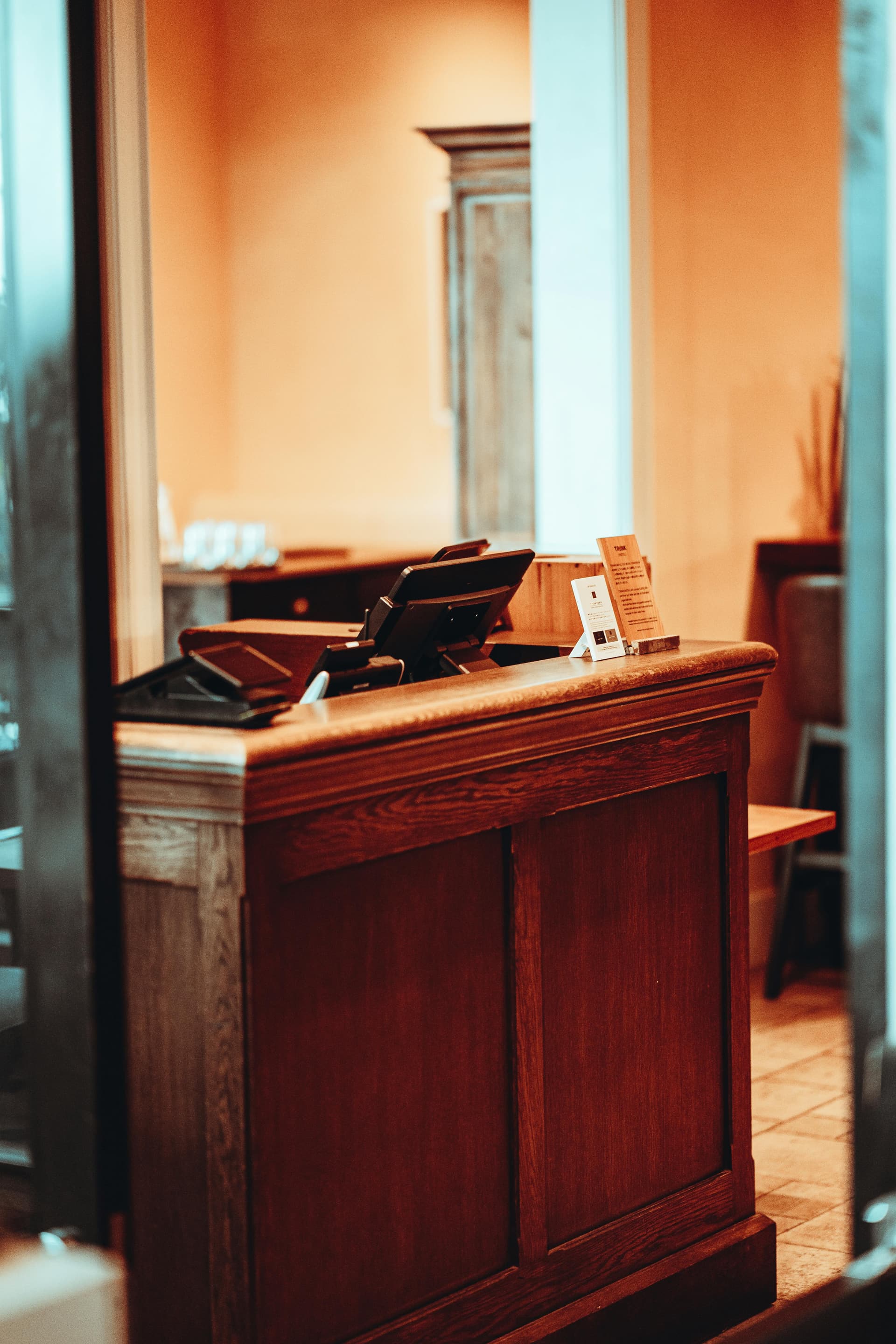
Pay the bill as presented. If paying cash, use the small payment tray when offered. If staff returns change, take it.
Don't leave coins or bills on the table "for the staff." Don't insist if someone refuses.
At upscale venues—whether a Ginza kaiseki restaurant or an Omotesando café with a formal service model—you may see an automatic service charge. That's your clue the venue has already priced service into the experience.
If a Card Terminal Asks You for a Tip
This is still uncommon in Tokyo, but it can appear in tourist-heavy contexts or with certain payment platforms.
Decision rule:
-
If you're at a normal Tokyo restaurant/café and the terminal shows a "tip" screen: choose 0 or skip unless staff clearly instruct otherwise
-
If it's a clearly foreign-owned venue catering to visitors and it explicitly requests tips: treat it like an opt-in donation, not a cultural obligation
If you're uncertain what the terminal is asking or can't read the options, this is where language barriers in service situations compound payment anxiety.
Izakaya, Bars, and Nightlife
This is where "I didn't order this but it appeared" causes the most anxiety.
You sit down at an izakaya in Shibuya or a standing bar in Kichijoji, order a drink, receive a small dish, and later see a per-person charge. It's best understood as a seating/table model, not a judgment of you or an attempt to extract a tip.
Pay it without drama if you stay. If you prefer places without this system, choose venues that advertise no cover/seating charge, or stick to standing bars, casual chain izakaya, or places where the fee is clearly posted.
Don't offset it by tipping less (you weren't tipping anyway). Don't try to leave a tip to "make up for" being a tourist.
Standing bars often skip otoshi altogether. Seated izakaya in neighborhoods like Nakameguro or Shinjuku are more likely to have the charge. If avoiding otoshi matters to you, ask before sitting.
If navigating izakaya culture—ordering, understanding charges, and reading the room—feels like too many variables at once, guided nightlife experiences remove the guesswork and let you focus on the food and atmosphere.
Should You Tip Taxi Drivers in Tokyo?
No tip is expected for taxi rides in Tokyo — pay the meter and take your change. If you try to leave extra, the driver may assume you forgot. A sincere verbal thank-you is the appropriate way to show appreciation.
For standard taxi rides, the norm is straightforward: no tip, pay the meter.
If you pay cash and the driver returns change, take it. If you try to refuse your change, you may be politely corrected—the driver may assume you forgot.
If you really want to express appreciation for exceptional help, a safer pattern than forcing money:
-
Sincere thanks
-
A calm goodbye
-
No extra cash exchange that puts the driver in an awkward position
Should You Tip Housekeeping Staff in Tokyo Hotels?
No. Tipping housekeeping, bell staff, or concierge is not standard in Tokyo hotels, whether at a budget business hotel, luxury property, or international chain. Staff may refuse. If you want to show appreciation for a longer stay, a brief written thank-you note is more culturally appropriate than cash.
In most Tokyo hotels—business hotels in Shinjuku, luxury properties in Roppongi, or international chains—tipping bell staff or housekeeping is not standard, and staff may refuse. Hotels are explicitly included in the no-tipping norm.
Some travelers hear that ryokan are different. What's true is more nuanced: there's a historical custom of kokorozuke (a heartfelt gratuity) in limited contexts. But it's not an everyday traveler expectation, and it's typically discreet and wrapped, not casual cash left out.
If you're staying somewhere that feels traditional and service-intensive (multi-course meals, dedicated attendants), follow the property's guidance. Don't improvise a Western tipping routine.
Beauty Services: Salons, Massage, Spa
In Tokyo, the mainstream expectation is still no tipping for personal services—whether you're at a hotel spa in Shibuya or a neighborhood salon. If a venue wants an added fee, it will usually price it in or present an explicit option.
If you see a tip line on a booking flow or terminal:
-
Treat it as optional
-
Don't assume it's required to be polite
Shopping, Convenience Stores, and Everyday Transactions
No tipping in:
-
Convenience stores (7-Eleven, Family Mart, Lawson)
-
Department stores (Tokyu Hands, Isetan)
-
Supermarkets
-
Museums and ticket counters
-
Trains/subways
-
Coin lockers
If staff at Tokyu Hands helps you carry a bag, walks you to an aisle, or carefully wraps your purchase: that's normal Tokyo retail service, not a cue for gratuity.
The "Exception Lane": When Extra Money Might Be Accepted
If you decide to offer a gratuity, put it in an envelope. Small cash envelopes are easy to find at convenience stores (Family Mart, Lawson, 7-Eleven), 100-yen shops (Daiso, Seria, Can Do), and stationery shops.
A practical, low-drama method: use a small envelope, keep the amount modest and simple, offer discreetly (not in front of a crowd), accept "no" immediately if they refuse.
Don't hand loose bills directly. Don't leave money on the table. Don't insist after a refusal.
This isn't about being "more Japanese than Japanese." It's about not turning gratitude into a public negotiation.
Navigating Tip Jars, Tip Boxes, and "Digital Tipping" in Tokyo
You may occasionally see a small tip box near the register, a QR code prompt, or a payment screen with preset tip percentages. These are still not the Tokyo baseline—they're an emerging phenomenon in tourist-heavy areas, and there's debate locally about whether they dilute service culture.
If the venue clearly asks (box, sign, terminal prompt) and you're comfortable, you can participate as a voluntary extra. If it's not clearly asked, default to no tip. If you feel pressured, that's your signal to opt out and choose a different venue next time.
Better-Than-Tipping Ways to Show Appreciation in Tokyo
If your goal is "I want them to know I noticed," these options usually land better than money.
| Method | What It Means | How to Use It |
|---|---|---|
| Use the right Japanese phrases | Shows cultural awareness and respect | Arigatō gozaimasu (ありがとうございます) for staff assistance; Gochisō-sama deshita (ごちそうさまでした) after meals |
| Be an easy guest | Smooth service flow benefits everyone | Queue calmly, keep payment ready, step aside after paying, keep voices moderate in tight spaces |
| Leave a thoughtful written note | Personal without forcing cash acceptance | Hotel stays or longer interactions—brief, specific thank-you note |
| Leave a warranted review | Meaningful signal in visitor-heavy areas | Clear, specific review of what went well and what staff did—only when truly exceptional |
Common "Mistakes" Travelers Make—and What to Do Instead
| Situation | What's Actually Happening | What to Do |
|---|---|---|
| "I left the change. They ran after me." | System treats cash accuracy seriously—they think you forgot | Smile, thank them, accept the change |
| "I tipped and they refused. I felt embarrassed." | Refusal is about procedure and norms, not personal rejection | Simple "thank you" and move on—don't escalate |
| "I got charged for something I didn't order (otoshi)." | Seating/table model common in izakaya culture, not a scam | Pay it or choose different venues next time—don't try to "correct" with tips |
| "I'm used to tipping because wages depend on it at home." | Tokyo prices service into transactions—adding money creates compliance issues | Accept the system difference—staff may be unable or unwilling to accept |
If you're noticing that every interaction requires cultural translation—from tipping to train etiquette to restaurant ordering—this is where guided experiences make sense. When the cognitive load of navigating Tokyo's social norms compounds with logistics, having someone handle these moments changes the trip entirely.
What About Tipping Tour Guides in Tokyo?
Tour guides are the one exception to Tokyo's no-tipping norm. The "don't tip" rule was written for restaurants, taxis, and hotels — not private guides spending 6-8 hours with you personally. Tips aren't required, but they're appreciated for exceptional service.
For amounts, etiquette, and how to give a tip without making it awkward, see our full guide: Do You Tip Tour Guides in Japan?
Frequently Asked Questions
Do you tip in Tokyo?
No. Tipping is not customary in Tokyo and can actually cause confusion. Staff may chase you down to return money they assume you forgot. The standard practice is to pay exactly what's on the bill, take your change, and express gratitude verbally with a sincere "arigatō gozaimasu."
Is tipping customary in Tokyo?
Tipping is not part of Tokyo's service culture. Good service is considered part of the job and is already priced into what you pay. Leaving extra money can create an awkward refusal loop because staff are trained to handle payments precisely, and unexpected cash is treated as a mistake rather than a compliment.
Should you leave a tip for housekeeping staff in Tokyo hotels?
No. Tipping housekeeping or bell staff is not standard in Tokyo hotels, whether you're at a business hotel, luxury property, or international chain. Staff may refuse the money. If you want to show appreciation, a brief written thank-you note left in the room is more culturally appropriate than cash.
Should you tip taxi drivers in Tokyo?
No tip is expected for taxi rides in Tokyo — just pay the meter. If the driver returns change, take it; refusing your change may be interpreted as a mistake. If you want to express appreciation for exceptional help, a sincere verbal thank-you is the appropriate way to do it rather than offering extra cash.
What is the best way to show appreciation for good service in Tokyo?
Instead of tipping, use the right Japanese phrases — "arigatō gozaimasu" for general thanks or "gochisō-sama deshita" after a meal. Being an easy, respectful guest, leaving a thoughtful written note for longer stays, or posting a specific online review are all more effective and culturally appropriate ways to acknowledge great service in Tokyo.