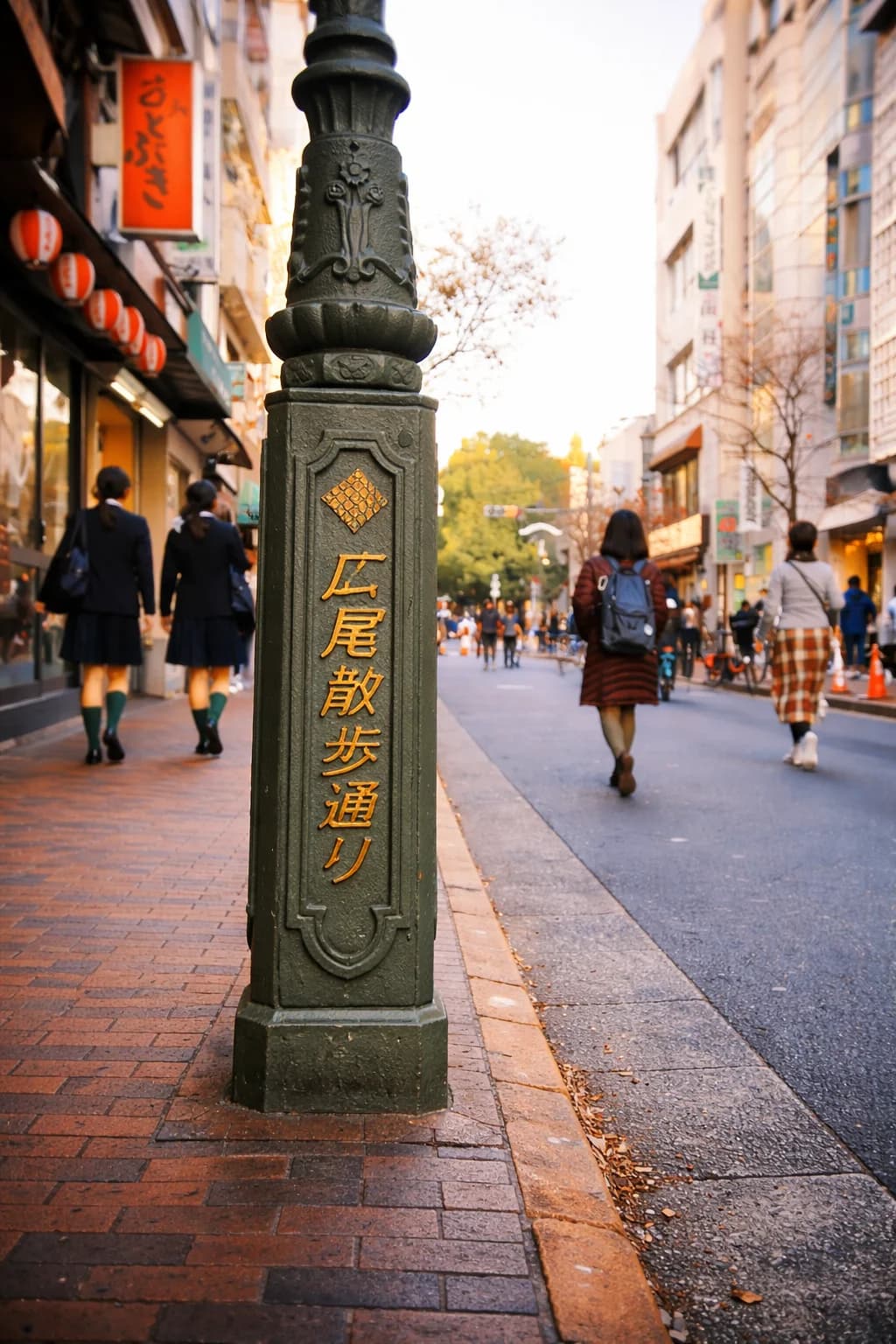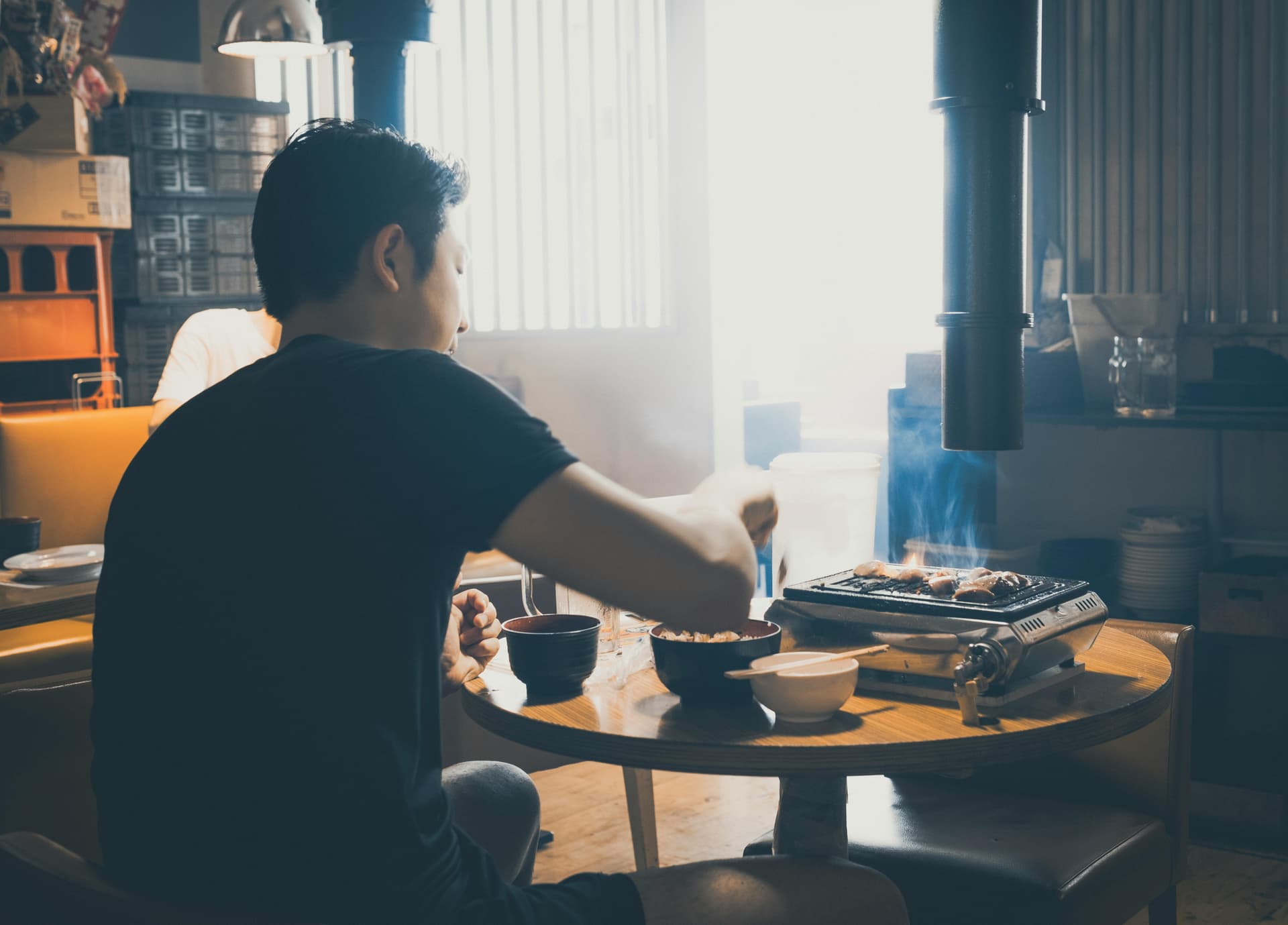
Tokyo runs on one principle: consideration for shared space. Learn that, and the rest makes sense.
Tokyo culture and practicalities mostly follow from one idea, which is consideration for shared space. Once you have that, most of what you see makes sense.
Most Japan guides hand you 30 etiquette rules so you won't offend anyone. In practice, Japanese people are very forgiving of tourist mistakes. Your days go smoother when you know how things work, and memorizing a list of don'ts does little for that.
You're Probably Worrying About the Wrong Things
What etiquette guides overemphasize
Pre-trip reading dwells on formalities that rarely come up for tourists: business card protocol, bowing angles, chopstick rules, formal speech. They fill articles because they're interesting to read about. They won't decide how your trip goes.
People here are patient with foreign visitors, and far too polite to mention a small slip. You can let go of the worry about getting etiquette perfect.
What actually causes daily friction
What trips visitors up is the practical stuff. How do you order at this restaurant? Why won't this machine work? Where does the trash go when there are no bins? Which of Shinjuku's 200 exits do you need?
You'll face those questions every day, and a question about bowing angles almost never. The rest of this guide covers the systems you'll run into, plus the short list of etiquette that does affect your trip.
One Principle That Explains Everything
Consideration for shared space
Nearly every Japanese social norm comes back to one idea: don't inconvenience other people in shared spaces.
In Japanese this is meiwaku o kakenai (迷惑をかけない), literally "don't impose burden on others." Keep it in mind and unfamiliar situations get much easier to read.
How this shows up daily
-
Trains are quiet, because talking disturbs people trying to rest or focus
-
People queue, because cutting in line affects everyone behind you
-
People carry their trash, because leaving garbage makes public spaces worse for the next person
-
People don't eat while walking, because crumbs and spills end up on shared sidewalks
-
Shoes come off indoors, which keeps interior floors clean for everyone
When you're not sure what to do, watch the locals and copy them. If what you're about to do would make the space worse for someone else, don't do it.
The Systems That Actually Shape Your Day
Restaurants: Ordering systems vary by format
How you order in a Tokyo restaurant depends on the kind of place it is.
Ticket machine restaurants (ramen, curry, soba, gyudon chains like Matsuya and Yoshinoya):
-
Put cash in first, because the buttons stay dead until you do
-
Press the button for what you want (the top-left button is usually the most popular item)
-
Take your ticket and change
-
Hand the ticket to staff once you're seated
At places like Ichiran you'll also fill out a sheet for noodle firmness, spice level, and garlic, and most locations have it in English. Popular ramen shops can have 30-60 minute waits at lunch (12:00-13:00). Less famous places, or standing soba chains like Nadai Fuji Soba (¥250-500, served in under two minutes), have no line at all.
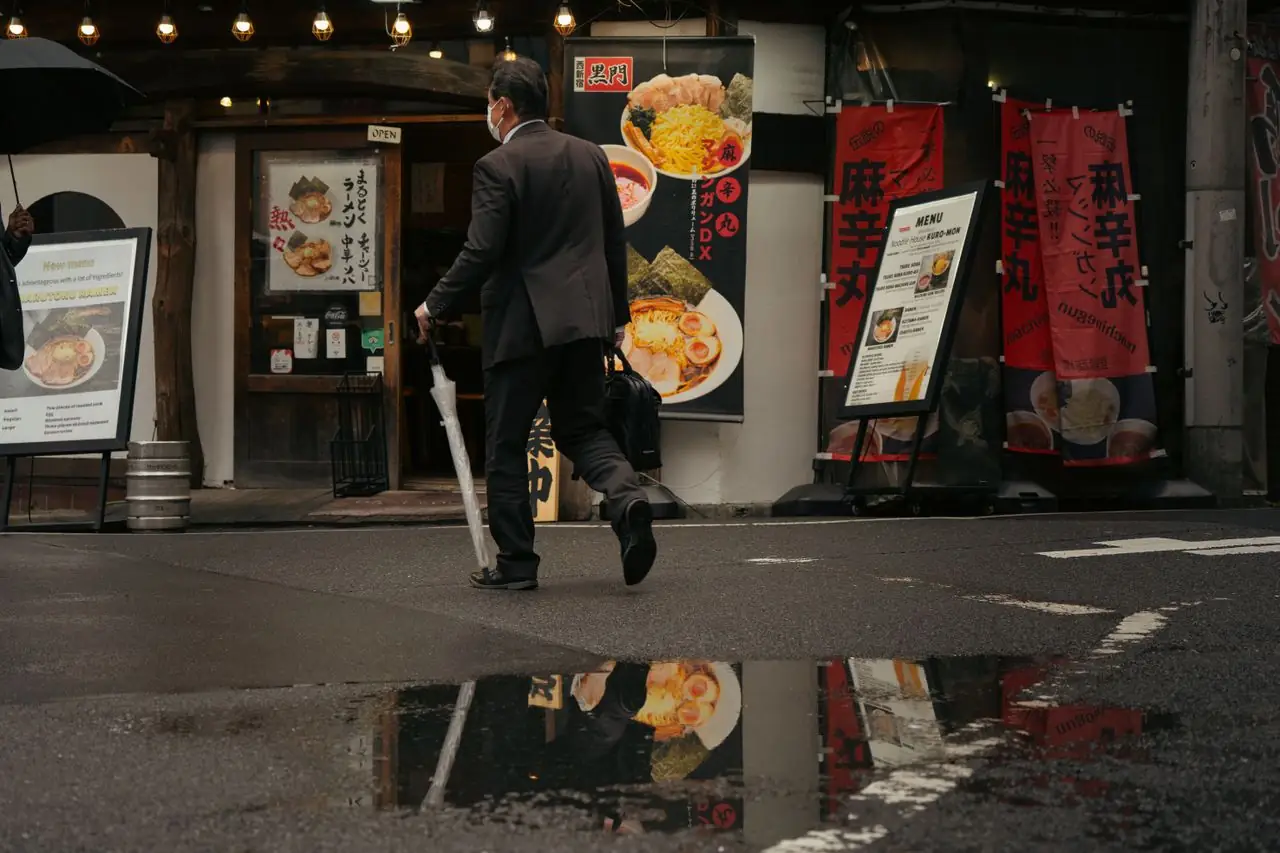
Counter restaurants: Lots of smaller places seat 10-12 people along a counter, and the chef cooks and serves you directly. Finish your food here, since leaving a lot on the plate reads as wasteful. Eating alone is normal in Japan and counter seating is built for it. Ichiran even has private booths where you order on a form.
Full-service restaurants: You order from a menu as you would at home. English menus are common in Shibuya, Shinjuku, and Asakusa and rare in neighborhood places. If working out restaurant systems sounds like hassle you'd rather skip, food tours take care of the ordering and the menu.
Payments: Where cash is still required
Far more places take cards than before COVID-19, but you still need cash for:
-
Temple and shrine entrance fees
-
Standing bars, and the izakayas under the tracks in Yurakucho (the Gado-shita district) are almost all cash only
-
Small neighborhood izakayas and restaurants
-
Street food vendors and food stalls
-
Festival vendors
-
Some vending machines
Hotels, department stores, big chains, and restaurants charging ¥1,000+ take cards. Carry at least ¥5,000 in cash per person per day. The 7-Eleven ATMs at the airports and all over the city accept international cards.
What Etiquette Actually Matters
The five things that genuinely matter
These are the ones to get right:
-
Stay quiet on trains. No phone calls, and keep conversation low. Morning rush hour is silent.
-
Queue properly. Lines form everywhere, at train doors, escalators, and restaurants. Never cut in.
-
Don't eat while walking. Finish your food where you bought it or find a bench. Convenience stores have eating areas for exactly this.
-
Carry your trash. Public bins are scarce (the #1 complaint from foreign tourists in Japan's 2024 tourism survey). Pocket your wrappers until you reach a convenience store (bins by the entrance), a JR station (bins near the restrooms), or a vending machine (bottle and can recycling attached). A small plastic bag in your daypack helps.
-
Remove shoes when indicated. Changing rooms, some restaurants, traditional accommodations, temple interiors. Look for a shoe area or do what others do.
What you can safely ignore
As a tourist, you can skip worrying about:
-
Business card protocols. The exchange ritual matters in business, and you won't meet it sightseeing.
-
Bowing angles and duration. A slight nod of the head shows appreciation, and nobody expects a precise 30-degree bow.
-
Complex chopstick rules. Don't point with them and don't pass food chopstick to chopstick (it's a funeral custom). Beyond that you're fine.
-
Mastering indirect communication. Being direct is fine when you're obviously a visitor.
People notice and appreciate the effort to follow local customs, even when you get it a bit wrong.
Adjustment Happens in Waves, Not All at Once
Days 1-2: Everything works better than expected
First-time visitors tell us the same thing: Tokyo is easier to get around than they feared. Station signs in English are everywhere, Google Maps routing works, and people help when you ask. The anxiety from before the trip fades fast.
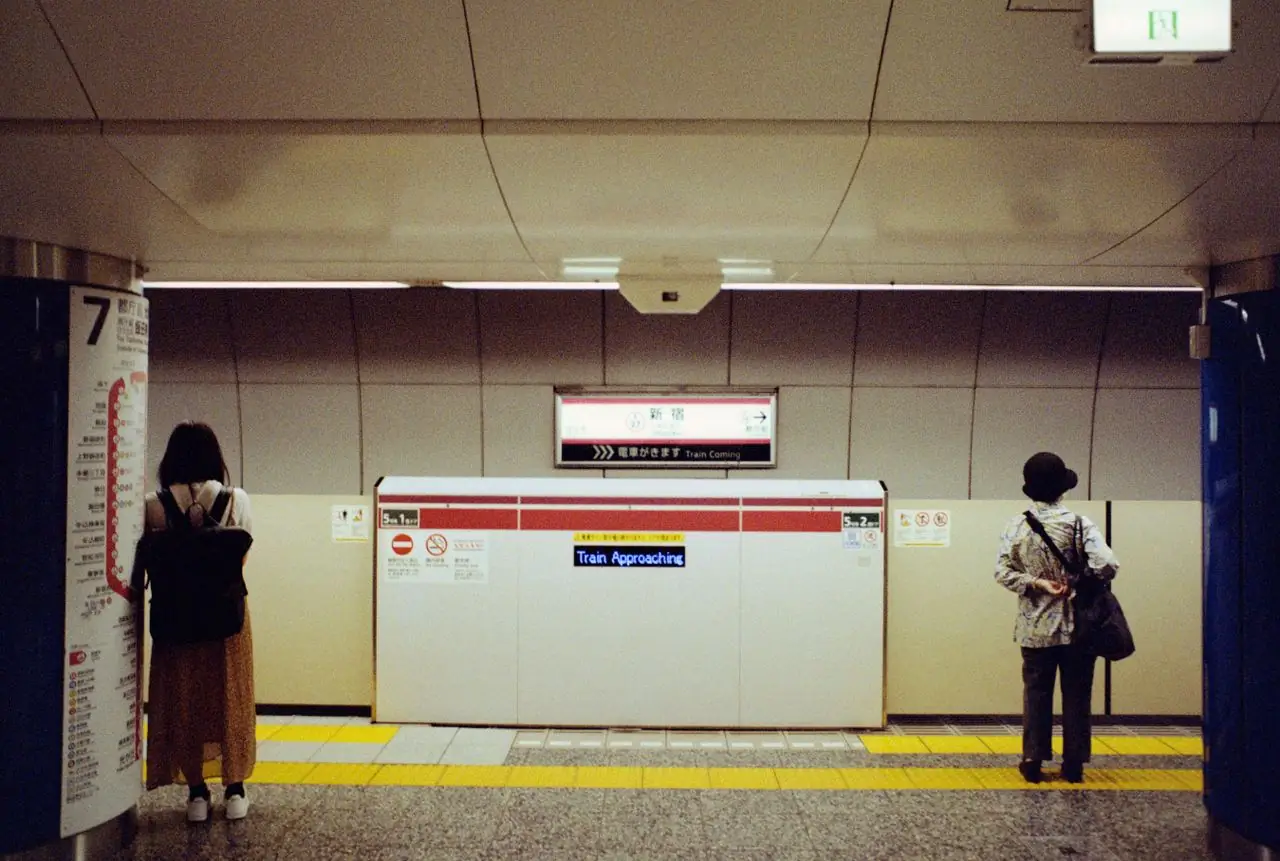
A note on timing. Most shops open at 10-11 AM, and many restaurants close between lunch (ending around 2 PM) and dinner (starting 5-6 PM), so early mornings are best spent at temples, parks, and convenience stores.
Enjoy the novelty in these first days and don't pack the schedule.
Days 3-4: Decision fatigue sets in
Around day three or four, all the small decisions start to add up. Which exit? What's on this menu? How does this work? Each one takes more thought than it would at home, and active sightseeing days run to 15,000-20,000 steps, which your feet will feel.
It's a normal stage, right in the middle of adjusting. Plan lighter days, go back to areas you already know, and let convenience stores handle a few simple meals.
Day 5+: Systems start clicking
By the end of the first week most visitors feel things shift. The metro makes sense, restaurant formats feel familiar, and you start to recognize patterns, and the city stops feeling overwhelming.
The line we hear again and again: "I wish I'd known how easy and straightforward it would be."
Going Deeper
Safety and practical logistics
Tokyo is very safe, though you'll still have practical questions: getting around late at night, what to do if you lose something, how specific areas feel after dark. Our guide to safety in Tokyo covers what visitors need to know.
Language and communication
The language barrier is real and you can manage it. Apps get you around fine, while deeper conversations run into walls. Our guide to the language barrier explains what to expect and how to prepare. If you want more cultural access than an app can give you, a private guide helps bridge that gap.
Cultural norms in detail
Tipping, gift-giving, and specific etiquette situations need more space than a hub page has. Our guide to tipping in Tokyo covers the rare cases where a tip is appropriate.
This guide is published by Hinomaru One, a Tokyo-based private tour operator.
![Tipping in Tokyo: No — With a Few Exceptions [2026 Guide]](/_next/image?url=%2Fimages%2Fd244034d8a17.jpg&w=1920&q=75&dpl=dpl_2hQXgXQmWb6iVmAB2GvwsWom9dXh)