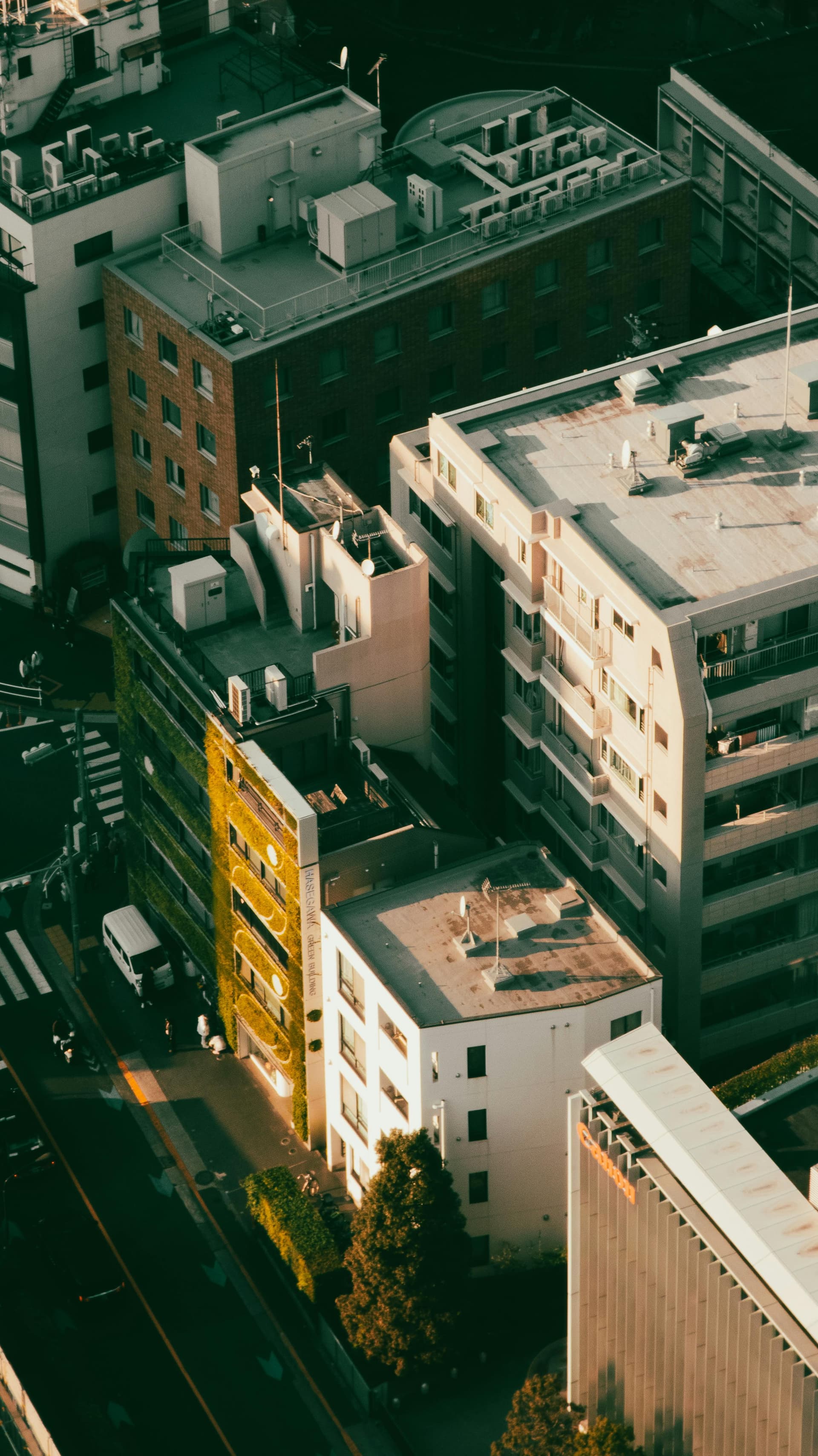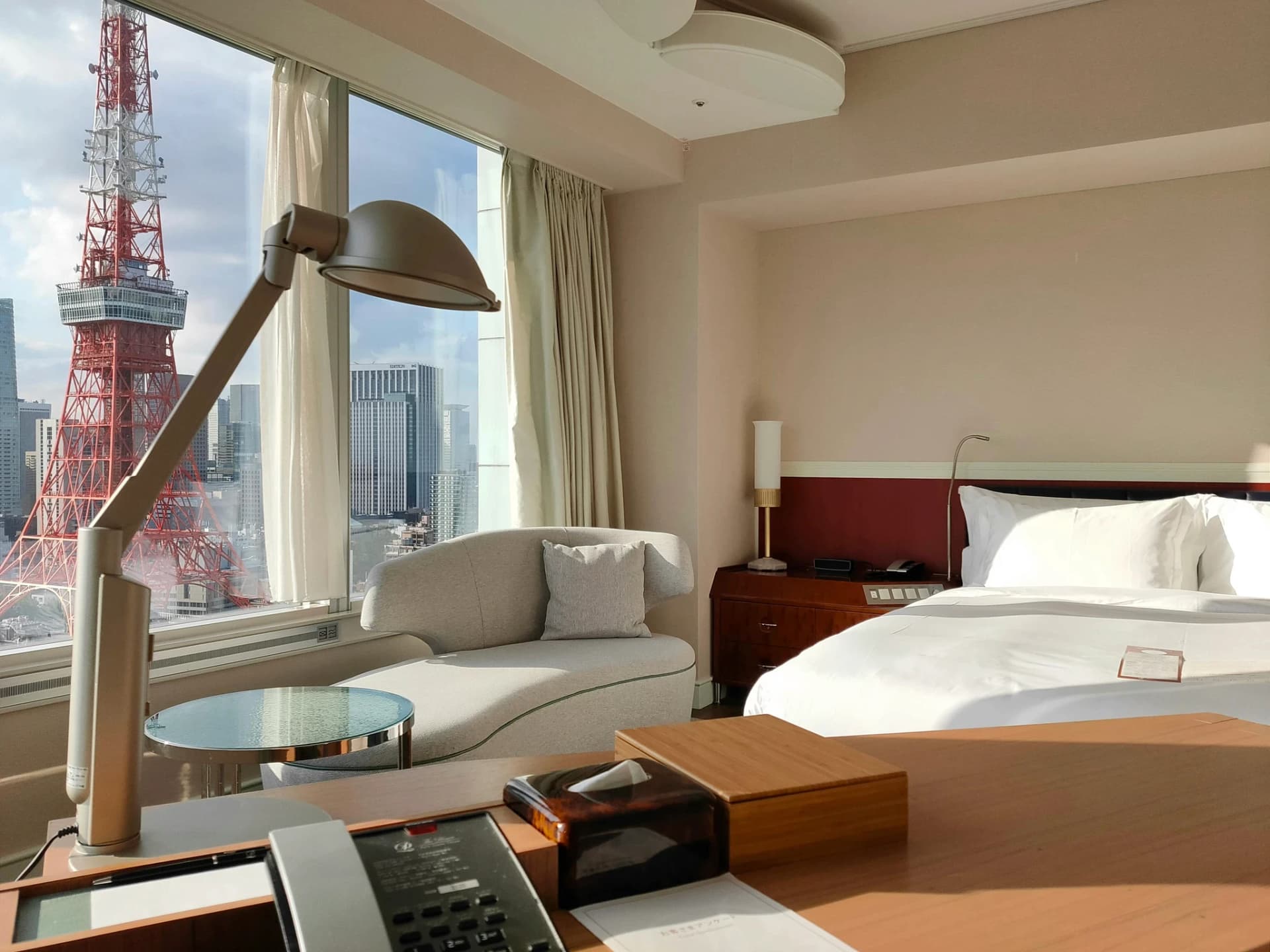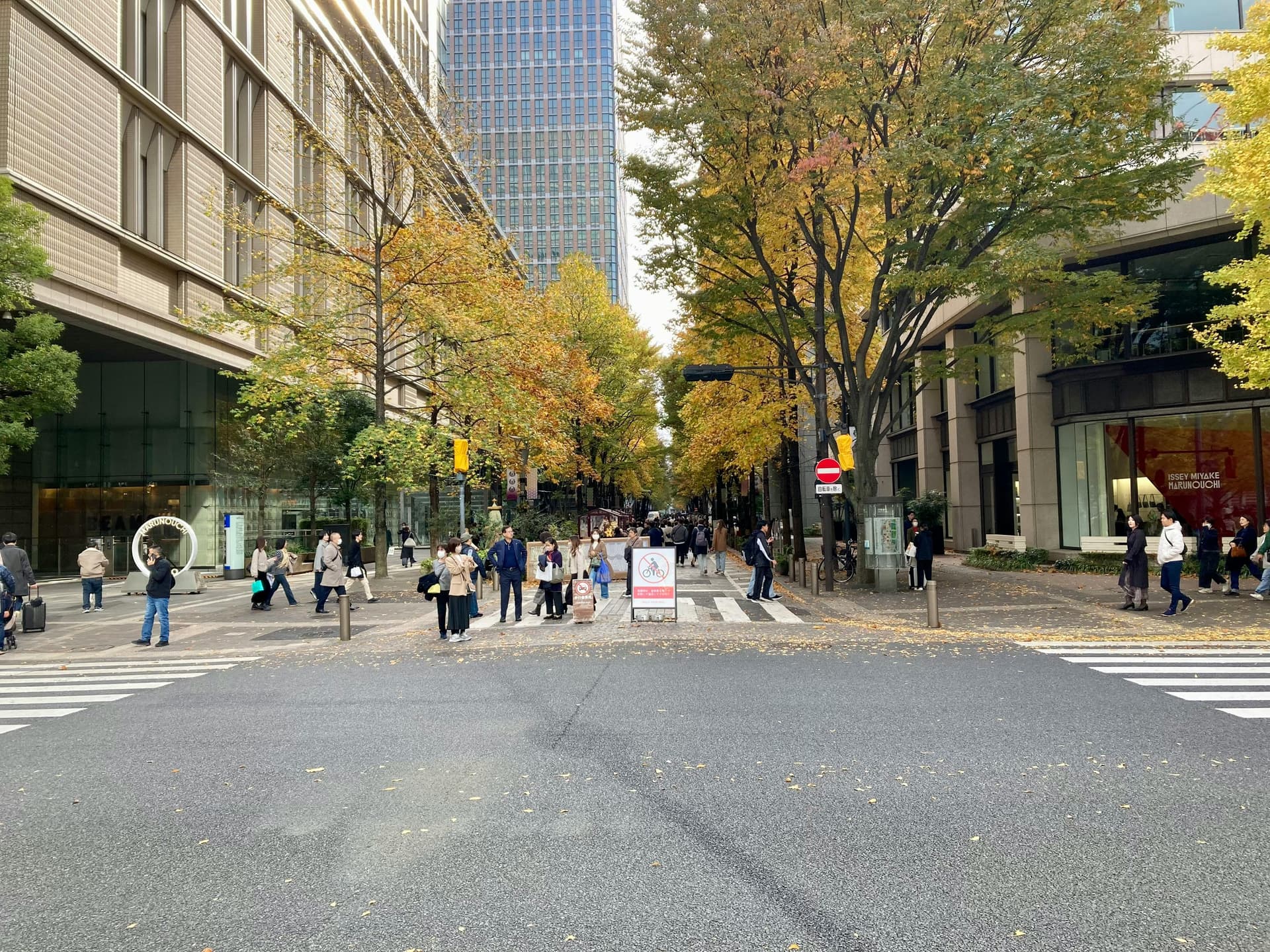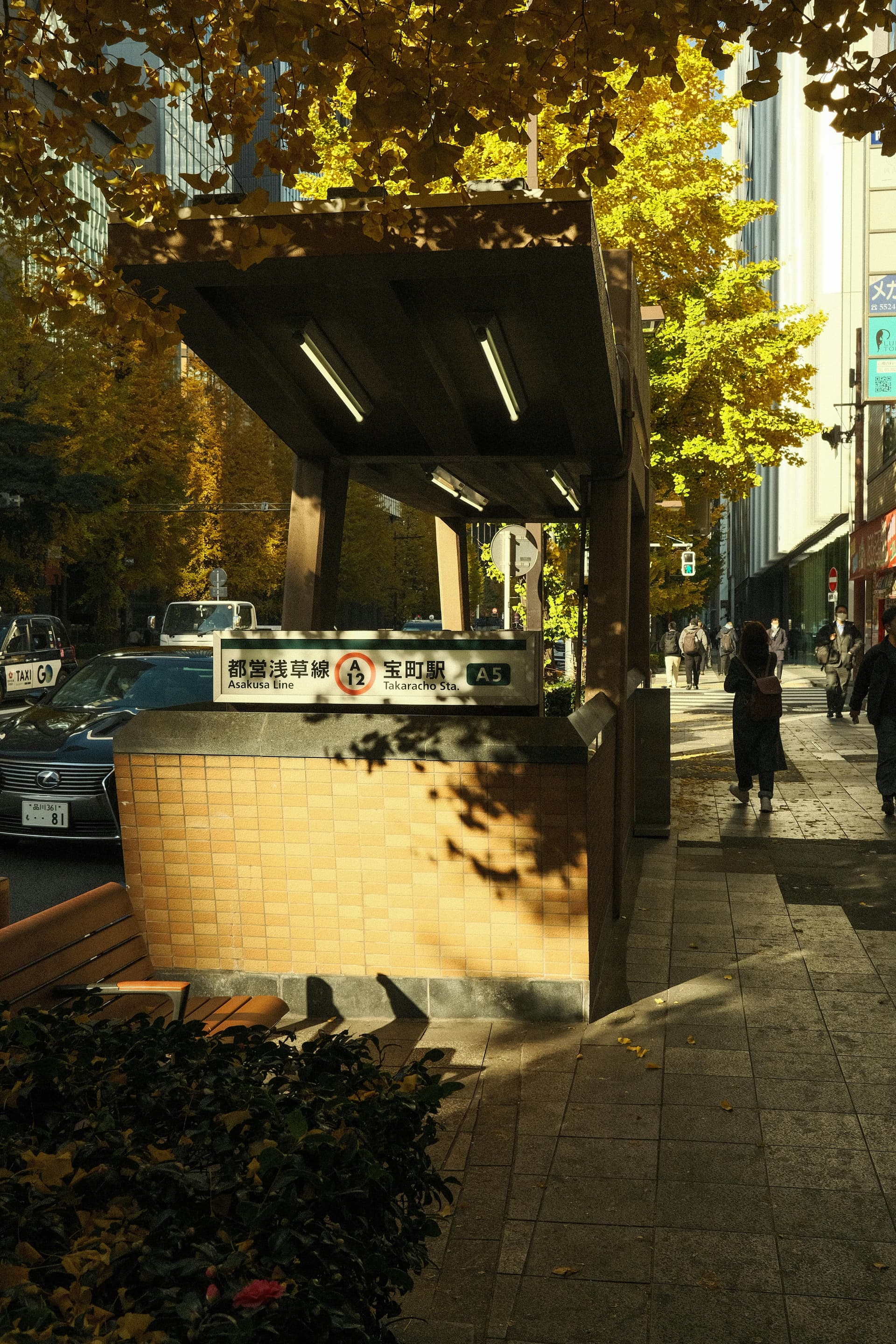
Base yourself in Tokyo neighborhoods that unlock effortless day trips across the Kanto region.
Where to stay in Tokyo for day trips is a decision with real consequences — the wrong base adds an hour of station navigation before you've even left the city. Base yourself in neighborhoods that unlock effortless connections across the Kanto region.
Your hotel choice in Tokyo directly affects how much time you spend navigating stations versus actually traveling. The wrong base adds 60+ minutes of daily cross-town transfers and puts you through mega-stations with luggage during morning rush hour.
This guide maps day trip destinations to their actual departure points, then evaluates which Tokyo neighborhoods minimize transfer friction. For nightlife, family-friendliness, and other neighborhood factors, see our main Tokyo base guide.
Day Trip Transfer Math
Station navigation time matters more than most travelers expect.
Shinjuku Station handles more passengers than any station in the world—52 platforms across six interlinked complexes. Tokyo Station completed major signage improvements in 2012 but remains enormous. Even when familiar with the layout, crossing Tokyo Station to reach the correct platform takes 5-10 minutes. First-time visitors need longer.
Direct trains eliminate more than track time—they remove the 30-60 minutes you'd spend transferring across town, navigating unfamiliar stations, and waiting on platforms. Early morning departures compound this. Jet lag, luggage, family coordination, and time pressure all make complex transfers costlier than they appear on a map.
The wrong base creates daily compounding friction. Every morning departure becomes a logistics puzzle.
Where Day Trips Actually Depart
Different destinations leave from different Tokyo stations. Understanding departure geography matters more than generic "centrality."
| Destination | Departure Station | Service | Frequency | Why This Station |
|---|---|---|---|---|
| Nikko | Tobu Asakusa | Limited express | ~1/hour during operating hours | Tobu Railway's main terminus; direct service |
| Nikko (alternative) | Shinjuku | Limited express | 1-2 trains/day (seasonal) | JR through service; very limited frequency |
| Hakone | Shinjuku | Odakyu Romancecar | Multiple/hour | Odakyu Railway's terminus; ~80min direct |
| Mt Fuji (Kawaguchiko) | Shinjuku | FUJI EXCURSION | Limited daily service | JR service via Chuo/Fujikyuko lines |
| Kyoto, Hiroshima, Nagano | Tokyo Station | Shinkansen | Frequent | All major shinkansen lines converge here |
| Disneyland (Maihama) | Tokyo Station | JR Keiyo Line | Frequent | Keiyo Line western terminus |
| Yokohama | Shibuya or Tokyo Station | Toykyu Tokyo / JR Lines | Frequent | Tokyu direct to Minato Mirai; JR to Yokohama Station |
The operator geography matters: Tobu Railway serves Nikko from Asakusa. Odakyu Railway serves Hakone from Shinjuku. JR shinkansen lines converge at Tokyo Station. Yokohama is accessible from multiple stations—Tokyu Toyoko from Shibuya runs direct to Minato Mirai, while JR lines from Tokyo Station reach Yokohama Station in 25 minutes.
Frequency differences matter: Tobu runs roughly one limited express per hour to Nikko from Asakusa during operating hours. Shinjuku to Nikko runs 1-2 trains daily at most. Missing that single departure means transferring anyway.
Comparing Your Base Options
The three main bases for day trip access each optimize for different departure patterns:
| Factor | Tokyo Station / Marunouchi | Ueno / Asakusa | Shinjuku |
|---|---|---|---|
| Best for | Shinkansen-heavy itineraries (Kyoto, Hiroshima, Nagano, Sendai). All major shinkansen lines converge here. | Nikko priority (Tobu Asakusa runs ~1 limited express/hour during operating hours). Northeastern destinations. Keisei Skyliner to/from Narita. | Hakone, Mt Fuji, Enoshima (Odakyu Romancecar ~80min direct). Western mountain destinations via Chuo Line. |
| Avoid if | You want neighborhood atmosphere or nightlife. Marunouchi is a business district that quiets after work hours. | Planning multiple western day trips (Hakone, Mt Fuji require backtracking to Shinjuku). Limited upscale nightlife. | Crowds and complex navigation stress you. 3.6M daily passengers across six interlinked station complexes. |
| Transit connections | Narita Express 53-60min. Connects to Yamanote, Chuo, multiple subway lines. Station crossing takes 5-10min even when familiar. Multiple levels and gate systems. | Yamanote, Ginza, Hibiya lines. Tobu runs ~1 limited express/hour to Nikko. Keisei Skyliner for Narita. More traditional neighborhood atmosphere. | Romancecar reserved seats, direct Hakone service (~80min). FUJI EXCURSION to Kawaguchiko. Multiple JR/subway lines converge. Major commuter hub. |
| Main gotcha | Maze of gates and underground passages confuses first-timers despite 2012 signage improvements. Allow buffer time for first departures. | Shinjuku to Nikko limited express runs only 1-2x daily (seasonal). If you miss it, you're transferring anyway—Asakusa's frequency matters. Asakusa-area stations can involve more stairs. | Odakyu, JR, Keio are separate areas requiring 5-10min corridor walks with luggage. Challenging during commuter peaks. |
| Workaround | Stay near Marunouchi/Yaesu exits. Download station map and pre-plan shinkansen platform routes. | Base near Asakusa if Nikko is priority. Buy limited express tickets in advance. In Ueno, stay near Park Exit for Skyliner. | Stay near south/west exits for shorter walks. Buy Romancecar tickets online to skip lines and secure seats. |
| Station complexity | High. Sophisticated infrastructure but significant navigation burden. | Medium. More straightforward than mega-stations. Asakusa varies, generally older infrastructure. | Very High. Volume and operator separation create real navigation burden with luggage. |
Two-Base Strategy: When Splitting Your Stay Makes Sense
Consider changing hotels mid-trip only if you have 6+ nights in Tokyo AND your day trips cluster in opposing directions.
Concrete example: Spend 3 nights near Shinjuku for Hakone and Mt Fuji, then move to Ueno/Asakusa for 3+ nights to access Nikko and northern destinations.
The trade-off: Changing hotels adds logistics friction—packing, checkout, travel time, check-in. But it saves 1-2+ hours per day on cross-town transfers if your trips split cleanly. Side benefit: experience two very different Tokyo neighborhood atmospheres.
| Scenario | Recommendation | Reasoning |
|---|---|---|
| 3-4 nights total | Skip it. Pick one base. | Hassle of changing hotels outweighs marginal transfer savings. Choose base for highest-priority day trip. |
| 6+ nights with clear directional split | Consider it seriously. | Transfer time savings compound over multiple days. Example: Shinjuku 3 nights (western trips) → Ueno/Asakusa 3+ nights (northeastern trips). |
| 6+ nights, all trips same direction | Skip it. Pick one base. | No meaningful transfer savings. Single base is simpler. |
Station Accessibility and Navigation Complexity
Not all mega-stations are equally complex. These differences matter when navigating them repeatedly:
| Station | Layout Complexity | Elevator Access | Navigation Challenge | Best For |
|---|---|---|---|---|
| Tokyo Station | Very complex - multiple levels, underground maze | Good coverage but not always obvious to find | Platform locations not intuitive until 2nd-3rd visit | Confident navigators, those willing to invest time learning layout |
| Shinjuku | Very complex - operator separation, long corridors | Generally good but spread across sections | 5-10min walks between Odakyu/JR/Keio with luggage | Experienced Tokyo visitors, those prioritizing western day trips despite complexity |
| Ueno | Moderate - more straightforward | Good coverage | More predictable than mega-stations | First-time visitors, families, mobility-conscious travelers |
| Asakusa area | Varies by station - older design | Can involve more stairs | Older infrastructure, less consistent | Traditional atmosphere seekers willing to check specific station accessibility |
General patterns:
-
Newer and recently renovated stations have better elevator coverage
-
Older stations, especially in traditional areas like Asakusa, can involve more stairs
-
Elevators exist at major stations but aren't always obvious to find on first visit
For travelers with mobility needs, our accessibility guide covers how station navigation and route planning work with accessibility considerations.
Morning departure scenario: Jet lag + unfamiliar station + time pressure + luggage = high navigation cost. Tokyo Station and Shinjuku require platform-finding confidence. Ueno's more straightforward layout reduces this friction.
Return exhaustion: Easier stations matter more after a full day out. Navigating Shinjuku's operator-separated corridors feels different at 8 PM after Hakone hiking than it does in the morning.
Disneyland and Bayside Day Trips
Tokyo Disney Resort sits on the JR Keiyo Line at Maihama Station. Here's how different bases compare for Disney access:
| Base | Access | Transfer Required | Best For |
|---|---|---|---|
| Tokyo Station | Direct on Keiyo Line | No transfers | Disney-focused itineraries or shinkansen-heavy plans that also include one Disney day |
| Shinjuku | Via Keiyo Line | Transfer required (~40-50min total) | Western day trip priority (Hakone/Fuji) with one Disney day |
| Ueno/Asakusa | Via Keiyo Line | Transfer required (~45-55min total) | Nikko priority with one Disney day |
| Keiyo Line corridor | Direct, shorter travel time | No transfers | Disney is primary Tokyo activity |
From west-side bases (Shinjuku, Shibuya): You'll need to transfer to the Keiyo Line, which adds time and complexity. Budget extra time for the connection.
Alternative: If Disneyland is your primary day trip, consider staying along the Keiyo Line corridor closer to Maihama. But most itineraries prioritize Nikko, Hakone, or shinkansen destinations.
Most Tokyo itineraries include one Disney day maximum. Don't optimize your entire base choice around it unless it's genuinely your main Tokyo activity.
If you're still finalizing which day trips to prioritize, our complete guide to day trips from Tokyo covers the options.
Making Your Base Decision
Minimize transfer friction and keep station navigation predictable.
Bias toward the departure points you'll use most often. If Hakone is your priority, Shinjuku makes sense. If Nikko matters more, Asakusa/Ueno wins. If you're shinkansen-heavy, Tokyo Station is correct.
One base, multiple directions: Pick the station that serves your highest-priority day trip. Accept that one or two trips might require cross-town transfers. This is simpler than changing hotels unless you have 6+ nights and clear directional splits.
The main Tokyo base guide covers nightlife, family-friendliness, and other neighborhood factors. This page focuses on day trip logistics. Departure geography, station complexity, and your actual day trip priorities determine the right choice
When Complexity Becomes a Planning Problem
Coordinating 3-4 day trips across different operators, stations, ticketing systems, and departure times creates real logistics burden. This compounds when you're navigating multiple mega-stations repeatedly, coordinating family members through transfers, managing accessibility needs where elevators aren't always obvious, catching early morning departures with jet lag, or timing reserved seats across different operators.
For some travelers, this coordination work becomes its own planning problem. If you're juggling family needs, accessibility constraints, or tight departure windows, the station navigation and transfer optimization can feel overwhelming.
This is where guided logistics support can matter—not as generic tour product, but as actual coordination help for the complex multi-operator, multi-station day trip puzzle. Our Tokyo private tours planning guide clarifies what guides can and can't help with for this specific coordination challenge.
This guide is published by Hinomaru One, a Tokyo-based private tour operator.