Where to Stay in Tokyo
Stay within five minutes of a train station — that matters more than the neighborhood name on your booking. These guides break down the decision based on what matters most: nightlife, shopping, day trips, budget, or family.
Choose by Priority
Your biggest priority should drive your neighborhood choice. Budget travelers, nightlife seekers, families with strollers, and day-trip planners each need different station access and different surroundings.
Where to Stay
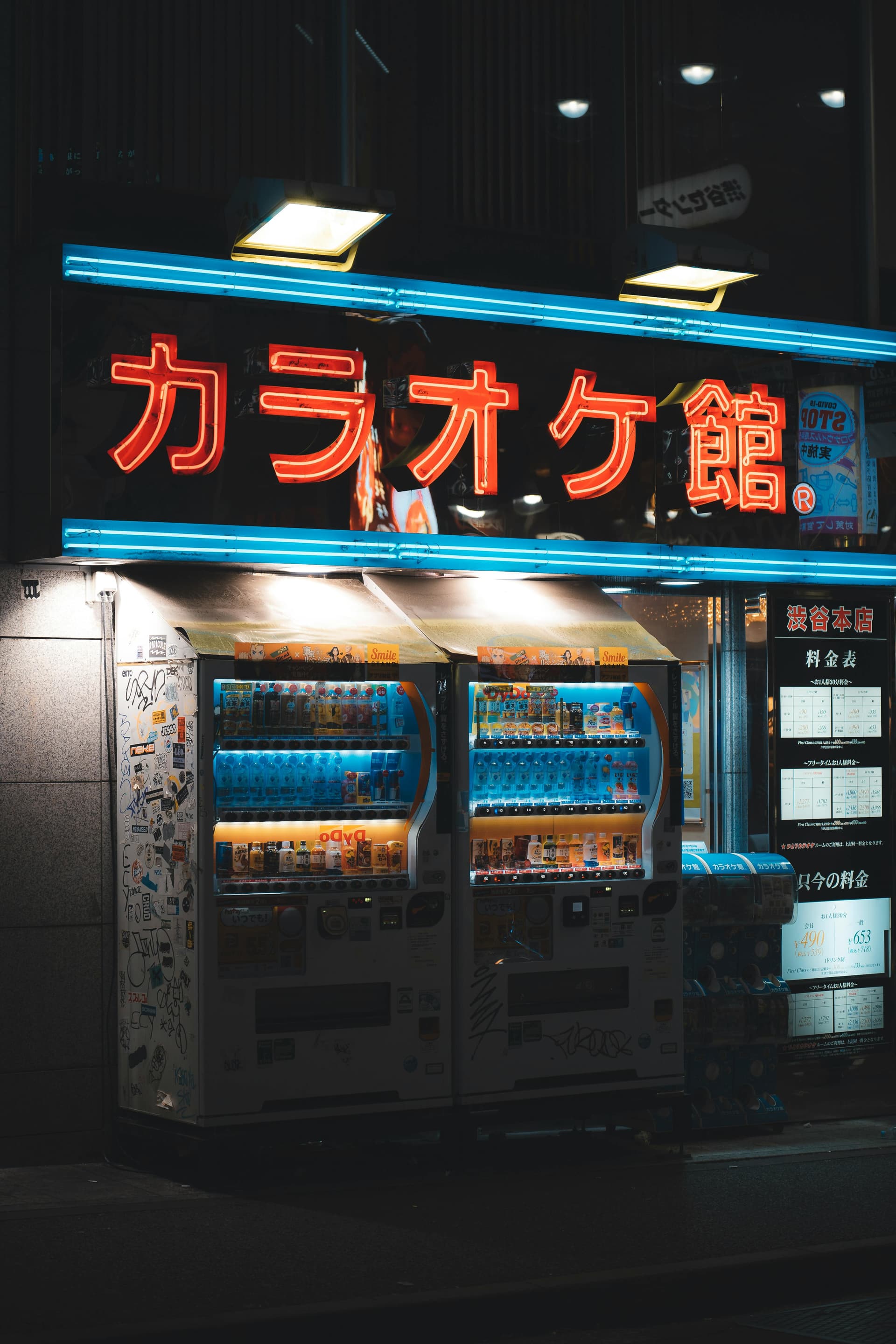
Where to Stay in Tokyo for Nightlife & Late-Night Energy
Discover the best areas to stay in Tokyo for nightlife, from buzzing clubs and cocktail bars to late-night dining and entertainment hubs.
Discover more
Where to Stay
Where to Stay in Tokyo for Shopping: Neighborhood Trade-offs
Where to stay in Tokyo for shopping: choose your base by style — Ginza, Shibuya, Shinjuku — with trade-offs, routes, and bag logistics.
Discover more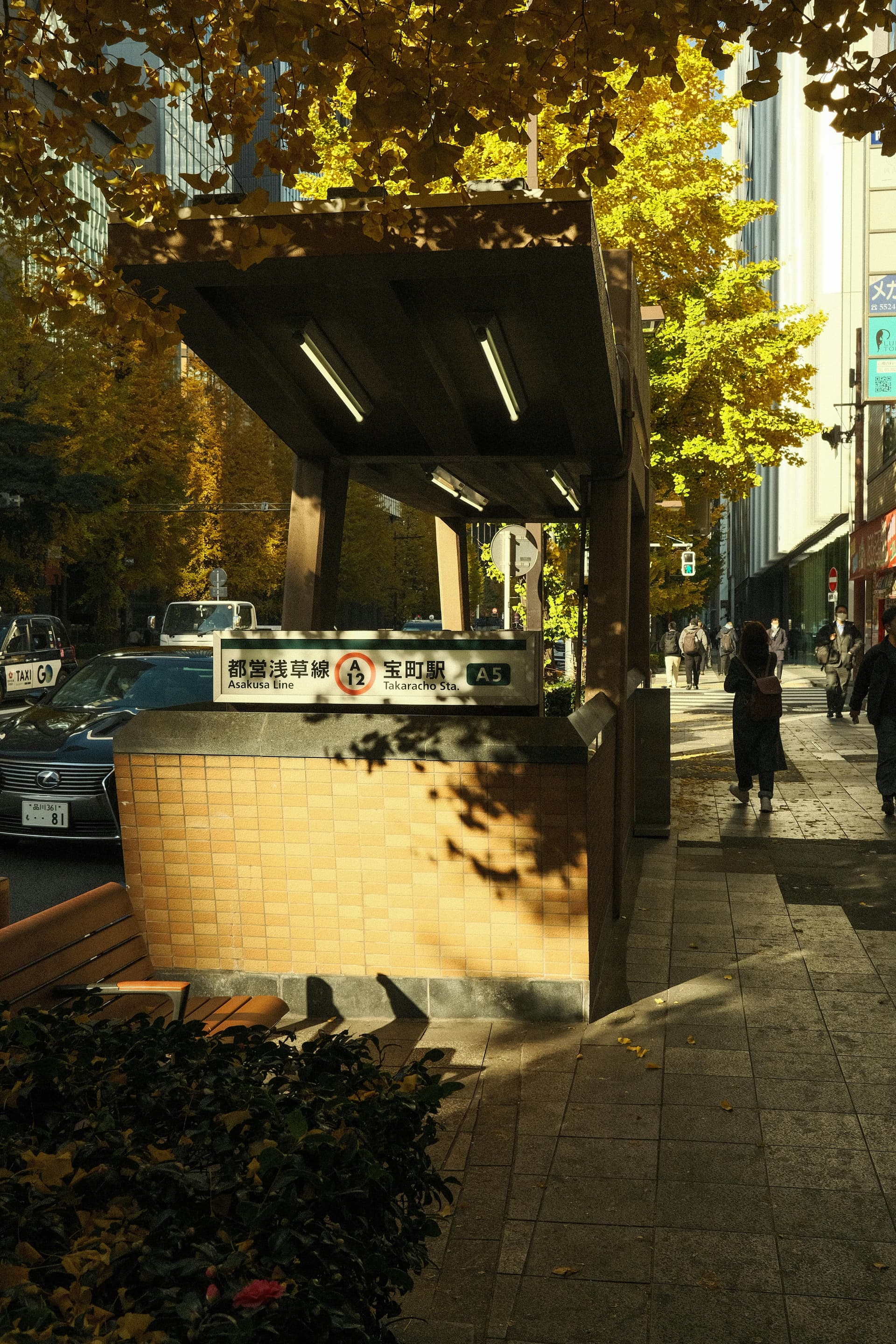
Where to Stay
Where to Stay in Tokyo for Day Trips
Choose the best areas to stay in Tokyo for day trips to Hakone, Nikko, Kamakura, and beyond, with fast rail access.
Discover more
Where to Stay
Where to Stay in Tokyo on a Budget
Explore the best budget-friendly areas to stay in Tokyo, with affordable hotels, great transport access, and local character.
Discover more
Where to Stay
Where to Stay in Tokyo with Kids, Strollers & Mobility Needs
Where to stay in Tokyo with kids: best areas and hotels for families with strollers or mobility needs, with step-free access and easy transport.
Discover moreWhere to stay in Tokyo matters less by neighborhood name and more by walking distance to the nearest train station — 5 minutes or less shapes your entire trip.
Travelers spend hours comparing Shinjuku, Shibuya, and Ginza as if one neighborhood holds the key to a better trip. The difference between them is seven to fifteen minutes on a train.
The question that shapes your daily experience isn't which famous neighborhood sounds best. It's how far you'll walk from your hotel door to the train platform—and whether you'll repeat that walk six or eight times a day for a week.
Travelers who book hotels far from stations regret it by the second or third outing. Those who stay close to a train rarely think about location at all.
The Five-Minute Rule
Experienced Tokyo travelers follow one rule: stay within a five-minute walk of a station. That walk time matters more than the neighborhood name on your hotel listing.
What "near the station" actually means
Hotels advertise "near Shibuya Station" or "steps from Shinjuku," but these phrases hide real variation. Tokyu Stay Shibuya is ten minutes from the JR west exit. Granbell Hotel Shibuya is three minutes from the Shinminami gate. That seven-minute difference adds up to nearly an hour of extra walking each day.
Japanese real estate is priced by proximity to stations for a reason. Every extra minute of walk time compounds across multiple daily outings—to breakfast, to the first attraction, back for a midday break, out again for evening plans, and home at night.
Platform, not entrance
The walk time that matters is door-to-platform, not door-to-station-entrance. A hotel might sit three minutes from a station building but ten minutes from the platform you need.
Major Tokyo stations span multiple buildings, operators, and floor levels. Reaching the correct platform requires navigating underground passages, crossing ticket gates, and climbing multiple staircases. For a deeper look at how the system works, see our guide to Tokyo's subway.
The hidden 10 minutes inside Shinjuku
Shinjuku Station has over 200 exits serving five rail operators and 36 platforms. First-time visitors need ten to twenty minutes to navigate from any platform to the correct street exit. A 2020 passageway improvement reduced east-west crossing time by ten minutes—which reveals how long that walk used to take.
A hotel "near Shinjuku" that requires a twelve-minute walk plus fifteen minutes of station navigation provides worse access than a hotel three minutes from a smaller Yamanote Line station like Tabata or Nippori.
At Shibuya Station, walking from one end to the other takes fifteen minutes. That hidden time never appears in hotel descriptions.
The Yamanote Equalizer
Tokyo has no center. The city is polycentric, and the train network treats all major areas as equally accessible.
20 minutes from anywhere
The JR Yamanote Line connects every major tourist district in a continuous loop. Trains run every two to four minutes during peak hours and every three to five minutes off-peak. For an overview of all your transport options, see our guide to getting around Tokyo.
Ueno to Shinjuku: twenty to twenty-five minutes, direct. Shibuya to Shinjuku: seven minutes, three stops. Asakusa to Shibuya: thirty-three to thirty-seven minutes on the Ginza Line, no transfer required.
These travel times are shorter than most visitors expect. The difference between staying in a "good" location and a "bad" one is ten to fifteen minutes of train time—not hours.
Where Ueno beats Shibuya
Ueno provides Yamanote Line access plus something Shibuya lacks: Shinkansen connections. Travelers taking day trips to Kyoto, Nikko, or other bullet train destinations save a transfer by basing in Ueno. JR Pass holders going to Nikko get the trip fully covered from Ueno; from Shinjuku, they pay a supplemental fare for the Tobu railway portion.
Nippori, two stops from Ueno, offers Keisei Skyliner access to Narita Airport in thirty-six minutes. Shibuya and Shinjuku require a transfer to reach either major airport. For more on airport transfers, the choice of base station matters.
The thirty-minute Asakusa-to-Shibuya journey is comparable to the time travelers spend navigating inside Shinjuku Station. Once you account for in-station walking, eastern Tokyo neighborhoods lose almost no time compared to western Tokyo's famous districts.
Where Value-Focused Travelers Stay
First-time visitors default to Shinjuku and Shibuya because they recognize the names. Travelers who prioritize space, quiet, or budget choose differently.
The Asakusa trade-off
Asakusa is served primarily by the Ginza Line, which limits direct connections compared to Shinjuku's eleven rail lines. That's the trade-off.
The advantages: Hotels in Asakusa and Ueno cost less than equivalent options in Shinjuku, Shibuya, Ginza, or Roppongi. Rooms are larger at the same price point. Mimaru Tokyo Asakusa offers apartments from thirty-five to seventy-five square meters that accommodate families of four to eight—sizes nearly impossible to find in Shibuya without paying double.
The area is quieter at night, which some travelers see as a disadvantage and others see as relief after a day of crowds. Mornings are less overwhelming, with fewer tourists near Senso-ji Temple before 9 AM.
Eastern Tokyo's hidden advantages
Beyond Asakusa, areas like Ueno, Nippori, and the Yanaka neighborhood offer what repeat visitors learn to value: space, quiet, and a more residential Tokyo atmosphere at lower cost. For a fuller picture of each area's character, see our neighborhood breakdown.
Shimbashi, south of Ginza, is another area experienced travelers recommend. The streets under the train tracks—called gado-shita—are packed with izakaya where salarymen unwind after work. Yakiton Mako-chan, with four Shimbashi locations, draws crowds for its grilled pork skewers with secret sauce. It's a local scene without the tourist density of Shibuya's entertainment district.
Northern Yamanote stations—Tabata, Nippori, Nishi-Nippori, Komagome—rank among the most affordable on the line while providing the same Yamanote connectivity as Shibuya or Shinjuku. Tabata is sixteen minutes direct to Shinjuku. These stations lack nightlife and shopping, but travelers who prioritize sleep and value find them ideal.
Neighborhood Breakdown
Tokyo neighborhoods aren't interchangeable. Shinjuku works for nightlife and transit access. Asakusa fits budget travelers. Ginza serves luxury seekers. Pick based on what you actually need.
Shinjuku
Vibe: Dense, neon-lit, perpetually moving. The world's busiest station anchors a district that sprawls in five directions — corporate towers west, entertainment east, upscale shopping south, and narrow bar alleys tucked between.
Budget range: ¥8,000-30,000/night for hotels. Business hotels cluster near the station; luxury options rise in the towers.
Pros:
- Best transit access in Tokyo — 11 rail lines, direct to everywhere
- Maximum density of food, shopping, entertainment
- Free observation deck at Metropolitan Government Building
- Shinjuku Gyoen for green space escape
- Golden Gai and Omoide Yokocho for nightlife depth
Cons:
- Crowds at all hours — not for people who want quiet
- Station complexity — 200+ exits, easy to get lost
- Kabukicho's aggressive nightlife touts
- Noise from neon and late-night activity
Best for: First-time visitors who want maximum access, nightlife seekers, travelers who value transit efficiency over neighborhood atmosphere.
Read more: Shinjuku Guide
Shibuya
Vibe: Youth culture center. Fashion, music, trends emerge here before spreading across Japan. The scramble crossing is iconic; the energy is relentless.
Budget range: ¥10,000-25,000/night. Mix of business hotels and boutique properties.
Pros:
- Direct access to Harajuku, Omotesando, and youth fashion culture
- Major transit hub — Yamanote Line and multiple subways
- Shopping density unmatched for fashion and trends
- Shibuya's best spots for culture and shopping
- Nightlife without Shinjuku's intensity
Cons:
- Crowds concentrated around station and crossing
- Less traditional culture than other areas
- Hotels face premium pricing for location
- Not the best base for temple/shrine exploration
Best for: Fashion-focused travelers, younger visitors, anyone who wants to be where trends emerge. Not ideal for travelers seeking quiet or traditional Tokyo.
Read more: Shibuya Guide
Ginza
Vibe: Upscale, polished, retail-focused. Tokyo's luxury shopping district with department stores, flagship boutiques, and high-end dining. Saturdays and Sundays, the main street closes to cars — pedestrian paradise.
Budget range: ¥20,000-100,000+/night. Mid-range to luxury hotels; budget options scarce.
Pros:
- Direct walking access to Tokyo Station (10-15 min)
- Highest concentration of luxury shopping and dining
- Depachika (department store food halls) for quality food shopping
- Weekend pedestrian-only streets
- Cleaner, more organized than Shibuya or Shinjuku
Cons:
- Premium hotel pricing
- Limited budget accommodation
- Less nightlife than Shibuya or Shinjuku
- Can feel sterile compared to livelier districts
- Traditional culture requires travel to other areas
Best for: Luxury travelers, shopping-focused visitors, business travelers who want central locations and polish. Good for travelers who value walkable streets and upscale dining.
Read more: Ginza Guide
Asakusa
Vibe: Traditional Tokyo with tourist infrastructure. Sensoji Temple anchors the district; Nakamise shopping street leads to it. Old Tokyo atmosphere preserved amid modern hotels.
Budget range: ¥5,000-20,000/night. Best budget-to-mid-range value in central Tokyo.
Pros:
- Best value accommodation in central Tokyo
- Direct access to Tokyo's oldest temple (Sensoji)
- Traditional atmosphere and craft shops
- Kappabashi kitchenware district for food-focused travelers
- Sumida River views and Tokyo Skytree walkable
- Less overwhelming than Shinjuku or Shibuya
Cons:
- Tourist crowds at Sensoji during peak hours
- Less nightlife than central districts
- Fewer transit lines — mainly Ginza Line and Tobu
- Not ideal for hopping between distant attractions
Best for: Budget travelers, visitors seeking traditional Tokyo atmosphere, first-timers who want one iconic temple experience without navigating multiple districts.
Read more: Asakusa Guide
Roppongi
Vibe: International, nightlife-focused, art-centered. Foreigners and Japanese mix in bars and clubs; Mori Art Museum and National Art Center anchor the cultural side.
Budget range: ¥15,000-50,000/night. Mid-range to upscale, with some business hotels.
Pros:
- Best nightlife for international crowd — bars and clubs with English-speaking staff
- Major art museums (Mori, National Art Center)
- Roppongi Hills observation deck
- Direct transit to Ginza, Shibuya, Asakusa
- Mix of upscale and accessible options
Cons:
- Nightlife intensity — aggressive club promoters at times
- Can feel more "expat Tokyo" than local Tokyo
- Limited budget accommodation
- Not ideal for traditional culture seekers
Best for: Nightlife seekers who want international atmosphere, art-focused travelers, business travelers with evening entertainment needs.
Read more: Roppongi Guide
Akasaka
Vibe: Quiet upscale, government district. Embassy area with refined hotels, less tourist traffic, and solid restaurant options. Business-focused but residential-calmer than Marunouchi.
Budget range: ¥12,000-35,000/night. Business hotels to mid-range upscale.
Pros:
- Quieter than Shinjuku, Shibuya, or Ginza
- Good transit — multiple subway lines
- Upscale dining without Ginza pricing
- Walking distance to Imperial Palace grounds
- Less tourist infrastructure means less tourist crowds
Cons:
- Limited nightlife compared to Roppongi or Shibuya
- Fewer "iconic" tourist attractions in immediate area
- Can feel sleepy for visitors wanting energy
- Not the best base for hopping between major attractions
Best for: Business travelers, visitors who want quiet sleep after active days, travelers who prioritize hotel quality over neighborhood energy.
Marunouchi
Vibe: Corporate, polished, station-centered. Tokyo Station's Imperial Palace side — luxury hotels, flagship offices, high-end shopping in a controlled environment.
Budget range: ¥25,000-80,000+/night. Luxury focus; few budget options.
Pros:
- Direct access to Tokyo Station — best transit hub in Japan
- Walking distance to Imperial Palace East Gardens
- Things to do around Tokyo Station
- Luxury hotels with palace views
- Premium shopping and dining without Ginza's crowds
- Cleanest, most organized neighborhood experience
Cons:
- Premium pricing for location
- Limited budget or mid-range options
- Corporate atmosphere — can feel sterile
- Nightlife requires travel to other districts
- Traditional culture requires transit
Best for: Luxury travelers, business travelers, anyone who wants maximum transit efficiency and polished surroundings. Ideal for travelers arriving/departing via Tokyo Station.
Read more: Marunouchi Guide
Ueno
Vibe: Cultural center with budget base. Museums cluster around the park; Ameyoko market offers cheap shopping; budget hotels fill the gaps. Working-class Tokyo preserved.
Budget range: ¥5,000-15,000/night. Best budget accommodation concentration in Tokyo.
Pros:
- Best budget hotel concentration in central Tokyo
- Direct access to Ueno Park — museums, zoo, green space
- Tokyo National Museum and multiple cultural institutions
- Ameyoko market for cheap shopping
- Keisei Skyliner direct from Narita Airport
- Traditional atmosphere without Asakusa's tourist density
Cons:
- Working-class area — less polished than Ginza or Marunouchi
- Limited nightlife for evening entertainment
- Can feel gritty compared to upscale districts
- Fewer luxury hotel options
Best for: Budget travelers, museum-focused visitors, families (zoo, park, museums), travelers arriving via Narita who want immediate hotel access.
Read more: Ueno Guide
When Your Priority Changes Everything
The right neighborhood depends on what matters most to you.
Budget first
If cost drives your decision, the eastern neighborhoods and northern Yamanote stations are the obvious choice. Capsule hotels are another budget option worth considering — not just for the price (¥3,000–5,000/night) but for the communal bath access and the experience of sleeping in a piece of Tokyo infrastructure that dates back to 1979.
We cover specific options in our guide to staying in Tokyo on a budget.
Nightlife first
Shinjuku and Shibuya are the two main options, with different scenes. Last Yamanote trains depart around 1:00 to 1:20 AM, so hotels within walking distance of nightlife areas eliminate the taxi calculation entirely.
We detail the trade-offs in our nightlife-focused accommodation guide.
Day trips first
Day trips start at train stations, and some stations connect more smoothly than others. Ueno and Tokyo Station provide direct Shinkansen access. Shinjuku connects to Hakone and Mount Fuji. Nippori offers the fastest Narita Airport link.
We break down station connections in our day-trip-focused guide.
Accessibility first
Station elevator access varies significantly. Tokyo Metro and Toei have installed at least one barrier-free route at all subway stations, but finding that route requires navigation knowledge.
Major stations like Shinjuku pose the biggest challenges for wheelchairs, strollers, or heavy luggage. Smaller stations provide faster ground-to-platform access because they have fewer levels and simpler layouts.
Our accessibility-focused guide covers specific station evaluations.
Shopping first
Bag drop-offs change the calculation for serious shoppers. Hotels near major shopping districts allow midday returns to offload purchases rather than carrying bags for hours.
Shinjuku, Shibuya, Ginza, and Ikebukuroeach offer different shopping profiles. Distance from shopping floors to hotel room—not just distance to "the station"—determines convenience.
We compare shopping-centric areas in our shopping-focused accommodation guide.
How to Choose
Match your neighborhood to your actual trip priorities:
| If you want... | Best neighborhood |
|---|---|
| Maximum transit access | Shinjuku or Marunouchi |
| Budget accommodation | Asakusa or Ueno |
| Nightlife intensity | Shinjuku or Shibuya |
| Upscale shopping/dining | Ginza or Marunouchi |
| Traditional atmosphere | Asakusa |
| International nightlife | Roppongi |
| Quiet sleep, quality hotel | Akasaka or Marunouchi |
| Museums and culture | Ueno |
| Fashion and youth culture | Shibuya |
The mistake most travelers make: Choosing based on "central" without understanding what that means. Tokyo has multiple centers. Shinjuku is central for transit. Ginza is central for luxury. Ueno is central for museums. Asakusa is central for tradition.
Pick the center that matches what you actually want to experience.
Where Private Tours Fit
A private guide doesn't change where you stay. It changes what you get from where you stay. A traveler in Shinjuku can spend hours lost in the station's complexity or two hours with a guide who teaches the exit system. A traveler in Asakusa can wander Sensoji's crowds or follow a guide to craft workshops the tourists miss.
For details on what private tours cost and when they make sense, see our Tokyo private tours overview.
Ready to book? We offer private tours across Tokyo's neighborhoods, each designed for the area it covers. Start with Tokyo Essentials for orientation, or browse our full private tour options.
Checking Any Hotel's Real Location
Before booking any Tokyo hotel, verify the actual walk time yourself. Hotel descriptions optimize for marketing, not accuracy.
The Google Maps test
Enter the hotel address and the nearest station name into Google Maps. Select walking directions. The result shows the route and estimated time.
Add five to ten minutes for in-station navigation if the nearest station is a major hub: Shinjuku, Shibuya, Ikebukuro, Tokyo Station, or Ueno. These stations require platform-to-exit walking that doesn't appear in door-to-entrance estimates.
For hotels near smaller Yamanote stations, the Google Maps walk time is accurate. Stations like Tabata, Nippori, Meguro, or Tamachi have simpler layouts with fewer levels between platform and street.
Which exit matters
At major stations, "near the station" means different things depending on which exit. A hotel on Shinjuku's west side offers poor access for travelers whose plans center on eastern Shinjuku's nightlife—despite being "near Shinjuku Station."
Before booking, identify which station exit your hotel uses and whether that exit serves your likely daily routes. For a complete breakdown of how station exit systems work—including why Shinjuku, Shibuya, and Tokyo Station consistently confuse visitors—see our map-reading guide.
This guide is published by Hinomaru One, a Tokyo-based private tour operator.