Discover 12 easy day trips from Tokyo that reveal Japan’s serene beauty and timeless charm — all just a short train ride away.
Discover 12 easy day trips from Tokyo that reveal Japan’s serene beauty and timeless charm — all just a short train ride away.
Twelve destinations within two hours of Tokyo offer everything from UNESCO temples to coastal towns to mountain trails. Most visitors choose 1-2 day trips during a week in Tokyo—enough for contrast without sacrificing Tokyo's own depth.
This guide covers where to go, how to get there, and what makes each destination worth (or not worth) the journey.
Quick Reference: All Destinations Compared
| JR Pass | Difficulty | Best Season | Crowds | |||
|---|---|---|---|---|---|---|
| Yokohama | 30-45 min | Urban | Yes | Easy | Year-round | Moderate weekends |
| Kawagoe | ~1 hr | Heritage | Yes/IC | Easy | Year-round | Low midweek |
| Kamakura | ~1 hr | Culture/Coast | Yes | Easy | June, year-round | High weekends |
| Mount Takao | ~1 hr | Nature | No | Easy | Autumn | High Nov weekends |
| Hakone | 1.5-2 hrs | Nature/Art | Partial | Moderate | Winter | High weekends |
| Enoshima | 1-1.5 hrs | Coast | Partial | Easy | Summer | High summer weekends |
| Chichibu | 1.5-2 hrs | Nature | Partial | Moderate | Spring/Autumn | Low |
| Nikko | ~2 hrs | Culture | Yes | Challenging | Autumn | Very high weekends |
| Mt. Fuji area | 2-2.5 hrs | Nature | Partial | Moderate | Winter/Spring | High weekends |
| Hitachi Seaside Park | ~2 hrs | Nature/Seasonal | Yes | Easy | Late April, Mid-Oct | Extreme during blooms |
| Mashiko | ~2 hrs | Crafts | Partial | Easy | Spring/Autumn | Low |
| Izu Peninsula | 2-2.5 hrs | Nature/Onsen | Partial | Moderate | Spring/Autumn | Moderate |
Reading the table: Travel time is from Tokyo Station/major hub to destination center. "Partial" JR Pass means some segments covered, additional tickets needed. Difficulty "Easy" means minimal stairs and manageable walking.
Nikko – Forest Temples & Mountain Mist
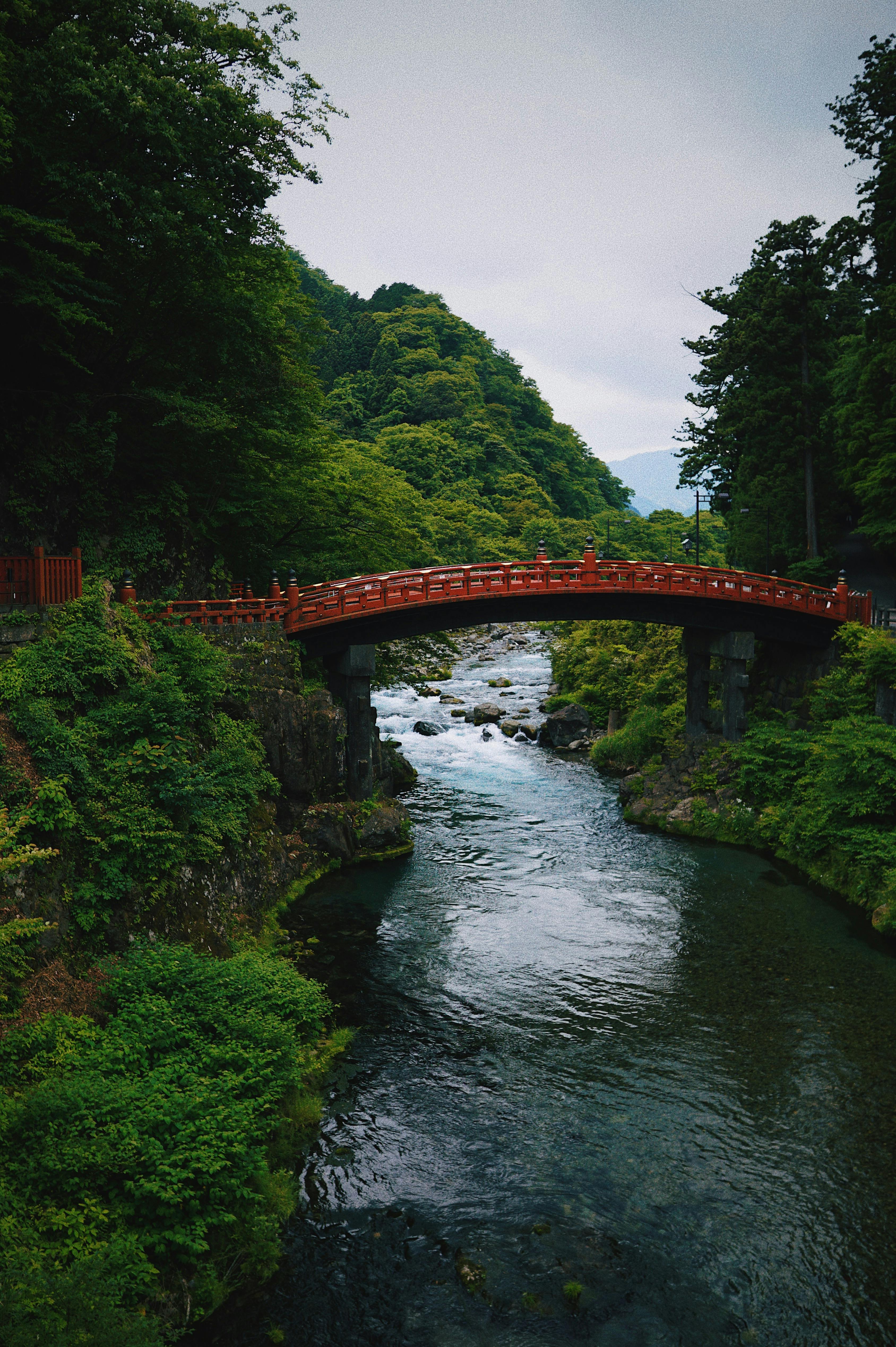 Nikko demands commitment. Two hours each way plus 5-6 hours there means leaving Tokyo at 7am and returning after 6pm. This is UNESCO World Heritage intensity—Toshogu Shrine's intricate carvings, Kegon Falls' 97-meter drop, Lake Chuzenji's mountain setting.
Worth it if you want Japan's most impressive temple complex and don't mind a full day of walking and stairs. Not worth it if you're jet-lagged, have young children, or only have 3-4 days in Tokyo total.
Toshogu Shrine's visual impact is immediate, but its layers of Tokugawa symbolism and architectural meaning are easy to miss without context. For travelers who want to understand what they're seeing beyond taking photos, guided visits bring these stories to life.
Getting There
-
From Tokyo Station: JR Tohoku Shinkansen to Utsunomiya, then JR Nikko Line (JR Pass valid, 2 hours)
-
From Asakusa: Tobu Limited Express to Tobu-Nikko Station (IC card or Tobu Pass, 2 hours direct)
Timing Matters
-
Weekdays: Manageable crowds
-
Weekends/holidays: Tour buses dominate, arrive before 8am
-
Late October-early November: Peak autumn foliage, expect maximum crowds
-
Winter: Fewer visitors but some mountain roads close
Skip Nikko during Golden Week and Obon unless you enjoy three-hour temple entry lines.
Kamakura – Buddha by the Sea
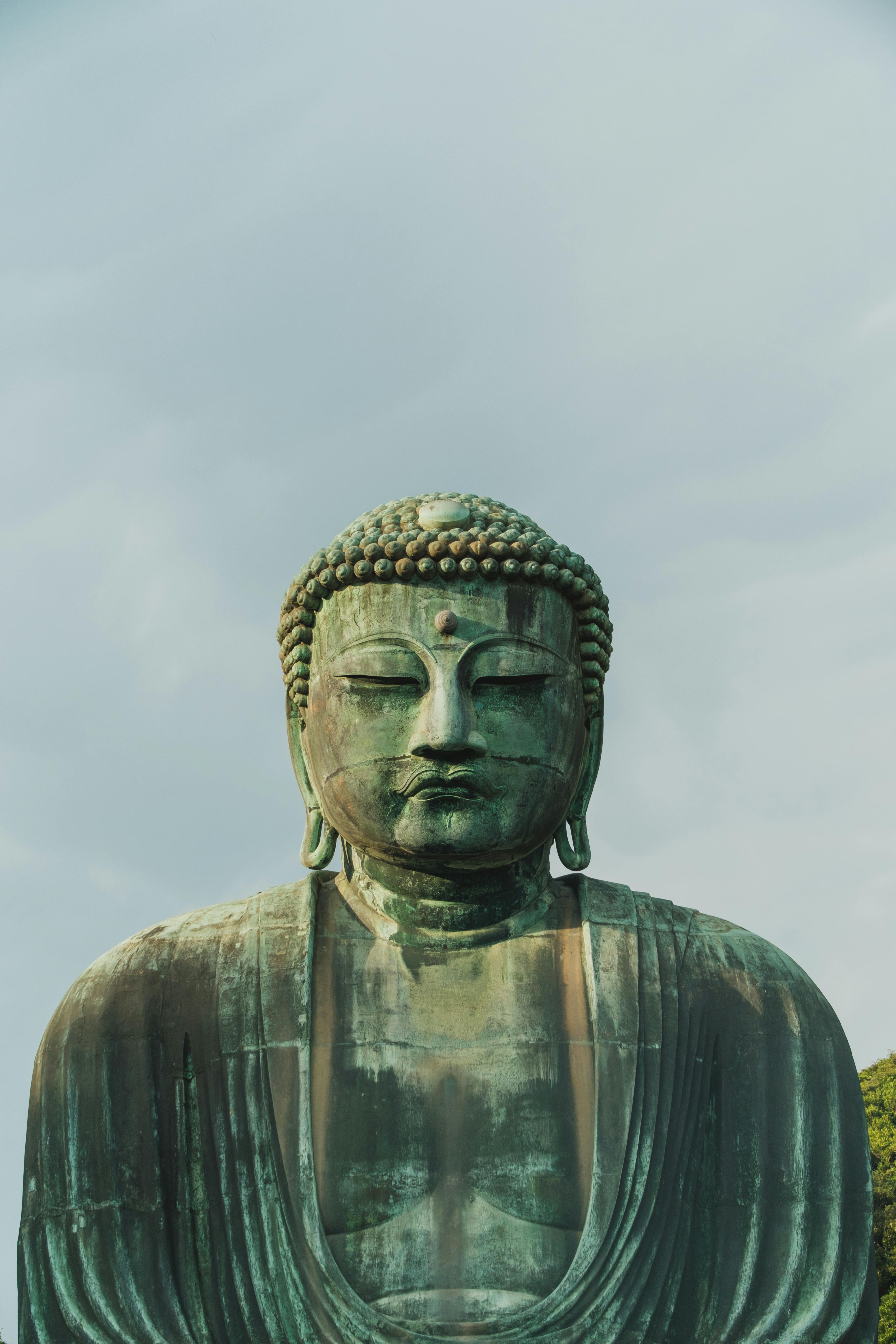 The easiest substantial day trip from Tokyo. One hour by train, coastal temples, the 13-meter Great Buddha, bamboo groves at Hokokuji. Walkable if you skip outlying sites, manageable hills, frequent train access.
Ideal for a relaxed half-day or full day without pressure. June brings hydrangea blooms at temples; other months offer steady appeal.
Getting There
-
JR Yokosuka Line from Tokyo Station to Kamakura Station (1 hour, JR Pass valid)
-
Enoden Line connects temples (IC card, charming local train)
Layout Kamakura Station sits central. Walk to Tsurugaoka Hachimangu Shrine (10 min), take Enoden to Hase for the Great Buddha and Hasedera Temple, continue to Hokokuji for bamboo grove if energy permits.
Weekday mornings see minimal crowds. Weekend afternoons fill Komachi Street's food shops.
For the full planning breakdown—temple fatigue reality, focused itinerary frameworks, DIY vs. guided trade-offs, and honest cost math—see our complete Kamakura day trip guide.
Kawagoe – Little Edo Reimagined
Closest day trip covered here. One hour to an Edo-period merchant town with preserved kura storehouses, the Time Bell Tower, and Candy Alley's traditional sweets. Low-key, pleasant, easy walking.
Works well for half-days or when you want something simple. The sweet potato treats (local specialty) are genuinely good.
Getting There
-
Tobu Tojo Line from Ikebukuro to Kawagoe (30 min, IC card)
-
JR Saikyo Line via Omiya to Kawagoe (JR Pass valid, 1 hour)
Any day works. Weekends add food stalls but also tourists. Scale expectations—Kawagoe is charming, not transformative.
Yokohama – Urban Coast & Global Flavor
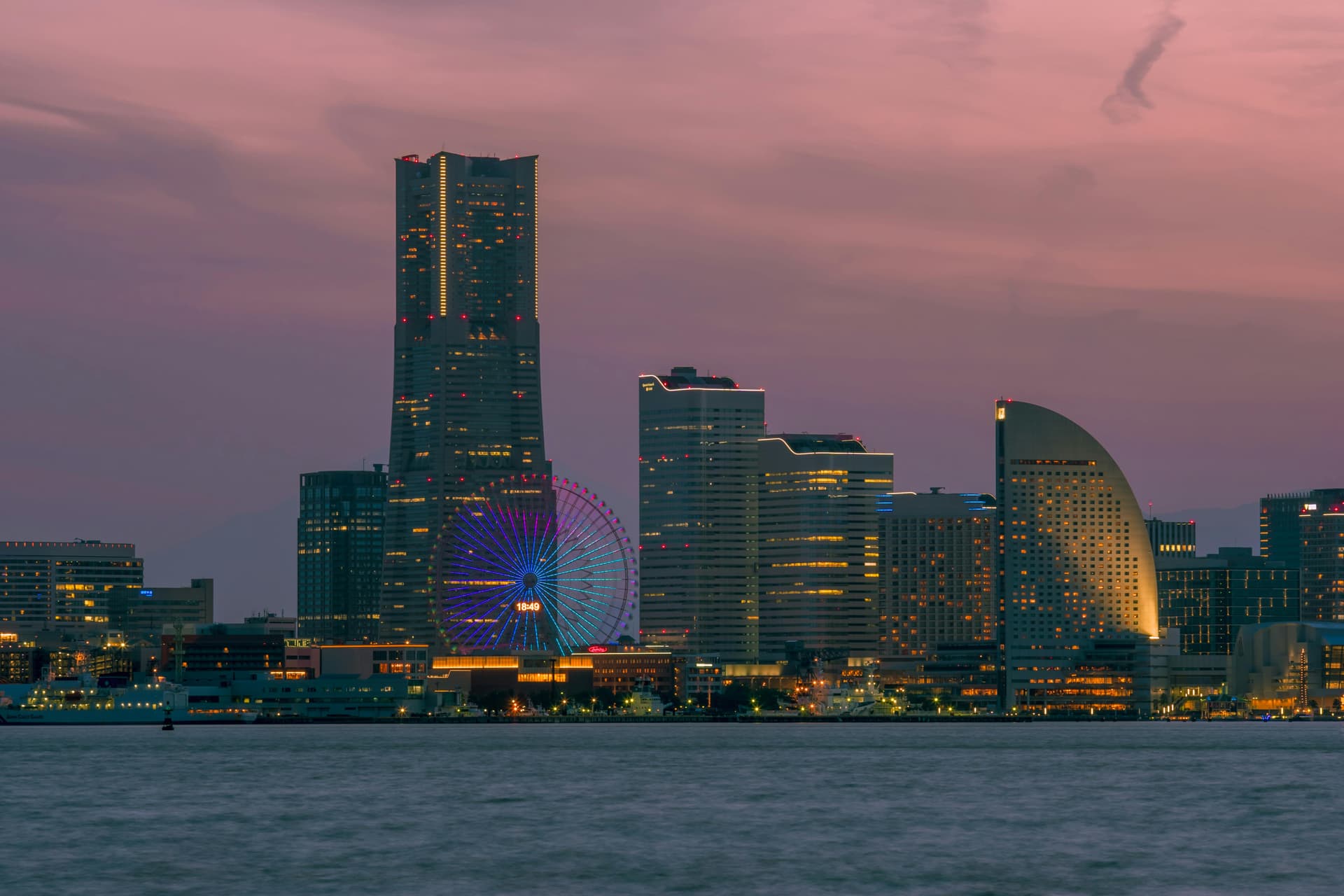
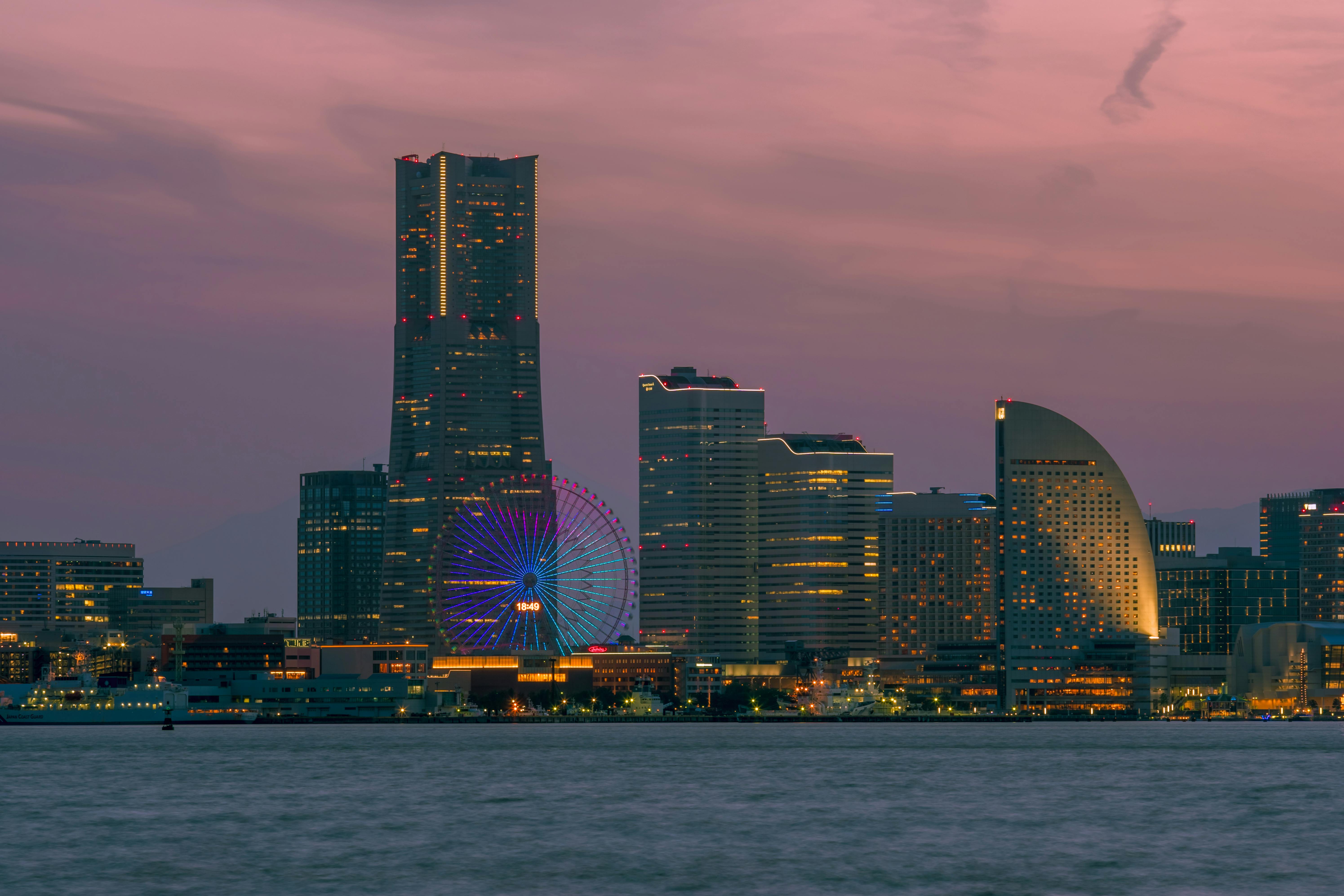 Yokohama is Tokyo's mellower, more breathable cousin. Waterfront, Chinatown, Cup Noodles Museum, red brick warehouses converted to shops. Urban but not dense, crowded but not crushing.
30-45 minutes from Tokyo by train. Perfect for an easy half-day when you want to leave Tokyo without committing to nature or temples. Families appreciate the manageable pace and diverse food options. For detailed neighborhood breakdowns and routing, we cover Yokohama's full day trip possibilities separately.
Getting There
- JR Tokaido, Keihin-Tohoku, or Yokosuka Line from Tokyo/Shinagawa (JR Pass valid, 30-45 min)
Chinatown gets packed on weekends. Waterfront areas stay accessible most times.
Mt. Fuji & Fuji Five Lakes – Picture-Perfect Peaks
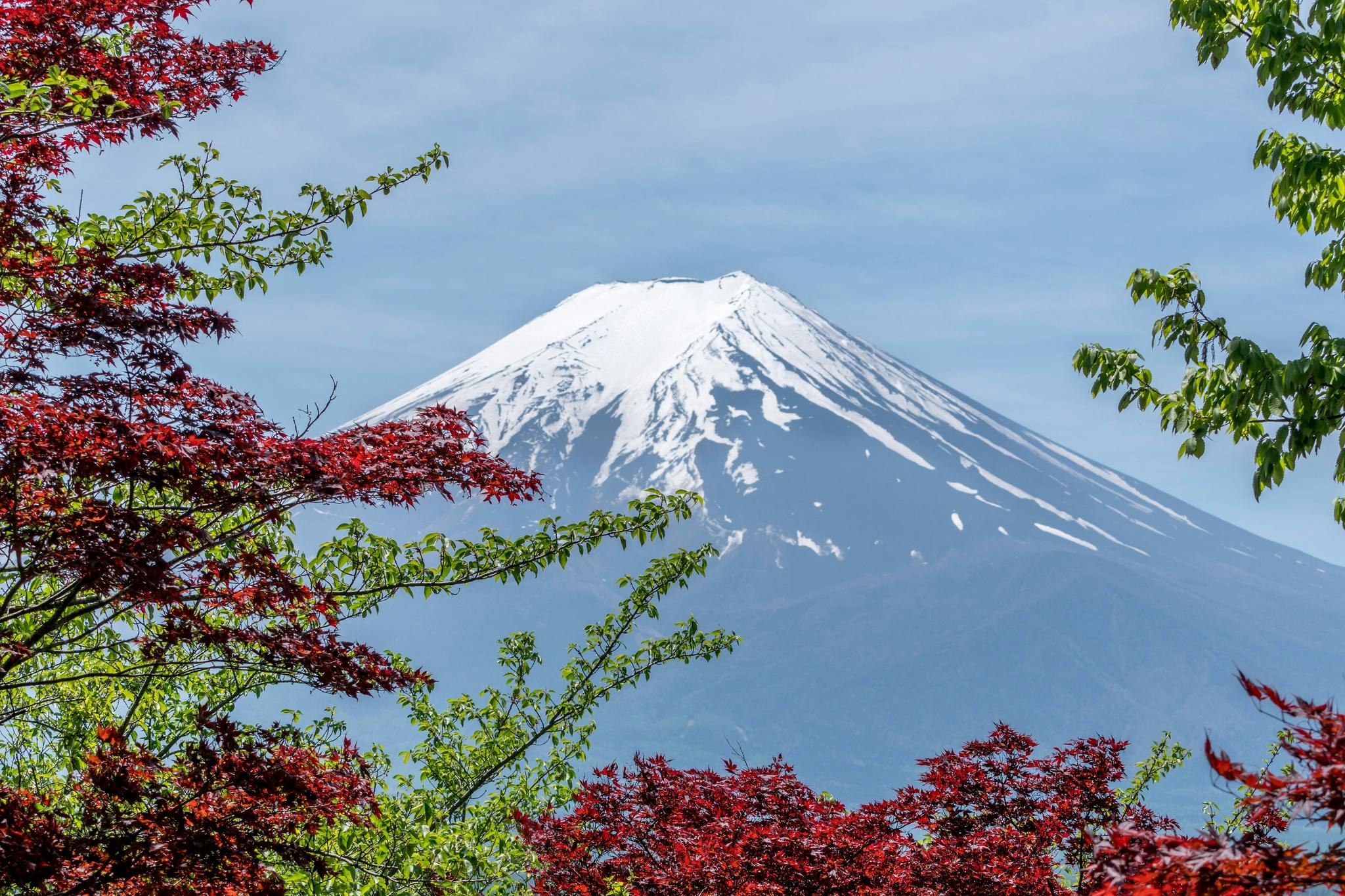 Seeing Mt. Fuji requires patience and luck. Summer clouds obscure it; winter offers best odds but cold conditions. Kawaguchiko (Lake Kawaguchi) provides classic views, ropeways, and seasonal festivals.
This is a 2-2.5 hour journey each way. Commit only if Fuji visibility matters to your trip and you're traveling in winter or early spring.
Getting There
-
Fuji Excursion train from Shinjuku to Kawaguchiko (direct, 2 hours)
-
Highway bus from Tokyo/Shinjuku to Kawaguchiko (2-2.5 hours)
Weather Facts Winter (December-February) offers clearest views due to dry air. Summer (June-August) frequently clouds the mountain. Check forecasts before committing.
The winter visibility advantage extends beyond Fuji—clear skies and 40% fewer tourists make December through February one of the strongest touring windows for Tokyo itself.
Weekend return traffic creates delays. Leave by 3pm or expect congestion.
Enoshima & Shonan Beaches – Seaside Stories
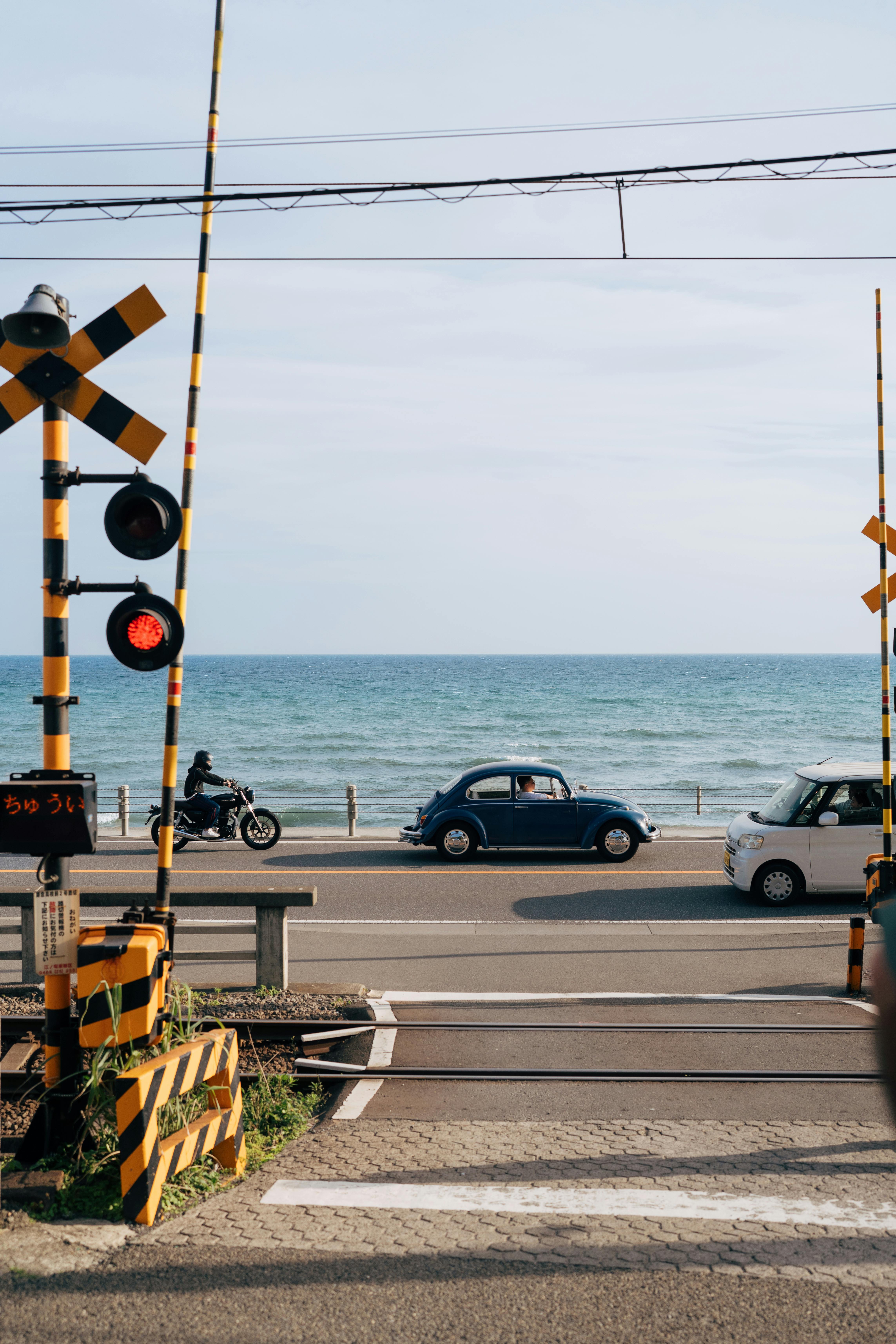 Island shrines, sea caves, lighthouse gardens, beach cafés. Enoshima combines easily with Kamakura (same train line) or stands alone as a relaxed coastal escape.
Summer weekends fill the beaches. Weekdays or off-season visits offer more space. This is casual, not profound—perfect when you want surf and simple pleasures.
Getting There
-
Odakyu Line from Shinjuku to Katase-Enoshima (1 hour direct, not JR Pass)
-
JR Tokaido Line to Fujisawa, then Enoden Line (JR Pass to Fujisawa)
Combine with Kamakura if you want temples + beach in one day.
Chichibu – Slow Roads & Seasonal Beauty
Spring flower parks, autumn temple foliage, fewer tourists than major spots. Chichibu offers scenery without intensity. Ideal for travelers who've done the Tokyo highlights and want quieter landscapes.
Requires 1.5-2 hours to reach. Best during spring blooms or fall color—otherwise, benefits don't justify travel time.
Getting There
- Seibu Red Arrow Limited Express from Ikebukuro to Seibu-Chichibu (1.5 hours)
Midweek visits find the area nearly empty. Locals appreciate but don't overwhelm this destination.
Mount Takao – Forest Walks & Temple Trails
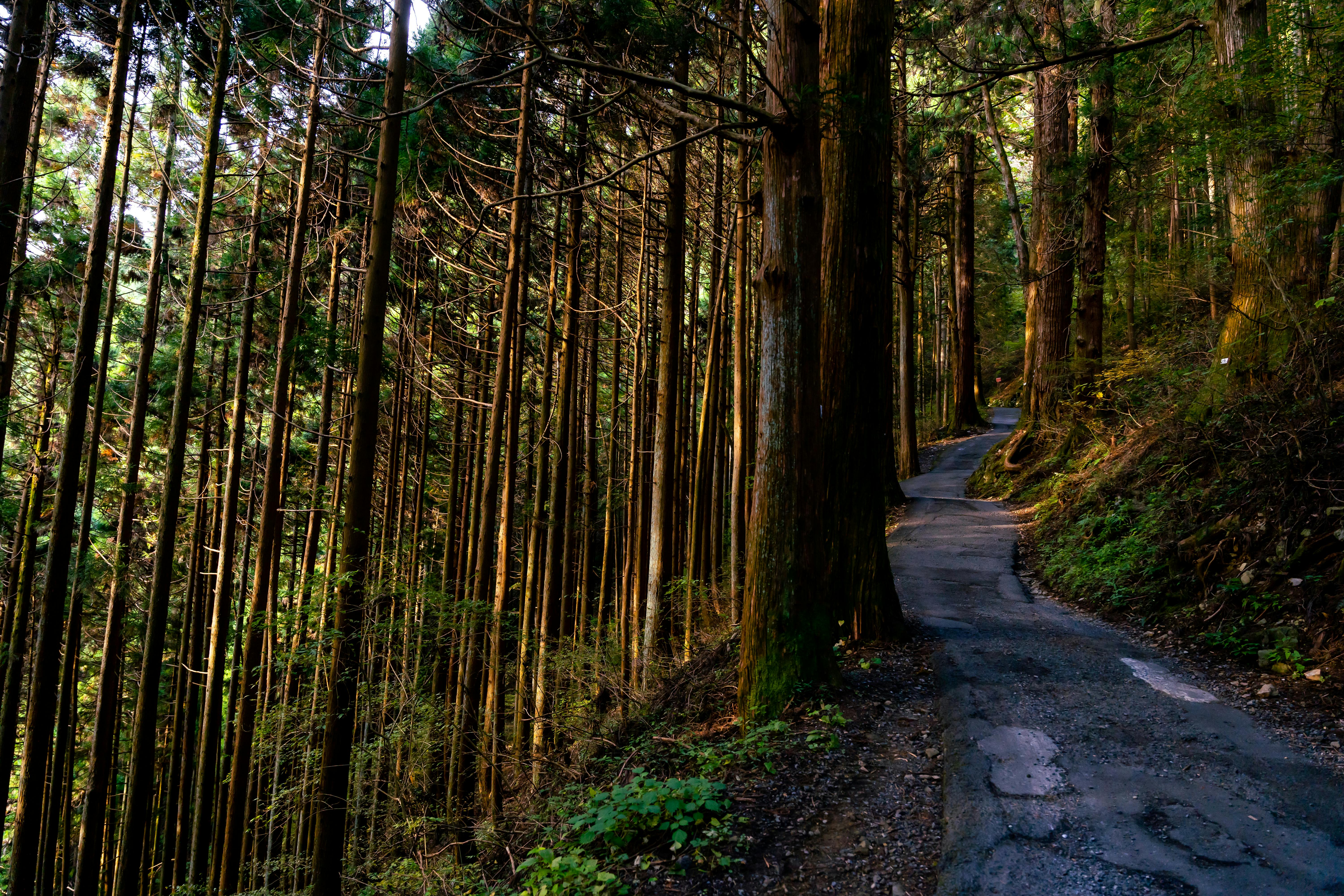 Tokyo's accessible mountain escape. Cable car or lift eliminates strenuous climbing; summit trails offer panoramic views. Autumn (especially November) brings foliage; other seasons bring quieter trails.
Under one hour from Shinjuku. Works well for half-days or when you want nature without significant travel time.
Getting There
- Keio Line from Shinjuku to Takaosanguchi (50 min, not JR Pass covered)
November weekends get crowded during foliage peak. Weekday mornings stay peaceful year-round.
Izu Peninsula – Cliff Paths & Coastal Calm
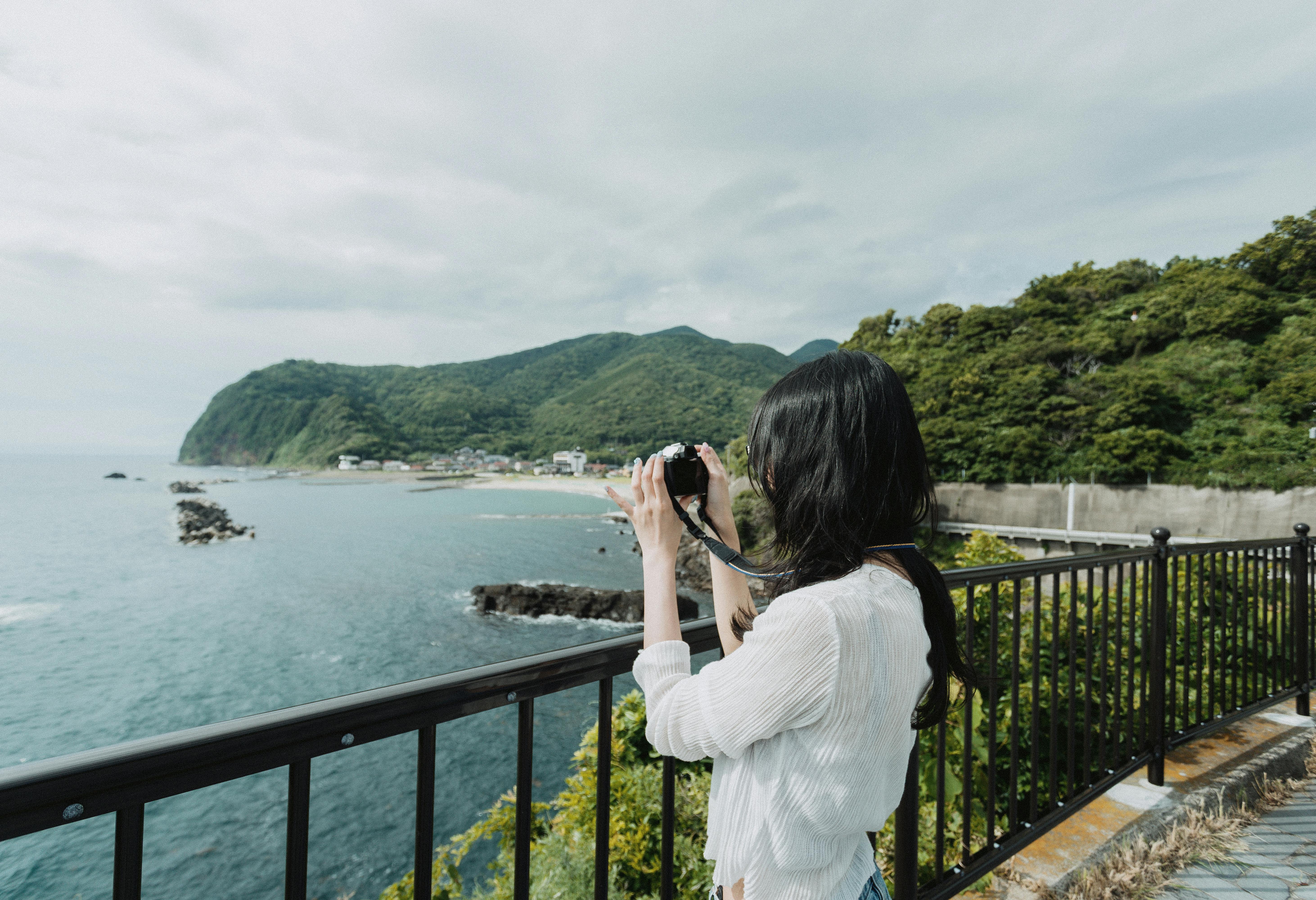 Izu requires the longest travel time: 2-2.5 hours to dramatic ocean views, onsen, and Mt. Omuro. Better for overnight stays than day trips. The coastal scenery rewards effort, but it's a full commitment.
Skip unless you're comfortable dedicating 8+ hours door-to-door and have already exhausted closer options.
Getting There
- JR Odoriko Limited Express from Tokyo/Shinjuku to Ito, Atami, or Shimoda (JR Pass partially valid)
Weekday escapes work best. Summer heat makes this uncomfortable; spring and autumn optimize conditions.
Hitachi Seaside Park – Fields in Bloom
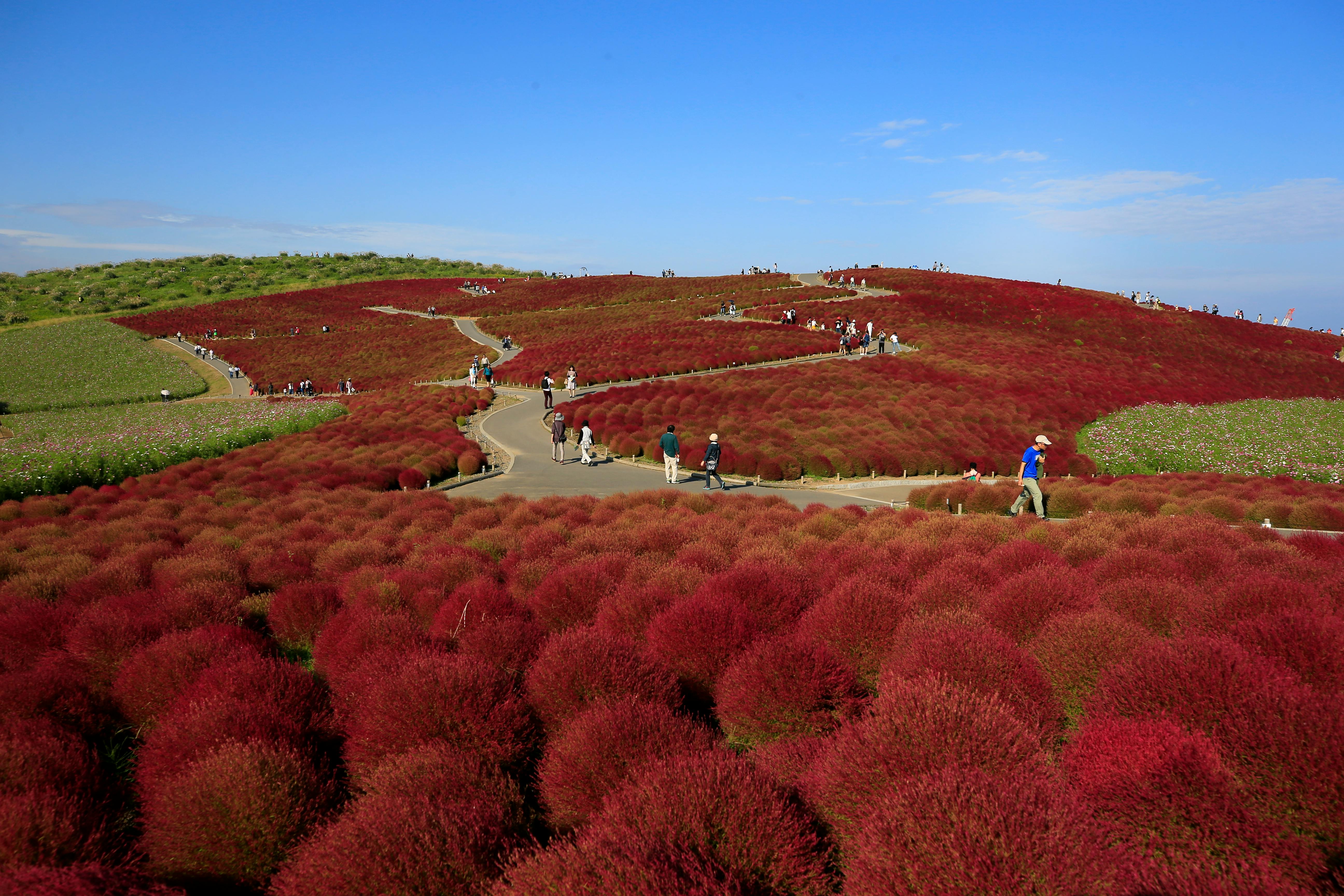 Seasonal spectacle: late April-early May for sky-blue nemophila, mid-October for scarlet kochia. Outside these windows, the park loses its appeal.
Two hours each way. Commit only if your dates align with bloom peaks. When they do, 5.3 million nemophila create surreal landscapes worth the journey.
Getting There
- JR Joban Line from Ueno to Katsuta, then local bus (JR Pass valid to Katsuta, 2 hours total)
Timing Critical
-
Nemophila: Late April-early May (peak varies 1-2 weeks annually)
-
Kochia: Mid-October (typically October 18-26)
-
Golden Week: Avoid—crowds overwhelm the park
Early morning arrivals beat crowds even during peak bloom.
Mashiko – Pottery, Peace & Craftsmanship
Mashiko's ceramics attract craft enthusiasts. Pottery workshops, kilns, galleries, and semi-annual pottery fairs (spring and autumn). Quiet, specialized, worth visiting if ceramics interest you.
Two hours from Tokyo. Skip if pottery doesn't appeal—the town's charm centers entirely on craft culture.
Getting There
- JR Utsunomiya Line to Utsunomiya, then bus to Mashiko (JR Pass to Utsunomiya, 2 hours total)
Pottery festival dates transform the town. Midweek visits otherwise find few tourists.
How to Choose Your Day Trip Strategically
Now that you've seen the options, here's how to filter 12 destinations down to what actually fits your trip:
Time Investment
-
Under 1 hour: Yokohama, Kawagoe, Kamakura
-
1.5-2 hours: Hakone, Nikko, Mount Takao, Chichibu
-
2+ hours: Izu Peninsula, Hitachi Seaside Park, Mt. Fuji area
Anything over 2 hours one-way eats your entire day. Izu requires commitment most first-time visitors shouldn't make.
Difficulty Level
-
Easy: Yokohama (minimal walking, flat, accessible)
-
Moderate: Kamakura, Hakone, Kawagoe (some hills, manageable stairs)
-
Challenging: Nikko (full day, significant walking, elevation changes)
If you're traveling with seniors or young kids, skip Nikko unless everyone's prepared for 6+ hours of active walking.
What You're After
-
Nature: Hakone, Mt. Fuji area, Mount Takao, Chichibu
-
Temples/Heritage: Nikko, Kamakura, Kawagoe
-
Urban variety: Yokohama, Enoshima
-
Seasonal spectacles: Hitachi Seaside Park (spring/autumn only)
JR Pass Coverage
-
Full: Nikko (via JR route), Kamakura, Yokohama, Mount Takao (Keio Line not covered)
-
Partial: Hakone (JR to Odawara only), Enoshima, Chichibu
-
Minimal: Mt. Fuji area often requires bus
If you don't have a JR Pass, IC card works fine for most destinations. The pass matters most for Nikko's shinkansen option.
Example Scenarios
-
5 days in Tokyo, want one nature break → Hakone or Kamakura
-
7 days, comfortable with trains, love temples → Nikko + Kamakura
-
4 days, first time in Japan, traveling with family → Yokohama or skip day trips entirely
If you're still deciding how long to spend in Tokyo, understanding how many days you actually need helps determine whether day trips fit your itinerary.
If you're planning where to base yourself, choosing accommodation near major train hubs simplifies day trip logistics significantly.
Skip Izu unless you're staying overnight. Skip Hitachi unless your dates align with bloom seasons. Skip combining multiple day trips in one day—it doesn't work.
What Breaks Day Trip Plans
Most day trip failures happen before you board the train.
Rush Hour Reality
Tokyo trains crush during morning rush (7:30-9:30am, peaking around 8am) and evening rush (5:00-7:30pm, peaking 6-7pm). If your return train hits evening rush, add 30+ minutes and accept standing room only.
Leave Tokyo by 7:30am to avoid morning crowds. Plan returns after 8pm or before 5pm when possible.
Station Complexity
Shinjuku Station has over 200 exits. Tokyo Station isn't much simpler. First-time transfers through major stations take 15-20 minutes, not five. Miss your connection and you're waiting for the next train.
Build in transfer buffer time. If a route requires changing trains at Shinjuku, add 20 minutes to your estimated journey time. Understanding Tokyo's train system before you arrive prevents most navigation stress.
JR Pass Gaps
The JR Pass doesn't cover everything. Major gaps include:
-
Hakone's main transport (Odakyu Line, ropeways, boats)
-
Enoshima access lines (Odakyu, Enoden)
-
Mount Takao (Keio Line)
-
Most Fuji area buses
Check coverage before assuming. "Partial coverage" usually means buying supplementary tickets.
Holiday Crush
| Holiday Period | Dates (2025-2026) | Impact |
|---|---|---|
| Golden Week | April 29 - May 6, 2025 | Avoid popular destinations entirely |
| Obon | August 13-16, 2025 | Peak domestic travel, severe train congestion |
| New Year | December 29 - January 3 | Many sites closed, reduced train frequency |
Weekend crowds at Hakone and Kamakura double midweek visitor counts. Nikko on a Saturday in October requires arriving at 7am to beat tour buses.
Common Mistakes
-
Trying to see Tokyo in the morning + day trip in afternoon
-
Booking only one-way tickets without checking return train times
-
Not verifying that temples/sites are open (some close Mondays or have seasonal hours)
-
Underestimating door-to-door time (hotel to actual destination, not just train time)
If plans break—train delays, missed connections, site closures—adjust down, not up. Drop a secondary site, leave earlier, or cut the trip short. Forcing a broken itinerary ruins the day.
For travelers who want destinations like Nikko or Kamakura without navigation stress—especially families, seniors, or first-time visitors—private guides handle timing, crowd strategy, and train transfers. This matters most when language barriers compound logistics.
Seasonal Planning: When Each Destination Shines
Timing matters. Hitting seasonal peaks turns decent trips into exceptional ones; missing windows diminishes experiences significantly.
Spring (March-May)
-
Nemophila at Hitachi Seaside Park: Late April-early May, peak bloom lasts 1-2 weeks
-
Early spring in Hakone and Mt. Fuji area: Best Fuji visibility as winter ends
-
Avoid Golden Week (April 29-May 6, 2025): Hakone, Nikko, Kamakura become unmanageable
Summer (June-August)
-
Kamakura hydrangea temples: June, especially Hasedera and Meigetsu-in
-
Enoshima beaches: Best weather, but avoid weekends
-
Mt. Fuji area: Frequent clouds obscure mountain views, worst visibility season
-
Avoid Obon (August 13-16, 2025): Travel congestion peaks nationwide
Autumn (September-November)
-
Nikko foliage: Late October-early November, peak varies weekly
-
Hitachi kochia: Mid-October (October 18-26 typical peak)
-
Hakone: Comfortable temperatures, moderate Fuji visibility
-
Mount Takao foliage: November, weekend crowds intense
Winter (December-February)
-
Hakone Fuji views: Clearest season, dry winter air optimizes visibility
-
Fewer crowds at most destinations except New Year (December 29-January 3)
-
Some mountain roads close at Nikko; check before planning
Weather affects day trips more than Tokyo sightseeing. Rain ruins Hitachi Seaside Park; clouds erase Mt. Fuji; winter cold makes Nikko exhausting. Check forecasts and adjust.
Most visitors find 1-2 well-chosen day trips enhance Tokyo without overwhelming it. Choose based on interests, weather, and energy—not completionism.
This guide is published by Hinomaru One, a Tokyo-based private tour operator.