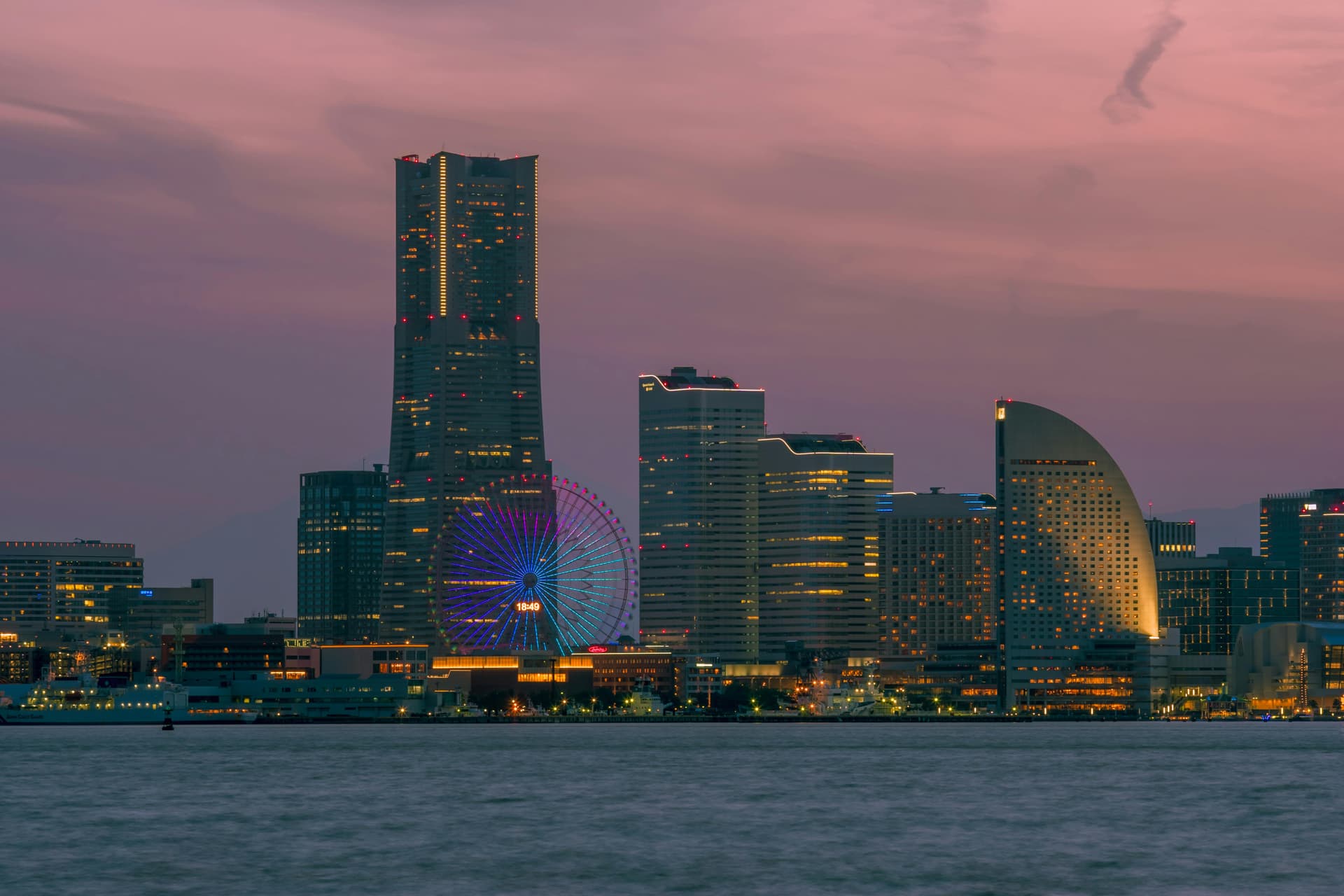
Discover Yokohama’s seaside charm, culture, and cuisine on an effortless day escape from Tokyo.
A Yokohama day trip from Tokyo looks simple on paper, since the train takes 30 minutes, but most of the work starts once you get off it. You can enjoy the waterfront, the food and the history without the logistics wrecking the day if you plan for them.
That short ride makes Yokohama feel like an easy escape. The hard part is moving around a dense city with several layers to it while keeping to a schedule. Plans tend to come apart over things people underestimate, like the size of Yokohama Station or how long it takes to get from one district to the next. This guide goes through those constraints so you can build a plan with some give in it.
What a Day Trip to Yokohama Actually Feels Like
Much of a day in Yokohama goes to logistics. None of the friction is dramatic, but it adds up, and an outing that looked easy turns into a rush.
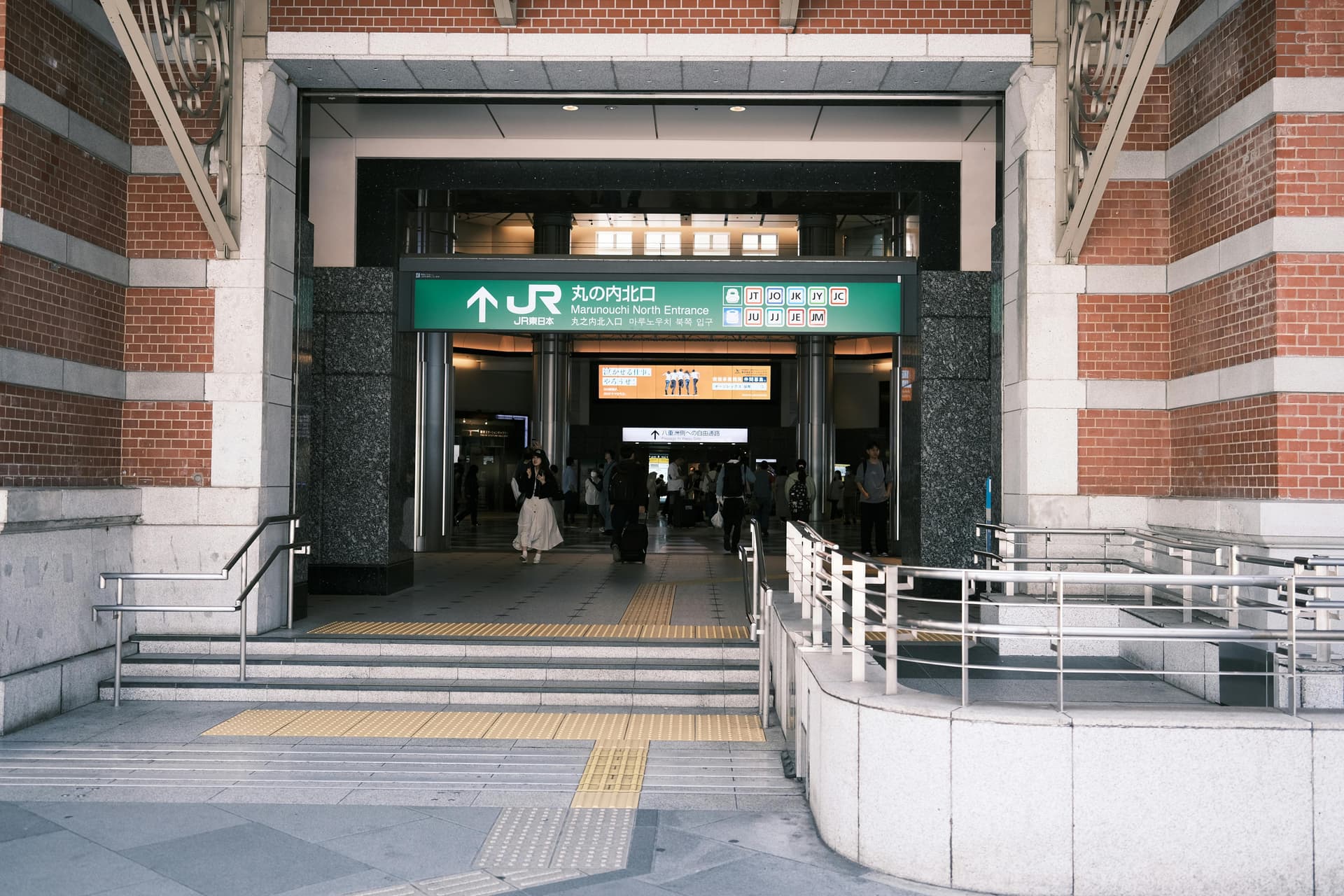
Yokohama Station is usually the first problem. It's a huge, multi-level hub where at least six train lines meet, and finding the right way through to the Minato Mirai Line for the waterfront can take 15 minutes. That's often where the schedule starts slipping.
Pacing is the next. Itineraries online tend to list CupNoodles Museum, Chinatown and Sankeien Garden as if you could tick them off in one afternoon. They're in completely different districts. Getting from the Minato Mirai waterfront to Sankeien Garden, for example, means a bus ride of over 30 minutes before you count the wait, and that's the leg most itineraries get wrong.
Where the Plan Breaks Down for Different Travellers
Yokohama's layout causes different problems for different visitors.
-
Families with young children usually find there's more walking than they expected, with few stroller-friendly routes through crowded stations or along the exposed waterfront.
-
Older visitors and anyone with limited mobility can find Minato Mirai tiring, with its multi-level malls and long walking paths with little public seating.
-
People working through a "must-see" list are the most likely to underestimate the time and energy it takes to get between places like the Shin-Yokohama Ramen Museum and the central harbor, and they end up rushing everything.
Common Misunderstandings vs. On-the-Ground Reality
A lot of plans fail because they were made from a map by someone who hasn't walked the city.
-
People assume the main sights are close together. Minato Mirai is walkable, but Sankeien Garden and the Ramen Museum each need separate transport and a fair amount of time, which splits the day up.
-
Chinatown gets treated as a quick lunch stop. It's the largest Chinatown in Japan, and its narrow streets get crowded, especially on weekends, so getting around it is slow.
-
People expect to walk straight into popular spots. Tickets for some experiences, like the workshops at the CupNoodles Museum, regularly sell out online ahead of time.
For more on structuring a day trip in Japan, a local's guide to an immersive day trip in Japan is a useful read. To compare Yokohama with other options, see our overview of the best day trips from Tokyo.
Choosing Your Transport From Tokyo to Yokohama
There's no single best train to Yokohama. The right one depends on where you start in Tokyo and where you want to be first in Yokohama, and visitors often get this wrong by assuming the routes are interchangeable.
Your departure station decides most of it. If you're staying near Shibuya, the private Tokyu Toyoko Line runs straight through onto Yokohama's Minato Mirai Line and puts you at the waterfront with no transfer. From Tokyo Station or Shinagawa, a JR line is much faster. Pick the wrong line for where you are and you can add a transfer and lose 20–30 minutes before the day has started.
Aligning Your Train With Your Itinerary
The other common slip is not matching the train to your first stop. A JR train gets you to Yokohama Station, but then you have to find your way through it to the Minato Mirai Line for places like the Red Brick Warehouse or Yamashita Park.
Get this first decision right and the rest of the day is easier to pace. Match your Tokyo departure area to the Yokohama district you're heading to first, and you skip an extra transfer before you've done anything.
Practical Differences Between Major Train Lines
It helps to think of the rail options as several competing services, each good for something different.
Tokyo to Yokohama Train Line Comparison
The three main options, side by side:
| Train Line | Typical Tokyo Departure Stations | Approximate Travel Time | Key Yokohama Arrival Station(s) | Best Suited For |
|---|---|---|---|---|
| JR Lines | Tokyo, Shinjuku, Shinagawa, Ueno | 25–40 minutes | Yokohama Station | Travellers starting near major JR hubs; Japan Rail Pass holders. |
| Tokyu Toyoko Line | Shibuya, Daikanyama, Naka-Meguro | 30–35 minutes | Minato Mirai, Motomachi-Chukagai | Visitors staying on Tokyo's west side (e.g., Shibuya) who want to go straight to the waterfront. |
| Keikyu Main Line | Shinagawa, Sengakuji | 20–25 minutes | Yokohama Station | Those starting from Shinagawa who want speed; often slightly cheaper than JR. |
You're trading convenience against transfers. JR is fast but means changing at Yokohama Station. The Tokyu Toyoko Line gets you into the waterfront district in one seat, as long as you start from one of its stations.
-
JR Lines (Tokaido, Yokosuka, Keihin-Tohoku, Shonan-Shinjuku): These run from the big hubs like Tokyo, Shinjuku and Shinagawa, and the Japan Rail Pass covers them, which matters if you have one. The catch is that you arrive at the enormous Yokohama Station and need another train or a long walk to reach most sights. Our Japan Rail Pass guide explains how the pass works.
-
Tokyu Toyoko Line: This is the most direct option if you're near Shibuya. It carries on along the Minato Mirai Line once it reaches Yokohama, so you skip Yokohama Station and get off at Minato Mirai or Motomachi-Chukagai (the Chinatown stop).
-
Keikyu Main Line: From Shinagawa, Keikyu is about as fast as JR. It's a sensible choice, but it also ends at Yokohama Station, so you face the same navigation problem on arrival.
Crowds make all of this slower. Yokohama Station is one of the busiest rail hubs in the region, the Minato Mirai side bottlenecks at peak times, and an unfamiliar layout plus crowds can easily cost you 10–15 minutes. Even buying a ticket, such as a Minato Mirai Line day pass, can eat time while you hunt for the right machine in a busy station.
Common Misunderstandings For First-Time Visitors
Many online guides present a Yokohama day trip as a checklist, and that's where the trouble begins. Small misjudgments pile up one after another until the day gets stressful.
Most of them come from the difference between how Yokohama looks on a map and how it works on the ground. First-time visitors run into this all over Japan, and choosing a base with easier rail access can remove a lot of day-trip friction.
The Myth Of Proximity
The most common trap is assuming the main sights are all near each other, and that's where most itineraries start to fall apart.
You can't walk between all the major sights in an afternoon. The Minato Mirai waterfront is walkable, but Sankeien Garden is a bus ride of over 30 minutes each way from the central port area, and sample itineraries often leave that out.
People who try to link separate zones, like the Shin-Yokohama Ramen Museum and the waterfront, often watch their schedule collapse under transit time they didn't plan for. It's worse for families with children and for visitors with limited mobility.
Underestimating Venue Realities
People also underestimate how much time and planning particular venues need.
At the CupNoodles Museum, for example, you can't count on buying a ticket at the door. Timed-entry tickets, especially for hands-on sessions like the "My CUPNOODLES Factory" workshop, often sell out online days or weeks ahead. Turn up without a booking on a weekend and you'll usually be turned away or face a long wait.
Visitors tend to go wrong here by expecting to walk in, the way they would at home, when these attractions run on strict reservations. We cover this in more detail in our guide to avoiding travel mistakes in Japan.
Misjudging Scale and Crowds
Some districts are much bigger than they look, and one of Yokohama's most famous is the usual culprit.
Chinatown is not a quick stop for a meal. Yokohama Chinatown is the largest in Japan, with over 250 shops and restaurants packed into narrow streets, and on weekends it gets very crowded. Finding one particular restaurant can take far longer than you'd expect.
The Last Train Dilemma
The last train is also more complicated than catching the final departure from Yokohama Station.
What matters is whether your connecting services within Tokyo are still running. The last train from Yokohama might get you to a big hub like Shinjuku after the local line to your hotel has stopped for the night, and then an expensive taxi is your only way home.
How Different Visitor Types Experience Yokohama
A good day in Yokohama comes from a plan that suits your group, which may not be the most ambitious plan. The city's size and layout are hard on different people in different ways.
Yokohama's main districts look close on a map but take real physical and mental energy to move between. Generic advice skips that.
Families With Young Children
For families, the day turns into a balance between the kids' stamina and the logistics.
Big stations like Yokohama weren't built with strollers in mind. You'll often detour through crowded underground passages or wait a long time for one small elevator. The long, open-air walks between places like the Red Brick Warehouse and Yamashita Park also wear children out fast.
Older Visitors and Those With Mobility Constraints
For older travelers, the main difficulty is usually the size and verticality of modern districts like Minato Mirai, which is laid out around multi-level shopping centers, big plazas and long, exposed waterfront promenades.
Where plans go wrong is in how these demands add up. There are very few public benches along the main walking routes. Changing floors in a mall or crossing a wide intersection takes effort each time, so a walk that looks short on the map ends up harder than expected.
The "Must-See" Itinerary Follower
Visitors with a checklist tend to have the most logistical stress. Tokyo's trains are so efficient that Yokohama's spread-out zones feel closer than they are.
They underestimate the time and energy it takes to get from the Shin-Yokohama Ramen Museum to the central waterfront, for instance, and the day becomes a string of rushed transfers, tiring and with no time to enjoy any one place.
Yokohama's big daily swing in population makes this worse. Tourism statistics show a daytime influx of 411,548 people, commuters and day-trippers combined, so crowds appear where you don't expect them and squeeze a tight schedule further. Read the full research about Yokohama's tourism statistics.
When pacing really matters because of mobility issues or children, some local help can change how the day runs. Our comparison of Tokyo private tours vs going at it alone explains how those friction points get handled.
A Realistic Approach to Independent Planning
Planning a day trip to Yokohama is mostly about managing risk. You want a day that can absorb the delays and crowds any big Japanese city throws at you, and a rigid minute-by-minute schedule with no slack is the classic mistake.
Start with geography. Yokohama's districts look close on a map, but moving between them takes a long time, and that's where many self-planned itineraries fail.
Grouping Attractions Geographically
If you don't want to spend half the day in transit, group what you see by area.
-
Minato Mirai Cluster: The CupNoodles Museum, Landmark Tower, Red Brick Warehouse and Yamashita Park sit in one walkable zone and fit into a single block of the day.
-
Chinatown and Motomachi: These two neighboring areas are best done together. You can pair them with Minato Mirai, but that makes for a very long, full day.
-
Sankeien Garden: This is the one that wrecks plans. It's south of the center and needs its own bus ride of at least 30 minutes each way. Trying to fit it into a day that also covers Minato Mirai is a common way to wear yourself out.
A good approach is to pick one thing you really want to do, build the day around it, and treat everything else as optional. Having a priority instead of a checklist takes a lot of pressure off. Your choice of where to stay in Tokyo for day trips also makes a big difference to your start time and how much energy you have.
Sample Itinerary: Waterfront and Chinatown
This plan sticks to the two easiest zones and leaves out Sankeien Garden, which is too far away to fit in comfortably.
| Time | Activity | Notes |
|---|---|---|
| 9:00 AM | Depart Tokyo (Shibuya Station) | Tokyu Toyoko Line runs direct onto the Minato Mirai Line, so no transfer |
| 9:45 AM | Arrive Minato Mirai Station | Exit toward CupNoodles Museum |
| 10:00 AM | CupNoodles Museum | Book timed tickets online at least a week ahead; allow 90 minutes |
| 11:30 AM | Walk to Red Brick Warehouse | 10-minute waterfront walk |
| 12:00 PM | Lunch at Red Brick Warehouse or nearby | Plenty of options; weekends get crowded after 12:30 |
| 1:30 PM | Yamashita Park and waterfront stroll | Take it easy; Hikawa Maru ship if you're interested |
| 3:00 PM | Walk to Motomachi-Chukagai | 15-minute walk or one subway stop |
| 3:30 PM | Explore Chinatown | Allow 2 hours minimum; narrow streets slow you down |
| 5:30 PM | Early dinner in Chinatown | You beat the dinner rush and get a table more easily |
| 6:30 PM | Return train to Tokyo | Arrive Shibuya by 7:15 PM |
The whole day stays inside zones that connect, with no buses and no rushed transfers, so there's room for detours and tired legs without the schedule falling apart.
If you're starting from Tokyo Station or Shinjuku, take JR to Yokohama Station and change to the Minato Mirai Line, which adds 15 minutes. If you skip the CupNoodles Museum, start at the Red Brick Warehouse around 10:30 AM and enjoy a slower morning.
Pre-Trip Preparations and Backup Plans
Do your planning before you leave the hotel. Turning up in Yokohama without the details confirmed wastes time. A week ahead, check opening hours and booking rules for the places you most want to see, because timed tickets for things like the CupNoodles Museum workshops often sell out.
Get your navigation sorted too. An address alone isn't enough.
-
Pin every place you might go, including attractions, restaurants and stations, in your map app.
-
Download the whole Yokohama area as an offline map so you're covered if you lose signal.
-
For big stations like Yokohama or Sakuragicho, look up a station map online and work out the right exit for your first stop before you arrive. That can save 15 minutes of wandering.
Have a fallback for everything. If Chinatown is packed, know somewhere else for lunch, such as the restaurants in Queen's Square. If rain rules out an outdoor stop, know which indoor museum you'll go to instead. Things will go wrong somewhere, and a backup keeps the day moving.
Mind the etiquette on trains: keep your voice down, take phone calls between carriages, and don't eat or drink. It makes the trip easier for everyone.
When Local Guidance Can Reduce Friction
Most visitors can handle a Yokohama day trip on their own. Still, planning and finding your way around a new place on a deadline can take some of the fun out of it.
Train schedules, walking distances and surprises in a dense, unfamiliar city are a lot to juggle even for good planners, and it's worth knowing when help would make the day more relaxed.
Keeping to a tight schedule is the big one, especially with children or someone with mobility needs. A route that looks efficient on the map falls apart once you add long walks inside stations, hunting for an elevator, and plain fatigue.
Navigating Language-Heavy Areas
Language can get in the way too. The big Minato Mirai attractions have English signs, but that changes once you leave the main tourist routes.
Working through a kanji-only menu in a small Chinatown restaurant, or asking for directions on the Motomachi shopping street, can be stressful and confusing.
The Complexity of Logistics and Bookings
Then there are the bookings and connections. Getting a timed ticket for a CupNoodles Museum workshop or working out the local bus to Sankeien Garden is doable, but each one adds to the planning load.
Handing those details to someone who knows them lets you enjoy the day itself instead of managing how you get around.
If you’re weighing whether guided help would actually reduce friction, this explains what the planning process typically covers: planning a private tour in Tokyo.
Your Yokohama Day Trip Questions, Answered
These are the practical questions that come up most when people plan a day trip to Yokohama.
How Much Time Do I Really Need on the Ground?
For a comfortable day in one or two main districts, such as Minato Mirai and Chinatown, plan on at least 6 to 8 hours in Yokohama, not counting the trip from Tokyo.
A full day, say 9 AM to 9 PM door to door, is more realistic if you want to see more than one area without rushing. Adding distant spots like Sankeien Garden and the Shin-Yokohama Ramen Museum to a waterfront day means a very early start, a late return, and no room for anything to go wrong.
Is Yokohama Walkable, or Will I Need Public Transport?
Yokohama has very walkable zones, but you can't walk the whole city. The main waterfront area linking Minato Mirai, Yamashita Park and the Red Brick Warehouse is fine on foot.
Getting from there to Chinatown, Sankeien Garden or Shin-Yokohama Station takes public transport. Try to walk everywhere and you'll lose a big part of the day and wear yourself out. The Minato Mirai subway line and the local buses are what make a Yokohama day trip work.
What’s the Biggest Logistical Mistake People Make?
The most common mistake is underestimating how much time and energy all the transport and navigation take, inside Yokohama as well as on the train from Tokyo. People draw lines between sights on a map and forget the walk through big stations, the wait for a train or bus, and the search for the right exit.
A close second is having no backup for food or activities, especially on weekends when Chinatown and the CupNoodles Museum get very crowded. If your trip can't absorb that kind of disruption, it's worth understanding how private guiding works in Tokyo and how a guide handles those pressures.