Discover Tokyo neighborhoods designed for comfort, space, and seamless movement for families and mobility-conscious travelers.
Where to stay in Tokyo with kids — or with a stroller or mobility needs — is a decision that removes whole neighborhoods from contention. Discover the areas designed for comfort, space, and seamless movement rather than learning the hard way at a staircase.
Tokyo's size and verticality create specific challenges when pushing a stroller, using a wheelchair, or managing limited mobility. "Accessible" here doesn't mean universally accessible—it means accessible along specific routes. The station that looks closest on a map might have stairs between you and the platform. The hotel "near" a station might require a five-minute underground walk to reach an elevator.
This guide helps you choose bases that minimize stairs, transfers, and navigation friction without sacrificing convenience. For broader context on choosing where to stay in Tokyo, see the main neighborhood guide.
What "Accessible" Actually Means in Tokyo
Tokyo Metro uses the term "One-route" to describe stations with continuous elevator or ramp access from street to platform. Toei Subway calls this a "barrier-free route." Both mean the same thing: you can get from ground level through the ticket gates to the platform without stairs.
But many stations only have partial access. An elevator might get you to the ticket gates, then stairs to the platform. Or elevators exist but require a detour through underground passages.
Major interchange stations add complexity. "Shinjuku Station" can mean multiple operators and sprawling underground corridors. The path between lines might involve long walks, level changes, or exits that appear close but hide stairs. For how Tokyo's transit system works more broadly, including navigation strategies, see the complete transit guide. Tokyo Metro has a search tool that lets you identify stations with continuous accessible routes, but you need to verify the specific path, not just the station name.
Neighborhood design matters too. Planned districts like Odaiba have wide sidewalks and modern infrastructure. Older areas like parts of Asakusa have narrow lanes, uneven surfaces, and steps into shops—charming, but wheel-hostile.
Booking Validation Checklist
Don't book based on "200 meters from the station." Book based on the exact exit you'll use.
| Validation Check | What to Verify | Why It Matters |
|---|---|---|
| Exit verification | Which station exit has elevator access (wheelchair icons on station maps). Note exact exit number/name. Confirm you can reach hotel from that exit without stairs. Check if staying above ground is possible. | "Near station" can hide stairs, slopes, or long detours to reach elevators. Distance from elevator exit matters more than distance from station name. |
| Continuous route confirmation | Use Tokyo Metro's barrier-free facility search to verify uninterrupted street-to-platform access. Check Toei station pages for accessibility info. Look for complete elevator coverage description. | Partial access means the path breaks somewhere—elevator to gates, then stairs to platform. You need continuous access. |
| Underground mall distance | Check if your route involves Shinjuku, Shibuya, or Ikebukuro underground areas. Map apps undercount stairs/elevator detours, long corridors, and level changes between operators. | These mega-hubs hide significant distance underground. Consider avoiding them as your base even with good rail connectivity. |
| Late-night access | Verify your elevator-equipped exit stays open after hours. Check latest realistic return time for your accessible route. Plan backup (taxi from nearby accessible station or earlier return). | Some entrances and accessible routes close after certain hours, stranding you without your usual elevator route. |
| Depth and throughput | Check if lines run deep underground (long vertical travel). Prioritize stations with multiple elevators. Favor routes that keep you above ground when possible. | Single elevators create bottlenecks. Deep lines mean more vertical travel time even with elevators. |
Neighborhood Accessibility Profiles
Each area below offers different trade-offs between accessibility infrastructure, location convenience, and neighborhood character.
| Area | Transit Access | Infrastructure & Character | Best For | Key Trade-offs |
|---|---|---|---|---|
| Odaiba | Yurikamome (elevated) or Rinkai Line (underground). Not on Yamanote loop. Longer travel times to central Tokyo. | Wide sidewalks, flat surfaces, modern planned layout. Open space prioritized. | Families prioritizing stroller-friendly infrastructure over location centrality. | Predictable surfaces but limited late-night options. Weather off the bay can feel colder/windier. |
| Marunouchi / Tokyo Station | Exceptional rail connectivity: Multiple JR lines (Yamanote, Chuo, Keihin-Tohoku, Tokaido, Yokosuka, Sobu, Keiyo) plus Tokyo Metro Marunouchi Line. | Massive station complex with clear wayfinding but long internal distances (10-15 min to cross). Predictable surfaces. Business-oriented. | Travelers valuing transport flexibility who can handle large-scale station environments. | Reach many destinations with fewer transfers, but station navigation takes time. Hotels expensive. Quiets after business hours. |
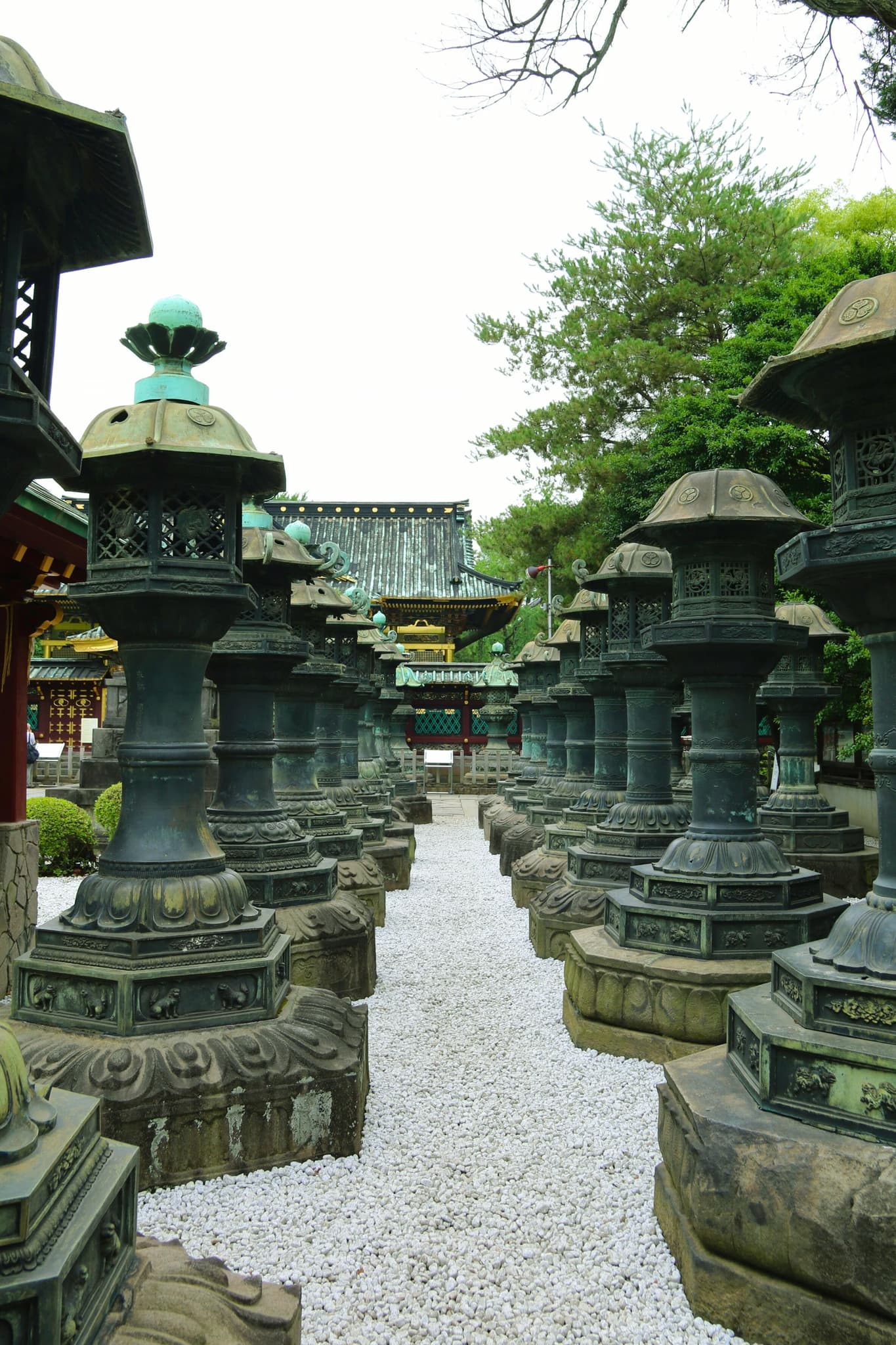
| Ueno | Good connectivity: JR Yamanote, Keihin-Tohoku, Ueno-Tokyo Line, plus Tokyo Metro Ginza and Hibiya Lines. Simpler navigation than mega-hubs. | Wide paths in Ueno Park. Straightforward station layout. Ameyoko market area can be crowded/narrow. | Families planning park and museum days who want manageable station complexity. | Limited nightlife and high-end dining nearby. Visit Ameyoko off-peak hours. |
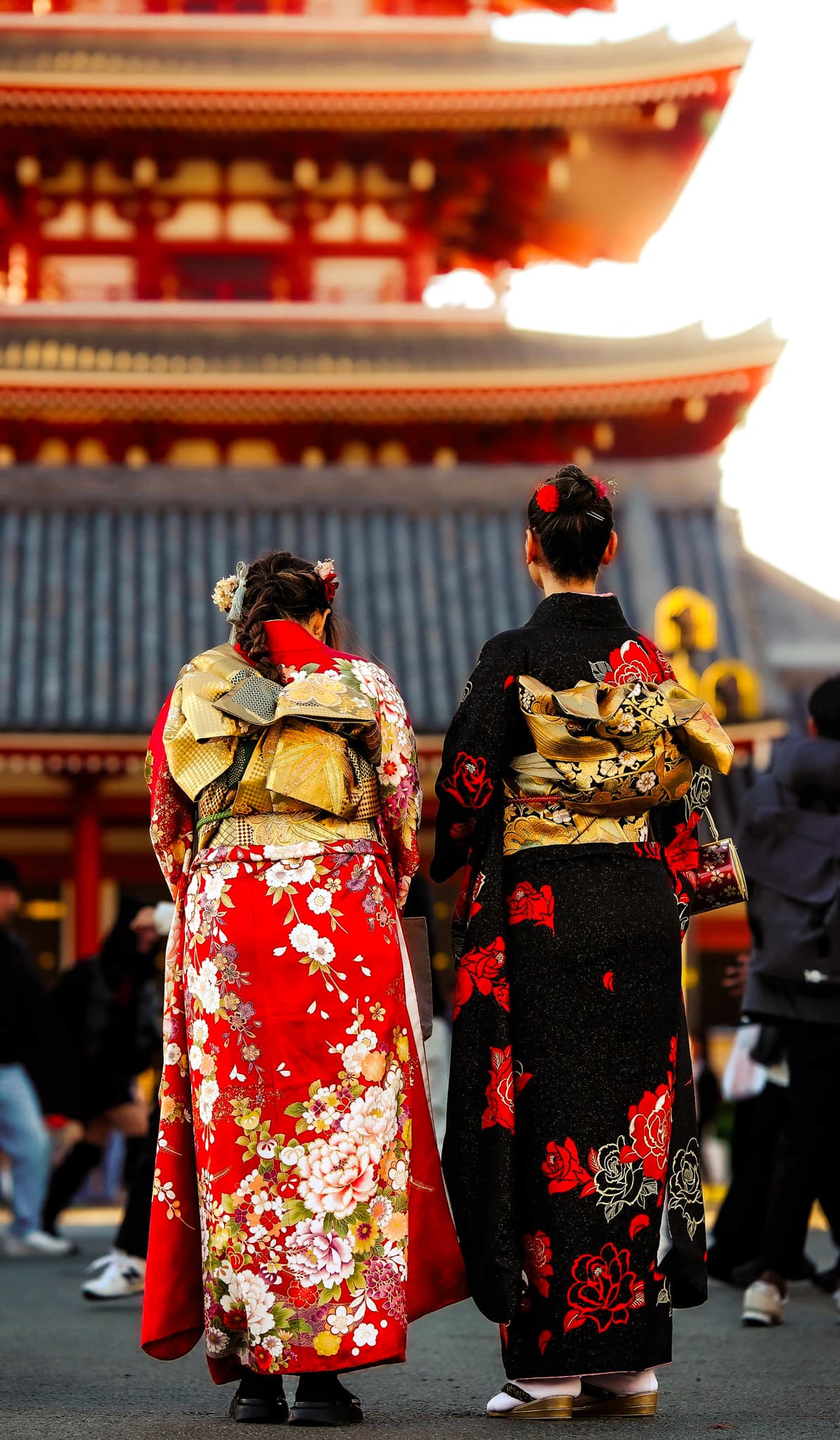
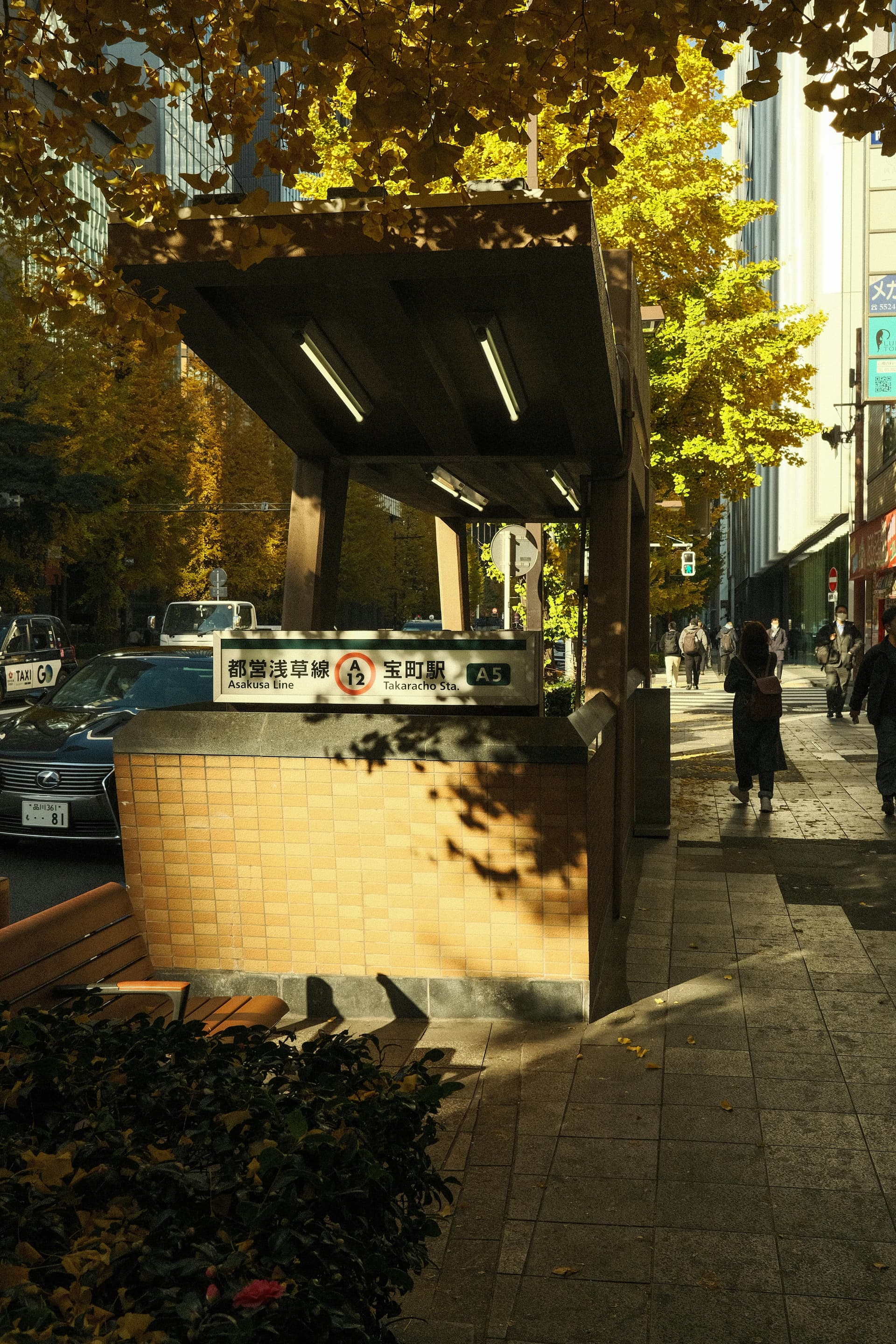
| Asakusa | Tokyo Metro Ginza Line, Toei Asakusa Line, Tobu Skytree Line. Not on Yamanote loop—connections less direct. | Traditional Tokyo atmosphere. Largely walkable but uneven surfaces in older areas. Small shops have steps. Narrow lanes. | Travelers who can tolerate uneven surfaces and prioritize neighborhood character. | Old-Tokyo feel with walkability, but not consistently smooth everywhere. Traditional properties may have small rooms. |
| Ginza | Tokyo Metro Ginza, Hibiya, and Marunouchi Lines. Well-connected. Moderate station complexity. | Modern infrastructure with wider sidewalks. Strong shopping and dining. Commercial feel. | Travelers prioritizing central location and shopping access with reliable infrastructure. | Central and convenient but expensive. Less residential character. |
| Shibuya | Major hub: JR Yamanote, multiple subway lines. Highly connected. | Extensive underground maze with significant vertical travel and long internal transfers. Heavy crowds. Elevator routes exist but can be circuitous. | Not recommended as a base if you need straightforward navigation. Context only. | Excellent connectivity comes with navigation complexity and crowd density. |
Planning note: Stay near the Marunouchi side of Tokyo Station for easier subway access. In Asakusa, consider areas toward Sumida Park rather than directly on Nakamise. In Ueno, the park/museum side offers smoother walking than the Ameyoko market side.
Station and Route Complexity Factors
Elevators don't eliminate all navigation challenges. Different factors create friction even at stations with accessible infrastructure.
| Complexity Factor | What It Means | Impact on Accessibility |
|---|---|---|
| Depth and vertical travel | Lines like Toei Oedo Line run very deep underground. Vertical travel time adds up even with elevators. | Surface-level Yamanote Line stations are generally more accessible than deep subway lines. More time in elevators = more waiting. |
| Transfer complexity | At major hubs, changing lines involves long internal walks, multiple level changes, elevator waits during rush hour, and unclear signage for accessible routes. | Even with elevators everywhere, distance and disorientation create exhaustion. |
| Elevator throughput | Single-elevator stations create bottlenecks. Multiple elevators handle crowds better and reduce wait times. | During rush hour (7-9am, 5-7pm), single elevators mean long waits. Stroller navigation through crowds becomes stressful. |
| Surface vs. underground routing | Surface routes are often simpler than underground passages. Different entrances/exits can avoid underground complexity entirely. | When planning routes, minimize underground walking by choosing surface-level stations or exits when possible. |
Common Booking Mistakes
These error patterns are common among visitors planning Tokyo stays with mobility considerations. Many overlap with broader Tokyo transit mistakes visitors make, but become more consequential when stairs and transfers aren't negotiable.
| Mistake | Why It's a Problem | How to Avoid It |
|---|---|---|
| Assuming "major station" means easy | Big stations can have elevators and still be exhausting. Long internal distances, crowded corridors, and complex transfers make some major hubs harder than smaller stations with simpler layouts. | Choose a base where your daily route uses a known step-free exit with minimal internal station walking. |
| Booking on map distance alone | "Two minutes to the station" can hide stairs, slopes, tunnels, or long detours to reach an elevator. | Book based on the exact exit you'll use and verify the route with station maps before committing. |
| Underestimating crowd pinch points | Markets and temple approach streets (Nakamise in Asakusa, Ameyoko in Ueno) turn into slow-moving crowds where strollers are hard to maneuver. | Time these areas outside peak hours or stay slightly away from the busiest streets. |
| Not checking attraction and restaurant accessibility | Historic sites and small eateries often have steps at doors or tight aisles inside. | Pre-check entrance accessibility and keep a shortlist of backup options nearby. |
| Ignoring late-night route changes | Some accessible entrances close after certain hours, leaving you without your usual elevator route. | Verify operating hours for your elevator-equipped exits and plan accordingly. |
When Route Design Help Makes Sense
If your trip includes mobility constraints, kids, tight timing, or language concerns, route expertise becomes more valuable than for typical travelers.
Private guides handle route design differently—they know which exits work, which transfers are manageable, and how to pace a day with breaks and stroller-friendly stops. This isn't about seeing different places. It's about reducing the friction that makes Tokyo exhausting when physical navigation matters.
The value centers on what you avoid: wrong exits, awkward transfers, crowded bottlenecks, and the constant decision-making about what's physically feasible. For specifics on how guides handle accessibility and mobility considerations, or if you're traveling with families and children, those articles break down what guided route design actually solves. The broader question of whether and when private guiding makes sense depends on your specific constraints and priorities.
This guide is published by Hinomaru One, a Tokyo-based private tour operator.