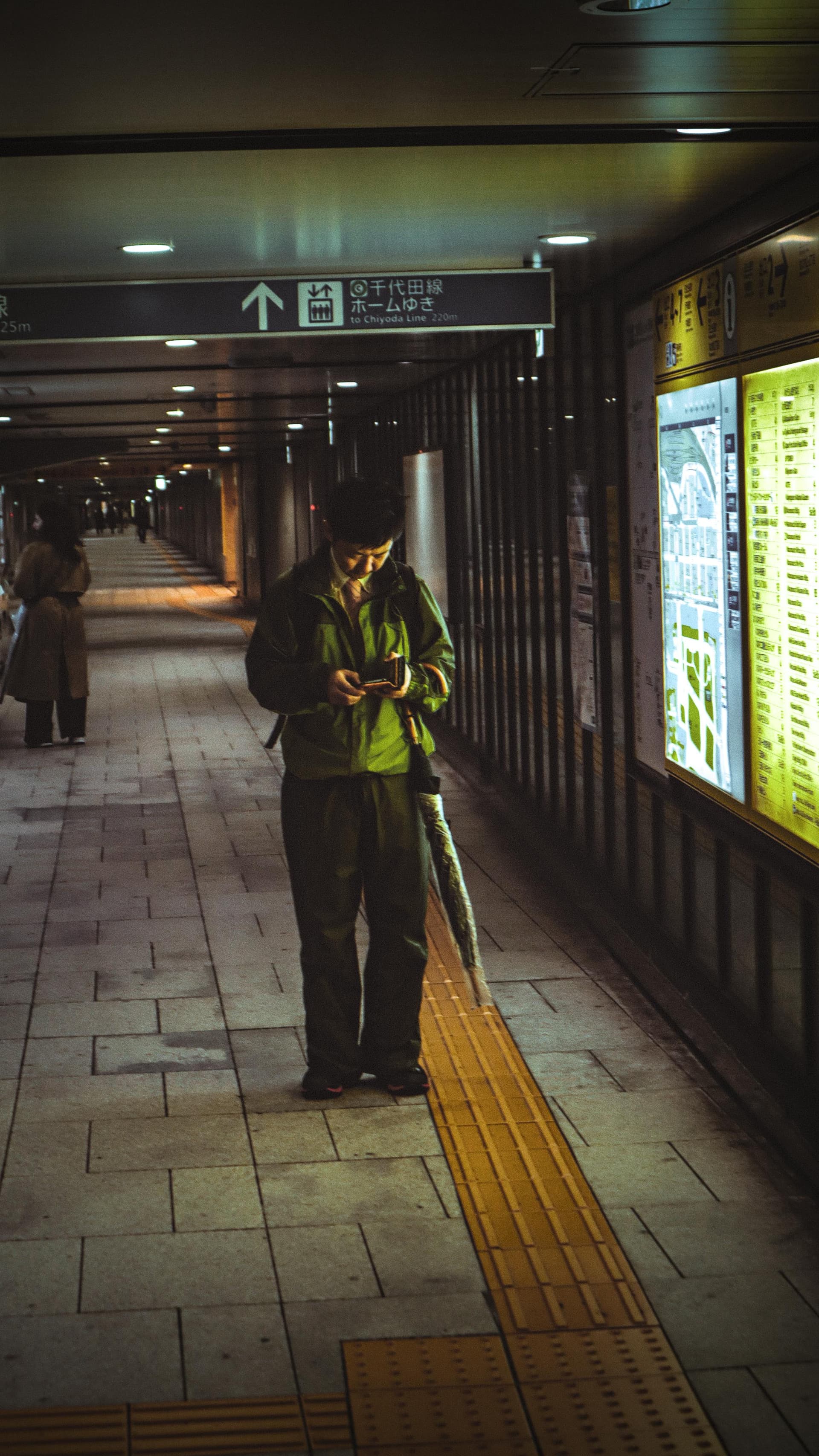
Avoid unnecessary stress by understanding the most common transport mistakes travelers make in Tokyo.
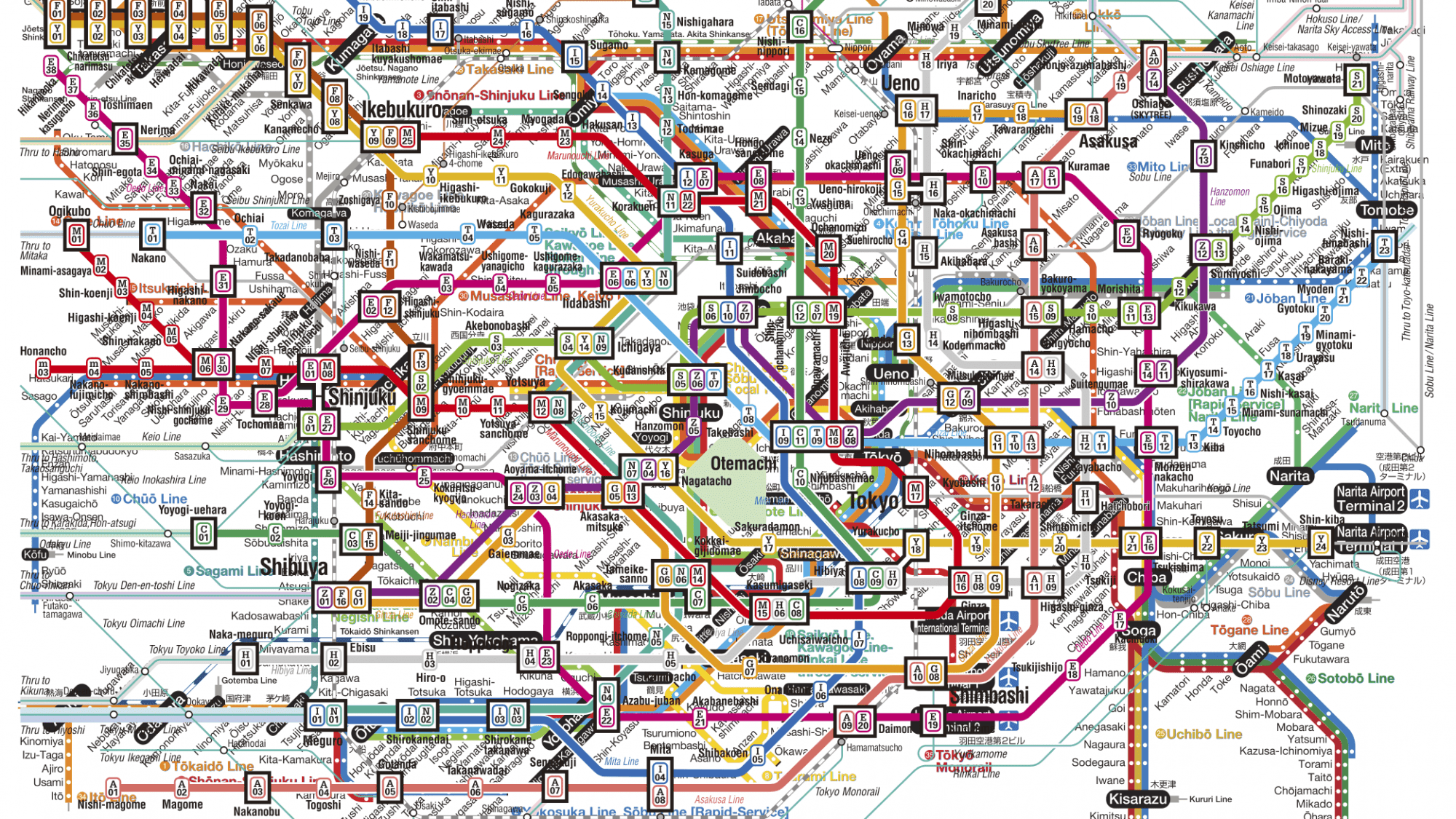
Tokyo transport mistakes cost travelers hours and thousands of yen — most stem from treating 13+ rail operators as one unified system.
Tokyo's transport network is fast, safe, and surprisingly logical once it clicks. The problem is that it's logical in a very Tokyo way: multiple rail companies share the same urban space, stations behave like small cities, and "just take the subway" isn't a single decision.
This guide maps the failure modes that repeatedly trip people up—especially when you're tired, carrying bags, traveling with kids, or connecting an airport arrival to a hotel check-in. Each section explains what the mistake looks like, why it happens, and how to avoid it.
1) Treating "Tokyo Transit" as One System (It Isn't)
The mistake: Planning as if "the subway," "the train," and "the rail pass" are interchangeable words.
Why it happens: In many cities, one transit authority runs almost everything. Tokyo is different.
Tokyo's rail network is operated by:
-
JR East
-
Tokyo Metro
-
Toei Subway
-
Multiple private railways: Tokyu, Keio, Odakyu, Keisei, Keikyu, Seibu, Tobu
These operators often share stations, sometimes share track, and sometimes share signage. But they don't share every ticket product.
How it shows up:
-
You buy a time-based subway pass and discover your most convenient route uses a JR line
-
You assume a transfer inside a station is seamless, but it's actually a leave-and-re-enter boundary between operators
-
You budget time for the train ride but not the internal walking between different operators' platforms
What to do instead:
Think in two layers:
-
Navigation layer: Which platform gets me there fastest right now?
-
Payment layer: Which operators does that route touch, and what's my payment method for each?
Treat IC cards (Suica/PASMO and mobile versions) as your universal adapter for daily Tokyo movement. Treat special passes as situational tools with trade-offs. For a comprehensive breakdown of all Tokyo transport options, see our complete guide to getting around Tokyo.
Tokyo example: A route from Asakusa to Shinjuku can be "subway" in one plan and "JR" in another. The best route changes depending on time of day, walking tolerance, and which side of Shinjuku you're targeting.
2) Buying a Pass Before Your Itinerary Has Friction
The mistake: Purchasing a multi-day pass because it feels like the "smart traveler move," without checking whether your days actually have the right kind of movement.
Why it happens: Passes simplify decision-making. The danger is that they simplify by constraining your choices. In Tokyo, the fastest route often involves a mix of operators.
The common trap: time-based subway tickets
Tokyo Subway Tickets (24/48/72-hour options) cover Tokyo Metro and Toei Subway only. They're valid for a time window from first use—not calendar days.
| Scenario | Pass Works Well | Pass Quietly Fails |
|---|---|---|
| Route patterns | Staying central in subway-rich zones | Days heavy on JR or private railways |
| Trip style | Many short hops within Metro/Toei | Taking fastest route regardless of operator |
| Priorities | Don't mind route constraints | Dislike detours for pass optimization |
| Mobility | Standard mobility | Need most elevator-friendly route, not pass-friendly route |
Decision rule: Only buy a pass when it removes real friction you expect to experience—not because it might save a small amount on paper. For context on daily transport costs in Tokyo, single IC card trips typically range ¥170-400.
3) Overfitting Your Whole Trip Around the Japan Rail Pass
The mistake: Treating the Japan Rail Pass like it's the default way foreigners should ride trains in Japan.
Why it happens: For years, it was easy to justify. After the October 2023 price revisions, it became a much narrower tool.
Current JR Pass pricing (ordinary adult):
| Duration | Price |
|---|---|
| 7-day | ¥50,000 |
| 14-day | ¥80,000 |
| 21-day | ¥100,000 |
The "JR Pass covers everything" assumption is one of the most common mistakes. For a clear breakdown of which operator runs which line—and how to choose the right pass—see our JR vs Metro vs Private Railways guide.
What goes wrong in Tokyo specifically:
-
You contort Tokyo days to stay on JR even when the subway is more direct
-
You "use it because you have it," adding extra long-distance legs that create fatigue rather than value
-
You assume it covers everything rail-shaped (it doesn't), and you end up paying add-ons anyway
Better framing:
Tokyo is an IC-card city. If your main trip is Tokyo plus one day trip, the pass is often overkill.
The pass can still make sense for a sequence of expensive intercity rides packed into its validity window—but that logic is about your national routing, not your Tokyo commutes. For a deeper look at when the pass makes sense nationally, see our comprehensive Japan Rail Pass guide.
Important nuance: Some products and conditions around the pass have evolved. If you're pass-shopping, validate the current rules on the official site right before purchase.
This pass-planning complexity is one factor that leads some visitors—especially those on shorter trips—to choose guided experiences that eliminate all transport planning and pass decisions.
4) Underestimating Station Time (The Train Ride Is the Easy Part)
The mistake: Planning with ride time only.
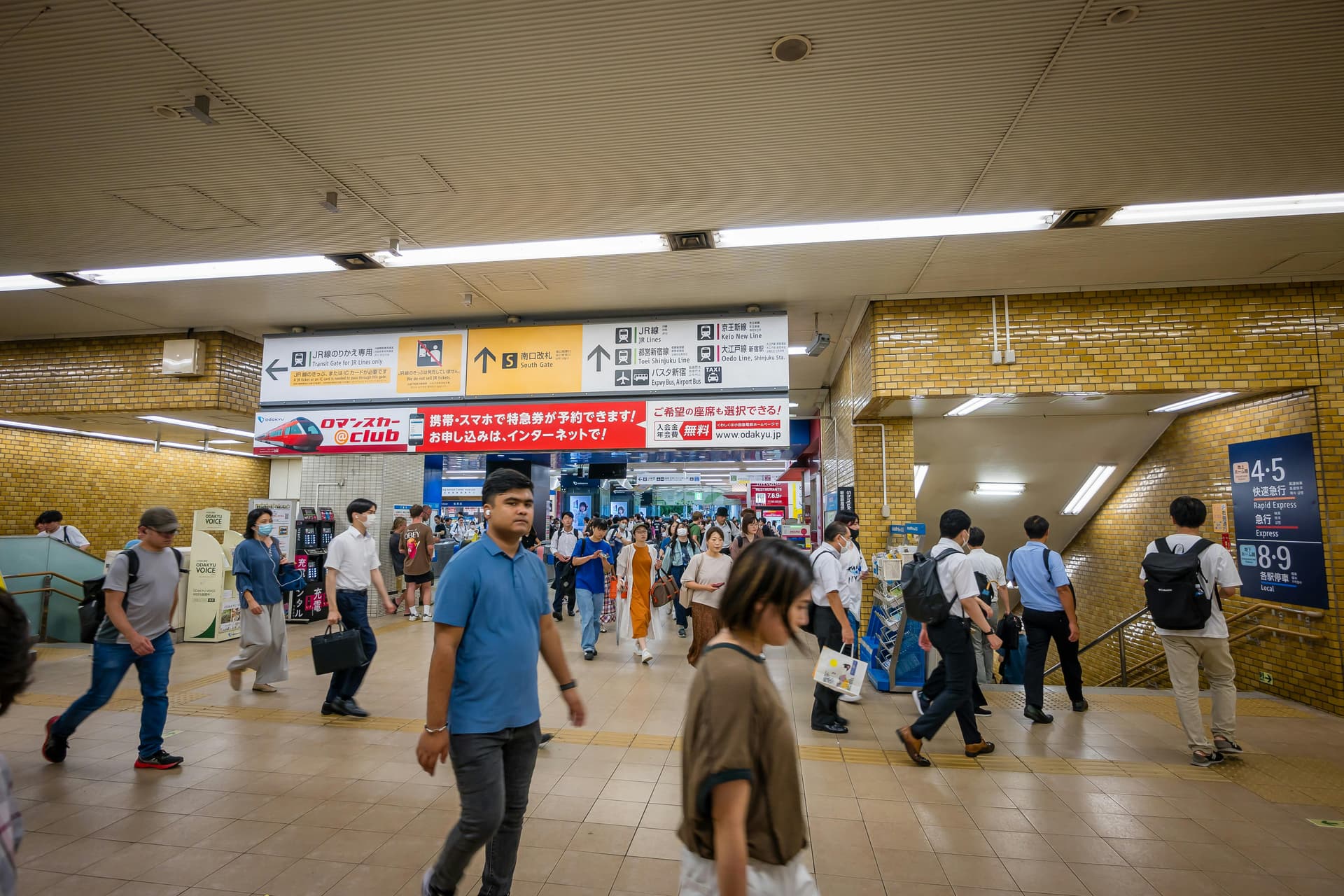
Why it happens: Apps show a neat number like "17 min," but Tokyo stations include vertical movement, long corridors, exit selection, and sometimes multi-operator transfers.
Where it bites hardest:
-
Shinjuku Station: multiple lines, multiple buildings, long internal walks
-
Tokyo Station: Shinkansen, JR lines, underground malls, multiple exits, different sub-areas
-
Shibuya/Ikebukuro: dense station complexes where the wrong exit adds 10-15 minutes on foot
What to do instead:
Build in station margin based on complexity:
| Trip Type | Time Margin |
|---|---|
| Simple trip (no major hubs) | +5 minutes |
| Big-hub transfer (Shinjuku, Tokyo Station, Shibuya) | +10-20 minutes |
| With luggage or kids | Add +5-10 minutes more |
Understanding how to read Tokyo's station exit maps reduces the time tax at complex stations.
Treat exit numbers as real navigation data, not trivia. "Arrive at Shinjuku" isn't a destination—your destination is a side of Shinjuku.
For a complete breakdown of walking time factors—including seasonal adjustments and traveler-type capacity—see our walking distances guide.
5) Treating Transfers Like "Leaving the Station"
The mistake: Exiting through a normal ticket gate during a transfer because it feels like you're just changing lines.
Why it happens: In some systems, you can pop out and back in without consequence. In Tokyo, leaving a fare-paid area often ends your trip, even if you're still "in the station."
Tokyo Metro's official guidance: at stations without specific transfer gates, you cannot transfer once you go through a ticket gate—the fare will be newly charged when entering.
How to avoid it:
-
Follow "Transfer / 乗り換え" signage to stay inside the paid area
-
Use special transfer gates (like Tokyo Metro's designated transfer gates) when they exist
If you already did it: Don't panic. Station staff deal with IC card edge cases all day. The fix is usually a quick interaction at the staffed window. The longer you wait, the harder it is to reconstruct what happened.
For visitors arriving jet-lagged, traveling with family, or navigating with mobility constraints, this station complexity becomes a planning burden that guided experiences can eliminate entirely.
6) Forgetting That IC Cards Are a "Tap-In/Tap-Out Contract"
The mistake: Assuming a tap is just a "payment," not a state.
Why it matters: IC cards track whether you're "inside the system." If you enter with your IC card and then try to exit with a different product (or vice versa), you create a mismatch.
Common versions:
-
You tapped in with your IC card out of habit, then remembered you intended to use a different ticket
-
You entered through the wrong gate type (IC vs paper), then tried to correct it midstream
-
You tapped out somewhere you didn't intend to "end" the journey
How to think about it:
IC cards are the smoothest option when they're your single source of truth for daily movement.
Mixing products is fine, but do it deliberately: "Today is all IC," or "Today is pass-first + IC for gaps."
7) Not Choosing Your Airport Route Based on Your Actual Constraints
The mistake: Picking the "fastest" airport train without checking the real constraint: luggage, transfers, elevators, and where you're staying.
Why it happens: Airport routes are marketed as one-line answers. But your actual experience is shaped by:
-
How many transfers you have to do after the airport train
-
Whether the transfer involves long corridors or stairs
-
Whether you're arriving late enough that "miss the last connection" is plausible
A better approach:
Choose airport routes based on transfer risk first, then speed. Your hotel location matters here—choosing where to stay in Tokyo affects which airport route makes the most sense.
If you're arriving after a long flight, a route with one extra 8-minute ride can be worth it if it removes a complicated transfer.
Tokyo example: A "direct" arrival at a major hub can still require a long indoor walk to reach the line you need next.
For visitors on tight schedules or arriving after long flights, this arrival-day logistics burden is one reason door-to-door guided experiences appeal—your guide handles all navigation from hotel pickup.
8) Missing the Last Train Because You Planned the Evening Like It Was Day-Time
The mistake: Assuming the city runs on the same frequency past midnight.
Why it happens: Tokyo feels alive late, but rail service has a hard stop. The last-train problem is usually not "I stayed out too late," but "I didn't notice my final connection had an earlier cutoff than the main line."
What to do instead:
Check the last viable route, not just the last train on one line. Decide your "leave by" time based on: walk time → platform time → transfer time → last connection.
If you miss it:
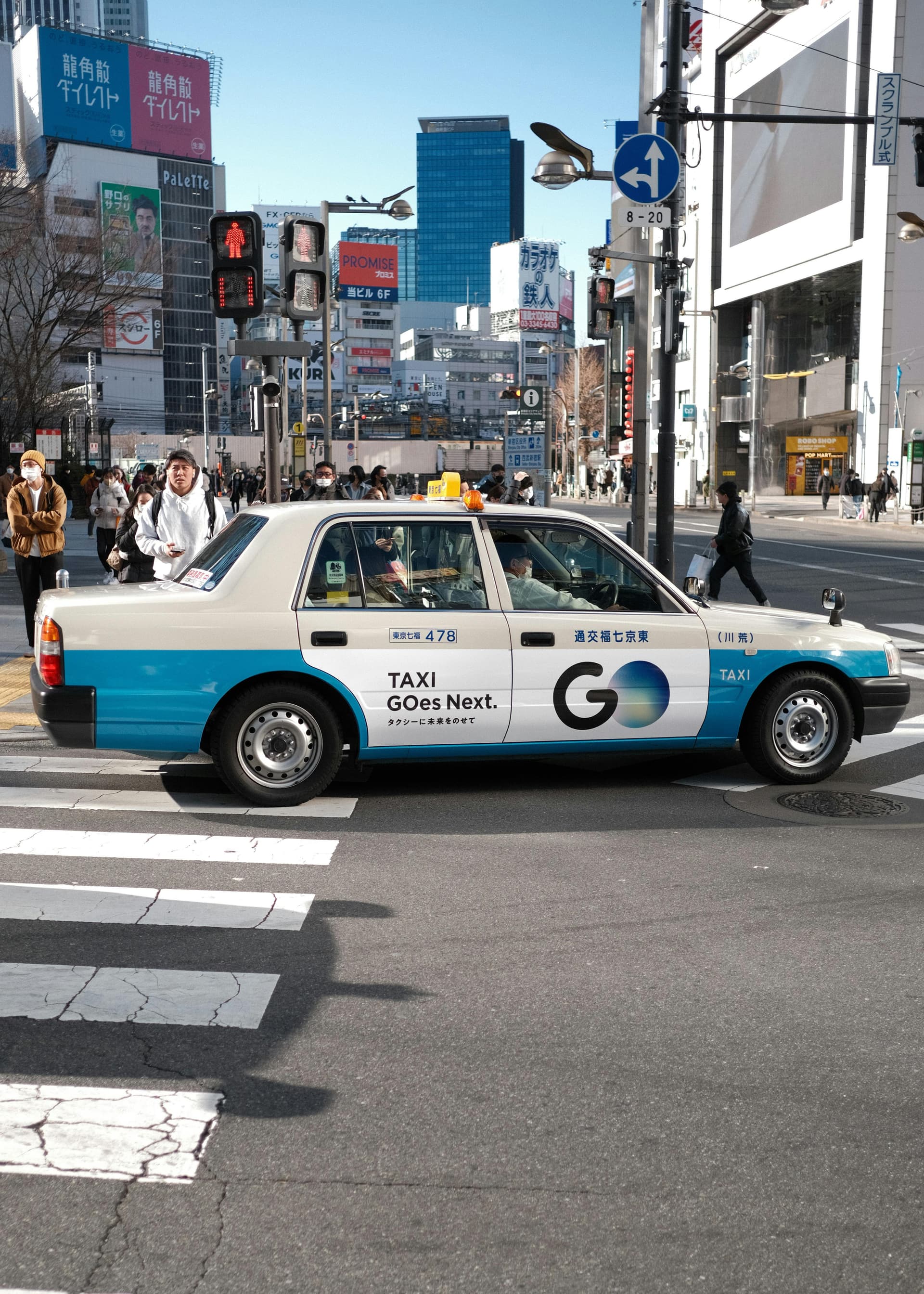
Taxis exist, but expect late-night pricing. Tokyo taxis apply a 20% premium between 10pm and 5am, and expressway tolls are added if tollways are used.
If you're far out, the cheapest solution can be a strategic reset: move to a safer, more comfortable area to wait for the first trains rather than paying an enormous taxi fare across the city.
9) Not Budgeting "Human Energy" as Part of Transport
The mistake: Planning an itinerary where the transport is technically efficient but physically exhausting.
Tokyo-specific reality:
-
Stations involve lots of stairs and long tunnels
-
Some transfers are short in distance but high in cognitive load (multiple signs, multiple levels, crowds)
-
The "fastest" route can be the worst route if you're traveling with kids, older family members, or heavy luggage
Decision rule: Choose routes that are robust to fatigue. For more on managing jet lag and energy during your visit, consider that arrival-day transport decisions compound with sleep deprivation.
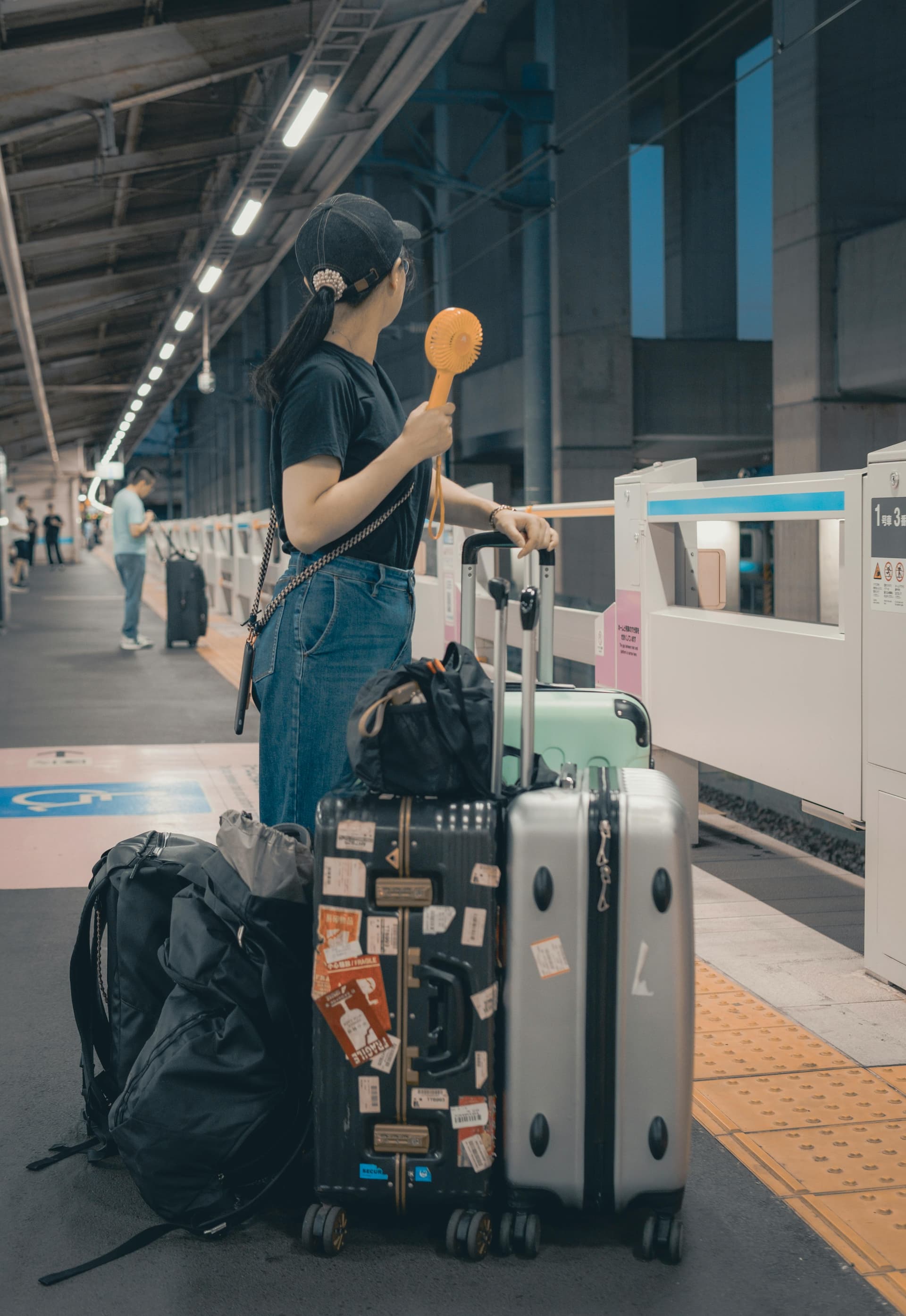
Fewer transfers often beats slightly shorter travel time. If you're moving with luggage, prioritize stations and exits that reduce stairs. Or eliminate the luggage problem entirely. Tokyo's storage options—station lockers, storage services, luggage forwarding—let you explore unencumbered instead of dragging bags through transfers.
This matters especially for families, seniors, and mobility-limited visitors. This transport complexity is one reason families, seniors, and mobility-aware travelers often choose guided experiences that handle all navigation and pacing decisions.
10) Treating Buses as a Fallback You'll "Figure Out Later"
The mistake: Assuming you can wing buses the way you wing trains.
Why it happens: Tokyo rail is so dominant that buses feel optional. But buses can be useful for "last kilometer" gaps where a train route forces awkward walking.
What goes wrong:
-
You board without the right cash denominations
-
You don't know whether to tap when boarding, when alighting, or both
Tokyo reality check: On Toei buses, only 1,000-yen bills and coins are accepted for cash payment. IC cards are officially recommended and work on all Toei buses.
Practical approach:
-
If you might use buses, keep an IC card topped up
-
Learn the bus pattern for the line you're using (front/rear doors can vary by region; Tokyo signage usually makes it clear)
11) Packing "Big Luggage + Shinkansen" Without Checking the Baggage Rule
The mistake: Showing up with oversized luggage and assuming it will be fine on any seat.
Why it happens: Many people only learn about the Shinkansen's oversized baggage rule after buying tickets.
What the rule is: On the Tokaido-Sanyo-Kyushu Shinkansen, oversized baggage (over 160cm total dimensions) requires reserving seats with designated baggage space. Passengers traveling with oversized baggage without a proper reservation are subject to a ¥1,000 fee.
How to avoid pain:
-
If your suitcase is genuinely large, plan for it when you book seats, not on the platform
-
If you're traveling with a group, coordinate so not everyone shows up with maximum-size luggage
The network can handle it. Your transfer corridors may not.
12) Believing That "Google Maps Is Right" Without Understanding What It's Optimizing
The mistake: Treating a routing app as a single truth rather than a suggestion.
| Apps Are Good At | Apps Miss |
|---|---|
| Time and connection logic | Your stair/walking tolerance |
| Platform-level guidance | Your comfort with complex transfers |
| Real-time disruptions (when available) | Your pass coverage preferences |
Use apps as a generator of options, not a command. Compare "fastest" vs "fewest transfers" vs "least walking," then pick based on today's constraints.
13) Confusing "Address" with "Best Station"
The mistake: Navigating to a neighborhood, then discovering your chosen station exit puts you on the wrong side of a barrier (river, elevated tracks, highway, huge block).
Tokyo-specific reality: In dense areas, a station can have 10-30 exits. Two exits can be a 2-minute train ride apart in walking time.
How to reduce this mistake:
-
When you save a place, save the closest exit or at least the "side" (north/south/east/west) as a note
-
If you're meeting someone, agree on a specific exit or landmark inside the station, not "outside Shibuya Station"
14) Treating Peak Hours Like a Minor Inconvenience
The mistake: Scheduling tight plans through major commuter corridors at peak times and assuming it will just be a little slower.
Why it matters: Trains still run, but your experience changes:
-
Boarding becomes a time-cost, not just a step
-
Transfers become harder because crowd flow compresses
-
Standing with luggage becomes a social and physical burden
Trade-off thinking:
Shifting a departure by 30-60 minutes often buys back comfort and reliability. If you can't shift timing, prefer routes with fewer transfers—less time spent navigating dense corridors.
15) Not Having a "Recover Fast" Plan for When Something Goes Wrong
The mistake: Relying on a perfect chain of events.
Tokyo-friendly recovery principles:
| Problem | Recovery Action |
|---|---|
| You're lost in station | Stop walking, re-center near signage, choose one clear objective (correct line → correct platform) |
| IC card blocks at gate | Go to staffed window (look for 駅員 signs)—staff handle this constantly |
| Missed connection | Decide priority: time, cost, or rest. Then act on that objective |
Quick pre-departure checklist:
-
Do I know the next station name I'm aiming for?
-
Do I know the operator (JR / Metro / Toei / private)?
-
Do I know which exit I need?
-
Do I have enough balance (or a working payment method)?
A Calm, Practical Baseline Strategy for Most Visitors
If you want a default approach that avoids most transport mistakes without micromanaging your day:
-
Use an IC card (physical or mobile) as your daily-payment default
-
Plan each day around two anchor zones instead of five scattered stops
-
Add station-time margin at big hubs
-
In the evening, verify the last viable route back—especially if you're changing lines
-
Treat special passes as a tool you deploy after your itinerary shows the pattern that benefits from them
Tokyo transport is not hard because it's chaotic. It's hard because it's dense—and density punishes small planning errors. Once you recognize the common mistake patterns, you can move through the city with far less friction, even on your first visit.
This guide is published by Hinomaru One, a Tokyo-based private tour operator.