Tokyo Travel Guide
Explore Yokohama’s most rewarding sights in a single, unhurried day—from historic ports and modern waterfronts to refined dining and stroll-worthy districts.
December 14, 2025
7 mins read
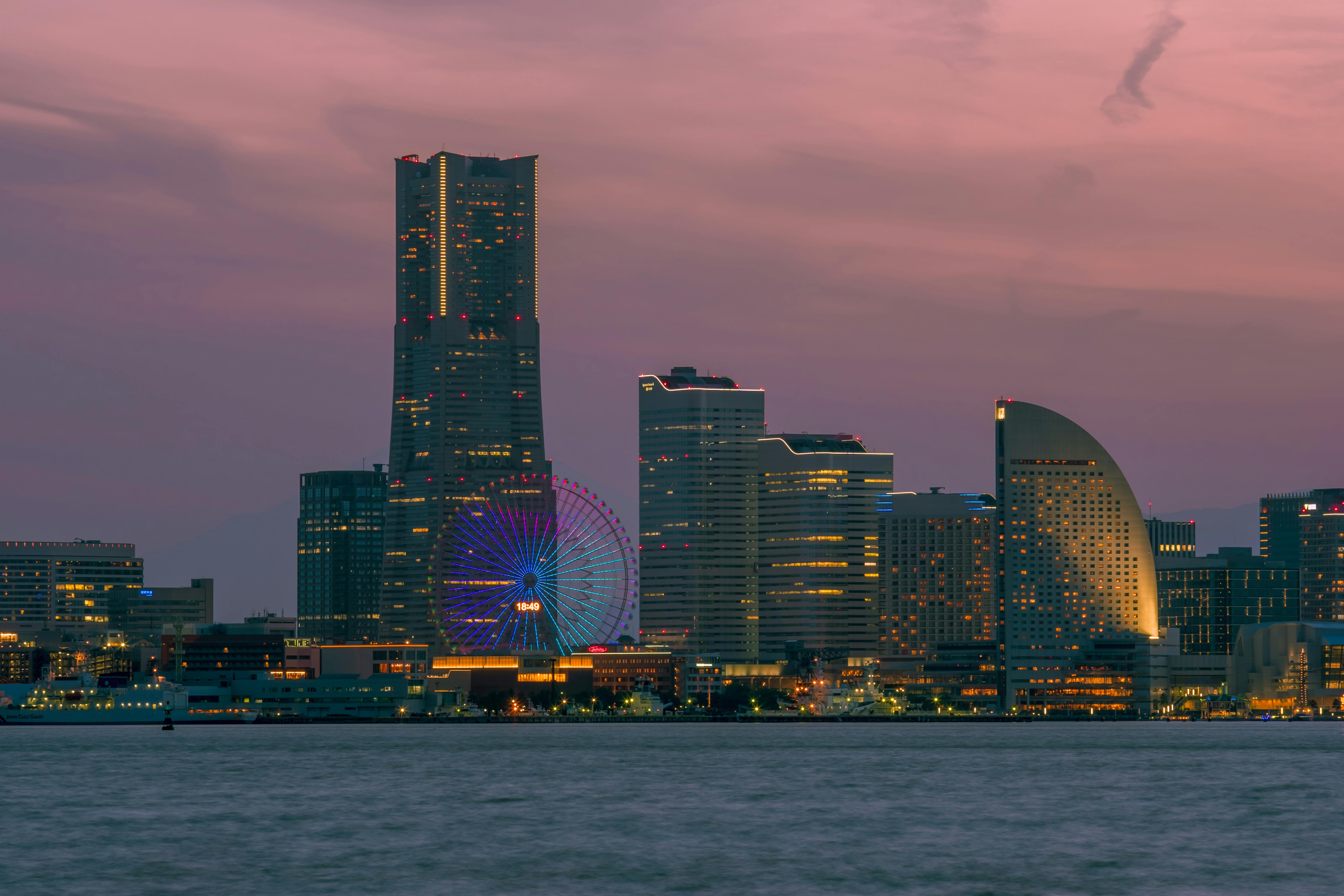
On paper, a day trip to Yokohama seems straightforward. A 30-minute train ride separates it from central Tokyo, suggesting an easy escape. The reality, however, is that the success of the trip depends less on the short journey and more on managing the logistical complexities once you arrive.
The primary friction isn't distance; it's the operational details of navigating a dense, multi-layered city against a fixed timeline. Underestimated difficulties, such as the complexity of Yokohama Station or the actual time required to move between districts, are where well-intentioned plans often break down. This guide explains the practical constraints to help you form a more resilient plafn.
What a Day Trip to Yokohama Actually Feels Like
What most people don’t realize is that a day in Yokohama is an exercise in managing complexity, not just seeing sights. The friction points are subtle but cumulative, turning a theoretically simple outing into a rushed experience.
The first challenge is often Yokohama Station itself. It’s a sprawling, multi-level hub where at least six train lines converge. Finding the correct exit for the Minato Mirai Line to reach the waterfront can easily consume 15 minutes. This is often the first point where a schedule begins to fray.
Another issue is pacing. Online itineraries often present Yokohama as a checklist of locations—CupNoodles Museum, Chinatown, Sankeien Garden—implying they can be visited in a single afternoon. In practice, these sites are in entirely different districts. Moving from the Minato Mirai waterfront to Sankeien Garden, for example, requires a bus journey that can take over 30 minutes, not including wait times. This is where most itineraries misjudge the time commitment and fall apart.
Where the Plan Breaks Down for Different Travellers
Yokohama's layout creates specific friction points depending on the visitor type:
Families with young children often find the amount of walking and the lack of stroller-friendly routes, especially in crowded stations or along the exposed waterfront, to be more demanding than anticipated.
Older visitors or those with mobility constraints can find the verticality of Minato Mirai—with its multi-level malls and limited public seating along long walking paths—to be physically taxing.
Visitors following a "must-see" list are the most likely to miscalculate the time and energy needed to travel between zones like the Shin-Yokohama Ramen Museum and the central harbor, leading to a rushed and superficial experience.
Common Misunderstandings vs. On-the-Ground Reality
Many plans fail because they are based on a map, not on the lived experience of navigating the city.
Misconception: All the main attractions are clustered together.
Reality: While Minato Mirai is walkable, other major sites like Sankeien Garden or the Ramen Museum demand separate transport and a significant time commitment, fracturing the day.
Misconception: Chinatown is a quick stop for lunch.
Reality: It is the largest Chinatown in Japan. Its narrow, crowded streets—particularly on weekends—make navigation slow and time-consuming.
Misconception: You can just show up and walk into popular spots.
Reality: Tickets for specific experiences, such as the workshops at the CupNoodles Museum, frequently sell out online in advance.
For further context on structuring a day trip in Japan, the analysis in a local's guide to an immersive day trip in Japan offers relevant perspective. To compare this with other options, an overview of the best day trips from Tokyo is available.
Choosing Your Transport From Tokyo to Yokohama
The choice of which train to take for a Yokohama day trip is not about finding the "best" line. It is a strategic decision based on two factors: your starting point in Tokyo and your first destination in Yokohama. Visitors often misjudge this, assuming all routes are interchangeable. They are not.
Your departure station in Tokyo largely determines the most efficient route. For someone staying near Shibuya, the private Tokyu Toyoko Line offers a direct route into Yokohama’s Minato Mirai Line, placing you at the waterfront without a transfer. In contrast, someone leaving from Tokyo Station or Shinagawa will find a JR line to be significantly faster. Choosing a suboptimal line for your location can add an unnecessary transfer and consume 20–30 minutes before the day has properly begun.
Aligning Your Train With Your Itinerary
The other common misstep is failing to match the train choice to the first planned activity. Arriving at the massive Yokohama Station via a JR line gets you to the city, but it also creates a secondary logistical challenge: navigating the station's interior to transfer to the Minato Mirai Line to reach destinations like the Red Brick Warehouse or Yamashita Park.
Addressing this initial transport decision correctly is fundamental to a well-paced day. A sound plan starts by matching your Tokyo departure area to your first Yokohama district—so you avoid an extra station transfer before the day even begins.
A realistic pace, supported by an efficient journey, provides the foundation for the day.
Practical Differences Between Major Train Lines
To make an informed decision, it is useful to view the rail network not as a single system but as several competing services with distinct advantages.
Tokyo to Yokohama Train Line Comparison
This breakdown matches train lines to specific itineraries.
Train Line | Typical Tokyo Departure Stations | Approximate Travel Time | Key Yokohama Arrival Station(s) | Best Suited For |
|---|---|---|---|---|
JR Lines | Tokyo, Shinjuku, Shinagawa, Ueno | 25–40 minutes | Yokohama Station | Travellers starting near major JR hubs; Japan Rail Pass holders. |
Tokyu Toyoko Line | Shibuya, Daikanyama, Naka-Meguro | 30–35 minutes | Minato Mirai, Motomachi-Chukagai | Visitors staying on Tokyo's west side (e.g., Shibuya) seeking direct waterfront access. |
Keikyu Main Line | Shinagawa, Sengakuji | 20–25 minutes | Yokohama Station | Those starting from Shinagawa prioritizing speed; often slightly less expensive than JR. |
The decision balances convenience against the need for transfers. JR offers speed but necessitates a transfer at Yokohama Station. The Tokyu Toyoko Line provides a seamless, one-seat ride into the waterfront district from specific Tokyo locations.
JR Lines (Tokaido, Yokosuka, Keihin-Tohoku, Shonan-Shinjuku): These are the primary carriers from major hubs like Tokyo, Shinjuku, and Shinagawa. They are covered by the Japan Rail Pass, a significant factor for pass holders. The trade-off is arrival at the enormous Yokohama Station, requiring a subsequent train or a considerable walk to reach most attractions. Our complete Japan Rail Pass guide explains its usage in detail.
Tokyu Toyoko Line: This line is the most direct solution for anyone staying near Shibuya. It continues directly onto the Minato Mirai Line upon reaching Yokohama, allowing travelers to bypass Yokohama Station and alight at Minato Mirai or Motomachi-Chukagai (the stop for Chinatown).
Keikyu Main Line: An alternative from Shinagawa, the Keikyu Line's speed is comparable to JR. It is a practical choice but, like JR, terminates at Yokohama Station, presenting the same navigational challenge upon arrival.
The passenger volume at these hubs adds another layer of complexity. Yokohama Station is one of the busiest rail hubs in the region, and the Minato Mirai side can bottleneck at peak times—so unfamiliar layouts + crowds can easily add 10–15 minutes. This volume means crowds can impede movement if you are unfamiliar with the layout. What most people don’t realize is that even purchasing a ticket, such as a Minato Mirai Line day pass, can be a time-consuming task involving locating the correct machine in a busy station. The best transport choice is the one that removes the most friction from your specific plan.
Common Misunderstandings For First-Time Visitors
Many online guides frame a Yokohama day trip as a simple checklist, which is where problems often begin. Friction rarely arises from a single major error but from a series of small misjudgments that accumulate, turning an outing into a stressful affair. What many people don’t realize is how these seemingly minor assumptions can disrupt a plan.
These issues often stem from the gap between how Yokohama appears on a map and how it functions in reality. This is a common challenge for first-time visitors across Japan; choosing a base with easier rail access can remove a lot of day-trip friction
The Myth Of Proximity
The most common trap is the assumption that Yokohama’s main attractions are all located near each other. This is where most itineraries start to unravel.
Misconception: You can walk between all the major sights in an afternoon.
Reality: While the Minato Mirai waterfront is walkable, key destinations like Sankeien Garden are not. Reaching the garden requires a bus journey of over 30 minutes each way from the central port area. This time commitment is often omitted from sample itineraries.
Travelers attempting to connect geographically separate zones—such as the Shin-Yokohama Ramen Museum and the waterfront—often find their schedule collapsing under the weight of unforeseen transit time. This issue is amplified for families with children or visitors with mobility limitations.
Underestimating Venue Realities
Another frequent misstep is underestimating the time and planning required for specific venues.
Misconception: You can arrive at a popular spot like the CupNoodles Museum and purchase a ticket on-site.
Reality: Timed-entry tickets, especially for hands-on activities like the "My CUPNOODLES Factory" workshop, often sell out online days or weeks in advance. Arriving without a reservation, particularly on a weekend, typically results in being turned away or facing a long wait.
Where visitors tend to misjudge this is by applying a Western model of spontaneous entry to attractions that operate on a strict reservation-based system. This is a recurring theme detailed in our guide to avoiding travel mistakes in Japan.
Misjudging Scale and Crowds
The scale of certain districts is another common point of miscalculation, especially concerning one of Yokohama’s most famous areas.
Misconception: Chinatown is a quick stop for a meal.
Reality: Yokohama Chinatown is the largest in Japan, with over 250 shops and restaurants in a dense network of narrow streets. On a weekend, the area becomes exceptionally crowded. Navigating the crowds to find a specific restaurant can take much longer than anticipated.
The Last Train Dilemma
Finally, the "last train" issue is more complex than simply catching the final departure from Yokohama Station.
Misconception: The last train on the main line back to Tokyo is the only one to be concerned about.
Reality: The critical factor is whether your connecting services within Tokyo are still running. The last train from Yokohama might get you to a major hub like Shinjuku, but the local line to your hotel may have already ceased operation for the night, leaving you with an expensive taxi ride as the only option.
How Different Visitor Types Experience Yokohama
A successful day in Yokohama is not about having a perfect itinerary, but one that is appropriate for your group. A plan that looks good on paper often fails in practice because the city’s scale and layout present different challenges for different people.
The underlying issue is that Yokohama's main districts, while appearing close on a map, require significant physical and mental energy to travel between. This is where generic advice fails, as it does not account for the real-world experience.
Families With Young Children
For families, the day often becomes a balance of managing children's stamina and navigating logistical hurdles.
Large stations like Yokohama present a particular challenge. They were not designed with strollers in mind, often requiring detours through crowded underground passages or long waits for a single, small elevator. The long, open-air walks between locations like the Red Brick Warehouse and Yamashita Park can also quickly drain energy.
Older Visitors and Those With Mobility Constraints
For older travelers, the primary challenge is often the scale and verticality of modern districts like Minato Mirai. The area is structured around multi-level shopping centers, large plazas, and long, exposed waterfront promenades.
Where plans tend to go wrong is in underestimating the cumulative effect of these physical demands. There is a notable lack of public benches along key walking routes. Simple tasks like navigating between floors in a mall or crossing a wide intersection add up, making a seemingly short walk on a map a more strenuous effort in reality.
The "Must-See" Itinerary Follower
Visitors with a checklist of sights often encounter the most logistical stress. The efficiency of Tokyo’s trains can create a false sense of proximity, leading people to believe they can easily move between Yokohama's dispersed zones.
This is where the plan usually unravels. They misjudge the actual time and energy required to travel from the Shin-Yokohama Ramen Museum to the central waterfront, for instance. The day becomes a series of rushed transfers, leaving no time to appreciate any single location. This approach almost always results in a superficial and exhausting experience.
This dynamic is exacerbated by Yokohama's significant daily population fluctuation. Tourism statistics show a daytime influx of 411,548 people, a combination of commuters and day-trippers. This creates unexpected crowds, putting further strain on a tight schedule. Read the full research about Yokohama's tourism statistics.
When pacing is a critical factor due to mobility issues or traveling with children, some form of local assistance can restructure the day. Read about how benefits of a Tokyo private tours vs going at it alone. It can provide context on how such friction points are managed.
Planning a day trip to Yokohama is an exercise in risk management, not optimization. The objective is to construct a day that can absorb the inevitable delays and crowds of a major Japanese city. The classic mistake is creating a rigid, minute-by-minute schedule with no flexibility.
A successful plan begins with acknowledging geography. While Yokohama’s districts appear close on a map, the time it takes to move between them is substantial. This is the point of failure for many self-planned itineraries.
Grouping Attractions Geographically
To avoid spending a significant portion of the day on transport, attractions must be grouped logically.
Minato Mirai Cluster: The CupNoodles Museum, Landmark Tower, Red Brick Warehouse, and Yamashita Park form a natural, walkable zone. These can be combined into a single block of the day.
Chinatown and Motomachi: These two adjacent areas are best explored together. They can be paired with the Minato Mirai cluster, but this will result in a very long and full day.
Sankeien Garden: This location often disrupts plans. Situated south of the city center, it requires a dedicated bus journey of at least 30 minutes each way. Attempting to include Sankeien in a day that also covers Minato Mirai is a common cause of exhaustion.
A practical approach is to select a single "must-do" priority and build the day around it, treating other sights as optional. This mental shift from a checklist to a priority reduces pressure. The choice of where to stay in Tokyo for day trips can also significantly impact start times and energy levels.
Pre-Trip Preparations and Backup Plans
Effective planning occurs before leaving your accommodation. Arriving in Yokohama without key details confirmed is a recipe for wasted time. A week in advance, verify opening hours and reservation requirements for priority attractions. Timed tickets for experiences like the CupNoodles Museum workshops often sell out.
Prepare your navigation tools. This involves more than knowing an address.
Pre-save Locations: Pin all potential destinations—attractions, restaurants, stations—in your preferred map application.
Download Offline Maps: Save the entire Yokohama area for offline use on your phone to ensure access if you lose signal.
Identify Train Exits: For large stations like Yokohama or Sakuragicho, consult an online station map to determine the correct exit for your first destination before you arrive. This can save 15 minutes of aimless walking.
Crucially, every element of your plan should have a backup. If Chinatown is overwhelmingly crowded, have an alternative area for lunch identified, such as the restaurants in Queen's Square. If an outdoor attraction is rained out, know which indoor museum you can visit instead. This is not pessimism; it is practical resilience.
Finally, be mindful of local etiquette, especially on trains. Keep conversations quiet, take phone calls between carriages, and refrain from eating or drinking. Adherence to these norms makes the journey smoother for everyone. This approach—focusing on preparation, geographical logic, and contingency plans—is the most reliable way to structure an independent day trip.
Most visitors are capable of managing a Yokohama day trip independently. However, the friction of planning and navigating a new environment under time constraints can detract from the experience.
This is not a matter of poor planning but a recognition of the practical realities of juggling train schedules, walking distances, and unexpected issues in a dense, unfamiliar city. Knowing when assistance can make a significant difference is key to a more relaxed day.
A major friction point is adhering to a tight schedule, particularly when traveling with children or individuals with mobility needs. A route that appears efficient on a map can break down when factoring in long walks within stations, the search for an elevator, or general fatigue.
Navigating Language-Heavy Areas
Language can be another hurdle. While major attractions in Minato Mirai are equipped with English signage, the situation changes once you venture off the main tourist routes.
Attempting to decipher a kanji-only menu in a small Chinatown restaurant or asking for directions in the Motomachi shopping street can add a layer of stress and confusion.
The Complexity of Logistics and Bookings
Finally, there is the quiet complexity of logistics. Securing a timed ticket for a workshop at the CupNoodles Museum or figuring out the local bus route to Sankeien Garden are manageable tasks, but they add to the mental load of planning.
These are situations where having an expert handle the details can be beneficial. The goal is not to control the trip, but to remove logistical burdens so you can focus on the experience itself, not the mechanics of getting there.
If you’re weighing whether guided help would actually reduce friction, this explains what the planning process typically covers: planning a private tour in Tokyo.