Every day of independent Tokyo exploration includes 2-3 hours of overhead you're not budgeting for. That's a full lost day on a 4-day trip.
Private tour vs exploring Tokyo alone comes down to time math most people skip: every day of independent exploration includes 2-3 hours of overhead, a full lost day on a 4-day trip.
Tokyo is navigable. You won't get truly lost. English signage covers tourist areas, Google Maps works reliably, and trains run on time. You don't need a guide to survive Tokyo.
But every day of independent exploration includes costs you're not budgeting for. The question isn't whether you can navigate Tokyo alone—it's what you're trading when you do.
The Comparison You're Not Making
Most travelers calculate the cost of a private tour against the cost of going alone. Tour: $500. Independent: $50 in transit fares. The math looks obvious.
But that calculation ignores the invisible line items.
What you budget vs what you spend
A first-time visitor to Tokyo loses 2-3 hours per day to overhead that doesn't appear on any itinerary.
The breakdown:
-
Navigation inefficiency: 45-60 minutes (finding the right station exit, walking the wrong direction, missing transfers)
-
Decision paralysis: 30-45 minutes (choosing restaurants, comparing attractions, rerouting plans)
-
Problem resolution: 30-60 minutes (miscommunications, mistakes, recovery time)
Over a 4-day trip, that adds up to 8-10 hours. One full lost day.
The invisible line items
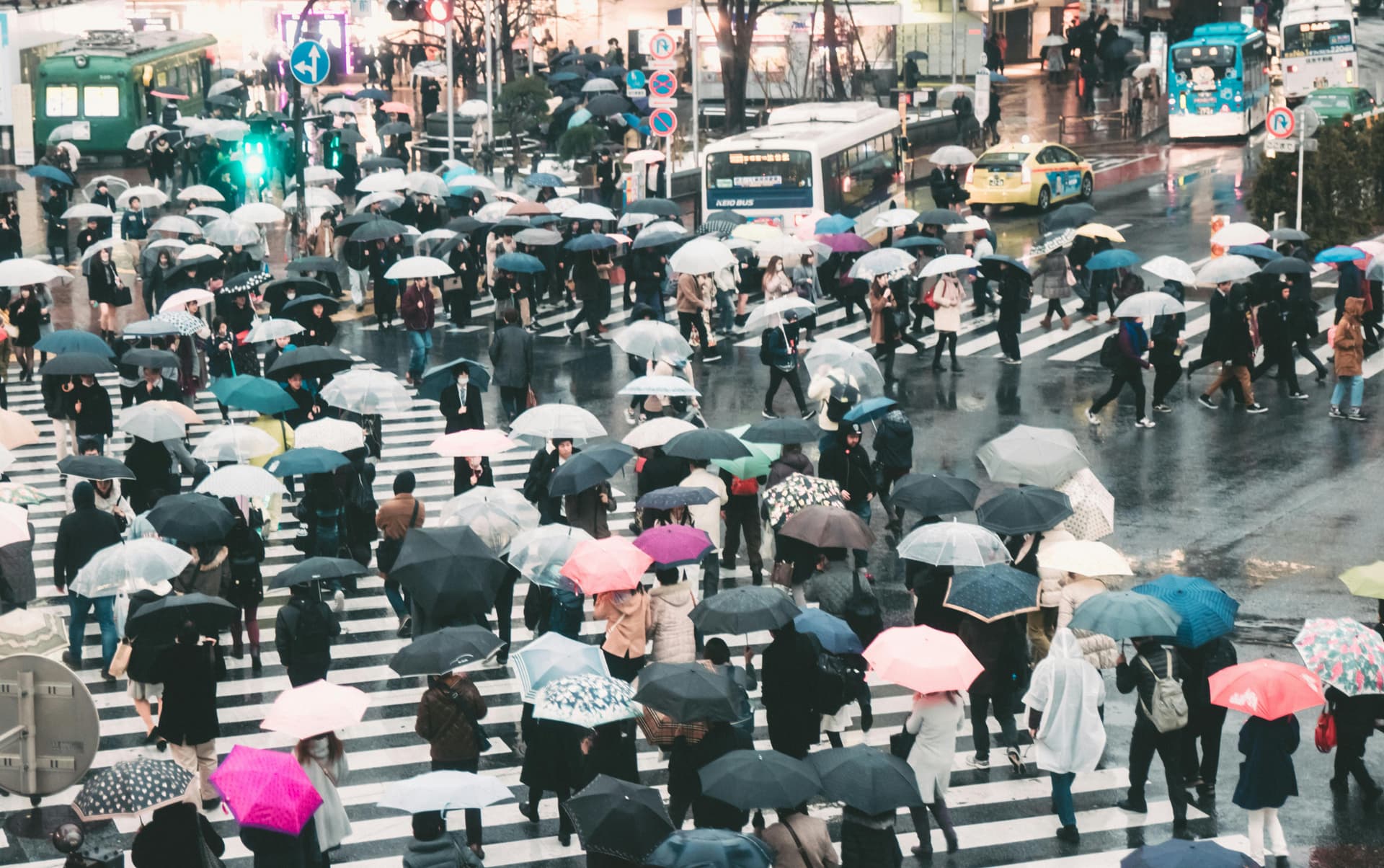
Shinjuku Station has over 200 exits serving 5 rail operators across 35+ platforms. Choosing the wrong exit can add 15 minutes to your walk. Rush hour runs from 7:30-9:30 AM and 5:00-7:30 PM, when station staff physically push passengers onto packed trains.
None of this is impossible to manage. But "manageable" and "efficient" are different things.
The real comparison isn't $500 vs $50. It's $500 vs $50 plus 8-10 hours of trip quality over 4 days. For a full-day tour, that works out to roughly $62 per hour of eliminated friction—plus the cultural context a guide provides. For a deeper dive into this calculation, see whether private tours are worth it.
What Independent Exploration Actually Looks Like
Before deciding whether you need a guide, understand what independent exploration in Tokyo actually feels like—not the nightmare version or the Instagram version, but the realistic one.
The first day learning curve
Day one is work. You arrive jet-lagged, figure out the IC card, misread a station map, and walk 10 minutes in the wrong direction before realizing your mistake. Restaurant menus don't always have English. The ordering system varies—some places use ticket machines, others expect you to flag staff, and a few small spots have no clear protocol at all.
This is normal. Tokyo's complexity is front-loaded.
When it clicks (day 3)
By day 3, travelers have internalized the basics. The train lines make sense. You recognize the difference between JR and Metro. You've developed instincts for which restaurants are approachable and which ones require more effort than you want to spend.
But there's a pattern in traveler accounts: "By day three, everything started feeling like work." The cognitive load accumulates. Each small decision adds friction. Some travelers push through. Others hit a wall. These are the common mistakes that compound over a trip.
What you gain from the struggle
Getting lost in Tokyo isn't always a problem. Travelers describe it as the best part of their trip: "The best moments were when I got lost in a small neighborhood and found a bakery with no sign."
If you want the satisfaction of figuring things out yourself, a guide eliminates that. Navigation challenges can be part of the experience, not an obstacle to it. The wandering, the happy accidents, the unplanned discoveries—a guide optimizes those away.
For travelers who value serendipity over efficiency, this matters.
What a Guide Actually Changes
The case for guides focuses on logistics: they know where to go, how to get there, and which restaurants are good. True, but that undersells what guides provide—and overstates what they can't.
The interpretive layer (what you're really buying)
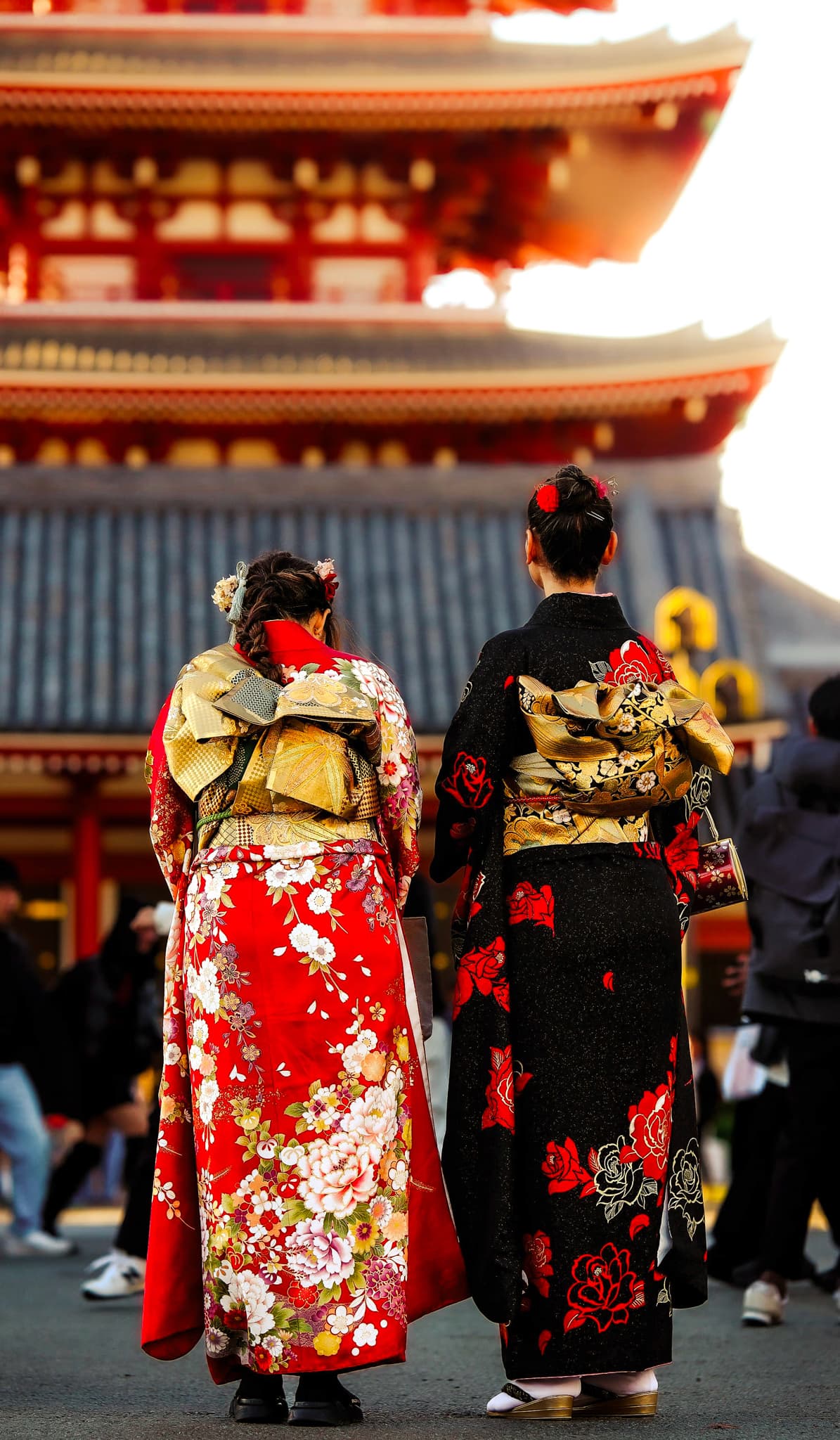
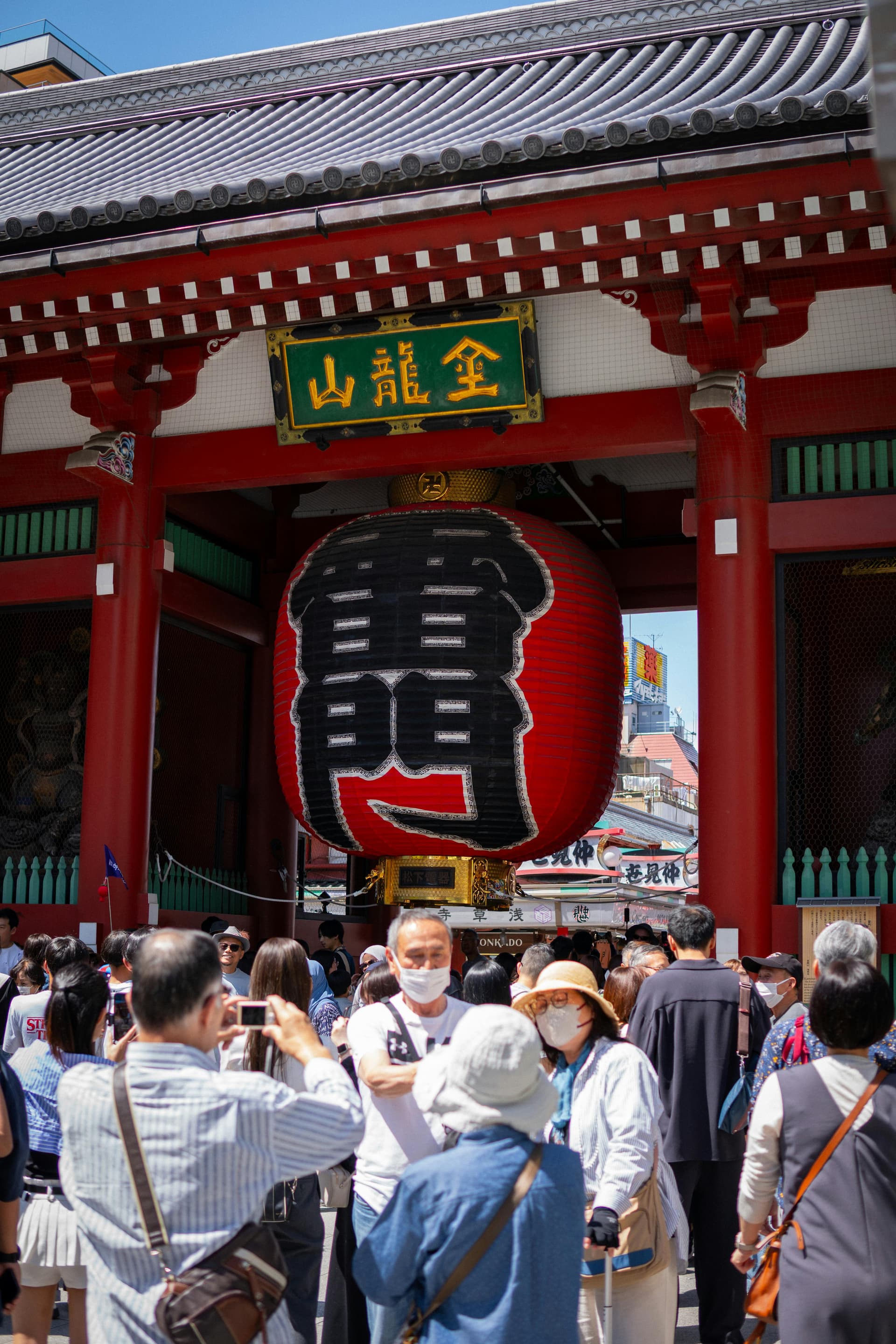
At Sensoji Temple, most visitors notice the big red gate, the incense burner, and the main hall. They take photos and move on.
With context, the experience changes. The gate's guardians—Fujin and Raijin—represent wind and thunder, natural purification forces. The incense ritual has been continuous for 1,400 years. The main Kannon statue is hibutsu, hidden, and has never been publicly displayed since 645 AD. Visitors don't even know what they're praying to without someone explaining it.
The same pattern applies to food. In Tsukishima, monjayaki looks like a strange gooey pancake cooked on a griddle. With context, you understand it as a 100-year-old working-class snack—originally called "mojiyaki" because children practiced writing letters on griddles when paper was scarce. The neighborhood's 80+ monja restaurants still source seafood from nearby Toyosu market, continuing a supply chain that goes back generations.
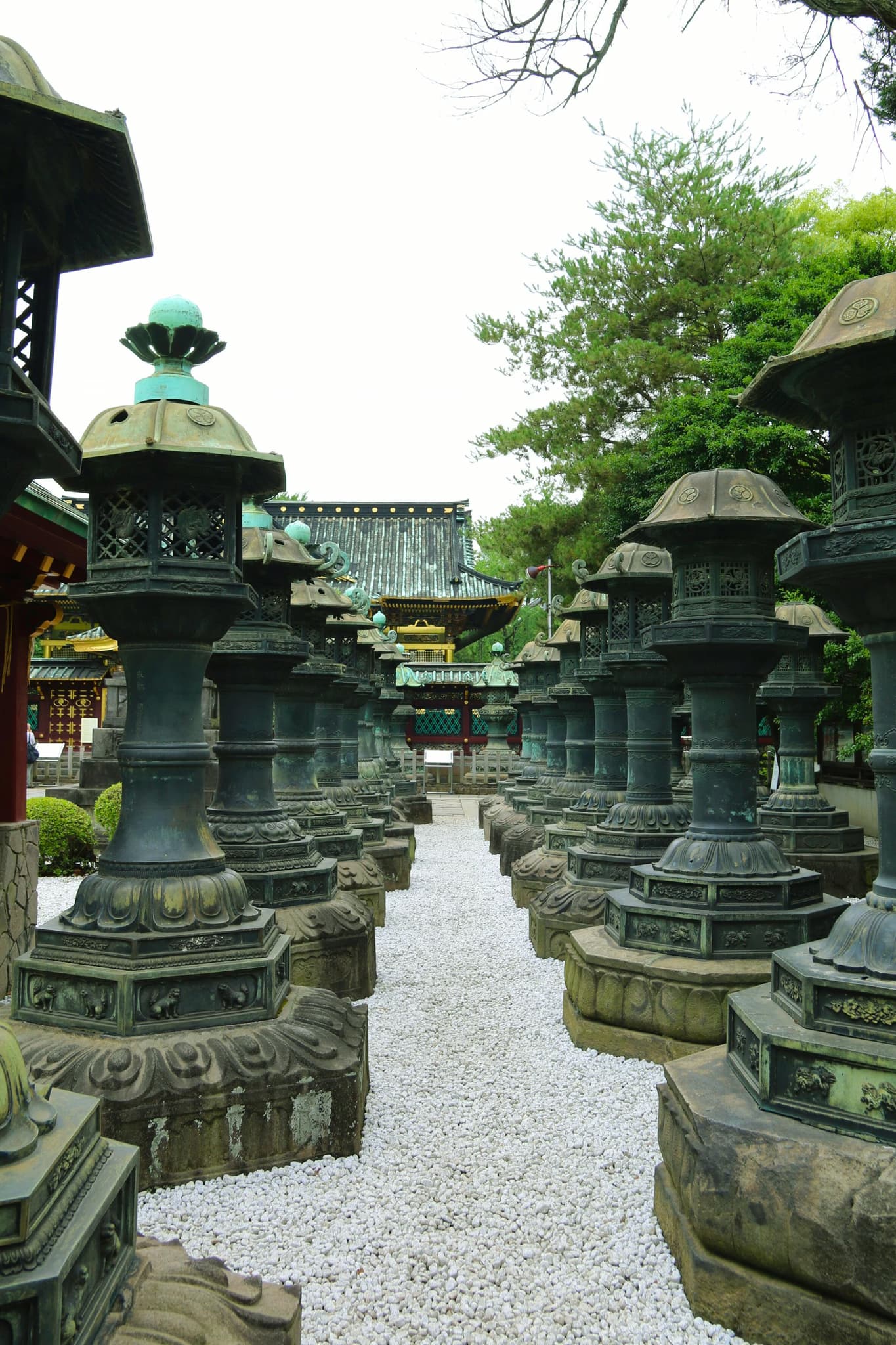
Gardens work the same way. At Kiyosumi Garden, visitors see a pond with decorative rocks. With context, you learn that Iwasaki Yatarō—founder of Mitsubishi—transported rare landscape stones from across Japan on company steamships. The path layout isn't random; it guides you on a designed narrative journey with views that change as you walk. The iso-watari stepping stones across the pond exist specifically so you can watch koi up close. Without context: pretty pond. With context: industrial-era ambition expressed through centuries-old garden design.
Temple protocols matter too. Buddhist temples require clasped hands and a silent bow. Shinto shrines use the 2 bows, 2 claps, 1 bow pattern. Clapping at a Buddhist temple is wrong—and many guides incorrectly advise visitors to do exactly that.
The social energy trade-off
Eight hours with a stranger is work. A good guide requires social energy—conversation, coordination, the awareness that someone is watching how you respond to things. For a sense of what a full day involves physically, expect 12,000-18,000 steps.
For introverts, the guided experience is draining in ways that independent exploration isn't. You trade one kind of exhaustion (navigation) for another (performance).
Strategies for Introverts
The social energy concern is real—but it doesn't have to rule out guided experiences. Introverts can structure tours to minimize drain while capturing the benefits.
Choose shorter formats. A 4-hour morning tour provides orientation without consuming your entire day's social bandwidth. You finish by lunch, then have afternoon and evening for solo exploration and recharge time.
Use the guide as a social buffer. Counterintuitively, having a guide reduces some social friction. Restaurant ordering, asking directions, handling unexpected situations—the guide manages these interactions so you don't have to. For introverts who find Japanese language barriers stressful, a guide absorbs that stress.
Be explicit about your style. Tell your guide upfront: "I prefer walking in comfortable silence. You don't need to fill every moment with conversation." Good guides adapt. They'll point out what matters and stay quiet otherwise.
Request observation time. Build in "you wander, I'll wait here" moments. At a temple, gardens, or market, tell the guide you want 20 minutes alone. They'll find a spot to wait. This isn't rude—it's how experienced travelers use guides.
Avoid group tours entirely. Private tours mean you control the dynamic. No strangers, no forced small talk, no competing preferences. The social equation is simpler: one guide, calibrated to your energy.
Consider the first-day tradeoff. A guide on day one teaches you the skills to explore independently for the rest of your trip. One socially demanding day might yield five peaceful independent days. The math often favors front-loading the interaction.
The question isn't whether guides drain introverts—they do. The question is whether the efficiency gains and reduced navigation stress offset that drain. For many introverts, especially on shorter trips, the answer is yes.
When guides DON'T add value
Guides don't add much when:
-
You genuinely want to wander without a plan
-
You learn better through struggle than instruction
-
You're spending 2+ weeks and have time to figure things out
-
You prefer making your own meaning from what you see
A bad guide is worse than no guide. Common complaints: guides who walked ahead without explaining anything, tours that ended early with "nothing else to show," language barriers despite advertising fluent English. Quality variance is real.
The First-Day Foundation
If you're going to use a guide at all, the timing matters. A first-day tour provides compounding returns that mid-trip tours don't.
Why day one matters more than day four
Many travelers book tours when they're tired—mid-trip, after the fatigue has set in. By then, the damage is done. You've already spent days learning through trial and error.
A first-day guide front-loads that learning.
"It took all the stress out of travelling our first day in Tokyo and helped us have confidence to continue our travels." — First-time visitor
"Private tour on the first day is a must. My clients said the guide taught them all they need to know about the rail system." — Travel agent
The compounding return
The skills you learn on day one pay dividends for the rest of the trip. How IC cards work. Which exits to use at major stations. How to read platform signage. Which neighborhoods connect easily and which ones require awkward transfers.
Chris Rowthorn, author of Lonely Planet Japan guides, recommends exactly this approach: "Hiring a guide for a six-hour tour on your first day will give you the confidence to explore on following days on your own." Whether that's a half-day or full-day tour depends on how much ground you want to cover.
The return on a day-one tour isn't what you see that day. It's what you're equipped to do on days two, three, and four.
What to ask for in an orientation tour
If you book a first-day orientation tour, be explicit about what you want:
-
Transit training: how to read station maps, use IC cards, navigate transfers
-
Neighborhood geography: which areas are walkable from each other, which require trains
-
Restaurant protocols: ordering systems, cash vs card, how to find English menus
-
Cultural context: what to do at temples and shrines, basic etiquette
A guide who just takes you to attractions misses the point. You want someone who teaches you how to be an independent traveler for the rest of your trip. A 4-hour orientation tour can deliver this without consuming your whole first day.
Match Your Situation
The right approach depends on your trip parameters, not your personality type.
2-3 days: When guides change the math
On a short trip, every wasted hour hurts. You don't have time to hit your stride. The 2-3 hours of daily overhead represents 25-35% of your effective sightseeing time.
For trips of 2-3 days, maximizing guided time makes sense. A full-day custom tour eliminates the learning curve. Per-person costs drop with group size: a couple pays $275 each for an 8-hour day; a family of four pays $177 each.
If you're only in Tokyo for 48-72 hours, independent exploration means spending a significant portion of that time on logistics.
4-6 days: The hybrid window
This is where the first-day foundation approach works best. Use a guide on day one to learn the basics, then explore independently for days two through six. Morning tours work well for orientation since you finish with energy for solo afternoon exploration.
You get the orientation benefits without paying for a full guided trip. The skills transfer to the rest of your stay.
7+ days: When independence makes sense
With a week or more, you have time to figure things out. The learning curve becomes part of the experience rather than a cost. By day 4 or 5, you'll be navigating confidently.
For longer trips, guides make sense for specific goals: a food tour to access restaurants you couldn't book yourself, a historical tour of a complex site like Nikko, a day when you want deep context rather than coverage.
The "I don't do tours" preference is legitimate here. If you have time and want independence, that's not anxiety talking—it's fit. We've written a full guide on when you don't need a private tour.
Interests that shift the calculation
| Interest Type | Guide Value | Why |
|---|---|---|
| Temple/shrine context | High | Ritual meaning, architectural symbolism require explanation |
| Food culture | High | Neighborhood history, ingredient sourcing, restaurant access |
| Historical depth | High | Edo period context, post-war reconstruction |
| Access-dependent | High | Restaurant reservations, local connections |
| Photography | Lower | You need time alone with your camera |
| Shopping | Lower | Your preferences are personal |
| General sightseeing | Lower | Maps and apps handle logistics |
Families with children benefit from guides who manage pacing and engagement. Solo travelers prize the flexibility of no coordination.
Finding a Guide Worth Paying For
Guide quality varies. Booking through the right channels matters.
Red flags in tour descriptions
Be cautious when:
-
The listing doesn't identify your specific guide
-
You're told "a guide will be assigned" after booking
-
Reviews describe the tour but not individual guides
-
Pricing is dramatically below market (a full-day tour for $200 suggests corner-cutting)
On aggregator platforms like Viator and GetYourGuide, you don't know who your guide is until 24-48 hours before the tour. Operators recruit freelance guides through job boards and match them to bookings. If they can't find a guide, your booking gets cancelled.
Marketplace platforms like ToursByLocals show you the specific guide's profile and reviews before you book. Direct operators introduce your guide at booking time.
What reviews actually tell you
Look for reviews that mention:
-
The guide's name (confirms the reviewer actually took the tour)
-
Specific adaptations ("when my daughter got tired, the guide adjusted the pace")
-
Teaching moments ("explained how to navigate the subway ourselves")
-
Personality fit ("matched our energy exactly")
Avoid relying on star ratings alone. A 4.8-star tour can still have a mismatch if the guide's style doesn't fit yours.
Questions that reveal guide quality
Before booking, ask:
-
"Can you tell me about my specific guide before I book?"
-
"How do you handle requests to change the itinerary mid-tour?"
-
"What happens if I'm tired and want to slow down?"
The answers reveal whether the operator treats you as a booking to fill or a guest to serve. For peak seasons, booking 2-4 weeks ahead gives you the widest choice of guides.
Frequently Asked Questions
Should I explore Tokyo alone or hire a guide?
It depends on your constraints. Guides make sense when: time is limited (3-4 days), you have specific access goals (introduction-only restaurants, craft workshops), your group has coordination needs, or you want first-day orientation. Solo exploration works when: you have 7+ days, enjoy figuring things out, and your goals don't require Japanese or local connections.
Can I see as much without a guide?
In terms of landmarks, yes—everything is accessible independently. In terms of depth, no. Guides provide context that changes how you see things, access to places that don't serve tourists independently, and efficiency that frees time for more experiences. The question isn't "can I see it" but "what will I understand."
What can a guide do that I can't do alone?
Make phone reservations in Japanese. Explain the significance of what you're seeing in real-time. Access craftspeople, neighborhood restaurants, and experiences that decline tourists. Navigate accessibility challenges (which elevator, which exit). Recover time lost to wrong turns and decision paralysis.
Is self-guided Tokyo hard?
The basics are easy. Trains have English signage. Google Maps works. Tourist areas accommodate English speakers. The challenge is depth—accessing experiences beyond tourist infrastructure requires Japanese or connections. The question is what kind of Tokyo you want to experience.
Can I do one day guided and explore alone the rest?
This is often the ideal strategy. Day one with a guide for orientation, then independent exploration with the skills and confidence you gained. The guide teaches you how Tokyo works; you apply that knowledge the rest of your trip.
Where Hinomaru One Fits
First-day orientation is central to what we do. You meet your guide at your hotel, learn to navigate trains and stations, and finish the day equipped to explore independently. You know exactly who your guide is before booking—no "guide will be assigned" uncertainty.
At Hinomaru One, we design culturally rich, stress-free private Tokyo tours for first-time and seasoned travelers. Unrushed. Insightful. Always customized.