The right first tour doesn't show you Tokyo—it shows you how to see Tokyo on your own.
Which Tokyo private tour is right for a first time visitor isn't about which is "best" — it's about what you actually need on Day 1 versus Day 3.
First-timers need orientation. How the trains work. How to read a vending machine. When to bow. Where the good food is. That's a fundamentally different need than "show me hidden gems" or "take me somewhere off the beaten path." Hidden gems assume you've found the beaten path first. On Day 1, you haven't.
The right first tour gives you a foundation. It shows you how Tokyo works—not just what's in it—so that every day after becomes easier, more confident, and more rewarding. The wrong first tour drops you into the deep end of a city that rewards preparation and punishes assumptions.
The First-Timer's Dilemma
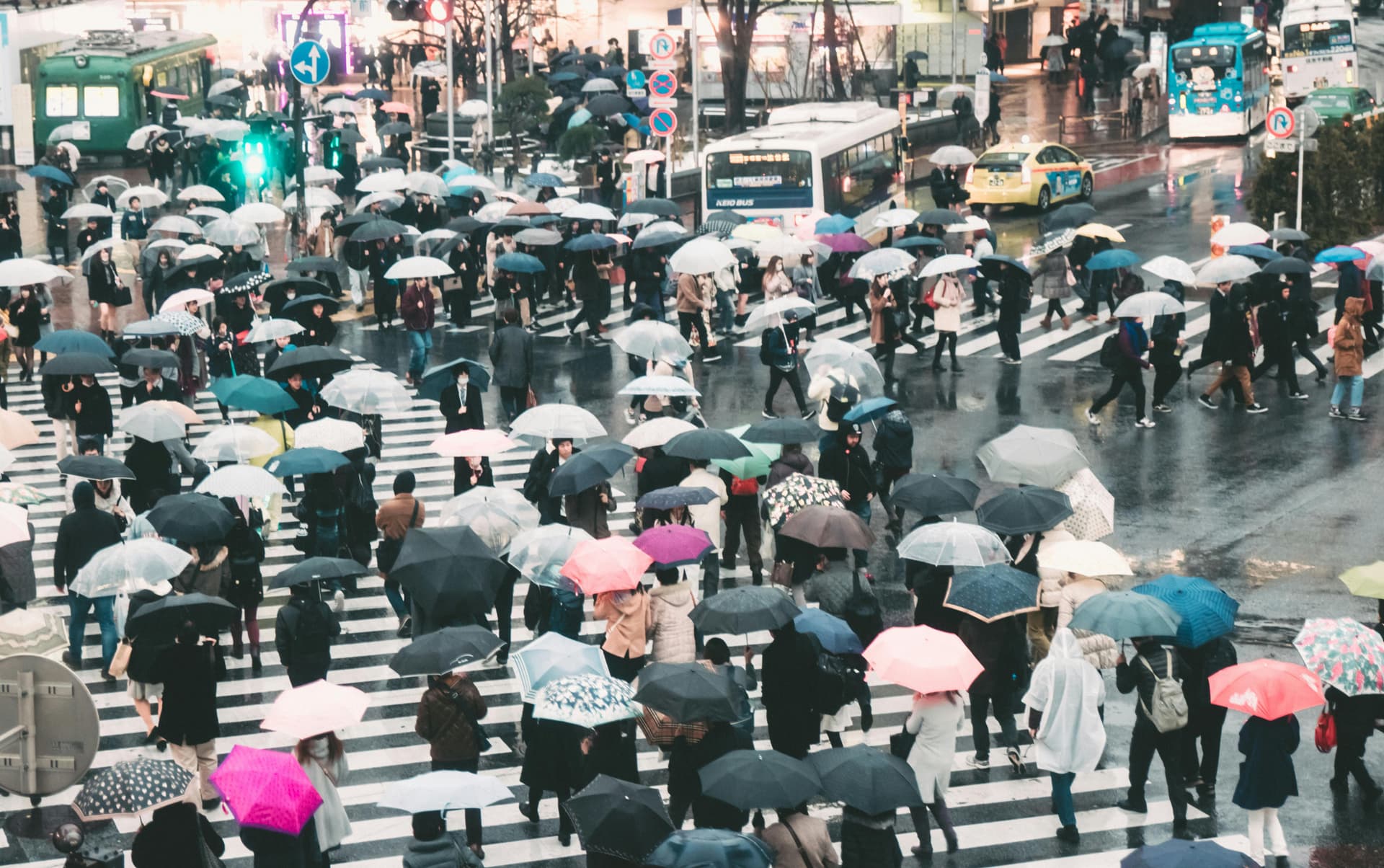
You've been planning this trip for months. You have a list of places. Shibuya Crossing. Senso-ji Temple. Tsukiji Market. Harajuku's Takeshita Street. Shinjuku's Golden Gai. Akihabara. You want all of it, ideally on Day 1, so you can spend the rest of your trip going deeper.
That instinct is wrong, and Tokyo's geography is why.
FOMO vs. Physics
Asakusa to Shibuya takes 40 minutes by train. Shibuya to Tsukiji takes another 25. Tsukiji to Shinjuku is 30 more. Each of those times assumes you know which platform to stand on, which exit to take, and which transfer connects to what. On Day 1, you don't. Add 10-15 minutes per journey for station navigation—finding the right ticket gate, decoding exit signs, walking underground corridors that seem to stretch forever.
You can see 3-4 neighborhoods well in a day, or 7-8 neighborhoods badly. There is no version where you see everything well. Tokyo has 23 special wards. You're visiting a fraction of them. The question is whether that fraction gets your full attention or your exhausted leftovers.
Jet Lag Is Not a Minor Inconvenience
You landed. You're 13-16 hours ahead of your body clock, depending on where you flew from. At 2 PM Tokyo time, your brain thinks it's midnight. This is not something you power through with willpower and coffee.
Day 1 is not the day for an 8-hour deep dive into Tokyo's Edo-period history. It's the day for a well-paced tour with a guide who reads your energy, adjusts the itinerary, and gets you back to your hotel before your body shuts down. Six hours is the sweet spot. Four hours if you landed late the night before.
The Orientation Problem
Every blog post, every YouTube video, every Reddit thread about Tokyo assumes you can navigate the train system. "Just take the Ginza Line to Asakusa" sounds simple until you're standing in Shibuya Station—currently undergoing major redevelopment—trying to find the Ginza Line entrance among 200 exits and 5-6 rail operators.
A guide solves this instantly. Not by carrying you through the system, but by showing you how it works. You watch them tap an IC card, choose an exit, read the overhead signs. By the end of a 6-hour tour, you've ridden 4-5 different trains, navigated 3-4 stations, and the system makes sense. The anxiety evaporates.
The Confidence Dividend
This is the part most first-timers underestimate. After 6 hours with a guide who shows you how Tokyo operates—not just where things are, but how to order food, how to use a convenience store, how to read a station map, when shops open, where to find a restroom—you navigate independently for the remaining 4-6 days of your trip.
That's not a one-day expense. It's an investment in every day that follows. The alternative is spending Day 1 and Day 2 making mistakes that cost 30-45 minutes each, arriving at restaurants that closed an hour ago, and standing on the wrong platform wondering why the train is going the wrong direction.
Tour Comparison for First-Timers
Not every tour is designed for Day 1. Some assume you already know Tokyo. Others are built precisely for the moment you step off the plane.
| Tour | First-Timer Fit | Why |
|---|---|---|
| Tokyo Essentials | Best fit | THE first-timer tour. 6 hours covering Tsukiji, Asakusa, Akihabara, Ueno. Orientation and highlights in one day. |
| Tokyo Trifecta | Strong fit | 4 hours if you're jet-lagged or arrived late. Meiji Shrine, Harajuku, Shinjuku—three distinct areas along one rail corridor. |
| Tokyo Together | Strong fit (families) | If you're traveling with kids, this IS your first-timer tour. Same orientation value, adapted for younger travelers. |
| Infinite Tokyo | Conditional | Only if you've researched extensively and know exactly what you want. Most first-timers think they do. They don't. |
| Kushiyaki Confidential | Save for later | Evening food tour. Better once you've got your bearings and your body clock has adjusted. |
| Timeless Tokyo | Save for later | 8 hours of deep history and culture. Overwhelming and exhausting on Day 1. |
| Ordinary Tokyo | Not for Day 1 | Residential neighborhoods and local life. Assumes you've already seen the landmarks. Don't start here. |
| Standing Room Only | Not for Day 1 | Bar crawl through western Tokyo's standing bars. Not a Day 1 activity by any measure. |
The Day 1 vs. Day 3 Framework
First-timers who book two tours get dramatically more value than those who book one longer tour. The key is sequencing.
Day 1: Get Oriented
Book Tokyo Essentials or Tokyo Trifecta. The goal isn't to "see Tokyo." The goal is to learn how Tokyo works while seeing its most important landmarks.
After Essentials, you'll know how to ride the train, how to order at a restaurant, which neighborhoods feel like what, and where you want to go back. After Trifecta, you'll have the same skills compressed into 4 hours with a tighter geographic focus on the Meiji Shrine-Harajuku-Shinjuku corridor.
Either tour gives you the operating system. Everything after installs the apps.
Day 2: Explore Independently
Use what you learned. Revisit the neighborhood your guide mentioned but didn't have time to explore fully. Try the restaurant your guide pointed out as you passed it. Navigate the train system yourself—you'll be surprised how natural it feels after watching your guide do it five times the day before.
Day 2 is where the confidence dividend pays off. You're not fumbling. You're exploring.
Day 3+: Go Deep
NOW book the specialized tour. Kushiyaki Confidential makes sense because you've eaten at a few places already and you understand what makes this experience different. Timeless Tokyo makes sense because you've seen modern Tokyo and you have context for its history. Ordinary Tokyo makes sense because you've seen the landmarks and you're ready for something the guidebooks skip.
The Layering Strategy
Essentials on Day 1 plus Kushiyaki Confidential on Day 3 covers roughly 80% of what first-timers want: daytime landmarks, orientation, food culture, and nightlife. Two tours, two different dimensions of the city, with a day of independent exploration in between.
Trifecta on Day 1 plus Essentials on Day 3 works if you want guided coverage of both the western corridor (Meiji-Harajuku-Shinjuku) and the eastern circuit (Tsukiji-Asakusa-Akihabara-Ueno). Between the two tours, you've seen Tokyo's greatest hits from both sides of the city.
Our Recommendation
We built these tours for specific travelers at specific moments. Here's the honest match.
Default Answer: Tokyo Essentials
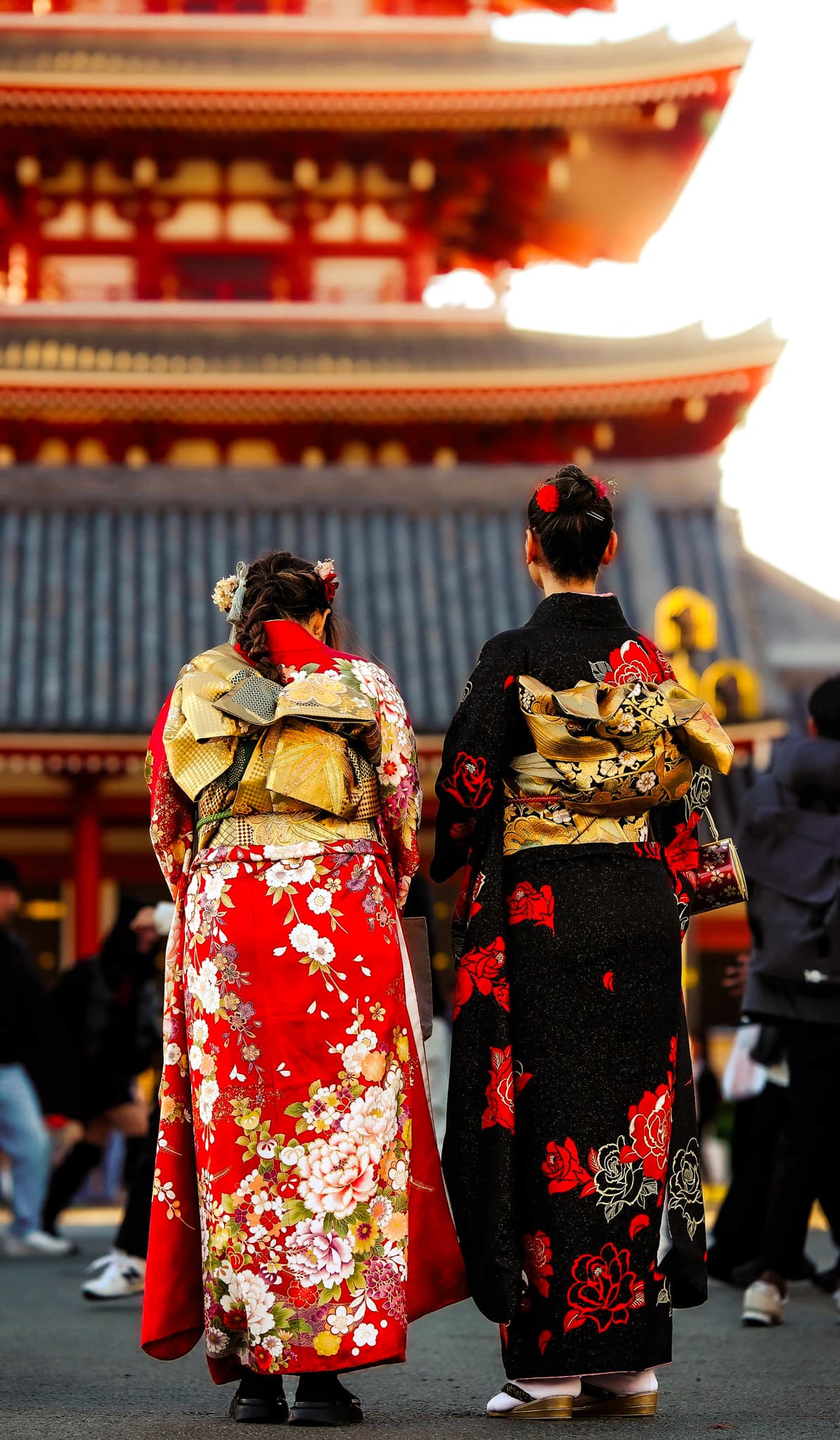
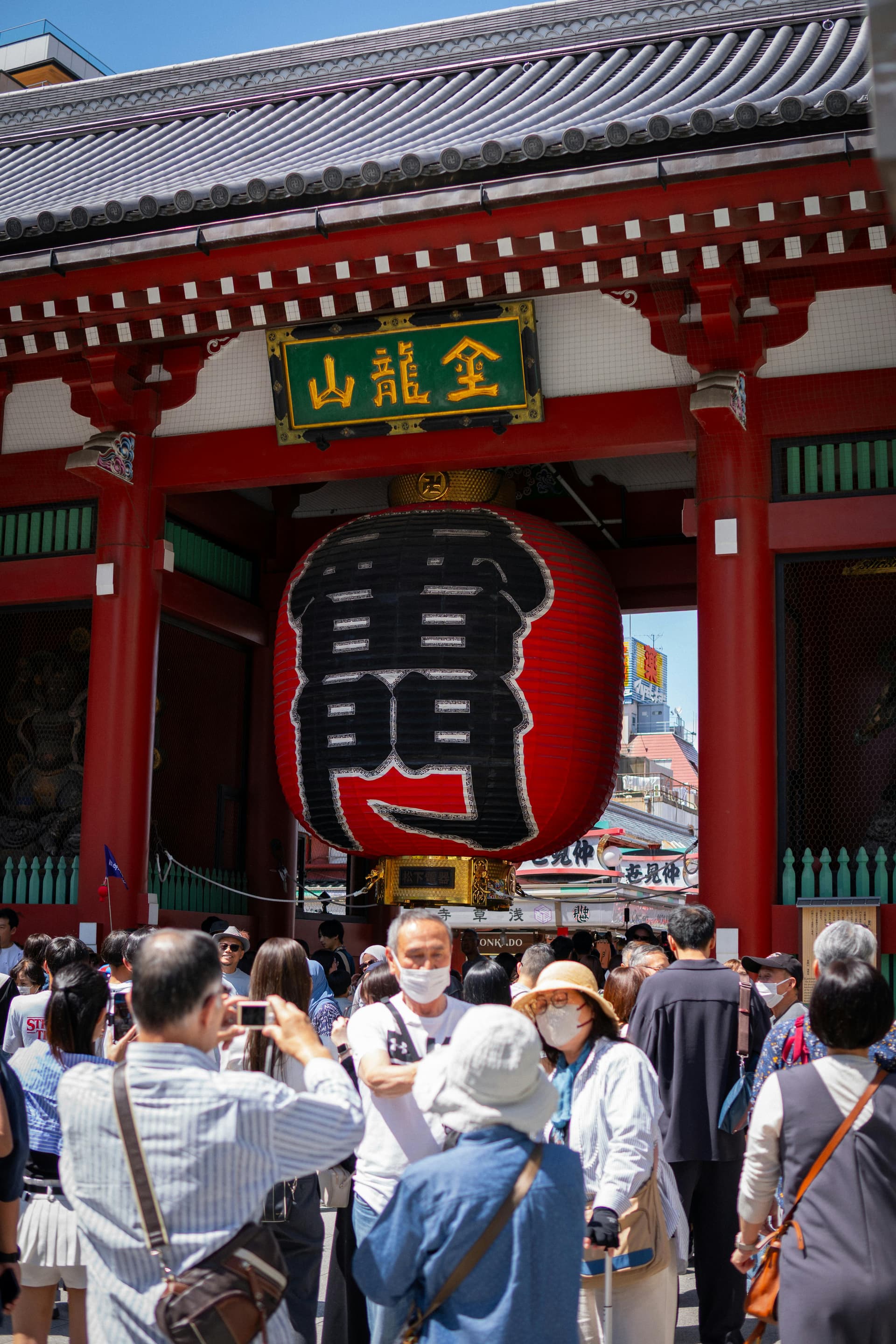
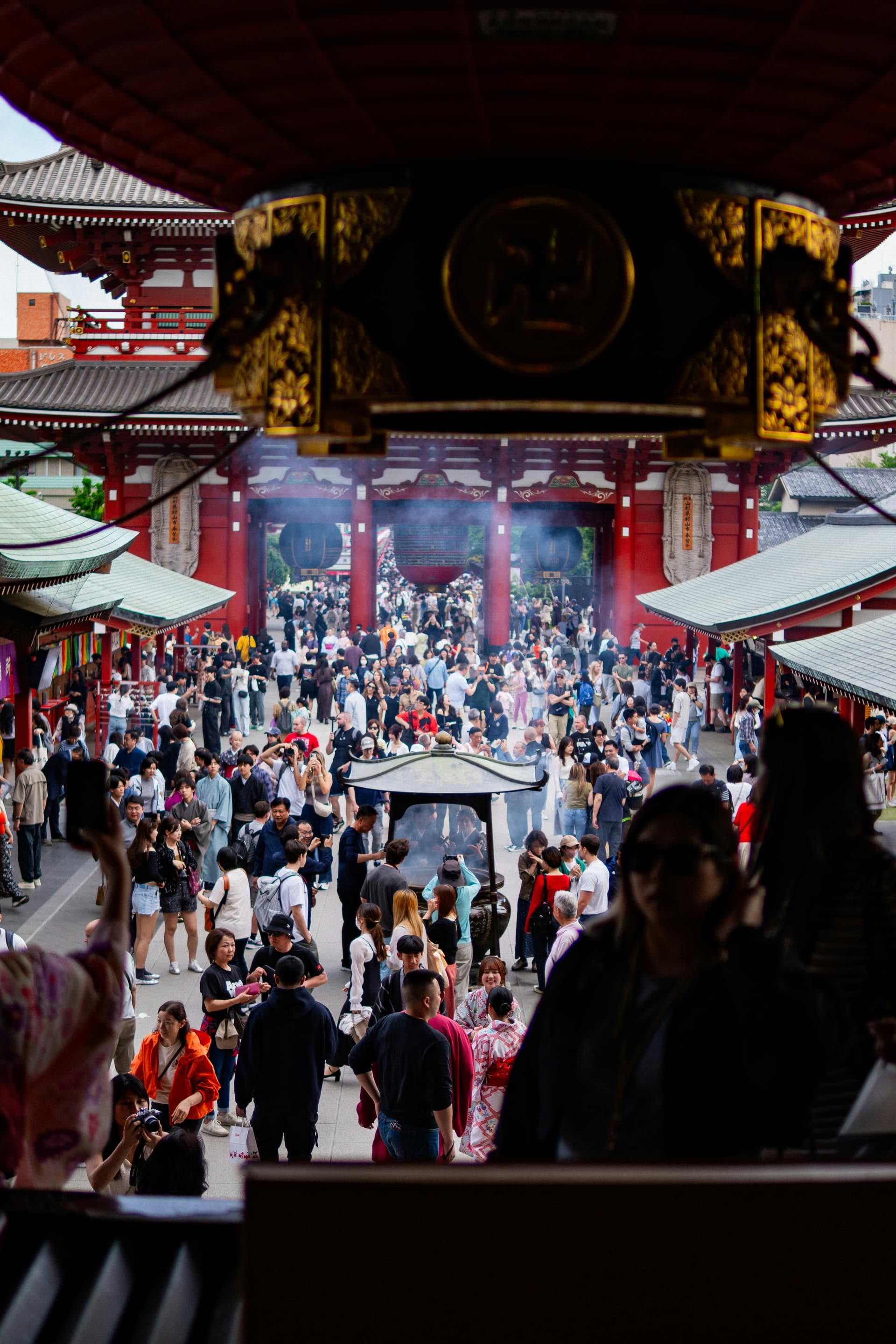
Six hours. Tsukiji Market in the morning when the vendors are active. Asakusa's Senso-ji Temple and the backstreets most tourists miss. Akihabara's electric town. Ueno's cultural corridor. Four distinct neighborhoods connected by train, with your guide teaching you the transit system at every transfer.
This is the tour we built for the traveler who has never set foot in Japan. It's why the route exists in this specific sequence—each stop adds a layer of understanding that makes the next stop richer.
Short on Time or Jet-Lagged: Tokyo Trifecta
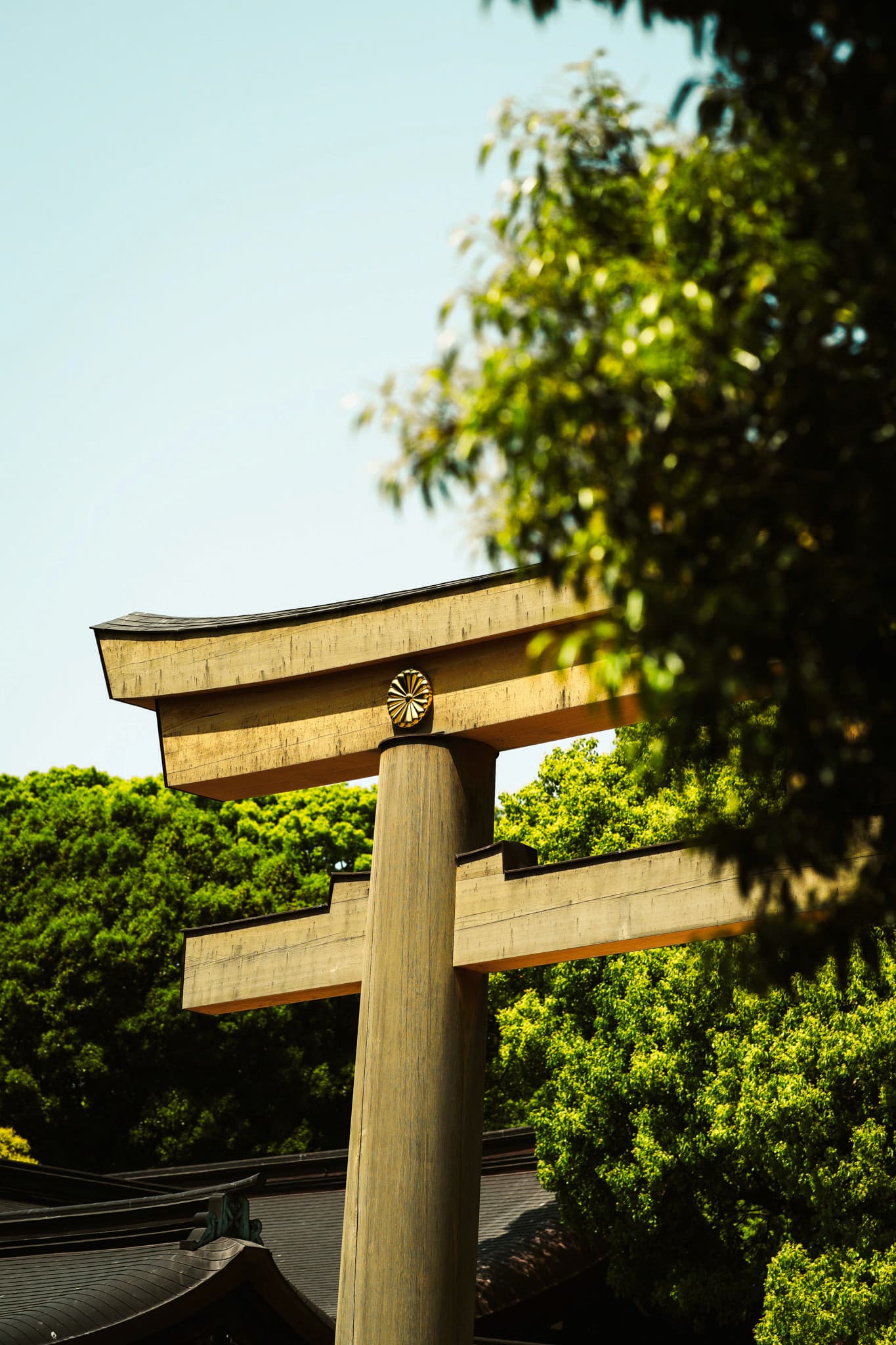
Four hours. Afternoon start possible. Meiji Shrine's forested calm, Harajuku's sensory overload, Shinjuku's urban density. Three neighborhoods that sit along one rail line, meaning almost zero transit overhead. If you landed at 10 PM the night before and your body is still on Los Angeles time, this is the right call.
Traveling with Kids: Tokyo Together
Same orientation value as Essentials, adapted for families. Pacing adjusts for shorter attention spans. Stops include elements that engage children—not watered-down versions of adult tours, but experiences selected because kids respond to them. If you have children under 12, this IS your first-timer tour.
What About Infinite Tokyo?
Don't book it on Day 1 unless you're the rare traveler who has watched 50 YouTube videos about Tokyo, read three guidebooks, and has a specific vision for what you want your day to look like. Infinite Tokyo is fully customizable, which sounds appealing—until you realize that most first-timers don't have enough information to customize well. You don't know what you don't know. That's fine. That's what Essentials is for.
Book Infinite Tokyo on Day 3, after you've seen how Tokyo works. Your customization requests will be better, your guide can build on what you've already experienced, and you won't waste time on things that sounded interesting from home but don't match reality.
What NOT to Do on Day 1
These mistakes are predictable because nearly every first-timer considers them.
Don't book an 8-hour tour. Jet lag hits like a wall at 2 PM. Your guide can adapt—shorten walks, add a cafe break, take a taxi instead of walking—but you'll be miserable for the last two hours regardless. Six hours is plenty. Four is fine. Eight is a mistake on Day 1.
Don't try to "see everything." Tokyo has 23 wards. A full-day tour covers 3-4 neighborhoods well. Trying to squeeze in 6-7 means you'll spend more time on trains than in the places you came to see. You'll take the same photos everyone takes—from the outside, while rushing to the next stop—instead of the photos that come from spending 45 minutes wandering the backstreets of Asakusa.
Don't skip the guide thinking "we'll figure it out." The first transit mistake costs 45 minutes. You get on the express instead of the local. You exit the wrong side of the station. You walk 15 minutes in the wrong direction before realizing. Multiply these mistakes by 4-5 across a full day, and you've lost 2-3 hours to navigation errors. A guide eliminates all of them while teaching you how to avoid them yourself.
Don't book an evening food tour as your first experience. You landed. You're exhausted. A 6 PM start for a 3-hour bar crawl sounds fun in theory. In practice, you'll be fighting to stay awake by the second stop. Save the evening tours for Day 2 or 3 when your body has adjusted.
Common Questions
Should I tour on Day 1 or Day 2?
Day 1 if you landed by noon. The guide carries the cognitive load while your brain adjusts—you don't have to make decisions about where to go, how to get there, or where to eat. That's exactly what jet lag makes hardest.
Day 2 if you landed at night. Use Day 1 to sleep in, walk the neighborhood around your hotel, and get your body on Tokyo time. Then tour on Day 2 when you can actually absorb what you're seeing.
Don't waste a full day "recovering" if you arrived in the morning. You'll lie in your hotel room, fail to sleep because it's daytime, and lose 8 hours you could have spent with a guide doing the hard work for you.
What if I've been to Japan but not Tokyo?
Still book Essentials or Trifecta. Kyoto knowledge doesn't transfer. The temple etiquette is the same, but the transit system, the urban density, the pace, the food culture—Tokyo is a different planet. Knowing how to navigate Kyoto's bus system tells you nothing about Shinjuku Station's 200 exits.
Can I customize Tokyo Essentials?
Somewhat. Your guide adjusts pace and emphasis based on your interests. If you're a food-focused traveler, the Tsukiji segment gets more time. If you're into photography, the guide knows the angles and the timing. But the core route covers the areas that matter for first-timer orientation, and changing it undermines the purpose.
If you want full customization, that's Infinite Tokyo—on Day 3.
What about the rest of my trip?
After Essentials, you'll know enough to navigate independently. You'll know how IC cards work, how to find restaurants, how to read a train map, which neighborhoods you want to revisit. Most travelers don't need a guide for every day. They need a guide for Day 1 to unlock every day after.
If you want a second guided experience for Day 3-4, pick something specialized: Kushiyaki Confidential for food culture, Timeless Tokyo for history, Ordinary Tokyo for the residential side of the city tourists never see. You'll have context for these tours that you wouldn't have had on Day 1.
I only have one day in Tokyo. Which tour?
Tokyo Essentials without hesitation. Six hours, four neighborhoods, full orientation. It's the single best use of one day for someone who has never been. If tour duration is a concern and you need flexibility, consider the time-of-day tradeoffs—but for a single day, Essentials covers the most ground with the best balance of breadth and depth.
Frequently Asked Questions
Which Tokyo private tour is best for first-time visitors?
Tokyo Essentials is the best first-timer tour. It covers Tsukiji Market, Asakusa, Akihabara, and Ueno in 6 hours, teaching you how the train system, restaurants, and city logistics work while hitting the major landmarks. By the end, you can navigate Tokyo independently for the rest of your trip.
Should I book a tour on my first day in Tokyo?
Yes, if you landed by noon. Your guide handles navigation and decision-making while your brain adjusts to jet lag, so you don't waste the day fumbling with trains and station exits. If you arrived late at night, tour on Day 2 instead and use Day 1 to get your body on Tokyo time.
How many neighborhoods can I realistically see in one day?
Three to four neighborhoods done well, or seven to eight done badly. Asakusa to Shibuya alone takes 40-50 minutes door-to-door when you factor in station navigation. A 6-hour tour like Tokyo Essentials covers four distinct neighborhoods with enough time to actually explore each one.
Is a 4-hour or 6-hour tour better for first-timers?
Six hours is the sweet spot for most first-timers. Four hours works if you're severely jet-lagged or arrived late the night before -- Tokyo Trifecta covers Meiji Shrine, Harajuku, and Shinjuku in 4 hours along one rail corridor. An 8-hour tour is too long on Day 1 because jet lag typically hits hard around 2 PM.
Should I book a group tour or private tour in Tokyo?
A private tour lets your guide adjust pace, route, and focus based on your energy and interests -- critical on Day 1 when jet lag is unpredictable. Group tours follow fixed schedules regardless of how you feel. The orientation value of a private guide -- learning how to ride trains, order food, and navigate stations -- pays off for every remaining day of your trip.
Your Next Step
Two tours. Two links. One decision.
Tokyo Essentials — The Day 1 tour. 6 hours. Tsukiji, Asakusa, Akihabara, Ueno. Orientation, highlights, and the confidence to explore independently afterward.
Tokyo Trifecta — The jet-lag-friendly alternative. 4 hours. Meiji Shrine, Harajuku, Shinjuku. Three distinct neighborhoods, minimal transit, afternoon start available.
Your first Tokyo day sets the tone for every day after. Start with the tour that teaches you the city, not just shows it to you.
At Hinomaru One, we design culturally rich, stress-free private Tokyo tours for first-time and seasoned travelers. Unrushed. Insightful. Always customized.