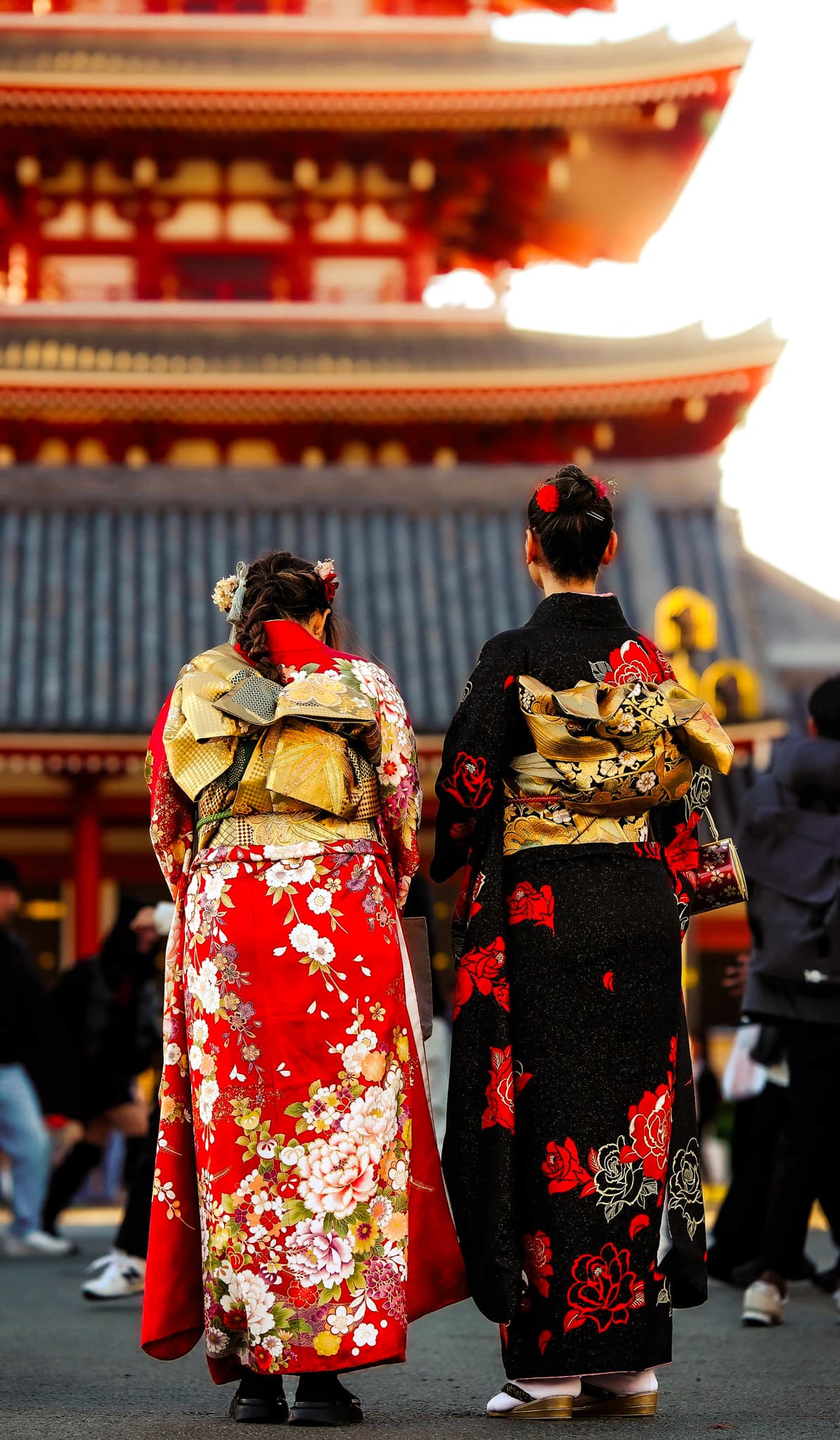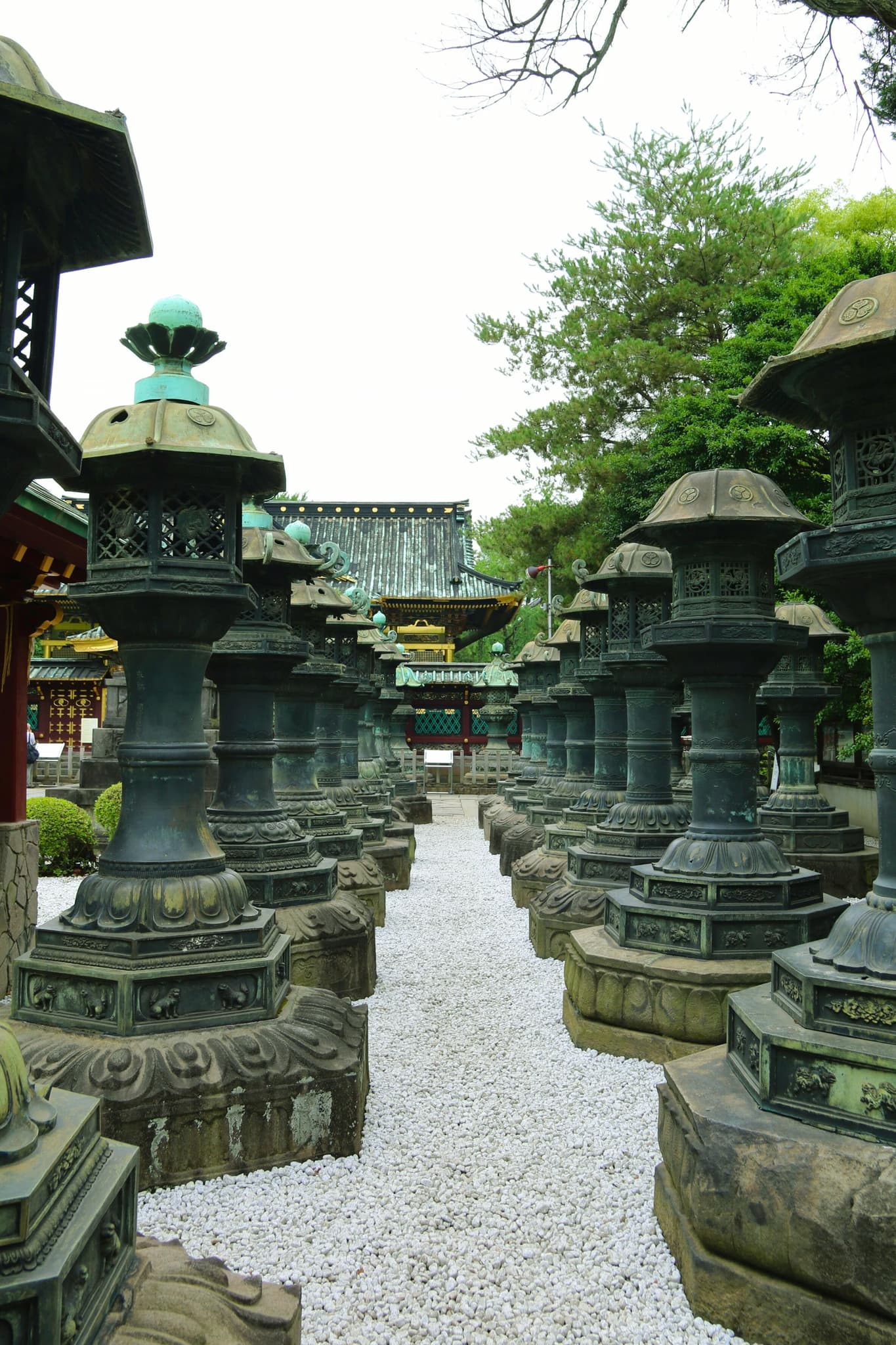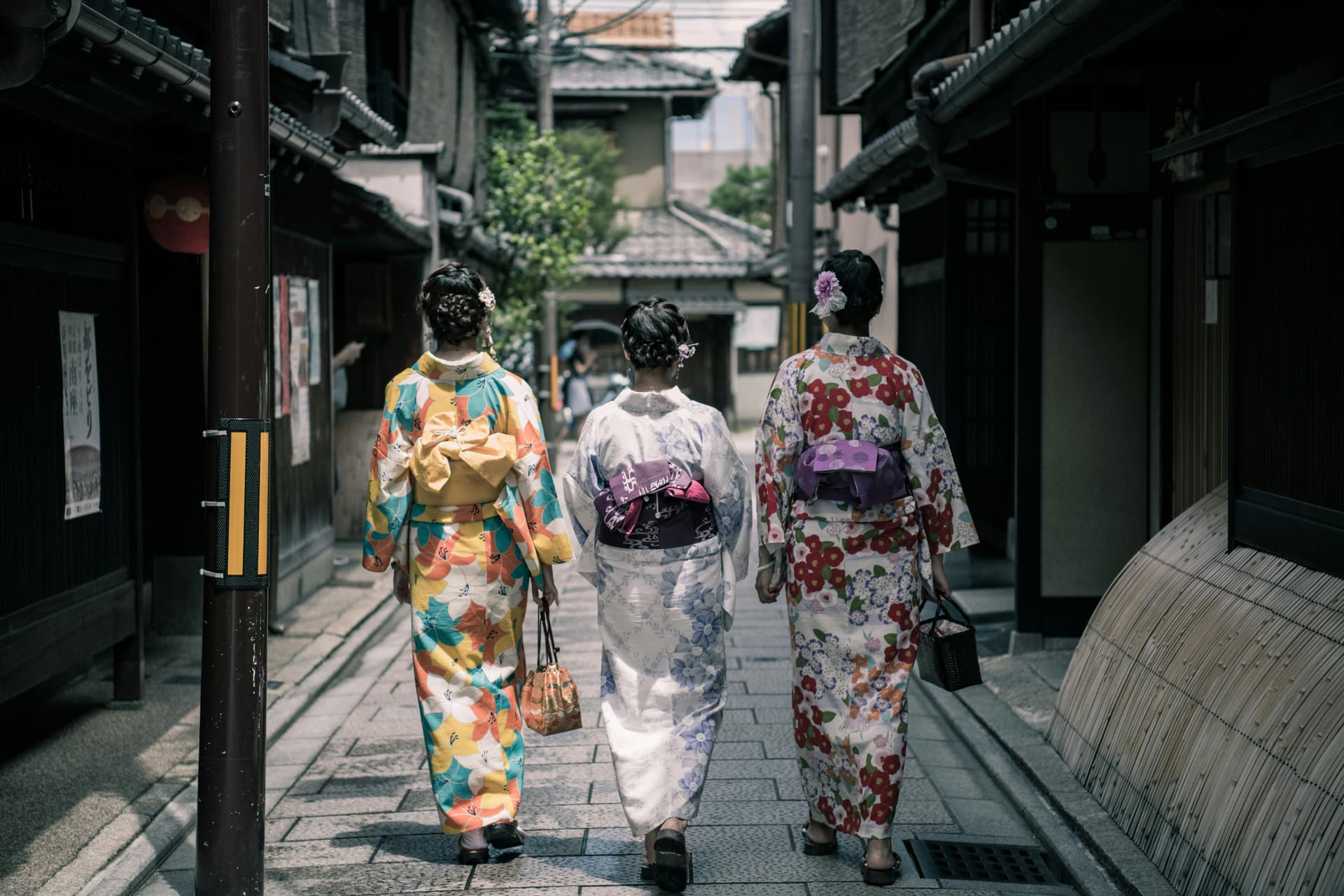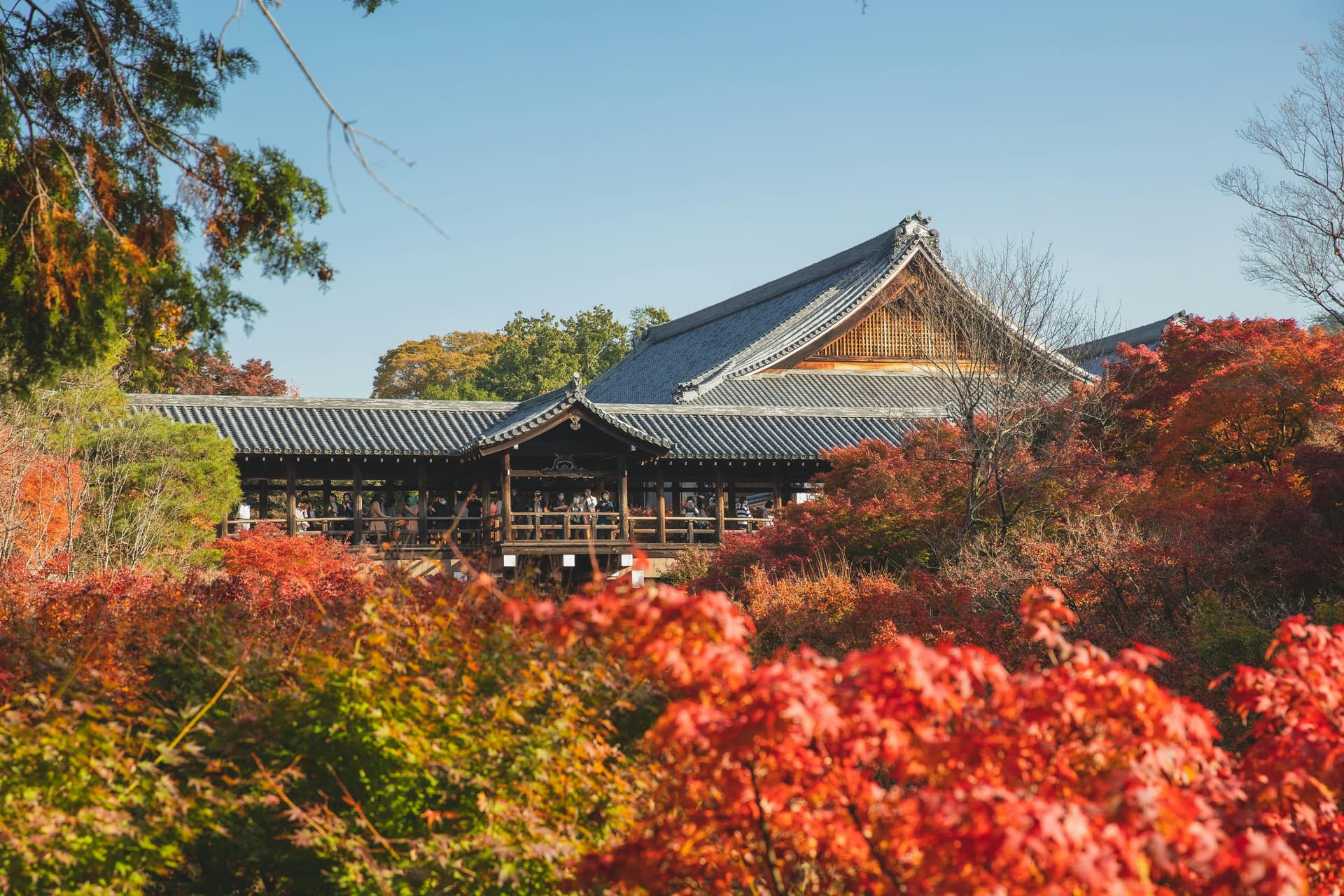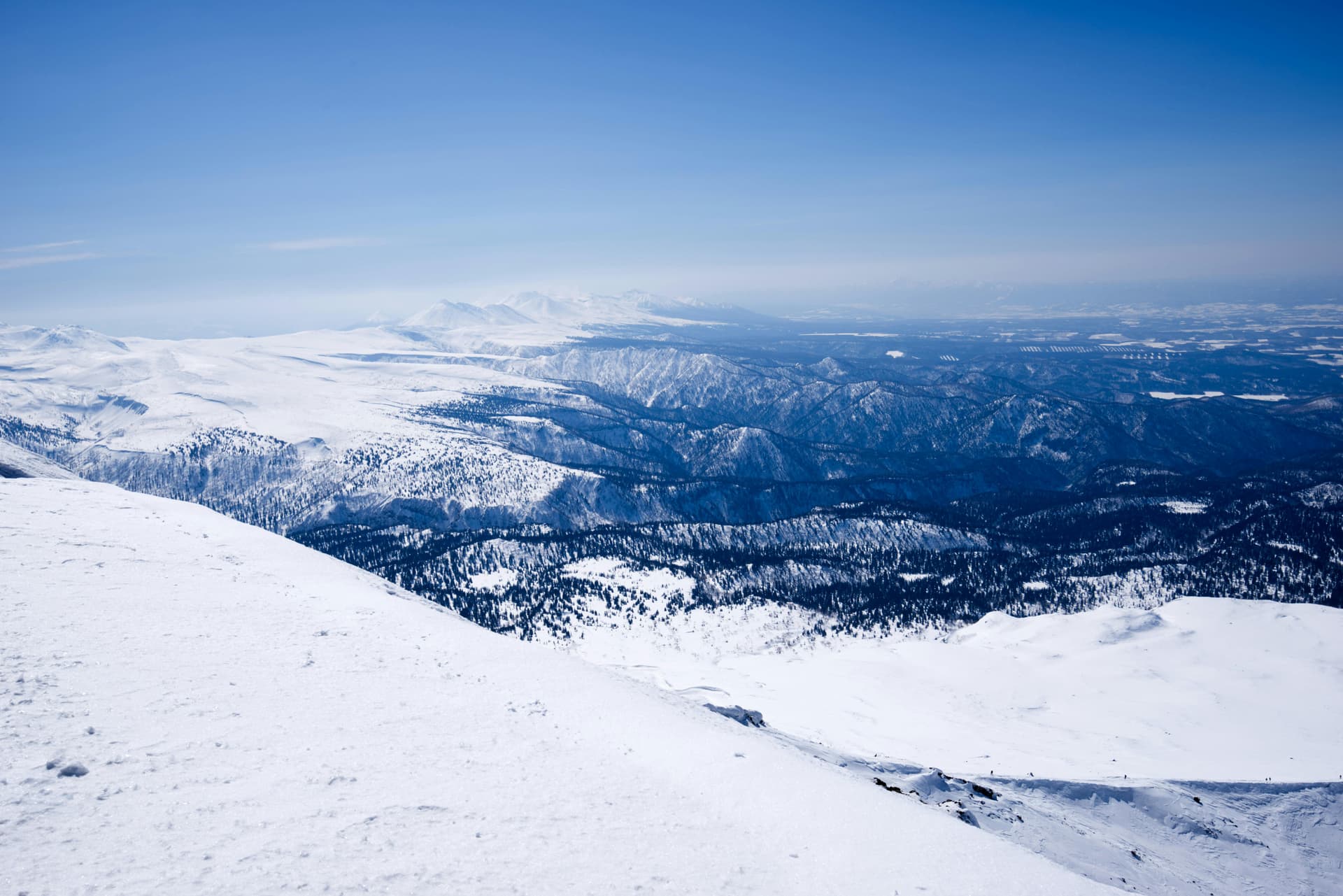
An elegant guide to experiencing winter in Japan—complete with serene escapes, seasonal cuisine, and insider travel tips for a culturally rich journey.
Winter in Japan offers snow festivals, onsen towns, and powder skiing from December through February.
Winter transforms Japan into a season of contrasts. Hokkaido disappears under meters of powder snow while Tokyo stays cold but mostly dry. Sapporo hosts ice sculpture festivals drawing millions while remote onsen towns offer steaming baths surrounded by snow-covered pines.
This isn't the Japan of cherry blossoms and summer festivals. Winter brings its own logic: shorter days, higher costs at ski resorts, and New Year closures that can catch unprepared travelers off guard. But it also delivers experiences impossible in other seasons—powder skiing that rivals anywhere in the world, snow monkeys soaking in hot springs, and a festival season anchored by cultural traditions centuries old.
Why Winter Works (and Why It Doesn't)
Winter isn't Japan's most popular season. Spring cherry blossoms and fall foliage draw larger crowds. That creates opportunities: fewer tourists at temples, lower prices in cities, and easier access to major attractions outside ski areas. For a full comparison across all seasons, see our guide to the best time to visit Japan.
What winter offers that other seasons don't:
-
Powder skiing (Niseko, Hakuba) from mid-December through February
-
Snow monkeys at Jigokudani—only dramatic with snow backdrop
-
Sapporo Snow Festival (early February)—ice sculptures and international competitions
-
Onsen culture in full expression—outdoor baths surrounded by snow
-
Winter illuminations across major cities
-
New Year traditions (hatsumode shrine visits, osechi cuisine)
Trade-offs to accept:
-
Cold temperatures (Tokyo 5-10°C, Hokkaido well below freezing)
-
Shorter daylight (sunset around 4:30-5pm in northern regions)
-
Ski resort pricing 2-3x higher than cities
-
New Year week (Dec 31-Jan 3) brings closures and crowds
-
Winter adds complexity to transport and logistics
Common misconceptions:
Tokyo and Kyoto rarely get snow. They're cold and dry, but not buried. Hokkaido gets buried. Don't expect a white wonderland everywhere—Japan's geography creates massive regional variation.
Cities function normally in winter. Trains run, shops stay open (except New Year), and urban life continues without disruption. Winter tourism concentrates in mountains and hot spring towns, not urban centers.
When to Visit Within Winter
Winter spans mid-December through late February. Each month delivers different conditions.
| Month | Ski Conditions | Temperature | Key Events | Crowds | Notes |
|---|---|---|---|---|---|
| December | Building (early Dec limited, full by late Dec) | Tokyo 0-5°C, Hokkaido colder | Illuminations peak around Christmas | Domestic surge last week | New Year approaches—book early or avoid Dec 28-31 |
| January | Peak powder mid-month | Coldest month (Tokyo 0-5°C, Hokkaido -7 to -1°C) | New Year closures (Jan 1-3) | Jan 1-4 very crowded, then drops | Shops/restaurants close Jan 1-3, ryokan require 3-night minimums at 2-3x rates; best skiing after Jan 4 |
| February | Best powder (through mid-month) | Slightly warmer late Feb | Sapporo Snow Festival (Feb 4-11), Yokote Kamakura, Otaru Snow Light Path | Heavy at festivals and ski weekends | Book Sapporo 6+ months ahead; early plum blossoms signal winter's end |
Choose Your Region
Most winter trips concentrate on 1-2 regions. Trying to cover Hokkaido, Tohoku, and Kansai in one week spreads too thin and misses winter's depth.
| Priority | Region | Access from Tokyo | Minimum Days | Best For | Key Experiences |
|---|---|---|---|---|---|
| Powder Skiing | Hokkaido (Niseko) | Flight to Sapporo 1.5h + bus 2-2.5h | 4-5 days | International ski scene, reliable deep snow | Four interconnected resorts, nightlife in Hirafu, more international atmosphere |
| Powder Skiing | Nagano (Hakuba Valley) | Shinkansen to Nagano 1.5-2h + bus 1-1.5h | 3-4 days | Accessible skiing from Tokyo, diverse terrain | Ten resorts, Olympic venue, more domestic Japanese feel |
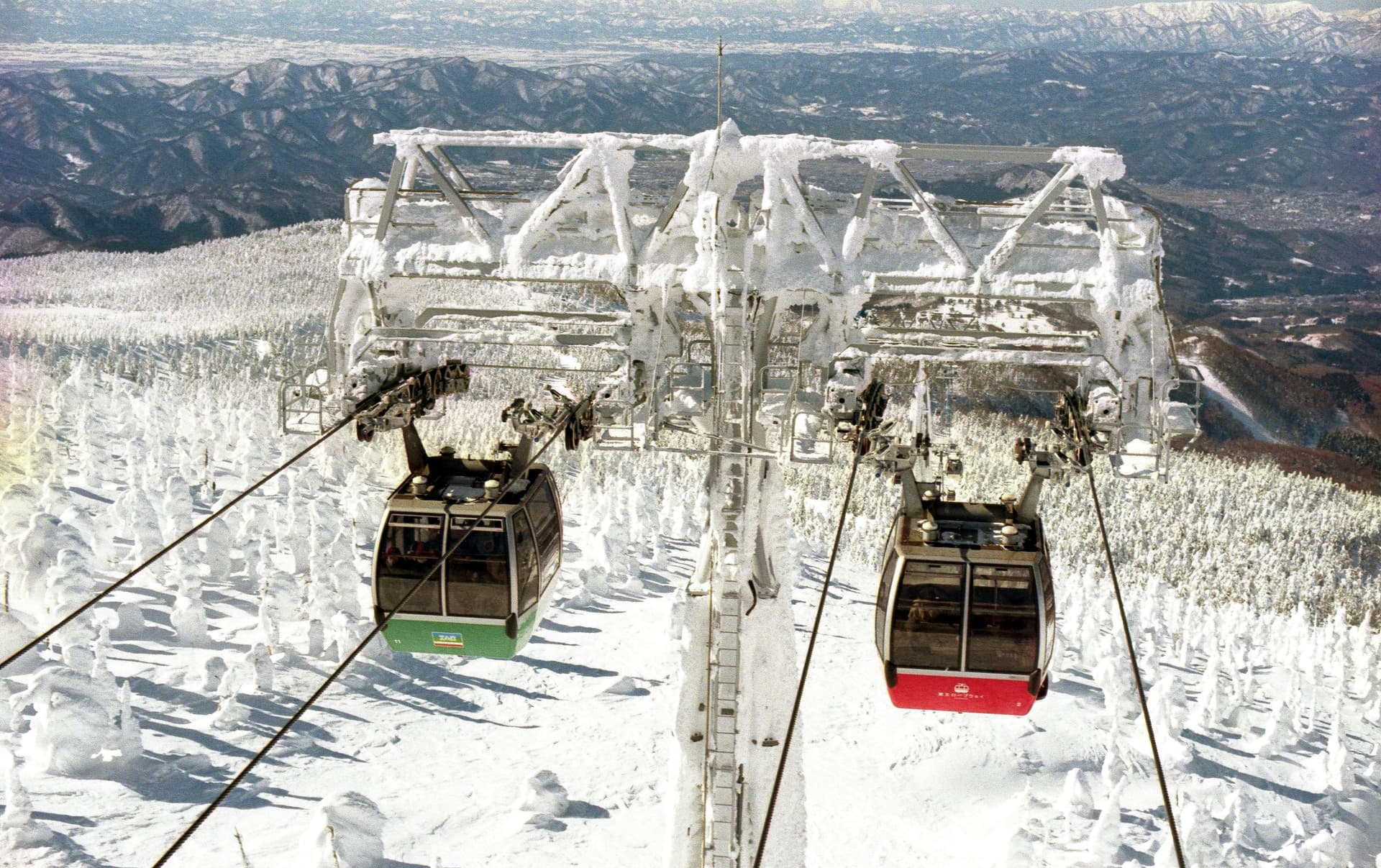
| Onsen + Culture | Tohoku (Ginzan, Zao) | Shinkansen to Oishida 3.5h + bus 40min | 2-3 days each town | Deep isolation, preserved traditional onsen | Wooden ryokan, snow monsters at Zao, period film atmosphere |
| Onsen + Culture | Nagano (Shibu Onsen) | Shinkansen to Nagano 1.5-2h + local transport | 3 days | Ski + onsen combination, better connectivity | Near Snow Monkey Park, traditional hot spring culture, flexible logistics |
| Urban + Nature | Tokyo base with day trips | — | 3-4 days | Winter sampling without remote commitment | Hakone (2h), Nikko (2h), Gala Yuzawa skiing (75min) |
| Cultural Depth | Kyoto/Kansai + Hokuriku | Shinkansen to Kyoto 2.5h, Kyoto to Kanazawa 2.5h | 4-5 days | Fewer crowds at cultural sites | Temples in snow (rare), Kanazawa castle city, winter backdrop |
For detailed resort comparisons and terrain breakdowns, see our Japan ski guide.
First-time winter visitors: Consider Tokyo + Hakuba (7-8 days) for urban Japan plus accessible winter sports, or Tokyo + Kyoto + ski day trip (7-8 days) for Japan's two essential cities with winter sport sampling.
Getting Around in Winter
Trains
JR Pass covers nationwide JR lines including most shinkansen. Current cost: ¥50,000 for 7 days (October 2023 pricing, 70% increase from previous years). For a complete breakdown of when the pass makes sense, see our Japan Rail Pass guide.
Value requires 3+ long-distance shinkansen trips in 7 days.
Break-even examples:
-
Tokyo → Kyoto round trip (~¥27,000): not enough
-
Tokyo → Kyoto → Hiroshima → back: exceeds ¥50,000
-
Tokyo → Hokkaido via shinkansen/connections: justifies pass
For winter travel: Pass makes sense for multi-region trips (Tokyo-Nagano-Kyoto or Tokyo-Hokkaido-Tohoku). Single-region trips often better with point-to-point tickets.
Shinkansen runs reliably in snow. Local trains in Tohoku and Hokkaido can face delays in heavy snow, but major routes maintain service.
Buses
Highway buses connect major cities to ski resorts. Must book in advance during peak season (weekends, February). Routes:
-
Nagano Station → Hakuba: Alpico bus, hourly in season
-
Sapporo/New Chitose Airport → Niseko: Multiple operators, bookable online
Local buses in remote onsen towns run infrequently. Check schedules carefully. Some towns have very limited service in winter.
Cars
Rental cars make sense for exploring rural Hokkaido or visiting multiple onsen towns. Complications:
-
Snow tires required (rentals include)
-
Some mountain roads require chains
-
Parking at accommodations sometimes limited
-
Snow driving experience helpful in Hokkaido
Most travelers rely on trains/buses for main routing, use taxis for short onsen town transfers.
Luggage Forwarding
Takkyubin (luggage forwarding) valuable in winter. Send bags from one hotel to next (¥2,000-3,000 per bag, next-day delivery). Avoid dragging wheeled luggage through snow and icy train stations. Book at hotel front desk or convenience stores.
Booking Timeline & What Fills Up
| Accommodation Type | Book Ahead | Peak Periods | Risk if Late | Notes |
|---|---|---|---|---|
| Ski Resort Hotels | 3-6 months | New Year week, February weekends, Sapporo Festival week | Sold out at Niseko/Hakuba, forced to neighboring towns with longer commutes | Popular resorts fill earliest |
| Onsen Ryokan | 2-4 months | Weekends | Sold out in famous towns (Ginzan, Kusatsu, Kurokawa) | Small ryokan (5-10 rooms) sell fastest; some only open bookings 1-3 months out |
| Sapporo Festival Week | 6+ months | Early February | Hotels within 30min of Odori Park completely booked | 2M+ visitors; consider Otaru (30min by train) for better availability |
| Tokyo/Kyoto/Osaka | 1-2 months | New Year week only | Higher rates but usually available | Winter is off-peak for cities (cheaper than spring/fall) |
| New Year Period (Dec 30-Jan 2) | 6+ months | Entire period | 3-night minimums, 2-3x pricing, or sold out | Many restaurants closed Jan 1-3; consider avoiding entirely |
For platform-specific booking strategies and how to navigate Japanese accommodation sites, see our booking platform guide.
Winter Experiences
Skiing and Snowboarding
Japan's powder snow attracts skiers globally. Best conditions mid-January through mid-February when cold temperatures and consistent snowfall create the lightest, driest snow.
Major resorts offer English-language lessons, rental equipment, and international-friendly environments. Rentals run ¥5,000-8,000/day for full package (skis/board, boots, poles). Lift tickets ¥5,000-7,000/day at most resorts, some premium areas (Niseko) up to ¥10,500/day.
Renting in Japan beats traveling with equipment—better quality, no luggage hassle, properly maintained for local conditions.
Onsen Culture
Onsen (hot springs) define Japanese winter. Outdoor baths (rotenburo) surrounded by snow deliver the classic experience.
Etiquette essentials:
-
Wash completely before entering (soap stations provided)
-
Small towel stays out of water (place on head or poolside)
-
Enter naked—no swimsuits in traditional onsen
-
Tattoos may prohibit entry (policies vary; ask when booking)
-
Most onsen are gender-separated (mixed bathing rare and clearly marked)
Booking ryokan: Onsen towns center on ryokan (traditional inns). Pricing is per person and includes:
-
Dinner (kaiseki multi-course meal)
-
Breakfast
-
Room
-
Onsen access
Expect ¥15,000-30,000/person/night for mid-range ryokan, ¥30,000-100,000+ for luxury. Budget options exist (¥10,000-15,000) but less common. Check-in typically 3-4pm (kaiseki dinner served 6-8:30pm).
How to book a ryokan:
Ryokan booking is more nuanced than regular hotels. Platform choice matters.
| Platform | Best For | Pros | Cons |
|---|---|---|---|
| Booking.com | Convenience, familiar interface | Easy cancellation, English support | Limited selection, often basic meal plans only, sometimes 20-30% higher prices |
| Agoda | English speakers, good ryokan selection | Competitive pricing, reliable | Similar limitations to Booking.com |
| Rakuten Travel | Best selection and value | More ryokan options, kaiseki dinner/breakfast packages, sometimes lower rates for rural ryokan | Interface less polished, English inventory smaller than Japanese |
| Japanican | High-end and traditional ryokan | Largest English catalog of mid-to-luxury ryokan, onsen specialty | Less budget options |
| Direct booking | Best rates and room options | No commission (8-10%), full meal plan choices, best room selection | May require Japanese, some only accept cash |
Booking strategy:
- Search Rakuten Travel and Japanican first for selection and package deals (meals included)
- Cross-check Booking.com/Agoda for price comparison
- Find the ryokan's website via Google and check if direct booking offers better rates or room options
- For small family-run ryokan, direct booking often saves 10-20% and gets you the best rooms
What to confirm when booking:
- Meal plan included (dinner + breakfast is standard; some offer room-only at lower rate)
- Onsen hours and whether private baths are available
- Tattoo policy if applicable
- Check-in time (usually 3-4pm; arriving late may affect dinner timing)
- Payment method (some accept credit cards; others cash only at checkout)
Winter-specific considerations:
- Book 2-4 months ahead for popular towns (Ginzan, Kusatsu, Hakone)
- New Year period (Dec 30-Jan 3) often requires 2-3 night minimum at 2-3x normal rates
- February weekends fill quickly due to ski traffic
- Small ryokan (5-10 rooms) sell out fastest; book early or try larger properties
Some famous onsen towns feature public baths (sotoyu) where guests walk between different baths wearing yukata and geta (wooden sandals).
Winter Festivals
Sapporo Snow Festival (February 4-11, 2025 and 2026): Japan's largest winter festival. Three sites:
-
Odori Park: Massive snow sculptures (some 25m wide, 15m high), lit until 10pm
-
Susukino: Ice sculptures, lit until 11pm
-
Tsudome: Family activities, snow slides, indoor play areas
International Snow Sculpture Contest draws teams worldwide. Evening visits showcase illumination, but sculptures look impressive day and night.
Lesser-known alternatives:
-
Yokote Kamakura Festival (Akita, mid-February): Snow igloos throughout town
-
Otaru Snow Light Path (Hokkaido, early February): Candle-lit snow sculptures along canal
For all festivals: Dress extremely warm. Temperatures below freezing common during viewing hours. Festival areas exposed to wind.
Snow Monkeys
Jigokudani Snow Monkey Park near Nagano showcases wild Japanese macaques bathing in hot spring pool. Winter provides the dramatic setting—snow-covered landscape, steam rising from bath, monkeys soaking to stay warm.
Access from Nagano City: Express bus to Kanbayashi Onsen (40 min), then 30-40 min walk to park. Path can be icy—proper winter boots essential. Visit early morning (9-10am) to avoid crowds. Can combine with stay at nearby Shibu Onsen.
Winter Food
Nabe hotpot: Communal cooking at your table. Restaurant brings pot of broth, raw ingredients (meat, vegetables, tofu, noodles). You cook as you eat. Order for 2+ people (portions sized for sharing). Expect ¥1,500-3,000/person.
Oden: Simmered comfort food found at convenience stores and street carts. Fish cakes, daikon, eggs, tofu in dashi broth. Convenient, cheap, warming.
Regional specialties:
-
Hokkaido: Crab (king crab, snow crab season), ramen (miso-based Sapporo style)
-
Tohoku: Kiritanpo (pounded rice formed on sticks, grilled and served in hotpot)
Hot sake (atsukan) is seasonal. Many restaurants and izakayas serve warmed sake in winter months.
What Winter Costs
| Category | Base Cost | Peak Season Premium | Notes |
|---|---|---|---|
| Ski Lift Tickets | ¥5,000-7,000/day | — | Niseko up to ¥10,500/day |
| Ski Equipment Rental | ¥5,000-8,000/day | — | Full package (skis/board, boots, poles) |
| Ski Resort Lodging | ¥10,000-30,000/night | Weekends + New Year significantly higher | Higher near slopes |
| Onsen Ryokan | Mid-range: ¥15,000-30,000/personLuxury: ¥30,000-100,000+/person | New Year: 2-3x rates, 3-night minimums | Includes dinner and breakfast; famous towns (Ginzan, Kusatsu) trend higher |
| City Hotels (Tokyo, Kyoto, Osaka) | ¥8,000-15,000/night | New Year: +50-100% | Winter is off-peak (cheaper than spring/fall) |
| JR Pass (7-day) | ¥50,000 | — | Breaks even at ~¥50,000 in point-to-point tickets (e.g., Tokyo-Hokkaido round trip) |
| Food | Restaurant: variesNabe/hotpot: ¥1,500-3,000/personConvenience store: ¥500-1,000Oden: ¥300-500 | — | Similar year-round |
| Luggage Forwarding | ¥2,000-3,000/bag | — | Next-day delivery between hotels |
When winter is MORE expensive: Ski resort areas (Niseko, Hakuba), famous onsen towns during peak weeks, New Year period (Dec 30-Jan 2), February weekends at ski resorts, Sapporo Snow Festival week
When winter is LESS expensive: Tokyo/Kyoto/Osaka (off-peak season), weekday travel vs weekends, early December or late February (shoulder periods)
Budget strategies: Base in cities and day trip to mountains; ski weekdays (cheaper than weekends); choose less famous onsen towns (Shibu, Nozawa vs Kusatsu, Hakone); use luggage forwarding to avoid taxi costs
For a comprehensive breakdown of costs across all categories and seasons, see our Japan travel costs guide.
Common Winter Travel Mistakes
Over-Routing
Mistake: Trying to cover Hokkaido, Tohoku, and Kyoto in 10 days.
What goes wrong: Winter travel is slower. Snow delays, shorter days, and time spent indoors (onsen, warming up) compress what you can realistically see. You spend more time in transit than experiencing destinations.
Solution: Solution: Pick 1-2 regions maximum. Hokkaido alone justifies 7-10 days. Combining Nagano + Kyoto works in 7-8 days. Hokkaido + Tohoku needs 14 days minimum. For Tokyo specifically, our 2-day routing framework shows how the same over-routing mistake happens at the city level.
Wrong Base City
Mistake: Staying in Tokyo to ski Hakuba daily.
What goes wrong: Travel time eats your ski day. Tokyo to Hakuba: 3-3.5 hours each way. You get maybe 4 hours on snow after accounting for transit, rentals, and early winter sunset (4:30pm). Hotels in Hakuba cost the same as Tokyo in winter.
Solution: Base where you'll spend time. Ski resorts for skiing, onsen towns for onsen immersion, cities for urban activities. Don't commute to winter destinations.
Underestimating Cold
Mistake: Packing for "Japan" without regional differentiation.
What goes wrong: Tokyo averages 5-10°C—cold enough for heavy coat, scarf, gloves. Hokkaido averages -7 to -1°C in January—that's serious cold requiring insulated layers, snow boots, heat packs. Cotton jeans stay cold when damp from snow. Non-waterproof shoes are miserable in slush.
Solution: Pack for your coldest destination. Mountains and Hokkaido require winter gear beyond what works in Tokyo. Merino wool or synthetic base layers, insulated outerwear, waterproof boots with traction. Buy heat packs at convenience stores in Japan (cheap, effective).
Missing Booking Windows
Mistake: Waiting until November to book February ski lodge or Sapporo Snow Festival hotel.
What goes wrong: Peak season sells out 3-6 months ahead. Small ryokan (5-10 rooms) sell fastest. You're left with distant accommodations requiring long commutes, or priced-out completely.
Solution: Book ski resorts and popular onsen towns 3-6 months ahead for peak dates. Sapporo Snow Festival week needs 6+ months. Weekdays offer more flexibility than weekends.
Ignoring New Year
Mistake: Traveling December 31-January 3 without researching closures.
What goes wrong:
-
Most restaurants closed January 1-3 (convenience stores and hotel restaurants stay open)
-
Shops closed January 1, limited hours January 2-3
-
Trains and highways packed as people return to cities January 2-4
-
Ryokan require minimum 3-night stays at 2-3x normal pricing
Solution: Either plan specifically for New Year (book 6+ months ahead, accept premium pricing, understand you'll experience Japanese holiday traditions) or avoid this week entirely. First week of January after January 4 offers much better value.
Packing Wrong
Mistake: Cotton clothes, non-waterproof shoes, no accessories.
What goes wrong: Cotton base layers stay cold when you sweat or encounter snow. Non-waterproof shoes become soaked walking through slush. Without hat, gloves, scarf, you're constantly cold in mountains or Hokkaido.
Solution:
-
Base layers: Merino wool or synthetic
-
Outerwear: Insulated jacket (down or synthetic)
-
Footwear: Waterproof boots with traction for icy sidewalks
-
Accessories: Hat, gloves, scarf, heat packs (buy in Japan)
-
Ski gear: Rent in Japan (cheaper, better quality, saves luggage space)
Over-Scheduling
Mistake: Planning to see as much as summer itineraries.
What goes wrong: Winter has shorter days (sunset 4:30-5pm in north). Travel takes longer in snow. You spend more time indoors (warming up in cafes, soaking in onsen, waiting for delayed trains). Summer's 12-hour sightseeing days don't translate to winter.
Solution: Reduce daily targets by 30-40%. Build in flex time for weather delays. Embrace that winter travel is slower—that's part of its appeal.
Icy Paths and Mobility
Mistake: Assuming cleared sidewalks everywhere.
What goes wrong: Sidewalks, side streets, and shaded areas remain icy and dangerous long after snowfall. Black ice is nearly invisible. Train platforms can be slippery. Urban areas get cleared faster than residential neighborhoods, but ice persists in shadows and corners. Elderly travelers and those with mobility concerns face real fall risks.
Solution:
- Traction devices: Buy slip-on cleats at Japanese convenience stores and drugstores. They're cheap and effective.
- Allow extra time: Morning ice may clear by afternoon in urban areas. Don't rush.
- Station staff assistance: Contact the railway company in advance or inform station staff upon arrival—they'll help navigate accessible routes through stations.
- Accessible taxis: London-style accessible taxis are available in Tokyo and major cities. Book through hotel concierge.
- Route planning: Ask your guide or hotel to identify which paths are cleared versus icy. The scenic route may not be the safe route in winter.
Assuming Snow Everywhere
Mistake: Expecting white landscapes throughout Japan.
What goes wrong: Tokyo and Kyoto get snow 1-2 days per year on average—not reliable. Kansai (Osaka, Kyoto, Nara) stays cold but mostly snow-free. Meanwhile Hokkaido is buried under meters of snow.
Solution: Understand regional variation. Cities offer winter atmosphere (cold, illuminations, seasonal food) but rarely snow. Mountains and Hokkaido deliver actual winter landscapes. Choose destinations based on what winter experience you want.
Winter Travel with Children
Families face specific challenges in Japanese winter. Kids don't tolerate cold the same way adults do, and Japan's winter infrastructure assumes adult stamina.
What Works
| Strategy | Why It Matters |
|---|---|
| Indoor anchors every 2-3 hours | Museums, department stores, heated cafes. Kids need warm-up breaks adults can skip. |
| Later starts | Mornings are coldest. Starting at 10am instead of 8am avoids the worst chill. |
| Onsen with family baths | Some ryokan have private family baths (kashikiri-buro). Kids can bathe with parents regardless of gender separation. Book ahead. |
| Sapporo Snow Festival Tsudome site | The family-focused site has snow slides, indoor play areas, and heated rest spaces. Better for kids than Odori's sculpture viewing. |
| KidZania Tokyo (Toyosu) | Fully indoor. Pairs well with Planets for a full warm-day itinerary. |
What to Avoid
| Situation | Problem |
|---|---|
| Long outdoor temple walks | Kyoto's temple circuit is beautiful in snow but exhausting for kids. Limit to 1-2 temples per day. |
| Remote onsen towns without car | Waiting for infrequent buses in freezing temperatures with tired kids creates meltdowns. Consider Hakone (better transit) over Ginzan. |
| Ski lessons under age 5 | Most ski schools start at 4-5 years. Younger kids need snow play areas, not lessons. |
| Evening festival viewing | Sapporo Snow Festival at night means sub-zero temperatures. Kids under 8 rarely last more than 30-60 minutes. |
Packing for Kids in Winter
- Heat packs (kairo): Buy in Japan at convenience stores. Stick-on versions go inside jackets. Kids love them.
- Waterproof mittens (not gloves): Easier for small hands. Fingers stay warmer together.
- Snow boots with removable liners: Liners dry overnight in heated rooms.
- Extra base layers: Kids sweat, then get cold. Pack 2 per day minimum.
- Snacks from home: Familiar snacks prevent hangry meltdowns when Japanese options don't appeal.
Stroller Considerations
- Cities (Tokyo, Kyoto, Osaka): Usable but difficult. Subway stations lack elevators, train gaps are wide, and crowds compress space.
- Ski resorts: Not practical. Snow and stairs dominate.
- Onsen towns: Uneven paths and stairs make strollers difficult. Baby carriers work better.
Lightweight, compact strollers fare better than full-size models. Consider leaving the stroller and using a carrier for winter-specific travel.
Sample Itineraries
| Itinerary | Route | Key Experiences | Best For | Cost Range |
|---|---|---|---|---|
| 10 Days: Skiing + Onsen | Tokyo 2d → Niseko 4d → Sapporo/Otaru 2d → Tokyo 2d | Powder skiing, onsen evenings, Sapporo Snow Festival (Feb), canal town exploration | Skiers wanting Hokkaido focus without rushing | ¥180,000-250,000 |
| 7 Days: Culture + Hot Springs | Tokyo 2d → Ginzan Onsen 2d → Yamadera 1d → Tokyo 2d | Traditional ryokan, snow-covered onsen town, mountain temple | Cultural immersion, traditional Japan, shorter trip | ¥120,000-180,000 |
| 10 Days: First-Timer Mix | Tokyo 3d → Hakuba 3d → Kyoto 3d → Tokyo 1d | Urban sightseeing, accessible skiing/onsen, temples and gardens | First-time visitors, balanced experience | ¥150,000-200,000 |
| 14 Days: Deep Winter | Tokyo 2d → Hokkaido 5d → Tohoku 3d → Tokyo 2d → Kyoto 2d | Multiple ski areas, remote onsen towns, cultural sites | Comprehensive winter experience, extended travel | ¥300,000-400,000 |
Transport notes:
-
Hokkaido trips: Flight to Sapporo (1.5h from Tokyo), buses to ski resorts
-
Nagano/Hakuba: Hokuriku Shinkansen to Nagano (1.5-2h), bus to Hakuba (1-1.5h)
-
Tohoku: Yamagata Shinkansen to regional stations (3-4h), local buses to onsen towns
-
JR Pass (¥50,000/7 days) valuable for multi-region routing, less so for single-region trips
Packing for Winter
| Climate Zone | Temperature | Essential Items | Notes |
|---|---|---|---|
| Cities (Tokyo, Kyoto, Osaka) | 4-12°C, dry, occasional wind | Warm coat (down or wool), layers (long-sleeve shirts, sweaters), scarf, gloves, waterproof shoes | Heavy winter gear not essential unless day-tripping to mountains |
| Mountains (Hakuba, Niseko, Nagano) | -10 to 0°C, snow, wind | Insulated jacket (ski jacket if skiing), merino/synthetic base layers (not cotton), insulated pants, snow boots with traction, hat, gloves, scarf, heat packs, ski goggles/helmet | Rent ski equipment in Japan (¥5,000-8,000/day): better quality, no luggage hassle, properly maintained |
| Onsen Towns (Ginzan, Kusatsu) | 0°C or below, more time indoors | Warm coat for walking between buildings, regular clothes for daytime (yukata provided but not for all hours), indoor shoes (slippers provided), winter accessories | Towns are walkable but outdoor time is real—pack for cold |
What NOT to bring:
-
Heavy cotton jeans (stay cold when damp)
-
Non-waterproof shoes (miserable in snow/slush)
-
Excessive clothing (luggage forwarding available ¥2,000-3,000/bag)
Buy in Japan:
-
Heat packs (kairo): Cheap at convenience stores
-
Umbrella: Available at any convenience store
For a complete packing list covering all seasons and trip types, see our Japan packing guide.