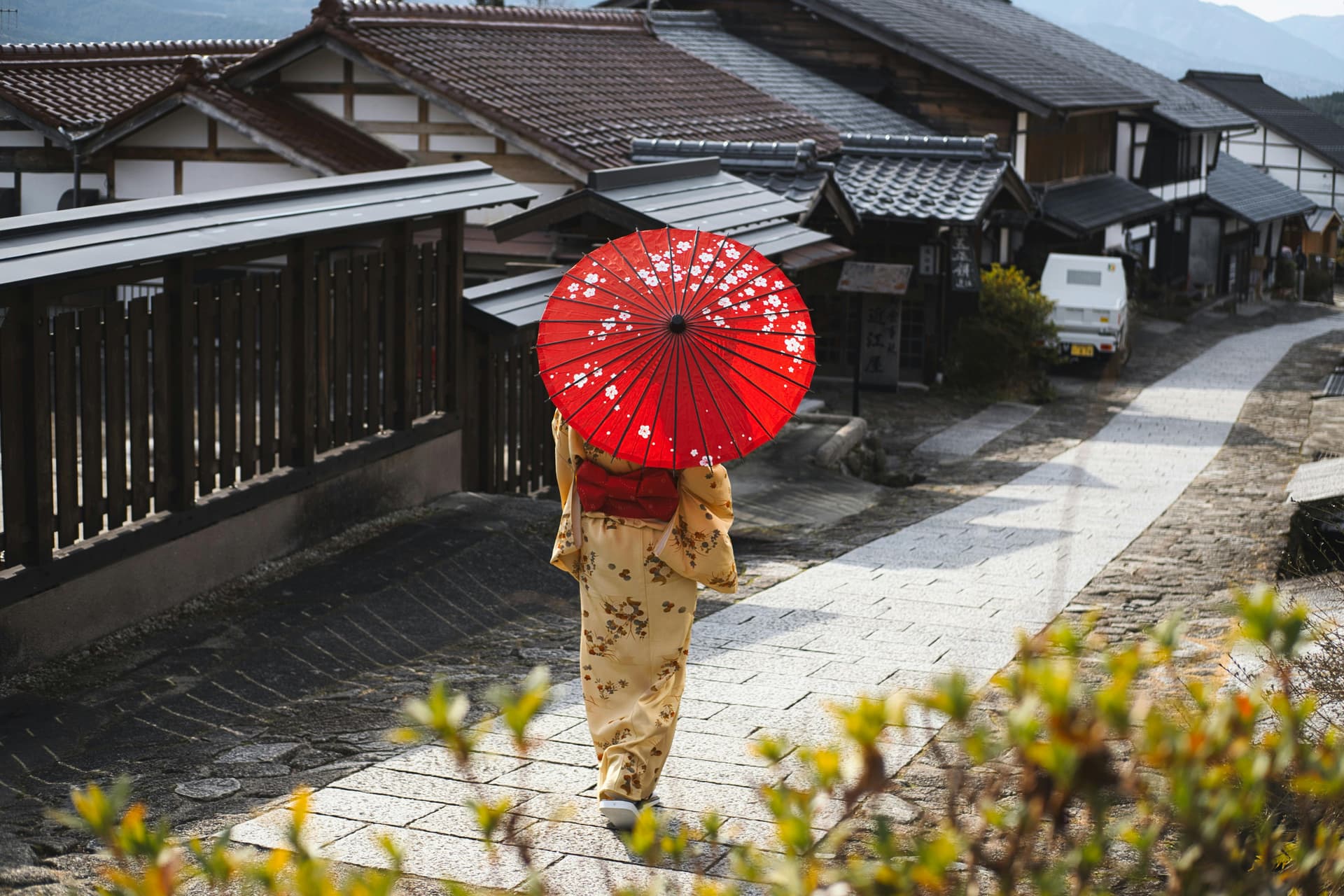
A beautifully detailed guide revealing how much it costs to travel to Japan in 2025 — from budget-friendly trips to indulgent, high-end escapes.
Japan travel costs surprise most visitors — Tokyo is cheaper than London or New York for daily expenses, but the details matter.
Japan adapts to your budget better than most travelers realize. You can sleep in a capsule hotel for ¥3,000 or a luxury suite for ¥250,000. You can eat well for ¥1,000 or dine at a Michelin three-star for ¥40,000. The country works at every spending level—what changes is your pace, comfort, and how much planning you need to do yourself.
Understanding what drives costs helps you make better tradeoffs.
What Actually Drives Japan Costs
Four variables matter most:
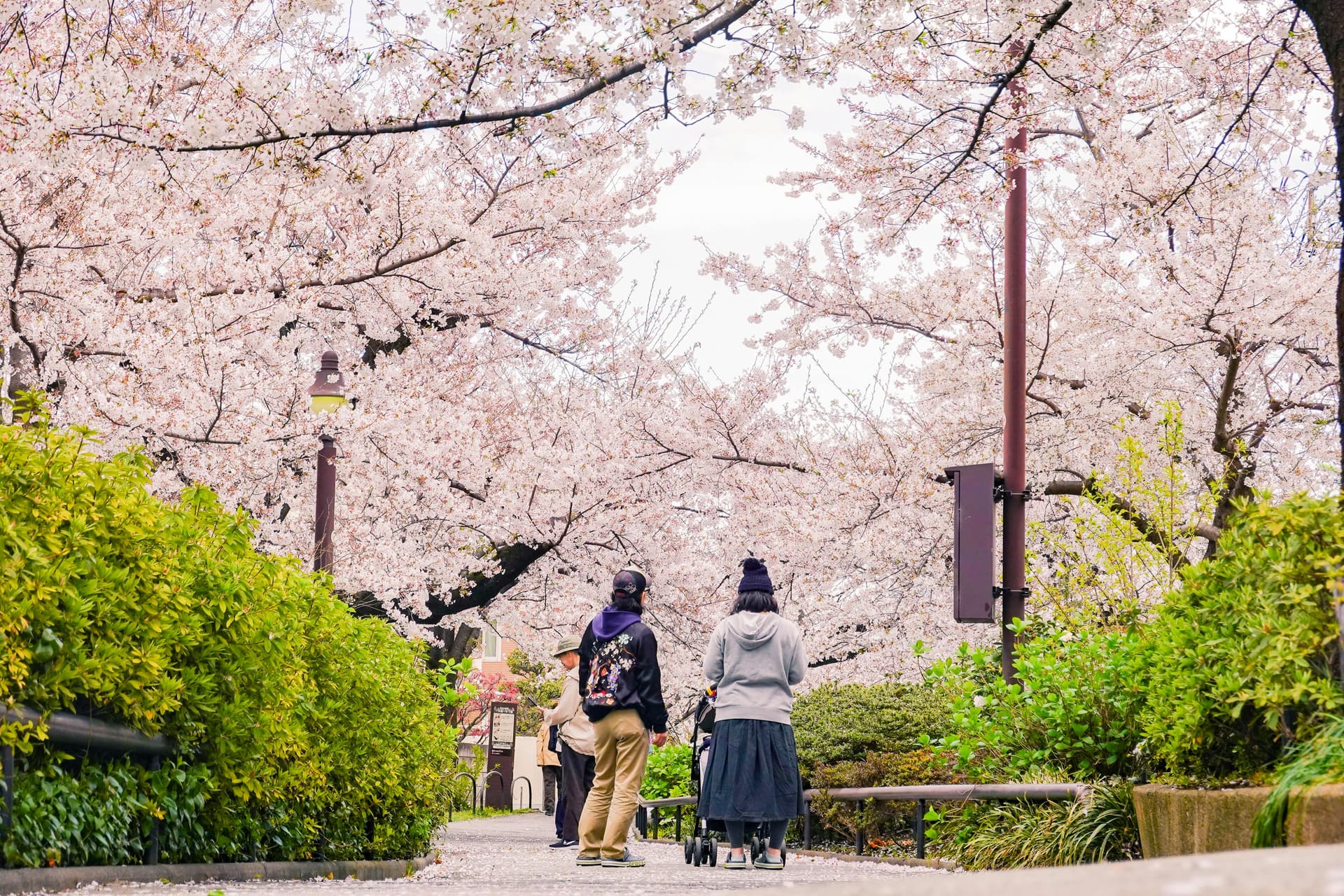
Season Cherry blossom (late March-April), Golden Week (late April-early May), and autumn foliage (October-November) push accommodation up 30-100%. January, June, and late November cost significantly less.
Accommodation tier A capsule hotel costs ¥3,000. A domestic chain costs ¥15,000. A Four Seasons costs ¥100,000. Your hotel choice shapes your daily budget more than anything else.
City vs rural Tokyo and Osaka offer competitive pricing. Kyoto ryokans during peak season cost twice what Tokyo business hotels do. Rural areas outside tourist zones run 30-50% cheaper than major cities.
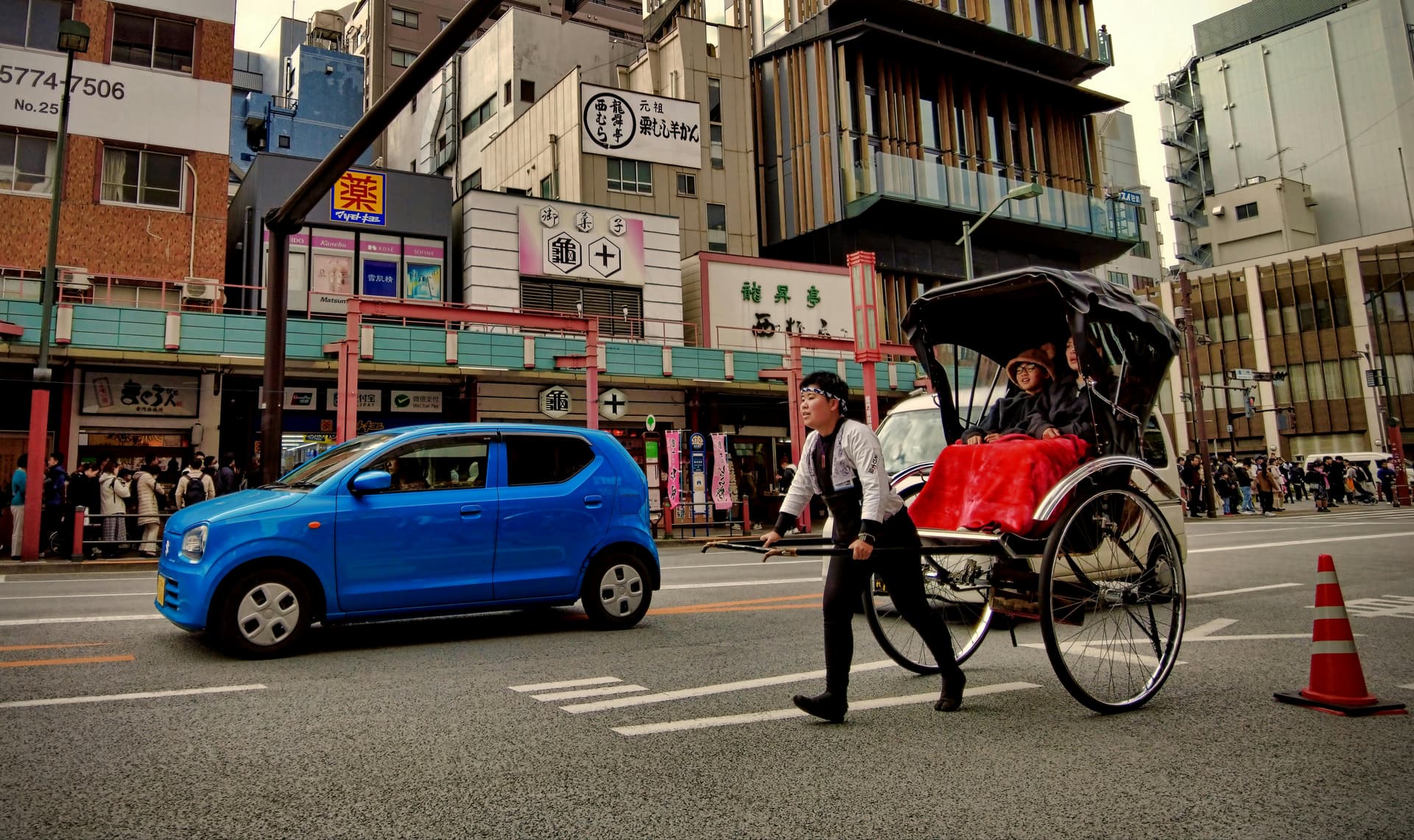
Transportation choices Local trains cost ¥200-250 per ride. Shinkansen to Kyoto costs ¥13,000 one way. A private car for the day costs ¥50,000-100,000. How you move shapes total spend.
A January trip staying at Dormy Inn, eating ramen and izakaya, and using trains costs half what an April trip at a Kyoto ryokan with kaiseki dinners does. These aren't fixed costs—they're choices you control.
The Four Budget Tiers: What Each One Actually Gets You
| Tier | Daily Cost | Accommodation | Food | Transport | Activities | Who This Works For |
|---|---|---|---|---|---|---|
| Budget | ¥8,000-10,000 (~$53-67) | Capsule hotels (¥3,000-6,000) or hostel dorms | Convenience store meals, cheap ramen (¥800-1,000) | IC card metro only (¥200-250/ride) | Free shrines, parks, neighborhoods | Solo backpackers, students, duration over comfort |
| Mid-Range | ¥20,000-30,000 (~$133-200) | Domestic chains: Dormy Inn, Mitsui Garden (¥15,000-20,000) | Casual restaurants, izakaya (¥3,000-4,000) | IC card + occasional taxis, regional trains | Museums, gardens, some paid experiences | First-time visitors, couples, families wanting balanced comfort |
| High-End | ¥40,000-80,000 (~$267-533) | 4-star: Hilton, Hyatt (¥30,000-60,000) | Fine dining (¥10,000-20,000), upscale lunch sets | Taxis, green car Shinkansen, occasional private car | Premium experiences, private guides (¥15,000-30,000 half-day) | Convenience priority, avoiding planning stress, time more valuable than money |
| Luxury | ¥120,000-250,000+ (~$800-1,667+) | 5-star: Four Seasons, Park Hyatt (¥100,000-250,000+) | Michelin/kaiseki (¥30,000-50,000+), private chefs | Private chauffeur (¥50,000-100,000/day) | Exclusive cultural experiences (¥50,000-150,000), bespoke everything | Curated experience, convenience, and privacy are primary goals |
At the high-end budget level, many travelers allocate spend to private guides—treating them like any other experience cost rather than an extravagance. If you're evaluating whether guided experiences fit your travel style, they fall naturally into this tier's spending pattern.
Category-by-Category Cost Breakdown
| Category | Budget | Mid-Range | High-End | Luxury |
|---|---|---|---|---|
| Accommodation | Capsule or hostel (¥3,000-6,000) | Domestic chains: Dormy Inn, Mitsui Garden (¥15,000-20,000) | 4-star: Hilton, Hyatt (¥30,000-60,000) | 5-star: Four Seasons, Park Hyatt (¥100,000-250,000+) |
| Food | Convenience store (¥500-700/meal) | Ramen ¥1,000, izakaya ¥3,000 | Fine dining (¥10,000-20,000) | Michelin/kaiseki (¥30,000-50,000+) |
| Transport | IC card metro (¥200-250/ride) | IC card + occasional taxi; Hikari Shinkansen unreserved Tokyo-Kyoto ¥13,320 | Nozomi green car ¥18,520; taxis (¥500 start, ~¥2,000 avg ride) | Private chauffeur (¥50,000-100,000/day) |
| Attractions | Free: shrines, parks, walks | Museums ¥1,000, gardens ¥500, Tokyo Skytree ¥3,400 | Private guides (¥15,000-30,000 half-day) | Private cultural experiences (¥50,000-150,000) |
What surprises most travelers:
Transport is cheaper than expected. Even Shinkansen across the country costs less than a night at a mid-range hotel.
Food costs vary wildly by choice. You can eat excellent meals for ¥1,000 or spend ¥40,000. Both exist simultaneously.
Domestic hotel chains (Dormy Inn, Tokyu Stay) cost 30-50% less than international brands while maintaining high standards. They often include onsens, free ramen, and better service. For guidance on where to book accommodations, different platforms serve different needs.
Sample Daily Budgets: What a Real Day Costs
| Expense | Budget Day | Mid-Range Day | High-End Day |
|---|---|---|---|
| Breakfast | Convenience store (rice ball, coffee) — ¥400 | Hotel breakfast or coffee shop — ¥1,500 | Hotel restaurant — ¥3,500 |
| Transport | 4 metro rides on IC card — ¥1,000 | 4 metro rides + one taxi — ¥2,500 | 2 taxis, green car Shinkansen day trip to Kamakura — ¥8,000 |
| Lunch | Chain ramen — ¥900 | Casual restaurant set meal — ¥1,800 | Fine dining lunch set in Kamakura — ¥8,000 |
| Activity | Senso-ji Temple, Meiji Shrine, Yoyogi Park — Free | teamLab Borderless + Tokyo Skytree — ¥6,600 | Half-day private guide for Kamakura temples — ¥25,000 |
| Dinner | Conveyor belt sushi — ¥1,200 | Izakaya with drinks — ¥4,000 | Upscale sushi — ¥15,000 |
| Accommodation | Capsule hotel in Asakusa — ¥6,000 | Mitsui Garden Hotel Shibuya — ¥18,000 | Hilton Tokyo — ¥45,000 |
| DAILY TOTAL | ¥9,500 (~$63) | ¥26,000 (~$173) | ¥65,000 (~$433) |
These sample days show how money flows. A high-end traveler spends more on a half-day guide (¥25,000) than a budget traveler spends in three days total. But that same high-end traveler's hotel costs what a budget traveler's entire week does. At this spending level, private guide costs align with other daily expenses—roughly the same as your hotel or a nice dinner, but structuring your entire day.
Total Trip Cost: Putting It All Together
1-Week Trip (7 days)
| Budget Tier | Solo | Couple | Family of 4 |
|---|---|---|---|
| Budget | ¥60,000-70,000 ($400-467) | ¥100,000-120,000 ($667-800) | ¥180,000-220,000 ($1,200-1,467) |
| Mid-Range | ¥140,000-210,000 ($933-1,400) | ¥240,000-360,000 ($1,600-2,400) | ¥480,000-700,000 ($3,200-4,667) |
| High-End | ¥300,000-560,000 ($2,000-3,733) | ¥520,000-960,000 ($3,467-6,400) | ¥1,040,000-1,920,000 ($6,933-12,800) |
| Luxury | ¥840,000-1,750,000+ ($5,600-11,667+) | ¥1,440,000-3,000,000+ ($9,600-20,000+) | ¥2,880,000-6,000,000+ ($19,200-40,000+) |
2-Week Trip (14 days)
| Budget Tier | Solo | Couple | Family of 4 |
|---|---|---|---|
| Budget | ¥120,000-140,000 ($800-933) | ¥200,000-240,000 ($1,333-1,600) | ¥360,000-440,000 ($2,400-2,933) |
| Mid-Range | ¥280,000-420,000 ($1,867-2,800) | ¥480,000-720,000 ($3,200-4,800) | ¥960,000-1,400,000 ($6,400-9,333) |
| High-End | ¥600,000-1,120,000 ($4,000-7,467) | ¥1,040,000-1,920,000 ($6,933-12,800) | ¥2,080,000-3,840,000 ($13,867-25,600) |
| Luxury | ¥1,680,000-3,500,000+ ($11,200-23,333+) | ¥2,880,000-6,000,000+ ($19,200-40,000+) | ¥5,760,000-12,000,000+ ($38,400-80,000+) |
Add flights separately: $700-1,200 from West Coast, $900-1,500 from East Coast (economy, off-peak). Peak seasons add $200-500 per ticket.
What's included in these numbers:
-
Accommodation
-
All meals
-
Local transport
-
Standard attractions and activities
What's NOT included:
-
Flights from home country
-
Shopping and souvenirs
-
Travel insurance
-
Specialty experiences beyond your tier
-
Alcohol beyond casual dining
About couple and family pricing: Couples save on shared accommodation (not quite 2x solo costs). Families of 4 benefit from hotel room configurations that fit everyone, reducing per-person accommodation costs. Budget tier families face limits on free accommodation options.
These are baseline estimates. Your actual costs depend on your specific choices within each category.
Where a Private Guide Fits Each Tier
A private guide costs roughly ¥50,000-80,000 per day (US$330-530) for a full-day experience, depending on guide quality and customization level.
Budget Tier: Usually Doesn't Fit
At $50-70/day, a guide would double or triple your daily cost. The math doesn't work unless you have specific needs — maybe a half-day orientation tour to learn the train system, then self-guided for the rest.
Alternative: Our Tokyo Essentials experience handles reservations, logistics, and cultural framing without the full private-guide price tag.
Mid-Range Tier: Strategic Choice
At $130-200/day, adding a guide for one or two days makes sense if:
- You want depth that research alone can't deliver
- You have limited time and want efficiency
- You're visiting places with access barriers (reservations-only restaurants, craft workshops, local-only experiences)
The calculation: One day with a guide might cost ¥80,000, but it could deliver experiences worth more than two self-guided days. For pricing details, see our Tokyo private tour pricing guide.
High-End Tier: Expected Addition
At $267-533/day, a private guide isn't extravagant. It's a natural allocation. Many travelers at this level book guides for key days—the arrival day to get oriented, or a complex day with multiple neighborhoods and reservations.
This is where guides start delivering real value: handling logistics you'd otherwise research yourself, making reservations at places without online presence, and structuring a day so you don't waste time figuring out trains.
Luxury Tier: Standard Practice
At $800+/day, a private guide isn't an add-on. It's expected. Luxury travelers assume curated experiences, insider access, and expert interpretation.
This is where guides deliver the most value: relationships with vendors, access to places without online presence, and depth of knowledge that transforms "seeing" into "understanding."
When Costs Change: Seasonal Price Swings
| Season | Months | Accommodation Premium | Flight Premium | Characteristics |
|---|---|---|---|---|
| Off-Peak | Jan (post-New Year), June, late Nov | Base pricing | Cheapest | Fewer crowds, better availability, occasional discounts; June has afternoon rain |
| Shoulder | Feb-Mar (pre-blossom), Sept-early Oct | Starting to climb | Moderate | Good weather/cost compromise; autumn color without full premiums |
| Peak | Late Mar-Apr (cherry blossom), Golden Week (late Apr-May), Oct-Nov (autumn) | +30-70% (cherry blossom), +40-100% (Golden Week), +20-50% (autumn) | +$200-500 | Kyoto sees steepest premiums; Tokyo more moderate |
Why costs spike: Japan's domestic travel market is massive. Golden Week combines with international tourism to create demand far exceeding supply. Cherry blossom timing is uncertain until 2-3 weeks out, compressing bookings into narrow windows.
If you must visit during peak: Book 4-6 months ahead for both flights and accommodation. Flexibility with exact dates helps—early April is cheaper than peak bloom. Consider staying outside Kyoto and day-tripping if you want foliage without the premium. For complete seasonal travel planning, weather and crowds matter as much as cost. If you've decided on cherry blossom season despite the premium, detailed planning for sakura season helps maximize the experience.
Regional Cost Differences: Tokyo vs Kyoto vs Rural Japan
| Region | Accommodation Pricing | Peak Season Behavior | Characteristics | Best For |
|---|---|---|---|---|
| Tokyo/Osaka (Major Cities) | Base pricing | Moderate increases | Competitive hotel markets, abundant restaurants, strong transport infrastructure | Budget flexibility, first-time visitors |
| Kyoto/Hakone/Nikko (Tourist Hotspots) | +10-30% vs Tokyo (peak); -10-20% (off-peak) | Steepest premiums during cherry blossom/autumn; ryokans +50-100% vs Tokyo hotels | Traditional accommodations command premiums; seasonal swings most dramatic | Travelers willing to pay for cultural immersion, off-peak visitors |
| Rural Japan (Outside Tourist Circuits) | -30-50% vs Tokyo | Popular destinations match/exceed city prices during local peak seasons | Savings only outside established zones; ski resorts and onsen towns expensive during season | Budget travelers avoiding famous spots, regional exploration |
Planning implications: Multi-city trips need flexible budgets. Tokyo 3 nights + Kyoto 3 nights during cherry blossom season will cost more than Tokyo 6 nights, even if your daily spending habits don't change. The accommodation premium dominates. Rural areas save money only if you're willing to skip the famous destinations.
How to Spend Less Without Feeling Like You're Budgeting
These tactics preserve experience quality:
| Tactic | Savings | What You Get |
|---|---|---|
| Stay at domestic chains (Dormy Inn, Mitsui Garden, Tokyu Stay, Richmond) | 30-50% less than international brands | Onsens, free late-night ramen, better service, more Japanese experience |
| Eat lunch at high-end restaurants | 40-60% less than dinner (¥5,000-8,000 vs ¥20,000-40,000) | Same quality food and chef; Michelin-starred lunches widely available |
| Skip JR Pass for limited routes | ¥50,000 (pass) vs ¥26,640 (round-trip Tokyo-Kyoto) | Pass breaks even at ~2 round-trips; buy point-to-point if staying put |
| Use convenience stores strategically | ¥1,000/day breakfast savings = ¥7,000/week | 7-Eleven breakfast (rice ball, coffee, fruit) ¥500 vs ¥1,500 hotel breakfast |
| Prioritize free cultural experiences | Senso-ji, Meiji Shrine, Imperial Palace Gardens, Yoyogi Park, Shibuya Crossing, Tsukiji Outer Market | Not budget compromises—these are Tokyo at its most authentic |
| Stay near suburban stations (Ikebukuro, Shinagawa) | 20-30% less than Shibuya/Ginza | Still 10-15 minutes from anywhere on Yamanote Line |
| Consider first-day guide | May save more in avoided mistakes than cost | Half-day guide helps with logistics-heavy arrival, then go independent |
For complete JR Pass cost analysis, your itinerary determines the answer. Whether a guide saves money depends on time vs money tradeoffs.
For more budget travel strategies specific to Japan, deeper tactics exist beyond these basics.
Flight Costs: Getting to Japan
| Departure Region | Off-Peak Price | Peak Season Price | Peak Premium | Optimal Booking Window |
|---|---|---|---|---|
| US West Coast (LAX, SFO, SEA) | $700-900 | $1,000-1,400 | +$200-500 | 2-4 months (off-peak); 4-6 months (peak) |
| US East Coast (NYC, BOS, DC) | $900-1,100 | $1,300-1,700 | +$200-500 | 2-4 months (off-peak); 4-6 months (peak) |
Off-peak travel: January-February, June, November Peak seasons: Cherry blossom (late March-April), summer, Golden Week (late April-May), autumn foliage (October-November)
Last-minute deals exist but are unreliable for popular travel windows. Flight costs are separate from the daily budgets above—add them to your total trip calculation.
Hidden Costs and Unexpected Expenses
Budget for these often-forgotten items:
| Expense Type | Cost | Notes |
|---|---|---|
| Airport Transfers | Narita Express: ¥3,070; Haneda train: ¥300-500; Limousine bus: ¥3,200 | Choose based on destination and luggage |
| ATM Fees | $3-5 per withdrawal + 1-3% foreign transaction fee | Japanese ATMs (especially 7-Eleven) don't charge their own fees; minimize withdrawals by taking larger amounts |
| IC Card Deposit | ¥500 deposit (refundable) | Minus ¥220 handling fee if balance remains; full ¥500 returned if balance is zero |
| Luggage Storage | Coin lockers: ¥300-700/day; Forwarding: ¥1,500-2,500/bag | Forwarding is overnight delivery between cities |
| Connectivity | SIM cards: ¥1,500-3,000 (7-14 days); Pocket wifi: ¥4,000-7,000/week | Most tourists choose pocket wifi for multiple devices |
| Cash Budget | ¥10,000-20,000 at all times | Many small restaurants, shops, temples don't accept cards; 7-Eleven ATMs most reliable |
| Tipping | ¥0 (not expected) | Service charges included; saves money vs US expectations |
ATM hunting, cash planning, language barriers at ticket machines—these small frictions add up for first-time visitors. Some travelers budget for a guide on their arrival day to handle these logistics-heavy moments, then go independent once oriented. Whether that makes sense for you depends on your comfort with navigation and whether you need help.
The Honest Bottom Line
A "decent" trip to Japan—meaning you're comfortable, eating well, and seeing what you want—typically costs:
- 7 days budget: $1,600-2,100 total (including flights)
- 7 days mid-range: $3,000-4,500 total
- 7 days high-end: $5,000-8,000+ total
- 7 days luxury: $8,000-15,000+ total
Japan costs less than most Western capitals at equivalent quality levels. The favorable exchange rate makes it particularly good value for visitors from the US, Europe, and Australia.
The key is understanding where your money goes. Lock accommodation first—it's the largest daily variable. Choose your food tier based on what matters to you. Use public transit. Add a private guide strategically, not automatically.
Related Guides
- Tokyo Travel Costs — Detailed breakdown of Tokyo-specific expenses
- Tokyo Private Tour Pricing Guide — What guided experiences cost at each tier
- Are Private Tours in Tokyo Worth It? — When a guide makes sense
- Japan Rail Pass Guide — Whether the pass fits your itinerary
- Best Time to Visit Japan — Seasonal planning beyond costs
- Travel on a Budget — Deeper money-saving tactics