Summary : Whether you're visiting for leisure, business, or family, this guide ensures you're well-prepared to navigate the essentials.
The Japan Rail Pass saves money on long-distance bullet trains — but not every itinerary needs one.
The Japan Rail Pass used to be an easy decision. Before October 2023, almost every multi-city Japan itinerary made it worthwhile. Then prices jumped 65-70%, and the math got tighter.
This guide covers whether the JR Pass makes sense for your trip, which pass type fits your itinerary, and how to use it once you arrive.
The Real Question: Is the JR Pass Worth It in 2026?
The JR Pass is a fixed-price ticket for unlimited travel on JR trains nationwide, including most Shinkansen bullet trains. You pay once, travel as much as you want within the validity period.
Current pricing (2025):
| Duration | Ordinary | Green Car |
|---|---|---|
| 7 days | ¥50,000 | ¥70,000 |
| 14 days | ¥80,000 | ¥110,000 |
| 21 days | ¥100,000 | ¥140,000 |
Children aged 6-11 pay half price. Under 6 travel free without a guaranteed seat.
The break-even math:
A one-way Tokyo→Kyoto Shinkansen ticket costs approximately ¥13,320-14,000 (reserved seat, Hikari service). Tokyo→Hiroshima runs ¥18,000-19,000.
For a 7-day pass at ¥50,000, you need roughly 3.5 one-way long-distance Shinkansen trips to break even. If you're spending most of your time in Tokyo rather than traveling between cities, our 2-day Tokyo routing guide covers the transit math that actually matters. That's a Tokyo→Kyoto round trip plus a day trip—barely worth it. Add Hiroshima or other cities, and the math tips in your favor. For a fuller picture of transportation costs within your overall Japan travel budget, the pass is just one piece of the calculation.
Sample itinerary calculations:
| Itinerary | Individual Ticket Cost | 7-Day Pass | Verdict |
|---|---|---|---|
| Tokyo → Kyoto → Tokyo | ~¥27,000-28,000 | ¥50,000 | Skip the pass |
| Tokyo → Kyoto → Hiroshima → Tokyo | ~¥50,000-52,000 | ¥50,000 | Break even |
| Tokyo → Kyoto → Hiroshima → Fukuoka → Tokyo | ~¥60,000+ | ¥50,000 | Pass saves money |
Who benefits from the JR Pass?
| Traveler Type | JR Pass? | Why |
|---|---|---|
| Golden Route (Tokyo-Kyoto-Hiroshima+) | ✓ Yes | 3+ long-distance legs easily exceed pass cost |
| Multi-city with side trips (Kanazawa, Takayama, Nagano) | ✓ Yes | Additional legs compound savings |
| Tokyo-only visitors | ✗ No | Pass doesn't cover Metro or most subways |
| Single-region travelers (Kansai only, Kyushu only) | ✗ No | Regional passes are cheaper |
| One round trip to Kyoto or Osaka | ✗ No | Individual tickets cost less than 7-day pass |
| Budget travelers | Maybe | Regional passes or individual tickets often stretch further |
The pass also excludes Nozomi and Mizuho trains—the fastest Shinkansen services—unless you pay a surcharge. More on that below.
If pass economics aren't the deciding factor and privacy is, JR Central's new Supreme Class private compartments and JR East's Luna Azul sleeper train sit entirely outside the pass system — see our guide to Japan's new luxury rail experiences for pricing and routes.
What the JR Pass Covers (and What It Doesn't)
This is where most confusion happens—and where travelers get surprised mid-trip.
| Category | Included | Not Included |
|---|---|---|
| Shinkansen | Hikari, Kodama, Sakura, Tsubame, all Tohoku/Hokkaido/Joetsu/Hokuriku lines | Nozomi, Mizuho (without surcharge) |
| Other JR trains | All local, rapid, and limited express | — |
| Tokyo transit | JR Yamanote, Chuo, Sobu lines; Tokyo Monorail | Tokyo Metro, Toei Subway |
| Private railways | — | Keihan, Kintetsu, Hankyu, Odakyu, Tokyu |
| Airport access | Narita Express, Tokyo Monorail | Keisei Skyliner, Keikyu line |
| Extras | JR buses (limited), JR Ferry to Miyajima | Local city buses |
The Nozomi/Mizuho situation:
The Nozomi runs Tokyo→Kyoto in about 2 hours 15 minutes. The Hikari (covered by JR Pass) takes 2 hours 40 minutes. For most travelers, the 25-minute difference doesn't matter—Hikari trains run frequently and the pass covers them completely.
However, JR Pass holders can now ride Nozomi and Mizuho trains by purchasing an "Only with Japan Rail Pass" supplementary ticket:
| Route | Surcharge |
|---|---|
| Tokyo → Kyoto | ¥4,960 |
| Tokyo → Osaka | ¥4,960 |
| Tokyo → Hiroshima | ¥6,500 |
Purchase at JR ticket machines or Midori-no-Madoguchi counters. You cannot buy these online before arriving in Japan.
For most trips, the surcharge isn't worth it. The Hikari gets you there almost as fast without extra cost.
The JR Pass covers all JR trains but nothing else—which shapes route planning in Tokyo. For a detailed breakdown of which Tokyo lines are JR vs Metro vs private, see our three-operator guide.
Regional JR Passes: When the National Pass Is Overkill
If your trip stays within one region, a regional pass often costs less and covers everything you need.
| Pass | Duration | Price | Best For |
|---|---|---|---|
| JR Hokkaido Rail Pass | 5/7/10 days | ¥22,000-37,000 | Sapporo, Hakodate, Furano, Asahikawa loops |
| JR East Pass (Tohoku) | 5 days | ~¥30,000 | Tokyo + Sendai, Morioka, Akita, Aomori |
| JR East Pass (Nagano/Niigata) | 5 days | ~¥27,000 | Tokyo + Karuizawa, Nagano, snow country |
| JR Kyushu Rail Pass (All) | 3/5 days | ¥19,000-21,500 | Fukuoka, Kumamoto, Kagoshima loop |
| JR West Kansai Area Pass | 1-4 days | ¥2,800-7,000 | Osaka, Kyoto, Nara, Kobe, Himeji |
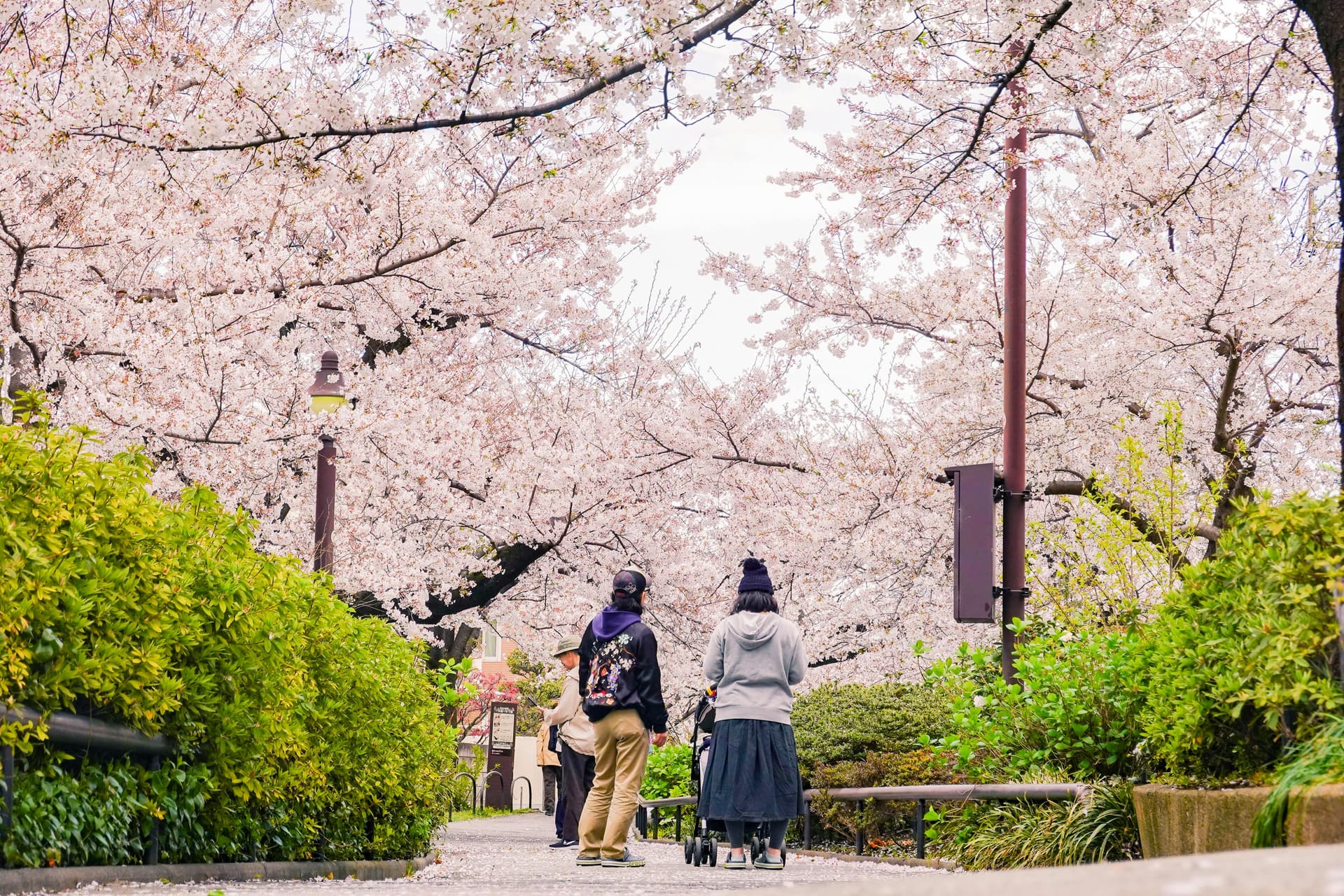
Regional passes share the same limitations as the national pass—no subways, no private railways. But the lower price point makes the break-even calculation easier. The Hokkaido pass becomes particularly valuable for winter travel, while JR East passes work well during cherry blossom season for chasing blooms north from Tokyo.
Regional vs National: Quick decision guide
| Your Itinerary | Best Pass | Why |
|---|---|---|
| Tokyo + day trips (Nikko, Karuizawa, Izu) | JR East Pass | Covers all destinations at lower cost |
| Kansai only (Osaka, Kyoto, Nara, Himeji) | JR West Kansai Area Pass | ¥2,800-7,000 vs ¥50,000 national |
| Hokkaido loop (Sapporo, Hakodate, Furano) | JR Hokkaido Pass | Regional depth at regional price |
| Kyushu circuit (Fukuoka, Kumamoto, Kagoshima) | JR Kyushu Pass | 3-5 days covers most itineraries |
| Cross-region (Tokyo→Kanazawa→Kyoto→Hiroshima) | National JR Pass | Regional passes don't cross company boundaries |
How to Buy the JR Pass
Buy online before arriving in Japan—through the official JR Pass website or authorized vendors. You'll receive an Exchange Order (voucher) to swap for the actual pass after arrival.
Purchasing in Japan is possible but costs more. Buy before you go.
Exchange process:
Bring your Exchange Order and passport to a JR Exchange Office. Major locations include:
| Location | Hours (approximate) |
|---|---|
| Narita Airport T1 | Travel Service Center 8:30-19:00 |
| Narita Airport T2/3 | Travel Service Center 8:30-20:00 |
| Haneda Airport T3 | Tokyo Monorail station, 6:45-20:00 |
| Tokyo Station | Multiple offices, varying hours |
| Shinjuku Station | JR East Travel Service Center |
| Kyoto Station | JR offices |
| Osaka Station | JR offices |
Expect queues of 15-60 minutes at airport locations during peak arrival times.
What you need for exchange:
| Document | Details |
|---|---|
| Exchange Order | Voucher received after online purchase |
| Passport | Must show "Temporary Visitor" entry status |
| Application form | Provided at counter |
Timing:
Your Exchange Order is valid for 3 months from purchase. When exchanging, you choose an activation date—any day within 30 days of the exchange. You don't have to activate immediately.
Strategic timing matters. If you're spending your first few days in Tokyo (where the pass has limited value), delay activation until you start intercity travel.
Using Your JR Pass: Reservations, Gates, and Luggage
Seat reservations:
JR Pass holders can reserve seats free of charge at any JR ticket counter (Midori-no-Madoguchi) or at ticket machines. Reservations guarantee a specific seat on a specific train.
For unreserved travel, board any train with unreserved cars and find an empty seat. This works fine outside peak periods but gets risky during Golden Week, Obon, New Year, and cherry blossom season.
During peak periods, reserve in advance—sometimes days ahead for popular routes. Timing your trip around these periods affects more than just train availability.
Gate procedures:
JR Pass holders cannot use automated ticket gates. Pass through the staffed gate and show your pass to the attendant. This takes seconds but requires finding the manned gate, which exists at every JR station.
Luggage rules:
Shinkansen luggage policies are stricter than you might expect.
| Luggage Size | Rule |
|---|---|
| Under 160cm total (L+W+H) | Store overhead or under seat; no reservation needed |
| 160-250cm total | Must reserve "seat with oversized baggage area" |
| Over 250cm total | Not permitted on board |
Each passenger may bring 2 bags, maximum 30kg each.
The oversized baggage area is the space behind the last row of reserved cars. If your suitcase exceeds 160cm combined dimensions (typical for bags larger than 26"), you must reserve this specific seat type. Standard reservations don't include it.
Penalty for non-compliance: ¥1,000 fee, and you may be asked to take a different train if space isn't available.
Exception: Sports equipment, musical instruments, strollers, and wheelchairs don't require reservations regardless of size, though the oversized area still requires a reservation if you want guaranteed space. Traveling with children adds another layer of logistics to navigate.
As of July 2025, JR is trialing unreserved access to oversized baggage compartments (between cars) on some Tokaido/Sanyo Shinkansen trains for luggage under 160cm. Luggage over 160cm still requires the seat reservation.
IC Cards: Your JR Pass Companion
The JR Pass handles intercity travel. For everything else—subways, private railways, buses, convenience stores—you'll want an IC card.
What IC cards do:
Tap-and-go payment for transit and small purchases. Load money, tap at gates or readers, done. No calculating fares or buying individual tickets.
Tourist options:
| Card | Validity | Deposit | Where to Get |
|---|---|---|---|
| Welcome Suica | 28 days | None | Narita, Haneda, major Tokyo stations |
| Welcome Suica Mobile | 180 days | None | iPhone/Apple Watch app |
| Standard Suica/Pasmo | 10 years | ¥500 (refundable) | JR/Metro stations |
The Welcome Suica is designed for tourists—no deposit, 28-day validity, available at airports immediately upon arrival. Downside: no refund for remaining balance.
The Welcome Suica Mobile app launched March 2025 for iPhone users. Longer validity (180 days), recharge via Apple Pay, no physical card to manage.
Standard Suica and Pasmo cards are again available at stations as of March 2025, after a chip shortage restricted sales in 2023-2024. If you want the classic green penguin card as a souvenir, these work.
Maximum balance: ¥20,000 on any IC card.
Where IC cards work:
| Category | Coverage | Examples |
|---|---|---|
| Subways | All lines | Tokyo Metro, Toei, Osaka Metro |
| Private railways | Virtually all | Tokyu, Odakyu, Keihan, Hankyu, Kintetsu |
| Buses | Most city buses nationwide | Local routes, airport limousines |
| Convenience stores | All major chains | 7-Eleven, Lawson, FamilyMart |
| Vending machines | Most | Drinks, tickets, snacks |
| Retail/dining | Many locations | Restaurants, shops, station kiosks |
JR Pass + IC card strategy:
Use the JR Pass for intercity travel and JR lines. Use your IC card for everything the pass doesn't cover—which in Tokyo means most of your daily transit. For a deeper look at navigating Tokyo's overlapping rail systems, the complexity becomes clear quickly.
Best Apps for Japan Train Travel
A good app makes station navigation manageable. Here's what actually helps.
| App | Best For | JR Pass Filter | Offline | Notes |
|---|---|---|---|---|
| Navitime for Japan Travel | JR Pass holders | Yes | Partial | Excludes Nozomi by default; clear English interface |
| Google Maps | General planning | No | Yes | Reliable but shows all trains; manually avoid Nozomi |
| Japan Transit Planner (Jorudan) | Fare calculations | Partial | No | Good for comparing pass value vs individual tickets |
| SmartEX | Shinkansen reservations | N/A | No | Handles Tokaido/Sanyo bookings; requires setup |
| JR East / JR West apps | Regional depth | Yes | Partial | Deep functionality but limited to company's region |
Download offline maps before arriving. Station Wi-Fi exists but isn't always reliable when you need it most—like finding a platform during a tight connection.
Common Mistakes and How to Avoid Them
These patterns show up repeatedly among first-time visitors. Some mistakes compound when you're also navigating language barriers and unfamiliar systems.
| Mistake | Why It Happens | How to Avoid |
|---|---|---|
| Buying pass for Tokyo-only trip | Assuming "JR" covers Tokyo transit | JR Pass has minimal Tokyo value—Metro and private lines aren't covered. Use IC card instead. If Tokyo is your focus, plan around neighborhoods, not passes. |
| Assuming Nozomi coverage | It's the most famous Shinkansen | Hikari covers the same route, nearly as fast. Plan around it or budget for the surcharge. |
| Not reserving during peak season | Underestimating demand | Golden Week, Obon, New Year fill up. Reserve days ahead for these periods. |
| Forgetting luggage rules | Rules aren't well publicized abroad | Measure bags before travel. Over 160cm total requires oversized baggage seat reservation. |
| Activating on wrong day | Eager to use the pass | Validity is consecutive days. Delay activation until first intercity trip—don't burn days in Tokyo. |
| Missing last train | Assuming late-night service | Last trains run 11:30pm-midnight. Shinkansen ends even earlier. Check schedules. |
| Confusing JR with private railways | Multi-operator stations are complex | Watch signs for company names. JR Pass only works on JR sections. For travelers navigating language barriers, these stations are where confusion compounds. |