Every guide calls it bohemian. We explain what that actually means—the 40-year pipeline from cheap rent to Instagram destination.
August 27, 2025
9 mins read
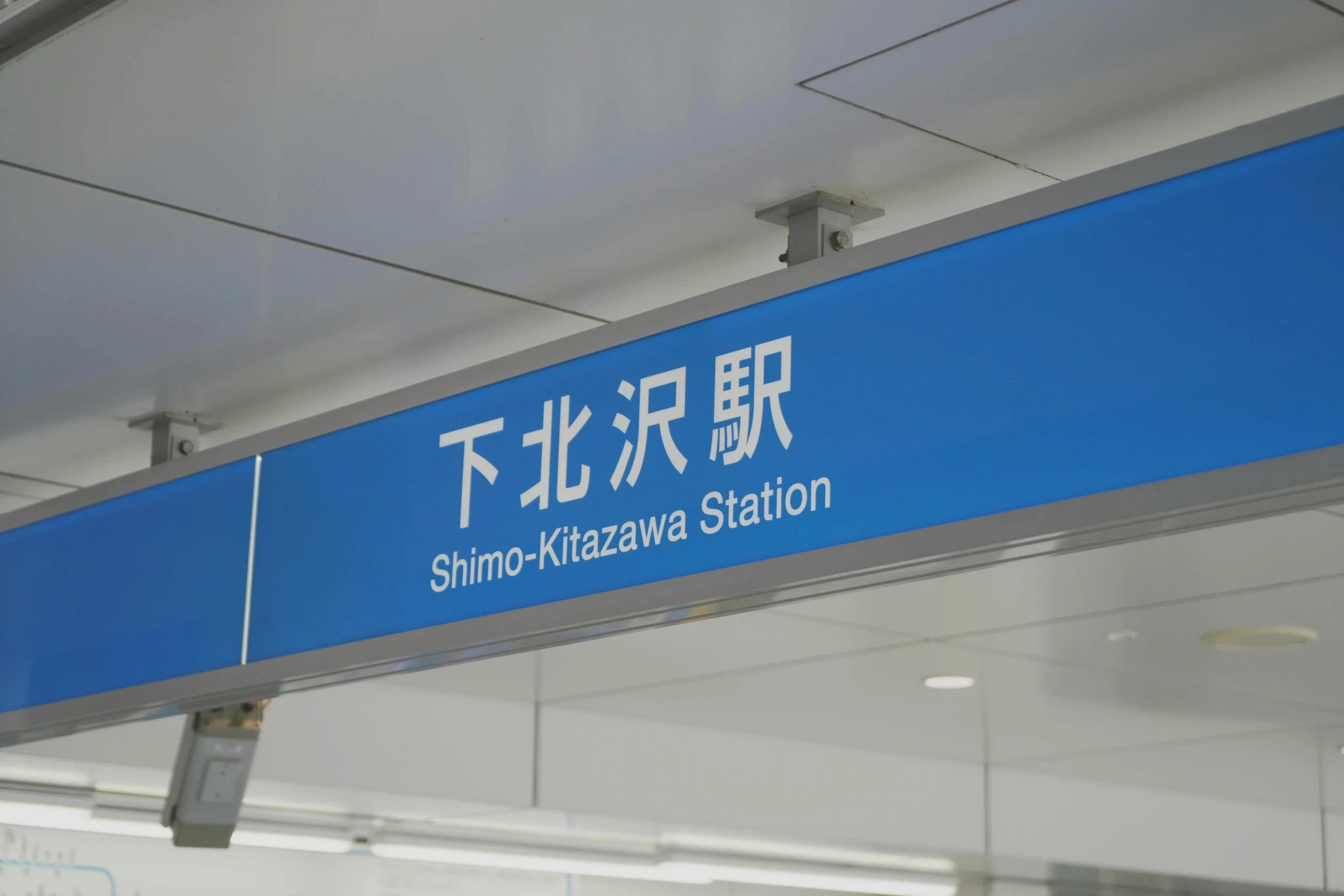

Shimokitazawa gets 150,000 visitors daily. Whatever "hidden gem" it once was, that version is gone. But here's what the old-timers mourning its loss won't tell you: the neighborhood's commercial reinvention is itself worth understanding—if you know what you're looking at.
Where Tokyo's Counterculture Went Commercial
What the Numbers Actually Say
Every travel blog still calls Shimokitazawa "off the beaten path." The numbers say otherwise. But the crowds aren't the whole story. The neighborhood still draws intentional travelers rather than selfie-seekers—people who actually want to dig through vintage racks and sit in tiny bars, not just photograph them.
The 40-Year Pipeline
The transformation took four decades. In the 1970s, students fleeing expensive Shinjuku discovered cheap rent near Shimokitazawa Station. Theaters and live music venues followed—small stages multiplied through the 1980s, drawing actors, musicians, and the audiences who came to see them.
Vintage shops came next. Then cafes. Then tourists. Then developers.
In 2003, residents formed the Save the Shimokitazawa movement to oppose the Setagaya Ward plan allowing buildings up to 60 meters tall. They won some battles—the streets stayed narrow. But the 2013 Odakyu Line underground relocation opened space for new commercial developments: Reload in 2021, MIKAN Shimokita in 2022, Bonus Track on the former railway land.
Bonus Track won the Toyo Ito Award for its village-like design: small shops, residential units above, shared courtyards. It's not a generic mall. But it's unmistakably commercial—curated bookstores, fermented-goods specialists, and vegan restaurants where the rail tracks used to run.
The result is what you see today: counterculture infrastructure that became commercial infrastructure. The theaters that opened because rent was cheap now operate because tourists buy tickets. The tension between preservation and development isn't resolved—it's the current state.
200 Vintage Shops Aren't All Selling the Same Thing
Visitors describe Shimokitazawa vintage shopping as both "budget-friendly" and "expensive." Both are true. They're describing different shops.
Genuine Secondhand: Rotating Stock, Real Finds
These shops import clothing from the US and Europe or source locally, with inventory that changes constantly:
New York Joe Exchange — Housed in a converted public bathhouse. Brings in American and European secondhand clothing. Offers a trade-in system. Average prices ¥2,000-3,000. Half off the first Sunday of each month.
Chicago — Large warehouse store with secondhand American clothing plus traditional Japanese yukata and kimono. Prices ¥2,000-5,000.
Flamingo — US-based buyers select from American vintage markets. Inventory from the 1940s through 1980s. Two locations in the neighborhood. Prices ¥3,000-7,000.
KINJI — Trendy items ¥2,000-5,000, sometimes as low as a few hundred yen.
Curated Vintage: ¥8,000 and Up
These shops select carefully and price accordingly:
Haight & Ashbury — Authentic 19th and 20th century pieces. One-of-a-kind luxury finds.
JAM — High-quality vintage Levi's, Dr. Martens, Ralph Lauren. Prices ¥4,000-11,000.
iot — Unusual secondhand with unique selections. Expect ¥8,000-15,000.
Caka — Remakes and high-end curation. Pieces can reach ¥20,000-50,000.
Budget Chains: Volume Over Selection
If you just want cheap clothes with minimal hunting:
Stick Out — Everything costs ¥800. No exceptions.
2nd Street — Large chain with varied inventory. First floor often has designer pieces; second floor has general fashion.
Treasure Factory Style — Fashion-focused recycling shop. Mix of brands and basics.
Quick Price Guide
Category | Price Range | Example Shops |
|---|---|---|
Genuine Secondhand | ¥2,000-7,000 | New York Joe, Chicago, Flamingo |
Curated Vintage | ¥8,000-50,000+ | Haight & Ashbury, JAM, iot |
Budget Chains | ¥800+ | Stick Out, 2nd Street |
When the Shops Are Actually Open
Most vintage shops open between 11am and noon. Almost all close by 7pm or 8pm. Shimokitazawa's reputation for late-night activity applies to bars and music venues—not shopping. Plan accordingly.
The Theater Scene Everyone Mentions But Nobody Explains
Every guide mentions Shimokitazawa's theater scene. Almost every guide then dismisses it as inaccessible to non-Japanese speakers. That dismissal is too quick.
10+ Theaters Within Walking Distance
Kazuo Honda started as an actor, went into the bar business, and ended up owning dozens of bars in Shimokitazawa. In 1981, he founded The Suzunari theater. He eventually built eight theaters within the Honda Gekijo Group, all operating within a short walk of the station: Theater 711, Rakuen, OFF OFF Theater, and others.
Including independent venues, Shimokitazawa has 10-15 small theaters. Tickets cost ¥2,000-4,000. The Honda Theater, with 386 seats, is the largest. Most others hold about 100 people. The annual Shimokitazawa Theater Festival has run since 1990.
The limitation is real: most performances are in Japanese. Without Japanese ability, theater here requires effort that live music doesn't.
Why Music Venues Are Easier Than Stage Plays
Shimokitazawa holds 8% of Tokyo's live music clubs in 0.01% of the city's land area—21 venues concentrated in a few blocks. Music transcends language barriers. You can walk into a jazz bar or rock venue any night without knowing Japanese.
Lady Jane, a jazz bar at 5-31-14 Daizawa, was opened in 1975 by Oki Yumitaka after he led a theater troupe. The cultures blend here. Artists, actors, directors, writers, and painters gather in the same small rooms they've gathered in for 50 years.
What a Guide Actually Helps With Here
A guide can't make Japanese-language theater accessible. But guides who know the scene can identify performances with strong visual or physical elements that work without dialogue—comedy, dance-heavy shows, or experimental pieces. They can also navigate ticketing systems designed for Japanese speakers and translate signage outside venues. For more on navigating language barriers, we have a dedicated guide.
Who Should Skip Shimokitazawa
The "Hidden Gem" Hunters
If you're looking for undiscovered Tokyo, Shimokitazawa will disappoint. The 150,000 daily visitors include plenty of tourists with the same guidebook you're reading. The narrow streets feel crowded on weekends. The "bohemian" vibe is now self-consciously maintained for exactly those tourists.
This doesn't mean Shimokitazawa isn't worthwhile. It means the value lies elsewhere—in understanding the counterculture-to-commerce transformation, not in finding something secret.
Families With Young Kids
Shimokitazawa is not family-oriented. The vintage shops hold no interest for children. The streets are narrow and crowded. The food leans toward curry houses and bars rather than family restaurants. As one traveler put it: "Do not bring kids, they'll be bored."
Pure Shopping Missions
If your goal is just to browse vintage clothing for a few hours, you don't need a guide. You don't even need much planning. Exit the station, walk north, and enter every shop that looks interesting. Shimokitazawa is small enough to cover on foot and tourist-friendly enough to navigate without Japanese.
The guide value here isn't navigation—it's context.
The Koenji Comparison
Travelers seeking raw, uncommercial vintage shopping should consider Koenji instead. A few stops from Shinjuku on the Chuo Line, Koenji offers a grittier vibe with fewer tourists and lower prices. No department stores. Punk rather than bohemian. Less polished, more lived-in.
Shimokitazawa is boho-chic; Koenji is unpolished and proud of it. If you prefer edge over curation, Koenji delivers what Shimokitazawa has commercialized away. For a broader look at Tokyo's neighborhoods, we cover what each district offers.
What a Guide Changes Here
A guide doesn't unlock secret Shimokitazawa. No one has that key anymore.
What a Guide Can't Fix
No guide makes Shimokitazawa undiscovered again. The narrow streets stay narrow, the weekend crowds stay crowded, and the 2022 developments aren't going anywhere. If your ideal Shimokitazawa is the version that disappeared decades ago, it's gone.
What Context Actually Changes
Guides offer interpretation. The difference between walking past 200 vintage shops and understanding which three match your budget and taste. The difference between seeing new buildings and understanding the 20-year fight between preservationists and developers. The difference between passing a jazz bar and knowing it was opened by a theater director in 1975.
Shimokitazawa is small enough to explore alone but layered enough that context transforms what you see. A guide who knows the shop categories can walk you straight to your price range. A guide who knows the economic history can explain why The Suzunari exists next to MIKAN Shimokita. A guide who knows the music scene can identify which venues open when and what genre plays where.
Which Tour Includes Shimokitazawa
The Ordinary Tokyo tour pairs Shimokitazawa with five other neighborhoods over 8 hours: Togoshi Ginza, Shimokitazawa, Keio University area, Kichijoji, Marunouchi, and Yurakucho. The itinerary moves through different slices of everyday Tokyo—from grandmothers' shopping streets to young creatives' hangouts to salarymen's after-work rituals.
Shimokitazawa appears mid-morning, at 11am, when the vintage shops open. The pairing with Kichijoji makes sense: both are suburban creative neighborhoods, but Kichijoji adds a park, a different shopping rhythm, and an older residential feel.
For visitors wanting to build their own day around Shimokitazawa specifically, the Infinite Tokyo tour offers flexible 8-hour customization.
Planning Your Visit
Timing That Matters
Weekday afternoons offer the best experience. Weekend crowds are manageable but noticeably denser. Morning visits before 11am mean closed shops.
Plan 3-4 hours minimum. Shimokitazawa is compact but layered. Rushing through misses the point.
Getting there takes minutes: 3 minutes from Shibuya on the Keio Inokashira Line, 7-10 minutes from Shinjuku on the Odakyu Line.
The October Curry Festival
Every October, Shimokitazawa transforms into curry central. The Shimokitazawa Curry Festival runs 18 days (October 9-26 in 2025) with 100+ participating restaurants offering limited-edition curry dishes.
A stamp rally lets visitors collect stamps by eating curry at participating shops. Entry costs ¥500. Prizes include festival T-shirts, curry roux packets, and other goods. Maps and information appear in tents near the station. The "I Love Shimokitazawa" app tracks progress.
There's no language barrier—eating curry requires no Japanese. The festival mascot, Curry King, raps his way through the streets with a boom box. It's exactly as eccentric as it sounds.
Where Hinomaru One Fits
Our Ordinary Tokyo tour stops in Shimokitazawa mid-morning, when the vintage shops open, pairing it with Kichijoji and four other neighborhoods. Guides who know the shop categories walk you to your price range. Guides who know the economic history explain why 1980s theaters exist next to 2022 developments. The context transforms what you see.
At Hinomaru One, we design culturally rich, stress-free private Tokyo tours for first-time and seasoned travelers. Unrushed. Insightful. Always customized.