Koenji isn't hidden—it's gated. A guide doesn't show you the neighborhood; they let you into the parts that don't take walk-ins.
Koenji is easy to find and hard to get into, and most of what a guide does here is get you through doors you'd otherwise stand outside.
Koenji is nine minutes from Shinjuku: two stops on the JR Chuo Line, a ¥160 fare.
The best parts of Koenji don't take walk-ins: the snack bars where regulars hold the counter, the live houses where shows start at 7:30pm with no English-language listings, the back rooms of vintage shops where the rare pieces hang. You can walk the shopping streets on your own, but the neighborhood runs on who knows whom.
Nine Minutes from Shinjuku, But That's Not the Hard Part
Koenji is on the JR Chuo Line, two stops west of Shinjuku, a nine-minute ride. The station is simple, and four covered shopping streets, called shotengai, run out from its two exits. You won't get lost.
Knowing where to look is what makes Koenji worth visiting.
The shops are visible. Access is conditional.
Koenji has over 100 vintage shops packed in near the south exit. The signs are up and the doors are open, but most shops specialize in ways you can't see from the sidewalk. Safari stocks WWI peacoats and WWII flight jackets. Whistler does leather shoes and boots from 1940s-1960s America. Bernet carries European cottage-core pieces from the 1950s, and anemone specializes in Burberry trench coats from the UK. On guided vintage shopping tours, someone who already knows which shops fit your style saves you hours of trial and error.
What "authentic" actually means here
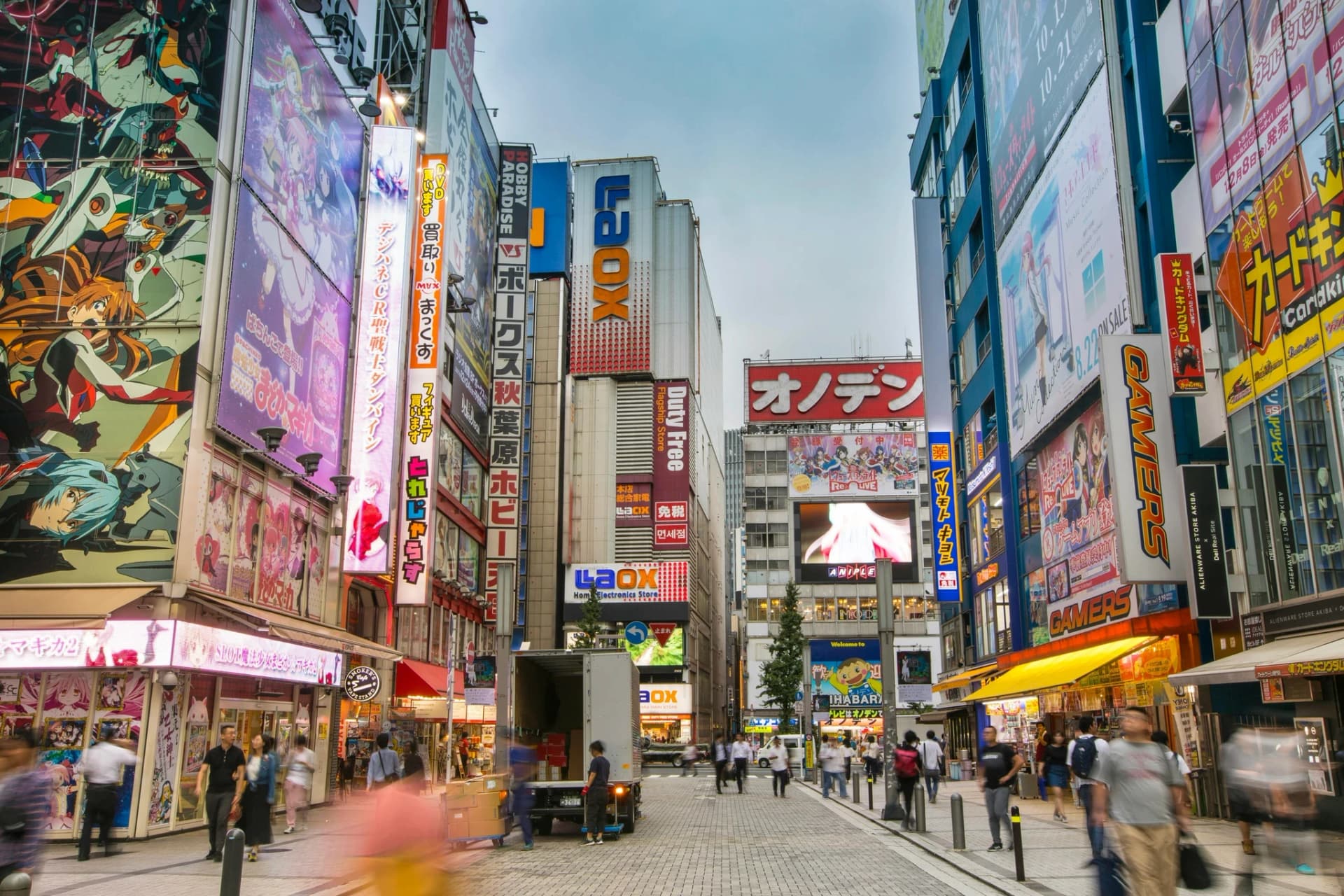
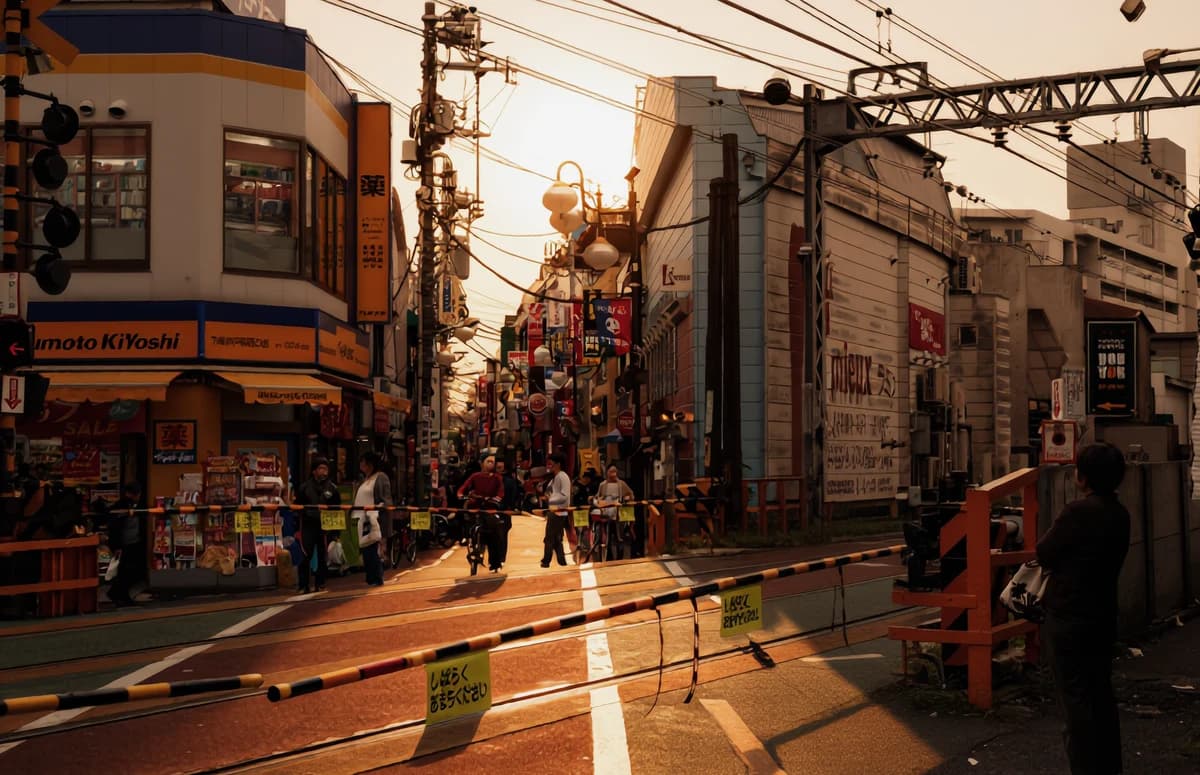
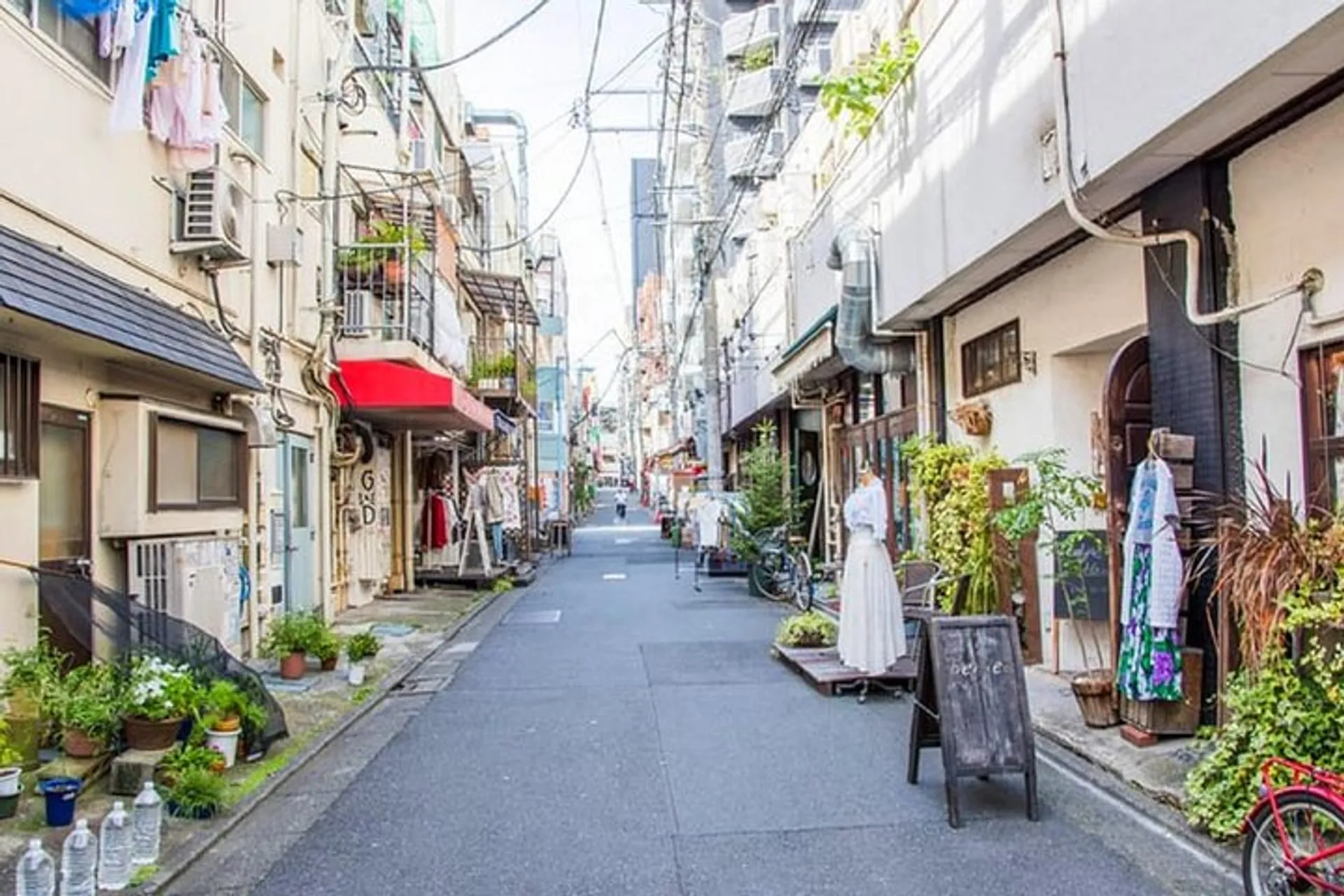
Koenji isn't polished, and the shotengai were never built with tourists in mind. Menus are handwritten in Japanese, locals buy groceries next to vintage hunters, and izakayas line up under the train tracks.
One traveler described it as "somewhere you needed to know places to go, rather than stumbling upon them."
100 Vintage Shops, 4 Hours, No Filter
All those shops sound great until you're standing in the third one wondering if you're in the right place.
Koenji has over 100 vintage shops. Give yourself four hours, a fair half-day, and that works out to about two minutes a shop, with no time to browse or ask questions and no way of knowing which 10 shops suit you.
Four shopping streets, distinct characters
The shops cluster by type:
-
Junjo Shotengai (north exit): Roughly 250 shops total, mixing vintage with antiques, records, and local food
-
PAL Shotengai (south exit): Covered arcade, about 150 shops, general vintage mixed with daily shopping
-
Look Shotengai (south, toward Shin-Koenji): Known specifically for vintage clothing concentration
-
Nakadori Shotengai (under tracks): Izakayas and bars, not shopping
If you only have energy for one or two of them, pick by that list.
What guides actually curate
Matching shops to your taste takes longer than finding the streets, because the range is wide. Safari carries high-end American military pieces, priced accordingly. Slut splits its floor, with affordable Levi's and military khakis up front and rare 1950s sweatshirts and pre-WWII chambray shirts in the back. Western has sold denim for nearly 50 years and specializes in Levi's 501s and Japanese brands like Evisu.
A guide who knows your budget and style takes you straight to the three shops that suit you.
Shops Open at 1PM. The Best Evening Starts at 5.
Koenji keeps its own hours, and tourists who arrive in the morning find the shutters down.
The morning mistake
Most vintage shops open between noon and 1pm. Safari, Liberal, and anemone all open at 1pm, and Slat at 12:30pm.
"Koenji is not an area to visit in the morning, as most shops open late," one local guide advises.
Leave it too late and you have the opposite problem. One visitor showed up at 6pm expecting an evening of shopping: "We arrived at around 6 in the evening and everywhere was starting to pack up." By 8pm most vintage shops have closed.
Afternoon vintage → evening izakaya
The best Koenji day follows the neighborhood's own schedule:
-
Arrive around 1pm: Shops are open, streets aren't crowded yet
-
Shop until 5pm: Four hours is enough for focused browsing with guidance
-
Transition to food and drink after 5pm: Izakayas open, the evening crowd arrives
The nightlife picks up as the shops wind down. The izakayas on Nakadori under the tracks fill with locals after work, and the live houses start their first sets around 7:30pm. Plan on shopping in the afternoon and eating and drinking in the evening, and don't try to browse all day.
Snack Bars and Live Houses: What a Guide Unlocks
Anyone can walk into some of Koenji. Other places need an introduction.
The snack bar problem
Japanese snack bars are tiny places, usually a counter and a few seats, run by a host called "Mama" or "Master" who serves drinks, light food, and conversation. Koenji's back streets are full of them, and they aren't set up for walk-ins.
"Snack Bars, beloved by many but you can't enter without a guide," notes one nightlife guide. Many have simple menus, and the barrier isn't language so much as who you know. These bars serve their regulars. A guide with an existing relationship can bring you in, while a stranger walking in cold won't get a seat.
Live houses and the insider loop
Japanese punk rock started in Koenji in the late 1970s and early 1980s, and the live music scene is still going, with a different feel from Tokyo's better-known nightlife districts. JIROKICHI opened in 1975 as one of Tokyo's first live venues, an underground room with no stage where musicians play on the same floor as the audience. Koenji High opened in 2008 with a nightclub feel and state-of-the-art sound. Niman Denatsu keeps the punk and noise tradition going, and ShowBoat is known for its sound system.
To find shows you have to check each venue's website one by one. JIROKICHI and Koenji High sell tickets online and at the door. SUBstore is first-come, first-served, with no tickets. Tokyo Gig Guide (tokyogigguide.com) has some English listings, but plenty is missing. Shows start around 7:30pm, which is earlier than most overseas visitors expect.
A guide who knows the scene checks what's on during your visit and suggests shows that fit your taste. Alone, you're working through several Japanese-language websites with nothing to narrow them down.
General izakayas: accessible, but...
Not everything in Koenji requires a guide. The main izakayas have English menus. Tonkichi, the sprawling outdoor yakitori place, welcomes everyone, and the standing bars along Koenji Street are used to tourists.
The next layer is harder to reach alone: the snack bars, the small counters, places like Secret Base Zero where ¥500 beers keep coming until 5am.
One tour guest put it clearly: "I would have felt so out of my comfort zone if I had tried to eat by myself at the izakaya where we ate. I actually think they might have told me to go away."
Koenji or Shimokitazawa? The Honest Comparison
Travelers with time for one offbeat neighborhood often pick between Koenji and Shimokitazawa. You can't swap one for the other.
| Shimokitazawa | Koenji | |
|---|---|---|
| Vibe | Boho-chic, gentrified | Raw, punk heritage |
| Crowd | Younger, more tourists | Older, fewer tourists |
| Prices | Higher (tourist-inflated) | Lower |
| Navigation | Easier alone, well-signed | Wider spread, specialized shops |
| Guide value | Nice to have | Unlocks access |
"Koenji is a vintage hub without the massive crowds of Shimokitazawa," one traveler noted. Another said Shimokitazawa has "become more commercialized over the last few years."
If you want vintage that's easy to get at, Shimokitazawa makes sense. If you're fine with some friction in exchange for depth, and want someone to help with it, go to Koenji.
Who Koenji Is For (And Who Should Skip It)
We'd send some people here happily and steer others away.
Good fit: vintage, music, evening drinking
Koenji works for you if you:
-
Hunt for specific vintage pieces and would rather have a short list than browse everything
-
Care about music history and want to see live house culture firsthand
-
Like izakaya food and would try a snack bar with the right introduction
-
Can give it half a day, not a rushed two-hour stop
-
Are comfortable in neighborhoods that don't cater to tourists
Plan on a full afternoon that runs into the evening.
Poor fit: families, temples, efficiency
Koenji isn't right if you:
-
Are traveling with young children (it isn't a family neighborhood)
-
Want temples, shrines, or traditional culture (Koenji has a few temples, but they aren't the reason to come)
-
Have limited Tokyo time and Shibuya, Shinjuku, or Asakusa are competing for it
-
Need clear signs, English menus, and tourist-friendly polish
-
Want to browse casually with nothing in particular to look for
Some visitors should go to Shimokitazawa instead, which has a similar vintage scene with less friction.
What a Koenji Private Tour Looks Like
We build each Koenji day around what you're into.
The typical day structure
A guided Koenji day runs 5-6 hours:
-
Meet in early afternoon when shops are open
-
Focus shopping time on 3-5 shops matched to your interests
-
Transition to food and drink as evening arrives
-
End at an izakaya, snack bar, or live house depending on your interests
If you care more about food and drink than vintage, a dedicated evening food tour may suit you better than a full Koenji day.
Customization: pre-tour consultation
Before the tour you'll have a consultation to tell us your interests, your energy level, and what you'd like out of the day. Vintage military jackets? The guide puts Safari and Whistler first. Affordable everyday pieces mean a different route, and for live music the guide checks show schedules ahead of time.
Once that's settled, the Infinite Tokyo 8-hour format gives you the whole afternoon and evening, with room to follow whatever catches your eye.
Where Hinomaru One Fits
Our guides have the relationships that get you a seat at snack bars, know which vintage shops fit your taste, and keep track of which live shows are worth an evening. Because of the pre-tour consultation, your Koenji day is planned before you arrive.
At Hinomaru One, we design private Tokyo tours for first-time and returning travelers, unhurried and customized for each group.